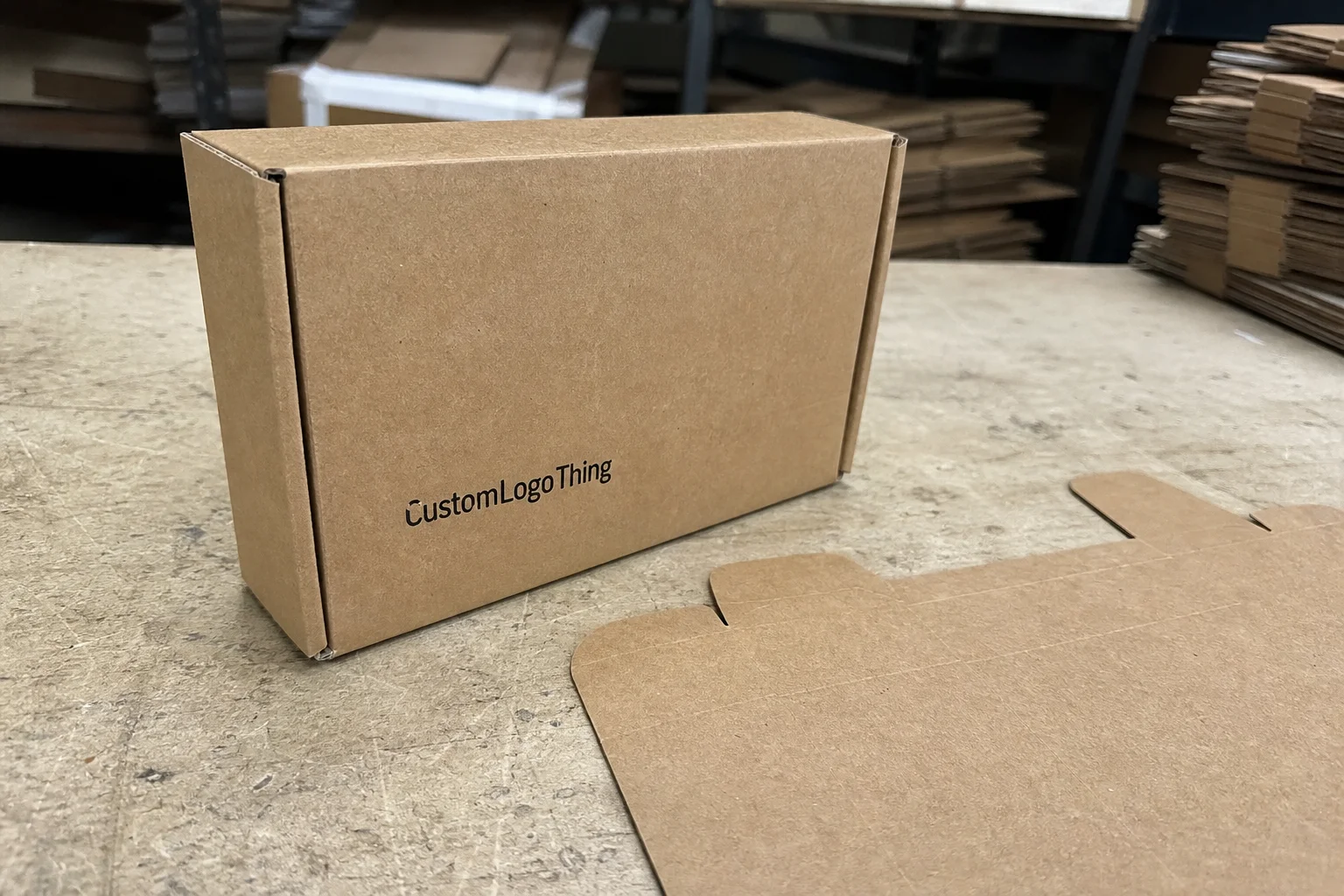
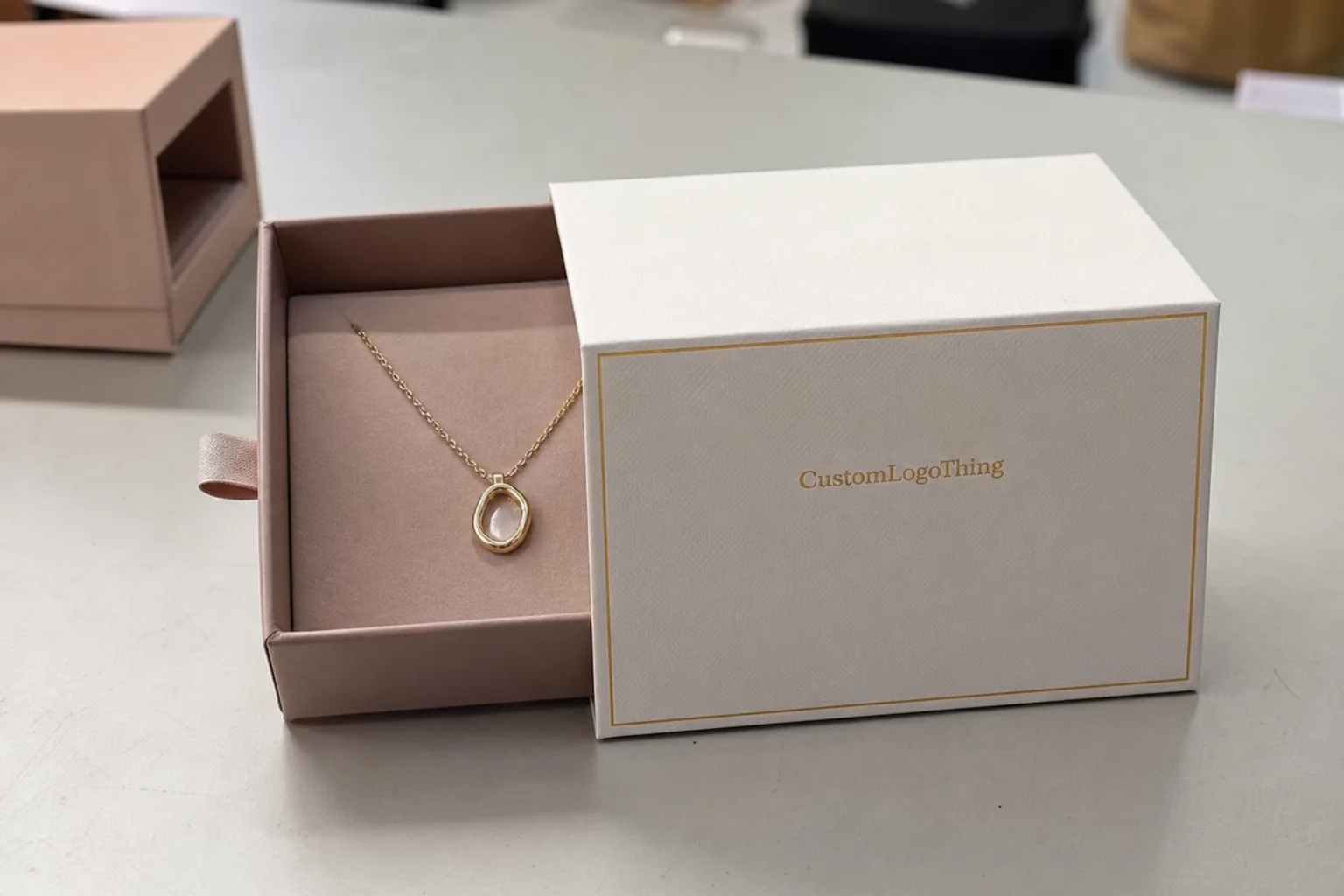
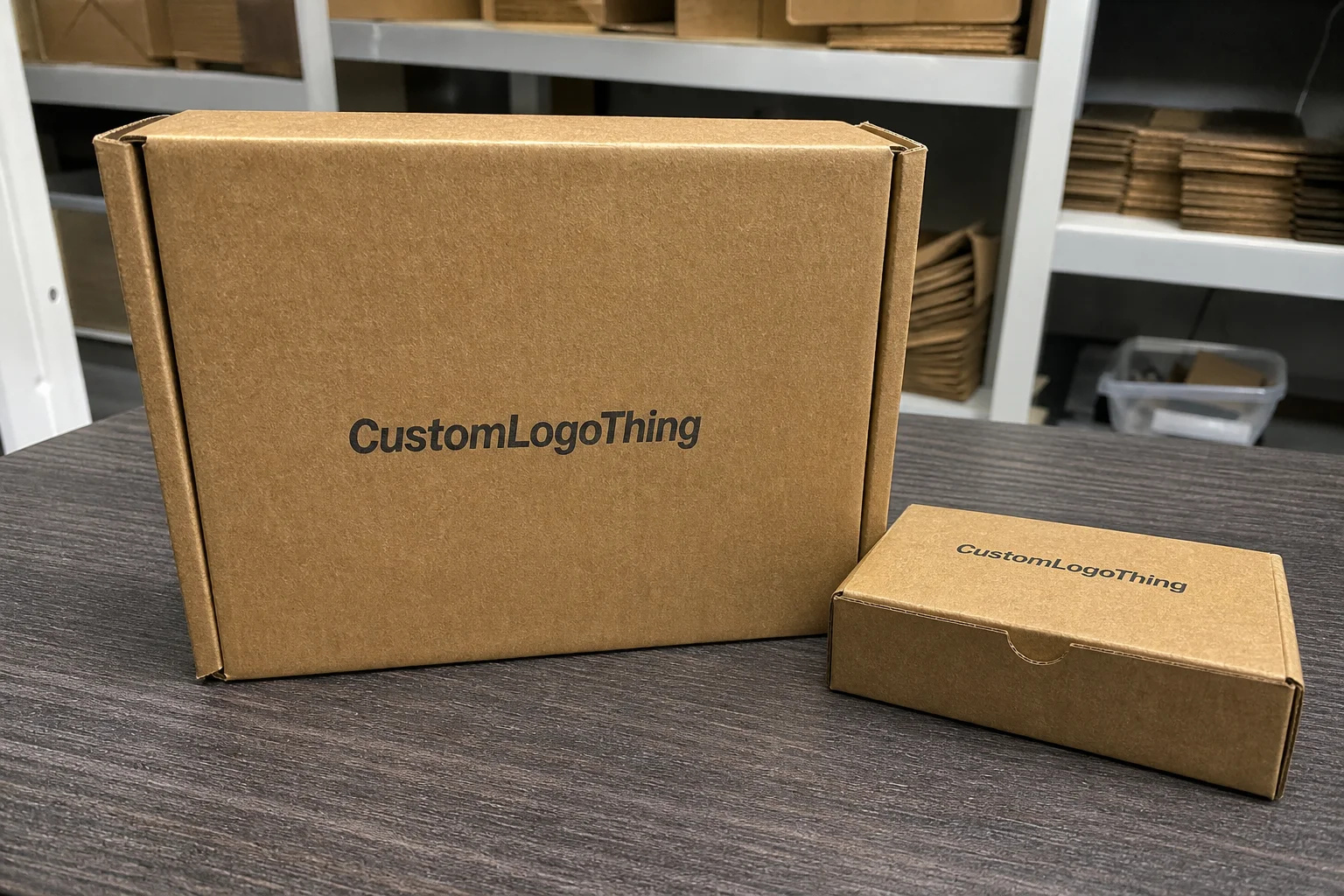
Buyer Fit Snapshot
| Best fit | Wholesale Packaging Practices projects where brand print, material claims, artwork control, MOQ, and repeat-order consistency need to be specified before quoting. |
|---|---|
| Quote inputs | Share finished size, material target, print colors, finish, packing count, annual reorder estimate, ship-to region, and any compliance wording. |
| Proofing check | Approve dieline scale, logo placement, barcode or warning zones, color tolerance, closure strength, and carton packing before bulk production. |
| Main risk | Vague material claims, crowded artwork, missing packing details, or unclear freight terms can make a low unit price expensive after revisions. |
Fast answer: Wholesale Packaging Practices: Material, Print, Proofing, and Reorder Risk should be specified like a repeatable production item. The safest quote records material, print method, finish, artwork proof, packing count, and reorder notes in one written spec.
Production checks before approval
Compare the actual filled-product size with the drawing, then confirm tolerance on folds, seals, hang holes, label areas, and retail display edges. Reserve space for logos, QR codes, warning copy, and material claims before decorative graphics fill the panel.
Quote comparison points
Review material grade, print process, finish, sampling route, tooling charges, carton quantity, and freight assumptions side by side. A quote is only useful when the supplier can repeat the same color, closure quality, and packing count on the next order.
Wholesale Packaging Best Practices start with a simple truth I’ve watched play out on factory floors from Dongguan to Columbus, Ohio: the cheapest box on paper can become the most expensive box in the warehouse once you count damage, rework, freight penalties, and the time your team spends fixing avoidable mistakes. I remember standing beside a converting line in Foshan where a buyer had saved three cents a unit on a folding carton, only to lose that win when a poor-fit insert caused a 4% return rate on a 20,000-unit run. Brutal. That is why wholesale packaging best practices are really about total landed cost, not just the quote in isolation, and why the smartest buyers think about material, print method, and carton configuration before they ever ask for pricing. A $0.15-per-unit box for 5,000 pieces can beat a $0.11-per-unit quote if the cheaper option triggers $1,200 in chargebacks and a two-week delay.
Most packaging failures come from mismatched specs rather than one dramatic manufacturing defect. A carton can be printed beautifully and still fail if the board is too light for the product weight, or if the closure is wrong for the shipping path, or if the pallet pattern crushes the top layer in transit after a 1,200-mile truck route from Dallas to Los Angeles. Wholesale packaging best practices give buyers a way to catch those problems early, with facts instead of guesswork. That’s the approach I’ve used in client meetings, supplier negotiations, and production reviews for more than two decades, and it saves real money because it asks the right questions before a press ever starts running. In one case, a 350gsm C1S artboard specification prevented a 7% dent rate on perfume cartons that had previously been packed in 300gsm stock.
Wholesale Packaging Best Practices Start With a Surprising Floor-Level Lesson
On one of my first visits to a carton plant in Dongguan, a press operator pointed at two nearly identical jobs and said, “That one looks cheap, but it’s the one that keeps coming back.” He wasn’t talking about price alone; he was talking about a job that needed a second pass because the artwork didn’t match the structural spec, so the glue line shifted and the cartons popped open during packing. I’ve never forgotten that line. It still sums up wholesale packaging best practices better than any spreadsheet I’ve seen. The visible cost is only part of the story, and honestly, the visible cost is usually the part that tries to fool you first. On that floor, the rework added 6.5 hours of labor on a 50,000-unit order.
If you want to buy well, you have to think like the factory does. Material yield, press setup time, die-cut efficiency, glue performance, carton orientation on a pallet, and even the way a case loads into a master shipper all shape the final economics. Wholesale packaging best practices are not just a purchasing exercise; they are a coordination exercise between product, design, production, and logistics. When those pieces line up, the order behaves. When they don’t, problems multiply quickly, and the whole project starts to smell like a Monday morning fire drill. A plant in Atlanta may run a 12-color offset line differently than a flexo shop in Jiangsu, but the rule is the same: the line rewards precision and punishes improvisation.
Three early decision points prevent most sourcing problems: the correct material, the correct print method, and the correct carton configuration. Get those right and the rest of the job gets easier. Get them wrong and you end up paying for substitutions, delays, and extra sampling. I’ve watched buyers focus on a glossy finish while ignoring whether the box needed to survive a 36-inch drop test, and that is exactly how wholesale packaging best practices get skipped in favor of cosmetic details that do not protect the product. Pretty boxes are nice. Boxes that arrive in one piece are better. A 1.8 kg product in a 275gsm carton is a bad bet, no matter how nice the foil looks.
For buyers who want something practical, here is the rule I repeat in supplier meetings: specify the product’s handling environment before you specify the decoration. Is it retail packaging for a shelf display, or is it e-commerce packaging moving through a parcel network? Is the load 180 grams or 1.8 kilograms? Does it sit in a humid DC in Texas or a dry climate-controlled storeroom in Nevada? Those details shape the packaging design, and they shape the quote. Wholesale packaging best practices only work when the quote reflects reality, not wishful thinking and a pretty mockup. A box destined for humid Savannah needs different coating choices than one stored in Phoenix for 90 days.
One client I worked with in supplements had been ordering beautiful custom printed boxes with a soft-touch lamination, but they never mentioned the fulfillment team was overstuffing cartons by 2 to 3 millimeters on busy days. That tiny gap mattered. The rigid-looking carton bowed, the tuck stayed under tension, and the shelf presentation suffered. We fixed it by adjusting the inside depth by 4 mm and adding a 300gsm SBS insert, and the complaint rate fell within the next two replenishment cycles. That is what wholesale packaging best practices look like in practice: not magic, just disciplined specification and a willingness to admit that real life is messier than the render. On a 10,000-piece reorder, the fix added only $0.02 per unit.
Buyer’s note: if a supplier cannot explain why a board grade, flute profile, or closure style was chosen, you are not getting wholesale packaging best practices — you are getting a price tag with a microphone.
For readers comparing formats, the first thing to understand is that no single package style wins every job. Folding cartons are excellent for branded packaging and retail presentation. Corrugated mailers bring strength for shipping. Rigid boxes create premium perception for high-value items. Retail-ready displays help merchandise sell through. Flexible packaging can reduce weight and freight cost for certain product categories. Wholesale packaging best practices begin by matching the format to the product, not the other way around. I’ve seen too many teams fall in love with a structure because it looked expensive and then act surprised when it didn’t fit the use case. A premium box for a $9 item in Tulsa is usually a margin mismatch, not a strategy.
Need a starting point? I usually advise buyers to compare the product against three constraints: protection, presentation, and price. If the package fails any one of those by a wide margin, it is the wrong package. That sounds simple, but many sourcing problems happen because teams only measure one constraint, usually price. Wholesale packaging best practices keep all three visible from the start, even when somebody in the room is waving around a “budget target” like it’s a sacred text. A 5,000-piece pilot can reveal more than a six-page brand deck if the design is honest.
Product Details That Matter in Wholesale Packaging Best Practices
The best packaging conversations I’ve had always begin with the product itself. A 55 mm cosmetic jar, a 500 ml beverage bottle, a protein powder pouch, a pair of headphones, and a cotton apparel set do not need the same structure, even if the branding goal is identical. Wholesale packaging best practices ask you to describe what the product weighs, how it moves, and where it will live after packing. That’s how you choose between folding cartons, corrugated mailers, rigid boxes, retail-ready displays, and flexible packaging without wasting time on the wrong format. A 220-gram skincare jar and a 1.2 kg candle set should never share the same carton logic.
Folding cartons are often the right answer for cosmetics, supplements, small electronics, and consumer goods that need strong shelf presence with moderate protection. In my experience, 300gsm to 400gsm SBS or CCNB works well depending on the product and the required feel. A matte aqueous coating may be enough for a dry retail shelf, while a soft-touch lamination can lift perceived value for premium branded packaging. If the carton is going into a North American pharmacy chain or a Singapore department store, a 350gsm C1S artboard with 1-color black plus spot varnish can deliver a clean, controlled look. But if the carton has to move through parcel shipping, the structure and insert matter just as much as the graphics. Wholesale packaging best practices do not separate design from performance, because the shipping department will punish you for that split politely, but still.
Corrugated mailers are a different animal. E-flute is a favorite for lighter retail packaging and subscription boxes because it offers a cleaner print surface than heavier flutes while still providing enough rigidity for shipping. B-flute corrugated gives more crush resistance and better stacking strength, which is useful for heavier kits or shipments that may sit on a warehouse pallet for several days. I’ve seen apparel brands in Charlotte save on freight by moving from rigid presentation boxes to well-engineered corrugated mailers with printed interiors, and the customer still got a polished unboxing experience. That’s the sweet spot: lighter freight without making the brand look like it gave up halfway through the design meeting. On 10,000 units, the freight reduction can reach 12% to 18% if the outer dimensions are trimmed by just 8 mm.
Rigid boxes remain the standard for premium product packaging where the feel in hand matters as much as the artwork. They cost more because they use thicker chipboard, additional wrapping labor, and often custom inserts made from EVA, molded pulp, or paperboard. A rigid box with a 2.0 mm grayboard wrapped in printed art paper, then finished with matte lamination and foil stamping, will usually sit at a different price tier than a folding carton. Wholesale packaging best practices require buyers to know whether that premium is justified by margin, shelf impact, or customer expectations. Sometimes it is. Sometimes it’s just an expensive way to say, “We wanted the box to feel fancy.” A 1,000-unit rigid run in Shenzhen can still make sense for a $120 gift set; for a $14 accessory, it usually cannot.
Retail-ready displays support fast merchandising, especially for multipacks, small accessories, and point-of-sale placements. I’ve stood in chain-store back rooms in Chicago where a display that opened correctly saved 15 minutes per store during replenishment, and that time adds up quickly across a region. If the club store or mass retail environment expects quick setup, the display structure should be tested for ease of opening, front-face visibility, and stack stability. Wholesale packaging best practices are not limited to the carton itself; they extend into store labor and shelf efficiency. Store labor is not glamorous, but neither is paying people to wrestle with a display that should have opened in ten seconds. Across 300 locations, even 12 minutes saved per store turns into 60 labor hours.
Flexible packaging includes pouches, sachets, and bags that can be excellent for food, supplements, and lightweight consumer items. Material structure matters here: PET/PE, matte BOPP laminations, and barrier layers each serve a specific purpose depending on oxygen barrier, moisture resistance, or seal integrity. If a buyer wants a resealable zipper or tear notch, those features should be decided early, because they affect tooling and lead time. In my experience, flexible packaging can lower shipping cost, but only if the barrier and seal specs actually match the product. Otherwise, you’ve saved money on freight and spent it back on complaints. Not exactly a victory lap. A 12-micron PET / 80-micron PE laminate may be fine for dry snacks, while a probiotic powder shipped through Miami needs stronger moisture control.
One mistake I see often: buyers choose a format based on the sample they liked from another brand, then try to force that structure onto a different product. That is poor packaging design, and it is one of the fastest ways to blow up a project. Wholesale packaging best practices ask what the product needs first, then decide what the package should be. A skincare serum, a supplement bottle, and a Bluetooth speaker each deserve a different path, even if the logo treatment is identical. Copying the vibe is not the same as copying the engineering. A 250 ml bottle in Toronto will not behave like a 250 ml bottle in humid Mumbai once transit and storage are involved.
Finishes and structural details deserve equal attention. Gloss UV can sharpen color pop, but it can also show scuffs during handling. AQ coating offers a more balanced production-friendly surface for many custom printed boxes. Foil stamping can raise perceived value, but registration tolerances must be tight or the effect looks uneven. Inserts protect products and improve presentation, yet they also add assembly cost and may affect pack-out speed. Wholesale packaging best practices ask the buyer to make those tradeoffs consciously rather than discovering them after sampling. Sampling is the place for surprises; production is not. A 0.5 mm foam insert can reduce movement in transit more effectively than a cosmetic sleeve that adds no structure at all.
Material choices should be tied to use case. SBS paperboard is often chosen for crisp print and a premium retail feel. CCNB is widely used where cost control matters and a coated surface is still needed. E-flute corrugated is strong for lighter ship-ready packaging. B-flute is better when compression resistance matters. Specialty substrates, including recycled board or FSC-certified papers, can support sustainability goals, but they must still be tested for printability and strength. For broader material standards and sustainability context, I often point buyers to the EPA recycling and materials guidance and FSC certification resources when they need to align sourcing with procurement policies. A supplier in Guangzhou can source FSC paper quickly, but only if the certificate status is verified before production.
| Packaging Format | Common Use | Typical Material | Relative Cost | Best For |
|---|---|---|---|---|
| Folding cartons | Retail packaging, cosmetics, supplements | 300gsm–400gsm SBS or CCNB | Low to medium | Strong branding, shelf appeal, moderate protection |
| Corrugated mailers | E-commerce, subscriptions, ship-ready kits | E-flute or B-flute corrugated | Medium | Shipping durability, branding on outer surfaces |
| Rigid boxes | Luxury product packaging | 1.5 mm–3.0 mm chipboard | High | Premium feel, gift sets, high-value items |
| Retail-ready displays | Store shelves, club packs, POS placements | Corrugated or paperboard hybrids | Medium | Fast setup, shelf impact, pallet efficiency |
| Flexible packaging | Food, supplements, lightweight goods | PET/PE, BOPP laminates, barrier films | Low to medium | Low weight, moisture protection, reseal options |
I’ve also seen buyers underestimate how much package branding depends on the structure itself. A large flat panel gives more room for graphics and compliance text, while a small tuck carton may force a cleaner design hierarchy. If the product needs UPC placement, ingredients, safety language, and a strong brand block, the print area must be mapped before the artwork is finalized. Wholesale packaging best practices are as much about layout discipline as they are about production. A gorgeous design that can’t fit the legal copy is just a very expensive layout problem. On a 95 x 60 x 140 mm carton, that extra 8 mm of copy space can make the difference between compliance and a redesign.
One brand manager I worked with in the apparel space wanted a high-end unboxing moment but also wanted units to ship flat in a master carton of 50. We tested two options: a foldable rigid-style presentation box and a corrugated mailer with a laminated sleeve. The second option cut freight volume by 22%, and the retail team still liked the presentation because the top panel carried a matte black print with a clean foil logo. That kind of decision is exactly why wholesale packaging best practices matter; the right answer is usually a compromise built on data, not opinion, and sometimes the compromise is the thing that saves the launch. The final landed cost dropped by $0.31 per unit on a 12,000-piece season order.
Specifications to Lock In Before You Request a Quote
If you want pricing that means something, send a supplier a complete spec sheet. I cannot count how many quotes have been skewed because the buyer omitted a product weight, forgot to mention a closure style, or sent artwork without dielines. Wholesale packaging best practices start with specifications that a plant can actually manufacture against. That means dimensions, material thickness, print coverage, finish requirements, and the real shipping environment, not just a rough sketch and a target price scribbled into an email at 4:58 p.m. A quote on Monday and a “small change” on Wednesday can turn into a different die, different board, and a different timeline.
At minimum, I want to see length, width, height, product weight, pack quantity, print method, material grade, and finish. If the carton includes an insert, the insert dimensions and material should be listed too. If the box needs a custom window, magnetic closure, tear strip, or hang tab, that should be written down. Wholesale packaging best practices reduce quotation variance because suppliers can compare the same inputs instead of guessing what the buyer meant. Guessing is expensive. Guessing in packaging is also how people end up with a beautiful box that absolutely refuses to close. For a 5,000-piece order, that guess can cost an extra $350 in sampling and rework before production even starts.
Artwork standards matter more than many first-time buyers expect. Dielines should be approved in the correct format, usually Adobe Illustrator or layered PDF with named panels. Bleed typically needs to be set at 0.125 inches in many print workflows, and safe zones should keep text away from folds, glue flaps, and trim edges. If the supplier is building custom printed boxes with precise registration, missing bleed or wrong file resolution can add several days of prepress corrections. That is not a theoretical problem; I’ve seen it happen in a busy Shenzhen facility where one missing dieline revision pushed a launch schedule back by nine business days. Nine. Business. Days. Try explaining that to marketing while they stare at the sample tray like it personally insulted them. A 300 dpi file with the wrong panel labels is still a problem, even if the logo looks crisp.
Structural and performance specs also need attention. Does the packaging need to pass a certain stacking load? Will it sit in a humid warehouse, or is it destined for climate-controlled retail shelves? Is drop protection required for parcel shipping? Do you need a tuck top, auto-lock bottom, or Crash Lock Bottom? Those choices affect both durability and machine compatibility. Wholesale packaging best practices require that these details be locked in before sampling begins, not after the prototype has already been made. Every revision after sampling costs more than the spreadsheet suggests, and usually by a lot more than people want to admit in the meeting. A structural revision in Suzhou can add 3 to 5 business days before the second prototype is ready.
Another detail that gets missed is the intended channel. A box designed for retail packaging may look fantastic on a shelf but fail in e-commerce fulfillment because it cannot survive parcel handling. A shipper built for commerce may be strong but visually plain if the brand expects it to double as a presentation box. Buyers should say whether the packaging is for shelf display, direct-to-consumer shipping, club store pallets, or inner-pack protection. Wholesale packaging best practices are different in each case because the stress profile changes. The box does not care about your brand strategy deck; it cares about gravity, friction, compression, and whether somebody on the line packed it one millimeter too tight. A box that survives a 500-mile UPS route from New Jersey to Nashville needs different margins than one sitting on a shelf in Minneapolis.
I usually recommend including a simple checklist in the request for quote:
- Exact product dimensions and weight
- Required packaging format
- Material preference and thickness
- Print coverage and number of colors
- Finish options such as matte, gloss, foil, embossing, or AQ coating
- Insert or internal support requirements
- Fulfillment method and shipping destination
- Target order quantity and forecasted reorder volume
That list may look basic, but it prevents a surprising amount of friction. In my experience, an incomplete spec sheet is one of the top reasons for pricing spread between suppliers and one of the main causes of sample revision cycles. Wholesale packaging best practices save time by making the first quote useful, which is frankly a relief for everyone involved. A complete sheet can narrow pricing by 15% to 20% because suppliers are not padding for uncertainty.
One more point: include tolerances. If the product varies by 1.5 mm across production runs, the packaging should be built around that reality. If the box must hold a bottle with a pump top, the internal height may need extra clearance. If the product has sharp corners, the insert or carton face may need reinforcement. Wholesale packaging best practices are built around fit tolerances because real products are not perfectly uniform, and packaging that ignores that fact will create packing-line headaches later. And packing-line headaches have a way of becoming warehouse stories nobody wants to repeat. In one Guangzhou project, adding 2 mm to the internal width eliminated a recurring jam on a 60-unit-per-minute line.
For teams that want to compare production options against a broader sourcing plan, the Custom Packaging Products catalog and our Wholesale Programs can help frame the conversation around structure, volume, and finishing choices before a formal quote goes out. That saves the back-and-forth that often slows down procurement by a full week, which, in a launch cycle, can feel like a small eternity. A one-week delay on a retail rollout in April can mean missing a prime Memorial Day window in the U.S.
One supplier negotiation I remember clearly involved a supplement brand that wanted a 0.5 mm wall thickness change to save cost. We ran the samples, and the box looked fine until the pallet test. The corners crushed during the third layer because the stack load was underestimated. We moved to a slightly heavier board and kept the same print setup, which raised the unit cost only modestly but eliminated a potential chargeback problem. That is the kind of tradeoff wholesale packaging best practices are designed to surface early. Not glamorous, maybe, but a lot less painful than explaining a crushed shipment to finance. The final change added $0.03 per unit and saved a projected $2,400 in claims.
Wholesale Packaging Best Practices for Pricing, MOQ, and Unit Economics
Pricing is where buyers often get trapped by the easiest number to read. A quote at $0.18 per unit can look better than $0.22 per unit until you discover the first option requires a $650 tooling charge, a longer lead time, and a freight class that pushes shipping up by another 8%. Wholesale packaging best practices force you to compare the whole picture, not just the line item that looks cheapest. I’ve seen purchasing teams celebrate a low unit price and then spend the next quarter trying to explain why their landed cost went up. That celebration does not age well. A $0.15 per unit quote for 5,000 pieces can still cost more than a $0.20 quote if the first option is packed inefficiently in export cartons.
Material grade, print complexity, and finishing steps drive cost quickly. A single-color kraft mailer with no coating and standard die-cutting is one thing. A full-bleed custom printed box with foil, embossing, and a specialty insert is another. Add in lamination, window patching, or magnetic closures and the economics change again. Wholesale packaging best practices mean asking for a quote that separates the cost elements so you can see where the money is going. If the supplier only gives you one magic number, I start asking more questions. Usually a lot more. A clear breakdown might show $0.09 for board, $0.04 for print, $0.03 for finish, and $0.02 for assembly on a 10,000-piece run.
The MOQ, or minimum order quantity, is not just a sales policy; it is usually tied to press setup, material minimums, and conversion efficiency. A plant may need enough volume to justify a plate charge, make efficient use of sheet size, or keep a converting line running without excessive waste. That is why the MOQ can differ from one structure to another even when the package size is similar. Wholesale packaging best practices help buyers understand that MOQ is a manufacturing reality, not a random number pulled from a drawer. There’s no secret box of MOQs hiding in the office, despite what some buyers seem to hope. A carton line in Ningbo may require 3,000 units minimum, while a hand-work rigid box shop in Jiangsu may set 1,000 because labor, not sheet efficiency, drives the floor.
Here’s a simple way to compare quotes more honestly:
- Unit cost — the per-piece packaging price at your specified quantity
- Tooling or plate charges — one-time setup costs that may be amortized over volume
- Freight estimate — ocean, air, or domestic shipping depending on the origin and destination
- Palletization or packing costs — special wrapping, cartonization, or export packing
- Finishing add-ons — foil, embossing, lamination, windows, inserts
If a quote leaves out two or three of those items, the comparison is incomplete. Wholesale packaging best practices mean asking for each cost separately, even when a supplier initially gives you a bundled figure. Otherwise, you are comparing one all-in number to another that hides real expenses. That is how buyers end up with surprises after approval, and surprises in procurement are never the fun kind. One supplier quoted a palletized rate in Shenzhen that looked cheap until the buyer learned the export carton spec added 11% to the final freight bill.
Price breaks at multiple volume tiers are useful because they support reorder planning. If a supplier can quote 5,000, 10,000, and 25,000 units, the buying team can estimate where the best inflection point sits. Sometimes the unit cost drop at the next tier is large enough to justify a larger buy; sometimes it is not. Wholesale packaging best practices encourage buyers to make that decision with storage, cash flow, and demand forecasts in view. Bigger is not automatically better if your warehouse already looks like it’s auditioning for a storage documentary. A move from 10,000 to 25,000 units might save $0.01 per box and cost $1,800 in extra storage over 60 days.
I once worked with a client ordering retail packaging for a skincare launch in Austin. The difference between 10,000 and 20,000 units was less dramatic than expected because the press setup cost had already been absorbed, but the warehousing cost doubled their internal holding expense. We ended up recommending the middle tier and a shorter reorder cycle. That decision kept the product fresh in market without creating a crowded storage situation. Wholesale packaging best practices should solve for purchasing reality, not just factory economics, and certainly not just a spreadsheet aesthetic. A 15-day reorder cadence made more sense than a six-month overbuy.
Lowest MOQ is not always lowest risk. A tiny order can be helpful for testing, but if the product sells well and the supplier needs a full setup again a month later, you may pay more over time. Worse, a low-MOQ run can create supply shortages if demand spikes and the next production slot is not available. Wholesale packaging best practices balance initial cash outlay against continuity of supply. I’ve watched teams save themselves from a warehouse overfill only to run headfirst into a stockout six weeks later. That’s not exactly the trophy anyone wants. A launch in the UK that only ordered 2,000 units often looks smart until retail pulls 1,200 pieces in week one.
Some buyers ask for packaging quotes without mentioning whether they need short-run customization or an ongoing program. That distinction matters. A short-run promotional order might justify a higher per-unit cost because the launch window is brief. A recurring SKU should be optimized for repeatability, consistent color matching, and stable purchasing terms. Wholesale packaging best practices treat those as different commercial scenarios. One is a sprint; the other is a marathon with invoices. A 3,000-piece seasonal order in Chicago should not be priced like a 100,000-piece program in phases.
It also helps to ask about price sensitivity before design finalization. If the structure can be changed from rigid to corrugated, or from foil-heavy decoration to a high-quality matte print, there may be meaningful savings without sacrificing the brand story. That is where experience counts. I’ve seen brands keep the visual language of luxury while moving to a more efficient package structure, and the margin improvement was enough to fund a second product line. Wholesale packaging best practices are not about cutting corners; they are about spending where the customer actually notices and skipping the bits that only make the accounting team sigh. A $0.06 save on each of 30,000 units frees up $1,800 for better inserts or a stronger launch campaign.
If you want a packaging supplier to speak clearly about cost, ask for quote notes that explain what drives the number: sheet size, finishing pass count, insert assembly, machine compatibility, and export packing. A good supplier should be able to explain those details without hiding behind jargon. That is a hallmark of wholesale packaging best practices, and it is exactly the kind of transparency serious buyers should expect. If the answer mentions “standard packaging” without a material grade or origin city, press for specifics.
What Are the Most Important Wholesale Packaging Best Practices?
The most important wholesale packaging best practices are simple to state and hard to execute consistently: define the product correctly, Choose the Right packaging format, request complete specifications, compare landed cost instead of unit price alone, and confirm the sample before production. Those five habits prevent most of the expensive mistakes I’ve seen on factory floors. They also create a cleaner conversation between buyers and suppliers, which saves time nobody has to waste. A quote is only useful if it reflects the real product, real shipping conditions, and real volume.
Start with fit. If the carton is too loose, the product moves; if it is too tight, assembly slows down or the structure fails. Next comes protection. E-commerce packaging, retail packaging, and freight packaging each face different stress, so the structure needs to match the route. Then think about presentation. Branding matters, but only after the package can protect the item and fit the packing line. Finally, review pricing with tooling, freight, and minimum order quantity included. Wholesale packaging best practices work because they keep those priorities in the right order. A beautiful box that breaks in transit is just a pretty claim form.
That sequence may sound obvious. It isn’t, at least not in the field. I’ve watched teams reverse the order and regret it almost immediately. They approve the print finish first, then discover the insert is wrong, then discover the pallet load is too high, then discover the freight quote doubled. Wholesale packaging best practices keep the decision tree from turning into a maze. The cleaner the sequence, the fewer surprises. And packaging, unlike politics, rewards fewer surprises. A 1 mm fit adjustment can sometimes prevent a 3% damage spike.
If you only remember one thing, remember this: the package must perform in the same place it will be used. Shelf, warehouse, truck, parcel network, or export container. Choose for that environment first. Decoration comes after. Structure comes before style, every time.
That rule alone can save a launch. It has saved plenty of them.
Process and Timeline in Wholesale Packaging Best Practices
Wholesale packaging best practices are only useful if they fit the calendar. A beautiful spec sheet is no help if the boxes arrive after the product launch. The real workflow usually starts with discovery, moves into spec review and quote, then structural design, artwork setup, sampling, approval, production, quality inspection, and shipment. Each step has its own risk points, and the best projects are the ones where those points are handled early instead of being treated as emergencies. Emergencies have a funny way of becoming everyone else’s problem. A launch in Toronto scheduled for May 12 can unravel fast if artwork approval slips by even four business days.
Discovery is where the buyer tells the supplier what the package needs to do. Structural design comes next if the format is custom. Artwork setup includes dieline mapping, print alignment, and finishing marks. Sampling is where fit and visual quality are checked. Approval should be a formal step, because once production starts, changes become expensive quickly. Wholesale packaging best practices require discipline in the handoff from one phase to the next. If people are improvising at approval time, somebody will be staying late later. A Shenzhen prepress team may need 2 days to correct files, while a handwork sample team in Vietnam may need 5 to 7 days for the same job.
Time is usually lost in three places: artwork changes, missing measurements, and delayed approvals. I’ve seen brand teams send five rounds of logo tweaks to a production artist, then wonder why the sample date slipped. I’ve also seen a buyer measure a jar with the lid off, forgetting the closure added 6 mm to the height, which meant the insert was too shallow by the time the carton was cut. Wholesale packaging best practices prevent those delays by forcing accuracy at the start. Nobody wants to discover that the lid changed the whole dimension after the box is already on press. A 6 mm miss can mean a complete die adjustment and another 3 business days.
Sample timelines and full production timelines should be treated separately. A prototype or pre-production sample may take several days to a couple of weeks depending on complexity, especially if custom tooling is involved. Production timing then depends on quantity, print passes, drying or curing needs, and the conversion schedule. If special finishes are part of the job, lead time can stretch. Wholesale packaging best practices include clear milestone dates so the marketing team, inventory planner, and fulfillment crew know what to expect. That way, nobody is pretending the shipment can be teleported because somebody “really needs it this week.” For a standard folding carton, a typical sample can take 5 to 8 business days; a rigid box with custom insert may take 10 to 14.
Here is the kind of timeline note I like to see in writing:
- Quote approval and deposit receipt
- Dieline confirmation within 2 business days
- Artwork proof in 3 to 5 business days
- Sample or prototype in 7 to 12 business days, depending on structure
- Production in 12 to 18 business days after final approval, depending on volume and finishing
- Inspection and shipment booking before dispatch
Those numbers are not universal. They depend on the supplier, material availability, and how many revisions the job needs. But getting milestones in writing is one of the most practical wholesale packaging best practices I can offer. It keeps everyone honest, and it makes downstream planning much easier. Honesty in timelines is underrated. It also tends to be the first thing people stop liking when they’re behind schedule. A simple folding carton run in Dongguan can typically ship in 12 to 15 business days from proof approval if the board is in stock.
Custom tooling is another timeline variable. If the job needs a new die, a specialty insert, or a custom mold for a unique structural shape, you should expect extra time. The same goes for embossing plates, foil tooling, and custom window dies. None of that is unusual; it is simply part of production. Wholesale packaging best practices say to plan for it early rather than hoping it will fit into a standard schedule. Hope is lovely; tooling lead times are not. A new die in Guangzhou can add 4 to 6 business days, while a custom rigid-box mold may add 2 weeks.
There is also a quality checkpoint that buyers should not skip. A good supplier should inspect color consistency, cut accuracy, glue integrity, and carton squareness before shipment. If the order is for e-commerce packaging, packing strength should be checked too. Industry standards such as ISTA testing protocols and relevant ASTM methods are useful reference points when product protection matters, especially for parcel and distribution testing. Wholesale packaging best practices are stronger when suppliers can discuss those standards in plain language instead of reading them like a legal disclaimer at the DMV. A 2-drop or 3-drop test from 18 inches can reveal what a sales sample never will.
One factory-floor memory sticks with me. In a corrugated converting plant in Suzhou, a line manager stopped production because the adhesive setting was drifting by a few seconds on a hot day, and he knew that tiny change would turn into a shipment problem if left alone. That decision cost him 20 minutes on the line and probably saved a customer several thousand dollars in claims. Wholesale packaging best practices depend on that kind of attention, the sort that notices a small issue before it grows teeth. That’s the kind of boring heroism packaging lives on. Sometimes the most expensive problem is the one that was fixed before anyone noticed.
For buyers building a recurring packaging program, the smartest move is to create a repeatable process document. Include approved board grades, approved colors, finish standards, packing pattern, pallet height, and inspection criteria. That document becomes the control point for future orders and helps new team members avoid reinventing the wheel. Wholesale packaging best practices get stronger with repetition and documentation. Repetition sounds dull until you realize it’s what keeps your SKU from becoming a new mystery every quarter. A program sheet with a 1,200 mm pallet height cap and a named carton spec can save hours on every reorder.
Why Choose Us for Wholesale Packaging Best Practices
Custom Logo Things was built for buyers who want real manufacturing guidance, not just polished sales language. We understand factory realities because we work with structural design, print production, converting, and quality inspection as connected steps, not isolated departments. That matters when you are ordering custom printed boxes, branded packaging, or product packaging at scale, because every decision affects the next one. Wholesale packaging best practices are easier to apply when your supplier knows how the line actually runs. I’ve always trusted the people who’ve stood near the machines longer than the people who only stand near the mockups. A factory manager in Shenzhen will catch a laminate issue faster than a presentation deck ever can.
In practical terms, that means we talk about material selection, cost control, print feasibility, and shipping performance before an order is placed. If a carton style looks great but is likely to warp under humidity, we say so. If a finish will add value without wrecking your budget, we say that too. If the MOQ is too low for stable production economics, we explain why. Wholesale packaging best practices are built on honesty, and that is the standard we try to maintain. Not every answer is the answer a buyer wants, but it is usually the one they need. A 400gsm SBS option may cost more upfront, yet it can reduce damage losses across a 25,000-unit run.
We also pay attention to how packaging moves through the system. A box that looks great on a render may be awkward to palletize, expensive to store, or fragile during distribution. I’ve spent enough time on factory floors to know that a packaging decision can save money in one department and create headaches in another. That is why our recommendations look at the full path: production, packing, transit, warehouse handling, and shelf presentation. Wholesale packaging best practices should always include those checks, even if it means saying, “No, that version is going to be annoying in the warehouse.” A carton that stacks to 1.6 meters cleanly is better than one that looks luxurious and crushes at 1.2.
Another advantage is communication. Buyers should not have to chase three different people for one answer. Clear timelines, transparent quotes, and practical updates are part of how we work, because wholesale packaging best practices depend on everyone knowing what changed and why. If an order needs a different board grade or a revised insert depth, that change should be explained in plain terms, with cost and timeline impacts spelled out. No mysterious edits. No “we’ll circle back.” I’ve heard enough of that phrase to last several lifetimes. A one-line note that says “insert depth +3 mm, cost +$0.02, ETA +4 days” is far more useful.
We also understand the language of volume buying. If you need a program with tiered pricing, reorder planning, or multiple SKU coordination, we can help map it out in a way that aligns with procurement and operations. Many of our customers use the broader Wholesale Programs structure to build consistency across product lines, while others start with one packaging category and expand after the first production cycle. That flexibility helps buyers stay organized without losing control of quality. A 3-SKU launch in Hong Kong, for example, can be planned with separate carton specs while keeping the same print vendor and shipping calendar.
For me, the real value is seeing the job through the manufacturing lens. A package is not just a graphic object. It is a formed structure, a material system, a handling unit, and a brand carrier all at once. When you approach it that way, wholesale packaging best practices become easier to apply and easier to measure. You know whether the box held up, whether the line ran cleanly, whether the freight cost stayed in range, and whether the finished package matched the brand promise. That’s the difference between a nice-looking carton and a package that actually does its job. A good run in Guangzhou will show up in lower claims, faster pack-out, and a cleaner shelf set.
We regularly help customers compare options across our Custom Packaging Products range so they can make a practical choice between appearance, protection, and price. That usually means looking at two or three structures side by side, not just one preferred concept. I’ve found that side-by-side comparison is where the best decisions happen, because the tradeoffs become visible. Wholesale packaging best practices thrive on visibility. Hidden compromises tend to surface later, usually on a pallet, in a return, or in a very uncomfortable email thread. A direct comparison between a $0.17 folding carton and a $0.24 corrugated mailer can save far more than the difference in sample cost.
Next Steps to Apply Wholesale Packaging Best Practices Today
If you are preparing a sourcing request, start with the facts: product measurements, product weight, target quantity, packaging type, artwork files, and delivery destination. Include whether the packaging needs to protect against retail handling, e-commerce shipping, or freight stacking. Wholesale packaging best practices are much easier to use when the supplier gets accurate inputs on the first pass. Accuracy first. Drama later, if at all. A complete brief for a 10,000-piece run in Mexico City can prevent days of email back-and-forth.
Compare at least two structural options before you commit. A folding carton and a corrugated mailer may both work, but they will not behave the same in transit or on the shelf. One may improve package branding, while the other may reduce freight risk. Wholesale packaging best practices encourage that comparison because it often reveals a better balance than the original idea. I can’t tell you how many times the “backup option” turned out to be the smarter one. In a side-by-side test, a corrugated mailer with a printed sleeve saved $0.28 per unit against a premium rigid box without losing retail appeal.
Ask for a sample or prototype when fit, finish, or unboxing experience matters. If the closure is sensitive, if the insert must hold a fragile item, or if the print presentation needs sign-off from a brand team, sample approval is worth the extra time. I’ve seen too many projects rush past this step and pay for it later in rework. Wholesale packaging best practices are built on prevention. Rework is just the bill that arrives after the excitement fades. A sample approved in 7 business days is still cheaper than 3,000 rejected cartons.
Ask about storage conditions and shipping mode. A box going to a dry warehouse in the Midwest faces different conditions than one sitting in a humid export container for three weeks. A design that works beautifully in one environment may fail in another if coatings, board grades, or adhesives are not selected correctly. Wholesale packaging best practices are not generic; they are environment-specific. Packaging that survives a showroom is not automatically ready for a container ship. A sea-freight route from Ningbo to Long Beach can mean 20 to 28 days of humidity exposure.
When you speak with a supplier, look for these signals:
- They ask detailed questions about product fit and handling
- They provide separate pricing for unit cost, tooling, and freight
- They explain material choices in plain language
- They recommend sampling when risk is present
- They give realistic lead times, not wishful ones
If those things happen, you are probably dealing with a supplier who understands wholesale packaging best practices rather than just selling cartons. That difference matters a great deal once the order is in motion. I’d trust the person who asks annoying-but-useful questions over the person who says, “Sure, we can do that,” without blinking. A supplier in Dongguan who asks about pallet height and carton compression is usually worth more than one who promises everything in 48 hours.
One final thought from the floor: good packaging work rarely announces itself. It simply arrives on time, fits the product, protects the shipment, and looks right on the shelf. That quiet reliability comes from detail, not luck. If you use wholesale packaging best practices as your checklist during supplier conversations and final approvals, you will make better buying decisions, reduce avoidable costs, and keep more control over the whole program. That has been true in every factory, every client meeting, and every negotiation I’ve been part of. Reliability is built in increments of 1 mm, 1 business day, and one clear instruction at a time.
What are the most important wholesale packaging best practices for first-time buyers?
Start with the product’s exact dimensions, weight, and shipping environment before choosing a packaging style. Request a detailed quote that separates unit price, tooling, freight, and finishing costs. Approve a sample or dieline before production to reduce fit and artwork issues. For a first run of 5,000 pieces, even a $0.02 variance can change the final budget by $100.
How do wholesale packaging best practices help lower total cost?
They reduce reprints, damage claims, and costly delays caused by incorrect specs or poor material choices. They help buyers compare landed cost instead of only looking at the lowest unit price. They make it easier to Choose the Right MOQ and reorder strategy for stable inventory planning. A package that costs $0.19 per unit but ships cleanly from Guangzhou can outperform a $0.16 unit that triggers a 3% defect rate.
What information should I have ready before asking for a wholesale packaging quote?
Prepare product dimensions, quantity, packaging type, print requirements, and any finish or insert needs. Share artwork files or branding guidelines if available, plus your desired timeline and shipping destination. Include whether the packaging must protect the product in retail, e-commerce, or freight conditions. If your carton uses 350gsm C1S artboard or E-flute corrugated, say that in the first email.
How long does a typical wholesale packaging order take?
Timing depends on complexity, but the process usually includes quote approval, design setup, sampling, production, and inspection. Custom finishes, inserts, and tooling can add time, while straightforward packaging with final artwork moves faster. The fastest way to avoid delays is to approve specs and artwork quickly and keep feedback consolidated. A straightforward folding carton job is often 12 to 15 business days from proof approval, while a rigid box program can run longer.
How do I know if a supplier follows wholesale packaging best practices?
A good supplier asks detailed questions about product fit, shipping conditions, and finish requirements before quoting. They provide clear specifications, realistic lead times, and transparent pricing without hidden add-ons. They also recommend samples or prototypes when the order has any risk around structure, print, or protection. If they can explain why a change from 300gsm to 400gsm matters, they likely understand the job.