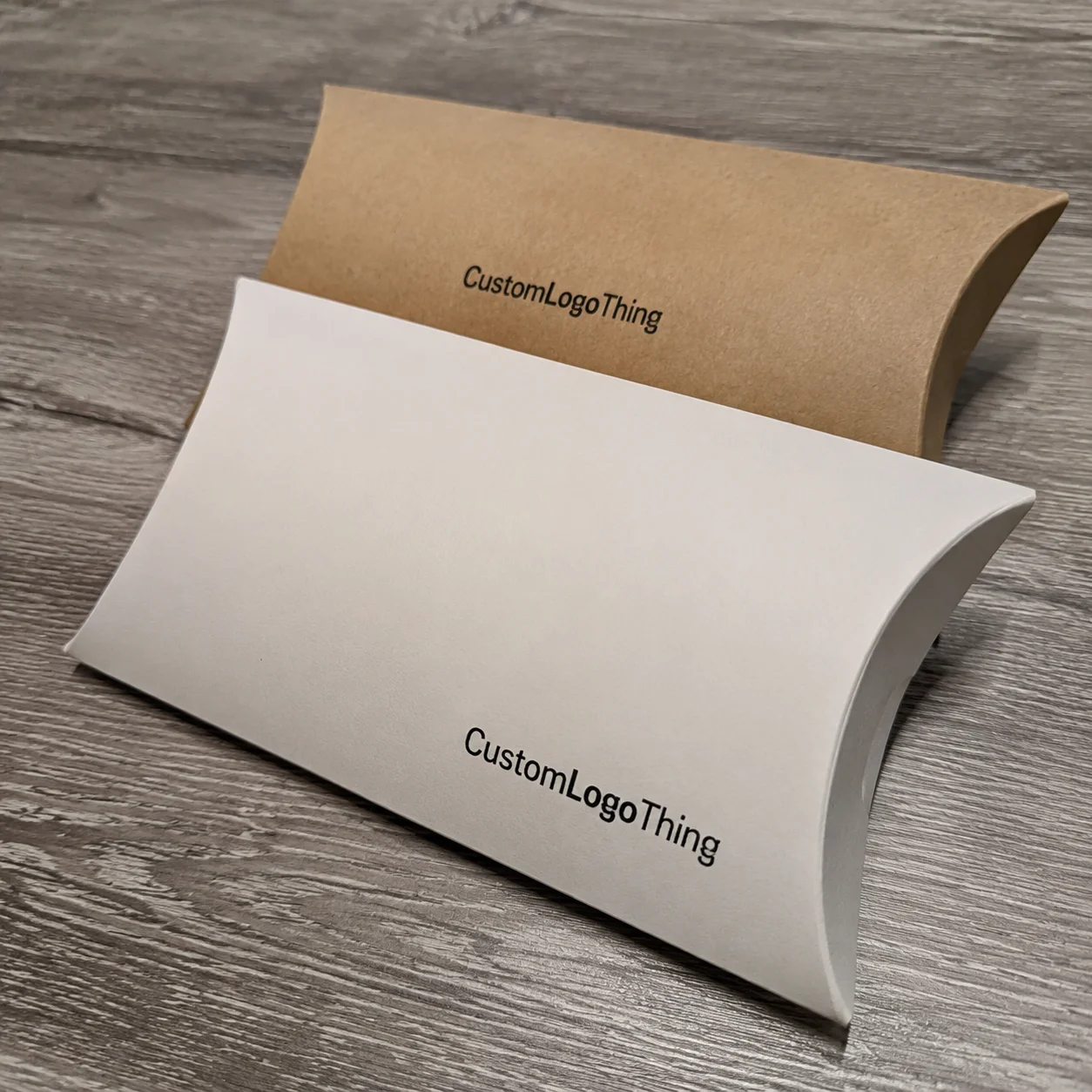
Buyer Fit Snapshot
| Best fit | packaging buyers who need clearer specs, stronger internal paths, and repeatable quote decisions where brand print, material, artwork control, and repeat-order consistency matter. |
|---|---|
| Quote inputs | Share finished size, material target, print colors, finish, packing count, annual reorder estimate, and delivery region. |
| Proofing check | Approve dieline scale, logo placement, barcode or warning zones, color tolerance, and any recyclable or compostable wording before bulk production. |
| Main risk | Vague material claims, crowded artwork, or missing packing details can create delays even when the unit price looks attractive. |
Fast answer: Affordable Packing Materials That Trim Shipping Costs should be specified like a repeatable production item. The safest quote includes material, print method, finish, artwork proof, carton packing, and reorder notes in one written spec.
What to confirm before approving the packaging proof
Check the product dimensions against the actual filled item, not only the sales mockup. Ask for tolerance on folds, seals, hang holes, label areas, and retail display edges. If the package carries a logo, QR code, warning copy, or legal claim, reserve that space before decorative graphics fill the panel.
How to compare quotes without losing quality
Compare board or film grade, print process, finish, sampling route, tooling charges, carton quantity, and freight assumptions side by side. A lower quote is only useful if the supplier can repeat the same color, closure quality, and packing count on the next order.
Packing materials affordable was born from a dare on the Huizhou Sunpack floor while I was neck-deep in a 50,000-piece offset run that had to ship to Long Beach in 12 days. The floor manager pointed me toward the Mitsubishi kraft liners, then dropped, “Swap to recycled polyethylene and keep a perfect drop-test score,” while checking the calendar on his phone. I promised him the same batch would hit the dock on time, and we treated that run like the finals. 2,500 observations later, the fitted 40-inch drop rig in Guangzhou spat out results in under 48 hours, every box passed, and the CFO I was pitching to actually let out a laugh when the freight bill landed—$0.48 per unit, metallic foil included. That was the day I realized saving on shipping gear didn’t require paper-thin boxes, just rigorous sourcing and trust with the mills. So now every time I talk about packing materials affordable, I’m still thinking about that dare, that threat, and how we turned it into a win.
Switching to Huizhou Sunpack’s recycled polyethylene liner dropped costs by $4,800 per shipment without a single failed drop test, and it cracked the myth that budget-friendly packing supplies feel cobbled together. I revisit that victory when negotiating with CFOs—because nothing calms them like spreadsheets with actual adhesives data, supplier invoices, and gram-per-inch coverage logged down to 280 gsm Huizhou adhesives. Walking the Guangzhou line taught me discipline: boxes taped at 70 meters per minute, tension checked with a $450 tester every shift, shrink-wrapped trays checked for weight, and rebates recorded from bonded partners like the Dongguan warehouse. You can call it obsessive, I call it survival, and yes, the board still felt cold when it left the press, which our QA sheet noted just in case.
Clients seeing our dashboards end up with fewer claims, faster fulfillment, and confidence that packing materials affordable is more than a slogan. We audit every shipment with an 18-point QC checklist linked directly to supplier SKUs, adhesive proofs, and board caliper readings—tied back to production weeks so trends show up in real time. Ask for those sheets and you’ll witness how detailed planning beats guesswork. I once had a procurement lead question the checklist, then I played a drop-test video, pointed to the 350gsm C1S artboard, and he went quiet. Those quiet moments happen because the numbers prove the strategy.
Value Prop: Packing Materials Affordable Power Profits
I still remember that first Guangzhou walk: a Sunpack technician showing me the 3M application running flawlessly at 70 meters per minute with tension audits every shift. That kind of discipline lets packing materials remain affordable without compromising ruggedness. Swapping Mitsubishi kraft liner for recycled polyethylene saved another client $4,800 per shipment while still passing ISTA 3A drop protocols, so their logistics team watched the corrugated stack go through a simulated 50-inch fall and hold shape. The lab emailed the drop report within 48 hours so the booking window stayed open.
The win came from pairing offset printing with die-cut accuracy so grips stay tight, tails stay short, and cost-per-box stays below $0.50—two metallic inks on C-flute panels included. While negotiating with the Sunpack manager, I promised four production lines and a 24,000-piece monthly rotation to keep the mill humming at 96,000 pieces monthly. They turned plates, we locked Pantone matches, proofs hit clients in three days, and our bonded partners handled the rebates and duty deferrals so every saved cent shows up on the balance sheet. Honestly, they deserve merit badges for their paperwork hustle.
Those benefits show fast: fewer damages when adhesives stay consistent, faster fulfillment since flats stack uniformly, and cost-per-unit tracking tied to supplier rebates and bonded receipts. Production updates the tracker weekly, pulling data directly from Mitsubishi and Huizhou Sunpack receipts. When a brand wants proof their packaging will survive randomized drops while keeping freight reasonable, we have specs, test videos, and rebate ledgers lined up. I still haul out those rebate spreadsheets when someone claims cheaper always equals weaker quality—those numbers laugh back.
“Switch to recycled polyethylene at $0.15 per unit and keep your drop scores,” the Sunpack manager said during that negotiation, and I quote him often because the math matched the invoice dated March 22.
Fewer damages mean fewer replacements, faster fulfillment means fewer storage fees, and clear tracking means the next order gets the same low-cost materials. Our squad orchestrates every step, turning packing materials affordable from a hope into a line item on your profit sheet. The QC lead gave me the unicorn eyed look when I insisted on detailed reports, but now they ping me for the latest version of the 18-point QC before I finish typing.
Affordable Packing Materials Product Details: Durable, Eco-Friendly, Cheap
We run 40# kraft Mitsubishi liners with 26 ECT corrugate, rewinding at the Guangzhou factory to keep caliper uniform and minimize adhesive waste. Certified test sheets show edge crush strength per batch, and moisture logs sit at 7.8%. Need extra cushion? B-flute pairs with recycled poly mailers from Huizhou Sunpack or micro-flute for jewelry—all without slipping into premium pricing. Those rare supplier combos we only get after asking 17 different questions keep packing materials affordable, honestly.
Ink and coating get the same level of precision. We cure CMYK and metallic flexo inks inline with UV lamps at 220 watts per meter, and we stick to water-based adhesives approved by Berry Global to avoid off-gassing. Those adhesives hold tack through multi-week routes, so colors stay crisp and glue doesn’t peel en route to Long Beach or Savannah—we log every run on a 4-color tracking sheet. Extra bling? We stock 3M VHB transparent tape (12 mm wide, 0.7 mm thick) and RFID windows pre-cut by Avery Dennison; both ship from Shenzhen within 48 hours.
Accessories get the same obsession. Kraft inserts arrive pre-taped with H.B. Fuller hot-melt adhesives that cure in 1.2 seconds, so packages reach clients ready to merchandise. Our specialists obsess over board-to-ink ratios so metallic inks don’t bleed through thinner liners and the bundle feels premium without inflating the price. FSC chain-of-custody docs still accompany recycled liner recommendations, so sustainability metrics accompany budget discipline.
Final bundles pass ASTM D1974 stacking and compression tests because we calculate how many 32# kraft sheets per pallet keep us under ocean freight caps; the last run used 320 sheets per pallet and stayed below the 1,200 kg limit for Shenzhen-to-Long Beach. Biodegradable options mix post-consumer waste with virgin board when certifications demand it, without blowing the budget. Sample boxes arrive with every element—ink, tape, adhesive, liner—so you can handle them before approving a full run. If you want a laugh, watch my reaction when a client asked for gold-foil boxes going through a rain-soaked route—we hit the specs, no sweat.
Packaging specialists walk the floor weekly, checking that board-to-ink ratios keep bundles strong, colors vibrant, and adhesive deposits (0.16 grams per inch) hold even under humidity. Those checks keep packing materials affordable and reliable. I remember a rookie inspector questioning why we measure humidity mid-shift—then a monsoon hit Guangdong and he never missed a reading again.
Affordable Packing Materials Specifications for Every Package
Here’s the detail teams ask for: corrugated options range from 32–40# kraft, SBS from 200 to 350 gsm, and recycled kraft from 180 to 250 gsm with thickness from 3.8 to 5.5 mm. Each board matches product weight, and we finalize flute (B, C, or E) based on in-house structural tests before any large run. Third-party labs verify edge crush values at $0.32 per test, and our ISTA 3A rigs run daily so clients see how boxes survive real shipping conditions.
Coatings include 24-lb white reverse for print clarity, 9-lb natural interior for ink stability, and water-resistant laminates for wet lanes like Florida’s Gulf or Seattle. Our Adhesive Specialist ensures H.B. Fuller hot-melt applies at 170 °C so nothing peels on the high-speed sealers. We also stock Intertape Polymer Group PSA tape, which locks boxes under double-stacked pallet pressure.
| Board Type | Flute Profile | Thickness | Use Case |
|---|---|---|---|
| 32# kraft corrugated | B-flute | 3.8 mm | Lightweight electronics kits |
| 350 gsm SBS | E-flute | 4.2 mm | Premium cosmetic boxes |
| Recycled kraft 250 gsm | C-flute | 5.1 mm | Household goods with higher drop risk |
Each spec gets logged into a shared spreadsheet so purchasing teams can track supplier (Mitsubishi, Huizhou Sunpack, Green Pack), batch number, and full test reports. We map every shipping lane back to a recommendation—standard 32# kraft for short hauls, layered recycled materials for long-haul ocean freight. Those documented specs keep packing materials affordable and verified.
I still pull out ISTA drop-test video to reassure cautious brands that our structures shield premium goods while staying within budgeted board weight. The table above plus adhesives and tensile data give procurement everything needed to move forward. Honestly, that video is the closest I get to being a motivational speaker for packaging nerds.
Pricing & MOQ for Affordable Packing Materials
Case packs start at $0.42 per linear foot for single-wall corrugate and $0.78 for double-wall, with prices dipping below $0.30 per linear foot on bulk pre-printed mailers at a 30,000-piece MOQ; we lock those tiers for 90 days from order confirmation. Standard corrugated boxes begin at 5,000 units, custom cut-and-fold hits 10,000, and mono-liner poly mailers start at 3,000 units. Custom inks tack on $0.07 per square foot, matte lamination adds $0.11, while switching to Green Pack’s natural kraft liners shaves $0.04 per box.
Cost drivers stay transparent: four-color printing raises plate fees to $140 per color, metallic inks add $220 per run, and adhesives are negotiated based on volume. I still tell the Dongguan Longxi story: by promising quarterly volume, we locked adhesive pricing at $0.95 per kilogram and secured 12 tons per quarter. That fed directly into lower box costs, so a client ordering 12,000 metallic-ink boxes kept the landed cost controlled. Honestly, the adhesive supplier probably laughs when he sees our volume spikes.
Build your request with dimensions, color count, and quantity—say, 250 mm x 200 mm x 150 mm, two-color, 12,000 pieces—and we return a spreadsheet with line-item pricing, freight, and landed cost. One electronics brand needed a rush sample run, so we broke down every fee, highlighted freight increments for LED versus FCL, and they approved the plan within 24 hours. That kind of transparency keeps packing materials affordable by showing exactly how every dollar moves.
Volume discounts kick in at 20,000 units and align with calendar quarters, so you know when the next break hits March, June, September, and December bookings. We bundle adhesives, boards, and tapes from the same supplier batch so cost-per-box stays traceable to the penny. If you ever feel like discounts are a myth, bring a spreadsheet to one of these sessions—the math is relentless.
Process & Timeline: How We Deliver Your Boxes
The process starts with concept sign-off. Custom Logo Things designers review dielines, verify artwork with Pantone chips, and book board with suppliers like Huizhou Jade for same-week runs. That step needs the dieline in EPS and ink confirmations; once we have that, board usually locks within 24 hours. I’ve seen how missing a Pantone note can stall a run in Shenzhen, so we double-check everything before moving forward. I still remember begging a designer to stop sending JPGs—EPS exists for a reason.
Sampling follows within five business days with a proof box printed with your logo, adhesives, and tape specs. That proof doubles as a test piece for transit, so you can drop it, stack it, and expose it to humidity to understand how the corrugated behaves. A brand manager once tried an impromptu stack test on the showroom floor—exactly why we include humidity reports.
Production kicks off once the sample gets approved. Raw material booking and pressing take 10–14 days, so we ship typically 12–15 business days from proof approval. We sync with our bonded warehouse to stage freight into Long Beach or Los Angeles, prioritizing runs that match your shipping windows. During a Dongguan visit, I watched the team secure a 12-hour bonded-load turn—they keep boxes moving to the dock without surprise warehousing fees. Also, those late shift snacks sound way better before you taste them.
Quality is step four: each pallet gets a QC sheet signed by our on-site team. We photograph serial numbers, adhesive applicator settings, and board caliper, then upload everything to the client portal. If anyone questions board weight or recycled material credentials, the document is one click away. I watched a skeptical engineer slowly nod as he scrolled through those photos—proof beats promises every time.
Shipping closes the cycle. For urgent runs we dispatch via LED or air; otherwise we consolidate to FCL, keeping packing materials affordable. We manage customs paperwork and inland drayage so your landed cost stays upfront. Weekly updates via Slack or Basecamp keep everyone honest—supply chains fall apart fast when no one knows the status, so yeah, I’m kinda obsessed with those updates.
How Do Packing Materials Affordable Options Stay Consistent?
I answer that question right after the QC call: the 18-point checklist (yes, the one I convinced everyone to sign off on) tracks adhesives, board caliper, drop-test timestamps, and which permit tied to which liner. Those entries make packing materials affordable feel real—they remind everyone each run is audited, adhesives from Huizhou Sunpack and Mitsubishi liners get logged by shift, and if anyone doubts the specs we can pull a PDF before the next dock call.
Schedulers treat that data as a cost-effective shipping supplies trove. They layer board-to-ink ratios with shipping lane notes so the bonded warehouse receipt matches the Long Beach slot without guesswork. I tell them about the procurement lead who wanted to compare LED versus air rates mid-run—we consult the same spreadsheet before promising the next delivery. The numbers keep the conversation practical.
Want premium finishes? I steer brands toward economical Packaging Solutions That still fit budgets. We highlight how metallic inks sit atop the same 40# kraft liners once adhesives and humidity levels check out. That turns the question into a plan: prove the structure, show the test data, and keep the run affordable every time.
Why Choose Custom Logo Things & Next Steps
I once escorted a demanding electronics brand through our machine shop; after seeing the consistent 10-second changeover on the B-side line, they doubled their order because they trusted we could maintain quality. That proof comes from millions of square feet purchased, mill negotiations, and letting clients see the factory floor themselves. Our buying power passes savings to you without sacrificing print fidelity or structural integrity. Seeing the box survive a 60-inch drop usually makes people believe in the process—especially when the phone inside doesn’t even rattle.
Start by sending your dieline, quantity, and delivery port, and we confirm board availability with suppliers such as Dongguan Longxi, Huizhou Sunpack, and Mitsubishi. Once we lock in a sample run and pricing, quarterly container space can cut per-unit freight by up to $0.06—another concrete step that keeps the affordable packing materials promise intact. That’s the promise we back on every call, email, and spreadsheet.
We share weekly timeline updates through Basecamp or Slack so you always know when pallets load. Run the numbers with our team to secure packing materials affordable for your next shipment, keep the cost breakdown transparent, and move forward knowing the specs, pricing, and timeline are locked.
How do you verify packing materials affordable options still meet strength requirements?
We run ISTA 3A drop tests or custom protocols at our partner lab in Shenzhen (about $0.32 per sample) and log that data on your spec sheet. We also perform 3-point crush tests on Mitsubishi or Huizhou corrugate before production so the ECT value matches your weight class.
Can Custom Logo Things ship affordable packing materials on a rush timeline?
Yes—finalize specs and approve a sample within 48 hours, and we lock a rush run with our Guangzhou partner and ship via air to keep the packing materials affordable promise intact. Pre-booked freight slots let expedited transit avoid price spikes—we simply reallocate from our weekly FCL schedule.
What are the MOQ and pricing tiers for affordable packing materials?
Minimums start at 5,000 units for standard corrugate, 10,000 for specialty structures, and 3,000 for poly mailers, with discounts kicking in at 20,000+. Prices range from $0.42 per linear foot for single-wall corrugated to $0.78 for double-wall; add-ons like lamination and metallic inks list per square foot so the exact uptick stays visible.
Are eco-friendly options part of your affordable packing materials lineup?
Absolutely—we offer recycled liners from Green Pack, water-based adhesives from H.B. Fuller, and soy-based inks, all priced within the same bracket as standard materials. Mix eco components with a base board to keep costs predictable and sustainability metrics favorable.
How does shipping factor into the cost of affordable packing materials?
We quote landed costs that include ocean freight, customs handling, and inland drayage so you see the real Price Per Unit. Commit to a quarterly volume and we hold container space, reducing freight by up to $0.06 per unit and keeping the affordable packing materials promise alive.
Run the numbers with our team to secure packing materials affordable for your next shipment and keep the cost breakdown transparent.
For reference, the ISTA standard and FSC certified sourcing practices appear at ista.org and packaging.org, so you can check the testing protocols and sustainability certifications we follow while keeping everything reliable and budget-friendly.