Find a Pillow Boxes Private Label Supplier That Fits
What a Pillow Boxes Private Label Supplier Actually Does
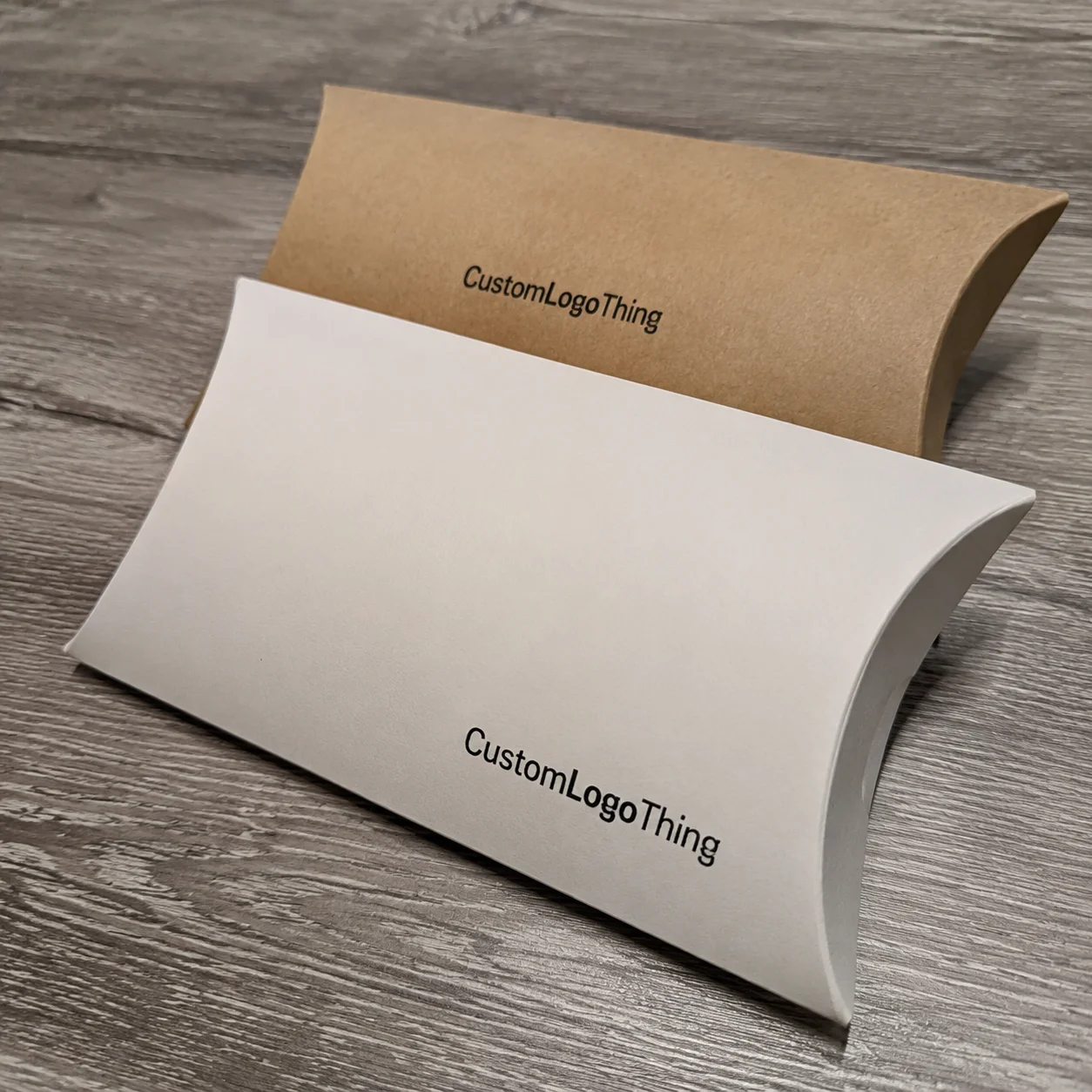
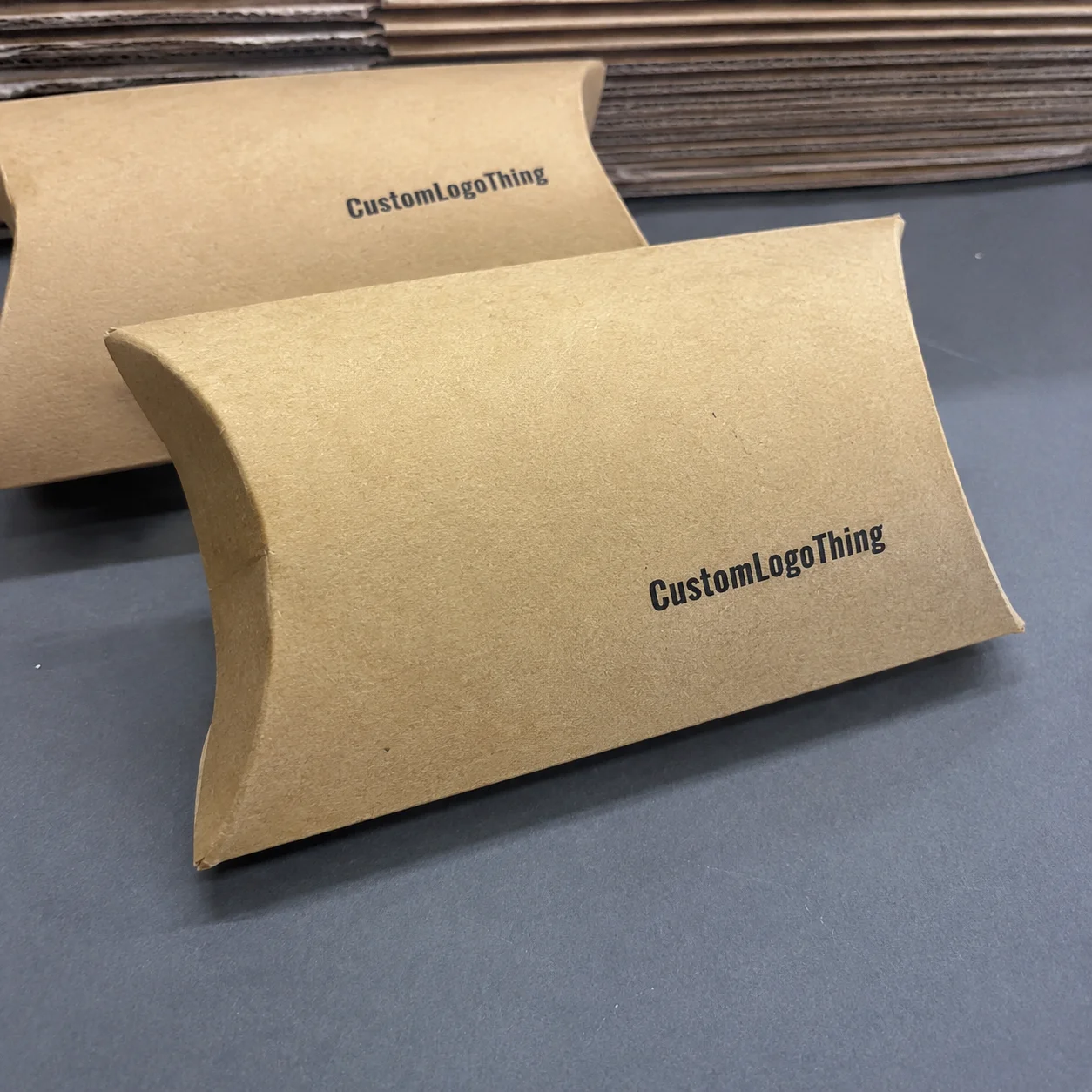
Pillow boxes look simple until a retailer asks for consistent branding, barcode placement, sturdy tuck ends, and a carton that does not spring open after three people handle it. Cute packaging gets irritating fast when it fails basic retail physics. A pillow boxes private label supplier produces curved folding cartons under your brand name, usually with custom sizing, printing, finishes, and, in some cases, assembly or fulfillment support.
A pillow box is a paperboard carton shaped like a small cushion. Brands use it for jewelry, cosmetics, soap, apparel accessories, event favors, product samples, small gifts, and premium retail items. The shape feels more giftable than a plain folding carton without carrying the cost or storage bulk of a rigid box. That is the appeal: a small product can look deliberate instead of incidental.
The private label part matters. The supplier stays behind the curtain while your brand appears on the package. No supplier logo. No stock-box personality. No “we found this five minutes before launch” impression. For retail shelves, subscription boxes, PR kits, boutique counters, and influencer packages, that difference shapes how the product is judged before anyone touches what is inside.
A serious supplier should handle dielines, material recommendations, print setup, color matching, finish options, sampling, production, quality checks, packing, and shipping. Some can also help with assembly, kitting, or fulfillment support, but those services depend on equipment, labor capacity, and order size. Do not assume they are included in a carton quote. Ask early, especially if you need boxes folded, filled, stickered, or sorted by SKU.
This type of custom packaging supplier is useful for growing retail brands, subscription box sellers, boutique product companies, promotional buyers, and agencies sourcing branded packaging for clients. The best supplier is not automatically the cheapest. Often, the cheapest quote is simply the one with something missing: thinner board, no coating, slower freight, no sample, vague tolerance language, or a production window that quietly assumes everything goes perfectly.
How Private Label Pillow Box Manufacturing Works
The workflow looks tidy on paper: choose the size, choose the paperboard, create the dieline, design the artwork, proof the layout, sample if needed, print, die-cut, crease, glue if required, pack, and ship. Most packaging failures come from rushing one of those dull steps. Dull steps are where quality hides. Thrilling, yes. Also true.
Stock pillow boxes are faster and usually cheaper because the structure already exists. You may be able to choose from standard sizes, basic colors, and simple decoration options. That can work for event favors, short-run promotions, early product testing, or seasonal inserts that do not need a perfect product fit. The tradeoff is control. If the size is slightly wrong or the board feels off-brand, the compromise travels with every unit.
Custom Pillow Boxes give better control over the package. You can tune the internal dimensions, select the board, choose print coverage, add finishes, and place artwork where it belongs. The catch is setup time and, often, a higher minimum order quantity. A pillow boxes private label supplier should tell you whether the project uses an existing stock structure or a new custom dieline. That one distinction can explain a surprising amount of the price gap between two quotes.
Printing method changes both cost and result. Digital printing suits lower quantities, faster revisions, and short campaigns. Offset printing usually makes more sense for larger runs, sharper color control, and lower unit cost once setup is spread across enough boxes. Flexographic or screen printing can work for specific substrates, simple graphics, or specialty materials, but most retail pillow boxes are quoted around digital or offset production first.
Material choice does real work. SBS paperboard gives a clean white surface for cosmetics, jewelry, and premium retail packaging. Kraft paperboard suits handmade, natural, and eco-positioned products. Black or dyed boards can look expensive, although print opacity and scuffing deserve extra attention. Specialty textured papers are popular for gift packaging, but they can limit fine detail and weaken barcode performance if the surface is too uneven.
Structural options include tuck-style closures, hanging holes, window cutouts, ribbon slots, reinforced tabs, and inserts for small or fragile products. A box holding earrings has different requirements than a box holding a scented soap bar. Fragrance oils, sharp corners, product weight, and retail handling all affect the right spec. The structure should follow the product, not the other way around.
Dielines matter because a pillow box is not a flat rectangle with a logo dropped into the center. Curved folds distort artwork. Safe zones, fold lines, glue areas, and tuck flaps need respect. Your supplier can recommend specs and flag problems, but the buyer still has to approve artwork, confirm product dimensions, and provide usable brand files. Screenshots do not count as print files. Sad, but not negotiable.
Key Specs to Compare Before You Pick a Supplier
Start with size accuracy. The inside dimensions matter more than the outside dimensions. If the product barely fits, it will fight the curved ends and make the box bulge. Very glamorous. Also very avoidable.
Ask for the internal length, width, and depth, plus the flat dieline size. Confirm paperboard thickness, coating, print method, finish, closure style, window option, and packing method. If you are comparing quotes from more than one pillow boxes private label supplier, every quote should use the same base spec. Otherwise, you may be comparing a clean retail carton with a flimsy folded suggestion.
Board thickness usually falls into practical ranges. Lightweight paperboard around 250gsm to 300gsm can work for event favors, samples, and very light products. Mid-weight board around 300gsm to 400gsm is common for cosmetics, jewelry, candles, soaps, and small retail products. Heavier board, sometimes 400gsm and above, adds structure but can be harder to fold cleanly on small boxes because the curved ends need to bend without cracking.
Finishes change both feel and cost. Matte lamination feels premium and hides fingerprints better than gloss. Gloss coating makes colors pop, but it can look cheap if the design depends too heavily on shine. Soft-touch lamination feels expensive and photographs nicely, though it can scuff during packing and transit. Foil stamping adds shelf impact and works well for premium gifting, yet it adds die cost, setup time, and registration risk.
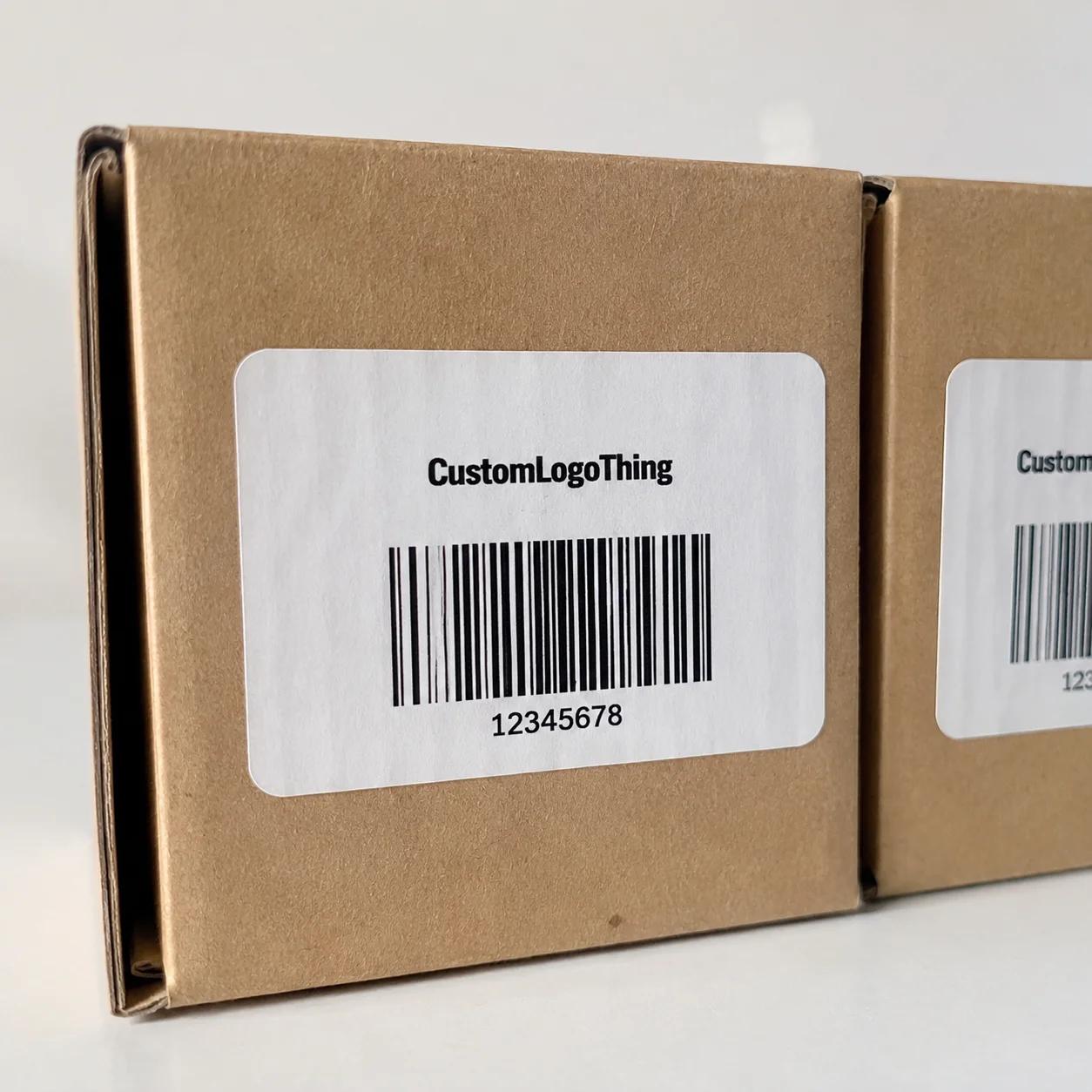
Branding details need boring precision. Pantone matching is useful for strict brand colors, although exact matches depend on substrate, coating, lighting, and print method. CMYK is fine for many projects if you accept normal color tolerance. Barcodes should be flat, readable, and placed away from curved edges. Ingredient panels, warning labels, recycling marks, country-of-origin copy, and retail compliance marks need enough space to stay legible at actual size.
Sustainability claims need proof, not vibes. Ask about recycled content, FSC-certified paper, soy-based inks, aqueous coating, plastic-free windows, and whether the supplier can document those claims. If you plan to make environmental claims on packaging or product pages, keep records. The EPA recycling resources are useful for checking consumer-facing recycling language before it becomes printed inventory.
Practical rule: ask for photos or samples of similar work, not just perfect renderings. Renderings do not crease, ship, or get handled by humans with questionable warehouse manners.
| Spec | Common Range or Option | Buyer Tradeoff |
|---|---|---|
| Paperboard | 250gsm to 450gsm SBS, kraft, black board, textured stock | Thicker feels stronger, but small boxes may crack or resist folding |
| Printing | Digital for short runs, offset for larger runs | Digital is flexible; offset usually wins on color control and unit cost at scale |
| Finish | Matte, gloss, soft-touch, foil, embossing, spot UV | Premium finishes raise cost, lead time, and inspection risk |
| Window | Open cutout, PET patch, plastic-free film | Product visibility improves, but structure and recyclability may change |
| Packing | Flat-packed or assembled | Flat saves freight; assembled saves labor but costs more to ship |
Pricing, MOQ, and Unit Cost for Custom Pillow Boxes
Pricing depends on quantity, size, material, print coverage, finish, structure, and shipping method. Anyone quoting without specs is guessing. Sometimes confidently, which is worse.
Small custom runs have higher unit costs because setup, dielines, proofing, and machine time are spread over fewer boxes. A short digital run of 500 to 1,000 pieces may land around $0.75 to $2.50 per unit depending on size, board, and print coverage. Move into 3,000 to 5,000 pieces and the range might drop closer to $0.35 to $0.95 per unit for a standard printed paperboard pillow box. Larger offset runs of 10,000 pieces or more can push unit cost lower, sometimes around $0.18 to $0.55, but freight, storage, and cash flow still matter.
Those numbers are planning ranges, not universal pricing. A tiny kraft box with one-color print is a different creature from a 400gsm SBS box with soft-touch lamination, gold foil, and a window patch. A good pillow boxes private label supplier will ask for specs before giving a serious quote. If they do not, you are probably getting a placeholder number.
MOQ varies by production method. Digital custom pillow boxes may be practical at 250 to 1,000 pieces. Offset-printed boxes often make more sense around 2,000 to 5,000 pieces and up. Foil stamping, embossing, debossing, specialty paper, and window patching can push minimums higher because each extra process needs setup, scheduling, make-ready time, and waste allowance.
Setup costs may appear as separate line items or get baked into the unit price. Common charges include dieline creation, printing plates, foil dies, embossing dies, sampling fees, and color proof charges. A foil die might cost $80 to $250 or more depending on size and complexity. A structural sample can range from $50 to $250. Pre-production printed samples can cost more because they interrupt normal production flow.
Finish costs usually stack in a predictable order. Plain one-color print is cheapest. Full-color print costs more. Lamination, foil, embossing, debossing, spot UV, and window patching add production steps, which means more cost and more inspection points. That does not mean finishes are a mistake. It means they should earn their place in the margin math.
Shipping changes the real unit cost quickly. Pillow boxes often ship flat to save space. Assembled boxes take more carton volume, more labor, and more freight. If one supplier quotes packed flat and another quotes assembled, the unit price alone tells you almost nothing.
For a useful quote, send size, quantity, material preference, print colors, finish, delivery location, needed date, and whether boxes should ship flat or assembled. Better yet, ask for two or three quantity tiers. Seeing prices at 1,000, 3,000, and 5,000 pieces often reveals where the unit cost starts to make sense.
Production Process, Timeline, and Lead Time Expectations
A realistic custom packaging timeline includes spec confirmation, dieline creation, artwork placement, proofing, optional sampling, production, quality check, packing, and transit. Simple stock-style boxes can move faster. Fully custom structures need more breathing room.
The fastest path is rarely the safest path. Skipping proofs can save a few days and create a few thousand beautifully printed mistakes. Perfect, if your hobby is expensive regret.
For planning, simple digitally printed pillow boxes might take 7 to 12 business days after proof approval, plus transit. Offset custom runs often need 12 to 20 business days after approval. Add foil, embossing, debossing, window patching, custom inserts, or specialty paper, and 18 to 30 business days is more realistic. Transit can add 2 to 7 business days domestically or several weeks if ocean freight is involved.
Proofing has levels. A digital proof checks layout, copy, panel orientation, and barcode placement. A hard copy proof checks color direction and material feel, although it may not be produced on the final production equipment. A pre-production sample checks structure, fit, finish, and print before the full run. Not every order needs all three, but higher-risk orders should not wing it.
Artwork approval delays are painfully common. Logos arrive in low resolution. Fonts are missing. Barcodes are placed over curved panels. Legal copy changes after proof approval. A brand team decides to “just tweak the color” after production is scheduled. Fine, but the clock starts laughing.
Production bottlenecks include paper availability, finishing schedules, die-cutting capacity, holidays, weather delays, customs clearance, and freight congestion. If you are launching a retail product, building influencer kits, packing subscription boxes, or preparing for a trade show, build in buffer time. Packaging should arrive before pack-out day, not during the panic.
For demanding distribution, ask whether your supplier has experience with transit testing or packaging performance standards such as ISTA testing protocols. A pillow box is usually a primary package, not a shipping carton, but retail handling still punishes weak folds, poor glue, and thin board.
How to Choose the Right Supplier
Choose a pillow boxes private label supplier by matching the supplier’s production method, material range, proofing process, MOQ, lead time, and quality tolerances to your product. The better question is rarely “who is cheapest?” It is “who can make this exact box, at this quantity, by this date, with defects low enough that the launch is not held hostage by packaging?”
A useful supplier will ask questions before quoting. What product goes inside? Is it oily, sharp, fragile, heavy, scented, or oddly shaped? Will the box hang on a peg, sit on a shelf, travel inside a subscription box, or appear in a gift kit? Does the artwork include barcodes, foil, fine type, regulatory copy, or strict brand color? These questions are not friction. They are the difference between private label packaging and printed guesswork.
Look for evidence. Similar samples. Clear dielines. Documented material specs. Realistic production windows. Plain answers about color tolerance and dimensional variance. A supplier that can explain tradeoffs before money changes hands is usually safer than one promising everything with suspicious speed.
Also check how the supplier talks about defects. Folding cartons are not machined metal parts. Small variation is normal. What you want is a clear inspection process: checking print registration, color consistency, die-cut alignment, crease quality, glue strength if glued, window adhesion if patched, carton count, and packing condition. If the supplier cannot describe what gets inspected, the buyer inherits the inspection problem later.
Step-by-Step Guide to Vetting a Pillow Box Partner
Start with the product. Measure the item in length, width, depth, and any awkward high points. Note sharp edges, weight issues, fragrance transfer, oils, tags, cords, or regulatory labeling needs. A soap bar with oils may need different coating decisions than a bracelet in a fabric pouch.
- Define the packaging job. Is the box gift-ready, retail shelf packaging, sample packaging, subscription box filler, influencer mailer content, or event giveaway packaging? The use case changes the spec.
- Gather real brand assets. Prepare vector logos, color values, fonts, compliance copy, barcode files, and photography if used. A 600-pixel website logo will not magically become sharp on press.
- Request a dieline. Check artwork placement on the curved panels, closure flaps, and fold lines. Keep critical text away from creases and tuck areas.
- Ask targeted supplier questions. What materials do you recommend? What is the MOQ? What print method will be used? Can you provide similar samples? What are the tolerances? What happens if the color is off?
- Compare quotes on the same specs. A cheaper quote may exclude coating, use thinner board, ship by slower freight, or skip quality controls.
- Approve a proof or sample. Do this before full production if the order is large, the fit is tight, the brand color matters, or the product is going into retail.
A capable pillow boxes private label supplier should be able to explain tolerances in plain language. For folding cartons, small dimensional variation is normal, often around plus or minus 1mm to 2mm depending on structure and equipment. Color variation is also normal, especially between digital proofs, offset production, kraft stock, and laminated surfaces. The question is not whether variation exists. It does. The question is whether the tolerance is acceptable for your product and sales channel.
If you also need stickers, hang tags, or barcode labels, keep those specs connected to the box project. Custom labels can solve problems that should not be forced into the carton artwork, such as seasonal copy, batch codes, or retailer-specific barcodes. Custom Logo Things also offers Custom Labels & Tags for brands that need matching packaging components without making the carton do every job.
Ask for packing details too. How many boxes per master carton? Are they banded, polybagged, or packed loose? Are cartons marked by SKU? If boxes arrive flat, who folds them? Hand assembly may take 15 to 45 seconds per box depending on size and stiffness. Multiply that by 5,000 units before pretending labor is free.
Common Buying Mistakes and Smart Next Steps
The biggest mistakes are predictable: choosing by unit price alone, ordering the wrong size, ignoring paper thickness, approving artwork without checking folds, underestimating lead time, and forgetting freight cost. None of these mistakes are glamorous. All of them are expensive.
The size mistake deserves special attention. Buyers often measure the product but not the usable interior space after the pillow ends curve inward. Add breathing room, especially for soft goods, rigid products, or anything with a tag. For a snug jewelry pouch, 3mm to 5mm extra room may be enough. For a soap bar, small candle, or folded accessory, 5mm to 10mm can prevent bulging and ugly tuck pressure.
Artwork mistakes show up fast on pillow boxes. Logos get placed too close to creases. Small reversed-out type fills in. Barcodes land on curved areas and fail scanning. Screen colors are expected to match printed paper perfectly, which is adorable and not how ink behaves. Always check artwork at actual size, not just zoomed in on a monitor.
Over-customizing too early is another trap. If a brand is still testing demand, a simple printed pillow box may beat an expensive foil-stamped structure with a painful MOQ. Put the money into clean sizing, decent board, and readable branding first. Add foil, embossing, or specialty paper once the product has repeat orders and healthy margins.
Invest more when the packaging has to carry real brand weight: premium retail placement, high-margin products, gifting programs, cosmetics, jewelry, and branded launch kits. In those cases, better board, cleaner print, and a controlled finish can justify the cost. For a low-margin giveaway, keep the spec simple and spend the savings somewhere useful.
Good next steps are simple. Measure the product. Photograph how it should sit inside the box. Choose two quantity tiers, such as 1,000 and 3,000 pieces, or 3,000 and 5,000 pieces. Decide must-have versus nice-to-have finishes. Prepare vector logo files, barcode files, compliance copy, and brand color values. Then request one apples-to-apples quote instead of five vague guesses.
If you are still comparing formats, review broader Custom Packaging Products before locking into pillow boxes. Sometimes a sleeve, folding carton, mailer insert, or label set solves the job better. Packaging should fit the product and channel, not just the mood board.
Choosing a pillow boxes private label supplier gets easier when you bring clear specs, realistic timing, and a budget range instead of asking for “something nice and cheap.” That phrase is how projects wander into trouble wearing a tiny printed bow.
FAQ
What should I ask a private label pillow box supplier before ordering?
Ask about MOQ, material options, print method, dieline support, proofing, sample availability, production lead time, shipping method, and quality tolerances. Send product dimensions, target quantity, delivery location, and artwork files so the supplier can quote accurately instead of guessing.
How much do custom private label pillow boxes usually cost?
Cost depends on size, quantity, paperboard, print coverage, finish, setup fees, and freight. As a planning range, small custom runs may cost around $0.75 to $2.50 per unit, while larger runs can drop closer to $0.18 to $0.95 depending on specs. Lower quantities usually have higher unit costs; larger runs reduce unit cost but require more upfront spend and storage space.
What MOQ should I expect from a pillow box manufacturer?
MOQ varies by supplier and production method. Digital printing often supports lower runs around 250 to 1,000 pieces, while offset printing, foil stamping, embossing, and specialty materials usually require higher quantities. Ask for pricing at two or three quantity levels so you can see where the unit cost starts to improve.
Can a pillow boxes private label supplier help with dielines and artwork setup?
Yes. A capable pillow boxes private label supplier should provide a dieline based on your box size and structure. You still need to supply usable brand assets, approve the proof, and check that logos, barcodes, and text stay away from fold lines and curved closures.
How long does private label pillow box production take?
Simple printed orders can move faster, often around 7 to 12 business days after proof approval plus transit. Custom sizing, sampling, foil, embossing, windows, or specialty paper add time, and 18 to 30 business days is more realistic for involved specs. Plan extra buffer before retail launches, gift campaigns, subscription pack-outs, or trade shows because proofing and freight delays are common.