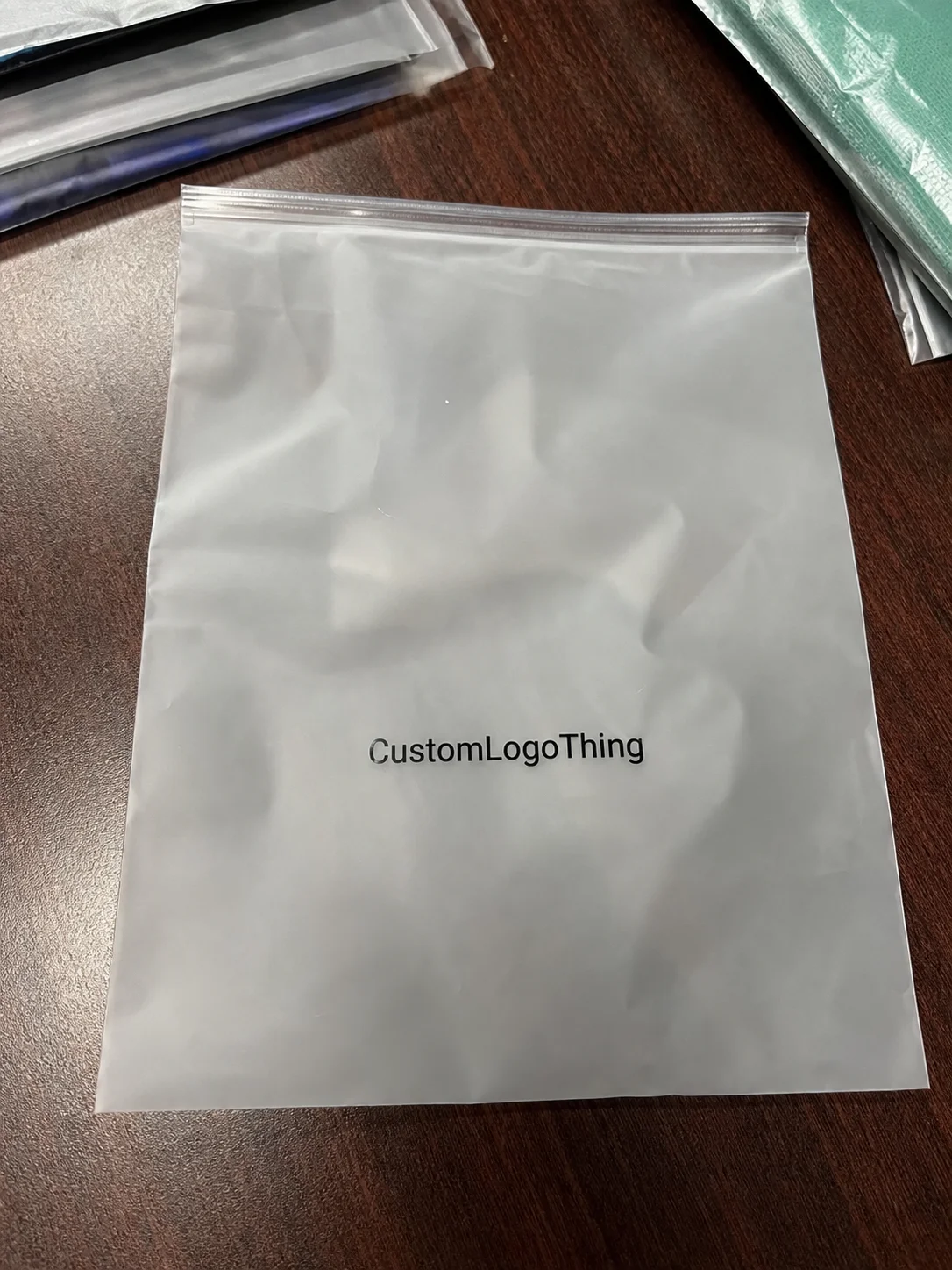
Two Clear Zipper Bags can look identical on a product page. One survives retail handling, warehouse picking, and repeated customer use. The other splits at the zipper after three openings. Cute savings. Expensive problem.
Clear zipper Bags Unit Cost is shaped by more than resin price. Size, film thickness, zipper quality, print coverage, packing method, freight volume, and order quantity all move the number. So does the product inside the bag. A folded pair of socks, a metal bracket, and a powder refill do not ask the film to do the same job.
Clear resealable bags remain popular for a practical reason: shoppers can see the product, the contents stay protected from dust and handling, and the package can close again without a rigid box, jar, clamshell, or molded tray. They work for apparel accessories, hardware kits, cosmetics refills, stationery, craft supplies, sample packs, ecommerce bundle kits, and dry goods when approved food-contact materials are used.
The better buying question is not "What is the cheapest bag?" It is "What is the lowest safe specification for this product and sales channel?" That shift changes the math. A bag can look cheap in a spreadsheet and still be costly if the zipper fails, cartons cube out, or the retailer rejects the pack-out.
Clear Zipper Bags Unit Cost: What Actually Moves the Number

The cheapest bag is often fine for a one-time insert. A spare button, warranty card, tiny accessory, or replacement part going inside another box does not need heroic packaging. Buy the light option and move on.
Retail shelves are different. So are warehouse bins, subscription kits, peg hooks, and customers who open and close the bag ten times because apparently that is now a strength test. For those uses, the bag needs better film, clean seals, accurate sizing, and a zipper that does not embarrass the brand.
From a packaging buyer's point of view, the cleanest way to control cost is to compare specs line by line. Random specs create random pricing. Shocking, I know. A quote for a 2 mil PE flat bag with no print cannot be compared with a 4 mil laminated stand-up zipper pouch with full-color print, even if both are called "clear bags" in the email subject line.
Buying rule: ask for the lowest cost only after the bag structure is correct. A bad bag at $0.06 is still a bad bag.
Typical cost drivers include bag footprint, film gauge, resin or laminate structure, zipper style, print method, ink coverage, MOQ, setup charges, carton packing, inspection requirements, and delivery location. Freight can quietly ruin a cheap quote, especially with bulky carton counts or rush air shipment.
Basic unprinted stock-style clear zipper bags may show low per-piece pricing at modest quantities because the size, zipper, and film structure already exist. Custom sizes and printed bags behave differently. Setup, tooling, printing preparation, production waste allowance, and bulk pricing tiers can move the unit cost sharply. That is normal manufacturing math, not supplier drama.
What Is a Realistic Clear Zipper Bags Unit Cost?
A realistic clear zipper bags unit cost depends on the bag being quoted. Small unprinted reclosable poly bags in common stock sizes are usually the lowest-cost option because the supplier is not changing size, film, zipper tooling, or artwork. Custom zipper pouches with print, gussets, hang holes, heavier film, or special packing sit in a different category.
For planning, buyers should expect the lowest pricing on simple flat bags, then higher pricing as the structure adds material and machine steps. A bottom gusset increases film use. A slider zipper adds components. A hang hole needs header space and layout discipline. Full-color printing adds setup and waste. A thicker gauge raises resin use and shipping weight.
Those choices are not strange. They are the physics of flexible packaging showing up on an invoice.
Cost should also mean landed cost, not only factory price. A bag quoted at a lower factory rate can become more expensive after dimensional freight, cartons, customs, duties, rush shipping, repacking, or failed inspection. The spreadsheet may say "savings." The warehouse may disagree.
For fast comparison, ask suppliers to quote the same bag at two or three quantities and separate one-time charges from repeat-order pricing. A first order may carry artwork setup, plates, sampling, or tooling costs. A reorder may not. Mixing those together hides the pattern and makes a cheap-looking first quote hard to interpret.
Product Details Buyers Should Lock Before Quoting
Clear zipper bags are flexible plastic pouches with a reclosable zipper track. Common material choices include PE, PP, OPP, CPP, and laminated film structures. Each behaves differently. PE is softer and more flexible. OPP and CPP often look crisper for retail display. Laminated structures cost more, but they can improve stiffness, print quality, puncture resistance, and barrier performance.
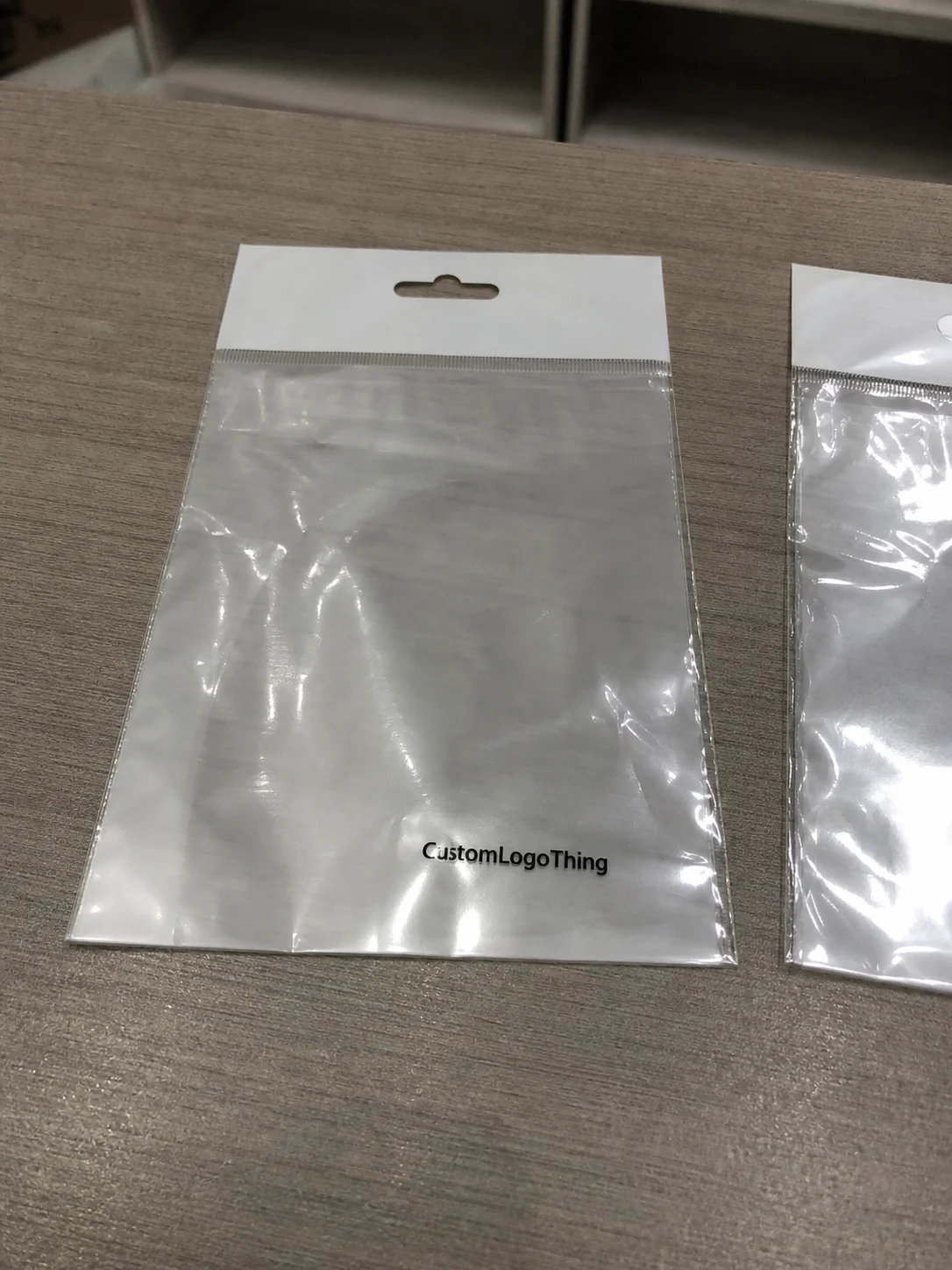
Format matters. A flat zipper bag ships efficiently and works for lightweight products, inserts, accessories, apparel components, and kits. A bottom-gusset stand-up zipper bag costs more but gives the package shelf presence and more fill volume. Hang-hole bags work for peg displays. Slider zipper bags feel easier on larger formats, though they add cost. Tamper-evident zipper bags support retail and regulated product needs. Vented bags help products that need airflow, such as certain textiles or items that trap air during packing.
Closure choice is not decoration. Press-to-close zippers are cost-efficient and common for small to medium bags. Slider zippers are easier for larger bags or frequent use, but the hardware and assembly raise the cost per piece. Double-track zippers improve closure confidence for heavier contents, though they also add material and machine complexity.
Print choices should follow the sales channel. No print gives maximum visibility and the lowest cost. A one-color logo keeps branding simple. Full-color surface print or reverse print creates stronger retail presentation, especially for peg displays and premium kits. Labels can be smart for low-volume SKU variation because printing five tiny batches is usually how budgets go to die.
Before asking for pricing, decide whether the bag needs to hang, stand, ship flat, show the contents clearly, or survive repeated opening. That answer matters more than a pretty mockup. A mockup does not hold screws, lotion refills, or folded socks. The bag does.
| Bag Option | Best Use | Typical Cost Impact | Buyer Tradeoff |
|---|---|---|---|
| Flat clear zipper bag | Accessories, small kits, apparel components | Lowest custom format cost | Limited shelf presence unless hung or labeled |
| Bottom-gusset stand-up bag | Retail refills, craft supplies, dry goods | Moderate to high | Better display, more material, larger cartons |
| Hang-hole zipper bag | Peg-hook retail products | Low to moderate | Needs header space and reinforced layout planning |
| Slider zipper bag | Larger reusable bags | Higher | Easier opening, more components, higher MOQ risk |
| Tamper-evident zipper bag | Retail, regulated, or higher-trust products | Higher | Better security, more setup, slower approval cycle |
Specifications That Change Bag Strength, Clarity, and Feel
A production-ready quote needs more than "clear zipper bag, 5 x 7, logo printed." That request is barely a napkin sketch. Useful specs include outside width, outside height, usable fill area, lip size above the zipper, bottom gusset if needed, film thickness, material structure, print colors, ink coverage, and packing quantity per carton.
Film thickness is one of the biggest cost and performance levers. Light-duty bags often run about 2 mil. General retail bags commonly sit around 2.5 to 4 mil. Heavier reusable bags, hardware kits, or sharp contents may need 4 to 6 mil or a tougher laminated structure.
Thicker film usually increases material cost, carton weight, and sometimes lead time, but it can prevent torn seals, zipper stress, and ugly returns. That is why the lowest clear zipper bags unit cost is not always the lowest total cost.
Size tolerance deserves respect. Custom plastic bags usually have manufacturing tolerances, and different materials shrink or behave differently during sealing and bag making. If the product barely fits on paper, it may not fit in production. Add room. Plastic does not care about wishful thinking.
Zipper placement also affects design and cost. A larger header above the zipper gives space for a hang hole, suffocation warning, branding, barcode, or retail copy. A shorter header saves material, but it may limit display options. For peg retail, many buyers use a round or sombrero-style hang hole, but the header must be tall enough to avoid tearing under product weight.
Product weight and edges change everything. A soft folded garment stresses a bag differently than screws, hooks, sample tiles, craft blades, or metal brackets. Sharp contents may need thicker film, rounded inserts, a tougher structure, or a small internal card to spread pressure. Sometimes the cheaper fix is not a thicker bag; it is changing how the product sits inside the bag.
Compliance should be handled before artwork approval. Food-contact use needs suitable materials and supplier confirmation. Retailers may require suffocation warnings, recycling marks, child safety language, barcode quiet zones, country-of-origin copy, or carton labeling. ASTM standards can be relevant for plastic material testing and seal performance discussions, while ISTA guidance helps buyers think through distribution testing for products shipped through parcel and retail channels. See ISTA for transport testing resources and ASTM International for material and test method standards.
For a stronger quote, send product weight in grams or ounces, product dimensions, expected fill depth, and photos of the actual item. A manufacturer can recommend film and zipper choices faster with a real use case than with a vague line saying "premium quality." That phrase has never made a bag stronger.
MOQ, Pricing Tiers, and Quote Inputs That Matter
MOQ is not a punishment. It is how custom production works. Stock-style unprinted clear zipper bags may be available in lower quantities because they already exist in standard sizes. Custom sizes and custom printing usually require higher MOQs because machines, plates, setup, film procurement, color matching, and waste calibration all have fixed costs.
Small custom runs may start around several thousand pieces, depending on size, print, and material. Stronger price breaks often appear around 10,000, 25,000, 50,000, and 100,000 pieces. Not every bag hits those tiers exactly, but that is a realistic buying pattern for custom flexible packaging.
The pricing drivers are specific: film type, film thickness, bag size, zipper type, gusset, print method, color count, ink coverage, plate or cylinder costs, packing requirements, freight volume, and inspection level. A full-color printed 6 x 9 inch stand-up pouch will not price like a 3 x 4 inch unprinted flat bag. If a supplier says otherwise, read the fine print twice.
Unit price drops with volume because setup time, material procurement, production waste, press preparation, and inspection effort get spread across more bags. That is not magic. It is math wearing safety glasses.
Asking only for size and quantity will produce a loose estimate, not a production-ready price. To quote accurately, send product weight, use case, artwork, destination, target delivery date, and any retailer requirements. If food contact, child resistance, tamper evidence, or recycling claims matter, say that early.
Compare total landed cost, not just factory unit price. A slightly cheaper bag that ships inefficiently, misses spec, or fails inspection is not cheaper. It is just a delayed invoice with attitude.
| Quantity Range | Typical Buying Situation | Cost Behavior | What to Watch |
|---|---|---|---|
| 2,000 to 5,000 pieces | Small custom test, event kit, early SKU launch | Higher cost per piece due to setup charges | Standard sizes and simple print help control cost |
| 10,000 to 25,000 pieces | Growing ecommerce or retail-ready reorder | Better bulk pricing and more print flexibility | Confirm carton count, freight, and storage space |
| 50,000 to 100,000 pieces | Established SKU or multi-location rollout | Lower unit cost as setup spreads out | Quality inspection and production sample approval matter more |
| 100,000+ pieces | High-volume retail or recurring program | Best pricing potential | Forecasting, split shipments, and inventory planning become critical |
Production Process and Lead Time From Artwork to Delivery
A normal custom zipper bag order follows a predictable path: requirement review, structure recommendation, quote, dieline or size confirmation, artwork setup, proof approval, material preparation, printing if needed, bag making, quality inspection, packing, and shipping. Skip steps and you may save two days up front, then lose two weeks fixing mistakes. Lovely trade.
Simple stock or unprinted orders can move faster, often within a few business days if inventory exists. Custom printed or custom size orders commonly require several weeks after approval, depending on material availability, production capacity, print complexity, and shipping method. If pre-production sampling is needed, add time for sample creation, review, revisions, and approval.
Artwork timing is a frequent bottleneck. Clean vector artwork, Pantone references, barcode files, clear warning copy, and retailer-approved text reduce delays. Screenshots, blurry logos, missing fonts, and ten rounds of committee feedback do the opposite. Nobody is shocked.
Sampling options should match the risk level. Digital mockups help confirm layout. Material swatches help compare clarity, stiffness, and feel. Pre-production samples help confirm size, zipper function, and print approach before the full run. Production samples help validate final output when the order has retail, compliance, or high-volume risk.
Shipping choice changes both timing and unit cost. Air freight is faster, but it punishes bulky cartons. Ocean freight is cheaper for volume, but it needs planning. Clear zipper bags are light, yes, but cartons still take warehouse space and freight volume. Dimensional weight is the part of logistics that enjoys ruining tidy spreadsheets.
Seasonal products need earlier quoting. Holiday kits, retail resets, subscription launches, and promotional bundles should not be quoted after the artwork is already late. Film scheduling, print queues, inspection, and freight do not bend around last-minute panic. Rush freight exists, but it is rarely charming.
How Custom Logo Things Helps Buyers Avoid Bad Bag Orders
Custom Logo Things helps buyers match bag structure, thickness, zipper style, print method, and quantity to the actual product instead of forcing every job into one generic pouch. The goal is not the fanciest bag. The goal is the correct bag.
That means asking practical questions. What is the product weight? Does it have sharp edges? Will the bag hang on a peg? Does it need a barcode zone? Is the product handled once, or opened repeatedly by the customer? Does the bag need to stand, stack, ship flat, or fit inside a mailer? These answers shape clear zipper bags unit cost more than any mood board.
Material guidance can cover clarity, flexibility, stiffness, puncture resistance, display needs, and budget. A 2 mil PE bag may be fine for light inserts. A 3 mil or 4 mil structure may make more sense for retail handling. Heavier kits may need thicker film, a laminated structure, or a different pack-out method. Not always. But often enough that guessing is expensive.
Branding support can include logos, care copy, barcodes, hang holes, recycling marks, suffocation warnings, product windows, or clean retail panels. The trick is restraint. A clear bag should usually show the product, not bury it under a cluttered billboard. Use print where it helps the sale or satisfies compliance.
Cost control comes from visible tradeoffs. A quote can compare one-color print against full-color print, standard size against custom size, 3 mil against 4 mil, or 10,000 pieces against 25,000 pieces. Sometimes the best savings come from moving to a standard size. Sometimes increasing quantity lowers the unit cost enough to justify the inventory. Sometimes it does not. That depends on storage, cash flow, and reorder predictability.
Quality checks should include zipper alignment, seal strength, print registration, film clarity, finished dimensions, packing count, and carton labeling. For distribution risk, buyers can also discuss basic drop, compression, or handling expectations using ISTA-style thinking. For sustainability claims or paper components paired with bags, FSC information may be relevant; buyers can review FSC resources when certified paper packaging enters the program.
The buyer benefit is simple: fewer surprises, cleaner presentation, and packaging that works in the warehouse, on the shelf, and in the customer's hand. Wild concept: packaging should do all three.
Next Steps to Get a Clean Quote Without Wasting a Week
A clean quote starts with clean inputs. Send the bag width and height, product dimensions, product weight, desired thickness if known, quantity, print colors, logo files, destination country or ZIP code, required delivery date, and any retailer compliance notes. If you already have a current bag, measure the outside size and the usable fill area below the zipper. Those are not always the same.
Photos help more than long vague descriptions. Send a photo of the product, current bag, shelf setup, competitor packaging, or pack-out method. A product photo can reveal sharp corners, bulky folds, hang requirements, and fill depth in five seconds. A sentence saying "small item" tells almost nothing.
Ask for two quote options: a budget option and a recommended option. That makes the tradeoffs visible, especially when thickness, print coverage, or MOQ changes the price significantly. For example, a 3 mil one-color printed standard-size bag may be the budget choice, while a 4 mil custom-size hang-hole bag may be the safer retail choice.
Confirm samples when risk is high. Heavy products, sharp products, food-contact use, premium retail, and national retailer programs deserve more caution than a disposable insert bag. Material references, pre-production samples, or production samples can catch problems before the full order ships.
Move quickly once the quote, artwork, and specs are right. Delayed approvals can push production slots and shipping dates, which then turns into rush freight. Rush freight is where budgets go to suffer.
To get a reliable clear zipper bags unit cost, buyers should send complete specs and ask for landed pricing, production timing, and the best quantity break before placing the order. That is how you avoid fake savings, weak zippers, surprise freight, and bags that look fine online but fail in real hands.
FAQs
What is a realistic clear zipper bags unit cost for custom orders?
Clear zipper bags unit cost can range widely based on size, film, thickness, zipper type, print coverage, and quantity. Small custom printed runs usually cost more per piece because setup charges, tooling fees, and material waste are spread over fewer bags. For accurate pricing, provide dimensions, thickness target, artwork, quantity, destination, and use case.
How does MOQ affect clear resealable bag cost?
Higher MOQs usually lower the unit price because setup, printing preparation, and material procurement become more efficient. Common price breaks may appear around 10,000, 25,000, 50,000, and 100,000 pieces depending on the bag style. Choosing a standard size can sometimes reduce MOQ pressure compared with a fully custom size.
Do thicker clear zipper bags always cost more?
Yes, thicker film usually increases material cost and carton weight, but it can reduce failures for heavier or sharper products. Light products may work well in 2 to 3 mil bags, while hardware, kits, or reusable packaging may need 4 mil or more. The best choice is the thinnest structure that safely protects the product and fits the brand presentation.
Can I lower clear zipper pouch pricing without making the bag look cheap?
Yes. Use a standard size, reduce print colors, keep artwork coverage efficient, increase order quantity, or use a label for small SKU runs. Avoid cutting thickness too aggressively if the product is heavy, sharp, or handled repeatedly. The smartest savings usually come from simplifying specs, not from underbuilding the bag.
How long does it take to produce custom clear zipper bags?
Stock unprinted bags can move quickly when inventory is available. Custom printed or custom size bags often take several weeks after artwork approval, depending on materials, production capacity, and shipping method. Sampling, compliance review, and freight choice can add time, so quote early for retail launches or seasonal kits.
What details help suppliers calculate clear zipper bags unit cost faster?
Send width, height, fill depth, product weight, film thickness, zipper style, print requirements, order quantity, destination, deadline, and compliance needs. Photos of the product and current pack-out help too. Better inputs reduce assumptions, and fewer assumptions usually mean a cleaner clear zipper bags unit cost.