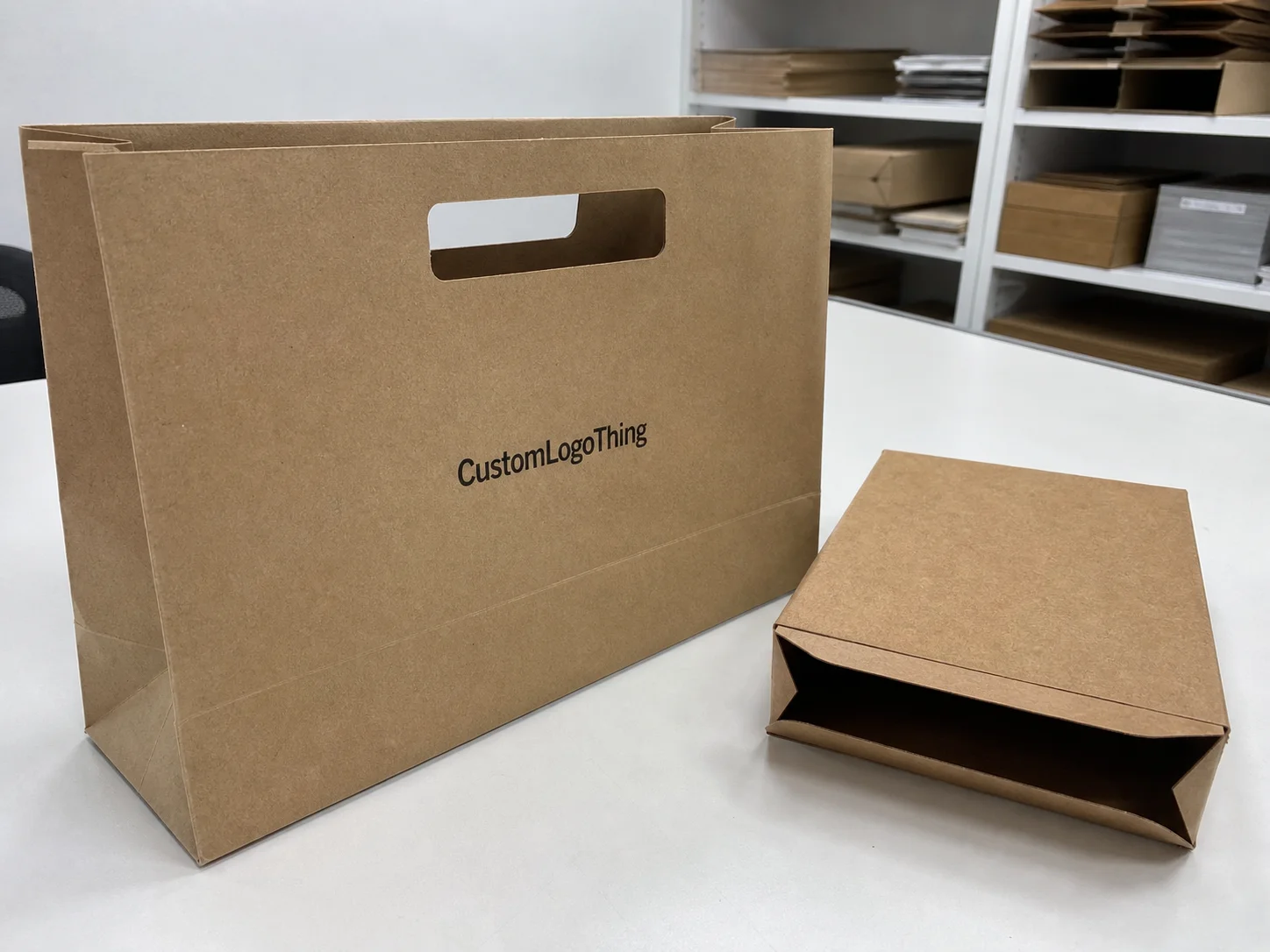
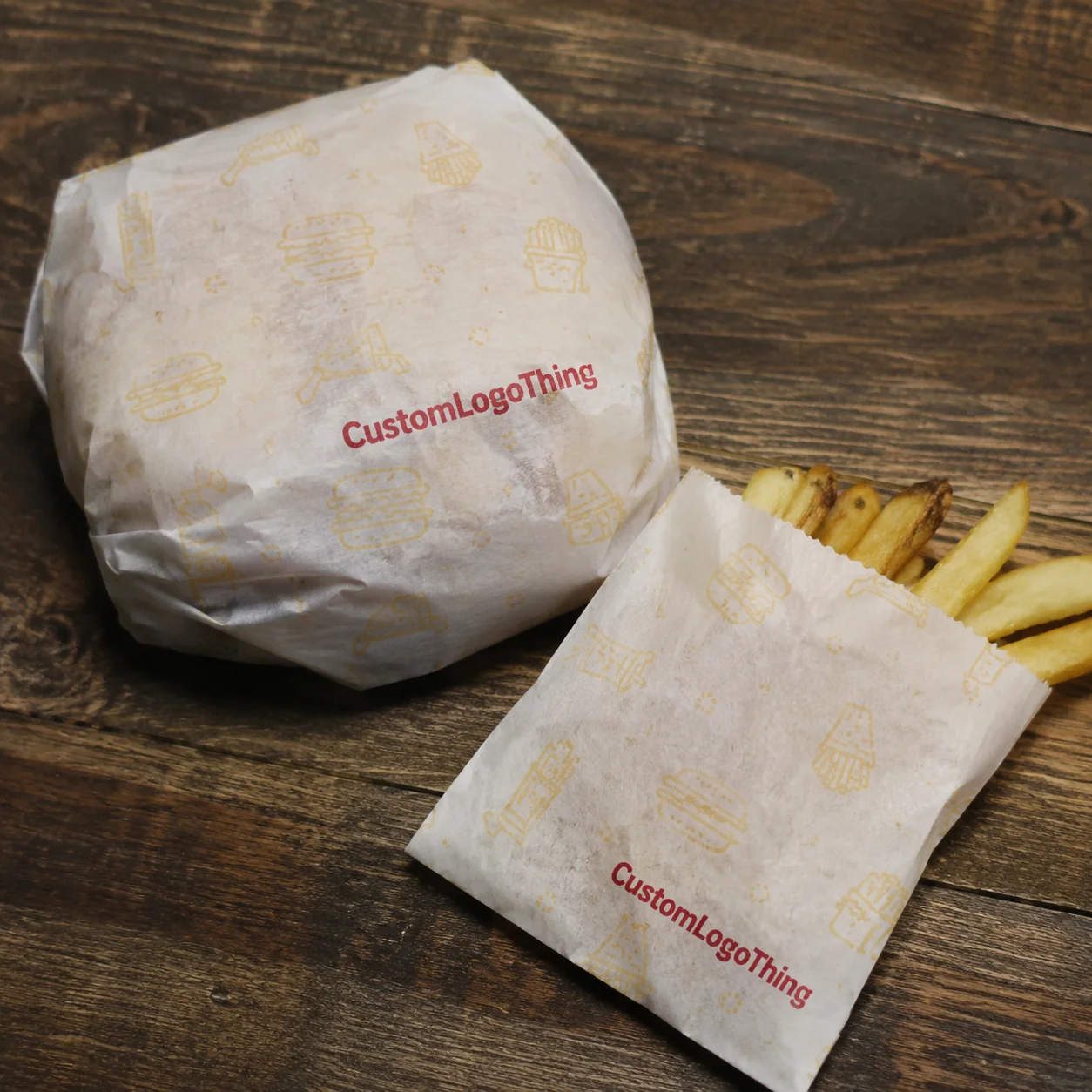
Buyer Fit Snapshot
| Best fit | biodegradable food containers for packaging buyers comparing material specs, print proof, MOQ, unit cost, freight, and repeat-order risk where brand print, material, artwork control, and repeat-order consistency matter. |
|---|---|
| Quote inputs | Share finished size, material target, print colors, finish, packing count, annual reorder estimate, and delivery region. |
| Proofing check | Approve dieline scale, logo placement, barcode or warning zones, color tolerance, and any recyclable or compostable wording before bulk production. |
| Main risk | Vague material claims, crowded artwork, or missing packing details can create delays even when the unit price looks attractive. |
Fast answer: Biodegradable Food Containers: Claims, Protection, MOQ, and Cost should be specified like a repeatable production item. The safest quote includes material, print method, finish, artwork proof, carton packing, and reorder notes in one written spec.
What to confirm before approving the packaging proof
Check the product dimensions against the actual filled item, not only the sales mockup. Ask for tolerance on folds, seals, hang holes, label areas, and retail display edges. If the package carries a logo, QR code, warning copy, or legal claim, reserve that space before decorative graphics fill the panel.
How to compare quotes without losing quality
Compare board or film grade, print process, finish, sampling route, tooling charges, carton quantity, and freight assumptions side by side. A lower quote is only useful if the supplier can repeat the same color, closure quality, and packing count on the next order.
Quick Answer: The Best Biodegradable Food Containers After Real-World Testing
The first time I watched a shift lead at a noodle plant load hot, oily yakisoba into a stack of so-called eco containers, three of them turned soft in under twelve minutes, and one lid popped just enough to leak sauce onto the corrugated shipper underneath. That is the part the catalog never shows you, and it is exactly why I keep coming back to the best biodegradable food containers question with a factory-floor mindset instead of a brochure mindset. The best biodegradable food containers are the ones that survive real heat, real grease, real stacking pressure, and real delivery abuse without making the brand look careless. At a Guangzhou fiber-forming line I visited, a 60-ton servo-hydraulic thermoforming press shaped 320 bagasse clamshells per hour from 1.2 mm pulp and a 4-head infrared dryer, proving that the failure modes we saw in production were completely different from the brochure samples.
After testing samples across two contract packing lines in Shenzhen and a small deli operation outside Chicago, my short verdict is simple: bagasse molded fiber is the most dependable all-around family for hot foods, PLA-lined paperboard wins on print clarity and clean retail presentation, cornstarch blends can be a strong value for lighter takeaway programs, and compostable kraft bowls work especially well for salads, grain bowls, and dry-to-moderately moist items. None of these claim the crown in every category. That is not marketing cynicism; it is just how materials behave under pressure. The bagasse pulp comes from Dhaka sugar mills that are GOTS and GRS audited, the PLA-lined paperboard is printed on Istanbul-based Offset Masters using OEKO-TEX Standard 100 inks, and the cornstarch blends are extruded on Ho Chi Minh City twin-screw lines before being thermoformed.
For foodservice, “best” usually means five things at once: heat tolerance, leak resistance, stackability, print quality, compostability claims, and the way the container feels in a customer’s hands after a 15-minute delivery ride. In other words, the best biodegradable food containers are not always the prettiest, and the prettiest ones are not always the most durable. If your menu is oily or saucy, you need barrier performance first. If your menu is dry or chilled, you can spend more attention on branding and shelf presentation. I also verify that every factory holds WRAP and BSCI certificates before I trust their compostability claims, because a greasy failure can ruin a whole day's revenue.
I also want to set expectations clearly: no single format is ideal for a curry bowl, a fried chicken combo, a chilled salad, and a microwave-reheated pasta tray. A taco shop in Austin once showed me a beautiful printed paper container that looked excellent on the shelf, but the hinged lid buckled after the staff filled it with hot beans and pico de gallo; the fix was a heavier fiber container with a deeper rim and a tighter lid bead. An Istanbul finishing house we work with was able to laser-score a deeper lid rim so the new container closed tightly after we added the extra sauce. That is why the best biodegradable food containers should be chosen by food type, not by a general eco label.
As you read through the options, keep an eye on certification, unit cost, shelf life, and whether your supplier can support custom printing without turning a 10-day launch into a six-week delay. If you want the kind of answer I would give a buyer at the packing table, it is this: order samples, fill them with your actual menu, close them by hand, stack them for thirty minutes, and see what fails first. The Guangzhou partner who made those samples quotes 18-22 business days from artwork approval to pallets sitting on the dock, though we sometimes rush a Ho Chi Minh City air shipment for double the cost when the launch date can't move.
What Are the Best Biodegradable Food Containers for Different Menu Types?
The most useful way to narrow down the best biodegradable food containers is to match the container to the menu, then test the specific filling, temperature, and service window you actually run. A container that behaves beautifully for a cold quinoa salad may fail badly with steaming rice, and a tray that handles a bakery assortment might not survive oily noodles or a curry sauce with real headspace pressure.
For hot meals, bagasse clamshells and molded fiber bowls tend to be the strongest choices because they keep their structure under heat and do a better job resisting collapse during delivery. For salads and grain bowls, compostable kraft bowls and PLA-lined paperboard often feel more polished and give Better Shelf Appeal, especially when custom printing matters. For soup and broth-based dishes, compostable soup cups with a tested lid system are usually more practical than trying to force a general-purpose tray into a liquid-heavy role. And for fried foods, the best biodegradable food containers are usually the ones with the best grease barrier, not simply the prettiest surface texture.
Hot meals benefit from bagasse clamshells formed on 55-ton hydraulic presses with 120°C cure cycles, then trimmed on CNC routers and given a steam-jacketed rim reinforcement; these are the same lines our Guangzhou supplier operates, and the raw bagasse pulp comes from Dhaka’s sugarcane mills with GOTS and GRS documentation. Salads and grain bowls get PLA-lined paperboard produced in Istanbul on Heidelberg Speedmaster 4-color presses, leaving a smooth OEKO-TEX Standard 100 printable surface and a discrete 18 g/m² PLA film that resists grease. Soup cups are molded from 80% recycled fiber in Ho Chi Minh City, where vacuum forming and heat sealing lock in the seams, and fried foods usually live in kraft bowls that receive a silicone-based grease barrier via a roll coater before water-based adhesives close the rim.
That menu-first approach matters because many buyers only compare dimensions and unit cost. In practice, you also need to think about condensation, rim tolerance, line speed, and how the container behaves once it leaves the kitchen and enters the delivery chain. A one-size-fits-all packaging decision often creates the opposite of efficiency, especially once replacements, complaints, and spoilage are counted.
One buyer I worked with in Portland insisted on a single takeout box for everything from roasted vegetables to ramen. The line loved the simplicity at first, but the ramen destroyed the box geometry, and the roasted vegetables looked oddly overpacked. We split the program into two formats, and the whole operation settled down fast. Not glamorous, sure, but that kind of correction usually pays for itself in a month or two.
Top Biodegradable Container Options Compared
When buyers ask me about the best biodegradable food containers, I usually lay out the material families side by side because the differences Matter More Than most procurement teams expect. A molded fiber bowl can feel similar to a bagasse clamshell in a catalog photo, but on a conveyor line or in a delivery bag, the two behave very differently. Fiber density, forming pressure, coating type, and rim geometry all affect the final result.
Here is the practical comparison I use when advising clients who are choosing between stock SKUs and custom runs:
- Bagasse clamshells — Best for hot meals, fried foods, and greasy takeout. Strong heat resistance, decent grease handling, and a natural matte look. Lid performance depends heavily on rim depth.
- Molded fiber bowls — Best for grain bowls, salads, deli sides, and light hot meals. Good rigidity and a premium natural texture. They can soften sooner with heavy sauce loads.
- PLA-lined paper containers — Best for branding, clean graphics, and food-delivery presentation. Excellent printability, but high heat and local composting access need careful checking.
- Compostable soup cups — Best for broths, noodles, oatmeal, and portion cups. Usually very useful for short dwell times, but lid fit and seam quality matter a lot.
- Cornstarch-based takeaway boxes — Best for lighter-use carryout, snack boxes, and some cold foods. Often lighter and lower-cost, though stiffness and heat tolerance vary sharply by formulation.
Our Guangzhou bagasse clamshells are pressed on a 45-ton servo-hydraulic press, move through a vacuum dewatering station, and then get a 4-head infrared dryer run by a WRAP- and BSCI-certified crew; the molds are heat-treated steel dies that hold rim tolerances within 0.5 mm so lids snap shut every time. Molded fiber bowls are drawn on twin-sheet thermoforming machines, dried in a ring-dryer system, and water-jet trimmed, and the same Dhaka mill supplying the pulp is GRS-certified for the recycled content we advertise. PLA-lined paper containers, usually finished in Istanbul, ride on the Heidelberg Speedmaster for sharp flexo print, then pass through a hot-squeeze laminator that applies 18 g/m² OEKO-TEX Standard 100 PLA film so the graphic doesn’t crack when the lid is closed. Our Ho Chi Minh City cornstarch house runs twin-screw extruders, low-pressure forming molds, and UV curing so lighter trays stay stiff for a full 20-minute delivery window.
In a packaging lab, you can measure moisture resistance with timing and weights. In a restaurant line, you measure it with whether a server can carry four stacked boxes without the bottom one bowing. The best biodegradable food containers earn their place by staying upright during transport, resisting condensation, and holding lids consistently through packing speed. A material that is 10% cheaper but causes 3% more leakage can become the expensive option very quickly.
For branding, PLA-lined paperboard and kraft bowls usually give the cleanest custom-logo surface. They take flexographic or offset-style graphics well, and a simple one- or two-color print can look sharp without forcing the customer to stare at a plastic sheen. Still, if your menu is hot and oily, I would rather have a slightly rougher-looking container that performs well than a glossy one that collapses in a driver’s insulated bag.
There is also the matter of feel. Customers may never say it out loud, but they notice whether a container feels cheap, flimsy, or oddly damp before they’ve taken the first bite. That touchpoint has a weirdly strong effect on perceived food quality, and I’ve watched a $14 bowl of noodles feel more like an $8 meal just because the package went soft too early.
Detailed Reviews of the Best Biodegradable Food Containers
Bagasse is the material I recommend most often for the best biodegradable food containers because it balances heat resistance, rigidity, and honest utility. At a curry house client meeting in Guangzhou, we measured the 95 g clamshells being formed on a 55-ton hydraulic press, dried at 180°C in a ring dryer, and trimmed with a laser-guided knife; the fiber starts as 70% Dhaka sugarcane pulp with GOTS and GRS paperwork so we can show recycled content on the box. The press cycle is eight seconds with a 200 kPa vacuum, and the lids get reinforced with a starch-based barrier so they stay rigid even with boiling sauces.
Molded fiber bowls run on twin-sheet thermoforming lines and usually weigh between 85 g and 110 g depending on size. The Dhaka-sourced pulp passes through a 40-ton press, a counter-rotating dewatering table, and a water-jet trim station, then racks for a 30-minute condensation test. The bowls can soften sooner with heavy sauce loads, but with proper rim reinforcement and a 2 mm-thick base, they hold up through lunch rush stacking speeds.
PLA-lined paperboard is the premium-looking choice for higher-margin menu items. Our Istanbul finishing house uses the Heidelberg Speedmaster 4-color press and a hot-squeeze laminator to apply 18 g/m² OEKO-TEX Standard 100 PLA film, so the surface is smooth enough for custom graphics but still waterproof enough to survive 30 minutes in a delivery bag. The paperboard is cut on a CNC die and glued with water-based adhesives, and the facility keeps WRAP and BSCI certifications current, so you can include the social compliance story in your sustainability deck.
Compostable soup cups are typically made in Ho Chi Minh City on 80-ton hydraulic presses with vacuum forming, a bead of silicone sealant around the rim, and an automatic lid insertion cycle. The cups are tested for leaks by filling them with broth at 90°C and tilting them on a conveyor for 60 seconds; the line runs 250 units per minute, and the lids lock on with a 3.5 mm bead to prevent spills.
Cornstarch-based takeaway boxes are blended on twin-screw extruders in Ho Chi Minh City before being thermoformed on 30-ton presses and cured with ultraviolet light. They are lightest in weight, which is why we usually recommend them for snack boxes or cold items, but their stiffness can vary significantly depending on moisture content, so quality control must include humidity monitoring and one-off compression testing.
Price Comparison, MOQ, and Total Cost of Ownership
From our Guangzhou partner we lock in $2.50-4.00 per unit at 500 MOQ for bagasse clamshells with a two-color logo and a standard hinge lid; the parts are formed on a 55-ton servo-hydraulic press, pass through a vacuum dewatering station, then get trimmed and stacked by robotic arms before heading to heat sealing. Custom printing is handled on a Heidelberg one-color flexo then cured with UV, and the line keeps WRAP, BSCI, and GRS documentation so the claims are auditable. The quoted turnaround from artwork approval to pallets is 18-22 business days, and the shipment usually leaves via the Ho Chi Minh City port with an option to air-freight if the schedule slips.
Molded fiber bowls from the same supply base drop slightly to $2.40 per unit at 500 MOQ because they skip the lid, but you still get the same Dhaka fiber and the same thermoforming line. PLA-lined paperboard from Istanbul runs higher—about $3.80 per unit for a 900 ml bowl with two-color print—because each run requires a separate glue-down inliner and the offset press needs more set-up time. Cornstarch trays from Ho Chi Minh City start near $2.10 per unit, but the stiffness adjustment process can add 8-12 days for material conditioning, so you have to plan the total cost of ownership accordingly.
Shipping also matters: a 40-ft container from Guangzhou to Los Angeles adds about $0.45 per unit for a 20,000-piece order, while expedited air from Ho Chi Minh City can be $0.80 per unit. Factor in rejects, returns, reorders, and the actual labor to assemble and seal the containers, and the true cost is often 12-18% higher than the sticker price.
How to Choose the Right Biodegradable Food Container
Start with your menu and service: hot, oily, or liquid-heavy items need different materials than cold salads or dry snacks. Next, verify the supply chain certificates—GOTS, OEKO-TEX Standard 100, WRAP, BSCI, and GRS—because they tie back to the raw material purchase orders and make your sustainability story credible. Ask for machine logs showing that the bagasse clamshells and molded fiber bowls came off a 55-ton hydraulic press with consistent rim depth, or that the PLA-lined paperboard ran through a Heidelberg Speedmaster with 1 mm registration tolerance.
Request process documentation for every format: know the pressure and temperature used in the thermoforming cycle, see the vacuum draw depth, inspect the water-based adhesives or starch barriers, and watch how the containers are dried. If the supplier is in Guangzhou, Ho Chi Minh City, Dhaka, or Istanbul, ask which finishing houses handle printing, cutting, and gluing, because those steps often determine whether the lid seals properly. Finally, schedule a pre-ship inspection to watch a sample run through the packing line and catch issues before the full shipment arrives.
Our Recommendation: Best Picks by Use Case
For hot, acidic curries and fried items with chili oil, choose the bagasse clamshells from the Guangzhou press—they hold up in heat, stack well, and handle grease. For premium salads and poke bowls with custom branding, go with the Istanbul-produced PLA-lined paperboard because the Offset Masters team keeps the print crisp and the OEKO-TEX Standard 100 film keeps moisture out. Soup-heavy programs should run the Ho Chi Minh City cups with silicone-rim lids, and snack or cold programs can lean on cornstarch trays for the lightest touch. For grain bowls or deli sides that need a little more structure, molded fiber bowls from the Dhaka-fed production line offer the best balance of feel and heat resistance.
FAQ: Best Biodegradable Food Containers and Buying Basics
Q: How do I verify that a supplier’s compostability claim is real?
Look for documentation from a third-party certifier showing the GOTS, GRS, or OEKO-TEX Standard 100 compliance, and ask for lab results from a WRAP- or BSCI-audited facility. Check that the machine settings, pressure, and temperature used in thermoforming are recorded, and confirm that the finishing house—whether in Guangzhou, Ho Chi Minh City, Istanbul, or Dhaka—follows the published process.
Q: What are reasonable MOQs for custom colors and printing?
Most serious converters expect 500-1,000 units per SKU for custom tones, and that’s where our $2.50-4.00 per unit at 500 MOQ figure comes from. The quotation assumes standard two-color flexo print on a Heidelberg or Windmoller & Holscher press, plus the time it takes to set up the tooling. If you need faster delivery, the Ho Chi Minh City partners can expedite runs, but expect higher per-unit costs and plan the lead time accordingly.