Biodegradable Poly Mailers Sample Order Checklist: First Checks That Save Bulk Mistakes
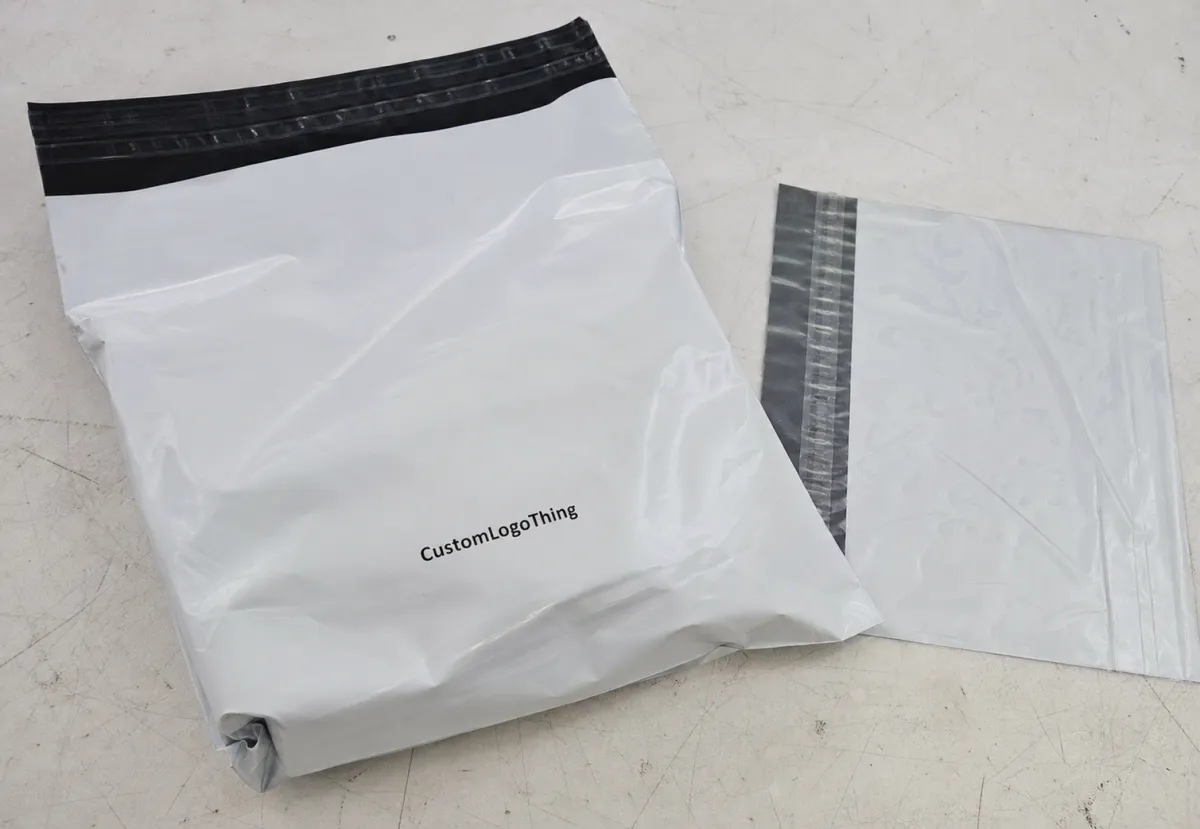
A biodegradable Poly Mailers Sample order checklist exists for one reason: to catch failures before they scale. A sample can look clean on a desk, pass a quick visual check, and still split at the seal after a carton ride through a courier network. It can feel fine in the hand and still become brittle after heat, pressure, or long storage. Packaging buyers see this pattern more often than they expect.
The cost of a miss is rarely limited to the mailer itself. One incorrect thickness spec can mean rework, delayed launches, chargebacks, replacement freight, and warehouse labor that never appears on the original quote. In packaging, small errors compound fast. A sample order is the cheapest place to find them.
The useful question is not whether the mailer looks acceptable. It is whether it survives the way the team will actually use it: machine-packed or hand-packed, label applied by a person or a printer, stored in a hot dock or a climate-controlled room. Buyers often compare sample options against broader Custom Poly Mailers, other Custom Packaging Products, and tiered Wholesale Programs so the sample is judged in the same buying frame as the eventual order.
A sample that survives a photo shoot but fails in a warehouse is not approval-ready packaging.
That standard sounds strict because it is. The checklist should force the conversation toward measurable details: seal width, film gauge, print durability, shipping conditions, and how clearly the supplier documents the material claim. If the answers are vague, the sample is not finished yet.
Material, Seal, and Print Details Buyers Need to Inspect
The first thing to verify is the actual construction. Ask what film layers are used, how the closure is made, and whether the adhesive is pressure-sensitive, heat-sealed, or a hybrid of the two. A mailer that opens cleanly in fulfillment and seals reliably after packing is far more useful than one that merely photographs well.
Finish changes more than appearance. Matte films reduce glare and can hide handling marks better. Gloss films often make color pop, but they also show scuffs and fingerprints faster. Opaque and tinted structures help protect privacy, yet darker films can make printed text and barcodes harder to read under warehouse lighting. A sample should be handled, folded, and lightly rubbed before approval. Transit does not leave surfaces untouched.
Print quality deserves the same scrutiny. Check edge lift, ink cracking, registration drift, and any smudging after the film is flexed. A logo that looks sharp on day one may still fail after a bag is stuffed, stacked, and sorted. That matters more than most spec sheets admit.
Sustainability claims need discipline. “Biodegradable,” “compostable,” “recycled content,” and “post-consumer resin” describe different things and should not be treated as interchangeable. Ask for the exact claim language that will appear on the product and the support behind it. If a supplier references ASTM standards, request the specific test basis rather than a broad marketing line. For durability expectations in shipping, independent references such as ISTA transit testing guidance help move the discussion from opinion to handling performance. If sustainability is part of the buying brief, the EPA’s materials management guidance at EPA materials management guidance is also useful context.
Suppliers who can explain seal chemistry, film finish, and print process in plain language usually understand production better. Suppliers who cannot often rely on guesswork and rework. The difference shows up later, when a sample has to be repeated exactly.
Dimensions, Thickness, and Claim Verification for Accurate Specs
Size errors are common because quoted dimensions are not always the same as usable dimensions. A mailer may list an overall flat size, but the seal area, the closure flap, and the side welds reduce the real packing space. The biodegradable poly mailers Sample Order Checklist should always separate the advertised size from the measured interior size. Those numbers are often close, but not identical, and “close” is not enough for a packed order.
Thickness matters just as much. Film gauge influences puncture resistance, stiffness, and how well the mailer tolerates a heavier product or an awkward carton corner. A lightweight apparel order may work in a thinner construction. Mixed SKU programs, especially those with boxed cosmetics, accessories, or small hard goods, usually need more body. If the supplier quotes microns, ask how that translates into tear resistance or drop performance. If test data exists, request it. ASTM tensile or dart-impact references are more useful than a sentence that simply says the material is “strong.”
Claim verification is where many orders go off track. A mailer can contain biodegradable additives without meeting a compostability standard. It can be sold as biodegradable in one context and still fail a procurement requirement in another. It can include recycled content and still be inappropriate for a specific sustainability report. The spec sheet should spell out the exact claim language, the test standard, and any limits on the claim.
For teams managing multiple packaging categories, keep claim language tied to each SKU rather than to the account as a whole. That makes reorders easier to audit and reduces the chance that one acceptable item gets copied into another category without review.
What to measure on the sample itself
- Usable interior width and length after the seal area is excluded.
- Gusset expansion under a packed load, not just on a flat sample.
- Seal width, seal consistency, and how well the closure holds in humidity.
- Film stiffness and puncture resistance after packing and a single drop from cart height.
- Barcode readability if the mailer carries a shipping label or printed code.
Cost, Pricing, MOQ, and Sample Credit Terms to Compare
Sample orders deserve the same financial scrutiny as bulk buys. Do not accept a single blended price when the quote includes sample-unit cost, setup charges, proof revisions, freight, plate fees, or tooling. The headline number can look attractive while the real landed cost quietly rises.
MOQ is part of the same calculation. A supplier may offer a good unit rate at 10,000 pieces, then the economics shift sharply below that point. For custom-printed sample mailers, a typical range is often $25-$120, depending on size, print coverage, and artwork setup. Pre-production samples, which are closer to final-run conditions, can run higher. Bulk pricing usually drops meaningfully at larger volumes, but the exact break depends on film spec, print colors, and packing format.
Sample credit should be confirmed in writing. Some suppliers credit the sample product cost against the first bulk order. Others exclude freight, proofing, or design work. If the offer is not clear, treat the sample as a real cost until the terms are spelled out.
| Option | Typical Sample Cost | Lead Time | Best Use | Buying Risk |
|---|---|---|---|---|
| Stock sample | $0-$25 plus freight | 2-5 business days | Basic size and feel checks | Low, but print and exact finish may not match |
| Custom-printed sample | $25-$120 | 7-15 business days after proof approval | Brand, color, and seal verification | Medium, because artwork and setup affect outcome |
| Pre-production sample | $60-$180 | 10-20 business days | High-volume orders and final sign-off | Lower once the spec is frozen |
Hidden costs distort comparisons more than buyers usually expect. Rush production, special color matching, extra proof rounds, and reprints after approval all push the landed number up. A supplier that names those items early is usually easier to work with than one that hides them in a broad quote.
That is especially true when a launch date is fixed. A cheap sample that arrives late is not cheap. It is a delay with a price tag.
Process, Timeline, and Turnaround From Request to Approved Sample
A clean sourcing process is predictable: inquiry, file review, proof, production, shipping, sign-off. Many delays happen because one of those steps gets skipped or rushed. The buyer wants a physical sample immediately, but the file is incomplete, the art is wrong, or the product details are still changing. That shortcut usually costs time later.
Stock samples are fast because they only need fulfillment and freight. Custom printed samples take longer because proof approval, production, and transit all add time. A reasonable window is often 7-15 business days after artwork approval. International freight can add several more days. Pre-production samples take longer still, especially if the supplier wants to confirm color, seal behavior, or print registration on the exact line that will run the bulk order.
The most common delay points are boring, but they matter: missing dielines, slow artwork feedback, unclear claim requests, incomplete ship-to information, and late changes to the dimensions. Buyers who prepare a clean brief usually get a cleaner sample. That brief should include product weight range, label size, shipping environment, and any retail or marketplace compliance language. Even one note about whether the mailer will be machine-packed or hand-packed can change the recommendation.
Timeline checkpoints that should not be skipped
- Confirm dimensions, seal type, and finish before artwork starts.
- Approve a digital proof with exact logo placement and color references.
- Ask for a photo or short video of the finished sample before it ships if the order is complex.
- Test the sample against warehouse handling, not just visual appearance.
- Freeze the final spec only after the sample survives real use.
Why Documented Testing and Responsive Support Reduce Order Risk
Documentation separates a serious supplier from a casual one. A credible partner should be able to provide spec sheets, material declarations, and claim support without three rounds of follow-up. If the product is described as biodegradable, the paperwork should explain what that means and what it does not mean. If the mailer is printed, the ink system and adhesion expectations should also be documented.
Support quality matters because sample orders are usually the first real proof point in a long buying relationship. Buyers need fast answers, but they also need consistency. A team with direct factory communication can usually correct a file faster, confirm a seal issue faster, and revise a sample with fewer handoffs. That is more than convenience. It lowers the odds of a spec error becoming a bulk loss.
Operational reliability should outrank a low quote by itself. Ask how quickly the team responds, whether the same spec can be repeated, and whether feedback can be incorporated without turning the process into a new sale. Repetition is one of the clearest quality signals in packaging. The second sample should behave like the first if nothing changed.
For buyers comparing sustainability claims across packaging categories, keep the evidence set consistent. If one supplier offers a declaration, a test basis, and sample photos, while another sends only a marketing line, the difference is material. Procurement, sustainability, and operations teams tend to align faster when the supplier documents more than the minimum.
How to Compare Multiple Samples Without Picking the Prettiest One
Pretty samples win attention. Good samples win approval. The difference is measurable. A simple side-by-side scorecard keeps the review focused on seal quality, size accuracy, print fidelity, surface feel, and drop-test behavior. The biodegradable poly mailers Sample Order Checklist works best when each sample is judged by the same criteria, in the same order, with the same load.
Run practical tests. Pack the actual SKU mix. Time the pack-out. Rub the printed surface after labeling. Drop the loaded mailer once from cart height. Leave one sample in a warm storage area for a few hours if the freight lane runs hot. None of this replaces formal testing, but it reveals weak spots quickly.
This is where buyers often get pulled toward the nicest-looking option. Brighter print and a softer hand-feel can be persuasive, but the mailer with tighter seals and fewer defects is usually the better operational choice. In a warehouse, the least risky item is rarely the flashiest one.
Some teams also compare samples against downstream handling costs. If a mailer fits standard carton sizes, pallet patterns, and label placement rules, the savings can exceed a small difference in unit price. Packaging programs improve when the spec runs cleanly at volume, not just in a mockup.
Simple scorecard categories
- Seal performance: no splitting, lifting, or weak corners after loading.
- Dimension accuracy: real fit for the product and label area.
- Print integrity: sharp copy, no smudge, no edge lift.
- Handling performance: survives sorting, stacking, and one drop.
- Customer presentation: clean unboxing without a premium finish that hides flaws.
Next Steps After Approval: Lock the Spec and Move to Purchase
Once one sample wins, freeze it. Turn the approved version into a written spec sheet with dimensions, thickness, seal width, artwork placement, finish, acceptance criteria, and reorder notes. That reduces ambiguity before the purchase order goes out. If the buyer waits until the next reorder to capture the details, the sourcing team ends up rediscovering information it already paid to learn.
Ask for the final quote again, and confirm MOQ, lead time, freight, payment terms, sample credit, and any tooling charges before release. If the supplier uses a proof file history, keep it with the spec pack. Color control and claim language should stay tied to that approved record, not to memory.
One practical habit helps more than most teams realize: save the sample report alongside the artwork, the quote, and the purchase order history. Packaging programs get better when current performance can be compared with the last accepted version. That history matters even more if the line later expands into other sizes or formats.
Used properly, the checklist is not a one-time document. It is a repeatable buying tool. The same discipline applies whether the order is small, seasonal, or part of a larger launch. Keep the notes tight and the next sourcing cycle moves faster with fewer surprises.
What should a biodegradable poly mailers sample order checklist include?
Include size, thickness, seal type, print accuracy, finish, and actual use conditions so the sample is judged on shipment performance, not appearance alone. Add Pricing, MOQ, Lead Time, and claim support to compare suppliers on total buying risk. If the supplier cannot document the material claim, the sample is not ready for approval.
How many biodegradable poly mailer samples should I request before choosing one?
Request at least two or three variants if the mailer size, thickness, or print coverage changes across SKUs. For a high-volume order, test multiple samples from the same spec to spot consistency problems before approval. Repeatability matters as much as the first pass.
Which specs matter most when comparing sample mailers?
Prioritize seal strength, puncture resistance, actual interior dimensions, and how the mailer handles product weight. Then verify print durability, barcode readability, and whether the claim language matches the documentation. Those details tell you more than a polished mockup ever will.
Can sample costs be credited toward a bulk order?
Sometimes yes, but only if the supplier states it clearly before the sample order is placed. Confirm the credit amount, minimum order threshold, and whether freight or setup fees are excluded. Get the credit terms in writing so there is no dispute during PO approval.
How long does a biodegradable poly mailers sample order usually take?
Stock samples can move quickly because they only need fulfillment and shipping. Custom printed samples take longer because proof approval, production, and transit all add time. If the sample proves the spec is sound, the next order can move with far fewer surprises, and the same biodegradable Poly Mailers Sample order checklist remains the quickest way to keep future buys consistent.

