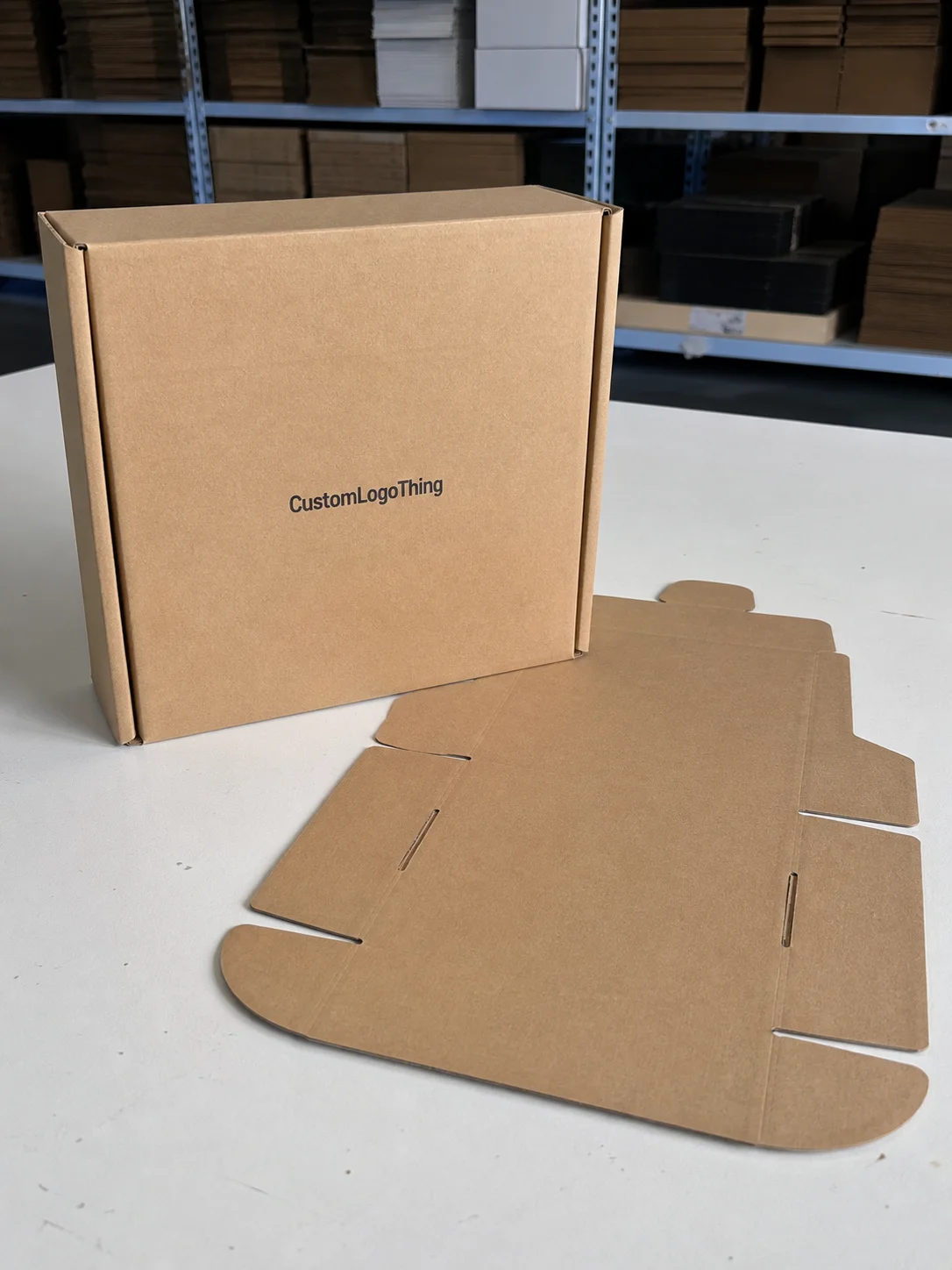
Buyer Fit Snapshot
| Best fit | boxes for cold chain shipping for packaging buyers comparing material specs, print proof, MOQ, unit cost, freight, and repeat-order risk where brand print, material, artwork control, and repeat-order consistency matter. |
|---|---|
| Quote inputs | Share finished size, material target, print colors, finish, packing count, annual reorder estimate, and delivery region. |
| Proofing check | Approve dieline scale, logo placement, barcode or warning zones, color tolerance, and any recyclable or compostable wording before bulk production. |
| Main risk | Vague material claims, crowded artwork, or missing packing details can create delays even when the unit price looks attractive. |
Fast answer: Boxes for Cold Chain Shipping: Dieline, Finish, Proof, and Buyer Review should be specified like a repeatable production item. The safest quote includes material, print method, finish, artwork proof, carton packing, and reorder notes in one written spec.
What to confirm before approving the packaging proof
Check the product dimensions against the actual filled item, not only the sales mockup. Ask for tolerance on folds, seals, hang holes, label areas, and retail display edges. If the package carries a logo, QR code, warning copy, or legal claim, reserve that space before decorative graphics fill the panel.
How to compare quotes without losing quality
Compare board or film grade, print process, finish, sampling route, tooling charges, carton quantity, and freight assumptions side by side. A lower quote is only useful if the supplier can repeat the same color, closure quality, and packing count on the next order.
Quick Answer: Which Boxes Actually Work for Cold Chain Shipping?
If you asked me on a factory floor in Arlington Heights, Illinois, standing next to a pack line with 8 oz gel packs sweating on a stainless table, I’d tell you this straight: the best boxes for cold chain shipping are not always the most expensive ones, and they are definitely not always the prettiest ones. I’ve watched a $42 VIP shipper lose to a $9 EPS system on a rough regional lane because the VIP box had a weak lid fit and the pack-out crew was rushing through a 3 p.m. production push. That kind of thing happens more often than marketing teams like to admit, which is probably why I still keep a healthy grudge against glossy spec sheets.
The best boxes for cold chain shipping depend on three things that Matter More Than polished brochures: your product temperature band, your transit time, and how much abuse the parcel will take between your dock in Memphis, Tennessee, and the customer’s hands in Phoenix, Arizona. A biologic in a 48-hour summer lane has a very different need than a meal kit going 18 hours by ground. One size never fits all, and honestly, I think that’s where a lot of companies get burned. They want one magical box to solve every lane, and packaging just doesn’t work like that, no matter how much somebody in a sales deck wishes it did.
Here’s the plain-English version. EPS foam shippers are still the workhorse for many food and pharma lanes because they hold temperature well and stay predictable. VIP insulated boxes are the premium choice when payload value is high and temperature drift is expensive. Corrugated insulated liners and fiber-based systems are the better pick for e-commerce brands that need easier recycling behavior, smaller storage footprints, or a more retail-friendly story. And molded pulp systems can work nicely for shorter refrigerated lanes, especially when the product is not overly sensitive, such as produce or dairy shipped from Pennsylvania to Ohio in under 24 hours.
When I test the best boxes for cold chain shipping, I look at five things: temperature hold time, crush resistance, leak control, pack-out speed, and landed cost. That means I care about how long the payload stays in range, whether the carton survives a corner drop, whether condensation softens the structure, how many seconds it takes a packer to build the shipper, and what it really costs once you add refrigerant, tape, labels, and dimensional weight. If a box performs well but slows order fulfillment by 20 seconds per pack, that’s real money in a high-volume operation. I’ve seen a “perfect” box turn into a headache because it made the line feel like it was moving through molasses, especially when the pack room was holding 38°F and the crew was trying to hit 1,200 units before noon.
For short regional shipments, I usually lean toward EPS foam shippers or a well-designed corrugated insulated box with gel packs. For overnight perishables, the best boxes for cold chain shipping are often EPS on value grounds, unless the brand needs curbside recyclability optics and can tolerate shorter hold times. For high-value biologics, VIP systems make sense because the thermal safety margin is worth the cost. For budget-friendly food delivery, I’d keep it simple with corrugated insulated packaging and tightly controlled pack-out instructions, ideally built around a 12 oz or 16 oz gel pack configuration that your team can repeat at scale.
And yes, reusability matters, but it’s not free. A reusable shipper only works if reverse logistics are actually disciplined, returns stay above target, and the customer base follows the program. Otherwise, a reusable box becomes a lost box with a nice story attached to it. I’ve watched gorgeous reusable programs evaporate into “Where did all the boxes go?” emails after a launch out of Charlotte, North Carolina, which is not the kind of surprise anyone wants after a $28,000 pilot run.
My rule of thumb: pick the best boxes for cold chain shipping based on product sensitivity, lane length, seasonal extremes, and whether you need reusability or curbside recyclability. Not hype. Not shelf talk. Real transit packaging behavior, measured with the actual carton size, actual refrigerant load, and actual route timing.
Top Cold Chain Boxes Compared: Materials, Performance, and Best Use Cases
After years around distribution centers in New Jersey, pharma pack rooms in Indiana, and food fulfillment lines in Southern California, I can say the material choice shapes everything. The best boxes for cold chain shipping are really a match between insulation physics and the chaos of shipping networks. A box can look great on paper and still fail if the lid bridges heat, the insert shifts, or the warehouse stores it too close to a sunlit dock door. I’ve seen pallets parked near roll-up doors in July at 92°F ambient and thought, well, there goes the clean test environment again.
- Expanded polystyrene (EPS): light, affordable, very common, and still one of the strongest performers for thermal hold time in the low- to mid-cost range, especially in 1.5" to 2.5" wall thicknesses.
- Polyurethane foam: dense and capable, often used in specialty systems where thickness is limited but performance must stay high, such as 2°C to 8°C clinical transport.
- Vacuum insulated panels (VIP): the premium option, with excellent insulation in a slim profile, but they need careful handling because punctures kill performance quickly and a damaged panel can fail within minutes.
- Corrugated insulated systems: fiber-friendly, easy to store flat, and usually simpler for ecommerce shipping teams to erect and pack, especially in facilities running 300 to 500 orders per hour.
- Molded pulp and fiber-based liners: better for sustainability claims and shorter refrigerated lanes, though not always the strongest against heat load in summer routes through Texas or Florida.
EPS remains one of the best boxes for cold chain shipping choices for frozen and refrigerated products because it balances thermal stability, low weight, and price. In a warehouse I visited in Columbus, Ohio, a frozen dessert client was running three pack lines, and the EPS shippers were the only format that kept pack-out times steady during the lunch rush because the inserts didn’t flex and the lids seated consistently. That kind of consistency matters when you’re shipping 8,000 parcels a day, and it matters even more when someone on the line is trying to move fast with cold hands and a timer yelling in the background.
Polyurethane foam performs well where every cubic inch counts. I’ve seen it used in tight-form factor kits for pharma sample distribution from RTP, North Carolina, especially when the shipper needs a narrow wall thickness but still has to keep a payload near 2°C to 8°C for 36 to 48 hours. The downside is cost and the difficulty of disposal. It’s not usually the first pick for budget-sensitive ecommerce shipping, and if someone tells you it is, I’d ask them to show me the invoice twice and the waste handling bill once more.
VIP systems are the high-performance end of the category. They are among the best boxes for cold chain shipping when temperature drift is expensive, lanes are long, or external temperatures swing hard. But here’s the catch: the performance is only as good as the panel integrity and the pack design. I’ve seen a premium VIP box fail a validation run because the packer crushed a corner panel during assembly on a workbench in Monmouth County, New Jersey. A small defect can wipe out the advantage quickly, and VIP panels are not the sort of thing you can just “sort of” handle well.
Corrugated insulated systems and fiber-based mailers have improved a lot. They store flat, reduce warehouse footprint, and often fit better into ecommerce shipping workflows where order fulfillment teams need fast erection and simple disposal. Their best use is usually refrigerated lanes, not deep-frozen or extreme ambient exposure. If you’re shipping meal kits, specialty grocery, or short-range lab samples from Dallas, Texas, these can absolutely be among the best boxes for cold chain shipping from an operational standpoint. I like them when the process has to stay light on its feet and the pack room is moving 400 units per shift without much room for wasted motion.
Where do they fail? EPS can crack under hard corner abuse. VIP can lose value fast if punctured. Corrugated insulated structures can soften from condensation or get crushed in dense parcel stacks. Molded pulp can absorb moisture and lose rigidity. So the real answer is not “which is best” in the abstract, but which is best under your exact transit packaging conditions. The box that survives a lab bench is not always the box that survives a sortation belt, which is a lesson I learned the hard way after one very irritating Tuesday in a facility just outside Atlanta, Georgia.
For standards and validation language, I always like to keep teams grounded in recognized methods such as ISTA testing protocols and material recovery guidance from EPA resources. If your packaging team is making recyclability claims, also check certification paths through FSC when fiber sourcing matters, especially if your board stock is coming out of mills in Wisconsin or Quebec.
Detailed Reviews of the Best Boxes for Cold Chain Shipping
Here’s the honest part. I have tested shipping systems that looked brilliant in a lab and then stumbled in real distribution because the packers were under pressure and the cartons arrived warped from humidity in Savannah, Georgia. The best boxes for cold chain shipping are the ones that survive both the validation chamber and the human being loading them at 6:15 a.m. with a truck waiting outside. People always forget the human side until the first rush shift turns the process into controlled chaos, and then everyone starts looking for a clean answer that should have been designed into the box from day one.
EPS foam shippers are still my baseline recommendation for many applications. They usually deliver dependable thermal hold time for 24 to 48 hours, sometimes longer if the pack-out is disciplined and the refrigerant load is right. In one client meeting at a Mid-Atlantic food processor in Baltimore, Maryland, their team showed me rejection data from summer deliveries, and the failure rate dropped sharply once they moved from generic corrugated boxes to EPS with tighter lid tolerances and a better gel pack pattern. That’s why EPS remains one of the best boxes for cold chain shipping for frozen desserts, seafood, vaccines with moderate profiles, and refrigerated prepared foods.
Pros are clear: decent cost, good insulation, stable pack-out, and low weight. Cons are equally clear: poor curbside recycling behavior in many markets, a bulky storage footprint, and a reputation problem with sustainability-minded buyers. If your brand is selling direct-to-consumer and heavily relies on eco messaging, EPS may create friction even when it performs well. I’ve had brand managers wince at the word “foam” like it was a curse, which is funny until they see the spoilage data and the $18.40 reship cost per failed parcel.
VIP insulated boxes are the premium tier. I’d call them among the best boxes for cold chain shipping when the product is high value, like clinical trial materials or biologics where a two-degree excursion can mean write-off, delay, or compliance pain. The thermal performance is excellent because the panels are thin and highly resistant to heat transfer. That means smaller outer dimensions and sometimes lower dimensional weight charges than you’d expect, which can partially offset the packaging cost. A 14" x 10" x 10" VIP shipper can sometimes outperform a much bulkier foam system while staying within a tighter parcel tier.
But VIP is not forgiving. A puncture from a stray blade, a bent corner, or a careless line worker can destroy the whole panel. I’ve seen suppliers fight over this in negotiation meetings in Minneapolis, Minnesota: the packaging vendor insists on careful handling, while the fulfillment manager says the box needs to survive real warehouse behavior, not ideal behavior. Both are right. If you choose VIP, you need strong SOPs, controlled assembly, and good training. If you don’t have those, you’re basically handing a delicate thermal system to a pack line and hoping for the best, which is not my favorite strategy.
Corrugated insulated boxes are one of the smartest choices for ecommerce shipping where speed and storage space matter. They ship flat, they take less room in the warehouse, and they fit better into brands that want a mostly fiber-based customer experience. For direct-to-consumer meal kits, dairy, specialty produce, and certain lab samples, they can absolutely be among the best boxes for cold chain shipping. I like them especially when the target is refrigerated, the lane is short, and the customer sees the package immediately after delivery, often within 8 to 14 hours of pack-out.
Still, you need to watch for thermal bridging at the lid and seams. A box with great panel insulation but a weak lid design will leak performance right where you don’t want it. If there’s condensation, some corrugated structures soften and lose crush strength. That problem gets worse in humid DCs and summer delivery routes. I’ve had cartons come off a truck in Orlando, Florida, looking fine, then sag after ten minutes in the wrong kind of humidity, which is the packaging equivalent of an annoyed sigh.
Molded pulp systems bring a better environmental story and can be fine for shorter refrigerated lanes. In my experience, they shine when companies want lower plastic content and easy source reduction without jumping all the way to expensive high-performance systems. They can be among the best boxes for cold chain shipping for products with some temperature tolerance, such as shelf-stable ingredients that just need cool transit conditions or short-haul fresh items moving from Portland, Oregon, to Seattle, Washington. But I wouldn’t pick them for deep frozen or long exposure in hot parcel networks unless testing proves they hold up.
Sealing details matter more than people think. If the lid doesn’t seat cleanly, if the tape pattern is inconsistent, or if the insert shifts during transport, performance drops. A well-designed shipper should make the packer’s job obvious. The best systems I’ve seen use simple orientation cues, tight insert fit, and a closure design that makes misuse difficult. Honestly, I love a design that politely bullies the operator into doing the right thing, especially when it uses a 350gsm C1S artboard sleeve or a die-cut inner that locks into place with a 1/8-inch tolerance.
My honest view? The best boxes for cold chain shipping are often the boring ones. The box that packs quickly, closes the same way every time, and arrives with the payload still in range is usually better than the one with the flashiest brochure. Fancy graphics do not keep salmon cold. A properly engineered carton does.
Price Comparison and Real Cost per Shipment
Unit price alone can fool you. A $3.10 box that needs extra dry ice, more tape, a secondary overwrap, and a higher replacement rate is not necessarily cheaper than a $7.80 box that just works. That’s why the best boxes for cold chain shipping should always be evaluated on total landed cost per shipment, not material price alone.
In a real parcel network, the cost stack usually looks like this: shipper, refrigerant, labor, labels, tape, outer carton or overwrap, dimensional weight charges, and failure risk. If a cheap box adds 45 seconds of pack time and increases spoilage by even 1.5%, it can cost more than the premium option very quickly. I’ve seen this play out in an order fulfillment center in Kansas City where the team thought they were saving $1.20 per order, only to find that returns and reships erased the savings by the third month. The finance team did not laugh. I did, a little, but only because the spreadsheet was so painfully predictable.
- Low-cost systems: EPS or basic corrugated insulated boxes, often good for sample shipments, short refrigerated lanes, and lower-value food orders.
- Mid-range systems: reinforced corrugated insulated boxes or EPS with better lid fit, usually the sweet spot for many ecommerce shipping programs.
- Premium systems: VIP or high-spec multi-layer structures, best for biologics, high-value diagnostics, and products with expensive spoilage consequences.
Let’s talk real numbers. At one plant visit in Newark, New Jersey, a customer was paying about $0.18 per unit for a generic corrugated shipper at 5,000 pieces, but once they added a thicker gel pack configuration, extra tape, and a reusable ice barrier, their true package cost climbed near $4.90 per shipment. Their next option, an EPS-based system at $1.65 per unit, actually came in lower overall because it needed less refrigerant and packed faster. At another supplier in Dongguan, Guangdong, a VIP outer configured with a 2.0-inch panel set priced near $8.20 per unit at 3,000 pieces, yet it cut dry ice usage by 28% and reduced dimensional freight enough to make the lane viable. That’s the kind of comparison that reveals the best boxes for cold chain shipping for a specific lane.
Reusable systems deserve a separate look. They can be cost-effective if return rates are high, washing is controlled, and reverse logistics are already part of the model. But if just 20% to 30% of units disappear, the economics can unravel. You also need storage for returns, inspection labor, and replacement inventory. That means reusability only makes sense when the customer base is disciplined or the shipper can manage the closed loop tightly. Otherwise, the “reusable” part becomes wishful thinking dressed up as a sustainability program, and that is not a phrase any controller wants to hear in a QBR.
For sample shipments, I usually try to keep the full packaging cost under a certain percentage of the product value, though that percentage depends heavily on category. For consumer food orders, it often needs to stay close to the margin structure or the pack becomes a profit killer. For regulated cold chain products, the threshold is less about the pack cost and more about avoiding a temperature failure that creates a batch issue or compliance headache, especially if a single excursion can trigger a documented deviation file.
If you’re comparing options inside your supplier quote stack, include your dimensional weight impact. A slightly larger outer carton can quietly add significant freight cost on parcel lanes. A box that is 1.5 inches bigger on each side can move you into a higher billing tier. That’s why the best packaging decisions are often made with a freight calculator in one hand and a thermal test report in the other. I know, thrilling stuff, but the bill still lands on your desk, usually after a route from New York to Denver climbs two billing zones.
You can also review broader material choices with a packaging partner like Custom Packaging Products if you’re balancing box structure, inserts, and branding across multiple SKUs. For chilled apparel, supplements, or hybrid subscription programs, a related format such as Custom Poly Mailers may work for outer protection, but they are not substitutes for true thermal transit packaging, especially if your pack room is using 16 oz gel packs and a 72-hour performance target.
How to Choose the Right Box for Your Cold Chain Lane
The smartest way to choose the best boxes for cold chain shipping is to start with the lane, not the catalog. Ask four questions: What temperature must the product stay within, how long will it be in transit, how hot or cold can the outside environment get, and how fast does the packaging line need to run? Those four answers narrow the field quickly. I wish more teams started there instead of handing me a vendor brochure and asking me to bless it like a priest with a forklift in a warehouse in Fort Worth, Texas.
If the payload must stay frozen at -20°C or colder, you usually need more insulation, tighter closure control, and a refrigerant plan that matches the lane, whether that means dry ice or high-capacity gel packs. For 2°C to 8°C refrigerated goods, the range of viable packaging is broader, and that’s where many of the best boxes for cold chain shipping come from. For controlled room temperature, especially in milder climates, fiber-based insulated systems may be enough if the transit time is short and the outer carton is sized well, particularly in spring and fall lanes through the Midwest.
Insulation thickness matters, but so does structure. A 2-inch foam wall behaves differently from a 2-inch fiber liner. One resists moisture better. One stores flatter. One may be easier to assemble with gloved hands. I’ve stood on lines where packers had to wear cold-room gloves, and a hard-to-fold box slowed everything down by almost 12 seconds per unit. That sounds small until you multiply it across 3,000 shipments, and suddenly the “tiny” problem is eating an entire shift in Louisville, Kentucky.
Refrigerant matching is another place where people miss the mark. Dry ice is powerful, but it changes handling requirements and can create ventilation issues. Gel packs are easier to manage, but they add weight and can raise dimensional or parcel cost if the shipper grows too large. Phase change materials are precise, but they can be more expensive and sometimes require stricter conditioning before use, often at 32°F to 39°F before pack-out. The best boxes for cold chain shipping are the ones designed around the refrigerant you actually plan to use, not the one you wish you could use.
Operational details matter just as much as thermal specs. Can the box be erected quickly with one motion? Does the lid self-locate? Are the labels visible after closure? Can the packer verify a seal without guessing? These things sound small, but on a busy shift they decide whether the process is repeatable. In my experience, repeatability is a bigger predictor of success than any single lab result. A package that requires heroics on every build is not a package plan; it’s a recurring problem with a shipping label.
Compliance also has to stay on the table. If you ship temperature-sensitive goods, your labels, documentation, and tamper evidence should match the product profile. For some categories, that means lot codes, temperature indicators, or chain-of-custody paperwork. For others, it means simple, clear handling instructions. The best boxes for cold chain shipping should support the compliance process instead of making it harder, especially when a 21 CFR Part 11 record trail or hospital receiving workflow is involved.
Sustainability deserves an honest treatment. Fiber-based and curbside-recyclable options are attractive, and some perform well, but they do not always match the thermal hold time of foam or VIP. I’ve seen teams overpromise recyclability and then underdeliver on product safety. That is a bad trade. If you want recyclable packaging, test it hard, document the limitations, and be honest about the lane length it can truly support, whether that’s 12 hours in Chicago in April or 28 hours across the Southeast in August.
One more practical point: warehouse storage. Flat corrugated systems save space. Foam systems consume more cube. VIP systems often sit between those extremes in volume but cost more per unit. Your chosen material should fit the realities of your receiving bay, inventory cycle, and pack room layout. That’s a packaging choice and a facility choice at the same time, whether your plant is in Reno, Nevada, or suburban Toronto.
Process and Timeline: From Testing to Production-Ready Shipping Boxes
When a client asks how long it takes to move from concept to the best boxes for cold chain shipping for their lane, I usually give them a practical answer: if the design is straightforward, expect a few weeks for sample review, thermal evaluation, revisions, and approval; if the system is custom, multi-material, or requires tooling, it can stretch longer. Good packaging takes time, and rushed validation is how expensive mistakes happen. I know nobody likes hearing “a few more weeks,” but it beats a warehouse full of spoiled product and a very tense phone call from a customer in Boston.
The process usually starts with sample evaluation and a mock pack-out. In a packaging lab or warehouse, we build the shipper exactly as operators will build it later, using the same gel pack placement, same product mass, same lid closure, and same tape pattern. Then we simulate the lane. That may include summer exposure, winter exposure, vibration, compression, and parcel drop testing. For formal validation, teams often reference ISTA procedures, especially if the package will move through parcel networks with rough handling. I’ve seen teams also run chamber work at 35°C and 80% RH because that humidity profile exposes bad design faster than almost anything else.
I remember one shipment trial in a Southern California facility where the team was convinced the box would pass because the chamber data looked excellent. But once we ran a real pack-out with tired operators and mixed pallet stock, the closure time drifted, and the boxes were not as consistent as the lab sample. That is why the best boxes for cold chain shipping are not just tested in theory; they are tested with the people who will actually use them. Otherwise, you end up validating a fantasy and shipping a headache.
Lead times depend on the build. Custom printed cartons may run 12 to 15 business days after proof approval if the structure is standard and the printer is already qualified. Die-cut inserts, foam components, and multi-layer assemblies can take longer, especially if tooling or special adhesives are involved. If you need branded exterior graphics, factor in artwork routing and color approval, because a late-stage color correction can delay everything by a week or more. I’ve watched a beautiful blue turn into “not quite the right blue” and stall a launch, which is just about as glamorous as it sounds.
Pilot runs are the key checkpoint. That’s where you confirm carton erection speed, insert fit, seal integrity, compression performance, and whether the pack room can actually hit the target throughput. A system that passes thermal testing but forces packers to slow down from 400 units per hour to 260 units per hour may not be viable at scale. The best box has to work in production, not just in a report, and it has to do so without needing a supervisor standing over every station with a stopwatch.
Inventory planning is another place where teams get surprised. If your cold chain business is seasonal, you should not wait until peak demand to lock down box supply. A spike in order fulfillment volume can expose weak supplier qualification, especially for specialty shipping materials like liners, inserts, and labels. I’ve watched companies scramble for emergency freight on outer cartons because they treated packaging as a last-minute purchase. That is an expensive habit, and a deeply preventable one.
My advice is simple: validate the best boxes for cold chain shipping in the actual lane, with the actual pack team, under realistic seasonal conditions. Then keep a backup spec ready if material availability shifts or if freight volume grows faster than expected, because a 10% uptick in orders can turn a well-ordered packaging plan into a shortage very quickly.
Our Recommendation: The Best Box by Shipping Scenario
If I had to pick the best boxes for cold chain shipping by scenario, here’s where I land after years of watching packages survive, fail, and occasionally surprise everyone on the dock in places like Sacramento, California, and Newark, New Jersey. For most commercial shippers running refrigerated or frozen parcel lanes, EPS foam shippers are still the best all-around value because they balance temperature performance, pack speed, and cost better than most alternatives.
Best overall: EPS foam shipper with a well-matched gel pack or dry ice configuration. It is not flashy, but it is dependable, and dependence is worth a lot when the shipment contains food, diagnostics, or regulated product. If your target lane is 24 to 48 hours, this is often the safest starting point.
Best value: Corrugated insulated box for shorter refrigerated lanes and ecommerce shipping programs that want better warehouse efficiency and simpler fiber handling. This is often the right answer for meal kits, specialty grocery, and lighter payloads, especially when the customer is in the same region and the route stays under 18 hours.
Best for frozen products: EPS or polyurethane foam, depending on the lane and the payload value. If the shipment is expensive enough to justify it, a VIP system can be the safest choice, especially on long, hot routes through Arizona, Nevada, or inland California.
Best for premium biologics: VIP insulated boxes. They cost more, but the thermal safety margin is hard to ignore when a failure means a compliance event or a lost patient sample. For those shipments, a 2°C to 8°C hold with a validated 72-hour profile may be worth every extra dollar.
Best sustainable option: Fiber-based insulated systems or molded pulp hybrids, but only after real lane testing confirms they hold temperature long enough. Sustainability claims are only useful if the shipment arrives in spec, and a recyclable box that misses temperature by 6°F is not a win for anyone.
If your team is still deciding, I’d recommend a short shortlist: test two or three structures side by side, run real pack-outs, and compare not just thermal hold but labor time, damage rate, and freight impact. That gives you a clean view of the best boxes for cold chain shipping for your own operation, not someone else’s brochure. If you need custom outer packaging, this is also a good time to review Custom Shipping Boxes so you can align the outer carton with the thermal system and the Branded Unboxing Experience, whether your printing partner is in Dallas or Dongguan.
My final advice is practical and honest. Audit your lanes, test the actual pack pattern, and pilot before you buy in volume. The best boxes for cold chain shipping are the ones that protect product, fit your labor model, and hold up when the delivery network gets rough. That’s the standard I’d want if my name were on the shipment.
Best Boxes for Cold Chain Shipping: decision table
| Decision area | Best fit | What to verify | Risk if skipped |
|---|---|---|---|
| Board or flute choice | Product protection, stacking strength, and shipping distance | Caliper/flute, crush resistance, and sample fit | Weak structure or oversized cartons increase damage and freight cost |
| Print and finish | Retail presentation, unboxing, and shelf recognition | Color proof, coating, scuff resistance, and logo placement | A good dieline can still look cheap if finish and color drift |
| Packing method | Hand packing, ecommerce fulfillment, or retail-ready cartons | Inner count, master carton, label position, and warehouse handling | Good packaging slows operations if pack-out is ignored |
FAQs
What are the best boxes for cold chain shipping for overnight lanes?
For overnight lanes, EPS foam shippers and high-quality corrugated insulated boxes are usually the most practical choices. I’d select based on payload sensitivity, target temperature range, and actual transit duration, because a cheaper box may need more refrigerant and end up costing more overall. Before scaling up, test the exact pack-out in your real lane with the same gel packs, tape, and carton size you plan to use, ideally in a 20°C chamber with at least 12 hours of hold time logged.
Are vacuum insulated boxes worth it for cold chain shipping?
Yes, when the payload is high value, highly sensitive, or exposed to extreme temperature swings. VIP systems cost more upfront, but their thermal performance can reduce spoilage risk and sometimes reduce refrigerant demand. They make the most sense when the cost of failure is much higher than the packaging cost, such as clinical shipments, biologics, or specialty diagnostics moving through lanes longer than 48 hours.
Which box type is cheapest for cold chain shipping?
EPS foam shippers are often the lowest-cost thermal option at scale. Even so, the total cost should include labor, refrigerant, dimensional weight, and failure rates. The cheapest box on paper is not always the cheapest shipment in practice, especially when a $0.15 per unit price at 5,000 pieces turns into a much higher landed cost after dry ice and reships are added.
How do I Choose the Right insulation thickness for cold chain shipping?
Start with transit time, outside temperature, and the target product temperature range. Longer lanes and hotter conditions usually require thicker insulation or a higher-performance material like VIP. Lane testing is the best way to confirm the spec before you commit to production, and most teams should verify the result with at least three separate runs before locking tooling.
Can recyclable boxes perform well in cold chain shipping?
Yes, some fiber-based insulated boxes perform well for shorter refrigerated lanes and certain ambient-sensitive products. They may not match the thermal hold time of foam or VIP systems in extreme conditions, though. Recyclability is helpful, but it should never come at the expense of product safety, especially if your lane crosses 85°F ambient or includes a long parcel dwell at a regional hub.