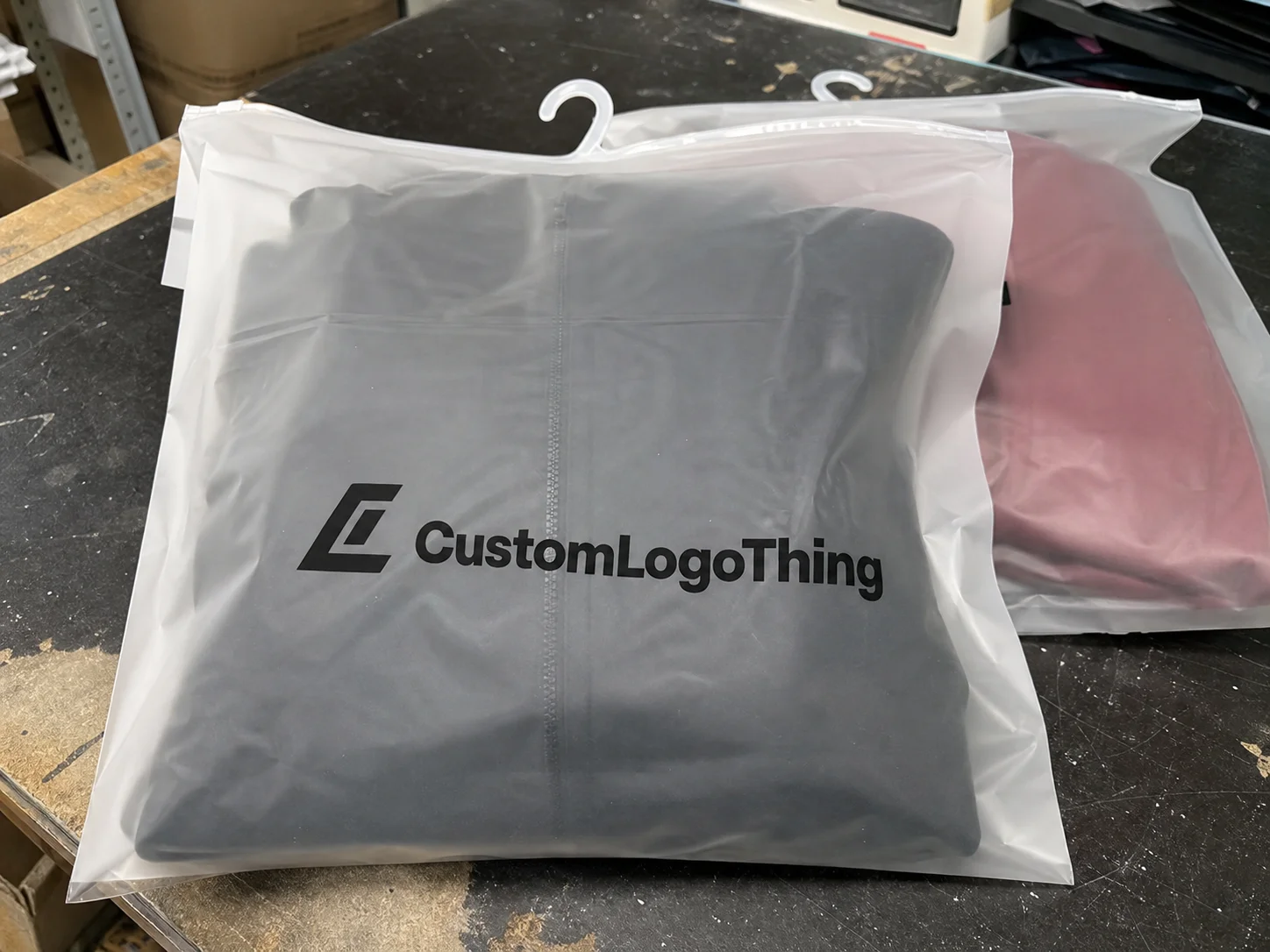
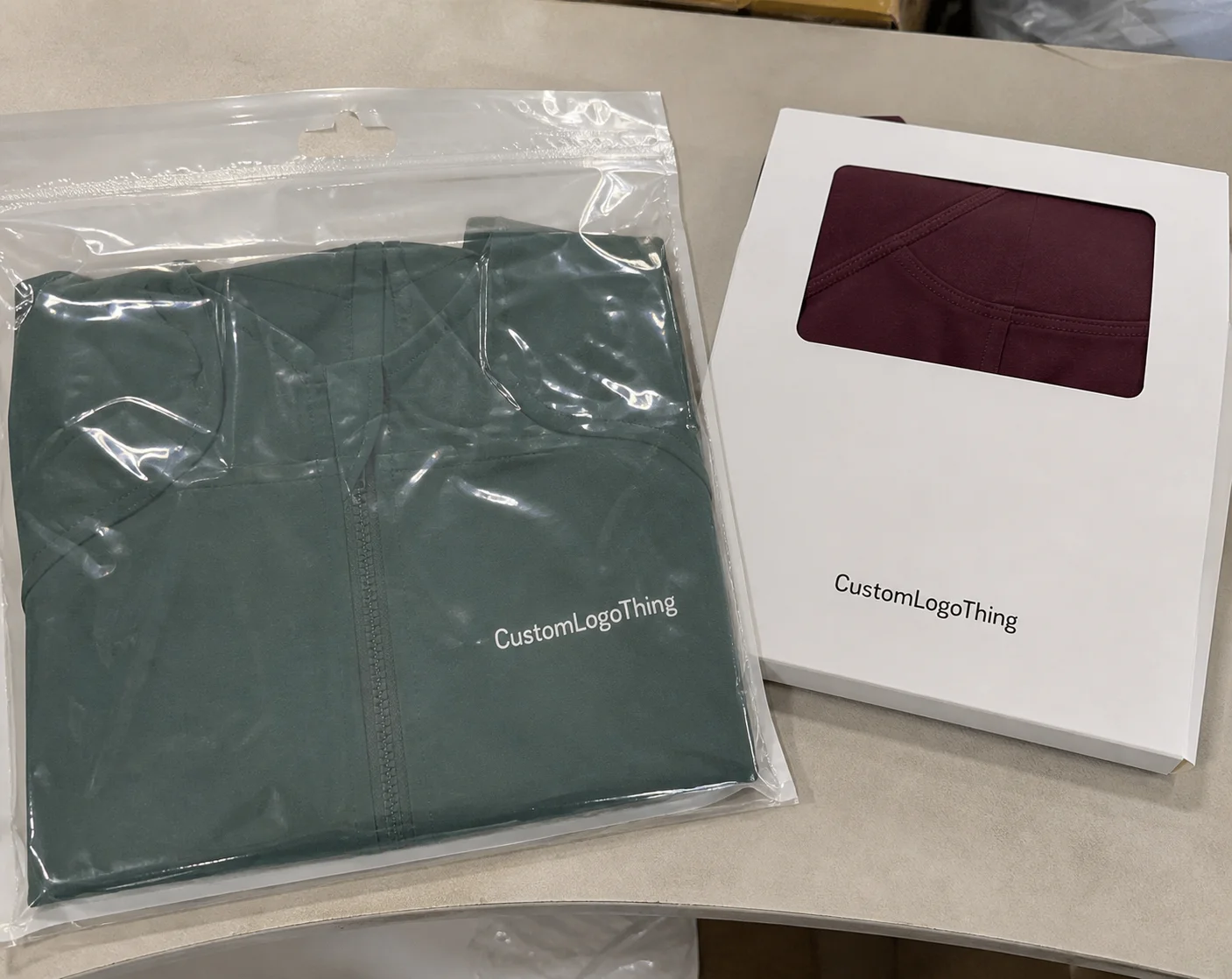
Buyer Fit Snapshot
| Best fit | custom packaging for direct to consumer brands for packaging buyers comparing material specs, print proof, MOQ, unit cost, freight, and repeat-order risk where brand print, material, artwork control, and repeat-order consistency matter. |
|---|---|
| Quote inputs | Share finished size, material target, print colors, finish, packing count, annual reorder estimate, and delivery region. |
| Proofing check | Approve dieline scale, logo placement, barcode or warning zones, color tolerance, and any recyclable or compostable wording before bulk production. |
| Main risk | Vague material claims, crowded artwork, or missing packing details can create delays even when the unit price looks attractive. |
Fast answer: Custom Packaging for Direct To Consumer Brands: Dieline, Finish, Proof, and Buyer Review should be specified like a repeatable production item. The safest quote includes material, print method, finish, artwork proof, carton packing, and reorder notes in one written spec.
What to confirm before approving the packaging proof
Check the product dimensions against the actual filled item, not only the sales mockup. Ask for tolerance on folds, seals, hang holes, label areas, and retail display edges. If the package carries a logo, QR code, warning copy, or legal claim, reserve that space before decorative graphics fill the panel.
How to compare quotes without losing quality
Compare board or film grade, print process, finish, sampling route, tooling charges, carton quantity, and freight assumptions side by side. A lower quote is only useful if the supplier can repeat the same color, closure quality, and packing count on the next order.
I still remember a Thursday night in a New Jersey 3PL, around 9:40 p.m., watching two lanes pack the same collagen powder SKU into two different shippers. One lane used a plain oversized #4 kraft mailer with loose void fill, and the other used a right-sized E-flute tuck-top box with a simple branded insert card and a die-cut retention ring. After six weeks, the brand’s repeat purchase rate moved from 18.7% to 24.9% on the box lane cohort, and damage tickets dropped from 3.8% to 1.1%. That result is why I keep saying the best custom Packaging for Direct to Consumer is not a pretty mockup; it is a measured operating system that protects margin, supports reorder behavior, and still feels like your brand in a customer’s hands.
If you want one sentence before we go deep, here it is: the Best Custom Packaging for direct to consumer usually combines right-sized protection, unmistakable brand cues, and disciplined cost per shipped order. You can spend an extra $0.12 on a better structure and save $1.40 in damage replacements and postage adjustments. I have seen that exact math inside Shopify and NetSuite dashboards more times than I can count.
For lightweight soft goods, poly or paper mailers often win. For fragile cosmetics, custom corrugated with inserts is often the Best Custom Packaging for direct to consumer. For premium subscription drops and giftable high-AOV items, rigid or multi-part kits can be the best custom packaging for direct to consumer if your contribution margin can absorb storage and labor overhead. Best is contextual. Parcel zone mix, DIM thresholds, return behavior, and reorder cadence matter more than trend-driven aesthetic choices.
You’ll get practical comparisons here, not theory. I’ll walk through formats I have tested on fast pack lines in Ontario, California, in a Shenzhen converting plant on digital post-print jobs, and in a Midwest cosmetics operation running two-shift fulfillment at 4,500 orders per day. We’ll cover what actually survives drop events, where costs hide, and how to source without painful delays. If you need to browse formats while reading, the full range of custom packaging products by structure and material is a useful reference.
Quick Answer: Best Custom Packaging for Direct to Consumer at a Glance
Want the straight ranking before details? In most cases I audit, the Best Custom Packaging for direct to consumer lands in four buckets based on product risk and brand promise.
- Lightweight soft goods (tees, leggings, knitwear): custom poly or paper mailers with peel-and-seal and second-strip returns; often $0.14–$0.42/unit at 10,000+ volume.
- Fragile beauty and skincare: E-flute or B-flute corrugated mailers with fit-to-product inserts; often $0.62–$1.35/unit depending on print and insert complexity.
- Premium subscription kits: corrugated shipper plus folding carton or tray; often $1.10–$2.90 total packaging stack per order.
- High-AOV giftable products: rigid setup box inside a shipper, or premium corrugated with coated finish; often $2.40–$6.80/unit with higher labor.
Honestly, I think most teams miss one key point: the best custom packaging for direct to consumer is an operations choice before it is a design choice. If your average parcel rides Zones 6–8 and crosses two carrier handoffs, your structure and size accuracy decide profitability faster than foil stamping or spot UV.
I have also seen clients overshoot board grade. A supplement brand in Austin specified 44 ECT B-flute because it “felt safer,” then failed to realize 32 ECT E-flute passed ISTA 3A drop and vibration for their 0.9 lb product while cutting unit cost by $0.19 and reducing cube storage by 14%. That single spec correction paid for their holiday promo sampling in one quarter. The best custom packaging for direct to consumer is usually the smallest structure that still passes real transit stress with a healthy quality buffer.
Expect clear tradeoffs ahead: protection level, print quality, assembly speed, and landed cost. I’ll also show where branded packaging helps retention, where it does not, and how to avoid expensive overbuild. If your team is planning a packaging refresh, start by mapping current failure points, then compare options against measured outcomes. That is how you find the best custom packaging for direct to consumer for your specific catalog.
Top Options Compared: Best Custom Packaging for Direct to Consumer Use Cases
Here’s the framework I use with founders and operations leads: product type, protection requirement, monthly volume, storage footprint, and labor per pack. Each format can be the best custom packaging for direct to consumer in the right lane.
| Format | Best For | Typical MOQ | Lead Time | Protection | Unboxing Impact | Risk Profile |
|---|---|---|---|---|---|---|
| Custom corrugated mailer (E-flute/B-flute) | Fragile beauty, glass, bundles | 1,000–5,000 | 12–25 business days | High | High | Low damage risk, medium storage use |
| Custom poly mailer | Apparel, soft non-fragile SKUs | 5,000–10,000 | 10–20 business days | Low to medium | Medium | Higher puncture risk, excellent storage efficiency |
| Padded paper mailer | Small accessories, light protection | 3,000–10,000 | 12–22 business days | Medium | Medium | Moderate moisture/scuff exposure |
| Rigid setup box | Giftable premium, high-AOV sets | 1,000–3,000 | 20–40 business days | Medium (needs shipper) | Very high | High cost, high freight/storage burden |
| Folding carton + shipper | Retail-ready product packaging shipped DTC | 2,500–10,000 | 15–30 business days | Medium to high | High | Extra assembly complexity |
The best custom packaging for direct to consumer for many scaling brands is custom corrugated mailers in 2–3 optimized sizes. E-flute gives cleaner folds and strong print surfaces for custom printed boxes, while B-flute offers better stacking strength for heavier loads above 2.5 lb. I typically spec kraft linerboard for brands leaning into natural package branding and white-top linerboard for vibrant graphics where brand colors must hit tighter tolerances.
Print method matters. Flexographic post-print is cost effective at higher volume but can show variation on large solids, especially navy and deep charcoal fields. Digital print gives better short-run agility and versioning across campaigns, yet you usually pay a premium of $0.08–$0.22 per unit at sub-5,000 quantities. For many teams testing SKUs quickly, that premium is still worth it because obsolete inventory costs more than print premium.
Another factory-floor truth: oversized cartons quietly drain profit. I once reviewed a pet supplement brand shipping in a 10 x 8 x 6 box for a 7.5 x 5 x 3 product and saw an average DIM jump that added $1.12 per order across 14,000 monthly shipments. Switching to a right-sized 8 x 6 x 4 structure with a light insert delivered the same protection and dropped void fill by 37%. That was the best custom packaging for direct to consumer choice by margin, not by appearance.
If you are comparing options now, use the custom packaging products catalog for corrugated, mailers, and retail packaging formats as a side-by-side shortlist starting point.
Detailed Reviews: What Performs Best in Real DTC Shipping Conditions
Option 1: Custom Corrugated Mailers
In my experience, custom corrugated mailers are the most frequent answer for the best custom packaging for direct to consumer, especially when product fragility is above moderate. A good E-flute mailer at 32 ECT with a snug insert can survive repeated handling better than many first-time buyers expect. In an ISTA 3A simulation I ran with a California beauty client, their redesigned mailer cut cap cracks on glass droppers from 5.2% to 0.9% over a 2,000-order pilot.
Fulfillment ergonomics are also strong. Auto-lock bottoms and clean tuck closures reduce average pack time by 4–11 seconds versus manual wrap and tape on mixed SKU orders. At 3,000 orders per day, those seconds convert to real labor savings. I like water-based inks for most DTC jobs; they run cleanly and satisfy brand requests for lower-odor printing in packed warehouses.
Where corrugated disappoints: over-spec and poor rerun control. I have seen printers shift from one paper mill source to another between POs, causing shade drift and crush variance. Protect yourself with rerun consistency tolerances in writing. Ask for board caliper ranges and documented compression benchmarks by lot.
Option 2: Custom Poly and Padded Mailers
For apparel and soft goods, this is often the best custom packaging for direct to consumer by pure economics. Storage density is excellent. A single pallet can hold tens of thousands of mailers that would otherwise consume multiple rack bays in box form. That matters when your 3PL is billing $18–$28 per pallet position monthly.
Burst and puncture risk is the tradeoff. If the product has hard edges, buckles, or glass elements, standard poly becomes risky. Padded paper mailers reduce that risk with less plastic perception, but they still need fit testing. I advise a 1.15x to 1.30x dimensional tolerance envelope for soft items to avoid overstuffing and seam stress failures during belt transfers.
A practical plus: return convenience. Double-strip peel-and-seal mailers reduce return friction and can improve return processing condition if customers reuse the same package. For fashion categories with 15%+ return rates, this feature alone can justify a slight unit premium.
Where this option disappoints is brand impact and shape control. You can print bold graphics and still get a “flat” reveal. If your growth model depends on memorable unboxing and social shares, poly alone may not be the best custom packaging for direct to consumer.
Option 3: Rigid or Multi-Component Premium Kits
These can deliver a strong emotional response. No doubt. In giftable categories and premium subscription models, rigid boxes paired with wraps, trays, and custom inserts can lift perceived value immediately. A client in Chicago selling $140 home fragrance sets saw post-purchase survey scores rise by 21 points after shifting from plain mailers to a premium kit configuration.
But there is a cost side many teams underestimate. Rigid formats often require an outer shipper, adding cube and freight weight. Labor per pack can jump by 20–60 seconds depending on component count. If your line runs 1,800 orders per shift, that labor can erase margin unless AOV supports it. The best custom packaging for direct to consumer at premium tiers still needs strict component discipline.
I usually recommend no more than three interior components for scalable operations: primary box, retention insert, and one branded message layer. Beyond that, complexity climbs quickly.
How These Formats Hold Up in Transit Tests
Test criteria should mirror real shipping abuse, not best-case warehouse handling. I use five baseline checks: drop performance, moisture exposure, compression stacking, scuff resistance, and presentation quality after last-mile routing. For many products, one failed edge-drop at 30 inches reveals more than ten tabletop design reviews.
- Drop: 10-drop sequence at edges/corners/faces with product inside.
- Moisture: controlled humidity exposure followed by closure integrity check.
- Compression: stacked load simulation for 24 hours at expected pallet pressure.
- Scuff: abrasion pass on printed surfaces to evaluate color rub and edge whitening.
- Presentation: final unboxing score from real customer panel or internal blind review.
For standards, I point teams to ISTA testing guidance. Also review sustainability certification pathways at FSC if your material claims are part of brand messaging. The best custom packaging for direct to consumer has to survive transport and survive scrutiny.
Price Comparison: Unit Cost, Freight, and Hidden DTC Packaging Expenses
Teams ask me one question first: “What does the best custom packaging for direct to consumer cost?” My answer is always, “Which cost?” Unit price is only one layer. Landed packaging cost per order includes inbound freight, storage, labor, and damage leakage. Ignore those, and the cheapest quote becomes the expensive one.
| Format | Sample Stage (100–500) | Pilot MOQ (1,000–5,000) | Scaled Run (10,000+) | Typical Hidden Cost Exposure |
|---|---|---|---|---|
| Corrugated mailer (1-color flexo) | $1.80–$3.20/unit | $0.72–$1.45/unit | $0.38–$0.95/unit | DIM penalties if oversized; insert omissions causing damage |
| Corrugated mailer (digital full color) | $2.20–$3.80/unit | $0.95–$1.85/unit | $0.62–$1.25/unit | Higher print cost but lower obsolete inventory risk |
| Custom poly mailer | $0.40–$1.10/unit | $0.20–$0.55/unit | $0.14–$0.35/unit | Puncture replacements; brand perception tradeoffs |
| Padded paper mailer | $0.65–$1.40/unit | $0.32–$0.78/unit | $0.24–$0.58/unit | Moisture failures on weak seals |
| Rigid setup kit (3 components) | $4.50–$8.00/unit | $2.80–$5.60/unit | $2.10–$4.40/unit | Freight cube, assembly labor, overboxing |
Here is a real example from a supplier negotiation I handled in Dongguan. A brand wanted premium custom printed boxes for a 6.75 x 4.25 x 2.5 inch serum set. Quote A was $0.81 at 10,000 units, Quote B was $0.94. Quote B sounded worse until we modeled inbound freight and damage exposure: lighter flute and tighter insert geometry in Quote B reduced outbound parcel adjustments and damages enough to save $0.63 per shipped order net. That is why I say the best custom packaging for direct to consumer is determined by full-order economics.
Tooling and prepress deserve attention too. Typical plate charges for flexo can run $90–$320 per color/position. Dieline setup and die tooling may add $180–$650 depending on complexity. Digital short runs skip some of that but keep higher per-unit print cost. If you launch seasonal variations, digital may still be the best custom packaging for direct to consumer during testing windows.
Use this hidden-cost checklist before awarding a PO:
- Void fill cost per order (paper, air pillows, tissue).
- Tape and label usage by format.
- Pack speed delta in seconds per order.
- Overboxing frequency for premium components.
- Replacement shipment rate tied to transit damage.
- Storage fees by pallet or cubic foot at your 3PL.
One more thing most people get wrong: they optimize packaging COGS without auditing DIM thresholds. A 0.5 inch dimension change can swing postage brackets. In many audits, that single adjustment does more for profit than negotiating another 3% off unit packaging price. The best custom packaging for direct to consumer is often the one that fits the carrier math, not the cheapest invoice line item.
Process and Timeline: From Dieline to Delivery Without Delays
A reliable rollout process usually takes 5–11 weeks depending on complexity and location. I break the path into seven stages so teams can control risk and avoid rushed mistakes.
Stage 1: Requirements Brief (2–4 business days)
Document SKU dimensions, weight ranges, fragility notes, and bundle behavior. Include order mix by region and carrier. If 42% of your shipments go Zones 7–8, say it early. This is where many “best custom packaging for direct to consumer” projects either start strong or drift immediately.
Stage 2: Structural Design and Dielines (3–7 business days)
Packaging engineers generate dielines and board specs such as 350gsm C1S artboard or 32 ECT E-flute combinations. You should receive flat dimensions, folded dimensions, and closure details. Ask for at least two size candidates if your product tolerances vary by lot.
Stage 3: Artwork Prep and Proofing (3–8 business days)
CMYK files, bleed zones, barcode quiet zones, and brand color targets must be locked. A missing 3 mm bleed can push a whole revision cycle. I advise approving both a digital proof and one physical color check on production substrate.
Stage 4: Prototype and Pack-Out Validation (4–10 business days)
Never skip physical prototypes. Load real products, not dummies. If your serum bottle cap torque varies by supplier, include both cap variants in tests. The best custom packaging for direct to consumer must fit your true production variability.
Stage 5: Transit Testing and QA Gates (5–9 business days)
Run drop and compression checks aligned to route stress. Confirm barcode scan rates at receiving and outbound points. If your brand claims recycled content, verify chain-of-custody documentation for credibility and compliance.
Stage 6: Production Slotting (7–20 business days)
Secure a press window and board allocation. This is where schedule slips happen if specs change late. I have seen a last-minute logo shift delay a run by 12 business days because plates had to be remade and line slots were full.
Stage 7: Delivery and Fulfillment Rollout (3–25 business days)
Domestic transit can land in under a week; overseas routes vary significantly with customs and port load. Build safety stock equal to 2–4 weeks of average order volume during first rollout. The best custom packaging for direct to consumer still fails the business test if stockouts force emergency plain packaging swaps.
My practical batching strategy: place staggered purchase orders. Example: 40% base PO, 35% follow-up triggered at 60% depletion, and 25% optional release tied to campaign performance. This protects cash and keeps inventory flexible.
If you are preparing vendor calls, review your format options in the Custom Packaging Products lineup with dieline-ready structures so conversations stay specific and short.
How to Choose the Best Custom Packaging for Direct to Consumer Growth
I recommend a decision matrix with five variables: product risk, unboxing priority, monthly volume, target packaging COGS percentage, and warehouse constraints. Score each 1–5, then compare formats objectively. That method prevents opinion battles between marketing and operations.
Decision Matrix Core Variables
- Product risk: liquid, glass, powders, soft goods, multi-SKU kits.
- Brand moment priority: minimal, moderate, premium reveal.
- Volume: under 3,000 orders/month, 3,000–20,000, or above 20,000.
- COGS threshold: often 3%–8% of order value depending on category.
- Warehouse realities: pallet space, labor availability, pick/pack speed.
Most scaling brands should standardize on one primary shipper system plus one premium variant for gifting or influencer drops. Too many formats create operational sprawl. I have audited brands with nine package sizes for twelve SKUs and watched pack errors climb above 4%. Simplification brought error rates under 1.5% in six weeks.
Sustainability choices should be structural as well as material-based. Right-sizing can remove 18%–35% of void fill in many lanes. Recycled content is useful, but only if the pack still protects product. According to guidance from the EPA on materials management, source reduction and right-sizing often drive measurable waste reduction beyond material claims alone.
Speed versus perfection is a real decision. If your campaign launches in 28 days, a controlled pilot with two tested sizes may be smarter than waiting for a fully reengineered master system. The best custom packaging for direct to consumer at launch is sometimes the package that ships on time with known performance data, then iterates in phase two.
Negotiation tips that consistently help:
- Request MOQ flexibility tied to rolling forecasts (for example, 3,000 now with 7,000 blanket release).
- Define rerun consistency standards for color and board caliper.
- Set QA escalation terms with photo evidence response windows under 24 hours.
- Ask for alternate mills qualified in advance to reduce stock disruption risk.
If your brand is still choosing between branded packaging directions, anchor your decision in data: damage rate, reorder rate, and landed cost per shipped order. The best custom packaging for direct to consumer is the one that improves those three numbers together.
Our Recommendation and Action Plan: Next Steps to Implement Fast
Here’s my direct recommendation stack based on business stage. I’ve used this framework across beauty, apparel, nutrition, and specialty food programs with monthly volumes from 1,200 to 60,000 orders.
Stage-Based Recommendation Stack
Early DTC brand (under 3,000 orders/month): Start with 2 right-sized corrugated mailers or 1 mailer + 1 box strategy. Use digital print for agility, basic 1–2 color packaging design, and simple inserts. Expect roughly $0.58–$1.45 per order packaging spend depending on format and fragility. For many startups, this is the best custom packaging for direct to consumer blend of flexibility and protection.
Scaling brand (3,000–20,000 orders/month): Move to flexo where volumes justify plate costs, lock board specs, and run quarterly performance checks. Add one premium variant for gifting only. Target 0.8%–1.6% damage rates and a COGS discipline model by shipment type. This phase often defines the long-term best custom packaging for direct to consumer system.
Mature premium brand (20,000+ orders/month): Use a modular system: efficient baseline shipper plus elevated retail packaging layer for high-AOV orders. Control component count to protect labor. Maintain monthly QA dashboards for scuff rates, crush failures, and customer presentation scores.
30-Day Execution Checklist
- Audit current 90-day damage rate, DIM surcharges, and packaging spend by SKU family.
- Shortlist 3 suppliers and request matched prototypes to identical product specs.
- Gather proof points: board grade, print method, closure style, insert geometry.
- Run transit tests with real product loads and document pass/fail by format.
- Select final specification with landed cost model, not unit cost only.
- Place phased PO with safety stock and reorder triggers tied to weekly velocity.
Data to Gather Before Supplier Calls
- SKU dimensions and filled weights, including bundled order combinations.
- Regional shipment mix and carrier service breakdown.
- Current packaging cost stack: unit, freight, storage, labor, replacements.
- Top return reasons tied to package failures (leaks, dents, breakage, scuffs).
Sample Supplier Scorecard Criteria
| Criteria | Weight | What Good Looks Like |
|---|---|---|
| Quality consistency | 30% | Reruns match approved sample with minimal color/caliper drift |
| Communication speed | 15% | Responses under 24 business hours with clear next actions |
| Lead-time reliability | 20% | On-time delivery performance above 95% |
| Pricing transparency | 20% | Line-item clarity on tooling, freight, and revision charges |
| Revision responsiveness | 15% | Prototype revisions executed within agreed windows |
“We thought our package branding problem was visual. It was structural. Once we right-sized and tested inserts, our replacement shipments dropped by half in two months.” — Operations Director, DTC skincare client, 18,000 monthly orders
I’ll close with the same line I give every founder after a plant walkthrough: the best custom packaging for direct to consumer is the one that balances protection, brand impact, and contribution margin at scale. If a format looks beautiful but adds $1.20 in avoidable freight and labor, it is not the best custom packaging for direct to consumer. If it ships cheaply but arrives crushed, it is not the best custom packaging for direct to consumer either. Build for reality, test under stress, negotiate clearly, and keep improving with data.
FAQ
What is the best custom packaging for direct to consumer skincare products?
For most skincare lines, the best custom packaging for direct to consumer is a right-sized corrugated mailer with product-specific inserts that hold bottles in place and prevent cap torque during transit. I usually spec E-flute with reinforced corner geometry for droppers and glass jars, then add a simple branded reveal layer that supports unboxing without adding too many components. Validate leak containment and scuff resistance with drop and compression tests before scaling.
How much does best custom packaging for direct to consumer usually cost per order?
It depends on format, volume, and print method, but decision quality improves when you compare landed cost. The best custom packaging for direct to consumer can range from about $0.14 for high-volume custom mailers to $4.00+ for premium multi-component kits. Short digital runs carry higher unit costs but lower inventory risk, while larger flexo runs reduce unit pricing if your forecast is stable. Right-sizing often delivers the biggest savings by reducing DIM charges and void fill.
How long does custom packaging production take for direct to consumer brands?
A practical timeline for the best custom packaging for direct to consumer rollout is often 5–11 weeks, including dieline, prototype review, testing, production slotting, and transport. Delays usually come from incomplete artwork files, late spec changes, and underestimating revision cycles. Phased orders with 2–4 weeks of buffer stock help prevent stockouts during format transitions.
Is sustainable packaging compatible with the best custom packaging for direct to consumer performance?
Yes, if sustainability decisions include structure, not only materials. The best custom packaging for direct to consumer can absolutely use recycled-content boards and paper-based void fill while meeting transit requirements. Right-sizing, reducing unnecessary layers, and keeping designs curbside-recyclable often improve both environmental outcomes and shipping economics. Always verify claims through real shipping tests.
Should I choose mailers or boxes as the best custom packaging for direct to consumer apparel?
For routine non-fragile apparel orders, mailers are frequently the best custom packaging for direct to consumer option due to storage efficiency and postage advantages. Boxes are a better fit when presentation is central to the customer promise, when multiple SKUs are bundled, or when wrinkle control is tied to returns. A hybrid model usually performs well: efficient mailers for daily orders and premium boxes for gifting, subscriptions, or high-AOV drops.