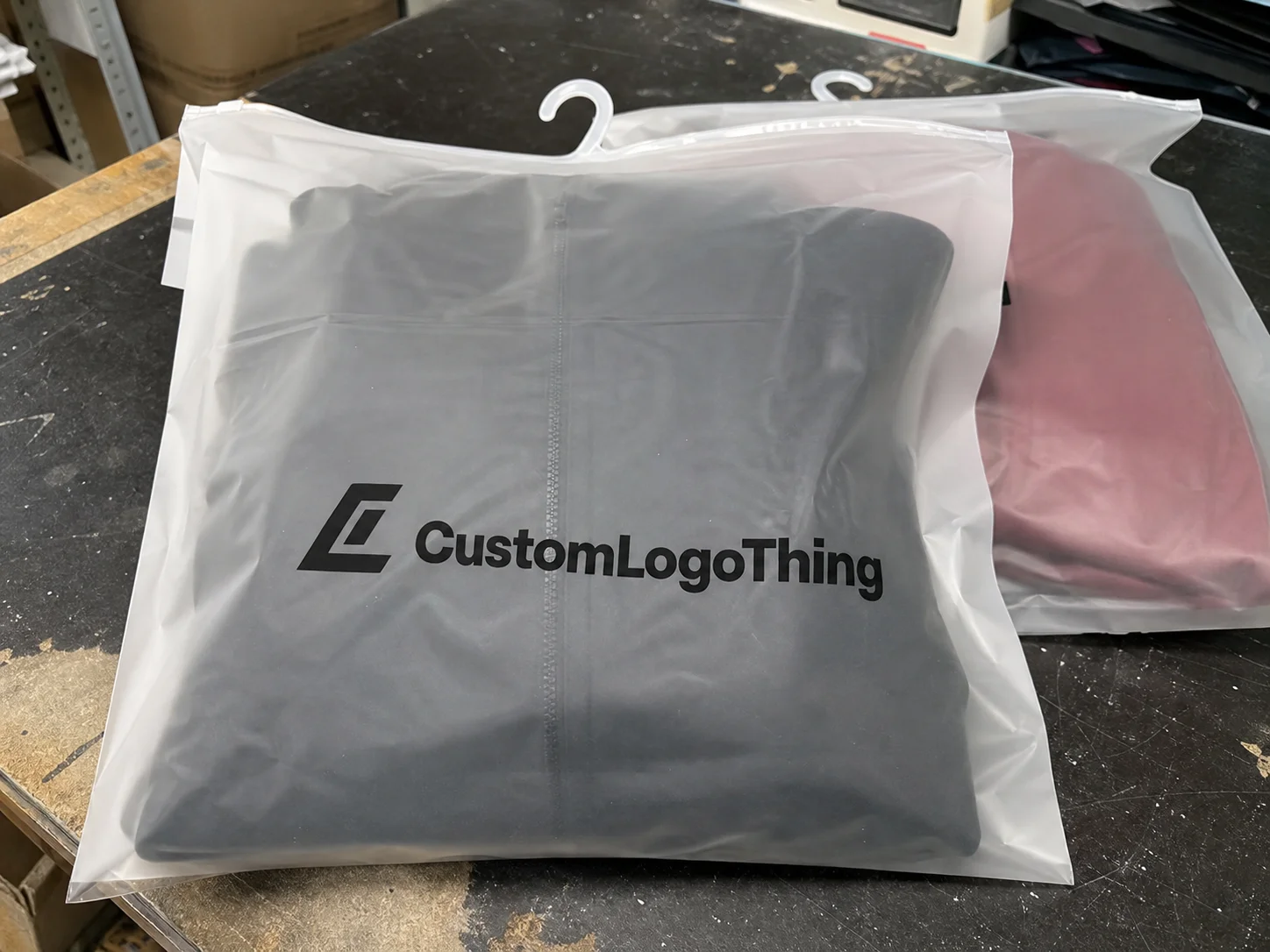
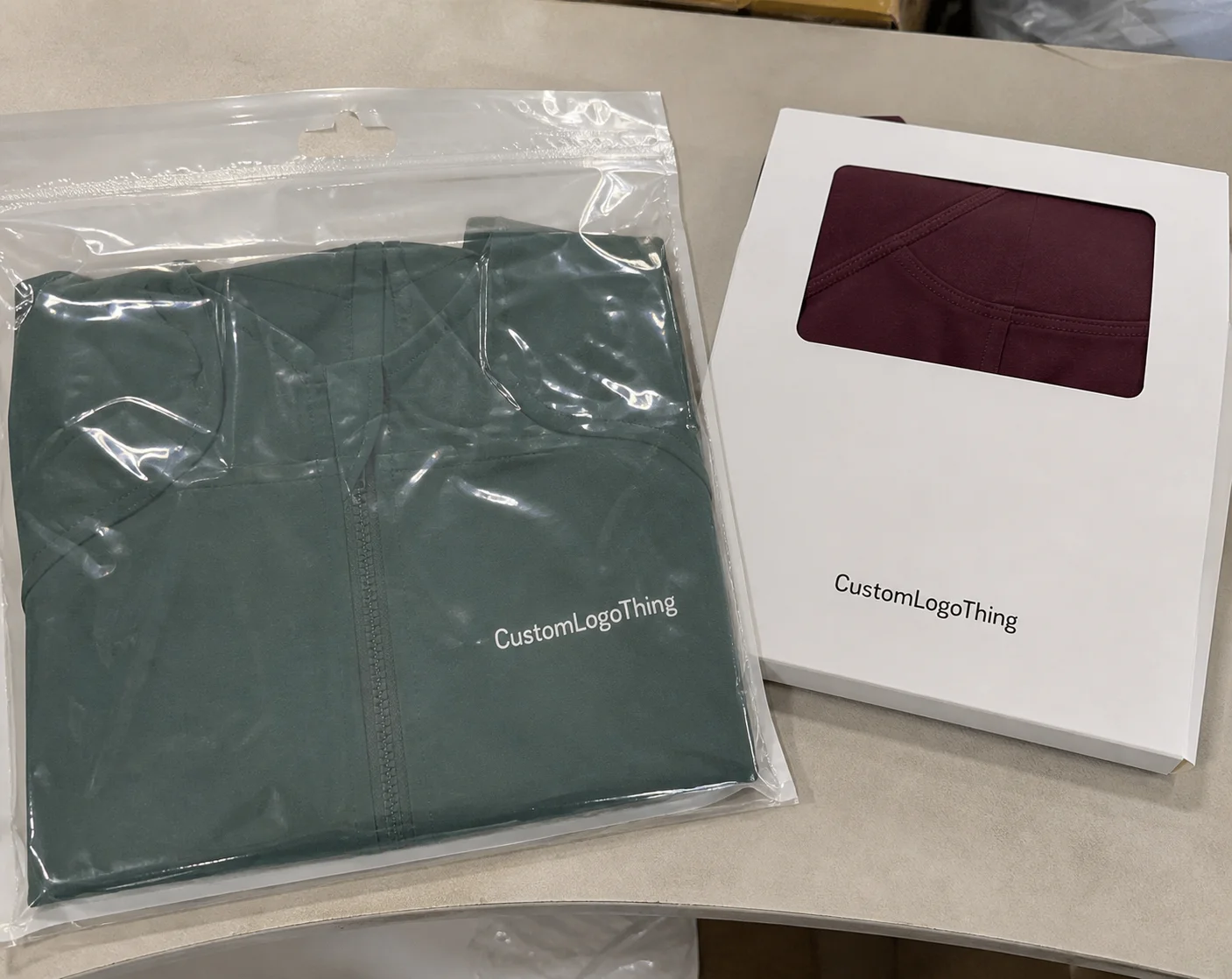
Buyer Fit Snapshot
| Best fit | Custom Packaging for Direct to Consumer Brands Playbook projects where brand print, material claims, artwork control, MOQ, and repeat-order consistency need to be specified before quoting. |
|---|---|
| Quote inputs | Share finished size, material target, print colors, finish, packing count, annual reorder estimate, ship-to region, and any compliance wording. |
| Proofing check | Approve dieline scale, logo placement, barcode or warning zones, color tolerance, closure strength, and carton packing before bulk production. |
| Main risk | Vague material claims, crowded artwork, missing packing details, or unclear freight terms can make a low unit price expensive after revisions. |
Fast answer: Custom Packaging for Direct to Consumer Brands Playbook should be specified like a repeatable production item. The safest quote records material, print method, finish, artwork proof, packing count, and reorder notes in one written spec.
Production checks before approval
Compare the actual filled-product size with the drawing, then confirm tolerance on folds, seals, hang holes, label areas, and retail display edges. Reserve space for logos, QR codes, warning copy, and material claims before decorative graphics fill the panel.
Quote comparison points
Review material grade, print process, finish, sampling route, tooling charges, carton quantity, and freight assumptions side by side. A quote is only useful when the supplier can repeat the same color, closure quality, and packing count on the next order.
I’ll open with the hard truth I’ve seen in 40+ DTC packaging audits: custom Packaging for Direct to Consumer brands is usually the first physical touchpoint, and a 12-second “why is this so annoying to open?” moment can wipe out the emotional lift your paid media team paid dearly to create. One beauty client shipping 28,000 parcels a month cut packaging-related support tickets from 7.8% to 4.1% in nine weeks after redesign, and return-related damage claims fell 31%.
Most founders track CAC down to the decimal, then treat packaging like an afterthought until breakage spikes or unboxing complaints pile up. I understand why. Ad performance updates by the hour; corrugate flute choices do not. Still, custom packaging for direct to consumer brands sits right inside your margin loop: shipping charges, replacement rates, pack labor, and repeat purchase behavior all run through it.
A founder in Austin told me, “We optimized ads for six months and still couldn’t crack repeat purchase.” We spent 18 days rebuilding shipper architecture, moved from loose fill to scored inserts, tightened product orientation rules, and rewrote insert copy hierarchy. Repeat purchase climbed 14% across two reorder cycles, and discounts stayed the same. That’s what disciplined custom packaging for direct to consumer brands can unlock.
What does the term include? Much more than box graphics. It covers structural design, protective engineering, print method selection, material specs, insert strategy, barcode placement, and fulfillment compatibility. The strongest custom packaging for direct to consumer brands does three jobs at once: protect product, support operations, and build memory.
Retail packaging and DTC packaging are related, not interchangeable. Shelf-first retail packaging prioritizes visual competition at three feet and peg presence. Parcel-first DTC packaging prioritizes transit durability, dimensional-weight efficiency, and clean arrival after 6 to 10 carrier touchpoints. For many teams, custom packaging for direct to consumer brands has less to do with “standing out on shelf” and more to do with surviving conveyor drops, trailer stacking pressure, and weather exposure.
This playbook gives you a practical framework backed by numbers: process, pricing, realistic timelines, failure patterns, and an execution roadmap for lean teams. Planning your first run or fixing an expensive setup? This guide to custom packaging for direct to consumer brands is built for quick decisions and fewer avoidable mistakes.
Custom packaging for direct to consumer brands: why it matters more than most founders expect
Two numbers changed how one client viewed packaging: $0.42 and $6.80. Their old mailer setup saved $0.42 per order in materials, yet each damage-related replacement averaged $6.80 all-in after reverse logistics, support time, and re-ship freight. Once we mapped full order economics, the “cheap” option was the costly one. That trap catches teams before they invest in custom packaging for direct to consumer brands.
I’ve walked warehouse floors where pickers used three tape patterns because closure instructions were never standardized. Pack time for the same SKU ranged from 46 seconds to 92 seconds by operator. We introduced a one-strip self-locking design and a photo-based SOP, and average pack time dropped to 54 seconds. Not glamorous work, but central to custom packaging for direct to consumer brands that scale profitably.
Where founders usually underestimate impact
Founders often model packaging as a static COGS line. Real life treats it like a multiplier across shipping, labor, and post-purchase sentiment. A 10 mm reduction in box height can move dimensional weight tiers in some zone profiles. Switching from manual-fold inserts to auto-lock inserts can save 6 to 14 seconds per order at fulfillment. At 20,000 orders a month, that recovers 33 to 78 labor hours. Smart custom packaging for direct to consumer brands creates value in places spreadsheets often miss.
What “good” looks like in DTC
Great DTC packaging is rarely the flashiest. It is consistent. It protects product under realistic drop conditions, opens cleanly, communicates in a clear sequence, and disposes without confusion. I’ll pick quiet confidence over design clutter every time: one hero message, one orientation cue, one disposal instruction. The best custom packaging for direct to consumer brands feels simple because the hard complexity was solved upstream.
Winning teams track this with a scorecard. I recommend five metrics for the first 60 days after rollout: damage rate, packaging-related support contacts per 1,000 orders, average pack time, dimensional-weight charge incidence, and repeat purchase delta by cohort. Skip this step and custom packaging for direct to consumer brands turns into a taste debate instead of a performance discipline.
If your team needs examples of structural and print options, start by reviewing Custom Packaging Products to benchmark formats against your SKU profile.
How custom DTC packaging works across design, production, and fulfillment
The full workflow for custom packaging for direct to consumer brands should run through seven stages: brief, structural concepts, material/print sampling, transit validation, pilot run, production scale-up, and warehouse SOP lock. Skip a gate and risk moves downstream, usually into customer experience or cost.
End-to-end workflow with realistic timing
Week 1 to 2: brief and constraints mapping. Week 2 to 4: dieline concepts and costed options. Week 4 to 6: physical samples in two to three material routes. Week 6 to 7: transit testing and pack-out trials. Week 8: pilot run of 300 to 1,000 units. Week 9 to 11: full production and inbound to 3PL. That 9-to-11-week range is realistic for most custom packaging for direct to consumer brands projects with one primary SKU family.
Roles and handoffs that usually break
Brand and marketing own visual hierarchy and messaging. Ops defines pack speed and handling constraints. Procurement manages MOQ, lead time, and pricing tiers. The 3PL validates pack-out behavior and storage footprint. Supplier engineering translates all of it into manufacturable specs. Misalignment usually appears between brand intent and fulfillment reality, especially in custom packaging for direct to consumer brands where artwork decisions can add 20 seconds of labor if structure fights process.
I remember a client meeting in Chicago where design pushed a two-layer reveal with tissue wrap, belly band, and QR insert for every order size. Beautiful presentation. Then the 3PL manager showed live labor math: pack time jumped from 58 seconds to 114 seconds, plus a 17% increase in mis-pack rate during peak. We redesigned to a single scored insert, kept brand feel, and restored throughput. That’s daily negotiation inside custom packaging for direct to consumer brands.
Technical choices in plain language
Corrugate grades matter. For many lightweight consumer products, E-flute with 32 ECT can work if orientation stays controlled. Heavier or fragile products often need B-flute or stronger board combinations. Closure style matters too: RSC with tape is familiar but labor-heavy; mailer lock tabs reduce tape and improve consistency. Print methods carry tradeoffs: digital is fast for lower volume and variable artwork, flexo is efficient for long runs with simpler graphics, and offset-litho labels can deliver premium color accuracy with higher complexity. Effective custom packaging for direct to consumer brands starts with handling risk and order profile, not finish samples.
The unit-economics loop
Packaging decisions move four dials at once: damage rate, pick-pack speed, shipping bill, and perceived value. I’ve seen branded packaging upgrades lift unboxing sentiment in post-purchase surveys by 19 points while cutting freight costs through better cube utilization. Results vary by category and AOV. A premium finish that adds $0.23 per unit can be smart at $120 AOV and wasteful at $24 AOV. The right move in custom packaging for direct to consumer brands depends on margin structure and reorder behavior.
Key factors that make or break performance
Every high-performing program I’ve led for custom packaging for direct to consumer brands comes back to five factors: protection, unboxing flow, sustainability clarity, operational fit, and measurement discipline. Miss one and the entire system underperforms.
Protection performance before artwork lock
Begin with product fragility and carrier reality. If an item has a failure threshold near 30 to 40 G, structure and cushioning must account for drop and vibration risk before visual design is finalized. Use ISTA-style transit thinking and review the framework at ISTA when setting pass/fail criteria. In custom packaging for direct to consumer brands, beautiful print on weak structure is expensive theater.
Unboxing sequence and cognitive load
Great unboxing is choreography. Customers should understand orientation in under two seconds, access product in under 10 seconds, and see your core message before disposal decisions. I prefer one primary panel message under 12 words, one insert CTA, and one support channel reference. Over-designed clutter raises confusion and support contacts. Strong custom packaging for direct to consumer brands keeps the reveal tight and intentional.
Sustainability and disposal clarity
Sustainability claims need precision. “Eco-friendly” says little. Better language looks like: “80% post-consumer recycled corrugate, soy-based inks, curbside recyclable where accepted.” Put disposal instructions on-panel, ideally as one icon row. For regulatory framing and claims caution, refer to EPA recycling guidance. Practical sustainability in custom packaging for direct to consumer brands means material simplification and customer clarity, not decorative claims.
Operational fit at the 3PL
If carton erection takes 11 folds and two tape passes, peak-season labor feels it immediately. Aim for repeatable motions, low part count, and clear orientation cues. A 3PL in New Jersey once showed me a line where insert assembly caused a 23% slowdown on Mondays because temporary staff needed extra coaching. We replaced a multi-piece insert with a one-piece die-cut lock form and recovered 1.4 labor FTE equivalent during holiday weeks. That is practical custom packaging for direct to consumer brands.
Brand coherence tied to measurable outcomes
Brand expression still matters. The key is mapping choices to metrics. If soft-touch lamination adds $0.11 per unit, define the expected return: higher UGC rate, stronger perceived quality, or better repeat from first-order cohorts. Track comment sentiment from NPS verbatims and post-delivery reviews. I’ve seen packaging branding upgrades correlate with a 9% increase in second-order conversion in premium categories, but only after protection fundamentals were solved. Mature custom packaging for direct to consumer brands treats brand and operations as one system.
For tangible examples, review branded packaging case outcomes in these Case Studies and compare before/after operational metrics.
Step-by-step guide: from packaging brief to first production run
Here’s the framework I use with bandwidth-constrained teams. It keeps decisions anchored in data and moves custom packaging for direct to consumer brands from concept to execution without guesswork.
Step 1: Define constraints first
Document SKU dimensions, weight range, fragility class, shipping zone mix, target landed packaging cost, and storage limits. Use exact numbers. Example: “Primary SKU 210 x 145 x 60 mm, 480 g product weight, target packaging cost band $0.78 to $1.05 per shipped order, max pallet height 60 inches.” Strong custom packaging for direct to consumer brands starts with constraints, not moodboards.
Step 2: Build a packaging brief with ranked priorities
Rank priorities from 1 to 5: protection, cost, brand feel, sustainability, speed. Set non-negotiables and pass/fail test rules. Example pass criteria: no product-contact deformation after 10 drop events, under 2% cosmetic scuff rate, average pack time below 65 seconds in a 50-order trial. That turns custom packaging for direct to consumer brands into a decision system instead of subjective review cycles.
Step 3: Prototype 2 to 3 structural routes quickly
Compare alternatives side by side: mailer with die-cut insert, RSC with partition, and fold-lock tray plus sleeve. I advise teams to ignore render beauty at this stage and score each route by handling, material cost, and assembly complexity. I once watched a team choose a visually perfect concept that later required 14 manual touchpoints; we replaced it in six weeks. Fast prototyping keeps custom packaging for direct to consumer brands honest.
Step 4: Validate with transit and pack-out testing
Run controlled drops, vibration simulation where possible, and 3PL pack-out trials with different operators. Track damage, closure failures, and average pack time. Include at least one messy-reality set: mixed-SKU wave, new staff, and peak-hour pacing. Problems appear there that lab-perfect conditions hide. Reliable custom packaging for direct to consumer brands survives process variation, not only ideal setups.
Step 5: Finalize artwork files and operational specs
Lock dielines, barcode quiet zones, color tolerances, and print registration limits. Confirm orientation marks for warehouse teams and define acceptable production variance. A typical print tolerance may allow ±1.5 mm registration shift depending on process and board. Include annotated photos in SOPs. Precision here prevents expensive rework in custom packaging for direct to consumer brands.
Step 6: Pilot, measure, then scale with change-control rules
Run 300 to 1,000 pilot shipments before full rollout. Measure damage rate, support reasons, pack speed, and dimensional-weight incidence across zones 2 to 8. Set escalation triggers such as “if damage >1.2% for two consecutive weeks, pause scale and review insert compression.” Disciplined rollout is how custom packaging for direct to consumer brands improves continuously instead of lurching between redesign cycles.
Custom packaging for direct to consumer brands: pricing, cost drivers, and budget control
Let’s get concrete with numbers. The cost of custom packaging for direct to consumer brands is not a single line item; it’s a stacked model: tooling, materials, print, finishes, insert complexity, labor, storage, and freight impact.
Core pricing components
Tooling for custom inserts can range from $180 to $1,200, depending on complexity. Unit cost for Custom Printed Boxes may land around $0.18 to $0.42 at 5,000 pieces for simpler one-color flexo, while premium multi-color litho-lam setups can exceed $0.65. Add inserts ($0.06 to $0.34), tape or closure cost ($0.01 to $0.05), and assembly labor. Clear cost modeling makes custom packaging for direct to consumer brands predictable.
How volume changes the math
MOQ and run length drive outcomes more than many teams expect. At 2,000 units, digital print may beat flexo after setup cost is included. At 25,000 units, flexo often wins for stable artwork. If your demand forecast swings by ±35%, overbuying to chase lower unit cost can create obsolescence and write-offs. Sustainable budgeting in custom packaging for direct to consumer brands balances unit price against inventory risk.
Hidden cost centers most teams miss
Dimensional-weight penalties can add $0.40 to $1.80 per order depending on carrier zone and carton size. Excess void fill raises not only material spend but also pack-time variance. Repacking from stockouts or wrong case-pack creates double handling. Damage-related reverse logistics often carries the highest hidden cost. Strong custom packaging for direct to consumer brands minimizes these leak points early.
| Packaging Route | Typical Unit Cost (5,000 pcs) | Average Pack Time | Damage Risk (Fragile SKU) | Best Use Case |
|---|---|---|---|---|
| RSC + Loose Fill | $0.22 - $0.35 | 70-110 sec | Medium to High | Low AOV, low fragility, early stage |
| Mailer + Die-cut Insert | $0.38 - $0.62 | 45-75 sec | Low to Medium | Branded packaging with moderate fragility |
| Rigid-style Presentation + Corrugate Shipper | $0.95 - $2.40 | 80-140 sec | Low | High AOV launches, gift-focused campaigns |
Budget control frameworks
I recommend one primary KPI: landed Packaging Cost Per shipped order. Then build low/medium/high scenarios by order volume and return profile. Example: at 8,000 monthly orders, a $0.14 packaging increase can still be net positive if it cuts damage by 1.5 points and reduces replacement spend by $0.31 per order. Smart custom packaging for direct to consumer brands decisions are based on net economics, not line-item optics.
Negotiation and optimization levers
Standardize footprints across SKUs where possible. Reduce color passes if brand impact is minimal. Consolidate slow-moving variants. Phase premium upgrades by product tier rather than broad rollout. During supplier negotiations, ask for re-run pricing at three volume bands and include lead-time penalties in service agreements. Mature procurement around custom packaging for direct to consumer brands is structured, not reactive.
If you need a baseline menu of structures and finishes, map your shortlist using the options shown under Custom Packaging Products before requesting supplier quotes.
Common mistakes DTC teams repeat (and how to avoid them)
After years focused on this niche, I can tell you most failures in custom packaging for direct to consumer brands are predictable. Different category, same pattern.
Mistake 1: Designing for aesthetics alone
I’ve seen premium packaging with foil accents and textured stock arrive crushed because nobody stress-tested structure against real parcel abuse. One wellness brand launched with 350gsm C1S artboard sleeves and weak internal locking; damage claims hit 4.6% in month one. We moved to stronger corrugate support and cut claims to 1.3% by month three. Visual polish matters, but in custom packaging for direct to consumer brands, protection is table stakes.
Mistake 2: Ignoring fulfillment workflow
A packaging concept can be technically strong and still fail operationally. Extra folds, ambiguous orientation, and multi-part inserts create labor spikes. One 3PL operator told me, “We can pack this, but not at 2,500 orders/day.” We redesigned closure geometry and added print cues for hand placement; pick-pack improved by 22 seconds per order. Practical custom packaging for direct to consumer brands respects warehouse reality.
Mistake 3: Over-customizing too early
Early-stage brands sometimes create nine unique packaging SKUs before demand stabilizes. Product mix shifts, and 30% of packaging inventory turns into dead stock. I usually push modularity first: one primary mailer size family, flexible inserts, then phased graphic differentiation. Controlled complexity is safer for custom packaging for direct to consumer brands under uncertain forecast conditions.
Mistake 4: Skipping pilots and baseline measurement
No pilot means no benchmark. Without baseline damage, support reason codes, and pack-time snapshots, teams can’t prove ROI or isolate issues. Run a structured pilot even if it’s only 400 orders over 10 days. Measure daily. Reliable custom packaging for direct to consumer brands programs are built on comparative data, not confidence.
Mistake 5: Selecting suppliers on price alone
The lowest quote can become the highest total cost if revision cycles drag or quality variance is high. Evaluate capability fit: transit-risk experience, sampling speed, print consistency, communication discipline, and escalation pathways. I once sat in a supplier negotiation in Shenzhen where the second-lowest bidder offered two-day faster sample turns and tighter print controls; that protected a launch window worth far more than $0.03 per unit. Supplier fit defines execution quality in custom packaging for direct to consumer brands.
“Honestly, I think most people get this wrong: they negotiate pennies on board cost and ignore dollars leaking through damage, labor drag, and avoidable reships.”
For sourcing and standards literacy, I also recommend reviewing material certification resources at FSC and industry education at PMMI/Packaging World resources as part of supplier due diligence.
Action plan: launch and improve custom packaging for direct to consumer brands
If you need momentum this quarter, here’s a practical 30-60-90 roadmap for custom packaging for direct to consumer brands with clear ownership and checkpoints.
Days 1-30: Audit and prioritize
Run a packaging performance audit on your top three SKU clusters by volume. Capture current specs, unit costs, damage rates, support reasons, and pack-time variance. Identify the top two leak points by dollar impact. Assign owners across brand, ops, and procurement. In week two, lock KPI definitions and a transit test protocol. In week three, confirm acceptable cost band (for example, +$0.12 max per order if damage falls by one point). Tight scoping helps custom packaging for direct to consumer brands move fast.
Days 31-60: Prototype and pilot
Develop two to three structural options for each high-impact SKU cluster. Conduct quick pack-out trials with at least two operators per shift. Select one preferred route and run a pilot batch with measured control groups. Track quantitative and qualitative signals: replacements, refund causes, unboxing sentiment, and repeat intent comments. Mid-stage discipline is where custom packaging for direct to consumer brands separates from cosmetic redesign projects.
Days 61-90: Scale and institutionalize
Roll out production for proven formats and create change-control triggers tied to performance thresholds. Establish weekly ops checks, monthly financial review, and quarterly redesign review. Keep one dashboard visible to leadership with five core metrics. Formal review cadence prevents drift and keeps custom packaging for direct to consumer brands aligned with growth goals.
Decisions to make this week
- Choose your KPI set: damage %, support contacts/1,000, pack time, dim-weight incidence, repeat rate.
- Lock your test protocol: drop count, orientation rules, pilot sample size, and pass/fail thresholds.
- Define your cost band: target landed packaging cost per order with low/medium/high volume scenarios.
- Assign internal owners: one DRI each for brand, ops, procurement, and 3PL coordination.
Supplier briefing checklist
- Artwork specs: dielines, bleed, color references, barcode quiet zones, and panel hierarchy.
- Tolerance requirements: print registration, board thickness range, closure performance limits.
- Lead-time expectations: sample turnaround, production window, and freight handoff commitments.
- Escalation contacts: named engineering and account leads with 24-hour response standard during launch.
One final recommendation from experience: run one controlled pilot before full rollout, even if your timeline feels tight. Custom packaging for direct to consumer brands performs best when decisions are earned with data, not rushed by launch pressure. Execute this plan with discipline and you protect margin, reduce friction, and build stronger post-purchase memory from every shipment.
FAQs
How much does custom packaging for direct to consumer brands usually cost per order?
Model cost as landed packaging cost per shipped order, not only the box unit price. For many brands, practical ranges sit between $0.45 and $1.40 depending on structure, print complexity, insert count, and labor. Build low/medium/high volume scenarios that include tooling amortization, storage, and freight. Capture offsets from lower damage rates and fewer dimensional-weight penalties too, since those can recover $0.20 to $0.80 per order in some profiles.
What is the typical timeline to launch custom packaging for a DTC brand?
A realistic launch window is often 9 to 11 weeks for one main SKU family: 1-2 weeks brief, 2-3 weeks concepts/samples, 1 week testing, 1 week pilot, then 2-4 weeks production and logistics. Add buffer for artwork revisions and 3PL onboarding. Use milestone gates with pass/fail criteria so weak designs don’t get pushed into production under deadline pressure.
How do I choose materials for custom eCommerce packaging without increasing returns?
Start with fragility and shipping conditions, then map those to board grade and insert strategy. Test for crush, drop, and vibration exposure before final print and finish lock. For many products, strong outcomes come from moderate board strength plus smart internal orientation control rather than heavy overpacking. Prioritize protection, pack speed, and disposal clarity together.
Can small brands use custom packaging for direct to consumer brands with low MOQs?
Yes, if complexity stays controlled. Use modular structures and standardized footprints so one format supports multiple SKUs. Phase customization: structural improvements first, premium print layers second. Negotiate flexible runs tied to forecast quality and reorder cadence. Small brands can build effective custom packaging for direct to consumer brands without locking cash into excessive variant inventory.
Which KPIs prove custom packaging is working for direct to consumer growth?
Track damage rate, replacement/refund frequency, and packaging-related support contacts. Add operational metrics such as pick-pack time and packing error rate at fulfillment. Then connect customer metrics—repeat purchase, review sentiment, and unboxing comments—to packaging change dates. That closes the loop and shows whether your custom packaging for direct to consumer brands program is driving measurable growth.