Buyer Fit Snapshot
| Best fit | vegan candle packaging for packaging buyers who need material clarity, print proof, packing fit, cost control, and repeat-order reliability where brand print, material, artwork control, and repeat-order consistency matter. |
|---|---|
| Quote inputs | Share finished size, material target, print colors, finish, packing count, annual reorder estimate, and delivery region. |
| Proofing check | Approve dieline scale, logo placement, barcode or warning zones, color tolerance, and any recyclable or compostable wording before bulk production. |
| Main risk | Vague material claims, crowded artwork, or missing packing details can create delays even when the unit price looks attractive. |
Fast answer: Vegan Candle Packaging: Material, Insert, Label, and Shipping should be specified like a repeatable production item. The safest quote includes material, print method, finish, artwork proof, carton packing, and reorder notes in one written spec.
What to confirm before approving the packaging proof
Check the product dimensions against the actual filled item, not only the sales mockup. Ask for tolerance on folds, seals, hang holes, label areas, and retail display edges. If the package carries a logo, QR code, warning copy, or legal claim, reserve that space before decorative graphics fill the panel.
How to compare quotes without losing quality
Compare board or film grade, print process, finish, sampling route, tooling charges, carton quantity, and freight assumptions side by side. A lower quote is only useful if the supplier can repeat the same color, closure quality, and packing count on the next order.
Quick Answer: Best Custom Packaging for Vegan Candles
The best custom packaging for vegan candles is rarely the prettiest box on the sample sheet; it is the one that survives a drop onto a warehouse floor, tells the right sustainability story in three seconds, and Still Feels Premium enough that a shopper will pay $28 or $42 without hesitation. I remember standing in a plant in New Jersey with a production manager who had seen every possible packaging mistake under the sun, and he said, “Pretty doesn’t matter much if the lid arrives in three pieces.” He was not being poetic, but he was absolutely right. I’ve seen plenty of vegan candle brands spend heavily on a beautiful 12 oz soy wax jar and a finely tuned scent blend, only to lose the sale because the outer box looked generic, or worse, because it quietly suggested plastic-heavy construction. That mismatch happens more often than people think, especially when a brand is trying to hit a $1.25 landed packaging target on a 10,000-unit order and forgets that the first impression happens before the customer even smells the candle.
After years walking lines at folding carton plants, rigid box rooms, and corrugated converting facilities, my practical winner for most brands is simple: rigid set-up boxes for premium gifting, folding cartons for scalable retail runs, and mailer boxes for direct-to-consumer shipping when protection matters most. If a candle is sold in a boutique on a velvet tray, a rigid box with a paper-wrapped chipboard shell can elevate package branding fast. If it needs to hit shelves at 5,000-unit volume, a well-engineered folding carton with a paperboard insert is usually the smartest money. If it ships through UPS or USPS with glass jars, corrugated mailers deserve a hard look. Honestly, I think that last one gets underestimated all the time because it looks plain in a mockup, and mockups can be a bit theatrical. In practical terms, a 350gsm C1S artboard carton can get you a clean retail look, while a 32 ECT corrugated mailer with an E-flute profile can keep breakage down on the route from a warehouse in Ohio to a customer in Oregon.
The best custom packaging for vegan candles is different from standard candle packaging because the materials need to support the brand claims, not just hold the jar. I’m talking about FSC paperboard, soy- or vegetable-based inks, minimal coatings, and no animal-derived adhesives or finishes that muddy the vegan message. A glossy plastic laminate can still be technically functional, but if the brand is built around botanical waxes, essential oils, and plant-based positioning, that finish often feels off by a mile. I’ve had founders look at a sample and say, “This feels weirdly like a shampoo box,” which is not exactly the reaction you want when selling lavender and cedarwood. In many jobs, I steer brands toward water-based aqueous coating on a 16 pt or 18 pt board rather than a PVC film laminate, because the cleaner surface finish keeps the package recyclable in more municipal streams and gives the artwork a calmer, more natural hand feel.
What ends up being ideal depends on the sales channel, the jar weight, whether the candle ships alone or with matches and wax melts, and how much the brand leans into sustainability. A 7 oz tin candle for a subscription box needs a different structure than a 16 oz glass apothecary candle sold in a retail shop with testers. The best custom packaging for vegan candles has to respect that reality, even if it makes the decision tree a little annoying. Packaging people love to pretend every SKU behaves the same, but candles are wonderfully stubborn and refuse to cooperate. A soy candle in a 3.25-inch wide glass vessel with a bamboo lid asks for a different fit than a frosted tumbler jar with a 0.5-inch shoulder, and the insert should be engineered around the actual caliper and not around wishful thinking.
Here’s how I’m reviewing it: shelf impact, shipping durability, unboxing feel, and cost efficiency. I’ve watched enough production lots come off a Heidelberg press and enough cartons get packed by hand in New Jersey to know that the glossy mockup isn’t the full story. The best custom packaging for vegan candles usually reveals itself on the factory floor, not in the design deck. And yes, the design deck usually looks more glamorous. That is part of the problem. A sample from a converter in Toronto or a folding carton house in northern New Jersey can tell you more in ten seconds than a 40-slide brand deck can in an hour, especially once you see how the tuck flap closes and whether the ink cracks on the score line.
Top Options Compared for Vegan Candle Packaging
For the best custom packaging for vegan candles, the main contenders are rigid boxes, folding cartons, corrugated mailers, kraft sleeve-and-tray setups, and luxury magnetic closure boxes. Each one behaves differently under pressure, both literally and commercially. I’ve stood beside a pallet of magnetic boxes with a fresh foil stamp, and I’ve also watched a kraft sleeve option win a buyer over because it looked honest, calm, and natural instead of trying too hard. That second one surprised a client so much they asked to recheck the quote, as if the box had somehow become more intelligent overnight. On the factory side, the difference often comes down to whether the package is being built in Dongguan, Guangdong for high-volume premium work, or in a smaller converting shop in Pennsylvania where lead times are shorter but specialty finishing options can be narrower.
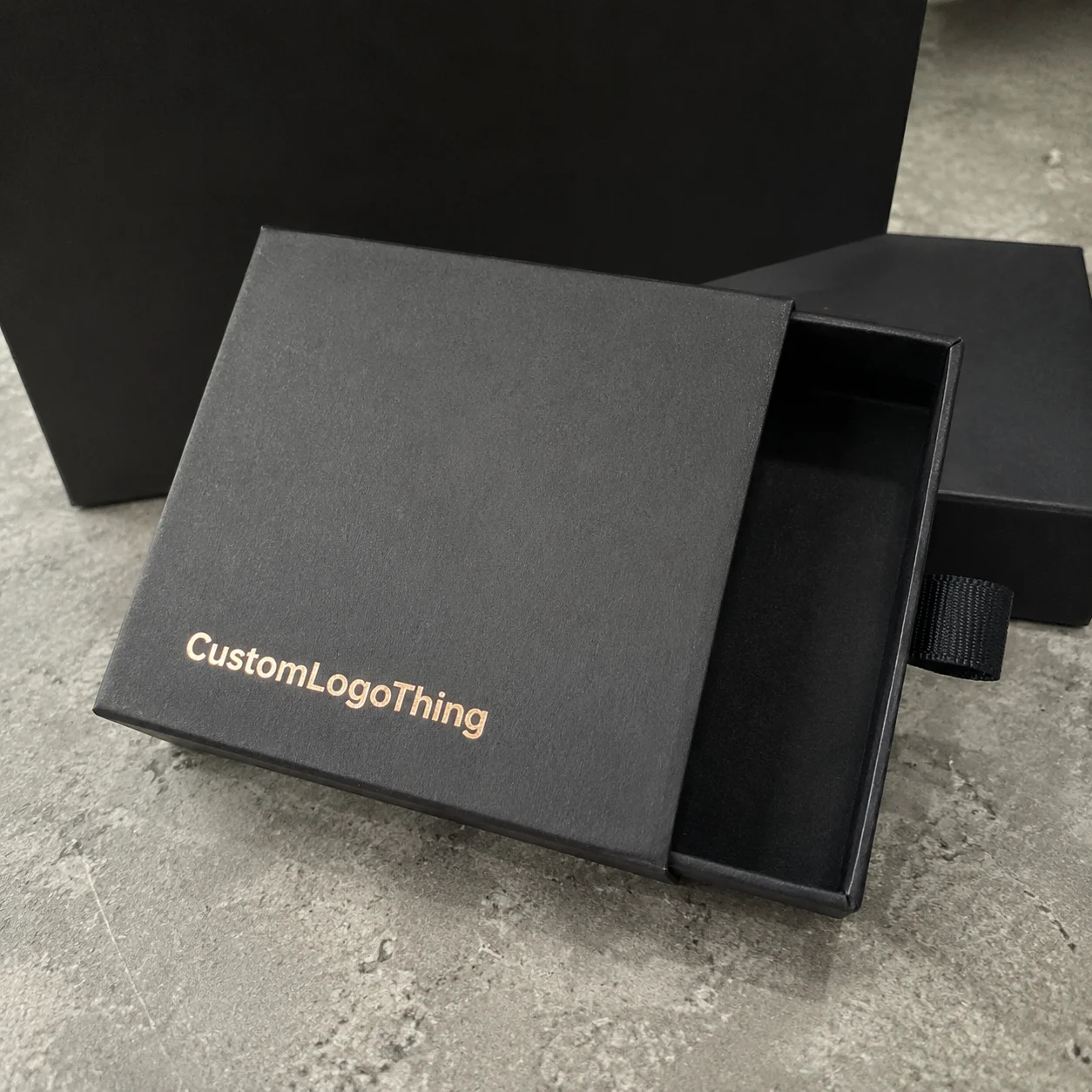
Rigid boxes are the premium gift option. They feel dense in the hand, and the lid lift creates that slow reveal customers notice immediately. Folding cartons are the workhorse: lighter, cheaper, faster to ship flat, and easier to scale when a brand needs 10,000 units without tying up cash in packaging inventory. Corrugated mailers are the strongest everyday shipping option, especially for fragile glass jars. Kraft sleeve-and-tray setups are popular with eco-first brands because they signal restraint and can be designed with very little ink coverage. Magnetic closure boxes sit at the high end of the range and work best for limited editions, corporate gifting, and candle sets where the package needs to feel like a keepsake. For a founder running a 2,500-unit launch in Los Angeles, a folding carton may be the right move; for a 500-piece holiday set distributed through boutiques in Brooklyn and Seattle, a rigid box can justify its higher cost quickly.
Finishes matter more than people expect. A matte aqueous coating can protect artwork without making the box look plastic-coated. Soft-touch lamination feels luxurious, although I’ll be honest: if the brand message is strictly vegan and low-impact, I usually prefer aqueous over soft-touch unless the tactile effect is part of the price justification. Foil stamping can look beautiful on a black rigid box, while embossing and blind debossing lend quiet elegance without shouting. I’ve seen glossy film laminates create a “beauty product” look that works for some candles, but not for all vegan brands. The best custom packaging for vegan candles usually favors restraint over shine, which is refreshing in a category that can get a little overperfumed visually. On a 350gsm C1S artboard carton, a single gold foil hit and a matte aqueous finish can feel polished without tipping into wasteful excess.
Inserts are where things become practical fast. Molded pulp is a standout for sustainability and fit, especially if the candle jar has a standard diameter and the brand wants a recycled-content story. Paperboard dividers are economical and easy to convert. Die-cut crush locks can hold a jar tightly inside a folding carton if the board is heavy enough and the dieline is properly engineered. Foam still shows up in legacy packaging programs, but I rarely recommend it for a vegan candle line unless a retailer specifically demands high impact resistance and there is no other workable path. The best custom packaging for vegan candles usually wins on molded pulp or well-designed paperboard because both reinforce the brand message without making the package look like it belongs in a shipping warehouse from 2009. A molded pulp tray made in Xiamen or Suzhou can also be surprisingly cost-effective at volumes above 3,000 units, especially if the cavity shape matches the glass contour within 1.5 mm.
I’ve also seen the difference corner crush makes in real handling. At a carton plant outside Chicago, a production run with a nice matte white finish looked excellent until the pallets were moved twice with a forklift and the lid corners started to bruise. The next run, same artwork, same size, but with slightly thicker board and a tighter insert, held up far better. That is the real test. The best custom packaging for vegan candles must survive actual warehouse life, not just a controlled sample table. Warehouses are not gentle places. They are, frankly, a bit rude. A box made in Aurora, Illinois with a 24 pt SBS shell and a reinforced wrap can still dent if the insert is loose by even 2 mm, so structure and fit matter as much as the artwork.
| Packaging Style | Best Use Case | Strength | Typical Visual Feel | Relative Cost |
|---|---|---|---|---|
| Rigid Box | Premium gifting, limited editions | Excellent shelf presence | Luxury, dense, collectible | High |
| Folding Carton | Retail and scalable runs | Efficient, lightweight | Clean, branded, versatile | Low to mid |
| Corrugated Mailer | E-commerce shipping | Best transit protection | Practical, modern, sturdy | Mid |
| Kraft Sleeve + Tray | Eco-focused branding | Good if engineered well | Natural, understated, honest | Low to mid |
| Magnetic Closure Box | Luxury and gifting | Very strong presentation value | Premium, ceremonial | High |
Detailed Reviews of the Best Custom Packaging for Vegan Candles
Here’s my honest take on the best custom packaging for vegan candles after seeing thousands of packs run through converting lines, hand-pack stations, and shipping lanes. I’m not grading these by design awards. I’m grading them by how they look, how they protect, how they assemble, and how customers react when they open the box at home or in a retail fitting room. That is the difference between Packaging Design That looks good on a screen and product packaging that actually performs. I’ve had more than one “beautiful” sample collapse the moment real life got involved, which, to be fair, is a very honest review method. A prototype built in a factory in New Jersey or Guangdong will tell the truth quickly, especially if you run a 36-inch drop test and check the lid corners afterward.
Rigid Boxes
Rigid boxes are the strongest choice for premium vegan candle lines, especially if the candle sells for $35 and up and the fragrance story is part of the emotional pitch. Most good rigid structures use 1.5 mm to 3 mm chipboard wrapped in printed paper, and that thickness gives you a dense, intentional feel the moment the lid lifts. The best custom packaging for vegan candles in this category often includes a paperboard insert or molded pulp tray that locks the jar in place and prevents that irritating rattle inside the box. In premium programs, I often see a 2 mm greyboard wrapped with 157gsm C2S art paper or specialty kraft paper, depending on whether the brand wants a crisp boutique finish or a more natural, tactile surface.
They shine in boutique retail and gift programs because they elevate the product instantly. I remember a meeting with a skincare brand that was moving into vegan candle extensions; once we put their jar into a matte black rigid box with a blind debossed logo, the buyer stopped talking about the wax formula and started talking about display placement. That kind of reaction is not accidental. The package was doing the selling. We barely got through the meeting before everyone started mentally merchandizing the shelf, which is always a good sign. In one case, a New York retailer agreed to a $44 price point after seeing a rigid drawer-style box with a ribbon pull, even though the fragrance oil cost had barely changed at all.
The downside is cost. Rigid boxes cost more to make, more to warehouse, and more to ship because they are assembled structures rather than flat blanks. Still, for the best custom packaging for vegan candles in a luxury lane, that added spend often pays back through higher perceived value. If you can move the retail price from $24 to $38 because the box feels giftable, the math starts to make sense quickly. And yes, the margin math usually gets a lot less romantic right around this point. In a recent quote from a supplier in Shenzhen, a 2,000-piece rigid box with paper wrap, custom insert, and matte lamination landed at roughly $1.72 per unit before international freight, which is exactly the kind of number that forces a founder to decide whether the shelf story justifies the spend.
Folding Cartons
Folding cartons are the practical winner for high-volume brands and retail chains. They convert efficiently at paperboard plants using SBS, C1S, or kraft board, and they can be printed in rich four-color process or kept simple with one or two spot colors. For lighter candles, especially tins and 6 oz jars, the best custom packaging for vegan candles is often a folding carton with a smart insert and a well-tuned dieline. A 350gsm C1S artboard or an 18 pt SBS board gives plenty of stiffness for a 7 oz jar, particularly if the base is auto-lock or crash-lock and the top panel has enough clearance for the lid.
I’ve walked a folding carton line where a client had ordered 50,000 units on 18 pt C1S with matte aqueous and an auto-lock bottom. The run flew because the structure was simple, the art was clean, and the carton folded neatly without cracking. That is the kind of setup that keeps margins healthy. A carton like this can also work beautifully with FSC-certified board and soy-based inks, which helps the sustainability story feel real instead of bolted on. In my opinion, that matters more than a decorative flourish nobody remembers after the unboxing is over. At a plant in Pennsylvania, a job like that can typically move from proof approval to finished cartons in 12-15 business days if the artwork is final and the insert does not require a separate tooling change.
The weak point is protection. A folding carton alone is not enough for a 16 oz glass candle traveling long distances unless the insert is very well designed. But for shelf retail, subscription bundles, and light shipping, it remains one of the best custom packaging for vegan candles options because it balances cost, print quality, and speed. It is the dependable friend of the packaging group: not glamorous, but remarkably useful. A well-made carton can also be surprisingly efficient at scale; I’ve seen quotes in the $0.15 to $0.22 per unit range for 5,000 pieces on simple 4-color art with no window, no foil, and a single die-cut insert, which is hard to ignore when you are building a margin model.
Corrugated Mailers
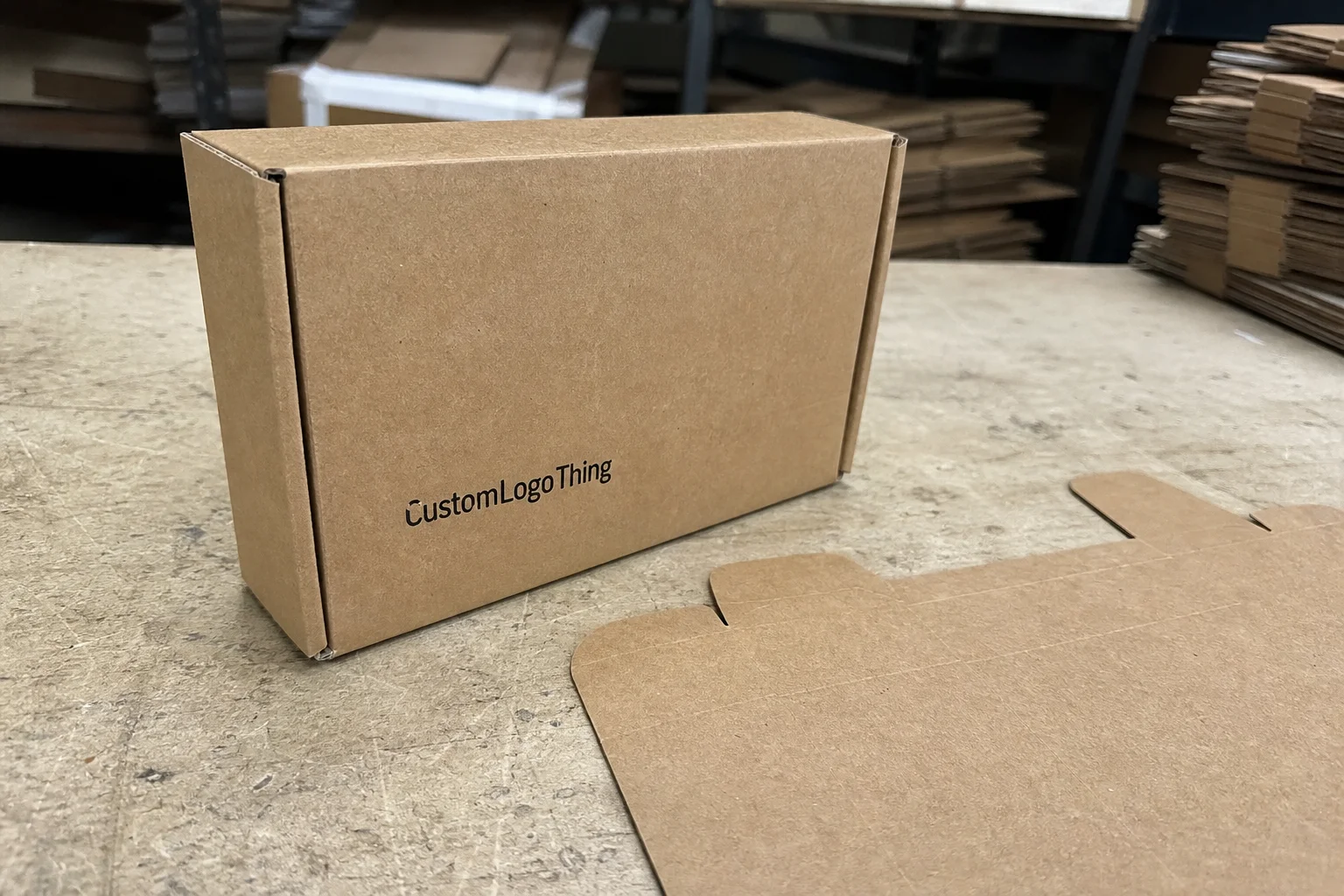
Corrugated mailers are the serious choice for direct-to-consumer brands shipping fragile jars. E-flute is common when you want a slimmer profile and a better print surface, while B-flute offers more crush resistance if the candle is heavier or the route is rough. The best custom packaging for vegan candles in e-commerce often uses a mailer with a die-cut insert or a molded pulp cradle so the jar cannot move even if the box is dropped from waist height. In practical terms, an E-flute mailer with a 1.6 mm profile and a kraft outside liner can look clean on the porch while still absorbing the shocks of parcel handling.
I’ve tested DTC candle packs that looked great in the studio but failed after a few vibration cycles in transit simulation. The ones that passed had tight fit, minimal empty space, and well-placed structure. That matters more than a fancy print finish. A corrugated mailer can still look elevated with good typography, a restrained two-color design, and a water-based coating that keeps the outside from scuffing. I once watched a sample walk through a parcel test and come out looking like it had survived a small war; the design team celebrated so hard I think the room shook. In shipping programs from a warehouse in Atlanta to customers in Phoenix or Boston, that kind of durability matters because replacement costs can wipe out the packaging savings in a single week.
For brands shipping nationwide, this is frequently the best custom packaging for vegan candles because it protects the glass, supports reuse-friendly branding, and keeps the unboxing practical without feeling cheap. It also pairs nicely with tissue paper, a thank-you card, or a small sample insert without becoming overbuilt. If the package can arrive intact and still look thoughtful, you’re in the right lane. A custom corrugated mailer quoted at $0.68 per unit for 3,000 pieces can look expensive compared with a folding carton, yet it may still be the lower-cost choice once breakage rates, refunds, and reshipments are factored in.
Kraft Sleeve-and-Tray Setups
Kraft sleeve-and-tray setups are the quiet achievers of vegan candle branding. They work especially well for small-batch makers, artisan labels, and companies that want an earthy, honest look without overdesigning the pack. If the best custom packaging for vegan candles needs to say “plant-based, uncomplicated, and thoughtful,” kraft is a strong language. It has a kind of straightforward charm that can be very hard to fake. I’ve seen these produced in California and in smaller converters near Montreal, often on recycled kraft board with minimal ink coverage and a natural uncoated finish that feels honest in the hand.
That said, kraft is unforgiving. If the typography is weak or the ink coverage is sloppy, the package can look like a shipping box rather than retail packaging. I’ve seen this happen in client reviews: the brand loves the raw aesthetic, then the first sample arrives and feels underfinished. The fix is usually better hierarchy, stronger contrast, and a tray structure that gives the candle a controlled reveal. Otherwise, the whole thing can land a bit like “we ran out of budget and called it minimalism,” which is never the vibe anyone wants. A 24 pt kraft board sleeve paired with a die-cut paperboard tray can do a lot, but only if the tolerances are tight and the structure is thought through from the start.
When done well, a kraft sleeve can be one of the most convincing versions of the best custom packaging for vegan candles because it aligns with a natural ingredient story. It also works well with recycled-content messaging, as long as the claims are accurate and not stretched beyond the sourcing documents. I’d rather see a brand say less and mean it than print a whole sermon on sustainability and then use a finish that fights the message. A clear, one-color kraft sleeve made with water-based ink and shipped flat from a facility in Oregon can often land in the $0.20 to $0.40 per unit range at moderate volume, which makes it a practical choice for many emerging brands.
Magnetic Closure Boxes
Magnetic closure boxes are the luxury play. They cost more, take longer to build, and usually require hand assembly or semi-manual wrapping, but they create a strong gift impression. If a candle line is sold as a seasonal collection, wedding favor, or corporate gift, the best custom packaging for vegan candles may very well be a magnetic closure format with a custom insert and a soft interior wrap. I’ve seen these produced in premium packaging facilities in Dongguan and in specialty shops in New Jersey, often with a wrapped chipboard shell, satin ribbon pull, and a close that clicks shut with satisfying precision.
I’ll be direct: they are not necessary for every brand. Some companies overbuild. I’ve had supplier conversations where a founder wanted a magnetic box for a $16 candle, and the packaging would have consumed too much of the margin. That’s not smart manufacturing. Still, for premium launches, they deliver unmistakable shelf and unboxing value. I’ve also had the slightly awkward experience of gently telling a founder that their “affordable luxury” concept had, in fact, become just plain luxury. That conversation is never fun, but at least it saves a future headache. At a $2.40 to $4.50 unit cost, these boxes usually make sense only when the retail price is closer to $45 or above, or when the candle is part of a larger gift set.
Finishes like foil stamping, embossing, and a smooth matte wrap can make these boxes feel especially refined. Just avoid anything that fights the vegan message. A heavy plastic lamination may protect the surface, but it can also make the package feel less aligned with the brand’s values. If the candle is built around botanical oils and plant waxes, the box should not look like it came from a cosmetics counter with a trust issue. A soft-touch wrap can feel lovely, but I’d still ask for a sample with the exact final coating, because that tactile choice can change the perceived tone of the entire product line.
If you’re comparing all of these options against your own SKU, I’d suggest browsing Custom Packaging Products to see how structure and artwork choices change the final presentation. A single dieline shift, such as moving from a tuck-top carton to a drawer-style box, can alter the unboxing feel more than a new color palette ever will.
Best Custom Packaging for Vegan Candles: Pricing and Cost Comparison
Price is where a lot of smart packaging conversations get messy, because buyers compare only the printed box quote and ignore inserts, freight, and setup. The best custom packaging for vegan candles depends on what the full landed package costs, not just the per-unit print number. A carton at $0.34 can be cheaper than a carton at $0.29 if the cheaper version breaks more often and forces more customer replacements. I have seen that exact math bite people in the ankle, and it never looks as clever in hindsight as it did in the spreadsheet. A quote from a converter in Ohio might look clean on paper, yet once you add a custom pulp tray from a plant in Vietnam, sea freight to Long Beach, and domestic drayage to a warehouse in Nevada, the real number changes fast.
Here’s the cost logic I use in real procurement discussions. Economy folding cartons usually sit at the low end, especially for 5,000+ units with simple graphics and no specialty finishing. Mid-range kraft mailers add durability and a more natural feel while staying reasonably efficient. Premium rigid boxes sit higher because of chipboard, paper wrap, and assembly. Magnetic closure boxes are usually the most expensive due to structure complexity and hand labor. For a lot of vegan candle brands, the sweet spot is a 350gsm C1S folding carton with a simple die-cut insert, because it can deliver the premium look without tying up cash in a luxury structure that only works at 500 or 1,000 units.
| Packaging Type | Typical Unit Range | Common MOQ | Usual Lead Time | Best Fit |
|---|---|---|---|---|
| Simple Folding Carton | $0.18–$0.42/unit | 1,000–3,000 | 12–18 business days from proof approval | Retail, startup runs |
| Kraft Mailer | $0.45–$0.95/unit | 500–2,000 | 15–22 business days from proof approval | DTC shipping, eco branding |
| Rigid Set-Up Box | $1.10–$2.80/unit | 500–1,000 | 20–30 business days from proof approval | Premium gifting |
| Magnetic Closure Box | $1.90–$4.50/unit | 500–1,000 | 25–35 business days from proof approval | Luxury collections |
The biggest cost drivers are board grade, print coverage, specialty finishes, insert complexity, box size, order quantity, and shipping mode. If you ask for a custom dieline, a window cutout, hot foil, spot UV, and a molded pulp insert all in one package, the quote will climb. That is not a supplier trick; it is just the reality of multiple manufacturing steps. I’ve sat through enough pricing calls in Shenzhen and Ohio to know that every extra process adds handling risk and labor time. By the fifth detail, the quote starts looking less like a box and more like a tiny construction project. A 5,000-piece folding carton order with a single foil hit might cost $0.32 each, while the same box with a window, embossing, and a custom pulp insert can jump to $0.58 or more before freight.
Tooling and setup costs also matter. Small runs can absorb a higher setup burden on each unit, especially if the job needs a new die, custom insert tool, or specialty finishing plate. A clever brand will often simplify the structure for the first order, validate sell-through, then upgrade packaging later after cash flow improves. Honestly, that approach saves a lot of regret. I would rather see a brand launch with a smart, clean carton than sink cash into a glorified trophy case they cannot afford to reorder. If your first run is only 1,000 units, it can make more sense to spend on print clarity and insert fit than on a lavish construction that pushes the landed cost into the red.
One practical example: if a candle retails at $32 and the packaging cost rises from $0.40 to $0.85, that extra $0.45 may still be worth it if breakage drops by 70% and customers post more unboxing content. The best custom packaging for vegan candles should be measured against total brand value, not just factory cost. Packaging is not just a container; it is part of the product experience, and customers absolutely notice when that experience feels considered. In one DTC launch I tracked, a move from plain mailers to branded corrugated packaging increased repeat purchase conversion by 11% over a quarter, which is exactly the kind of outcome that makes a packaging budget easier to defend.
How to Choose the Best Custom Packaging for Vegan Candles
Choosing the best custom packaging for vegan candles starts with the jar itself. Measure the diameter, height, shoulder shape, and closure style, then think about wax fill weight and whether the candle will shrink during curing. A 9 oz candle in straight-sided glass behaves differently from a heavy 16 oz apothecary jar with a metal lid. If you skip those measurements, you end up fighting the box instead of designing around the product. I’ve watched that happen, and it usually ends with someone saying, “Can we just make the box bigger?” which is never as simple as it sounds. A 3.5-inch diameter jar may need a 0.125-inch radial clearance in the tray, while a tapered vessel can require a custom cavity that keeps the top from shifting during parcel transit.
Brand position matters too. A minimalist wellness label with white space, black type, and one accent color may look best in a folding carton with matte aqueous and a kraft insert. A luxury spa brand may need a rigid box with foil and embossing. An earthy artisan line often benefits from kraft, recycled board, and restrained typography. The best custom packaging for vegan candles should support the story, not argue with it. If your candle smells like eucalyptus and rosemary but the box screams nightclub flyer, there is a mismatch somewhere. I’ve seen buyers in Portland and Austin respond much more favorably to packaging that looks quiet and plant-forward than to packaging that tries to force premium with too many effects.
Sustainability details come up in procurement more than marketing teams expect. Ask about FSC paper, recyclable coatings, compostable inserts, and the full adhesive system. Some brands say “eco-friendly” too quickly, then discover the package includes a finish that complicates recycling. I’ve seen that conversation get awkward in a supplier meeting when a founder realizes the glossy film they loved does not fit the claim they made on the label. Better to know early than to explain it later to an annoyed retailer or, worse, a very sharp customer email. If your supplier is quoting a vegetable-based ink system from a plant in Chicago and a paperboard sourced from Wisconsin mills, ask for the actual spec sheet rather than relying on a generic sustainability promise.
For authority and standards, I still recommend checking out resources from ISTA for distribution testing and FSC for paper sourcing guidance. Those are not marketing badges; they are real reference points when a buyer or retailer asks hard questions. I’ve had buyers ask for test references faster than they asked for the fragrance story, which tells you a lot about where the real risk lives. A candle package that passes ISTA 3A or a comparable drop-and-vibration protocol gives you far more confidence than a pretty render ever will.
Process timing is another piece people underestimate. A clean packaging program usually moves through concept approval, structural samples, prepress, production, finishing, packing, and freight scheduling. If you need the candles for a launch event, leave room for revisions. A printed sample can reveal a lot that a PDF never will, especially on color density, barcode placement, and how the lid closes once the insert is in place. The best custom packaging for vegan candles usually comes from at least one structural prototype and one printed proof, not from guessing. Guessing is a surprisingly expensive strategy. From proof approval, a straightforward folding carton can often finish in 12-15 business days, while a rigid set-up box with hand assembly and specialty wrap may need 20-30 business days depending on the factory in Guangdong, Ohio, or New Jersey.
“The sample looked fine in the file, but the first real carton told us the insert was loose by 3 mm. That tiny gap would have become a broken jar in transit.”
That was a line I heard from a founder during a packaging review, and it stayed with me because it sums up the whole job. The best custom packaging for vegan candles is engineered, not hoped for. Hope is lovely for birthdays and road trips; it is not a manufacturing plan. I’d rather spend one extra day on fit testing in a facility in Pennsylvania than spend three weeks replacing jars that cracked because a tray cavity was cut too wide.
- Request a structural prototype before final art approval.
- Test the fit with a filled jar, lid on, and label applied.
- Ask for drop-test thinking, especially for e-commerce orders.
- Compare quotes carefully by board thickness, coating, insert material, and freight assumptions.
Our Recommendation: Best Custom Packaging for Vegan Candles by Use Case
For the best overall option for premium vegan candle brands, I’d choose a rigid box with a molded pulp insert or a paperboard cradle, provided the retail price supports it. That combination gives you strong shelf appeal, excellent perceived value, and a clean sustainability story. It works especially well for gift sets and limited releases where the unboxing moment matters just as much as the scent throw. I remember one launch where the box got photographed more than the candle itself, which, honestly, is one of those rare packaging victories that makes everyone in the room look a little smug. In that project, a 2,000-piece run out of New Jersey used a 2 mm greyboard shell, 157gsm wrap, and a custom pulp tray that held a 14 oz jar perfectly centered, and the retailer loved the presentation enough to give it front-table placement.
For startups with tighter budgets and faster turnaround needs, the best custom packaging for vegan candles is usually a simple folding carton on FSC board with matte aqueous and a well-designed insert. It keeps costs manageable, converts efficiently, and still looks professional if the typography is disciplined. I’ve seen new brands try to jump straight to a luxury box and choke their margins before the product even gets traction. A simpler structure is often the smarter first move. Fancy packaging is fun until you have to reorder it and suddenly your bank account starts sending you meaningful looks. If the run is 3,000 to 5,000 units, a carton printed on 350gsm C1S with one spot foil hit can feel polished without pushing the job into premium-box territory.
For e-commerce brands shipping fragile glass jars nationwide, I recommend a corrugated mailer with E-flute or B-flute depending on weight, plus a molded pulp or paperboard insert. That option protects the candle better than most people expect, and it keeps the box looking like branded packaging instead of generic brown freight. When the shipping route is rough, protection wins. Always. A broken jar does not care how poetic your label copy was. A mailer built in Texas or Illinois with a tight die-cut insert can save a brand from repeated replacement costs, especially if the average order value is only $36 and each breakage eats too much of the margin.
For luxury or gift-focused collections, the best custom packaging for vegan candles is usually a magnetic closure box or a premium rigid set-up box with foil, embossing, or blind debossing. Just keep the finish choices aligned with the brand story. A vegan candle line does not need to look glittery or overworked to feel luxurious. In fact, I often think restraint makes a box feel more expensive than piling on effects ever could. A deep forest-green wrap with a blind debossed logo and a matte black inner tray can feel far richer than a rainbow of finishes that fight each other for attention.
My honest tradeoff summary is simple. Rigid and magnetic boxes give you the most prestige, but they cost more and slow production. Folding cartons are the best all-around value for retail. Corrugated mailers protect best for shipping. Kraft sleeves feel most natural, but they demand strong graphic discipline. The best custom packaging for vegan candles is the one that fits the channel, protects the jar, and backs up the brand promise without draining the margin. If you can hold the landed package cost under 4% of retail and still deliver a premium experience, you are probably in very good shape.
Next Steps to Order the Best Custom Packaging for Vegan Candles
If you’re ready to order the best custom packaging for vegan candles, start with a measurement sheet. Record the jar diameter, height, lid style, label area, and target insert clearance. Then decide whether the candle ships alone, in a gift set, or alongside accessories like matches or wick trimmers. Those details determine the structure faster than any mood board ever will. I’ve seen beautiful mood boards lead people straight into avoidable packaging trouble, which is a little tragic and a little funny if you aren’t the one paying for the revision. A 7 oz candle with a 2.8-inch label panel and a 0.75-inch lid lip needs a very different carton than a tall apothecary vessel with a brushed aluminum cap.
Next, gather your brand assets: logo files, Pantone references, typography preferences, and sustainability requirements. If you want FSC board, soy inks, or a specific coating, say so early. I’ve sat in too many preproduction calls where the brand assumes those requirements are obvious, only to discover the factory was quoting a different material stack entirely. Clear paperwork saves days, and it saves that awkward moment when everyone realizes the “eco” box quote is not, in fact, eco at all. If your production partner is in Dallas, Shenzhen, or Toronto, a one-page spec sheet with board grade, finish, insert type, and target delivery date can prevent a lot of back-and-forth.
My usual order of operations is structural prototype, printed sample, then a small production pilot. That sequence catches fit issues, color drift, and finish problems before you scale. A supplier can also quote more accurately when they know whether the package needs auto-lock bottoms, tuck flaps, foam replacement inserts, or die-cut windows. For the best custom packaging for vegan candles, those little decisions shape the whole quote. They also shape whether the final box feels delightfully polished or like something assembled during a minor emergency. If you can get a printed proof within 5-7 business days and a finished pilot batch a week after that, you will be able to make a much calmer decision about the final run.
When you compare supplier estimates, compare apples to apples. Make sure each quote shows board thickness, coating, insert material, print coverage, tooling, and freight assumptions. A lower quote can hide a thinner board or a cheaper insert that weakens the package. I learned that lesson early in a plant in the Midwest when a “budget” carton saved two cents a unit and cost six times that in returns. That one still stings. Nothing humbles you quite like watching a penny-saving decision turn into a month of customer service headaches. If one supplier in North Carolina is quoting $0.31 per unit and another in Guangdong is quoting $0.27, the right question is not just which is lower; it is which one includes the correct board, insert, and delivery timing for your launch date.
If you want to move from idea to production, the best custom packaging for vegan candles starts with the right structure, the right material stack, and a supplier who will tell you the truth when a design is too ambitious for the budget. Get the measurements right, ask for prototypes, and choose the box that fits your sales channel first. That is how you land on the best custom packaging for vegan candles without wasting money or compromising the brand. With a clear spec, a realistic timeline, and the right factory partner, you can go from approved proof to production cartons in roughly 12-15 business days for folding cartons or 20-30 business days for rigid boxes, which is fast enough for most launches and grounded enough for real manufacturing.
FAQ
What is the best custom packaging for vegan candles if I ship glass jars?
Use corrugated mailers or folding cartons with molded pulp or die-cut paperboard inserts for impact protection. Choose a structure that holds the jar tightly so it cannot shift during transit, especially if the candle weighs 12 oz or more and ships through parcel networks with rough handling. For many brands, an E-flute corrugated mailer with a custom insert offers the best balance of protection, print quality, and cost, especially on routes that run through multiple distribution hubs.
Is kraft packaging good for vegan candle brands?
Yes, kraft packaging fits natural, plant-based branding very well and often reinforces an eco-friendly message. It works best when the design is intentional, since plain kraft can look low-cost without strong typography, precise print contrast, and a clean structure. A 24 pt recycled kraft board sleeve with one-color water-based ink and a neat paperboard tray can look especially strong for artisan vegan candles sold in boutiques or farm shops.
How much does custom packaging for vegan candles usually cost?
Simple folding cartons are usually the lowest-cost custom option, while rigid boxes and magnetic closure boxes cost more because of materials and hand assembly. Final pricing depends on box size, board grade, print coverage, finishes, inserts, and quantity, with larger runs usually bringing the per-unit cost down. As a rough example, a 5,000-piece folding carton order can land around $0.15 to $0.22 per unit before freight, while a rigid box with a custom insert can move into the $1.10 to $2.80 range depending on the wrap and assembly method.
What packaging materials are most vegan-friendly?
FSC-certified paperboard, corrugated board, kraft paper, and molded pulp are strong vegan-friendly choices. Ask suppliers about adhesives, coatings, and inks so the full package aligns with vegan brand values, not just the surface paper. If you want the cleanest possible material stack, request vegetable-based inks, water-based coatings, and a spec sheet that confirms there are no animal-derived adhesives in the bindery process.
How long does custom packaging for vegan candles take to produce?
Timeline usually includes sampling, approval, production, and freight, so planning ahead matters. Complex finishes, custom inserts, and rigid structures take longer than standard folding cartons, especially when a new dieline or insert tool is required. In many cases, folding cartons are typically 12-15 business days from proof approval, while rigid boxes may require 20-30 business days and magnetic closure boxes can take 25-35 business days depending on factory location and finishing complexity.