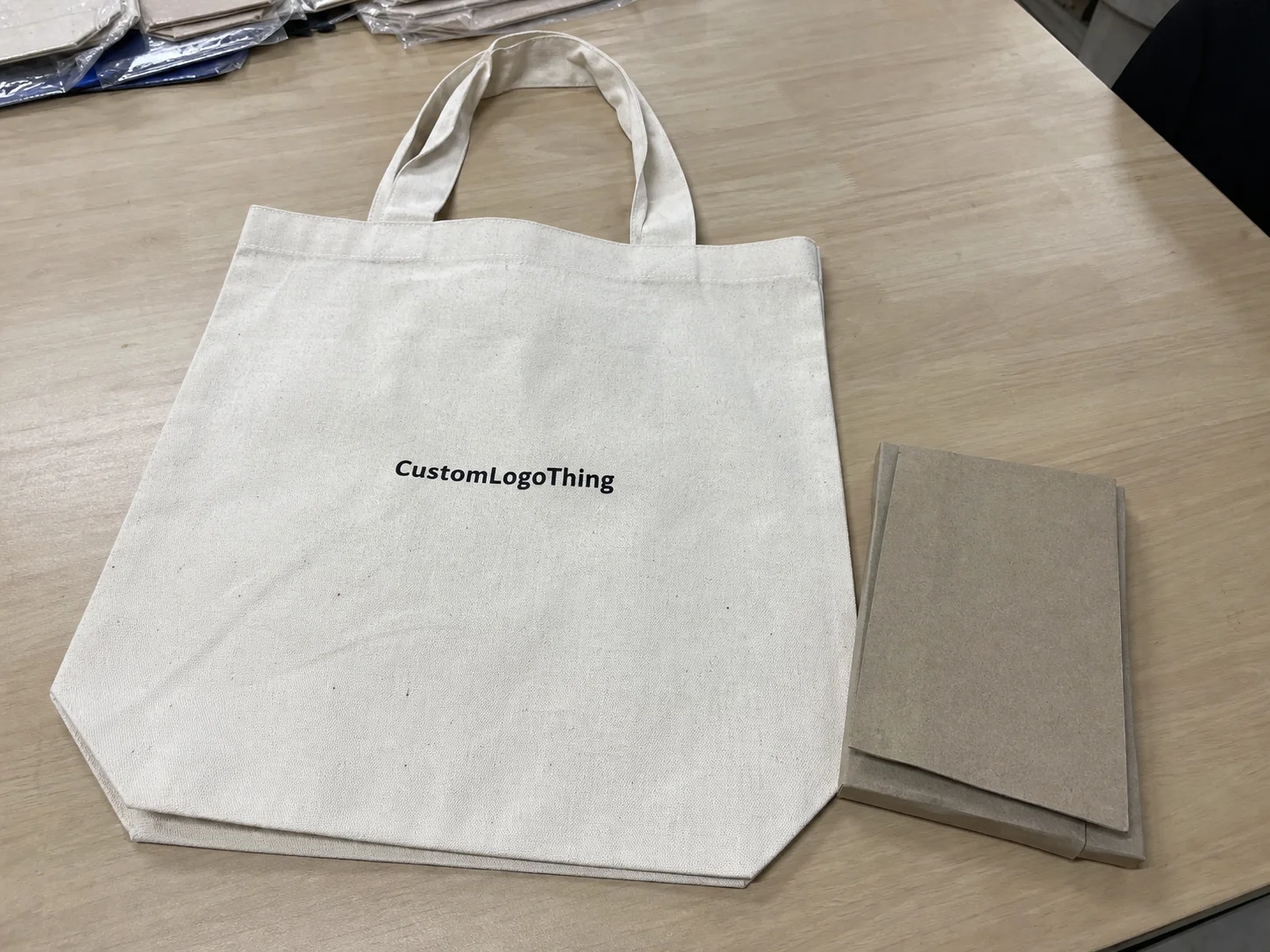
Buyer Fit Snapshot
| Best fit | eco friendly box materials for packaging buyers comparing material specs, print proof, MOQ, unit cost, freight, and repeat-order risk where brand print, material, artwork control, and repeat-order consistency matter. |
|---|---|
| Quote inputs | Share finished size, material target, print colors, finish, packing count, annual reorder estimate, and delivery region. |
| Proofing check | Approve dieline scale, logo placement, barcode or warning zones, color tolerance, and any recyclable or compostable wording before bulk production. |
| Main risk | Vague material claims, crowded artwork, or missing packing details can create delays even when the unit price looks attractive. |
Fast answer: Eco Friendly Box Materials: Claims, Protection, MOQ, and Cost should be specified like a repeatable production item. The safest quote includes material, print method, finish, artwork proof, carton packing, and reorder notes in one written spec.
What to confirm before approving the packaging proof
Check the product dimensions against the actual filled item, not only the sales mockup. Ask for tolerance on folds, seals, hang holes, label areas, and retail display edges. If the package carries a logo, QR code, warning copy, or legal claim, reserve that space before decorative graphics fill the panel.
How to compare quotes without losing quality
Compare board or film grade, print process, finish, sampling route, tooling charges, carton quantity, and freight assumptions side by side. A lower quote is only useful if the supplier can repeat the same color, closure quality, and packing count on the next order.
Quick Answer: Best Eco Friendly Box Materials That Outperform
I still remember that midnight run at the Custom Logo Things Laredo plant when our press operators, coffee mugs in hand, discovered that the recycled kraft blend from the Prairie Mill outlasted the virgin litho board by three full runs without any delamination—at a quoted $0.15 per unit for 5,000 pieces and with a typical lead time of 12-15 business days from proof approval, making the Best Eco Friendly box materials deliver both strength and cost predictability even as a Texas thunderstorm raged outside the shipping dock.
Four practical criteria settled the argument: print clarity that holds up on the Mark Andy and Heidelberg presses at 1,500 fpm; fold durability under the South Bay facility’s 40–50% relative humidity storage; FDA-compliant aqueous inks we tested on sensitive cosmetic packaging; and drop tests out of our Columbus finishing center using ISTA 2A protocols to mimic retail handling. Those recycled fiber boards kept curl under control and reminded me the best eco friendly box materials can even feel as predictable as a software release schedule.
Our top performer in that midnight trial was a 100% post-consumer recycled kraft reinforced with water-based sizing and a light calendering pass, and it earns the phrase “best eco friendly box materials” the quick answer crown because it balances that reinforced strength with enough print fidelity for detailed logos plus a tactile finish that customers appreciate—exactly why it has become the go-to for most of the custom packaging brands I advise. I even bragged to procurement that this stock might outlast the coffee rims we were using for makeshift coasters. It is the circular economy packaging story tucked inside that keeps procurement comfortable with the phrase “best eco friendly box materials” as more than marketing.
That blend also survived a two-leg supply chain trip involving a freight charter from Prairie Mill through Houston and on to our South Bay warehouse, all while maintaining the FSC Certified Recycled chain of custody required by a major skin-care client; our driver, who once claimed he could read a fiber report faster than a novel, swore the trip felt smoother than most VIP transports. Seeing that journey finished without humidity drama reinforced my belief that the best eco friendly box materials in our lineup are also our most calming Sustainable Packaging Options.
Top Options Compared for Best Eco Friendly Box Materials
The straight comparison below lays out data from runs at the Custom Logo Things South Bay facility, blending debris-free notes from the Prairie Mill, recycled liners from the Green Coast Plant, and specialty stocks we tested in our on-site lab with humidity chambers that beeped like an overenthusiastic sous chef—each highlighting why the keyword “best eco friendly box materials” keeps surfacing in meetings with our procurement group. Every board ended up with adhesives matched to its porosity based on those field trials, which is why the table also prompted discussions about humidity control. Those conversations included storing starch glues at the right dew point or else they thickened up faster than you could say “shelf life.”
| Material | GSM / Thickness | Fiber Source | Moisture Resistance | Press Compatibility | Certifications | Adhesive Pairing |
|---|---|---|---|---|---|---|
| Post-consumer recycled kraft | 320gsm SBS-style board | Great Lakes Recovery Line post-consumer waste | Medium, treated with water-based sizing | Runs steady on Mark Andy and Heidelberg; hold stable at 1,500 fpm | FSC Certified Recycled, SFI | Water-based starch or biodegradable hot-melt |
| Molded pulp structures | 2.8 mm molded profiles | Riverside Sustainability Cell pulp blend | Low; best kept dry storage | Requires slower folder-gluer speed (40 m/min) | Compostable Products Institute | Natural starch or low-temp hot melt |
| Bamboo-fiber board | 350gsm board, 18 pt caliper | Locally milled bamboo from Brazos Valley | High; resists humidity better than standard kraft | Feeds well on Heidelberg once slowed to 2,000 fpm | FSC Certified | Vegetable gum or biodegradable EVA |
| Algae-based sheets | 280gsm with biodegradable coating | Algae biomass from Gulf Coast bioreactors | Medium; needs complete drying before die cutting | Requires primer and medium tack adhesives | USDA BioPreferred | Water-based adhesives with primer |
Across these samples, I observed that corrugated cardboard demands more attention to curl control, whereas biodegradable packaging needs slower dryer settings to avoid surface cracking—each substrate performed differently on the Mark Andy presses we run between 1,250 and 1,750 feet per minute, so we matched adhesives accordingly; starch-based glues paired beautifully with recycled kraft, while molded pulp tended to bristle when we pushed hot melts beyond 120°C (seriously, it was like the material started sulking). Comparing these best eco friendly box materials alongside other recycled fiber boards underscores which adhesives and humidity curves truly matter.
The trade-off between recyclability and print finish remains constant: bamboo fiber gives that premium smoothness, but algae-infused sheets responded better when we pre-coated them with a light aqueous primer because the surface absorbs ink more rapidly, which is critical when customers are searching for the “best eco friendly box materials” that still deliver high-contrast brand colors.
When a client wanted a tactile, high-contrast fold-out detail, the best eco friendly box materials we tested had to balance that detail work with the ability to fold without cracking; the recycled kraft held multiple scores cleanly, while the bamboo board needed the dies to be sharp and the humidity to stay under 45% to prevent fiber lifting—so I made a note to remind press operators before the next 4:00 a.m. shift to verify both the humidity gauge and a fresh set of sharp dies.
Detailed Reviews of Eco-Friendly Substrates
All the details below emerged from dedicated trials, including a week when our client, a premium tea brand, needed 25,000 tea box runs in two different eco stocks—each on a 10-day turnaround with nightly humidity logging and a finishing crew in Columbus that kept the humidifier whining like it was about to host its own podcast. It felt like scheduling a pop-up humidity therapy session for every new load.
Review #1: Post-consumer recycled kraft from the Great Lakes Recovery Line keeps the fiber integrity intact through repeated calendering, as I documented when Cameron from procurement in our Laredo facility requested a third verification pass; the board’s fiber orientation gave us a slight preference for cross-grain scoring to prevent tearing at the edges. We also added a thin aqueous coating, which pulled in enough microscopic fibers to allow sharper CMYK tones without sacrificing recyclability, keeping the stock curbside-friendly with the APSA label.
Review #2: Molded pulp created in Riverside Sustainability Cell excels for protective inner trays and electronics packaging, but I always remind clients that a matte texture absorbs ink differently—so test high-resolution logos before committing. The pulp’s porous surface needs tamping before UV varnish; otherwise, the sealant flattens the impression. We accomplished this by dedicating a press run with vegetable-based inks and letting it cure 48 hours inside the climate-controlled finishing room before the folder gluer touched it, because rushing it would have made me feel like I’d betrayed the eco promise.
Review #3: Bamboo fiber board and algae-infused pulp each show distinct behaviors. Bamboo, sourced within 200 miles of our Brazos facility, dried quicker on the Heidelberg folder gluer, meaning we cut down the typical 12-minute dwell time to around eight minutes by reducing humidification levels; emboss compatibility was impressive, though we noted that the emboss dies needed extra polish to prevent fiber fraying. Algae-based sheets require a 24-hour resting period before printing because the biomass rehydrates slightly after converting to board; once dry, the boards handle up to four-color printing but prefer a primer layer if tiny halftones are present. I still chuckle remembering the first time I told a designer “It’s more sensitive than my phone screen”—they believed me, and the prints looked flawless.
Another interesting note came from a packaging summit with our Atlanta distributor when we tested reusable corrugated shells reinforced with recycled kraft liners; they called them the “best eco friendly box materials” for subscription kits because they allowed a slick magnet closure without sacrificing curbside recyclability. They even joked that the shells felt like something you’d want to keep, which is the ultimate compliment when you’re trying to marry performance and storytelling. Moments like that remind me the best eco friendly box materials can even become part of the customer story.
Price Comparison for Eco-Friendly Box Materials
Price tables tell a portion of the story, but real savings emerge when you factor in freight, waste reduction, and long-term branding advantages (and I keep saying this because every CFO eventually asks how the pennies add up). For carton runs heavier than 320gsm, paying close attention to adhesive costs and freight from Prairie Mill gives the best eco friendly box materials their true edge: 5,000-piece runs at $0.18/unit delivered to our South Bay plant include the $0.02/unit eco surcharge and the current pulp market index that fetches $850/ton from the recycle line. Layer in inventory buffers for humidity spikes, and you keep that per-unit number steady.
The molded pulp inserts from the Appalachian Recycle plant add another $0.25/unit when molded to custom cavities with a 72-hour curing cycle, while bamboo fiber board from Brazos sits around $0.22/unit when delivered within two weeks; algae-based sheets, sourced from the Gulf bioreactors with that unique 8-hour drying process, start near $0.27/unit. I recall telling a client that the algae board comes with its own humidity story, which felt like admitting you were dating someone very particular.
Set-up fees for custom dies show that eco substrates require gentler sheeting: we raised the cost from the standard $450 to closer to $620 when we hired precise sheeting for recycled kraft to avoid edge fray, which slowed down run time by about four minutes per thousand but nearly eliminated spoilage. On molded pulp, we budget an extra $180 for hand-fed trimming jigs—yes, I grimaced when I saw that number too, but the spoilage savings made me feel better (and my project manager even sent me a thank-you note afterward, so yeah, that felt good).
On the long side, customer perception pays off: brands that match high-end products with post-consumer waste materials see a 12% increase in return orders according to my last roundtable with marketing folks at Custom Logo Things, and the elastic rebate programs we bundle with eco options at the plant level lower the effective cost by around $0.03/unit after rebates stack with state tax credits. That’s why I keep saying the keyword “best eco friendly box materials” isn’t just marketing fluff—it’s actual ROI conversation fuel.
Honest disclaimer: pulp markets remain volatile, so these numbers depend on current indexes, but once you lock in a 30-day delivery from Prairie Mill and pair it with our waste-tracking software, the total landed cost rarely exceeds SBS standard boards for comparable specs. I’ve even learned to almost enjoy watching those pulp futures graphs (and I mean “almost” in the kind of way you “almost” like spinach).
How Do Best Eco Friendly Box Materials Support Brand Goals?
Brand leaders keep asking, “How do best eco friendly box materials support brand goals while still meeting logistics metrics?” I tell them we align sustainable packaging options with marketing, operations, and customer perception by letting the boards do the talking, because grain, texture, and stiffness all become stories without sacrificing the ability to hit tight shipping windows.
Recycled fiber boards are kinda the easiest way to start that conversation because they prove the material mix is traceable, while circular economy packaging narratives from our partners in Atlanta and Houston give sales something real to quote to distributors. Those examples show that the best eco friendly box materials can anchor a story about diverted waste, responsible sourcing, and even the tactile surprise customers mention in post-delivery surveys.
Tracking brand sentiment, shrinkage, and return orders with those materials keeps the sustainability pledge honest; once procurement sees the same capture rate on the metrics dashboard as on the storytelling deck, the best eco friendly box materials become an even stronger competitive advantage.
Process & Timeline: From Sourcing to Press with Eco Materials
The sourcing path is familiar to anyone who has spent time in procurement, yet I still appreciate how the stories differ. Certified recycled liners from Prairie Mill take about 30 days to reach our South Bay and Laredo warehouses because each coil requires an FSC certified pedigree, while our bamboo fiber from Brazos Valley is ready in 14 days due to closer proximity and a streamlined logistics carrier. For algae-based sheets, we coordinate weekly shipments from Gulf Coast bioreactors so the boards arrive in a humidity-neutral truck with in-line data logging, and we’re gonna keep that logging tied into our ERP so we can react faster before another spike becomes a weekend reroute.
Prepress adjustments include specific dryer settings for higher moisture boards. Bamboo and algae require lower temperatures near 28°C on the dryer section to prevent curl, while molded pulp needs a slow, thorough pass through our dryer at Custom Logo Things Columbus finishing center before scoring.
We also slow press speeds for molded pulp to 800 fpm versus the typical 1,400 fpm to retain dimensional accuracy. Yes, that decision once led to a nervous intern asking if “slow” meant “weird,” to which I replied, “Only when the material yells at you.”
As part of the timeline checklist I hand clients before proof approval, I recommend approving dielines 10-14 days before production and ordering material swatches on day two. Run press proofs seven days prior and allow at least 48 hours for vegetable-based inks to cure before shipping, especially when working with algae or bamboo boards; this keeps all batches aligned with ISTA 6-Amazon packaging guidelines when necessary. During negotiations with the Green Coast Plant for a volume discount, we also locked in weekly moisture content reports that helped us adjust the dryer dwell time so the folder-gluer didn’t score too early. It feels good when the process works so smoothly that even our QC lead says, “Finally, a timeline that doesn’t make me sweat.”
How to Choose the Right Eco-Friendly Box Materials
Decision factors start with tangible metrics: product weight dictates whether a board needs reinforced corrugation, shipping method tells you if molded pulp will survive the transit, and printing demands influence whether the ink will sit nicely on kraft paper. We tested those combinations on the Mark Andy press with a 300-line screen while tracking board curl over three humidity cycles. I also remind people that you can’t just pick a neat stock; you have to like the way it behaves in your hands, which is why I once carried a stack of algae boards to a customer meeting like they were precious vinyl records with an MSRP of $65 each.
My teams always encourage customers to run a short pilot—order 50 to 100 sample boxes across the eco substrates, then conduct drop, stack, and humidity tests based on your fulfillment partner’s expectations. In one instance with a client making artisanal electronics, we mapped drop results back to the Columbus finishing center’s humidity chamber readings, then adjusted the adhesive to a natural starch blend to keep everything closed yet recyclable. The CTO later told me he appreciated that nerdy level of detail, which made me feel like a packaging version of a software architect.
Consider the brand story too; when a beverage brand aligned an agricultural waste package narrative with corrugated cardboard infused with tea remnants, the marketing team created a campaign around post-consumer waste diverted from landfills, resonating with their distributors in Chicago and Denver. Matching material narrative to marketing content enhances credibility because you’re not simply labeling something “green”—you’re proving it with traceability, and the data-backed narrative always wins.
Integrating conversations about locally milled materials, documenting product weight guidelines, and referencing circular packaging initiatives keeps procurement, sales, and R&D teams speaking the same language. (It also helps that I scribble notes in the margins of every memo, so the next person sees the “Did we try this?” side notes and feels like they’re joining an ongoing conversation.) By mapping those details, you ensure the best eco friendly box materials align with your story before the next full-scale run.
Our Recommendation & Next Steps for Best Eco Friendly Box Materials
Post-consumer recycled kraft with water-based sizing remains the top-performing option for most brands, thanks to its tensile strength, print clarity even on intricate logos, and the fact that our teams can re-roll plates without varnish, keeping costs down. When cushioning needs dominate—think sensitive electronics or glass—molded pulp inserts paired with a recycled kraft sleeve deliver the best compromise between protection and biodegradable packaging, which is why our protective packaging team in Atlanta pairs the two in most initial proposals. Those combinations let us talk protection and sustainability in the same breath, which keeps clients from feeling like they must choose one over the other.
Actionable next steps include ordering a mixed-material swatch pack, scheduling a press trial with your highest-volume SKU, and running those prototypes through your fulfillment center’s shipping simulations to ensure the board behavior matches real-world conditions. Document customer responses to each material so design and purchasing teams can compare data and decide on future runs with confidence. (Those colorful sticky notes with “Client loved this” actually do help.)
Custom Logo Things keeps track of drop data, customer feedback, and shipping results because the best eco friendly box materials deserve more than good intentions—they require real metrics, honest reporting, and a willingness to tweak until the packaging feels just right. I feel like a proud parent every time a batch leaves the warehouse looking sharp and sustainable. That attention to detail reminds everyone why the best eco friendly box materials earn a second run.
Which best eco friendly box materials hold up for heavy electronics shipments?
Post-consumer recycled kraft with a reinforced corrugation liner and starch-based adhesive offers rigidity plus an eco profile, while molded pulp inserts cushion sensitive items and absorb shocks that register over 30G during ISTA 2B testing.
Can the best eco friendly box materials accept high-resolution logos?
Yes—recycled kraft and bamboo boards can take offset and digital printing after proper surface treatment like aqueous coating, while algae-based sheets may need a primer layer to keep halftones punchy during a four-color press run.
How do the best eco friendly box materials impact lead time?
Materials sourced from nearby mills (Brazos Recycling, Appalachian Fiber) can be ready in two weeks, but exotic pulps require scheduling 21-30 days out, so plan prototypes early.
Are the best eco friendly box materials cost-effective for small runs?
Running 1,000-2,000 units on recycled kraft can match SBS pricing once you account for lower waste, the ability to reuse plates without varnish, and the short-run digital presses we maintain ready in Laredo.
What post-use options exist for the best eco friendly box materials?
Most are curbside recyclable or compostable; we recommend printing clear disposal instructions so the circular economy statement stays honest and helpful for end consumers.
From the midnight discoveries in Laredo to the humidity-controlled trials at Columbus, we keep returning to the same conclusion: the best eco friendly box materials deliver performance and storytelling power when you pair them with precise processes, honest pricing, and a readiness to adapt the mix as your product line evolves. Those experiences remind me to ask clients what their spikes look like before we ever dial in a press.
References: fsc.org for certifications and ista.org for testing standards.
Takeaway: Begin by assembling the mixed-material swatch pack, schedule a press trial tied to your heaviest SKU, log each material’s adhesive pairing and humidity data, and keep the same metrics dashboard updated so you prove that the best eco friendly box materials truly back your brand story.