Eco friendly Custom Tote Bags do more than carry something from the counter to the car. A well-made tote keeps moving through grocery trips, office commutes, market visits, and travel days, which means one order can create repeated brand impressions for a long time. That is a different equation from a disposable bag that disappears before the customer leaves the parking lot.
For packaging buyers, the appeal is practical rather than abstract. Eco friendly Custom Tote Bags can combine reuse, visible branding, and a lower waste profile without turning the purchase into a technical headache. The challenge is choosing the right material, print method, size, and quantity for the actual job. A tote that looks sustainable on a quote sheet but feels flimsy in hand is not a good buy, even if the language sounds polished.
There is also a visibility advantage that gets overlooked. Tote bags show up in offices, cars, dorm rooms, kitchens, and social photos. They are often used in public settings where the logo gets seen by more than one person. That makes them useful for retail packaging programs, event kits, product launches, and branded handouts that need to travel beyond the point of sale.
Why eco friendly custom tote bags keep outperforming disposables
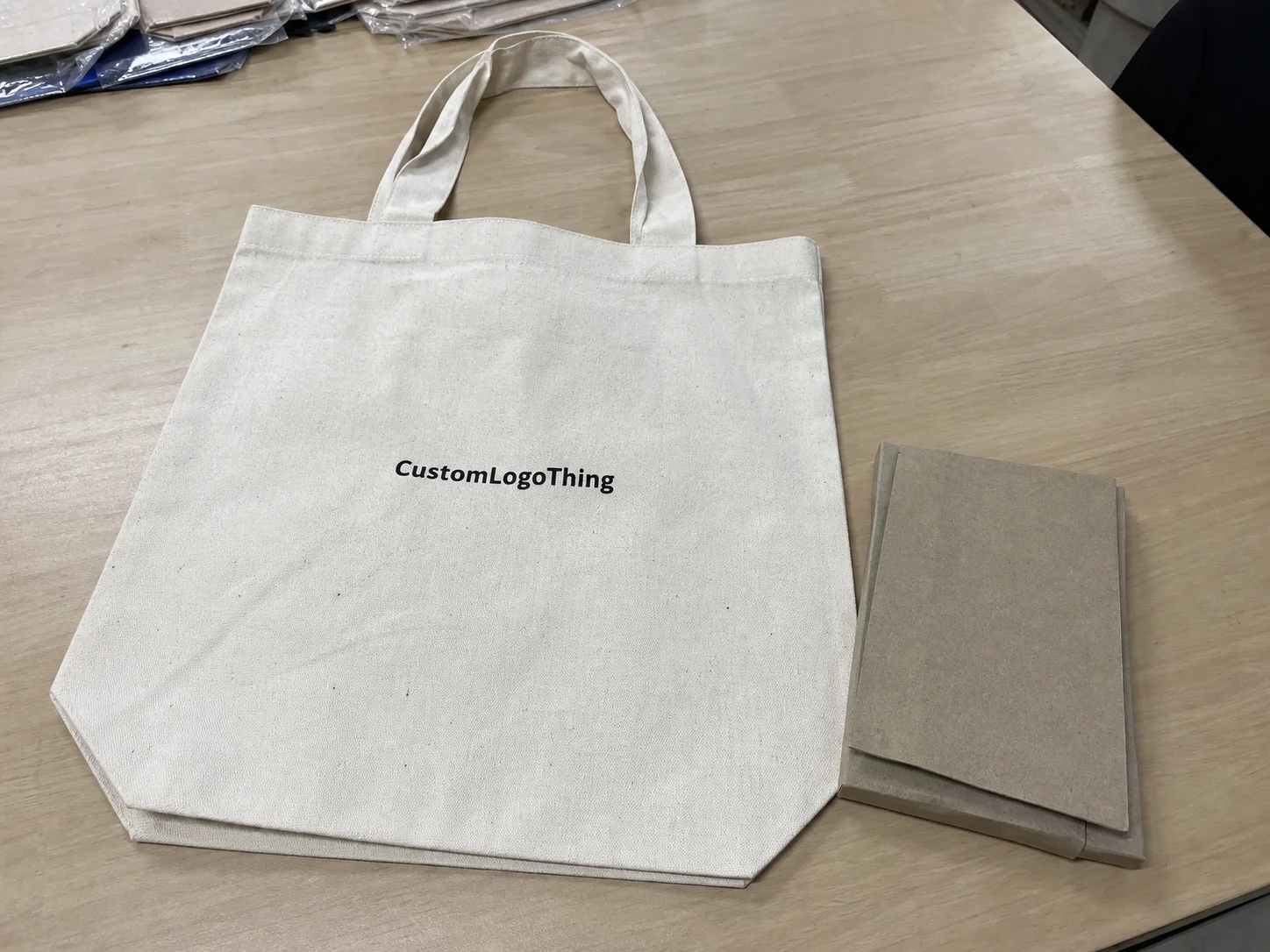
Disposable bags do one job and then they are gone. A tote can do dozens of jobs if the construction holds up. That difference changes both perception and value. A shopper might use a solid cotton or canvas tote for groceries on Tuesday, laptop storage on Thursday, and a weekend trip on Saturday. Every reuse adds another impression, and those impressions keep happening outside the store.
That is why Eco Friendly Custom tote bags often outperform single-use carry options in reach as well as appearance. They sit in public more often and tend to stay in circulation far longer than packaging that gets thrown out immediately. They also signal a little more intention. A brand that chooses a reusable bag usually looks like it planned the experience rather than treating the bag as an afterthought.
What makes a tote eco-friendly is not one feature. It is the total package: fiber source, fabric weight, decoration method, and the likelihood that the bag will actually be reused. A thin organic cotton tote that tears at the seam does less good than a heavier recycled bag that survives fifty trips. Reuse is the real test, not the label alone.
There is a branding side to this too. Tote bags offer more print area than most carry-out packaging, and that space can be used well or wasted quickly. A clean logo on a sturdy bag often works better than a busy layout on a weak one. In practical terms, the bag becomes part of package branding instead of just a delivery tool.
A tote is not a throwaway item. It is a moving surface for your brand, and its value depends on how long it stays in use.
For a broader sustainability reference, the EPA’s waste reduction guidance is a useful starting point for thinking about reusable formats and source reduction: EPA waste reduction guidance. If your packaging program includes paper inserts, hang tags, or sleeves, FSC documentation is worth reviewing as well: FSC certification information.
How custom tote bag materials and printing actually work
Material choice influences almost everything: durability, hand feel, print quality, and price. Cotton is still the default for many buyers because it feels familiar and takes print well. Canvas is thicker and more structured, which helps if the tote has to carry heavier items or hold its shape on a retail shelf. Organic cotton adds a sourcing story and a stronger environmental claim, although it usually costs more and is not always as easy to source in every size or weave.
Recycled cotton and RPET are common when the project needs recycled content without losing print area. RPET tends to feel more technical and smoother than many natural-fiber bags. Jute gives a natural, textured look that suits Premium Retail Packaging or seasonal gifting, but the surface is not ideal for fine detail. Nonwoven material still has a place for short-term promotions where the priority is low cost and basic reuse rather than a long product life.
Fabric weight matters more than many first-time buyers expect. A 6 oz cotton tote and a 12 oz canvas tote are both cotton-based products, but they behave very differently. Heavier fabric usually improves structure, reduces show-through, and gives the bag a more substantial feel. Handle construction matters too. Folded self-fabric handles, webbed cotton handles, and long shoulder straps all change how the bag carries and whether people want to use it again.
| Material | Best For | Typical Feel | Print Suitability | Typical Mid-Volume Price |
|---|---|---|---|---|
| Nonwoven PP | Short-term promotions, event handouts | Light, utilitarian | Good for simple logos | $0.18-$0.45 |
| Cotton | Retail giveaways, everyday reuse | Soft, familiar | Strong for screen print | $0.55-$1.30 |
| Canvas | Premium retail, employee kits | Thick, structured | Very good for bold branding | $0.90-$1.80 |
| Organic cotton | Brand programs with sourcing claims | Natural, premium | Good for clean artwork | $1.20-$2.40 |
| Jute | Gift packaging, textured premium looks | Rustic, stiff | Best with larger graphics | $1.10-$2.20 |
| RPET | Recycled-content programs, travel kits | Smooth, technical | Good for modern graphics | $0.70-$1.60 |
Decoration method can shift the economics just as much as the material. Screen printing is the most common route for simple logos and larger runs because setup is straightforward and color cost stays manageable. Heat transfer works better when artwork is more complex, although it can raise unit cost and sometimes changes the tactile feel. Embroidery looks premium on thicker fabrics, but it is rarely the lowest-cost option. Digital print can help with short runs or detailed artwork when shading matters.
Lighter ink coverage, fewer colors, and cleaner layouts usually save money and improve readability. On textured bags, a single strong mark often performs better than a dense composition with small type. That is one reason good packaging design tends to stay simple. The tote has to read from arm’s length, not only on a digital proof.
Claims should always be supported with documentation. Ask for fiber content details, recycled-content verification, and certification paperwork before final approval. A supplier should be able to show exactly what is in the bag and where the claim comes from. Vague language is a red flag, especially when the bag is being sold as a sustainability-forward product.
Key factors that shape cost, pricing, and MOQ
Pricing usually comes down to six variables: material, bag size, fabric weight, handle style, number of print colors, and decoration complexity. The order can look simple and still cost more than expected if one of those variables shifts. A wider gusset, reinforced stitching, or full-coverage print all add material or labor. That is normal production math.
MOQ, or minimum order quantity, is easier to understand if you think in setup terms. Every custom run needs screens, proofs, machine adjustment, and production planning. Those fixed costs do not disappear because the order is small. They are spread across the units instead. That is why the per-bag price often drops noticeably when the quantity moves from a few hundred pieces to a few thousand.
For example, a simple one-color cotton tote might land around $1.35 each at 250 units, then move closer to $0.78-$0.95 at 1,000 units, and possibly reach about $0.55-$0.70 at 5,000 units. The artwork may be unchanged, but the cost structure is not. If the tote is part of a campaign or event, that price step-down can make a real difference.
There are also cost variables that catch buyers off guard. Rush fees can apply when the deadline is compressed. Pantone matching may add setup time. File corrections can delay production. Special packaging, individual polybagging, custom inserts, and multi-location shipping all affect the quote. None of those are unusual, but they are easy to miss in the early planning stage.
A useful rule: the cheapest tote is not the best value if it tears, fades, or ends up buried in a closet after one use. A bag with a slightly higher unit price but stronger stitching and better fabric weight often delivers a lower cost per impression. That is the number worth watching.
- Lower quantity: higher unit cost, faster approval cycle, less inventory risk.
- Mid-volume: better balance of price and flexibility, common for events and retail launches.
- High volume: best unit economics, but it requires firmer forecasting and storage planning.
Production steps and timeline: from artwork to delivery
The production flow is usually straightforward, but small mistakes can slow it down fast. It starts with the brief: intended use, size, material, print colors, quantity, and delivery date. After that comes artwork review. Vector files save time. Blurry logos do not. If a supplier has to rebuild the file, the schedule can slip immediately.
Next comes proofing. That is where placement, color, and scale are checked. A proof is not just a formality; it is the last practical chance to fix a layout before production starts. If the logo sits too low, the handle spacing looks awkward, or the PMS match is off, this is the time to correct it. Not after the order is already in the line.
Once the proof is approved, material confirmation and sampling may follow. For sourced-to-order materials or certified fibers, lead time can stretch because the factory may need to reserve fabric or wait on stock. That is especially true for eco friendly custom tote bags that depend on specific recycled content or organic documentation.
As a working timeline, many standard projects need 1-3 business days for proofing, 10-20 business days for production, and a few more days for transit depending on the destination. Custom structures, specialty inks, or multiple decoration steps can push that longer. If there is a firm launch date, it is safer to build in at least one extra week.
For tote programs that will be inserted into mailed kits or handled in transit, it helps to ask whether the packaging setup has any shipping-test references. ISTA procedures are commonly used to evaluate product performance under shipment stress, and that lens can be useful even for simple items: ISTA testing standards.
The more customized the tote, the earlier the order should be placed. Custom gussets, interior pockets, zipper closures, and sewn-in labels add touchpoints. More touchpoints mean more chances for delay. A simple bag usually moves faster than one with several special features, and that needs to be reflected in the schedule from the start.
Choosing the right tote for your use case
Start with the job rather than the material. A grocery tote, a trade show handout, a premium gift bag, and an employee onboarding kit all need different specs. If the tote has to carry boxed items, go wider and add a gusset. If it is mainly for documents or flat collateral, a flatter profile may be enough. If the bag needs to feel premium, spend on fabric weight before spending on extra decoration.
For short-term promotions, lightweight nonwoven or basic cotton can work well. For repeat use, canvas or heavier cotton is usually the better investment. Jute gives a natural, textured look that suits gift retail packaging, but it is not always the best choice for precise artwork. RPET can be a useful middle ground when a brand wants recycled content and a smoother surface than many natural fibers provide.
Size should match the actual contents, not a guess. A tote that is too small frustrates users. A tote that is oversized can feel awkward for daily carry even if it looks impressive in a mockup. Common retail sizes such as 14x16 inches or 15x18 inches cover many standard use cases, while wider formats with a 4- to 6-inch gusset work better for heavier purchases or boxed items.
Artwork strategy matters too. One well-placed logo usually beats a dense composition, especially on textured materials. If the goal is brand recall, keep the mark readable from a distance. If the tote is part of a broader packaging program, coordinate the art with inserts, labels, or custom printed boxes so the whole kit feels planned rather than assembled from unrelated parts.
Before approving a run, check five things: sample images, color expectations, handle comfort, stitching quality, and delivery window. This is the kind of checklist that prevents avoidable disappointment. A tote can look fine in a proof and still fail in the hand if the seams pull or the handles dig in after a few uses.
- Confirm the use case and expected load.
- Match the material to repeat use or one-time distribution.
- Set the right bag size and gusset depth.
- Keep the artwork readable and production-friendly.
- Approve samples, timelines, and freight details before launch.
Common mistakes brands make with reusable tote bags
The biggest mistake is buying on the appearance of sustainability alone. A thin tote with a green claim does not help if it fails after a few uses. That kind of shortcut can damage brand trust faster than a plain disposable ever would, because the customer expected more.
Overprinting is another common problem. Small text, too many colors, and complex gradients often disappear on woven or textured surfaces. The artwork may look great on a screen, then lose clarity on cotton or jute. Simpler layouts usually age better and feel more premium in use.
Brands also underestimate total landed cost. Setup, freight, proof revisions, and rework can add up quickly if the files are not production-ready. Another mistake is choosing the wrong size. If the tote is only useful for one narrow purpose, it loses the reuse advantage that makes eco friendly custom tote bags worth the spend.
Handle and seam quality deserve more attention than they often get. Weak stitching, thin handles, or poor reinforcement can turn a promising product into a short-lived giveaway. Buyers sometimes focus on print and forget structure. That is backwards. Structure is what makes the bag reusable.
There is also a documentation problem on some orders. If the quote mentions recycled content, organic fiber, or a certification-based claim, the buyer should verify the paperwork before approval. A tote can look right in sample photos and still fail the sourcing requirement once the documents are checked. That creates headaches later, especially for brands with compliance review or packaging audits.
Expert tips for getting better value and stronger branding
Keep the artwork clean. That is the first rule. Clean artwork prints better, costs less to produce, and usually looks more premium than a crowded layout. If the bag needs to sit beside other retail packaging or in-store product packaging, restraint is usually a stronger design choice than visual noise.
Ask for a pre-production proof or sample when the order is large, the deadline matters, or the artwork is visually sensitive. That is especially useful for darker fabrics, fine-line logos, and multi-color designs. A proof reveals spacing and color behavior that a flat mockup cannot show fully.
Use the tote as part of a planned package branding moment. That might mean pairing it with a hang tag, a tissue insert, or a coordinated sleeve so the bag feels like part of the same brand system. If other packaging pieces already follow a visual standard, keep the tote aligned with that language instead of treating it as a separate project.
It is also smart to compare suppliers on documentation, stitching quality, and fabric consistency, not just price. A bag that is 10 cents cheaper but has poor seam control is not a bargain. A slightly heavier bag often delivers better value because it survives more reuse cycles and keeps the logo visible longer.
The strongest tote programs are usually the simplest ones. One clear logo. One or two print colors. A material that fits the use case. That combination tends to outperform more complicated setups once the bags are in circulation.
Next steps for ordering eco friendly custom tote bags
Before requesting quotes, write a short spec sheet. Include the intended use, preferred material, size, color count, quantity range, and deadline. That one page does more to improve pricing accuracy than a long email thread ever will.
Request quotes using the same information across suppliers so you can compare like for like. If one supplier quotes a 10 oz canvas bag and another quotes 6 oz cotton, the lower price is not meaningful. Make the specs identical first, then review cost, timeline, and documentation.
Prepare logo files in vector format and identify any non-negotiable sustainability requirements before asking for samples. If recycled content, organic fiber, or FSC-linked inserts matter, say so early. That prevents a quote from looking good while missing the actual sourcing requirement.
For most buyers, eco friendly custom tote bags become easier to justify once the order is treated as a brand asset rather than a one-off expense. The question changes from “What is the cheapest bag?” to “What bag will still look good after repeated use, and what will it say about the brand every time it appears?”
Review the final proof carefully, confirm quantities and destination addresses, and place the order early enough to absorb small revisions. That is the practical path to a tote program that feels deliberate, performs well, and supports the rest of the packaging system.
What are the best materials for eco friendly custom tote bags?
Cotton and canvas are strong choices for repeat use and a more premium feel. RPET and recycled fibers work well when recycled content is a priority. Jute fits natural, textured branding, while nonwoven options can suit short-term promotional use.
How much do eco friendly custom tote bags usually cost?
Price depends on material, size, print colors, quantity, and decoration method. Unit cost usually drops as volume rises because setup costs are spread across more bags. Rush production, special inks, and custom packaging can increase the final quote.
What is the typical turnaround time for custom tote bag orders?
Turnaround includes proofing, production, quality checks, and shipping, not just manufacturing. Simple designs on standard materials usually move faster than highly customized or sourced-to-order bags. Artwork approval delays are one of the biggest reasons schedules slip.
What MOQ should I expect for eco friendly custom tote bags?
Minimum order quantities vary by supplier, material, and printing method. Higher MOQs often deliver better unit pricing because setup costs are distributed more efficiently. Some projects can be done in smaller runs, but the per-bag cost may be higher.
How do I make my custom tote bags look more premium without overspending?
Use a clean design with one or two strong print colors. Choose a sturdier fabric weight and reliable stitching instead of adding complex embellishments. Request a sample or proof so the final finish matches expectations before full production.