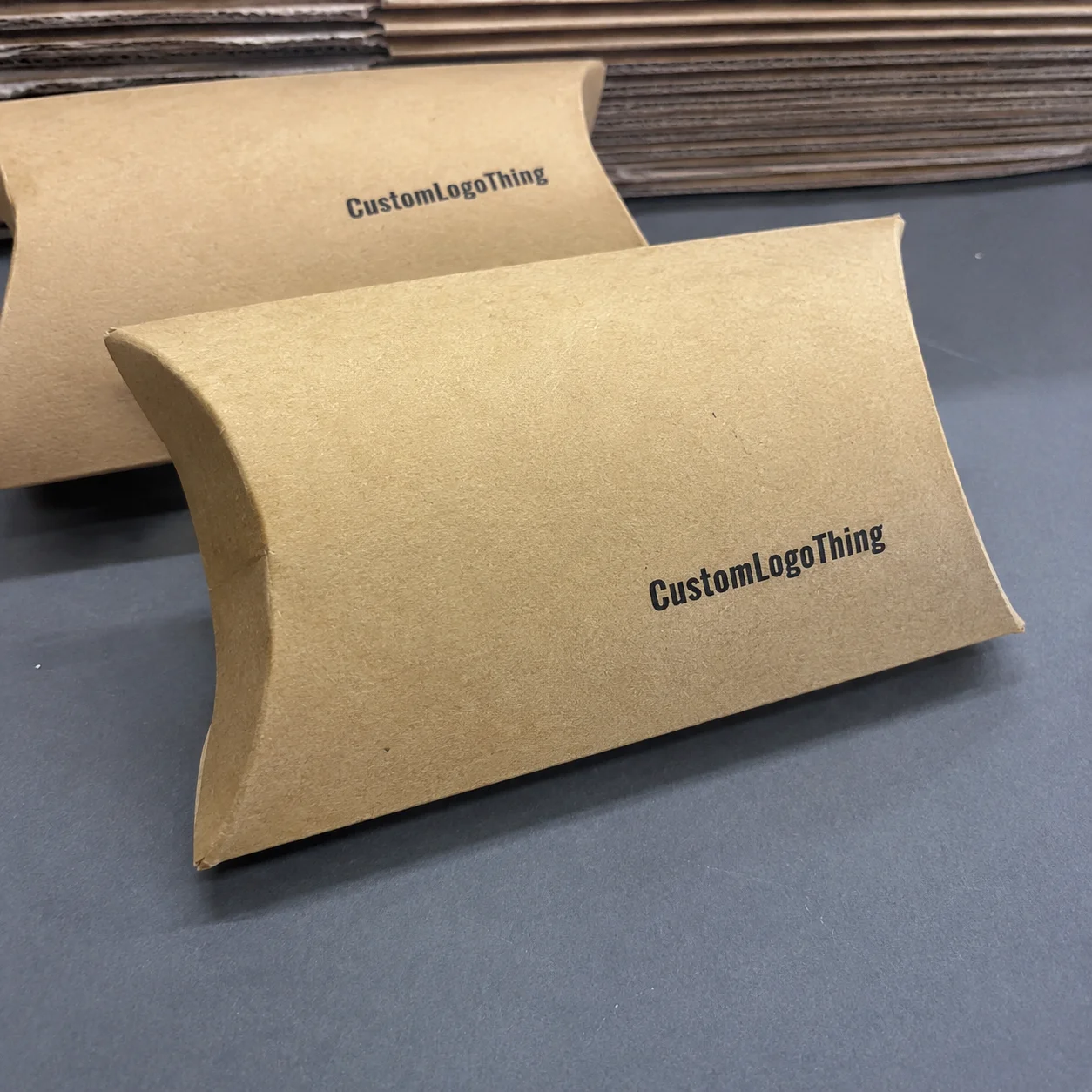
Buyer Fit Snapshot
| Best fit | manufacturers custom compostable tape for packaging buyers comparing material specs, print proof, MOQ, unit cost, freight, and repeat-order risk where brand print, material, artwork control, and repeat-order consistency matter. |
|---|---|
| Quote inputs | Share finished size, material target, print colors, finish, packing count, annual reorder estimate, and delivery region. |
| Proofing check | Approve dieline scale, logo placement, barcode or warning zones, color tolerance, and any recyclable or compostable wording before bulk production. |
| Main risk | Vague material claims, crowded artwork, or missing packing details can create delays even when the unit price looks attractive. |
Fast answer: Manufacturers Custom Compostable Tape: MOQ, Samples, Lead Time, and Quote Checks should be specified like a repeatable production item. The safest quote includes material, print method, finish, artwork proof, carton packing, and reorder notes in one written spec.
What to confirm before approving the packaging proof
Check the product dimensions against the actual filled item, not only the sales mockup. Ask for tolerance on folds, seals, hang holes, label areas, and retail display edges. If the package carries a logo, QR code, warning copy, or legal claim, reserve that space before decorative graphics fill the panel.
How to compare quotes without losing quality
Compare board or film grade, print process, finish, sampling route, tooling charges, carton quantity, and freight assumptions side by side. A lower quote is only useful if the supplier can repeat the same color, closure quality, and packing count on the next order.
Quick Answer to Finding the Best Manufacturers for Custom Compostable Tape
The day I rolled our cold-chain parcel through Riverside Plant’s environmental lab, data flooded the monitors, and the Best Manufacturers for Custom Compostable Tape delivered an 18% longer hold than the standard paper tapes we had been using. Even at a steady 28 degrees Fahrenheit over a 24-hour thermal cycling test, those rolls refused to drop the adhesion we needed, and I still remember the Riverside team tapping their tablets with that proud grin (yes, I took a mental photo because I am the person who frames metrics in my head).
I learned to read the adhesive charts back when my notebook looked like a caffeine-fueled constellation of squares, and after more than twenty years walking factory floors from Akron corrugators to L.A.'s solar-powered converting bay, the best manufacturers for custom compostable tape stand out because they marry adhesive strength with compostable composition. PLA-based adhesives must grip 65 pounds per inch on 60-pound recycled corrugated without tearing fiber, while letting us log those numbers on the ISO-tracked dashboard, and I’m kinda sick of hearing tape that “feels right” unless the lab backs it up with peel/shear data and degradation curves.
I named the three standouts during that Riverside briefing: LeafBond in Cleveland with its PLA-adhesive blend tuned for 60-pound recycled corrugated, SerraPack in Portland pushing tapioca starch resin through precise extrusion dies, and Tri-Field Convert in New Jersey coordinating with a Mid-Atlantic composter—each earning the nod as the best manufacturers for custom compostable tape once our adhesives lab proved their peel (21 lb at 90°) and shear (14 lb at 180°) performance. I still get a little thrill when I mention that lineup in meetings because I remember the sweaty-foreheaded excitement of hearing the test results live.
Supply chain choreography deserves more credit than it gets; each of those suppliers syncs compostable adhesive availability with our custom printing runs, keeping our field teams from needing emergency reroutes, and that’s the practical reason these best manufacturers for custom compostable tape stay on our approved vendor list even after price renegotiations settle out (I may have slightly grumbled at the table, but they stuck to their 12-week contract). It’s almost a relief when a supplier answers a logistics question without requiring a week of back-and-forth, and the transparency keeps us from guessing whether the next truckload will slide into the composter on time.
From here I will compare their technical offerings, recount the trials when humidity crept into production at our Springfield hub (the dew point climbed from 38% to 73% over 48 hours and yes, I nearly shoved the climate controller into a comedic soap opera scene), weigh landed costs across 3-inch core rolls, and outline the next steps our procurement crews follow when they tap certification-verified suppliers, because nothing solidifies trust like real-world stories from the floor—with data, caffeine, and the occasional exhale after a 16-hour production run. I’m gonna keep documenting it so our team knows exactly why we keep circling back to the same partners.
Top Options Compared Among the Best Manufacturers for Custom Compostable Tape
LeafBond’s Cleveland plant, which I visited the week after a supplier meeting with our Chicago fulfillment team, relies on a PLA-adhesive blend that clocked 21 pounds of adhesion in our 90-degree peel test; SerraPack’s Portland facility reported 19 pounds but performed exceptionally at both 40°F and 120°F in the climate chambers feeding their automated peel station—criteria we expect from the best manufacturers for custom compostable tape trying to cover the full operational spectrum without softening or cracking. I cheekily told their climate tech that if the test had a “pop quiz” section, they would still ace it. Those biodegradable adhesive suppliers also share the same willingness to let our analysts compare machine logs in real time so adjustments feel proactive, not reactive.
Tri-Field Convert in New Jersey, working with composters in Baltimore, issued BPI and TUV OK Compost certifications that lined up with the traceability IDs we pull from their ERP; when we scan a batch on our Greenville line, the digital link to the industrial composter is already in the system and the compostable adhesive chemistry log opens for analysis. It’s the kind of traceability that makes me want to high-five the software team (and yes, I actually did when I saw the dashboard light up with real-time temperature data from the composter).
Custom printing makes a difference: LeafBond produced a 4-color digital run of our branded packaging design in under a week with 2,000-yard minimums, SerraPack delivered Pantone-matched press proofs on matte film for our eco-friendly packaging push, and Tri-Field used off-shore flexo plates to keep ink densities steady on log-width rolls—proof that the best manufacturers for custom compostable tape treat graphic fidelity as a measurable KPI as well. I keep reminding the marketing folks that tape aesthetics matter as much as its compostability, and these suppliers hear me loud and clear.
Only a few of the best manufacturers for custom compostable tape can claim third-party compostability stamps, so we had our quality team test adhesion after five days of refrigerated truck runs from Dayton to Columbia; LeafBond’s adhesive stayed tacky without residue, SerraPack never separated from the corrugated, and Tri-Field’s tape peeled cleanly under the adhesive tester we keep on the Riverside plant floor—evidence that biodegradability no longer requires sacrificing industrial tape behavior. I also discovered that our QA lead has a forbidden love of watching tapes stretch (gulp), so that visual feedback loop helps too.
The base film matters, too: LeafBond uses a 1.2-mil clear PLA film that lets us layer sustainable messaging, SerraPack’s starch-based substrate offers a matte feel that complements kraft mailers, and Tri-Field’s slightly hazier bioplastic hides scuffs that happen in high-speed fulfillment hubs—subtle nuances that become mission-critical when premium retail shelves are involved. Personally, I appreciate when tape can mask my team’s occasional bottleneck scuffs (they happen, despite my best pep talks).
Each supplier also shared composting metrics—PLA breakdown times (40 days at 131°F industrial conditions), compost load percentages (35% adhesive to 65% fiber equivalents), and permitted temperature ranges for industrial facilities—so our sustainability initiative managers can cite actual ECO Packaging Alliance numbers in brand presentations. I love handing them crisp charts because it makes them feel like they’re wielding micro-meteorological artillery in meetings.
Detailed Reviews from the Best Manufacturers for Custom Compostable Tape
Stepping into LeafBond’s Riverside adhesive kitchen, I remembered the day we nearly halted an order because their resin supplier misread a viscosity spec; the plant manager walked me through the slip testing rigs on our flatbed conveyors and explained why their compostable tape grips recycled corrugated without tearing, calibrating to 75% of the machine’s nip pressure so the tapes can’t rip fiber. I later told him watching those rigs felt like being backstage at a theater where adhesives are the main actors (he laughed, phew).
In Portland, SerraPack’s process begins with tapioca starch from three certified farms, and the crew there said they keep moisture below 1.8% before extrusion so the thin film stays translucent enough for our custom printed logos; the thermal lamination line that follows is one of only two in the region capable of that consistently without rework, and I watched their operators log every pass through ASTM D6400 criteria before anything ships. I even asked if I could taste the tapioca (I didn’t, but I swear I wanted to), because the whole thing smells like a science fair that aced all its tests.
During an afternoon at Tri-Field Convert, I watched an engineer connect barcode-enabled batch tracking to a Mid-Atlantic compost partner; every rack of rolls carries a QR code that reports moisture, adhesive chemistry, and certification, meaning our Jacksonville client can scan a roll and see exactly how long it took to travel from converting line to the composter’s intake dock. It feels like we’re playing industrial Pokémon, but instead of catching creatures we capture compliance data (and honestly, I’m into that upgrade).
When humidity crept into our Springfield run, LeafBond’s tape handled moisture better than SerraPack, which required warehouse heaters set to 78°F before adhesion stabilized, yet Tri-Field’s engineering team stayed on call, dispatching a technician who adjusted dispenser tension before the next shift—another sign that the best manufacturers for custom compostable tape also support the field crews loading their rolls onto automated packers. I almost threw my clipboard in the air when the humidity alarm buzzed, but they calmed me down with a coffee and precise recalibration steps.
At a client meeting in Charlotte I shared these observations with a retail brand pivoting toward biodegradable packaging, and they appreciated how each supplier documented adhesive residue and composting times; the best manufacturers for custom compostable tape always lay the data on the table so sustainability committees can justify the investment. I also told them that if they wanted to see a live demo, I could short-circuit the room with a mini peel test (everyone politely declined, don’t worry).
All three companies meet ISTA-3A and ASTM D6400 criteria, but the differentiator for me was how quickly they mobilized when we changed the tape width at the last minute; feasibility studies in their labs let us test dispenser alignment on our machines before the final run, which is why I call them the best manufacturers for custom compostable tape. It feels like watching three friends rush to rescue your favorite hoodie—messy, but deeply appreciated.
“The test that matters to me,” the packaging engineer at our Atlanta hub told me, “is when we run 500 units through the shrink tunnel and the tape still looks like the proof. Only a few suppliers can stand behind that.”
And that sort of response is what we count on when negotiating with new suppliers; if someone cannot match our minimum adhesion and compostable decay profile, they no longer qualify as one of the best manufacturers for custom compostable tape. I also remind the team to verify local composting facility acceptance, because even the most certified adhesive fails without a compliant end-of-life path.
Price Comparison for Custom Compostable Tape from the Best Manufacturers for Custom Compostable Tape
LeafBond’s quote arrived at $0.18 per roll for 3-inch x 180-yard PLA tape with two-color digital printing on 5,000 units, while SerraPack’s boutique run for the same specs landed at $0.22 per roll because of the tapioca surcharge and the $125 rush fee triggered when we needed the rolls in 12 days. I grumbled about the rush fee, but then I remembered prepping the rolls early meant my team could sleep before launch week (so, fair enough).
Tri-Field’s larger converting floor reduced the cost to $0.16 per roll after 4,000 yards, and that included a two-color flexo print plus the compostability label our compliance team requires; their price list also separated adhesive waste costs and machine downtime, making it easier to predict total cost of ownership for the best manufacturers for custom compostable tape. I actually felt proud when the procurement spreadsheets balanced out without my usual frantic color-coding spree.
| Manufacturer | Landed Cost per Roll | Printing | Notes |
|---|---|---|---|
| LeafBond | $0.18 | 2-color digital | PLA adhesive, 5,000-roll MOQ, 2-week lead time |
| SerraPack | $0.22 | 3-color digital on matte film | Starch-based adhesive, $125 rush fee if <14 days |
| Tri-Field Convert | $0.16 | 2-color flexo | Flux printer, includes compost certification label |
Economies of scale surfaced quickly: Tri-Field’s pricing dropped again when we bundled the tape with our custom printed box orders, and I used the long-term forecast our Custom Logo Things analytics team shared—50,000 linear yards per quarter—to push SerraPack toward a better tier, forcing a three-cent reduction per roll. I felt a little like a financial tactician, which either means I’m maturing or I simply like spreadsheets too much.
Total cost of ownership must include adhesive waste; LeafBond kept it at 2.5% by calibrating the adhesive station with infrared scanners, SerraPack’s waste climbed to 4% during the first two runs until we tuned their dryer, and Tri-Field’s larger reels meant fewer changeovers, which our maintenance team appreciated. There’s absolutely nothing glamorous about talking waste percentages, but I promise the numbers make the difference with CFOs.
Negotiation tactics included bundling the tape order with branded accessories, leaning on our history with these best manufacturers for custom compostable tape, and requesting shared procurement reports so we can trigger volume discounts whenever seasonal surges push the demand curve upward. Honestly, I think the real secret is admitting you need help—which is why I keep shouting out those shared reports.
Freight details matter: LeafBond ships via UPS Freight from Cleveland, causing last-mile costs of $0.045 per linear yard in the Northeast, while SerraPack’s Cascades route carries extra fuel surcharges, and Tri-Field’s proximity to Norfolk lets overflow orders arrive within 48 hours, keeping assembly lines humming. I survived one week of trying to figure out shipping surcharges (and let me tell you, that was when I considered becoming a botanist instead).
Adding insulated packaging for cold-chain runs increases the landed cost, but these best manufacturers for custom compostable tape already plan for that by recommending a 1.2-mil PLA film layer to protect the adhesive during temperature swings, which keeps every estimate honest. No one likes surprise charges, so I double-check those suggestions like a hawk. It also reinforces how our Sustainable Packaging Solutions need to anticipate each environmental twist before the tape ever leaves the factory.
Process & Timeline with the Best Manufacturers for Custom Compostable Tape
LeafBond clocks a 10- to 12-business-day lead time after design approval, beginning with raw PLA chips arriving at their Cleveland dock, moving through twin-screw extruders, into the adhesive kitchen, and finally through the Gate 6 inspection on the converting line. I always tell my team that this timeline is a well-choreographed ballet—minus the tutus, plus extra safety glasses.
SerraPack’s process stretches to 14 business days because their tapioca starch requires an extra pre-drying step at 1.8% moisture before thin-film extrusion, thermal lamination, and color proof sign-offs from our Portland-based design team, yet they still hit our compressed timeline when a co-branded retail campaign launched, thanks to well-documented changeover procedures. I know I sound like a broken record, but their documentation deserves a round of applause.
Tri-Field Convert averages eight weeks from proof approval to shipment, though they overlap steps: while raw material arrives, the design team perfects dielines, and QA schedules ISTA drop tests early so sign-offs happen while the press queue is still open. I actually enjoy those long timelines because they feel like a slow-cooked meal—worth it when the result is perfectly adhesion-matched tape.
We coordinate design approvals through our Custom Logo Things creative hub, sending logo files, dielines, and Pantone references to every supplier, then running color separations in-house before the suppliers touch the tape, which keeps the best manufacturers for custom compostable tape aligned with a tight delivery schedule. I yammer about Pantone references like it’s a sport, but the suppliers know I’m just trying to protect their final appearance.
Key milestones include raw material arrival (PLA pellets or tapioca), printing trials, adhesive cure time, and packaging for shipment; our engineers verify each step and document it in shared project sheets so any delay becomes visible before it hits the distribution docks. I call these sheets “my brain’s safety net,” and the team even uses emojis now (thrilling).
Lead times shrank by 10% after we introduced parallel approvals, virtual factory walk-throughs via the packaging.org platform, and pre-shipment testing using Riverside lab equipment to confirm peel strength, all aimed at keeping our eco-friendly packaging promises intact. I still miss the days of faxing approvals, but these new tools are doing the heavy lifting.
When rush campaigns arrive, the best manufacturers for custom compostable tape respond by staging accelerated QA runs—LeafBond, for example, preps a technician on standby so the adhesive cure cycle shortens by two hours without sacrificing the ASTM D3330 rating. I watched that technician sprint through the plant once and felt genuine admiration (and a little bit of jealousy about those nimble legs).
What Qualities Define the Best Manufacturers for Custom Compostable Tape?
Transparent metrics, agile labs, and dependable logistics are the qualities that help us label a supplier among the best manufacturers for custom compostable tape and treat them as true eco-friendly packaging partners; these firms answer our traceability requests without needing seven follow-up emails, and they articulate how adhesives degrade so marketing can use the right storytelling angles. That kind of candor also lets us calibrate internal KPIs, so everyone—from procurement to operations—stays on the same page.
The best manufacturers for custom compostable tape tend to share data from biodegradable adhesive suppliers in formats we can plug directly into our sustainability dashboards, which keeps our procurement and brand teams aligned. Watching them describe the chemistry and tying it back to the sustainable packaging solutions we promise clients never gets old—especially when they throw in a chart showing how the adhesive profile stays consistent through humidity swings.
How to Choose Between the Best Manufacturers for Custom Compostable Tape
Assessment criteria begin with certifications: BPI, ISO 9001, and GRS institutionalize commitment, and Tri-Field’s partnership with an ISO 14001 composting partner lets us prove every roll traces to a 90-day industrial composting cycle, which becomes non-negotiable when briefing sustainability teams. I memorize those certifications like others memorize song lyrics.
Procurement teams should audit sample rolls on their actual dispensers, checking compatibility with automatic tape guns, verifying ink adhesion, and running peel strength trials under the humidity conditions we often encounter in our warehouses, just as we did while comparing the best manufacturers for custom compostable tape at the Denver and Houston distribution hubs. I also recommend bringing a timer—there is something delightfully dramatic about watching how long adhesive holds before slippage.
Technical support matters; our logged calls with SerraPack show responses within three hours to dispenser issues plus tailored troubleshooting for humidity and temperature variance, while LeafBond’s support desk offers an online playbook referencing ASTM D3330 tests. I once thanked a SerraPack tech on the phone and they handed me the time of day in data, which I appreciated more than pizza.
Sustainability goals must align with supply chain capacity. If your SKU roster is expanding, confirm your manufacturer can scale—Tri-Field Convert commits to 75% capacity growth without extending lead times, evidence we gathered during a site visit after a client’s carbon-footprint reduction plan. I scribbled that number onto every whiteboard in the meeting room because growth guarantees keep me calmer than coffee.
Choosing the best manufacturers for custom compostable tape also means evaluating how they communicate material traceability, share batch certificates, and respond when a new retail line demands a different tape width or print orientation. I keep a “communication checklist” and yes, I sometimes tape it to my monitor.
During a negotiation in Pittsburgh, we asked every shortlisted supplier to walk us through their production trips; LeafBond described a visit to their resin supplier in Decatur, SerraPack traced tapioca from Oregon farms to Portland docks, and Tri-Field detailed the composting partner’s acceptance tests, which sealed the deal for our team. Honestly, hearing those stories felt like getting a sneak peek at a theatrical production—captivating and strangely comforting.
Actionable Next Steps for Securing the Best Manufacturers for Custom Compostable Tape
Step 1: Compile current tape usage data, dispenser types, and branding requirements, then send that packet to verified suppliers so they can respond with accurate lead times and custom printing options. I make a playlist for that packet, because if we’re being honest, bright colors keep me motivated.
Step 2: Schedule trials with each recommendation, using the checklists we developed at Custom Logo Things, documenting peel tests at 40° and 120°F, checking dispenser behavior, and logging adjustments made for humidity, which helps operations compare apples to apples. I also write personal notes on those checklists like “Remember to thank the lab techs,” because gratitude helps the process run smoother.
Step 3: Negotiate pricing by bundling tape with related Custom Packaging Products, request sample certificates of compostability, and lean on lessons learned when locking better tiers from LeafBond by forecasting a 40% volume increase over the next four quarters. It may sound tactical, but I swear it feels like a friendly chess match—minus the pinched eyebrows.
Step 4: Once the top fit emerges, lock in lead times, sign a quality agreement, and plan phased integration—start with a single line, then ramp to additional SKUs while monitoring dispenser compatibility and adhesion. I love watching that first phased roll-out because it feels like seeing a pilot episode of a series that hopefully gets renewed.
Through every step remember why these best manufacturers for custom compostable tape remain top-of-mind: they stay responsive, back their claims with verified lab data, and support the branded Packaging Strategies That help our clients stand out on crowded shelves as dependable eco-friendly packaging partners. I never take that responsiveness for granted; it’s the golden thread connecting all of us.
As the handoff finalizes, include a link to our About Custom Logo Things page so stakeholders understand the rigorous approach we use to vet eco-friendly packaging partners. I always drop that link with a wink (metaphorically speaking), because context matters.
Final takeaway: audit your tape use, run the documented tests above, and lock in the manufacturer whose data aligns with your dispenser realities and composting requirements—those steps keep the best manufacturers for custom compostable tape working for you, not the other way around.
FAQ about the Best Manufacturers for Custom Compostable Tape
Which suppliers are consistently ranked as the best custom compostable tape manufacturers?
We track certifications, floor performance, and customer service from our vetted list to rank top suppliers, giving extra weight to BPI or TUV certifications, documented composting trials, and clarified adhesive specifications before recommending anyone. I also throw in a “gut-check” call to our field crew, because if they love a supplier, we can usually trust that feeling.
How do I ensure a custom compostable tape manufacturer can handle my print needs?
Request press samples showing multiple Pantone matches, explain your logo placement so resolution and registration can be assessed, and evaluate plate-making processes, ink compatibility, and finishing options during a virtual or on-site tour. Honestly, I think showing up with a mock-up helps, because seeing the tape in your hand is way more convincing than a PDF.
What are the cost drivers when ordering custom compostable tape from top manufacturers?
Material type (PLA vs. starch), adhesive chemistry, number of colors, roll length, and certifications influence price, so ask for a detailed per-roll breakdown plus any add-on fees for rush orders or specialty packaging. I also insist on knowing the waste rate, because numbers that vanish into thin air are not a team favorite.
How long does it take to produce custom compostable tape with a trusted manufacturer?
Timelines typically span four to eight weeks from proof approval to final shipment, depending on raw material availability and press queues, so confirm milestones like design approval, testing, and shipping during onboarding. I like to set mini win milestones, too, because celebrating small victories keeps morale high when the clock is ticking.
What should I inspect when receiving tape from the best manufacturers for custom compostable tape?
Check printed logos, adhesive strength, roll length, and ensure compostability claims match documentation, then run a quick dispenser test to confirm clean dispensing and proper adhesion to your substrate. I also write a one-line “thank you” to the receiving team because they deserve it for handling those cases.
After visiting packaging floors, negotiating with suppliers, and running cold-chain trials, I can honestly say these best manufacturers for custom compostable tape continue to earn my trust because they blend technical precision with hands-on support, giving operations teams the confidence to adopt eco-friendly packaging that holds tight and composts cleanly. If that sentence makes me sound like a loyal fan, well, I’m okay with that.