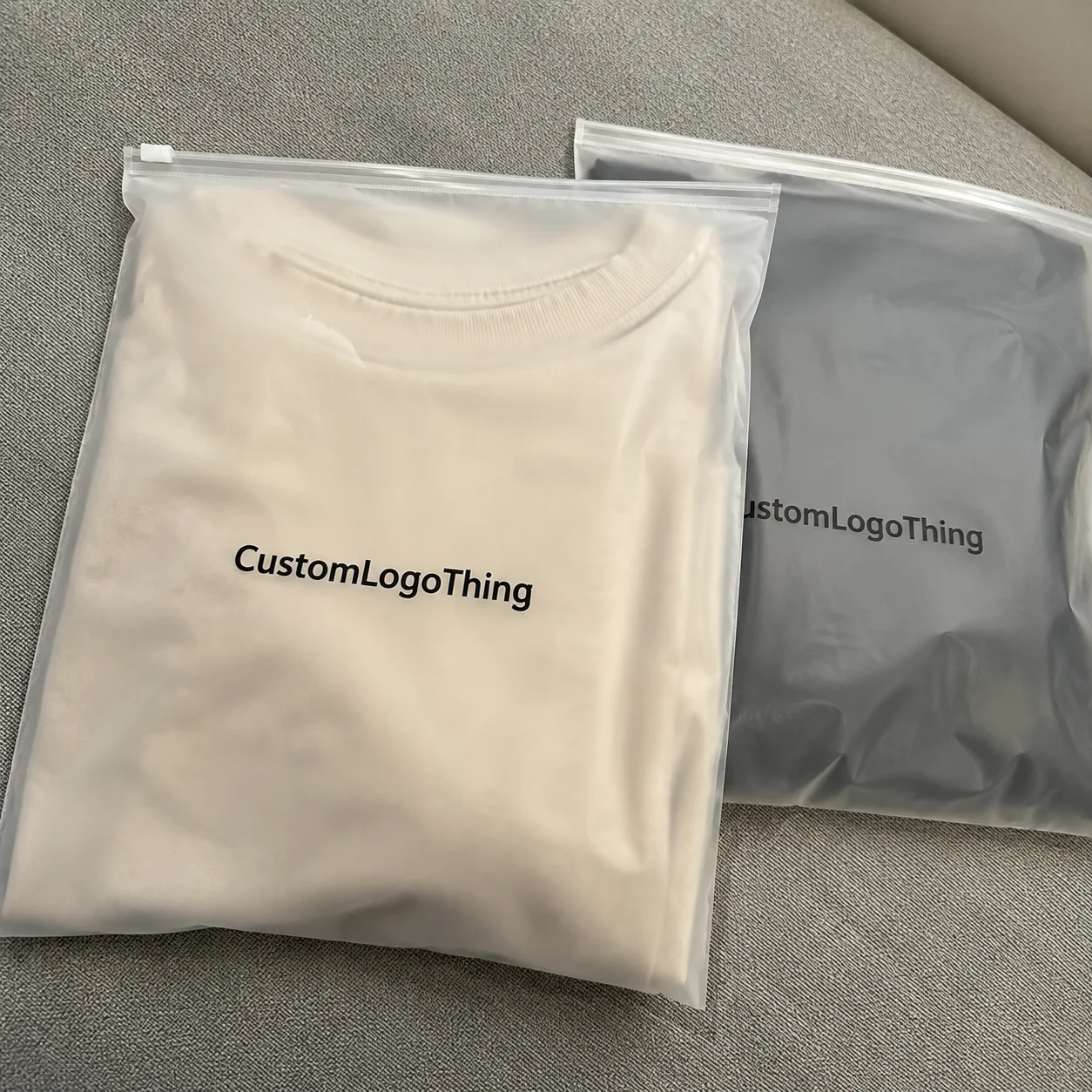
Custom Courier Bags Sample Approval Checklist: What It Prevents

A courier bag can look fine on a desk and still fail the first time it meets a folded hoodie, a 4 x 6 shipping label, warehouse dust, and pressure from a sorting belt. That is why a Custom Courier Bags sample approval checklist matters. It is the buyer's last controlled inspection point before thousands of bags move into production.
Sample approval is not paperwork. It is risk control. A 3 mm print shift sounds minor until the logo looks off-center in every customer photo. A weak adhesive closure can turn a 12-cent mailer into a repack, a replacement shipment, and a support ticket. A film downgraded from 70 microns to 55 microns may feel close in your hand; puncture resistance, opacity, and perceived quality can still change sharply.
The bag itself is rarely the largest cost of failure. Labor is. Reshipping is. Marketplace penalties, return handling, and lost trust often exceed the unit cost by 10 to 50 times, especially for ecommerce brands sending hundreds or thousands of parcels each week.
A useful checklist covers dimensions, material gauge, color, logo placement, print clarity, adhesive performance, opacity, tear resistance, barcode scannability, carton labeling, and final sign-off rules. It also defines which sample is being approved. Digital proofs, blank material swatches, printed pre-production samples, and production-run samples pulled from the line do not prove the same thing.
The aim is not to admire the sample in isolation. The aim is to confirm that the courier bag performs during packing, storage, shipping, scanning, and brand presentation. Pretty helps. Functional is non-negotiable.
Buyer rule: never approve a courier bag sample until it has been packed with the real product, sealed, labeled, scanned, flexed, and left closed long enough to expose adhesive or film problems.
How Sample Approval Works Before Bulk Courier Bag Production
The usual approval chain looks simple: inquiry, bag size, artwork, material selection, digital proof, physical sample, testing, revisions if needed, and final written approval before production scheduling. Most expensive mistakes hide in the gaps between those steps.
A PDF proof and a physical sample answer different questions. The PDF confirms layout, spelling, barcode placement, suffocation warning text, and logo scale. It cannot confirm film feel, adhesive grip, opacity, odor, ink rub resistance, or whether the bag opens cleanly on a packing bench. Branded packaging often gets approved as a design object before anyone has tested it as a shipping component.
The supplier should send the sample with specific details attached: finished bag size, internal usable size if available, film type, thickness in microns or mils, print method, color references, closure type, tolerance range, and production notes. If the sample is handmade rather than machine-made, record that in the approval file. Hand samples can help with design checks, but they may not represent seal strength, edge finish, or exact registration from bulk production.
Written approval matters because the approved sample usually becomes the production benchmark. If a dispute appears later, the useful question is not "what did we remember approving?" It is "what did the dated proof, measured sample, quote, and sign-off say?" That conversation is cleaner and shorter.
Artwork files need the same discipline. Use vector logo files where possible, usually AI, EPS, or print-ready PDF. Specify Pantone or CMYK references, safe zones, bleed, barcode files, and required warnings. In the United States, many plastic bags above certain opening sizes require suffocation warnings depending on state or retailer rules. Sustainability claims need caution. The EPA recycling guidance is a useful reality check because vague environmental claims can create more risk than value.
Ecommerce buyers should test samples with actual products. Apparel, documents, cosmetics, small electronics accessories, and boxed retail packaging stress a courier bag differently. A soft T-shirt creates bulge. A cosmetics carton creates corners. A document pack needs flatness and privacy. One bag size rarely behaves the same across a full product range.
Traceability does not need to be complicated. Date the sample, photograph it, label it, and link it to a quote or purchase order. A custom courier bags sample approval checklist should sit beside the proof and quote, not disappear into a scattered chat thread.
Specs to Check: Size, Thickness, Seals, Print, and Closure
Start with size. Measure the internal usable space, not only the outside dimensions. Side seals, bottom seals, and flap depth reduce packing room. A bag sold as 10 x 13 inches may not comfortably fit a folded sweatshirt if the seal eats into the width or the flap is too short once the product creates thickness.
Thickness comes next. Courier bags are often specified in microns or mils. One mil equals 0.001 inch, or about 25.4 microns. Lightweight custom poly mailers may sit around 45 to 60 microns, while sturdier ecommerce mailers often run 60 to 90 microns depending on size, contents, and brand preference. A slightly thinner film can look similar on a table, yet puncture resistance and opacity may drop fast.
Test the seals with the intended product weight inside. Press the sides, bend the bag lightly, and inspect the seams. Do they stretch? Split? Turn white under stress? Whitening can signal that the film or seal area is being pushed close to failure. ASTM packaging test methods, including several film and seal strength procedures, are useful reference points for formal quality control programs, though many smaller buyers begin with practical bench tests.
The adhesive strip deserves its own inspection. Peel the liner. Does it remove cleanly or tear? Close the flap and check alignment. Leave the bag sealed for 24 to 48 hours, then try to open it without cutting. A true tamper-evident strip should show obvious damage if opened. If the adhesive releases cleanly, loss prevention and customer confidence both take a hit.
Print inspection is more than deciding whether the logo looks attractive. Check logo sharpness, edge clarity, registration, color consistency, and ink rub resistance. Fine text should remain readable at normal viewing distance. Rub the printed area with a dry finger, then with a label backing or carton edge. Some ink systems need curing time; rush schedules often reveal weakness here.
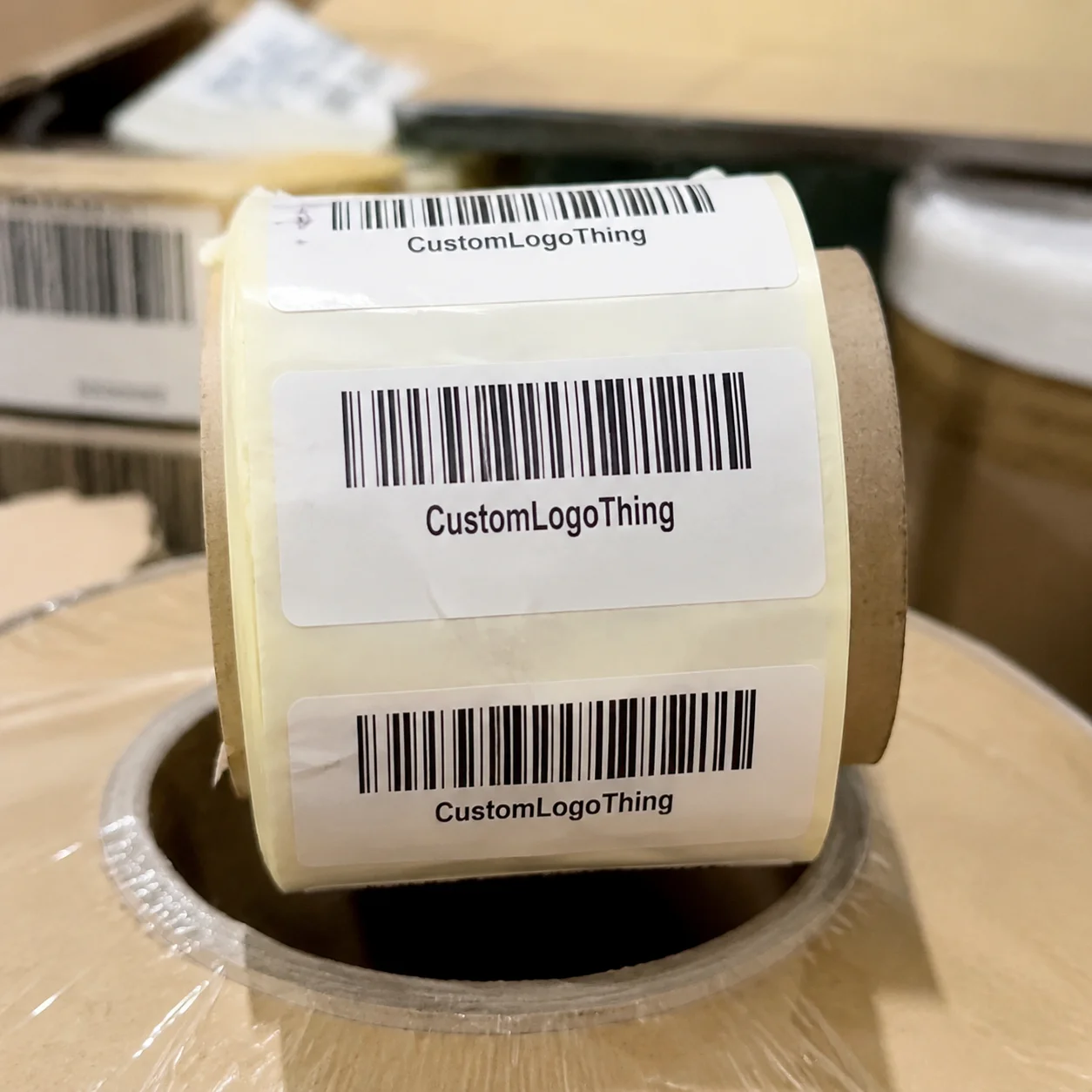
Barcode and QR code checks are easy to skip. Do not skip them. Scan printed codes under normal warehouse lighting, then scan again after the bag has been flexed, labeled, and handled. A code that scans on flat artwork may fail on wrinkled plastic, especially if it is too small or printed with low contrast. Add the scan result to the approval file, not just to memory.
Opacity is another practical issue. A white mailer may hide a black T-shirt but reveal an invoice, jewelry box, or contrast-heavy product packaging. For privacy-sensitive orders, test with real inserts. If the product shows through, ask about co-extruded film, gray inner layers, black interior film, or thicker material.
Flexible packaging has normal tolerances. A few millimeters of size variation or small color movement may be acceptable, depending on the print method and order. Wrong film thickness, weak closure, unreadable barcode, missing warning text, or a seal that fails under product weight should stop approval. The checklist should separate acceptable variation from defects that require correction.
Pricing, MOQ, and Unit Cost Checks Before You Approve
Sample approval should include commercial confirmation, not only physical inspection. A technically correct courier bag can still be wrong for the order if the MOQ, freight basis, or unit cost changed during sampling. Buyers often focus on print quality while the quote quietly shifts from 70 microns to 60 microns, or from two-color printing to one-color printing. That is not the same bag.
Confirm the pricing variables line by line: size, film thickness, material structure, print colors, ink coverage, closure type, order quantity, packing method, carton quantity, shipping destination, and freight term. For custom printed courier bags, the unit price usually improves as volume rises because plates, setup, artwork handling, and machine preparation are spread across more units.
As a broad planning range, a simple one-color custom poly mailer may land around $0.08 to $0.18 per unit at higher quantities. Smaller orders, thicker film, larger formats, full-coverage print, or specialty materials can move into the $0.18 to $0.45 per unit range or higher. Material markets, freight, location, and order size all matter. The range is not a rule; it is a way to spot quotes that need questions.
| Approval item | Typical buyer check | Cost impact if changed |
|---|---|---|
| Film thickness | Confirm 60, 70, or 90 microns against sample label | Thicker film raises material cost and shipping weight |
| Print colors | Match proof to quote: 1-color, 2-color, or full coverage | More colors can increase plate, setup, and waste costs |
| Bag size | Measure usable width, height, and flap depth | Oversized bags increase film use and carton volume |
| Closure type | Check permanent, resealable, or tamper-evident strip | Special adhesive systems may increase MOQ or unit price |
| Packing format | Confirm bundles, cartons, roll pack, or loose pack | Different packing affects labor, freight, and warehouse handling |
MOQ deserves plain language. Custom printing becomes more economical at higher quantities because the setup work is front-loaded. A 5,000-piece order might carry a meaningfully higher unit cost than a 20,000-piece order, even with the same artwork. The largest run is not automatically smarter. Inventory ties up cash, takes space, and can become obsolete if your package branding changes.
Compare the approved sample against the final quote. If the sample is 70 microns and the quote says 60 microns, pause until the discrepancy is fixed. If the sample has a matte surface and the quote lists standard glossy film, ask which one will be produced.
Setup and tooling costs should be visible: printing plates, cylinder charges, special material surcharges, sample fees, and rush fees. Ask for price breaks at several quantities, such as 5,000, 10,000, 25,000, and 50,000 units. A custom courier bags sample approval checklist should include the commercial snapshot so the approved product and the priced product match.
If you are comparing courier bags with custom printed boxes, mailer boxes, or other product packaging, keep the evaluation consistent. Custom Logo Things has broader Custom Packaging Products, but a courier bag approval file still needs its own measurements, material notes, and fulfillment tests.
Process Timeline and Lead Time From Sample to Shipment
A realistic timeline has more steps than many buyers expect: artwork preparation, proofing, sample making, courier transit, buyer testing, revisions, final approval, production scheduling, manufacturing, quality inspection, packing, and shipment. Production may take 12 to 20 business days after final approval for many custom printed courier bag orders, but that range can stretch with complex print, special films, factory capacity, or freight constraints.
The slowest step is often not machine time. It is delayed artwork feedback, unclear color references, missing barcode files, or repeated sample changes. A supplier can print only what has been clearly approved. Vague comments create loops. A completed checklist reduces those loops because each change has a measurable instruction.
Ask when the production clock starts. Some suppliers count lead time from deposit. Others count from artwork approval. Many count from final signed sample approval. Those are different dates, and they can be a week or more apart.
Buyers usually have four decision paths. Approve as-is. Approve with minor notes that do not require a new physical sample. Reject and resample. Move forward under a signed tolerance agreement, which should be used carefully. If the issue affects shipping performance, resampling is usually the cleaner choice.
Rush orders carry risk. Accelerated timelines may reduce available time for ink curing, adhesive aging checks, or full quality inspection. Rush production does not automatically fail. It does mean the buyer should know which checks are being compressed.
Freight timing should be separated from production timing. Air freight, sea freight, local delivery, and customs clearance are not the same. A quote that says "30 days" without splitting manufacturing, inspection, and transit is too vague for a launch plan. For brands coordinating retail packaging, custom printed boxes, and courier bags together, one late component can hold the whole shipment.
Build the sample approval deadline backward from the real business date: launch, stock-out risk, campaign start, marketplace onboarding, or warehouse receiving appointment. No bulk production should begin until the buyer has tested the bag with real products and confirmed artwork, specs, pricing, and delivery expectations in writing.
What Should a Custom Courier Bags Sample Approval Checklist Include?
A custom courier bags sample approval checklist should include the physical specification, the print specification, the performance test, the commercial record, and the final sign-off. That sounds larger than it is. Most teams can capture the essentials on one page if they stop treating approval as a casual email reply.
For the physical specification, record outside size, internal usable size, flap length, film thickness, material structure, seal width, closure type, opacity, and packing format. Add the measurement tool used if accuracy matters. A ruler is better than eyesight. A thickness gauge is better than squeezing the bag between two fingers and guessing.
For the print specification, attach the approved artwork proof and record logo position, ink colors, print method, print area, barcode size, barcode location, warning text, recycling marks, and any required retailer or marketplace information. If the sample uses Pantone references, place those references beside the artwork file name.
For the performance test, pack the real product, seal the flap, apply the shipping label, scan every code, flex the bag, and leave it closed overnight. Then inspect the adhesive, side seals, bottom seal, print rub, label adhesion, opacity, and product fit. This is the moment where a sample stops being a prop and starts acting like packaging.
For the commercial record, confirm MOQ, unit price, setup fees, sample fees, freight term, production lead time, carton quantity, and shipping destination. If any commercial term is tied to a different film thickness, quantity, or print option, flag it before production starts.
Common Sample Approval Mistakes That Create Bulk Order Problems
The most common mistake is approving by appearance only. Courier bags are functional packaging. Performance matters as much as branding, and sometimes more. A beautiful mailer that opens during transit becomes a logistics problem, not a design achievement.
Color assumptions sit near the top of the risk list. Screen colors, digital proofs, and printed ink on plastic rarely match perfectly unless references and tolerances are agreed upfront. Pantone matching on plastic film can be affected by film color, ink opacity, surface treatment, and print method. If exact package branding matters, Request a Printed color drawdown or physical sample under the intended film structure.
Testing empty bags is another trap. Empty mailers hide puncture issues, stretching, closure weakness, and label adhesion problems. Pack the actual SKU. If the product line varies, test the hardest case: the heaviest garment, the sharpest corner, the fullest bundle, or the item most likely to press against a side seal.
Warehouse workflow often gets ignored. Can packers open the bag quickly? Does the liner peel off in one piece? Is there enough flat space for a 4 x 6 label? Does the scanner read the barcode when the bag is slightly wrinkled? A difference of two seconds per parcel sounds tiny, but at 1,000 parcels per day it becomes more than half an hour of labor.
Approving without measuring is risky because human eyes are poor at spotting small size changes. A few millimeters can matter for folded apparel, boxed accessories, or document packs. Use a ruler, caliper, or thickness gauge if available. Record the numbers in the custom courier bags sample approval checklist.
Informal approval through chat messages also causes trouble. A message saying "looks good" without the final proof, quote, and specifications attached can mean different things to the supplier and the buyer. The checklist should be the shared reference, not a loose conversation.
Compliance details are easy to miss because they are not exciting. Suffocation warnings, recycling marks, country-of-origin details, marketplace packaging rules, and retailer-specific label zones may be required. Sustainability claims need extra caution. If using paper-based mailers or FSC-certified components in broader packaging programs, confirm claims against FSC guidance and supplier certificates before printing logos or statements.
Build Your Approval File Before Production Starts
Create one approval file before releasing the order. It should contain the quote, artwork proof, sample photos, measured specs, testing notes, revision history, and final approval message. Simple. Boring. Very useful.
Photograph the approved sample from the front, back, side seals, bottom seal, closure strip, print details, barcode area, and carton label if supplied. Photos should include a ruler where size or print position matters. Record width, height, flap length, film thickness, seal width, print position, and agreed tolerances. Attach those photos to the custom courier bags sample approval checklist so the approved standard is visible later.
Run a practical test. Pack the intended product. Close the bag. Apply a shipping label. Scan any codes. Leave it sealed overnight. Flex it by hand. Drop it lightly from packing-bench height, around 30 to 36 inches, onto a clean surface. Inspect the seals, corners, print, label adhesion, and closure. This is not a substitute for formal ISTA transit testing for high-risk shipments, but it is far better than approving an empty bag from a photo.
Mark every issue as approve, revise, or reject. Vague comments such as "make it better" slow production because they are not production instructions. Say "move logo 8 mm upward," "increase film to 70 microns," "barcode must scan after flexing," or "replace adhesive strip because closure lifts after 24 hours."
Request a revised sample if the size changes, thickness changes, adhesive changes, print colors change, barcode changes, or any issue affects shipping performance. For cosmetic adjustments only, a revised digital proof may be enough. For functional changes, physical testing is the safer path.
If you are also developing mailer boxes, retail inserts, or other Custom Packaging Products, keep each approval file separate. Product packaging systems work together, but each component has its own failure points.
Use the checklist as a go/no-go tool before releasing the order to bulk production. Send the completed checklist, signed proof, approved sample reference number, and final quote confirmation to the supplier before paying the balance or authorizing production. The best approval files are not elaborate. They are specific enough that a production team, buyer, and quality inspector can all point to the same standard.
FAQ
What should a custom courier bag sample approval checklist include?
It should include bag dimensions, film thickness, material type, print color, logo placement, adhesive closure, seal strength, opacity, barcode scannability, packing method, quote details, MOQ, and final written approval. A custom courier bags sample approval checklist should also include real-product testing notes, because filled courier bags behave differently than empty samples.
Do I need a physical sample if I already approved the courier bag artwork?
Yes, if timing and budget allow. Artwork approval confirms layout, spelling, and branding, but a physical sample confirms film feel, closure strength, print quality, opacity, and size fit. For repeat orders with no changes, a retained approved sample and production proof may be enough, but new sizes, materials, or print changes should be sampled.
How long does custom courier bag sample approval usually take?
The timeline depends on artwork readiness, sample complexity, factory schedule, and shipping method. The approval process can move quickly when files are complete and feedback is specific. Buyers should separate sample-making time, sample transit time, internal testing time, and bulk production lead time instead of relying on one blended estimate.
Can sample approval affect the final price of custom courier bags?
Yes. Changes to thickness, size, material, print coverage, print colors, adhesive type, order quantity, or packing format can change the unit cost and MOQ. Before approving, compare the sample specifications against the final quote so the approved product and priced product are identical.
When should I reject a custom courier bag sample instead of approving it?
Reject or request a revised sample if the bag is the wrong size, the adhesive fails, the seal splits, the print is unclear, the color is outside agreed tolerance, or the barcode cannot scan reliably. You should also reject the sample if compliance marks, warning text, material details, or agreed branding elements are missing. A final custom courier bags sample approval checklist keeps that decision factual instead of emotional.