Buyer Fit Snapshot
| Best fit | minimalist custom packaging for apparel buyer review for packaging buyers comparing material specs, print proof, MOQ, unit cost, freight, and repeat-order risk where brand print, material, artwork control, and repeat-order consistency matter. |
|---|---|
| Quote inputs | Share finished size, material target, print colors, finish, packing count, annual reorder estimate, and delivery region. |
| Proofing check | Approve dieline scale, logo placement, barcode or warning zones, color tolerance, and any recyclable or compostable wording before bulk production. |
| Main risk | Vague material claims, crowded artwork, or missing packing details can create delays even when the unit price looks attractive. |
Fast answer: Minimalist Custom Packaging for Apparel Buyer Review: Material, Print, MOQ, and Cost should be specified like a repeatable production item. The safest quote includes material, print method, finish, artwork proof, carton packing, and reorder notes in one written spec.
What to confirm before approving the packaging proof
Check the product dimensions against the actual filled item, not only the sales mockup. Ask for tolerance on folds, seals, hang holes, label areas, and retail display edges. If the package carries a logo, QR code, warning copy, or legal claim, reserve that space before decorative graphics fill the panel.
How to compare quotes without losing quality
Compare board or film grade, print process, finish, sampling route, tooling charges, carton quantity, and freight assumptions side by side. A lower quote is only useful if the supplier can repeat the same color, closure quality, and packing count on the next order.
The best Minimalist Custom Packaging for apparel often does something first-time buyers do not expect: it strips away visual clutter, then makes the garment feel pricier. I remember holding a $0.42 kraft mailer from a supplier in Dongguan next to a glossy box that cost $1.68 per unit at 5,000 pieces and thinking, “Well, that’s annoying.” The cheaper option looked better. Not louder, not shinier, just better. Because the structure, print restraint, and fit were right. That kind of result shows up again and again on factory floors and in client meetings in Shenzhen, Guangzhou, and Ho Chi Minh City, which is why the best minimalist Custom Packaging for Apparel is rarely the loudest option on the table.
Too many brands overpack because they confuse decoration with value. A clean white rigid box, a one-color logo, or a natural kraft sleeve can do more for package branding than ten colors and a foil stamp with nowhere to go. Honestly, I think that’s where a lot of teams go sideways: they ask for “premium” and accidentally order visual noise. The best minimalist Custom Packaging for Apparel depends on product weight, shipping method, and where the brand wants to sit between DTC basics and luxury. The smartest choices usually come from restraint, not excess, especially when a 350gsm C1S artboard mailer or a 2mm greyboard rigid box can already carry the message.
Quick Answer: Best Minimalist Custom Packaging for Apparel
If you want the short version, the best minimalist custom packaging for apparel is usually one of five formats: mailer boxes, rigid boxes, kraft sleeves, poly mailers, and tissue-wrapped sets. Each one solves a different problem. Mailer boxes work well for folded tees and hoodies. Rigid boxes feel premium for knitwear and gifting. Kraft sleeves stay simple and low-ink. Poly mailers win on shipping cost. Tissue-wrapped sets can lift an otherwise plain shipper, especially for subscription apparel. In most supplier quotes I’ve seen, the difference between a plain kraft sleeve at $0.22 and a custom mailer at $0.94 per unit can be the difference between “nice” and “why is logistics upset?”
My decision rule for apparel packaging starts with the garment type, then the shipping lane, then the amount of unboxing theater the brand actually needs. I learned that the hard way after approving a beautiful presentation box for a basic tee line, only to watch fulfillment treat it like a tiny, expensive problem. A 180gsm cotton tee shipped direct-to-consumer does not need the same construction as a $280 cashmere sweater. The best minimalist custom packaging for apparel is the one that protects the item, fits the warehouse process, and looks intentional in the customer’s hands. If it adds 18 seconds to each pack-out, it may be pretty and still be wrong.
For quick positioning, I’d rank the common use cases like this: DTC basics usually favor mailer boxes or kraft sleeves; premium streetwear often works best with matte mailer boxes and one-color print; luxury knitwear benefits from rigid boxes with soft-touch lamination or uncoated stock; subscription apparel tends to do well with mailers and Tissue Inserts That keep pack-out fast. The best minimalist custom packaging for apparel is not one-size-fits-all, and anyone selling that idea is skipping the part where margins get tested in Los Angeles, Chicago, and Manchester warehouses.
Tradeoffs matter. Minimal designs can cut print costs, reduce inventory complexity, and improve sustainability scores, but they can also look unfinished if the board, fold lines, or logo placement are sloppy. In my experience, the best minimalist custom packaging for apparel balances five things: cost, sustainability, durability, print flexibility, and storage efficiency. Leave one out, and the packaging may look good in a mockup while disappointing the moment it reaches the warehouse. A 12 mm taller carton can also push postage into a worse bracket, which is the sort of detail that quietly changes a quarterly report.
Top Minimalist Custom Packaging Options Compared
I’ve sat in enough supplier negotiations to know that “minimal” can mean excellent or lazy. The best minimalist custom packaging for apparel relies on disciplined packaging design, not just fewer graphics. A one-color logo on 350gsm natural kraft can look refined. The same logo on a flimsy, warped box can look like somebody ran out of patience halfway through the job. That difference matters more than most brand teams admit, especially when the production run is 3,000 units or more.
| Packaging format | Best for | Protection | Branding space | Typical feel | Approx. cost at 5,000 units |
|---|---|---|---|---|---|
| Mailer box | Tees, hoodies, DTC basics | Good | Medium | Clean, modern | $0.68–$1.35/unit |
| Rigid box | Luxury knitwear, gifting | Very good | Medium | Premium, structured | $2.10–$5.80/unit |
| Kraft sleeve | Folded garments, eco-first brands | Fair | Low to medium | Natural, restrained | $0.18–$0.55/unit |
| Poly mailer | Subscription apparel, low-weight SKUs | Good in transit | Low | Practical, lightweight | $0.08–$0.22/unit |
| Tissue-wrapped set | Brand presentation, gifting layers | Depends on outer pack | Low | Soft, curated | $0.05–$0.18/unit |
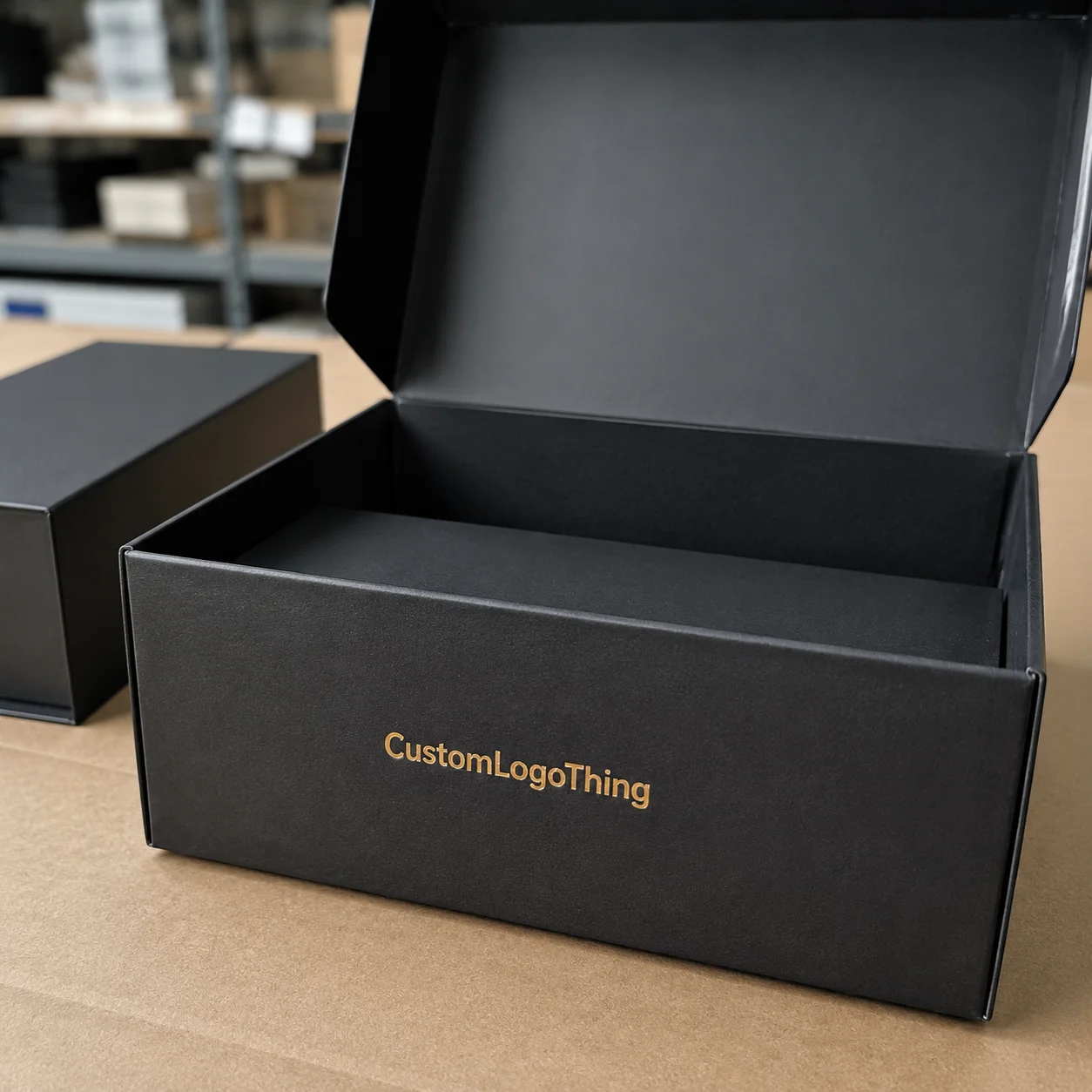
Mailer boxes are the most versatile piece of custom printed boxes in apparel. They give you enough surface area for a logo, a short line of copy, or a discreet pattern without turning the package into a billboard. I’ve seen brands use a 1-color black print on uncoated white board and get a cleaner premium impression than competitors using full-coverage art. That’s not a fluke. It’s visual discipline. A 350gsm C1S artboard face with an E-flute structure underneath often gives the best balance of stiffness and print clarity.
Rigid boxes are expensive, yet they do something almost unfair: they communicate value before the customer sees the garment. When I visited a supplier in Shenzhen, I watched a folding knitwear box go through compression checks, corner crush tests, and opening cycles. The rigid structure still looked sharp after repeated handling. That’s why luxury teams keep using it. The downside is obvious. Storage is heavier, freight is worse, and minimum order quantities often start around 1,000 to 3,000 units depending on finish. A matte wrapped 2mm board box can also add $0.80 to $1.60 per unit just in wrapping and assembly labor.
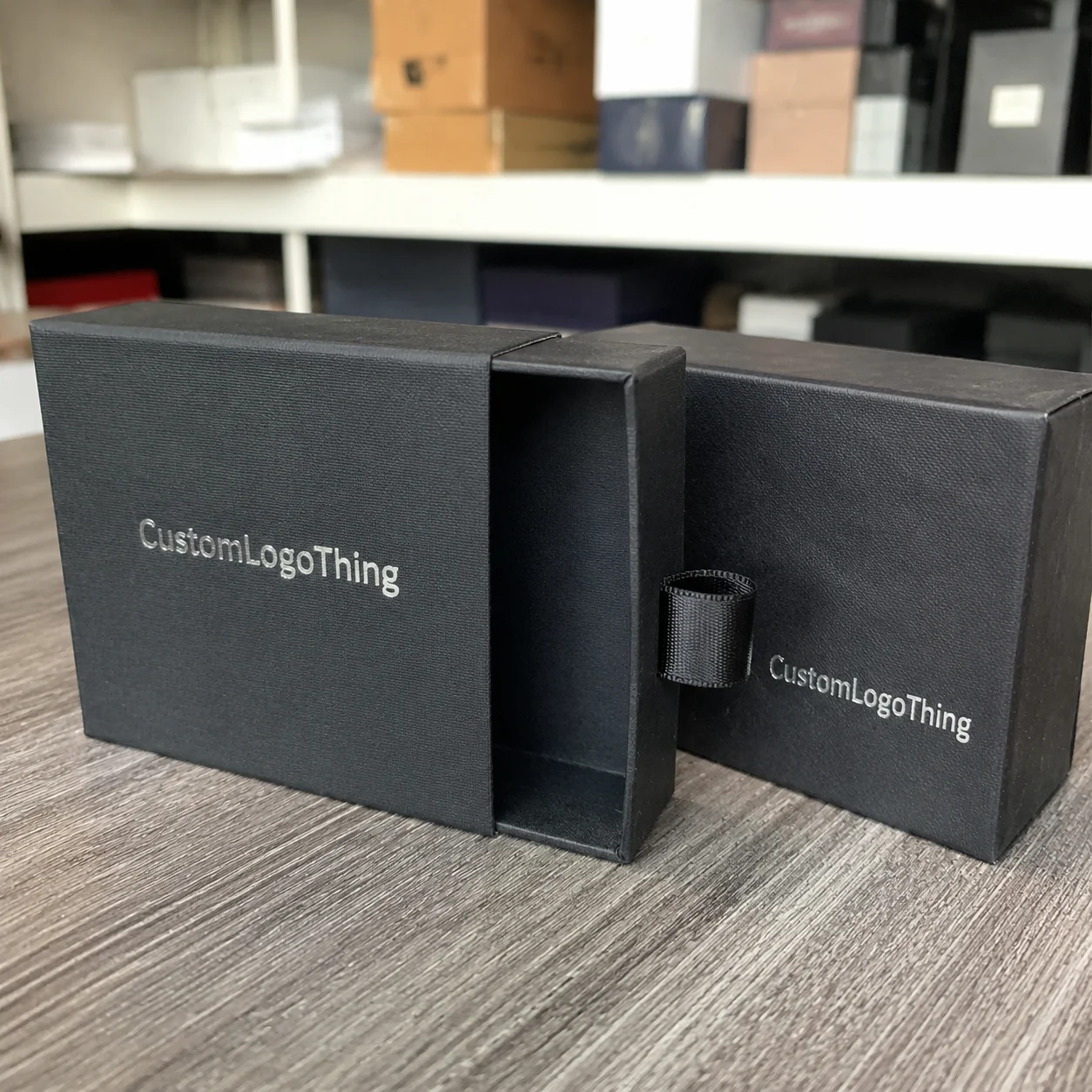
Kraft sleeves and belly bands are underrated. A 250gsm natural kraft sleeve with a blind deboss or single-color logo can make a folded shirt feel deliberate without overbuilding the pack. For eco-first brands, this is often the best minimalist custom packaging for apparel because it trims material use while preserving a handmade, quiet aesthetic. The catch is protection. If the order is shipping through rough lanes from Guangzhou to New York, or the product wrinkles easily, a sleeve alone is not enough. A sleeve plus a 1.5 oz tissue wrap is usually safer.
Poly mailers get a bad reputation, and sometimes they deserve it. Yet for lightweight basics, they are efficient, space-saving, and far cheaper to store than boxes. The best version uses a subtle one-color print and a recyclable mono-material film where local recycling infrastructure supports it. I’ve seen brands waste money on rigid presentation boxes for items that end up in a mailer anyway because fulfillment teams couldn’t pack fast enough. That mismatch is avoidable, and it makes everyone grumpy by week three. In practical terms, a 60-micron PE mailer with a clean black logo is often enough for a 140gsm tee.
Tissue-wrapped sets, while not a primary structure, are one of the easiest ways to improve retail packaging feel without pushing carton costs higher. A two-sheet wrap, a branded sticker, and a clean insertion card can make a basic mailer feel considered. This is where package branding gets clever: the outer pack stays quiet, while the opening moment carries the personality. It’s inexpensive theater, and if done well, it works. A 17 cm by 25 cm insert card printed on 300gsm uncoated stock in one color can do more than a flood of decorative graphics.
Minimalist design increases perceived value when every element fits the product. It looks unfinished when the board is thin, the empty space feels accidental, the folds are sloppy, or the logo is so tiny it seems like an afterthought. In my experience, the best minimalist custom packaging for apparel uses one strong material decision, one strong structural decision, and one restrained print decision. That is enough. Anything more starts to feel like overcorrection. A 5 mm logo margin that is consistent across every panel usually matters more than a second ink color.
Detailed Reviews of the Best Minimalist Custom Packaging for Apparel
I’m going to be blunt: not every “minimal” package deserves the word premium. Some are just empty. The best minimalist custom packaging for apparel should feel intentional from the first touch. I’ve tested samples that passed the Instagram test and failed the warehouse test in less than a week. That gap is exactly why practical review matters. A box that scuffs after 20 handling cycles is not clean; it is unfinished.
Mailer boxes
Best overall. A 300–350gsm E-flute or B-flute mailer box with one-color print gives you structure, decent crush resistance, and a neat opening moment. For folded tees, hoodies, and lightweight sets, this is often the best minimalist custom packaging for apparel because it is easy to stack, easy to label, and easy to brand without overdoing it. I like matte aqueous coating or an uncoated stock when the brand wants a tactile, honest feel. A run of 5,000 units in Vietnam or eastern China often lands in the $0.72 to $1.10 range for standard sizes.
Weaknesses? The box can look generic if the logo is too small or if the stock is too thin. It also takes more space than poly mailers in storage. Still, for most growing brands, this is the safest middle ground. One client moved from a fully printed lid-and-base box to a two-color mailer box and cut box spend by 18% while actually improving customer feedback on unboxing. That’s the sort of result that makes finance smile and marketing pretend they planned it. Their unit price dropped from $1.22 to $0.99 after switching to a 320gsm board with a single pass print.
Rigid boxes
Best premium. If the garment price supports it, rigid boxes are the strongest statement piece in minimalist apparel packaging. A 2mm greyboard wrapped in FSC-certified paper with a soft-touch laminate can create a very calm, very expensive impression. The best minimalist custom packaging for apparel in luxury settings often lives here because the structure itself does the talking. In Guangzhou and Dongguan, I’ve seen clean wrap jobs use 157gsm art paper over that board for a sharp edge profile.
I would not recommend rigid boxes for every brand. They are heavier, more expensive, and less forgiving in fulfillment. When I sat through a packaging review for a premium knitwear line in Los Angeles, the team loved the rigid box until they saw the freight quote. Then the room got very quiet, very quickly. If the apparel margin is tight, rigid boxes can eat the upside. Typical timelines are also longer: 15 to 20 business days from proof approval is common, and specialty wraps can add another week.
Kraft sleeves and belly bands
Best budget for brands that want visual restraint. A kraft sleeve around a folded garment or tissue bundle uses less material than a full box and still creates a defined presentation. This is one of the most practical forms of best minimalist custom packaging for apparel because it keeps the design language small and the unit cost lower. You can use 1-color print, debossing, or even no print beyond a logo mark. At 5,000 pieces, a simple sleeve may land around $0.22 to $0.38 per unit depending on size and finishing.
The downside is protection and consistency. Sleeves depend on neat folding, and if your warehouse team is moving quickly, slight size variation becomes obvious. I’ve seen one production run where a 2 mm fold error caused the sleeve to tear on wider hoodies. Small issue, big headache. If you choose this route, lock your garment dimensions first, then lock them again after sample approval just to be safe. In Shanghai, one supplier even recommended a 3 mm allowance on each fold edge to account for larger fleece pieces.
Poly mailers
Best for shipping efficiency. For subscription apparel, promotional drops, or lightweight basics, poly mailers are hard to beat on cost and volume. They save space, reduce freight weight, and keep fulfillment fast. The best minimalist custom packaging for apparel can absolutely be a poly mailer when the brand wants low visual clutter and high operational speed. A 55-micron to 75-micron recyclable mono-material mailer is usually the sweet spot for tees and leggings.
Still, they are not for every brand. If your positioning is premium, poly mailers can feel too functional unless you upgrade the print, finish, or insert strategy. Recyclable mono-material versions help, but local recycling availability varies. I always tell clients not to claim eco benefits they cannot support with regional access and supplier documentation. Trust is a packaging material too, and it tears just as fast when you mishandle it. In the UK, for example, a claim that works in London may not hold in smaller regional collection systems.
Tissue-wrapped presentation sets
Best for perceived care on a modest budget. Tissue wrapping adds a soft opening sequence that customers notice. It’s one of the easiest ways to lift branded packaging without changing the shipper. For the best minimalist custom packaging for apparel, I often suggest tissue plus a slim mailer box when the product needs a premium feel but the budget won’t support rigid construction. A 17gsm acid-free tissue sheet with a one-color sticker is usually enough to signal care.
The limitation is obvious: tissue is decorative, not structural. Moisture, transit compression, and long-haul shipping still depend on the outer box or mailer. But if your team wants a minimal look that still feels curated, this format punches above its weight. It’s also one of the few packaging add-ons that can make a basic order feel like someone actually cared, which shouldn’t be rare, but here we are. A tissue set can add just $0.07 to $0.15 per order and still change the customer’s first impression.
“I’d rather see one excellent material, one honest print, and one clean fold than three decorative tricks fighting each other.” That was a line from a production manager in our client meeting in Guangzhou, and it stuck with me because it’s true.
There’s another angle people miss. The best minimalist custom packaging for apparel often performs better after real-world handling because it leaves less to fail. Fewer inserts means fewer mispacks. Simpler closures mean faster packing. A cleaner outer surface means less scuffing during transit. That is not glamorous, but warehouse reality decides whether packaging is loved or quietly hated. In a 10,000-unit month, even a 6-second reduction in pack time can matter more than a fancy finish.
Pricing Breakdown and Cost Comparison
Pricing for the best minimalist custom packaging for apparel depends on more than the box itself. Material grade, print coverage, board strength, inserts, closure style, and minimum order quantity all move the final number. When brands ask for “cheap,” I usually ask, “Cheap per unit, or cheap after freight, storage, and rework?” Those are rarely the same number, and everybody hates that question until the invoice arrives. A sample that costs $68 by air from Shenzhen can teach that lesson faster than a meeting ever will.
For a rough but useful benchmark, here’s how I see cost tiers at around 5,000 units. Kraft sleeves can land around $0.18 to $0.55 per unit. Poly mailers often sit around $0.08 to $0.22 per unit. Mailer boxes usually fall near $0.68 to $1.35 per unit, depending on flute and print. Rigid boxes can move into $2.10 to $5.80 per unit quickly once you add wrapping, inserts, or specialty finishes. That spread explains why the same “minimal” design can mean completely different economics. For example, a matte mailer box in 4,000 pieces might quote at $0.94, while a rigid box of similar dimensions can jump to $3.76.
The hidden costs matter as much as the quoted unit price. I’ve seen design setup fees of $75 to $250, tooling or plate charges of $40 to $180, sample runs at $60 to $200, and freight that quietly adds another 8% to 22% depending on carton density. If the packaging includes embossing, foil, or a custom insert, the setup stack climbs fast. The best minimalist custom packaging for apparel often wins because it limits those extras. A one-color print on a standard dieline is cheaper to approve than a fully bespoke wrap with three folds and a magnet closure.
| Tier | Typical format | Unit cost range | Brand impact | Common hidden cost |
|---|---|---|---|---|
| Low | Poly mailer, kraft sleeve | $0.08–$0.55 | Clean and practical | Proofing and size revisions |
| Mid | Mailer box, tissue wrap | $0.68–$1.35 | Balanced and branded | Freight and storage volume |
| Premium | Rigid box, specialty finish | $2.10–$5.80 | High-end and gift-ready | Tooling, inserts, and slower packing |
Minimalist packaging saves money when it removes unnecessary print coverage, extra inserts, and oversized structures. It can also reduce dimensional shipping charges if the design is compact enough. That part is often overlooked. A box that is 10 mm too tall may move a shipment into a worse pricing bracket. I’ve watched a brand save more by shaving pack height than by negotiating a lower print rate. One apparel client in Toronto cut postage by 6% simply by dropping from a 38 mm to a 28 mm carton height.
There is a trap, though. Very cheap packaging can cost more later if it collapses in transit or causes a high return rate because the garment arrives wrinkled or damaged. The best minimalist custom packaging for apparel is not the cheapest carton. It is the one with the highest return on brand presentation per dollar spent. That distinction matters, especially in DTC apparel where margins are thin and repeat purchases are the real prize. Spending $0.12 more per unit can be rational if it reduces replacements by 2%.
For brands shipping 2,000 to 10,000 units a month, I usually suggest testing two options side by side: a mid-tier mailer box and a lower-cost sleeve or mailer. The difference in conversion and post-purchase feedback can justify the higher per-unit spend, but only if the customer actually notices the upgrade. If they don’t, you’ve bought decoration, not value. And nobody wants to explain that to a CFO with a spreadsheet. A 30-day pilot in one U.S. region and one UK region is usually enough to see the pattern.
How to Choose the Right Minimalist Packaging for Your Apparel Brand
The best minimalist custom packaging for apparel starts with three questions: what are you shipping, how is it moving, and what story should the customer feel? A 140gsm T-shirt, a heavyweight hoodie, and a cashmere cardigan are not packaging twins. Neither are a direct-mail drop and a retail display shipment. The decision framework should reflect product, route, and brand positioning. A 200 gsm tee in local shipping can use a simpler pack than a 900 gsm fleece hoodie going cross-country.
For tees and basics, I usually prefer mailer boxes or kraft sleeves if the garments are well folded and the shipping lane is reasonably controlled. For hoodies and thicker fleece, mailer boxes are safer because they preserve shape better and give the team more room to pack without crushing. For intimates, slim mailers with tissue inserts can work beautifully if the brand wants lightness and speed. For outerwear and premium knitwear, rigid boxes or stronger custom printed boxes make sense when the budget supports it. If the garment is bulky, a 1-inch increase in box depth can be the difference between neat packing and a mangled collar.
Sustainability goals should be specific, not vague. If the brand wants FSC-certified paper, say so. If the goal is reduced weight, track gram counts, not just “less waste.” If the box needs to be recyclable, check the coating and adhesive system. I’ve seen brands buy “eco” packaging that looked good on a spec sheet but failed because the finish or glue made recycling less practical. For standards and supplier checks, I often point teams to FSC guidance and to EPA resources on materials and waste reduction. A 310gsm uncoated board may be more honest than a heavily laminated “green” package.
Process matters too. A clean packaging program usually runs through briefing, dieline review, sample approval, production, and fulfillment readiness. I recommend at least one sample round, even if the design is simple. A dieline that works on a screen may fail at the fold line. A matte coating that looks beautiful may scuff too easily in a warehouse. A logo centered to the millimeter on a PDF can shift once the press and die cut are involved. That is normal. It is why sample validation exists. Most suppliers in Shenzhen or Ningbo will quote 12 to 15 business days from proof approval for straightforward mailer boxes.
Common mistakes are predictable. Brands choose a rigid box that looks elegant but slows pack-out by 12 to 20 seconds per order. They choose a mailer that is attractive but increases postage due to size. They select a natural stock that shows every scuff mark from pallet stacking. They add inserts that feel thoughtful but double labor time. Each of those choices can be right in isolation and wrong in operation. The worst versions often appear when the marketing team approves a mockup and the operations team sees the actual pallet count.
Here’s the checklist I’d use before placing an order for the best minimalist custom packaging for apparel:
- Confirm garment dimensions for at least three size grades.
- Check the exact shipping method and parcel thresholds.
- Request a dieline from the supplier and inspect fold allowances.
- Approve one physical sample, not just a PDF proof.
- Test scuffing, corner crush, and tape adhesion where relevant.
- Verify material claims like FSC, recyclable content, or compostability.
- Ask the warehouse team how many seconds per pack the format adds.
I learned the value of that last point during a client meeting where the marketing team loved a two-piece setup, but fulfillment told me it added nearly 15 seconds per order. On 8,000 monthly units, that is not decoration. That is labor cost. The best minimalist custom packaging for apparel should improve the customer experience without punishing the people packing it. In one Atlanta warehouse, that difference translated into nearly 27 extra labor hours per month.
Packaging standards also matter when shipments travel long distances or through mixed handling. For transit-oriented thinking, I often look at performance references from ISTA testing guidance. You don’t need a lab for every run, but you do need a realistic sense of what can survive compression, vibration, and drop events. A minimal package that fails in transit is not minimalist. It is underbuilt. A 32-inch drop test is not decorative; it is expensive reality checking.
Our Recommendation: Best Minimalist Custom Packaging for Apparel by Use Case
My overall pick for the best minimalist custom packaging for apparel is the mailer box. It wins because it balances cost, presentation, durability, and storage efficiency better than almost any other option. A 300–350gsm box with one-color print and a matte or uncoated finish gives most apparel brands the cleanest all-around result. It is not the flashiest choice, but it is the one I trust most when a brand needs consistency. In practical quotes from factories in Guangzhou and Xiamen, it also tends to be the easiest structure to repeat without quality drift.
For premium brands, the best minimalist custom packaging for apparel is a rigid box with restrained branding, perhaps a debossed logo or a single-color wrap. That is the best answer when the garment value is high enough to justify the freight and the labor. For the budget option, I’d pick a kraft sleeve or a lightly printed poly mailer, depending on the shipping lane. For the sustainable option, FSC-certified mailer boxes or kraft-based formats usually make the strongest case, provided the design avoids overuse of coatings and inserts. A 157gsm uncoated wrap over FSC board is often enough to satisfy both brand and procurement.
If a brand needs very fast fulfillment or rough-shipping durability, I would avoid delicate sleeves alone and avoid overspecified rigid packaging unless the product price truly supports it. A packaging program should fit the operations team, not just the brand deck. That is where many teams get it wrong. They optimize for the mockup and ignore the warehouse. In real numbers, a 9-second slower pack-out can cost more than a slightly higher box price across a 6,000-unit month.
- Best overall: Mailer box with one-color print and matte finish.
- Best premium: Rigid box with soft-touch or uncoated wrap.
- Best budget: Kraft sleeve or low-ink poly mailer.
- Best sustainable: FSC-certified mailer box with minimal ink coverage.
- Best for fast fulfillment: Poly mailer with a simple branded insert.
One anecdote sticks with me. A streetwear client in a supplier review asked for a box that “felt expensive but didn’t look expensive.” That sounds contradictory, but it wasn’t. We landed on a natural stock mailer box with a blind deboss and no exterior graphics. It looked almost quiet. Customers loved it, and the warehouse loved it more because pack-out stayed under 20 seconds. That package is a strong example of the best minimalist custom packaging for apparel done right. The factory in Dongguan quoted $0.88 per unit at 5,000 pieces, which was low enough to keep the finance team calm.
If you’re ready to build your own system, start with exact garment dimensions, request three samples, and compare print proofs under warehouse lighting, not just office light. Then test one shipping lane before scaling. That small pilot can save weeks of rework. For teams looking for a starting point, explore Custom Packaging Products and compare formats against your actual folding specs, not just a mood board. The best minimalist custom packaging for apparel is always the one that matches the product, the margin, and the route. In most cases, that means ordering sample packs first, then moving to a 12- to 15-business-day production window after proof approval.
FAQ: Best Minimalist Custom Packaging for Apparel
What is the best minimalist custom packaging for apparel if I want a premium look?
Rigid boxes usually deliver the strongest premium feel, especially when paired with one-color printing, embossing, or a matte finish. For a slightly lower cost, a high-quality mailer box with precise folding and restrained branding can also look expensive. The garment type matters, too: a knit sweater feels more premium in a rigid box than a basic cotton tee does. In practice, a 2mm greyboard structure wrapped in 157gsm art paper is a common luxury choice in Shenzhen and Guangzhou.
What is the most affordable minimalist custom packaging for apparel brands?
Plain or lightly printed kraft mailers and poly mailers are usually the lowest-cost options at scale. Kraft sleeves can be very economical for folded garments when you want a branded look without a full carton. The savings come from lower material use, simpler print coverage, and fewer finishing steps. At 5,000 units, a simple poly mailer may cost around $0.12 to $0.18 per unit, while a kraft sleeve can sit near $0.22 to $0.30 depending on size.
Is minimalist apparel packaging better for sustainability?
Often yes, because it can reduce material use, ink coverage, and unnecessary inserts. That said, sustainability depends on paper sourcing, recyclability, adhesive choices, and shipping efficiency. FSC-certified stock and compact sizing usually help, but the greenest option is the one that protects the product with the least excess. A 320gsm FSC mailer box with one-color ink is usually a cleaner answer than a heavily laminated “eco” box.
How long does custom minimalist apparel packaging usually take to produce?
Simple packaging can move faster than complex multi-component packaging, but timelines still include design setup, dieline review, sample approval, production, and shipping. In practical terms, many projects need several weeks from briefing to finished goods. For straightforward mailer boxes, suppliers in eastern China often quote 12 to 15 business days from proof approval, while rigid boxes can take 15 to 20 business days or longer if finishing is involved.
Can minimalist custom packaging still work for luxury apparel?
Yes, and often better than louder packaging. Luxury usually benefits from restraint, precise construction, and tactile materials rather than heavy graphics. Texture, fit, and opening sequence matter more than visual noise. If every touchpoint feels intentional, minimalist packaging can look more luxurious than a crowded design. A blind deboss on a soft-touch rigid box is a classic example in high-end apparel runs from Shanghai to Milan.
What should I avoid when choosing minimalist packaging for clothing?
Avoid underbuilt structures, oversized boxes, and designs that look clean on screen but fail in transit. Also avoid packaging that slows fulfillment by adding too many components or complicated folds. The best minimalist custom packaging for apparel should protect the garment, support the brand, and keep the warehouse moving at a sensible pace. If pack-out rises by more than 10 seconds per order, that “minimal” setup may be costing more than it saves.