Buyer Fit Snapshot
| Best fit | Custom Packaging for Apparel Brands projects where brand print, material claims, artwork control, MOQ, and repeat-order consistency need to be specified before quoting. |
|---|---|
| Quote inputs | Share finished size, material target, print colors, finish, packing count, annual reorder estimate, ship-to region, and any compliance wording. |
| Proofing check | Approve dieline scale, logo placement, barcode or warning zones, color tolerance, closure strength, and carton packing before bulk production. |
| Main risk | Vague material claims, crowded artwork, missing packing details, or unclear freight terms can make a low unit price expensive after revisions. |
Fast answer: Custom Packaging for Apparel Brands: Quote Scope, Sample Proof, MOQ, and Lead Time should be specified like a repeatable production item. The safest quote records material, print method, finish, artwork proof, packing count, and reorder notes in one written spec.
Production checks before approval
Compare the actual filled-product size with the drawing, then confirm tolerance on folds, seals, hang holes, label areas, and retail display edges. Reserve space for logos, QR codes, warning copy, and material claims before decorative graphics fill the panel.
Quote comparison points
Review material grade, print process, finish, sampling route, tooling charges, carton quantity, and freight assumptions side by side. A quote is only useful when the supplier can repeat the same color, closure quality, and packing count on the next order.
I’ve watched custom packaging for apparel brands turn a plain cotton tee into something customers keep on a shelf for months, and I’ve seen the opposite too: a beautiful garment shipped in an oversized, flimsy mailer that arrives crushed, dull, and cheap-looking before anyone even unfolds it. On a noisy production floor in Shenzhen’s Longgang district, one buyer told me the box mattered more than the hang tag because the box was what their customer saw first, and in apparel that first impression often decides whether the brand feels worth $28, $68, or $128. If you are building a fashion label, a boutique basics line, or a DTC streetwear drop, custom packaging for apparel brands is not just decoration; it is part protection, part brand storytelling, and part operational discipline.
What people sometimes miss is that custom packaging for apparel brands covers a lot more than a printed mailer box. It can include folded cartons, Rigid Setup Boxes, tissue paper, hang tags, size stickers, garment bags, labels, belly bands, inserts, and even Branded Poly Mailers for warehouse efficiency. I’ve sat in client meetings where the marketing team wanted foil, embossing, and soft-touch laminate on everything, while the operations lead only cared about how fast a picker could assemble 2,000 orders on a Friday afternoon in Dongguan. Both sides matter, even if they speak very different languages. Good custom packaging for apparel brands balances presentation with practicality, and that balance changes depending on whether you are shipping a single premium hoodie, a four-piece outfit, or a wholesale order headed to retail packaging channels.
The brands that win are usually the ones that think about packaging as a system. A rigid box may make sense for a luxury capsule launch, while a 200 lb test corrugated mailer is better for day-to-day ecommerce fulfillment. A tissue wrap with a printed thank-you message may be enough for a clean basics brand, but a garment bag and insert card can do more for premium tailoring. In other words, custom packaging for apparel brands should match the garment, the shipping method, and the feeling you want the customer to have the moment the parcel lands on the doorstep.
Custom packaging for apparel brands: what it is and why it matters
In plain language, custom packaging for apparel brands means packaging built around your garments, your brand identity, and the way you fulfill orders. That can be as simple as a printed folding carton for a knit tee or as elaborate as a magnetic rigid box with a foam insert, branded tissue, and a foil-stamped sleeve. I’ve seen apparel brands use custom printed boxes for gifting, custom mailers for direct-to-consumer orders, and recycled paperboard sleeves for subscription programs, all from the same production line in Shenzhen or Xiamen with different inserts and artwork. The choice depends on what you’re shipping and what sort of impression you want to make.
There is a big difference between packaging that merely holds a product and packaging that helps sell it. Functional packaging protects the shirt, shorts, or jacket from dust, moisture, and abrasion. Brand-building packaging adds a signal of quality, consistency, and care. I remember a client in Los Angeles who switched from generic poly bags to branded packaging with a simple one-color logo and a better-folded insert card. Returns did not change much, but the unboxing photos on social media jumped noticeably because the package looked intentional instead of accidental. That is the quiet power of custom packaging for apparel brands: it shapes perception before the fabric is ever felt.
For DTC fashion, boutique labels, and premium basics, packaging can influence repeat purchases in ways that are easy to underestimate. A customer who opens a well-fitted mailer, finds tissue wrapped neatly around the garment, and sees a crisp insert with care instructions tends to feel that the brand pays attention to detail. That feeling is part of package branding, and it matters even more when the product itself is simple. A $28 tee in a thoughtfully designed box can feel more valuable than a $28 tee in a flimsy unbranded poly bag, even if the cotton is identical. That is why custom packaging for apparel brands sits at the intersection of product packaging, retail packaging, and customer experience.
One thing I always tell new founders is to match the packaging to the shipping path. A box going into a boutique store in Manhattan does not need the same crush resistance as a box shipping across three sorting centers and two regional hubs. If you’re mailing heavy denim, you need different structure than if you’re shipping lingerie or light woven blouses. Custom packaging for apparel brands works best when it’s chosen with the full journey in mind, not just the product photo.
“The best packaging isn’t the flashiest box on the table. It’s the one that survives the trip, looks good on arrival, and fits the brand without wrecking the margin.”
How custom packaging for apparel brands works from concept to delivery
The process for custom packaging for apparel brands usually starts with discovery. That is where the packaging supplier asks about garment type, order volume, target price, shipping method, and finish preferences. A good supplier will also ask how the product is folded, whether it is bagged, and if the box must fit in a specific mailer cart or fulfillment bin. I’ve watched projects stall for a week because the team forgot to confirm the folded hoodie height, and the whole dieline had to be revised after sample approval. Small details have a way of becoming expensive later, especially when a tooling change in Shenzhen or Ningbo adds another 3 to 5 business days.
Once the brief is clear, the supplier creates or adapts a dieline, which is the structural template for the box, mailer, or carton. After that comes material selection. Most custom packaging for apparel brands uses paperboard, corrugated board, or rigid chipboard, depending on strength and presentation goals. For example, a 350gsm C1S artboard is common for folding cartons, while E-flute or B-flute corrugated board is a better fit for shipping mailers that need stacking strength. The artwork is then prepared for the chosen print method. Flexographic printing is common on corrugated mailers and poly mailers, offset printing is common for high-quality paperboard and folding cartons, digital printing works well for shorter runs and variable designs, and screen printing can be useful for special effects or certain bag applications. Coating and lamination typically follow printing, and that is where you get gloss, matte, soft-touch, anti-scuff, or water-resistant finishes.
After design approval, the factory samples the structure. This may be a plain white sample, a printed prototype, or a production-grade preflight sample depending on how sensitive the project is. On the floor, I’ve held prototype mailers under warehouse lighting with a purchasing manager and a fulfillment supervisor standing shoulder to shoulder, both of them checking the flap tension and the assembly speed by feel. That kind of hands-on check is worth its weight in cardboard. Sampling lets the team confirm fit, print placement, closure strength, and how the packaging behaves when folded and stacked. For many brands, the first sample round takes 2 to 4 business days, while a full printed mockup can take 5 to 7 business days if the finishing house is in Guangzhou or Foshan.
The production stage usually includes board cutting, slotting, creasing, printing, coating, laminating, die-cutting, gluing, and final inspection. For rigid boxes, there may also be board wrapping, hand assembly, and magnetic insert placement. For custom packaging for apparel brands, kitting can be part of the process too, especially when tissue, stickers, inserts, and hang tags need to be bundled before shipment to a fulfillment center or co-packer. I’ve seen factories coordinate pallet labels, carton counts, and pick-and-pack schedules with third-party logistics teams so the packaging lands in sequence, ready to move straight into the packing line without extra handling. In practical terms, a simple carton run might finish in 12 to 15 business days from proof approval, while a rigid box program with foil and embossing often needs 25 to 35 business days.
Lead time depends on complexity. A straightforward printed mailer box with standard art might take 12 to 18 business days from proof approval to ship, while a rigid box with foil stamping, embossing, and custom inserts can stretch to 25 to 35 business days or more. Artwork revisions, special coatings, and import freight can add time. If the brand is prepping for a seasonal launch or influencer drop, I usually recommend building a buffer of at least 7 to 10 business days, because custom packaging for apparel brands often runs late when the design team is still tweaking logo placement after the dieline is already in motion. I have never once heard someone say, “Wow, we gave ourselves too much lead time,” so I am comfortable being the boring person in the room on that point.
For quality control, reputable factories work against standards and test methods that matter. Corrugated and mailer packaging may be checked with performance expectations tied to ISTA protocols, while material choices can be matched to sustainability goals and paper sourcing requirements. If you need recycled content or forestry certification, it helps to ask for documentation early rather than after production is complete. I also like to point brands toward industry organizations such as the Packaging School and industry resources from PMMI for education, especially when their internal team is new to packaging design.
Here is a simple comparison of common packaging formats I see in apparel programs:
| Packaging format | Typical use | Approx. unit cost at 5,000 units | Strength / presentation | Best fit |
|---|---|---|---|---|
| Printed corrugated mailer | Ecommerce shipping | $0.55 to $1.10 | Strong / moderate premium look | DTC tees, hoodies, basics |
| Folding carton | Retail or gift-style presentation | $0.22 to $0.48 | Moderate / clean shelf look | Accessories, lightweight apparel |
| Rigid setup box | Luxury gifting and premium launches | $2.10 to $4.80 | Very strong / high-end feel | Capsules, VIP kits, limited drops |
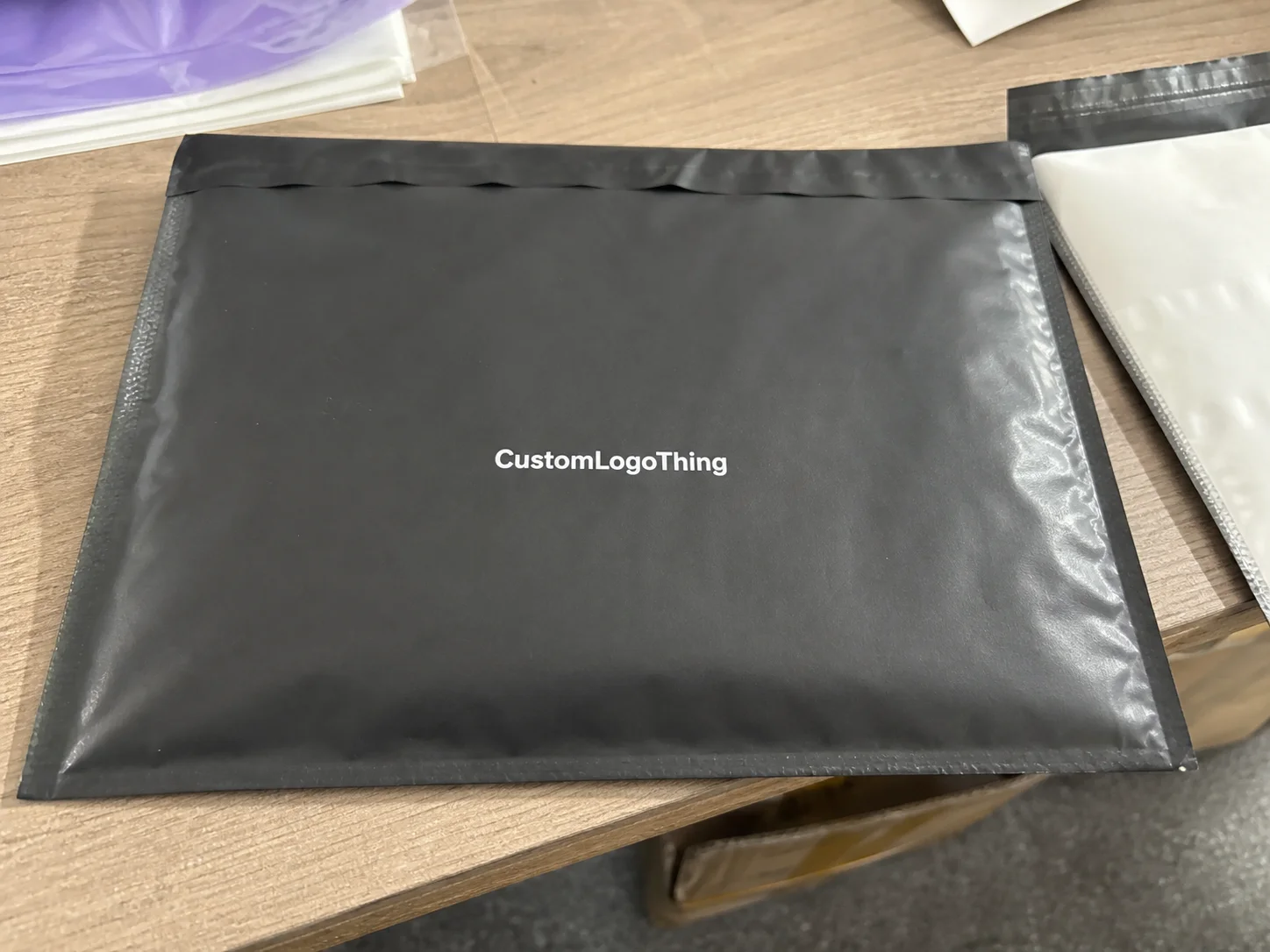
| Branded poly mailer | Low-cost outbound shipping | $0.08 to $0.28 | Light / good for volume | High-volume basics, promotional orders |
Custom packaging for apparel brands: key factors that shape performance and cost
The first factor is protection. A garment that leaves the warehouse pristine has to survive compression, abrasion, humidity, and the occasional rough conveyor belt. Custom packaging for apparel brands should therefore reflect product weight, folding style, and shipping distance. A lightweight blouse in a paperboard carton has very different needs from a heavyweight denim jacket in a corrugated mailer. If you are shipping folded items, the internal dimensions matter just as much as the exterior look, because a good fit limits movement and keeps the package from ballooning with void fill.
Brand positioning is the next major driver. Luxury, premium, everyday basics, streetwear, eco-conscious labels, and promo apparel all need different packaging design choices. A luxury brand may use rigid boxes, magnetic closures, or foil accents because the customer expects ceremony. A sustainable brand may choose recycled paperboard, soy or water-based inks, and minimal coating because the customer wants to see restraint and material honesty. A streetwear label might lean into bold color, oversized graphics, and strong package branding. The packaging is not just holding the product; it is communicating where the product belongs in the market. That is why custom packaging for apparel brands should align with price point and audience expectations, not just what looks pretty on a mockup.
Cost is shaped by structure, material, and decoration. Board grade alone can swing the price meaningfully. A 350gsm C1S artboard with one-color print is very different from a 2mm rigid chipboard wrapped in printed wrap paper with foil stamping and embossing. Add a custom insert, magnetic closure, or specialty coating and the unit cost rises. At one supplier review in Guangdong, I watched a buyer cut almost 18% off the landed package cost by dropping a custom insert that wasn’t actually serving any purpose and replacing it with a precisely sized folded divider. The lesson was simple: in custom packaging for apparel brands, beautiful does not always mean efficient, and efficient does not always mean plain.
Quantity matters too. The price per unit drops as volume rises, but not evenly. A run of 1,000 custom printed boxes may carry a much higher unit cost than 5,000 or 10,000 because setup, plates, and machine time are spread across fewer units. For example, a folding carton program might be $0.42 per unit at 1,000 pieces, $0.19 at 5,000 pieces, and $0.15 per unit for 5,000 pieces on a simpler one-color spec if the board and die are already standardized. That said, ordering far more than you can store is risky if your styles change quickly. Apparel brands move faster than many packaging programs can keep up with, especially when colorways and seasonal assortments rotate every few months. I always ask brands to think through storage, reorder cadence, and SKU count before they commit to a very large run of custom packaging for apparel brands.
Sustainability is no longer a side conversation. It affects sourcing, brand reputation, and sometimes retailer acceptance. Recycled paperboard, FSC-certified fibers, right-sized cartons, and reduced plastic use all fit naturally into modern custom packaging for apparel brands. If you want to support that direction, check specifications against materials from FSC and ask for chain-of-custody documentation when needed. Right-sizing is another practical sustainability move because it reduces dunnage, shipping weight, and wasted air. The EPA has useful public resources on waste reduction and packaging impacts at epa.gov/smm, and those principles map well to apparel programs that want to trim excess without hurting presentation.
Compliance and operations are easy to overlook until the warehouse gets involved. Barcode placement, SKU labeling, carton counts, retailer carton specs, and pack-out speed all affect packaging choices. If a retailer requires certain carton dimensions or case labeling, that has to be built into the package design from the start. If your warehouse team can only assemble 300 units per hour with a complicated insert system, then that system is probably too fussy for a weekly replenishment program. Good custom packaging for apparel brands respects the realities of the line, not just the design deck.
Below is a practical view of what drives cost in a typical custom packaging for apparel brands order:
| Cost driver | Lower-cost choice | Higher-cost choice | Typical impact |
|---|---|---|---|
| Material | Standard paperboard | Rigid chipboard with wrap | Can more than double unit cost |
| Printing | 1-color or 2-color print | Full-coverage CMYK with spot colors | Raises setup and ink usage |
| Finishes | None or matte varnish | Soft-touch, foil, embossing | Can add $0.10 to $1.50+ per unit |
| Insert style | Folded paperboard insert | Die-cut foam or molded insert | Boosts both material and labor cost |
| Quantity | 500 to 1,000 units | 5,000 to 10,000 units | Higher volume lowers unit price |
What should you ask before ordering custom packaging for apparel brands?
Before you place a purchase order, ask how the packaging will be used on the line, how it will ship, and how often it will be reordered. That simple filter eliminates a lot of expensive guesswork in custom packaging for apparel brands. If your team is still deciding between a mailer box, folding carton, or branded poly mailer, the answer usually depends on volume, product weight, and the amount of presentation you need at opening. A premium hoodie gift set calls for a different solution than a high-volume basics restock, even if both carry the same logo.
Ask about the material thickness, print method, and finish before design begins. A 350gsm artboard with matte aqueous coating behaves very differently from a rigid setup box wrapped in specialty paper. If the supplier cannot explain the trade-offs clearly, that is a warning sign. Strong custom packaging for apparel brands starts with straightforward answers about durability, aesthetics, and assembly speed, not vague promises that the final result will “feel premium.”
Ask for a sample that matches real production as closely as possible. A plain white prototype is useful, but a printed and finished sample tells you far more about scuff resistance, ink coverage, closure behavior, and how the package looks under warehouse lighting. I’ve seen brands approve artwork on a flat PDF and only realize later that the logo sits too close to the fold line. In custom packaging for apparel brands, that mistake can cost time, freight, and a second round of samples.
Ask how the package will be stored and assembled after it arrives. Some formats ship flat and are easy to stack in a warehouse, while others occupy more floor space or need hand assembly. If your fulfillment team is already stretched, a complicated box may create more labor than it is worth. I like to imagine the packer at the table, not just the customer on the receiving end, because custom packaging for apparel brands has to work for both people.
Finally, ask what happens when you reorder six months later. Will the supplier keep the same board, the same die, and the same print profile? Can they supply a repeat run without color drift? Can they provide the final dieline and spec sheet? Those questions sound boring, but they prevent the kind of inconsistency that makes a brand look less established than it really is. Consistency is part of the value of custom packaging for apparel brands, especially when your packaging is tied to social content, influencer mailers, or retail presentation.
Step-by-step process for planning custom packaging for apparel brands
I always recommend starting with an audit of what is already happening. Look at your current packaging, damage rates, customer complaints, assembly time, and returns tied to presentation or fit. If a box is crushing, if tissue is tearing, or if labels are peeling in humid storage, write it down. For custom packaging for apparel brands, the first brief should be built on facts, not assumptions. One brand I worked with thought they needed a more expensive mailer; the real issue was that their warehouse was overstuffing the old one by nearly 20 millimeters. The right fix was a structural adjustment, not a premium finish.
Next, build a packaging brief that includes dimensions, product categories, monthly volume, target price, and the look and feel of the brand. This is where many apparel teams get stuck because they describe the package emotionally but not technically. I want both. “Minimal, clean, and premium” is useful, but so is “fits one folded crewneck up to 320 mm wide, ships in a standard outer carton, and must close in under 5 seconds.” That kind of detail makes custom packaging for apparel brands easier to price and much faster to quote accurately. If you can also specify the finish, such as matte aqueous coating or soft-touch film, the quote tends to come back cleaner and more consistent.
Then choose the structure by product category. T-shirts and basics usually do well in folding cartons, mailers, or branded poly bags depending on the shipping route. Denim often benefits from stronger corrugated construction because of weight and abrasion. Outerwear may need wider boxes or inserts to prevent crushing. Lingerie, socks, and accessories often work beautifully in smaller folded cartons or sleeves. The structure should support both the garment and the brand experience. That is why custom packaging for apparel brands is never one-size-fits-all, even if the supplier gives you a standard catalog.
After that, request samples. I like to compare three things side by side: print quality, structural strength, and assembly ease. Hold the sample under the same lighting your warehouse or retail team will use. Fold it. Stack it. Slip the product inside. Shake it gently. A sample that looks great in a studio photo may feel awkward at the packing table. I’ve seen fancy boxes arrive with gorgeous foil and poor scoring, which means the flap cracks after two opens. That is a packaging failure disguised as a design success, and it is exactly why sample testing matters in custom packaging for apparel brands.
Proof review comes after sampling, not before, if the project is more than a basic one-color print. Check logo location, barcode placement, bleed, dieline alignment, and copy accuracy. One typo on a size label can ripple through a whole warehouse. Once the proof is approved, ask for production timing in writing: printing days, die-cutting days, finishing days, kitting days, and shipping days. If the packaging includes multiple components, such as tissue plus insert plus outer mailer, each component may come from a different process lane. Coordinating those lanes is a major part of custom packaging for apparel brands. A practical timeline for a standard carton might be 3 days for proofing, 4 days for samples, and 12 to 15 business days from proof approval to completion.
Before a full rollout, do a small pilot run through the actual packing line and shipping route. Not a fake simulation. Real cartons, real garments, real tape, real labels, real carriers. This is where you learn whether the box opens too stiffly, whether the sticker adheres in cold storage, or whether the insert slows the line by 12 seconds per order. I’ve lost count of how many times a pilot run saved a client from a 10,000-unit mistake. With custom packaging for apparel brands, the pilot is the cheapest insurance you can buy.
If you want to see how suppliers present real results, review Case Studies from packaging projects similar to yours, then compare them to the options in Custom Packaging Products. It is much easier to choose a structure when you can see how another apparel brand solved the same problem with different materials and print choices.
Common mistakes apparel brands make with custom packaging
The biggest mistake I see is choosing packaging that photographs beautifully but ships badly. A rigid box with delicate corners may look stunning in a campaign shoot, but if it gets crushed in transit or costs too much to send out every day, it becomes a margin problem. Custom packaging for apparel brands should earn its keep in the warehouse as well as on Instagram. If the package is too fragile, too heavy, or too expensive to replenish, the romance wears off quickly once the order volume rises.
Another common mistake is ordering the wrong size. A box that is 15 millimeters too tall can trigger void fill, extra dimensional weight, and a sloppier presentation. A box that is too tight can scuff the fabric and make the packing crew fight the closure. I’ve watched shipping costs climb because a team fell in love with an oversized mailer that looked luxurious on paper, only to find it wasted space and tape. In custom packaging for apparel brands, size accuracy is one of the fastest ways to protect margin.
Overcomplicating the design is another classic problem. Too many colors, too many specialty finishes, and too many paper types can create inconsistent results across print runs. If your packaging has five substrates and four embellishments, you are also adding more points of failure. Honestly, I think some apparel teams fall in love with spec sheets and forget that every extra detail has a manufacturing cost. Clean package branding often performs better than busy decoration, especially when the product itself already has strong visual appeal. A sharp logo, one memorable accent color, and one well-chosen finish can be enough, especially when the carton is produced in a facility in Dongguan or Foshan where consistency matters more than excess.
Ignoring assembly time can wreck a good plan. If a box takes 25 seconds to assemble and your team is processing 2,000 orders a day, that is a real labor burden. I once worked with a warehouse near Manila where the line supervisor timed every part of the process with a stopwatch because the premium rigid box launch was causing overtime. The solution was not to reduce the brand story; it was to redesign the insert so it dropped into the box instead of folding over twice. That kind of operational tuning is a core part of custom packaging for apparel brands.
Skipping prototype testing is the final mistake I see over and over. Without a real test, brands miss issues like weak closures, scuffed coatings, poor print registration, or garment fit problems. Some problems only show up after 20 or 30 open-and-close cycles, or when the package sits under warm lights for several hours. The sample phase is where you catch the expensive surprises. In custom packaging for apparel brands, the prototype is not a luxury; it is the difference between a clean launch and a headache.
Expert tips for smarter custom packaging for apparel brands
One of the smartest moves I’ve seen is a tiered packaging system. Use one format for high-volume ecommerce basics, another for premium collections, and a third for seasonal launches or gifting sets. That way, you are not forcing every SKU into the same box. A simple tee might ship in a printed mailer, while a holiday knit set gets a rigid box with tissue and an insert card. This keeps custom packaging for apparel brands aligned with revenue, not just with aesthetics.
Design for the shelf and the shipping label at the same time. A package needs to look polished in a retail setting and still survive tape, barcode labels, handling marks, and carrier sorting. If your box relies on a pristine front panel that gets covered by a large shipping label, the design is fighting the fulfillment process. Better to plan a clear label zone or a flexible panel from the start. That little detail can save a lot of frustration in custom packaging for apparel brands, especially in warehouses that print 4x6 labels all day on Zebra printers.
Think in systems rather than single items. Boxes, tissue, stickers, inserts, hang tags, and garment bags should all feel like they belong together. I’ve seen a brand use a beautiful box with a generic insert and a cheap label sticker, and the overall effect was inconsistent even though each piece looked fine on its own. A good system makes the whole package feel intentional. That is the difference between packaging and package branding, and it is one reason custom packaging for apparel brands can influence perceived value so strongly.
Control costs by using standard sizes wherever possible and reserving premium finishes for hero products. Not every SKU needs foil stamping or embossing. A one-color logo on an intelligently chosen board stock can feel clean and expensive if the proportions are right. In fact, I often push brands to spend on structure first and ornament second. A well-built box with simple print usually outperforms a fancy box with a poor fit. That’s a practical rule I’ve learned after too many supplier negotiations to count, and it holds up especially well in custom packaging for apparel brands. For a 5,000-piece run, a modest finish change might add $0.12 per unit, while a switch to rigid construction can add $1.50 or more.
Finally, plan for reorders and seasonal changes. Apparel changes quickly, and packaging specs need to stay readable six months later when a new operations manager or sourcing partner picks up the file. Keep dimension drawings, material specs, print references, and finish notes in one place. If your team changes printers, you want the transfer to be straightforward. I’ve seen brands lose a week because nobody could find the exact laminate specification from a prior run. Good documentation is boring until it saves a launch, and in custom packaging for apparel brands, it absolutely saves launches.
If you want a practical place to start, review your current custom packaging for apparel brands against these three questions:
- Does it protect the garment through the actual shipping route?
- Does it reflect the brand price point and customer expectation?
- Can the warehouse assemble it at a pace that makes sense for daily volume?
Next steps to launch custom packaging for apparel brands
Start with a one-page checklist. Include product dimensions, garment types, monthly volume, shipping method, target price, sustainability goals, and style cues such as minimal, luxury, athletic, or eco-friendly. That single page helps a packaging supplier quote custom packaging for apparel brands much more accurately than a vague email chain with six attachments and three different logo files. If you can add the target material, such as 350gsm C1S artboard or E-flute corrugated, the first quote usually gets closer to reality.
Then collect three references. Not because you want to copy them, but because examples help define what you like and what you do not like. One reference might be strong on color, another on structure, and a third on finish. Bring those to your supplier and ask what can be adapted without losing the brand’s identity. That conversation usually produces better results than asking for “something premium” and hoping the samples magically land on target. Good custom packaging for apparel brands is specific, and specificity keeps production in Shenzhen, Suzhou, or Dongguan moving in the right direction.
Ask for dielines or structural recommendations early. If your packaging partner is experienced, they should be able to suggest a mailer style, carton depth, or rigid setup format that matches the garment and the shipping method. Compare samples before you commit. I’ve seen brands approve artwork before confirming the box style, and then spend weeks correcting artwork placement after the structure changed. In custom packaging for apparel brands, structure should lead artwork, not the other way around.
Run a pilot through the actual packing line and shipping route. Keep notes on speed, fit, labeling, and damage. If you are working with a fulfillment center, ask them to time the process and tell you where they slow down. That feedback is gold. Once the pilot is complete, finalize specs, reorder timing, and storage plans so your packaging remains consistent as sales grow. If your brand is scaling, this is the stage where custom packaging for apparel brands becomes part of the operating system rather than a one-time design project.
From there, keep the program healthy with simple discipline: approve proofs carefully, save your final dielines, confirm carton counts before freight moves, and make sure everyone knows which packaging version is current. I’ve seen too many apparel teams lose momentum because an old file got reused by mistake. The best custom packaging for apparel brands programs are not the fanciest. They are the ones that are clearly documented, consistently reordered, and tuned to the way the business actually sells.
FAQ
What is custom packaging for apparel brands used for?
It protects garments during storage and shipping while also creating a stronger brand impression. Custom packaging for apparel brands can include boxes, mailers, tissue, labels, inserts, hang tags, and garment bags, depending on the product and the customer experience you want to create.
How much does custom packaging for apparel brands usually cost?
Pricing depends on size, material, print coverage, finish complexity, and quantity. Simple printed mailers or folding cartons can be budget-friendly, while rigid boxes and specialty finishes cost more. At 5,000 units, a basic folding carton might land around $0.15 per unit on a simple one-color spec, while a rigid gift box with foil and embossing can move into the $2.10 to $4.80 range. Unit cost usually drops as quantities rise, but shipping and storage should also be considered when planning custom packaging for apparel brands.
How long does the custom packaging process take for apparel brands?
Timing depends on whether you need new structural development, sampling, artwork approvals, and finishing. Straightforward packaging programs often move from proof approval to ship in 12 to 15 business days, while projects requiring custom inserts or specialty printing can take 25 to 35 business days. Delays often happen when artwork is revised late or dimensions are not confirmed early in the custom packaging for apparel brands process.
What materials are best for apparel brand packaging?
Paperboard, corrugated board, and rigid chipboard are common choices for apparel boxes and mailers. A 350gsm C1S artboard works well for folded cartons, while E-flute corrugated is a strong choice for ecommerce mailers that ship from fulfillment centers in cities like Shenzhen or Guangzhou. Recycled and FSC-certified options work well for brands focused on sustainability. The best material depends on product weight, shipping method, and the look you want to create with custom packaging for apparel brands.
How do I choose the right packaging for my apparel products?
Start with product size, shipping method, and brand position. Match the structure to the use case, such as mailers for ecommerce and rigid boxes for premium gifting. Test samples in real packing conditions before placing a full order, because custom packaging for apparel brands has to work on the line, not just in a mockup. If the package slows the team by 10 to 15 seconds per order, it needs another round of refinement.
If you are building or refreshing custom packaging for apparel brands, my honest advice is to begin with the basics that protect margin and presentation at the same time: the right size, the right structure, the right material, and a finish that matches your brand story without inflating cost. I’ve spent enough time on factory floors in Shenzhen, Dongguan, and Ningbo to know that the smartest packaging is rarely the loudest one, but it is the one customers remember when they open the parcel, feel the quality, and decide whether your label belongs in their rotation again. Start by auditing one current package, one shipping route, and one assembly step, then refine from there; that is usually where the real improvement begins.