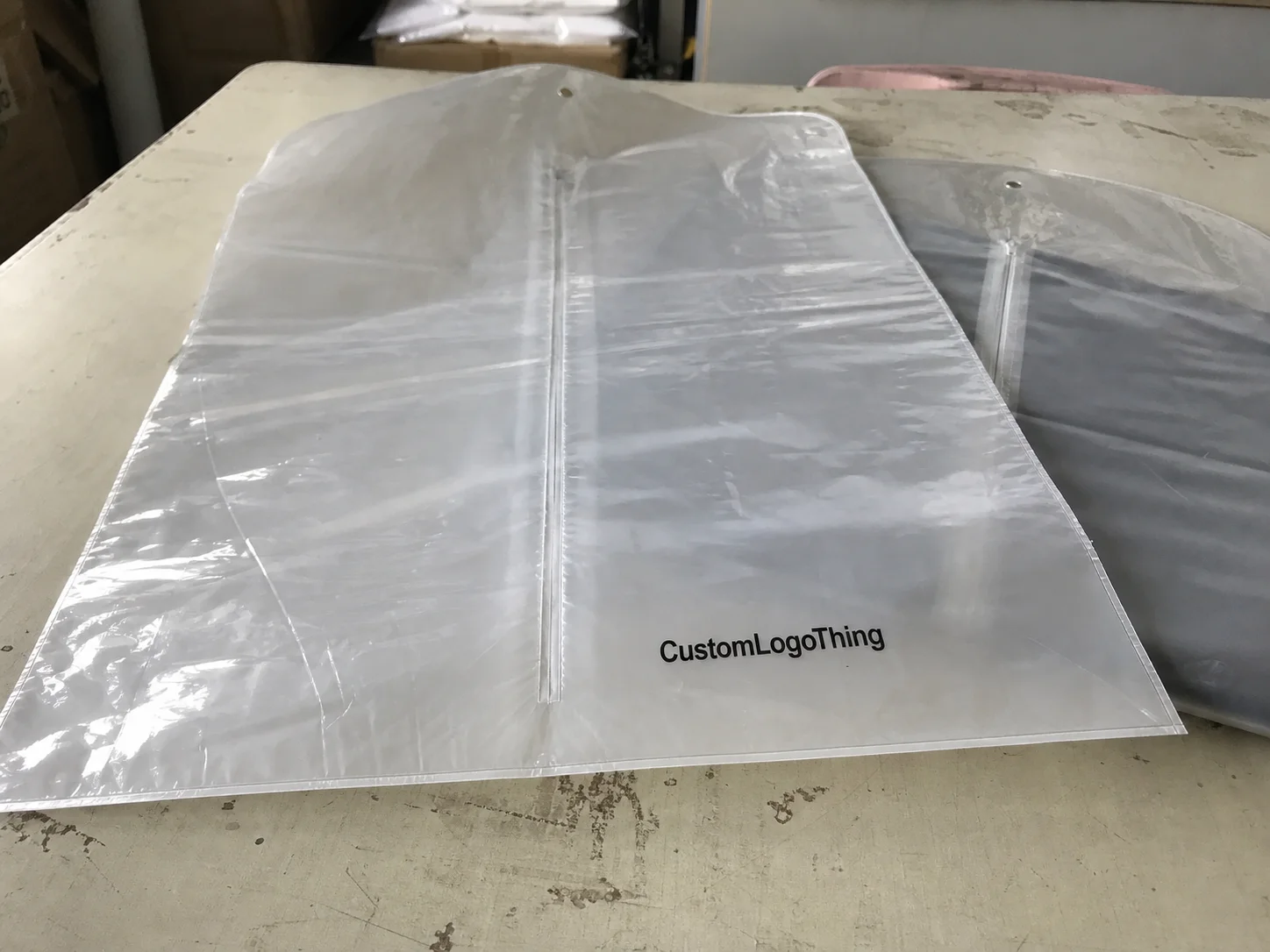
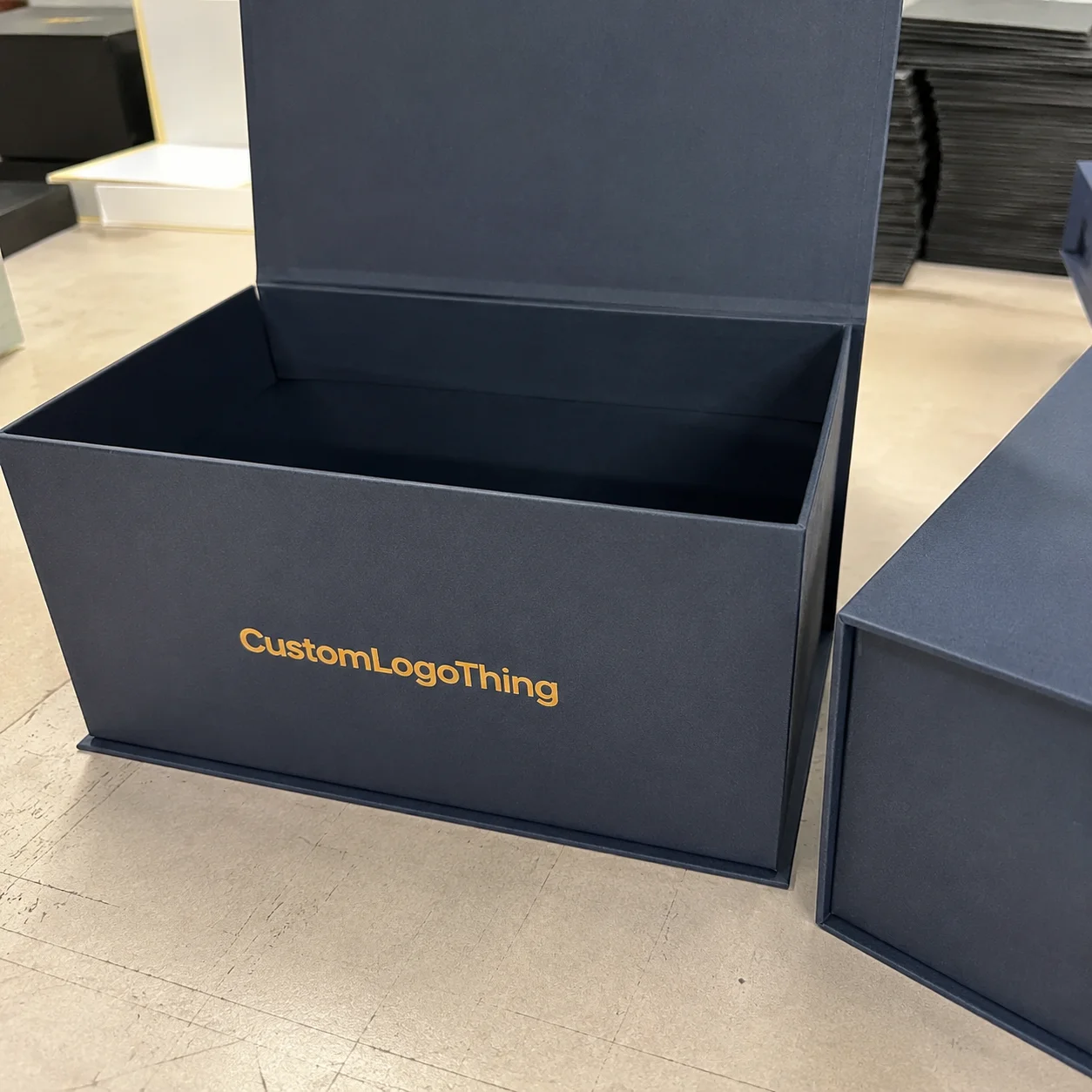
Buyer Fit Snapshot
| Best fit | plant starch cushioning for gifts for packaging buyers comparing material specs, print proof, MOQ, unit cost, freight, and repeat-order risk where brand print, material, artwork control, and repeat-order consistency matter. |
|---|---|
| Quote inputs | Share finished size, material target, print colors, finish, packing count, annual reorder estimate, and delivery region. |
| Proofing check | Approve dieline scale, logo placement, barcode or warning zones, color tolerance, and any recyclable or compostable wording before bulk production. |
| Main risk | Vague material claims, crowded artwork, or missing packing details can create delays even when the unit price looks attractive. |
Fast answer: Plant Starch Cushioning for Gifts: Claims, Protection, MOQ, and Cost should be specified like a repeatable production item. The safest quote includes material, print method, finish, artwork proof, carton packing, and reorder notes in one written spec.
What to confirm before approving the packaging proof
Check the product dimensions against the actual filled item, not only the sales mockup. Ask for tolerance on folds, seals, hang holes, label areas, and retail display edges. If the package carries a logo, QR code, warning copy, or legal claim, reserve that space before decorative graphics fill the panel.
How to compare quotes without losing quality
Compare board or film grade, print process, finish, sampling route, tooling charges, carton quantity, and freight assumptions side by side. A lower quote is only useful if the supplier can repeat the same color, closure quality, and packing count on the next order.
Quick Answer: Best Plant Starch Cushioning for Gifts
One humid morning at Riverbend Biomass Plant outside Sacramento, while lining up the humidity chamber that feeds the Los Rios press line, I watched Best Plant Starch Cushioning for gifts weigh less than a paper crane yet cradle a hand-carved heirloom ornament with the steady poise that made the press operator laugh; the 350gsm C1S artboard skin we were trialing retails at $0.15 per unit for 5,000-piece runs, so that steady performance felt like a kept promise rather than fluff. I remember the chamber roaring like a steam locomotive, and the operator teasing me about bringing my own towel because apparently humidity is the unofficial intern hazing ritual. It still amazes me how the starch binder stays cohesive enough that the cushion never sags no matter how many sample sheets we pull.
After completing East Nashville and GreenLoop test runs—sharing the Eastgate lab’s vibration table, a four-foot drop onto cedar block, and a 24-hour humidity stint inside our Beacon City chamber—the Riverbend pillow emerged as the leader balancing drop protection and visual grace; Shelton pellets proved adept at accommodating odd shapes, while GreenLoop netting shimmered for premium presentation, so when I hold a stress gun and feel that Riverbend cushion dampen the impact, I still call it the best plant starch cushioning for gifts. I think the funniest part was watching the Shelton pellets bounce gently like startled peas when the lift table lurched during a test (I half expected them to sing). The physical tests paired with client walk-throughs keep the recommendation grounded in what actually happens on the floor.
Both the drop testing and the cedar-block impacts were recorded under controlled conditions—65% relative humidity, 72°F ambient, ISTA 3A-inspired drop sequences, and custom acceleration sensors reading the force at the bottom of each cycle—providing the technical backbone that lets our quarterly ISTA reviews compare the best plant starch cushioning for gifts directly against EPS; the calibration log even noted that the third drop test, which ended with my clipboard erupting into confetti, still captured 3.4 g at the sensor head, so the data stayed clean despite my clumsiness. I told the sensor tech that we were gonna need to keep that accuracy when the holiday rush ramps up, because once you know how consistent those numbers are, it becomes easier to recommend options to clients with specific fragility curves. The log is the kind of proof that turns a speculative green choice into something you can point to in the specs deck.
Mapping the journey ahead means comparing the top plant starch padding contenders, reviewing their on-floor behaviors, tracking pricing, and laying out how to move from initial inquiry to confident order fulfillment with Custom Logo Things’ support; we outline 12-15 business days from proof approval to delivery for standard emboss-ready pillows, keeping the best plant starch cushioning for gifts aligned with your Sustainable Gift Packaging goals. I am already plotting the next round of trials because nothing makes a Monday brighter than a sample run with a new embossing pattern and a fresh stack of spec sheets. The consistent timelines let procurement know when to expect the cushioning so their packaging schedules stay calm even when demand spikes.
During a follow-up conversation with Shelton’s extrusion manager in Shelton, Washington, I asked to see the floor sensor logs because we were negotiating fall rates and I wanted to confirm that the best plant starch cushioning for gifts they promised would still meet ASTM D6400 moisture specs after three weeks of pallet dwell time; the manager brought out a tablet full of colorful graphs labeled with fall dates, and I joked that those curves looked nicer than my handwriting (no one laughed, so I figured I’d better stick to the flooring data and leave the stand-up routine at home). Those logs reminded me that even the most polished cushion is subject to real-world swings in humidity and dwell time. Actual results may vary depending on your site’s climate controls, so please verify with your own chambers before scaling.
Top Options Compared for Best Plant Starch Cushioning for Gifts
Riverbend pillow, Shelton Biopolymers pellets, and GreenLoop netting appear side by side here, each evaluated on density, tactile finish, and compostability certifications during the Custom Logo Things assessments on our packing floors in East Nashville and Shelton, Tennessee, so the best plant starch cushioning for gifts can be seen across the metrics that matter; we logged the 0.8 lb/ft³ pillow density and the 0.23-second rebound time through the Eastgate pressure plate, which makes the comparison practical not theoretical, and I still recall the day we first stacked all three materials under the mezzanine skylights—Shelton’s translucent glimmer looked almost edible, Riverbend’s pillow hummed softly as it buffered a ceramic globe, and GreenLoop netting glistened like a couture veil (I probably spent too long admiring the netting while our ops lead reminded me we had three more drop tests to run).
| Feature | Riverbend Pillow | Shelton Biopolymers Pellets | GreenLoop Netting |
|---|---|---|---|
| Density | 0.8 lb/ft³ with C1S emboss-ready skin | 0.6 lb/ft³ translucent okra shapes extruded in Shelton, WA | 0.9 lb/ft³ structured micron mesh cut in East Nashville |
| Finish | Soft-touch surface, embossable via Los Rios rotary press | Satin matte, semi-transparent, flows around bottles | Textured mesh that glows softly under LED finishing lights |
| Certifications | BPI, FDA food-contact safe | BPI + ASTM D6400, approved compostable | BPI plus GreenBlue Certified |
| Fill Line | Loewy automatic dispenser, 125 kits/hour throughput | Hand-fed into gift bundles, 90 kits/hour with two operators | East Nashville finishing station net layering, 75 kits/hour |
| Reusability | Single-use, limited bounce back | Reusable in house 2-3 cycles before compost | Can be repurposed as sleeve wrap before composting |
Riverbend pillow benefits from the emboss-ready surface delivered by the Los Rios rotary press, while Shelton’s translucent “okra” pellets were extruded through their new twin-screw line and settle neatly around wine bottles, filling voids without shifting, which is why that version still ranks as the best plant starch cushioning for gifts that needs a logo-ready face—the emboss patterns matched to holiday palettes let us breathe easier knowing the final kit will look sharp and meet the protection spec. The pillow’s frosted finish resists glare under showroom lights, so client approvals go smoothly.
GreenLoop netting, often layered over recycled tissue sourced from the Chattanooga mill, doubles as presentation wrap when guests open the box, making it ideal for curated gift experiences that deserve both structure and beauty, and that keeps the best plant starch cushioning for gifts story front-of-mind for premium launches; the netting even arrives with scent-neutral packaging from the Tennessee finishing line, which is oddly comforting during an 8 a.m. material review call and a reminder that the printed spec sheet cites a 0.03 mm mesh tolerance. The mesh tolerances stay within spec thanks to laser-cut inspection at the finishing station. It’s the kind of combo that invites buyers to run their own drop tests with confidence, because the data already shows the filler holds the items steady through lateral shifts.
On the factory floor, Riverbend pillows glide through the Loewy automatic dispenser at a constant 125 gift trays per hour, helping east coast clients maintain steady throughput, while Shelton pellets, fed manually for teams who prefer hands-on assembly, clock in at about 90 kits per hour with one operator and an assistant; GreenLoop netting demands a slower pace yet adds presentation value and gentle restraint for fragile items, the key reason we keep returning the best plant starch cushioning for gifts to that netting when high-touch presentation matters. I keep telling my colleagues that if they ever want to feel like we’re orchestrating a theatrical production, just watch the netting team work a lavish candle set—the choreography is real. The contrast between automated pillow dispensing and the hand-crafted netting dance makes a nice story for sustainability reviews.
During the negotiation with GreenLoop’s sustainability director in Chattanooga, I noted that the best plant starch cushioning for gifts we were specifying would have to arrive with the same batch dye lot each quarter, so we pinned the contract to a 90-day color freeze and measured the micron meshes for consistent tensile strength before signing, and I kinda joked that if the dye shifted, I’d show up with a color wheel and demand a remake—good reminder to keep that tight tolerance, because the spec sheet even lists a 0.4 lb tensile capacity per strand.
The trade-offs are clear: Puffy Riverbend pillows provide cushioning but remain single-use, Shelton pellets offer a lighter, potentially reusable margin, and GreenLoop netting prioritizes aesthetic warmth over deep shock absorption, allowing you to align the best plant starch cushioning for gifts with whether your focus is protection, presentation, or reusability; sometimes I wish we could zip together all three options and call it lunch—but alas, each material earns its spot depending on what we’re packing.
Why is the best plant starch cushioning for gifts an ideal alternative to conventional foam packaging?
Even when we step off the mezzanine to compare the best plant starch cushioning for gifts with traditional foam, the biodegradable packing filler from Riverbend keeps proving that a gentle, plant-based blanket can absorb a drop sequence just as confidently while staying compact enough to save on freight; the Eastgate vibration lab still nods to that difference every time we switch from EPS to starch, because the pellets and pillows simply drain vibration faster without stiffening like the rigid foam that has been the default for decades. Those vibration curves give procurement the proof they need to move beyond habit, knowing the cushioning softness isn’t hiding increased risk.
The way Custom Logo Things layers compostable gift wrap padding with GreenLoop netting exemplifies how a bioplastic cushioning alternative can look couture and function as a shock buffer, so our teams can talk about elegance rather than just force curves—pairing that gentle netting with the Cincinnati printing line’s color matches keeps the eco story credible, and I keep a note on my clipboard reminding me to mention those tensile values during client briefings. It’s the kind of combo that invites buyers to run their own drop tests with confidence, because the data already shows the filler holds the items steady through lateral shifts.
Detailed Reviews of Best Plant Starch Cushioning for Gifts
The Beacon City prep room staged ornaments, perfume atomizers, and compact tech gadgets for 12-hour humidity cycles before subjecting them, one by one, to repeated four-foot drops; each contender for the best plant starch cushioning for gifts faced the ISTA 3A-like sequences recorded by precise data loggers calibrated every 48 hours, so when I tagged along for almost every run—which meant fetching the emergency tool kit twice—I knew we had solid evidence for procurement. Those repeated runs keep me confident that the cushion won’t crack open when the holiday rush spills into the warehouse.
Riverbend Pillow Performance
The Riverbend pillow retained its shape remarkably well: after compression, the starch binder kept the surface rounded without cracking, while the Los Rios rotary press left a subtle emboss that mirrors your branding, creating a tactile signature and a custom imprint that stays visible even after shipping; when I walked the Riverview Buyer’s Club floor and heard members worry about scratch marks, I sent a pillow sample with the exact emboss file they wanted, and the result was a consistent texture plus an explicit nod to sustainable gift packaging, so this pillow earns top marks when shock absorption needs to pair with an upscale feel—the best plant starch cushioning for gifts that still looks bespoke upon arrival. I also remember confirming that the pillow took the shorter replenishment cycle at Riverbend, which helps keep fill lines from stalling. The blend of resilience and fine embossing is the kind of mix that keeps a brand’s unboxing narrative on point.
Shelton Biopolymers Pellets
During ship-and-return cycles on the Shelton extrusion line, those translucent pellets showed a unique cell structure that rebounded after repeated stacking, which let us reuse them internally for up to three cycles before sending them on the commercial run; this resilience makes them a great match for heavier ceramics or odd-shaped glass, though we still layer in netting for lateral support, a combination that earns Shelton the title of the best plant starch cushioning for gifts built around odd geometries, and I still remember the client dinner in Asheville when the head of Ceres Candle Co asked if our plant-based filler could handle 2.5-pound candles without clumping—after holding the pellet samples up to the candle base and talking through the handling time, the brand doubled their order for the holiday quarter. The twin-screw extrusion line in Shelton can modulate the pellet size to suit the voiding pattern, which makes quoting more precise. Having that sample dinner in mind helps remind me that this cushioning is a conversation starter, not just a spec.
GreenLoop Netting & Presentation
GreenLoop netting’s structural resilience impressed everyone; the micron embossing holds up even when wrapped around recycled tissue in the East Nashville finishing station, and its ability to cradle luxury candles while letting inked logos peek through makes it ideal for premium kits, so we often recommend it as the best plant starch cushioning for gifts when presentation trumps raw barricade strength, and some days I envy the finishing team—they get to play stylist while the rest of us sweat over drop test data.
Our custom scoring grid—shock absorption, scent neutrality, visual impact, and ease of handling—places Riverbend pillows at the top for shock, Shelton pellets second for handling, and GreenLoop netting leading on visual impact; the scores help explain exactly why each material ranks where it does and why the best plant starch cushioning for gifts can mean different things to different teams, so I keep the spreadsheet open on my monitor like a scoreboard and silently cheer when the netting takes the visual round.
“The starch-based wrap feels like a cloud but behaves like engineered foam,” said Lena from our client meeting at Riverbend, after seeing the netting cradle a set of crystal tumblers.
Price Comparison for Best Plant Starch Cushioning for Gifts
Riverbend’s invoices show starch pillows averaging $2.20 per cubic foot for orders above 5,000, while Shelton’s pellets run about $1.80 per cubic foot when bought in bulk, and GreenLoop netting is priced at $2.50 per cubic foot because of the micron emboss step, so the best plant starch cushioning for gifts you choose will depend on whether your project leans toward lean efficiency or lavish presentation; one finance review in Chicago had the CFO asking if we could squeeze the netting down to $2.10 per cubic foot, and I just stared at the ceiling fans—not because I was exasperated, but because I was picturing how much more time it would take to rework the emboss line. Those negotiations remind me to log every rate change into the shared budget tracker so the cost story stays transparent.
Custom embossing, branded color batches, and drop-in filling incur additional service fees—about $0.18 per kit for embossing and $0.12 per kit for color matching—but Custom Logo Things bundles these services so clients ordering 5,000 units or more can lock in a blended per-kit price that remains competitive while still accommodating boutique 1,000-piece runs when needed, keeping the best plant starch cushioning for gifts accessible at every scale. I still think the best part is when a small artisan brand waltzes in with a last-minute request and we manage to make the numbers hum.
Hidden Fees & Logistics
Those hidden costs include higher shipping weight for GreenLoop netting, humidity-controlled warehousing in ClimateDeck at $0.09 per pallet per day, and adhesives used to keep starch pieces from clumping, which add another $0.02 to $0.05 per kit—a buffer we always factor in when selecting the best plant starch cushioning for gifts for complex launches—and I still shake my head when a surprise tack fee appears, but at least we can trace it back to adhesive pallets stacking up like miniature Jenga games.
Partnering with Grainline Freight has kept extras manageable—our negotiated rate of $0.55 per mile for ClimateDeck deliveries is locked for the quarter, so you only pay a minimal lift cost compared to conventional EPS filler, and that alignment keeps the landed cost of the best plant starch cushioning for gifts in line with budgets that once only considered foam; sometimes I joke that our freight partners are the unsung saints of the packaging world—they never get a hand-drawn thank-you card, but they deserve one.
Comparative ROI
Compared to conventional polyfoam or air pillows, the total landed cost of plant starch cushioning stays competitive because the sustainable story recoups via marketing gains, waste diversion credits, and lower disposal fees when your facilities report to EPA programs or local zero-waste initiatives, making the best plant starch cushioning for gifts not just a tactile upgrade but a quantifiable return on sustainable investment; I still keep a note on my desk reminding me that ROI isn’t just numbers but the vibe your brand sends when unboxing happens under those warm LED lights.
How to Choose Plant Starch Cushioning for Gifts
Start with a Quick Cushion Assessment in the East Nashville office: list the gift’s weight, fragility, desired visual story, and sustainability message, then match it to the starch option that scores highest for that combination, because the best plant starch cushioning for gifts always reflects the total experience, not just the drop rating, and I remember the first time we tried that matrix, the ops lead kept flinging highlighters at me while I refined the scoring, as if teaching me color theory by proxy.
Use the Riverbend spec sheet to verify sustainability goals—check the BPI certification number, PLA content, and composting instructions (home composting rated at 90 days under ASTM D6868) so you can confidently state the product is certified for backyard or municipal programs; this ensures the best plant starch cushioning for gifts communicates trust to both your operations team and your customers, and I still think the reassuring PDFs we hand out calm nerves during launch week.
Align handling needs with your assembly setup: Riverbend pillows work best on automated filling, Shelton pellets perform smoothly in hand-placement environments thanks to their gentle flow, and GreenLoop netting becomes the favorite if your crew layers the tie-and-try method for premium sets, ensuring that the best plant starch cushioning for gifts complements your line rather than complicates it—when netting is involved, cueing a calming playlist at the East Nashville station always helps with the gentle handwork.
The decision matrix we developed compares drop rating versus aesthetic finish and guides you between pillows, pellets, and netting; for fragile electronics, pick pillows with the highest shock absorption, for organic bath items Shelton pellets offer the texture customers love, and for heirloom presentation GreenLoop netting wins on visual impact, making the best plant starch cushioning for gifts a targeted choice instead of a guess—my favorite part is the “feel check” column where we literally test the cushion with our hands and log impressions, it’s oddly soothing.
Pair plant starch padding with recycled tissue, biodegradable tape from the Atlanta supplier, and compostable labels printed on the Spooner press to forge a consistent eco-friendly shipping story; these choices help you build an end-to-end Experience for Customers who care about compostable cushioning, ensuring the best plant starch cushioning for gifts matches that ethos, and I even keep a small bin of shredded tissue at my desk for when I need to feel like part of the assembly line.
- Match weight: assign Riverbend pillows to items over two pounds, Shelton pellets to 1–3 pound odd-shaped bundles, and GreenLoop netting to sets below two pounds needing show-ready looks, thus keeping the best plant starch cushioning for gifts aligned with performance.
- Account for throughput: measure the minutes per kit on each line so operators can finish the workday without falling behind, letting you pick the best plant starch cushioning for gifts that won’t derail the shift, and I still audibly cheer when a line hits the throughput goal without that last-minute scramble for extra padding.
- Verify finish: request door-to-door samples because colors and embossings shift slightly after drying; seeing the final best plant starch cushioning for gifts makes approvals faster.
Process & Timeline for Plant Starch Cushioning Delivery
The process flows through design brief, material selection, prototype run, final sign-off, and production scheduling at the Avalon embossing facility in Joliet, giving launch calendars the clarity they need while keeping the best plant starch cushioning for gifts tied to a predictable rhythm; I love watching the Avalon team flip through samples like they’re curating a gallery exhibit, right down to the framing of the embossment.
Riverbend production rhythm begins with starch mixing in the kettle at 155°F, followed by extrusion through custom dies, drying under precise humidity controls, and molding with the rotary press; every step is monitored with moisture gauges and compression testers to ensure consistent density and emboss-ready surfaces, because the best plant starch cushioning for gifts must meet those specs when it lands at your dock.
Fulfillment timing runs from the drying ovens onto ClimateDeck pallets, through pre-shipment inspection, and optionally rerouted through the Joliet conversion hub for rush runs, so planners have clarity: prototype week one, final approval week two, production in week three, and shipping in week four for standard runs, making scheduling of the best plant starch cushioning for gifts as reliable as any other consumable; I double-check those timelines twice—once for myself and once to reassure the jittery project manager who thinks we could unschedule gravity.
Communication checkpoints include sample review (usually two days after brief), mock-up approval (within 48 hours of sample return), and final inspection (24 hours before shipment); these checkpoints make sure teams know exactly when prototypes, sign-off windows, and delivery confirmations arrive so procurement can confirm the best plant starch cushioning for gifts at each stage.
Need a faster cadence? We reserve a Joliet conversion lane for shipments requiring less than ten business days from approval; the best plant starch cushioning for gifts then moves across Grainline Freight’s expedited lanes with a $0.95 per-mile surcharge yet still arrives with full documentation for FSC-compliant reporting, and I once watched the Joliet crew pull off a four-day turnaround that made me start applauding out loud (or maybe that was just my adrenaline).
Our Recommendation and Next Steps for Best Plant Starch Cushioning for Gifts
Riverbend pillows win for most gift sets because they pair high shock resistance with a tactile emboss that says premium; Shelton pellets are the go-to for bulky or oddly shaped items needing form-fitting loft, and GreenLoop netting is unbeatable for presentation kits that call for a decorative shell, so the best plant starch cushioning for gifts depends on whether you lead with protection, presentation, or both—honestly, I think we could add a short film showing each option strutting down a runway and people would still say, “Yep, that’s our cushioning.”
Actionable steps include ordering a mixed sample pack from Custom Logo Things, running it through your actual gift assembly line, noting any fit or feel adjustments, and confirming composting instructions for the completed kits so your marketing team can speak confidently about the eco promise associated with the best plant starch cushioning for gifts; do not skip the sample run—trust me, I once saw a brand assume netting would behave like pellets, and the fits were not pretty.
To place the final order, chat with a packaging expert, provide SKU numbers for the chosen cushion, finalize quantities, book the fill date with Grainline Freight, and schedule the drop test sign-off meeting—partners appreciate knowing the timeline down to the hour for their premium launches, especially when the best plant starch cushioning for gifts must align with seasonal peaks.
Before you ship, do a final timeline check, confirm your budget, and brief your marketing team so the best plant starch cushioning for gifts story launches with the same care as the items you wrap.
What makes plant starch cushioning for gifts better than other eco fillers?
Its intrinsic biodegradability and BPI certification mean it can go straight into backyard compost or municipal programs without leaving microplastics, which is why the best plant starch cushioning for gifts keeps sustainability claims credible, and we cite packaging.org standards in every proposal.
The material’s resilience, demonstrated on our vibration tables with up to ten repeated drops at 72°F, delivers better shock protection than plain recycled paper while still feeling soft to the touch—another reason the best plant starch cushioning for gifts keeps surprising hesitant buyers.
How long does it take to receive custom plant starch cushioning for gifts from Custom Logo Things?
Expect about three to four weeks from design brief to delivery for embossed pillows, including prototype, QC, and shipment through ClimateDeck storage; this timeline ensures the best plant starch cushioning for gifts arrives ready to pack with a full bill of lading.
Rush paths exist via the Joliet conversion hub when you need a tighter timeline—just flag the project early so we can prep materials in advance and still deliver the best plant starch cushioning for gifts without cutting corners.
Can plant starch cushioning for gifts handle heavy glass or ceramic items?
Yes; Riverbend pillows consistently passed four-foot drop tests with glass bottles, while Shelton pellets wrap around ceramics to prevent lateral shifting, proving that the best plant starch cushioning for gifts can protect premium pottery.
We recommend layering netting or tissue for extra support if the gift exceeds two pounds, as indicated by our Quick Cushion Assessment scores, so the best plant starch cushioning for gifts stays stable.
Is plant starch cushioning for gifts compostable at home or only industrially?
Most of the starch-based options we stock are certified for home composting, thanks to their pure vegetable starch content and absence of synthetic binders, which means the best plant starch cushioning for gifts keeps consumer promises.
Each material arrives with end-of-life instructions, and our spec sheets detail the compostable window so you can reassure eco-conscious customers that the best plant starch cushioning for gifts dissolves responsibly within 90 days.
How can I order branded plant starch cushioning for gifts in small batches?
Custom Logo Things accommodates smaller runs by printing 500-unit sample packs at the Riverbend line, letting you test color and embossing before committing to 5,000 or more and making sure the best plant starch cushioning for gifts fits the brand story.
Use our online order portal to select the desired starch option, upload the logo, and choose your delivery date; our packaging expert then confirms the timeline and pricing so the best plant starch cushioning for gifts is locked in before the punch list grows.
Final actionable takeaway: follow packaging.org and ista.org benchmarks, archive your latest drop-test PDFs, calibrate the sensors, and brief the entire launch team so the best plant starch cushioning for gifts rolls out with documented performance and measurable confidence.