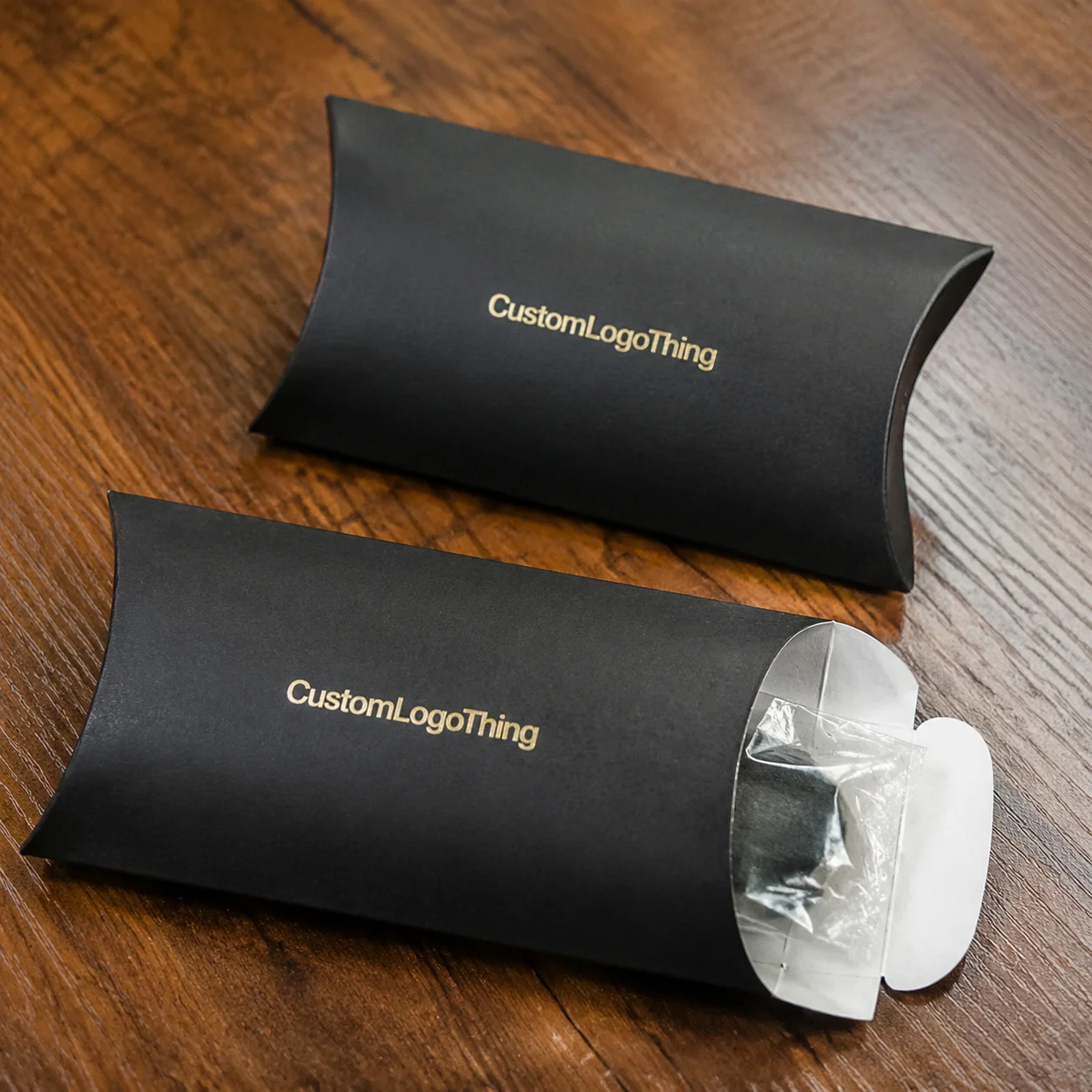
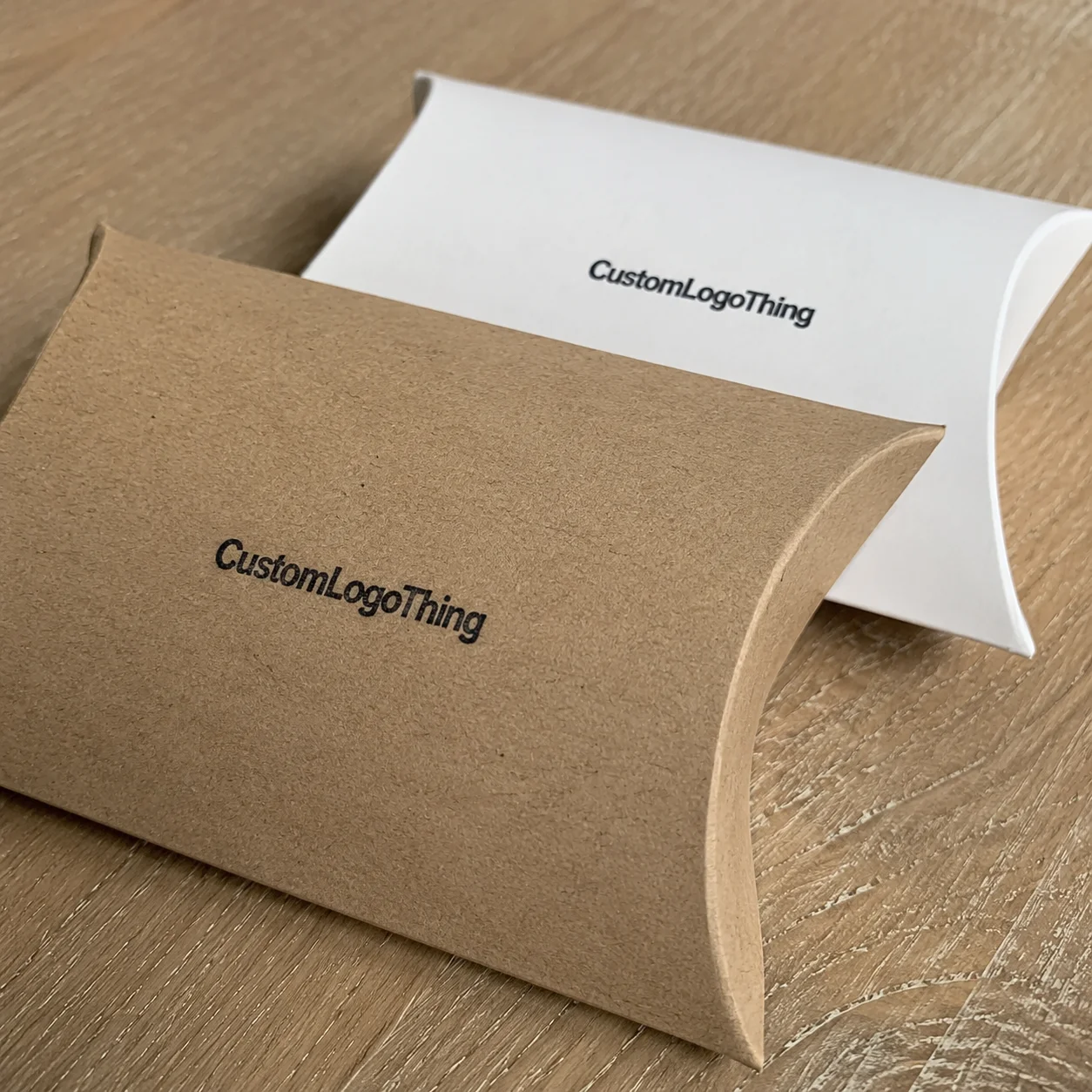
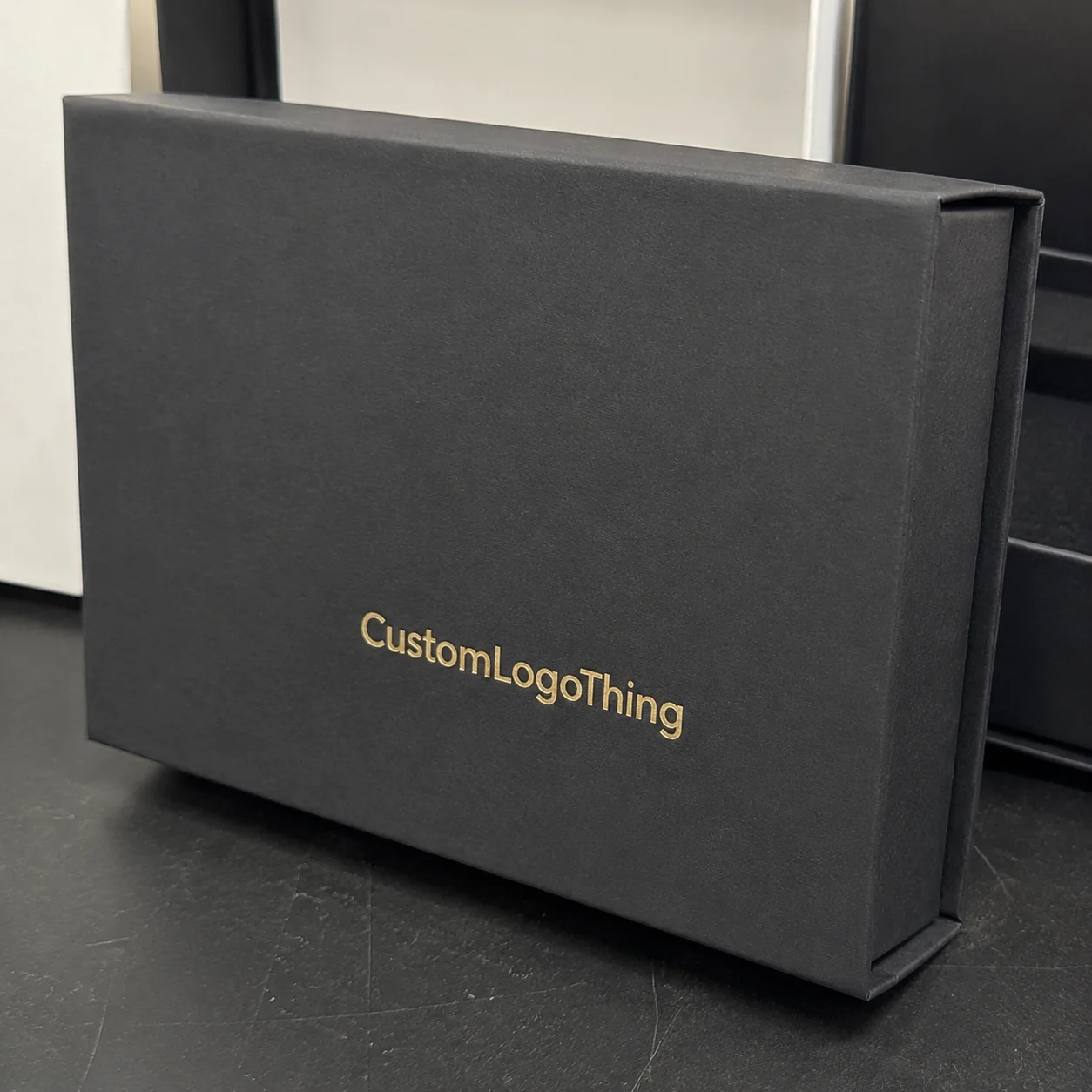
Magnetic Gift Boxes Wholesale USA: When Presentation Decides the Reorder
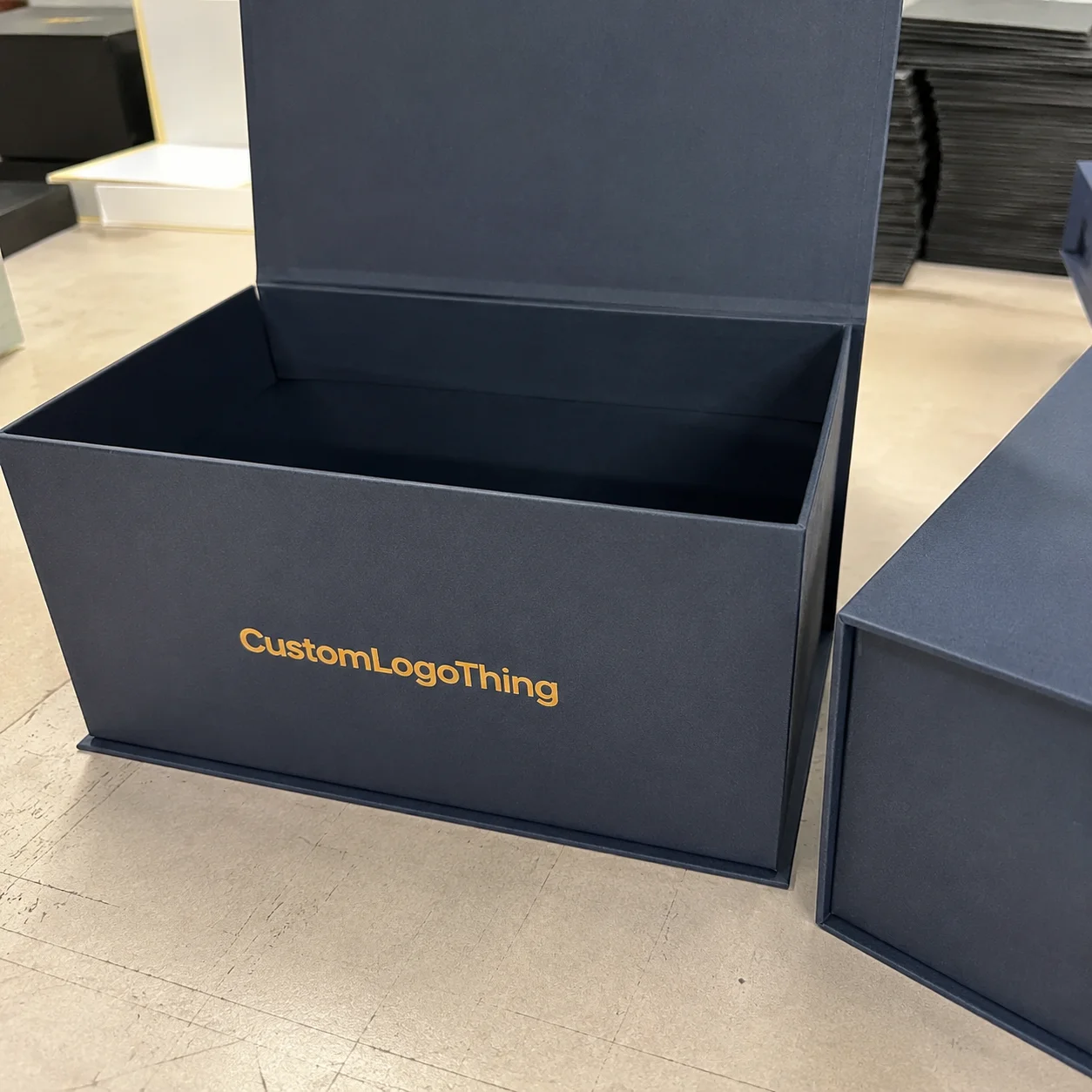
A premium gift can arrive perfectly intact and still lose the room in three seconds. The lid opens. The product sits too low, or the insert shifts, or the flap closes with a weak click instead of a clean magnetic pull. That small moment explains why buyers search for Magnetic Gift Boxes wholesale usa rather than settling for a plain folding carton or a stock mailer.
This is not a casual packaging purchase. Retail brands, beauty companies, apparel sellers, employee gift programs, electronics accessory lines, and promotional product resellers need boxes that repeat well across hundreds or thousands of units. The package has to protect the product, survive warehouse handling, photograph well, sit neatly in a gift kit, and support the price of the item before anyone touches what is inside.
Rigid magnetic gift boxes usually create that effect through a greyboard or chipboard structure wrapped with printed paper, textured paper, kraft paper, or specialty stock. They feel more substantial than folding cartons because the board resists flex, the wrapped edges create a finished surface, and the magnetic flap gives the user a reusable closure. For holiday sets, influencer mailers, subscription launches, executive gifts, and retail bundles, the box often stays in use long after the first opening.
Wholesale buyers need more than a polished rendering. They need board thickness, inside dimensions, wrap material, magnet placement, insert tolerance, carton packing, freight assumptions, and lead time spelled out before approval. Missing details can turn a low quote into an expensive order through rework, freight surprises, or fulfillment delays.
Custom Logo Things helps buyers convert those details into a quote-ready specification. If you manage branded merchandise or packaging across multiple SKUs, the Wholesale Programs page can also help you review broader ordering options before pricing a magnetic rigid box project.
Rigid Magnetic Box Construction and Product Details Buyers Should Compare
Most Magnetic Closure Gift Boxes start with a rigid core, commonly 1.5 mm to 3.0 mm greyboard depending on the box footprint and product weight. The board is cut, scored, assembled, and wrapped. Magnets are embedded into the front wall and flap during production, then covered by the wrap so the closure looks clean from the outside.
The main formats are easy to separate once the terminology is clear. Book-style hinged boxes open like a hardcover book and suit cosmetics, candles, drinkware, electronics accessories, sample kits, and small apparel sets. Collapsible magnetic boxes ship flatter, usually with adhesive strips or folding sidewalls, which reduces storage volume. Shoulder-neck boxes with magnetic flap sleeves create a raised interior platform and a more layered reveal. Two-piece rigid boxes with magnetic closure details are less common, but they can work when a tray-and-lid presentation needs added security.
Closure feel is more technical than it looks. The magnet should hold the flap securely without forcing the customer to pull hard enough to crease the wrap or stress the glued panels. Magnet strength, board caliper, wrap thickness, hinge gap, and flap overlap all interact. A small jewelry box usually needs a lighter closure than a large apparel gift box with a deep front flap.
Protection comes from the structure and the insert, not just the outside shell. EVA foam gives a precise hold for bottles, jars, watches, electronics, awards, and premium accessories. Paperboard dividers are often lighter, less expensive, and easier to recycle in many programs. Molded pulp trays create a natural molded look and can suit beauty, wellness, and sustainability-minded gifting. Satin lining and ribbon pulls are presentation features; they should not be treated as structural protection unless the product is already stable or supported by another insert.
Bulk handling changes the landed cost. Fully assembled rigid boxes feel premium right out of the carton, but they occupy more warehouse space and often ship with more air. Collapsible magnetic boxes add a setup step during fulfillment, yet they can lower freight volume significantly on larger runs. For buyers comparing magnetic gift boxes wholesale usa suppliers, the freight math may matter as much as a few cents on the box price.
Custom Sizes, Printing, Finishes, and Insert Specifications
Accurate sizing starts inside the box. Provide inside length, width, and depth, plus the product’s exact dimensions at the widest and tallest points. If the product has a cap, pump, handle, bow, cable, tissue wrap, protective sleeve, or hangtag, measure that too. A snug insert may need only 1 mm to 2 mm of clearance for a small item; apparel, soft goods, and bundled gift sets usually need more breathing room so fulfillment teams are not forcing product into place.
Board thickness should match the box size. A small beauty box may feel solid with 1.5 mm to 2.0 mm rigid board. A larger corporate gift box or apparel presentation box often benefits from 2.5 mm to 3.0 mm board. Heavier board improves stiffness, but it also affects hinge movement, folding behavior, freight weight, and cost. Thicker is not automatically better if the hinge geometry and wrap tension are wrong.
Decoration options range from restrained to highly layered. Common choices include CMYK printing, Pantone spot color matching, foil stamping, embossing, debossing, spot UV, matte lamination, gloss lamination, soft-touch lamination, textured paper wraps, ribbon pulls, and custom printed interiors. Many retail programs use 350 gsm C1S art paper with matte or soft-touch lamination over a 2.0 mm greyboard core because it balances print quality, hand feel, and cost control.
Artwork should be built on a dieline, not guessed from a flat rectangle. Bleed, safe zones, logo placement, flap orientation, spine position, and inside panel direction all need confirmation before printing. Foil, embossing, debossing, and spot UV should be supplied on separate vector layers. Pantone references help keep color discussions precise, although the final shade can still shift with paper tone, lamination, ink density, and lighting.
Insert selection should follow the product. EVA foam provides a clean, premium hold, but it may not fit every sustainability target. Paperboard inserts are lighter and often more economical. Molded pulp can look deliberate and natural, though tooling, texture, and minimums need review. Satin lining creates a luxury reveal for awards, plaques, jewelry, and executive gifts, but it works best with an internal platform if the item must stay controlled during handling.
A useful specification balances appearance, fulfillment speed, protection, cartonization, and opening experience. If you are comparing packaging styles beyond magnetic boxes, the Custom Packaging Products page can help map rigid boxes against folding cartons, mailers, bags, and other branded packaging formats.
MOQ, Pricing, and Unit Cost Factors for Wholesale Orders
Pricing for custom magnetic boxes is driven by box size, board thickness, order quantity, print coverage, finishing steps, insert type, assembly method, packing format, and shipping destination. A small plain rigid box with one-color foil and no insert is a very different project from a large printed gift box with soft-touch lamination, molded pulp tray, ribbon pull, carton labeling, and palletized delivery.
MOQ matters because rigid magnetic packaging carries setup costs. Dielines, cutting, wrapping, magnet placement, printing setup, foil dies, embossing dies, insert tooling, and hand assembly all add fixed expense. Very small runs may be possible, but the per-unit price can look high because those fixed costs are spread across too few boxes.
Higher quantities usually reduce unit cost. Still, freight and storage belong in the same calculation. A buyer might save $0.40 per box by increasing an order from 1,000 units to 3,000 units, then lose part of that savings through warehousing or slow inventory turns. The practical target is not always the lowest unit price. It is often the best landed cost for the next sales cycle.
| Cost Factor | Typical Buyer Choice | Cost Impact | Practical Note |
|---|---|---|---|
| Structure | Assembled rigid or collapsible magnetic | Medium to high | Collapsible boxes may reduce freight volume; assembled boxes usually feel more premium during pack-out. |
| Board Thickness | 1.5 mm, 2.0 mm, 2.5 mm, or 3.0 mm greyboard | Medium | Larger boxes often need heavier board to prevent panel flex and corner weakness. |
| Printing | CMYK, Pantone, inside print, full coverage | Low to medium | Heavy ink coverage and inside printing add cost but can improve shelf presence and opening impact. |
| Finishing | Foil, embossing, spot UV, soft-touch lamination | Medium | Using one premium finish instead of several often controls cost without making the box feel plain. |
| Insert | Foam, paperboard, molded pulp, satin lining | Medium to high | Insert material affects protection, appearance, sustainability goals, and fulfillment speed. |
For rough planning, simple wholesale rigid magnetic boxes can sometimes land in the low single-dollar range at larger quantities. Larger premium builds with custom inserts, specialty finishes, and heavier board can move several dollars higher per unit. Dimensions, freight, finish choices, and packaging format change the number quickly, so a firm quote needs real specifications.
A useful request includes inside dimensions, quantity tiers, artwork status, finish requirements, insert details, assembled or collapsible preference, delivery ZIP code, deadline, and any carton labeling or palletization needs. Without those inputs, suppliers are usually estimating around missing information.
There are sensible ways to control cost. Standardize one box size across several SKUs if the product mix allows it. Use paperboard inserts instead of foam when the product is not fragile. Keep foil coverage focused on a logo or pattern rather than a large flood area. Choose collapsible magnetic gift boxes for bulky programs with high freight sensitivity. Order replenishment quantities before the warehouse is down to the last few cartons. Buyers sourcing magnetic gift boxes wholesale usa should compare landed cost, not just the lowest production number on a quote line.
Production Process, Lead Time, and Approval Timeline
A clean order flow keeps custom packaging from becoming a scramble. The usual path is consultation, specification confirmation, dieline preparation, artwork placement, quote approval, sample production if needed, pre-production approval, mass production, quality check, packing, and shipping. Each step removes uncertainty before the full run is committed.
Samples serve different purposes. A plain structural sample verifies size, fit, insert clearance, flap depth, and basic handling. A printed sample checks color, finish, magnet feel, wrap quality, foil registration, and insert placement. If the product is fragile, unusually shaped, heavy, or part of a multi-piece kit, skipping the structural sample can be an expensive shortcut.
Lead time depends on custom tooling, specialty paper availability, finishing complexity, insert material, order size, production capacity, freight method, and approval speed. Repeat orders often move faster because the dieline and specification are already set. New designs with multiple finishes, imported wrap papers, molded pulp inserts, or strict color standards need more time for sampling and correction.
For planning, many custom rigid box orders need several business days for quoting and dieline work, about one to two weeks for sampling depending on complexity, and several additional weeks for production after approval. Air freight can shorten transit but raises cost. Ocean or consolidated freight can lower shipping cost but requires earlier planning. These are working ranges, not guarantees, because every box size and finish stack changes the schedule.
Quality checks should cover color consistency, board squareness, corner wrapping, glue strength, magnet placement, hinge movement, foil registration, insert fit, and carton packing integrity. For transit validation, many buyers reference test methods from ISTA, especially when boxes will ship through parcel networks or inside master cartons with other components. For fiber sourcing claims, buyers may also ask about FSC paper options, although certification availability depends on material selection and chain-of-custody requirements.
Rush options may be possible for simpler builds, particularly repeat orders with locked artwork. Rushing a premium magnetic closure box should not mean skipping structure checks when product fit is critical. The fastest projects are usually the most organized ones: confirmed size, approved artwork, known quantity, clear packing requirements, and no last-minute changes after sampling.
What a U.S.-Focused Packaging Partner Should Handle Before You Order
A U.S.-focused packaging partner should do more than forward a catalog image. Buyers should expect responsive quoting, clear dielines, material recommendations, print guidance, sample coordination, freight planning, and specification control. Those capabilities are visible before a purchase order is issued because they show up in the questions a supplier asks.
Custom Logo Things supports wholesale buyers by translating brand goals into manufacturable box details: box style, inside size, board thickness, wrap paper, lamination, logo decoration, insert material, quantity breaks, packing format, and shipping assumptions. The goal is not to build the fanciest box possible. The goal is to build the right box for the product, budget, timeline, and customer experience.
Practical buying rule: if a design choice adds cost, slows production, weakens structure, or creates avoidable fulfillment problems, a good packaging partner should say so early, in plain language.
From a packaging buyer’s point of view, small details separate a box that feels premium from one that only looked good on screen. Wrap tension affects whether panels look smooth or wavy. Corner folding affects whether the box still looks sharp after handling. Magnet alignment affects closure feel. Insert tolerance affects whether the fulfillment team can pack 500 kits in a day without trimming foam or forcing products into place.
Repeatability matters for retail, promotional, corporate gifting, subscription, and reseller orders. If the first order is 1,500 units and the reorder is 5,000 units, the supplier needs to keep the dieline, material notes, finish callouts, carton count, and labeling requirements consistent. Carton labels, pallet instructions, and replenishment timing may sound ordinary, but they prevent receiving and fulfillment problems.
Judge suppliers by samples, communication clarity, specification detail, and landed-cost transparency. Broad promises are easy. Accurate specs are harder. A reliable partner will help explain where the budget is going, which options are worth paying for, and which features may be overbuilt for the product. That clarity is useful when multiple magnetic box quotes look similar at first glance.
Action Steps to Request a Reliable Wholesale Box Quote
Good quotes start with complete information. Choose the box style first: book-style hinged, collapsible magnetic, shoulder-neck, or another rigid presentation format. Then measure the product, decide whether an insert is needed, select finish preferences, estimate the order quantity, and gather delivery details. The more complete the request, the less time gets lost in clarification.
Send product photos if the item has an unusual shape or a finish that can scratch. Include product dimensions, product weight, logo files, brand color references, and any existing packaging samples or photos. Vector artwork is preferred for foil stamping, embossing, debossing, and clean logo reproduction. If only a PNG or JPEG is available, say so early so artwork cleanup can be discussed before production timing is promised.
Ask for quantity breaks. Common tiers include 500, 1,000, 2,500, and 5,000 units, although the right tiers depend on the program. Also ask about sample options, estimated production time, packing method, freight assumptions, and the price difference between assembled and collapsible structures. If the boxes need UPC labels, carton marks, pallet labels, or routing-guide compliance, include those requirements in the first request.
- Confirm inside dimensions and product weight.
- Choose a rigid box style and closure format.
- Select wrap paper, print method, and finish options.
- Decide on foam, paperboard, molded pulp, satin, or no insert.
- Request quantity breaks and landed-cost assumptions.
- Build time for sampling, revisions, production, and transit.
Launch dates deserve extra care. Packaging is often treated as the last procurement item, even though it touches design, product protection, fulfillment labor, photography, retail presentation, and freight. If a kit must arrive for an event, trade show, seasonal campaign, or retail reset, build in time for sampling and artwork revisions. One late logo change or one product dimension update can shift the entire approval path.
For a prepared quote request, gather dimensions, artwork, quantity, finish preferences, insert needs, delivery ZIP code, and deadline before contacting Custom Logo Things. Buyers requesting magnetic gift boxes wholesale usa with those details ready usually receive faster, more accurate pricing and fewer surprises once the project moves into production.
FAQ
What is the usual MOQ for custom magnetic gift boxes in the USA?
MOQ depends on size, structure, printing, inserts, and finishing. Custom rigid magnetic boxes generally require a wholesale run because setup, printing, wrapping, magnet placement, and assembly costs are involved. Buyers should request quantity breaks to compare true unit cost at lower, mid-range, and replenishment quantities.
How much do magnetic gift boxes wholesale orders cost?
Cost is driven by dimensions, board thickness, print coverage, finish selections, insert material, assembled versus collapsible structure, order quantity, and freight. A reliable quote should include specifications and quantity tiers rather than a single loose estimate, especially when comparing magnetic closure gift boxes from different suppliers.
Can magnetic closure gift boxes be fully customized with my logo?
Yes. Customization can include printed artwork, foil stamping, embossing, debossing, spot UV, specialty paper wraps, ribbon pulls, custom inserts, and brand-color matching. Logo files should be supplied in vector format when possible, especially for foil stamping, embossing, debossing, or Pantone color work.
How long does production take for wholesale magnetic gift boxes?
Lead time depends on sample approval, artwork readiness, material availability, finishing complexity, order size, and shipping method. The cleanest timelines come from locked dimensions, approved dielines, confirmed finishes, and fast sample feedback from the buyer’s side.
Are collapsible magnetic gift boxes better for wholesale shipping?
Collapsible magnetic boxes can reduce storage and freight volume, which may lower landed cost for larger wholesale programs. Fully assembled rigid boxes may feel more substantial out of the carton, so the better choice depends on budget, fulfillment process, storage space, and presentation goals.