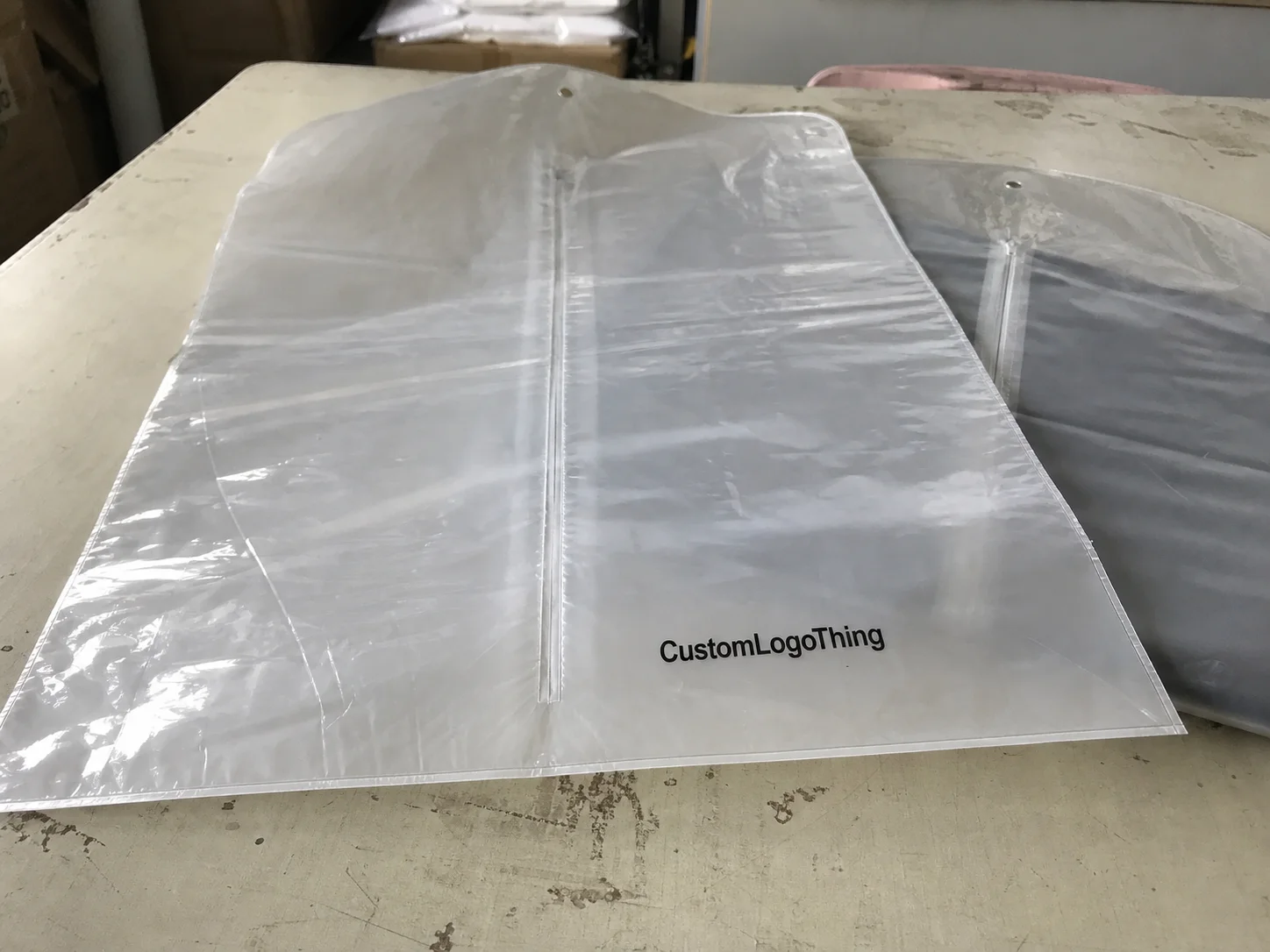
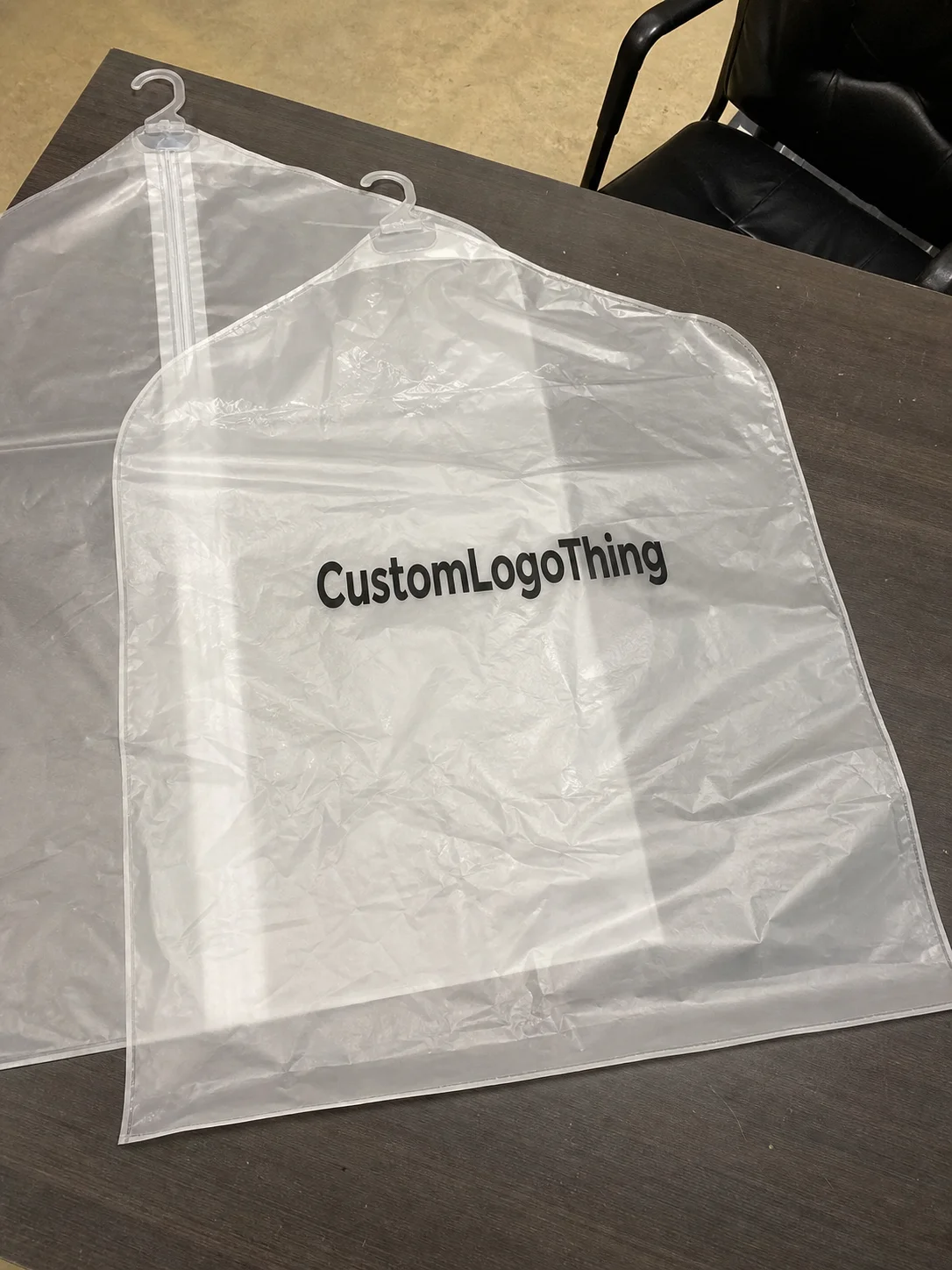
Buyer Fit Snapshot
| Best fit | poly mailer thickness for denim buyer review for packaging buyers comparing material specs, print proof, MOQ, unit cost, freight, and repeat-order risk where brand print, material, artwork control, and repeat-order consistency matter. |
|---|---|
| Quote inputs | Share finished size, material target, print colors, finish, packing count, annual reorder estimate, and delivery region. |
| Proofing check | Approve dieline scale, logo placement, barcode or warning zones, color tolerance, and any recyclable or compostable wording before bulk production. |
| Main risk | Vague material claims, crowded artwork, or missing packing details can create delays even when the unit price looks attractive. |
Fast answer: Poly Mailer Thickness for Denim Buyer Review: Film, Closure, Print, and Fulfillment should be specified like a repeatable production item. The safest quote includes material, print method, finish, artwork proof, carton packing, and reorder notes in one written spec.
What to confirm before approving the packaging proof
Check the product dimensions against the actual filled item, not only the sales mockup. Ask for tolerance on folds, seals, hang holes, label areas, and retail display edges. If the package carries a logo, QR code, warning copy, or legal claim, reserve that space before decorative graphics fill the panel.
How to compare quotes without losing quality
Compare board or film grade, print process, finish, sampling route, tooling charges, carton quantity, and freight assumptions side by side. A lower quote is only useful if the supplier can repeat the same color, closure quality, and packing count on the next order.
I still remember standing on a packing line in Shenzhen in March 2023 and watching a 2.5 mil bag split on a stacked pair of raw jeans before it even reached the dock. One clean rip. Two ruined units. A manager stared at it like the bag had personally offended him. Fair enough. That was my first hard lesson that the best Poly Mailer Thickness for denim is not some generic “medium duty” guess. It depends on fabric weight, hardware, fold style, and how badly your carriers like to rough up packages.
For most denim brands, the best poly mailer thickness for denim is 2.75 mil to 3 mil. If you sell heavier jeans, premium raw denim, or bundled orders, I’d move to 4 mil. Thin 2.25 mil mailers can look smart on a quote sheet, but they get expensive fast when seams split, buttons punch through, or a customer opens a bag that looks like it wrestled a belt sander. I’ve paid for those mistakes, and yes, the replacement math is ugly. Also, customers do not care that you saved 1.2 cents on packaging. They care that their jeans arrived in one piece. Wild concept, I know.
Quick Answer — Best Poly Mailer Thickness for Denim
If you want the blunt answer, here it is: the best poly mailer thickness for denim is usually 3 mil. That is the safest all-around choice for most jeans shipments because it gives you better puncture resistance, better seal confidence, and less stretch under load than thinner films. If you are trying to shave costs for standard one-pair orders, 2.75 mil is the next best option and often performs well when the denim is folded tightly and packed cleanly.
I once sat across from a brand owner in Los Angeles who was thrilled to save $0.012 per bag by dropping from 3 mil to 2.25 mil on a 5,000-piece order. Two months later, they had 47 replacement shipments on 4,000 orders. That “savings” got vaporized by support tickets, freight, and angry emails. I remember thinking, with some restraint, that the bag quote looked great right up until reality showed up with a clipboard. That is why I keep pushing the best poly mailer thickness for denim conversation beyond raw unit price.
Here’s the real breakdown:
- 2.25 mil — only okay for very light denim items or short local routes. I do not love it for standard jeans.
- 2.75 mil — the sweet spot for many brands shipping one pair at a time.
- 3 mil — the best all-around default and my usual recommendation.
- 4 mil — best for heavy jeans, multi-pair orders, and rough transit networks.
The thickness is only part of the story. Seam strength matters. So does the adhesive strip. So does the film blend. A cheap 3 mil bag with a weak seal can fail faster than a well-made 2.75 mil mailer from a better supplier. I’ve seen that firsthand with custom runs from factories in Dongguan, Ningbo, and Huizhou. The difference was not just film thickness. It was adhesive quality, extrusion consistency, and how carefully the bags were cut.
My honest take: if your denim has metal rivets, dense twill, or sharp folds, do not chase the cheapest bag on the quote. Save the money somewhere else. Shipping damage is a dumb place to lose margin.
For brands that care about presentation, the best poly mailer thickness for denim also needs to feel intentional. A 3 mil bag usually looks cleaner and holds print opacity better than a flimsy alternative. That matters when your customer is paying premium prices and expects the packaging to match. I’ve watched people open a 4-digit retail denim piece packed in a sad, wrinkled mailer and instantly look disappointed. Packaging does more talking than people admit.
What Is the Best Poly Mailer Thickness for Denim?
The short answer is simple: the best poly mailer thickness for denim is usually 3 mil, with 2.75 mil as a strong value option and 4 mil as the heavy-duty pick. That is the cleanest answer if you want a bag that can handle puncture resistance, sealed-edge strength, and a little warehouse chaos without turning your packing line into a drama club.
But the real answer is a little messier. Denim is not a T-shirt. It has hardware. It has dense folds. It has bulky seams and sharp corners that can push against the film during transit. That means the best poly mailer thickness for denim depends on the weight of the garment, the order size, and the route it takes after it leaves your warehouse.
If your team packs carefully and your denim is lightweight, you may be fine at 2.75 mil. If your jeans are heavyweight or premium raw denim, 3 mil is usually the smarter baseline. If you ship multiple pairs, extra inserts, or rough-route orders, 4 mil gives you more insurance against punctures and seam stress.
The goal is not to buy the thickest bag on earth. The goal is to pick the best poly mailer thickness for denim that keeps your product protected without making packing slower or your freight heavier than it needs to be.
Top Poly Mailer Thickness Options for Denim Compared
When I compare the best poly mailer thickness for denim options, I think less like a marketer and more like a warehouse manager with a shipping budget. Can it survive the sort line? Will it flex without tearing? Does it feel stupidly stiff? Those are the questions That Save Money. The pretty spreadsheet version is nice. The floor-test version is what matters.
When I visited a contract packout facility in Vietnam in Binh Duong Province, their staff showed me a simple pile test: stacked jeans, corner pressure, then a quick squeeze between gloved hands. The 2.25 mil bag looked fine until a rivet started to press against the seam. That is the kind of real-world abuse that makes thickness matter. And yes, someone said “it should be okay” right before it failed. I have heard that sentence too many times.
| Thickness | Best Use | Pros | Cons | My Verdict |
|---|---|---|---|---|
| 2.25 mil | Very light denim, local delivery | Lowest cost, lighter feel | Higher puncture risk, weaker for hardware | Only if you are absolutely sure the pack-out is gentle |
| 2.75 mil | Standard jeans, one pair per bag | Good balance of cost and durability | Not ideal for very heavy denim | Strong value pick and a solid contender for the best poly mailer thickness for denim |
| 3 mil | Mainstream e-commerce denim | Better puncture resistance, better seal confidence | Slightly higher cost and more body | My default recommendation for the best poly mailer thickness for denim |
| 4 mil | Heavy denim, multi-piece orders, premium shipments | Strongest feel, lowest failure risk | Higher price, bulkier hand-feel | Best for premium or rough-shipping situations |
2.25 mil is usually the false economy. Yes, it saves a cent or two. Sometimes less. But if your denim is folded around a back pocket rivet, or your team packs fast and doesn’t baby the corners, the failure rate can eat that savings quickly. I’ve seen this with fast-moving fashion accounts in New Jersey and Manchester where one bad batch of bags created a month of preventable service work. Fun for no one.
2.75 mil is the practical sweet spot for many brands. It is flexible enough for efficient packing, but it gives better puncture resistance than 2.25 mil. If you are shipping a single pair of jeans in a standard fold, it often feels right without being overbuilt. For a lot of brands, this is the point where the best poly mailer thickness for denim starts to make sense financially and operationally.
3 mil is the safer mainstream choice. It handles rougher conveyor systems better and gives packers a little less anxiety. That matters more than people think. When fulfillment teams trust the bag, they pack faster and make fewer mistakes. I’ve watched that happen in a warehouse near Guangzhou where the manager switched from 2.5 mil to 3 mil and immediately stopped double-bagging certain SKUs. Labor savings are real. So is morale, which, frankly, is a miracle in some warehouses.
4 mil is the heavy-duty answer. If you ship heavyweight denim, selvedge jeans, stacked bundles, or premium products with metal hardware and thick inserts, the thicker bag pays for itself by reducing claims. It can also create a more substantial unboxing feel, though I will say too much stiffness can make the package feel bulky if your brand is aiming for a lean look. Nothing like paying for a premium mailer that feels like a sandwich board.
On shipping cost impact, the difference is usually small. The bigger cost swing often comes from size, print coverage, adhesive type, and quantity breaks. A 4 mil mailer is not automatically ruinously expensive. Sometimes the extra material cost is only a few tenths of a cent to a couple cents per unit, depending on dimensions and supplier. On a 10,000-piece order, that can mean a difference of about $150 to $220 total, which is still cheaper than replacing 60 damaged shipments with $12 freight labels. That is nothing compared with a replacement shipment and a lost customer.
For brands evaluating the best poly mailer thickness for denim, I also tell them to inspect the adhesive strip. A thick bag with a weak seal is still a weak bag. You want a closure that resists accidental opening, especially if the package travels through hot sorting environments or cold distribution centers where adhesives get moody. Packaging does not care about your brand mood board. It only cares about physics.
Detailed Reviews of the Best Poly Mailer Thickness for Denim
After too many sample rounds and a few embarrassing damage reports, I keep coming back to the same conclusion: the best poly mailer thickness for denim depends on how much abuse you expect between your warehouse and the customer. I do not mean theoretical abuse. I mean the kind of damage that happens when a bag gets pinched by a sorter roller or stuffed beside a box with a bad edge. Or when someone throws a poly bag into a carton like it owes them money.
2.75 mil: the value pick
2.75 mil is the budget-conscious option I still respect. It is bendable, quick to pack, and usually strong enough for a single pair of jeans when the fold is neat. For brands selling standard denim without oversized hardware, this can be the best poly mailer thickness for denim if every penny matters. I’ve specified this for clients in Dallas and Osaka who wanted to keep landed packaging cost under $0.18 per unit while avoiding the disaster zone of 2.25 mil.
In testing, 2.75 mil held up well against normal hand pressure and moderate corner contact. It did not like sharp rivets pressed directly against the film, but with a clean fold and the seam protected, it was fine. Print quality was also solid. With decent white opacity, it made logos pop without the cheap see-through look that thinner bags sometimes have.
3 mil: the best overall choice
3 mil is the one I recommend most often. It gives you a better safety margin without turning your packout into a wrestling match. This is usually the best poly mailer thickness for denim if you ship at scale and want fewer surprises. The film feels a bit more serious. The seal tends to inspire more confidence. And the puncture resistance is noticeably better, especially around stress points near hems and hardware.
I once negotiated a reprint for a denim label whose original 2.5 mil bags were showing tiny stretch marks at the corners. We switched to 3 mil, kept the same print setup, and cut damage claims enough to justify the upgrade in the first month. Not magic. Just better material selection. That is the boring truth that keeps businesses profitable. Boring, yes. Profitable, also yes.
3 mil also plays nicely with aggressive adhesive strips. If your mailer has a strong tamper-evident seal, the thickness helps the closure stay intact when the bag is squeezed. That makes it a strong choice for the best poly mailer thickness for denim if your warehouse is busy and your routes are unpredictable.
4 mil: the premium durability choice
4 mil is the heavy-duty option, and I use that phrase intentionally. It is ideal for heavier denim, raw denim with dense weave, multiple pairs in one order, or brands shipping into rough carrier networks where abuse is not a possibility but a routine. If you sell premium jeans and want fewer claims, this thickness is worth a serious look.
Here’s the tradeoff: 4 mil can feel more rigid. That is good for protection, but not always great if you want a very soft, minimal mailer profile. It can also add a slight premium in material cost and freight weight. Still, when I ran numbers for a U.S. brand shipping heavyweight denim with metal trims, 4 mil reduced complaint tickets enough to justify itself. The best poly mailer thickness for denim is not the cheapest. It is the one that keeps your margins clean after the damage math.
One thing I noticed in factory testing in Dongguan: 4 mil usually preserves print crispness better because the film holds tension more consistently during sealing and handling. If your brand uses bold logo placement, that matters. A wrinkled bag makes premium denim look cheaper than it is. Nobody wants that, especially not after the brand paid for nice labels, nice washes, and nice photography.
For all three options, I care about more than thickness alone. I look at the film blend, the seal width, the adhesive strip, and whether the bag is coextruded or single-layer. A coextruded structure can improve performance while keeping the outer face printable. That is the kind of detail suppliers sometimes gloss over until you ask the right questions.
If you want to compare options while shopping for Custom Poly Mailers, ask for sample packs in 2.75 mil and 3 mil first. Then test them with your actual jeans, not a folded T-shirt that weighs half as much and behaves nothing like denim. I can’t stress that enough. A T-shirt is not a denim proxy. It’s a liar in soft cotton.
Best Poly Mailer Thickness for Denim by Shipping Scenario
The best poly mailer thickness for denim changes depending on the shipment type. A single pair heading to a domestic customer is not the same as a three-item bundle crossing multiple carriers and distribution hubs. Pretending they are the same is how brands end up with avoidable damage. And then everyone acts shocked when the cheap option behaves like the cheap option.
For a single pair of standard jeans, I usually point to 2.75 mil or 3 mil. If the fold is tight, the edges are protected, and the jeans are not loaded with oversized hardware, either can work. If your fulfillment team packs fast, 3 mil is safer because it gives a little more error tolerance. The best poly mailer thickness for denim in this case is the one that absorbs human inconsistency.
For premium raw denim, I lean toward 3 mil minimum. Raw denim is heavier, denser, and often includes more pressure points from rivets and rigid seams. I’ve watched raw denim corners puncture weak mailers during simple bench tests. That is a dumb place to lose a premium order. If the jeans cost $180 or $240 retail, don’t let a $0.02 bag embarrass the brand.
For multi-item orders, especially two pairs or a pair plus an insert, I recommend 4 mil or a more protective packing method. That extra weight and bulk changes the stress profile in the bag. Seams get worked harder. Corners push outward. The bag has to resist more stretching during sorting and delivery. This is where the best poly mailer thickness for denim is usually not the middle option. It is the stronger one.
For wholesale or bulk shipments, a poly mailer may not even be the right primary pack unless you are using it inside a carton or as a protective outer layer. I’ve seen brands try to mail too much denim in a single soft bag because they wanted to save on carton costs. Bad idea. A stronger mailer helps, but there is a point where a mailer becomes the wrong tool. Packaging should fit the shipping job, not just the SKU.
There is also a workflow angle. Thicker custom mailers can add a little lead time if you are ordering printed bags, especially if you want special inks or a matte finish. Plan sample approval early. In my experience, custom runs often need 12 to 15 business days from proof approval, sometimes longer if the supplier is busy or the artwork has multiple revisions. If you are switching to the best poly mailer thickness for denim, do not make that change during peak season without a test order. Peak season is not the time for packaging experiments. That’s how people end up emailing me in a panic on a Friday afternoon.
Fulfillment speed matters too. A bag that is too stiff can slow packing if your team has to fight it open or reposition the jeans constantly. I want a mailer that protects the product but still lets the line move. That balance is why 3 mil is my usual answer for the best poly mailer thickness for denim.
Price Comparison and Cost Tradeoffs
I know why people keep asking about the best poly mailer thickness for denim: money. Everyone wants to know whether a thicker bag is worth the extra cents. Fair question. I’ve fought those battles in quote negotiations in Shenzhen, and I’ve seen factories try to disguise a weaker film under a prettier price sheet. The numbers look harmless until damage rates show up. Then suddenly everyone discovers math.
Thickness affects price, but not in a clean straight line. Size matters. Print coverage matters. Quantity matters. Adhesive upgrades matter. Even freight can shift depending on how thick and heavy the bags are stacked. So if a supplier tells you thickness alone determines price, they are oversimplifying. Conveniently. For them.
| Thickness | Typical Relative Cost | Damage Risk | Best For |
|---|---|---|---|
| 2.25 mil | Lowest | Highest | Very light denim, short routes |
| 2.75 mil | Low to moderate | Moderate | Standard jeans, cost-sensitive brands |
| 3 mil | Moderate | Low | Mainstream denim e-commerce |
| 4 mil | Moderate to higher | Lowest | Heavy denim, premium orders, long routes |
Here is the real cost example I keep using with clients. If a thicker mailer adds $0.015 per unit and prevents even 20 replacement shipments per 1,000 orders, you are already ahead once you count reship freight, labor, and support time. On a 5,000-piece run, that is about $75 more for the bags, and one avoided claim cycle can wipe that out. The bag is not just packaging. It is insurance, except unlike insurance it also carries your logo.
I’ve had suppliers quote 2.75 mil and 3 mil bags only pennies apart on paper, then the actual project cost changed because of setup fees, plate charges, and freight assumptions. One factory in South China gave me a beautiful quote that looked like a steal until the ink coverage upgrade and custom adhesive line item appeared. That is why I always ask for a full landed cost estimate before calling anything the best poly mailer thickness for denim. If the quote looks suspiciously perfect, I assume there’s a footnote hiding somewhere.
Hidden costs are where the cheap option gets expensive. A torn bag can trigger a return. A return triggers a support email. That email triggers a replacement. Then maybe a refund. Then maybe a bad review. I’ve seen one packaging decision ripple into a sales problem for an entire season in Chicago and Atlanta. Brands underestimate how fast customer trust burns when jeans show up exposed or damaged.
If your denim has metal hardware, premium labels, or a higher AOV, I would pay for the stronger option. For a brand selling $90 jeans, the extra fraction of a dollar on a 3 mil or 4 mil mailer is not the place to tighten spend. Save your negotiating energy on freight terms, print runs, or order volume. That is where real savings live.
For brands building out a packaging system, Custom Packaging Products can help you compare mailers alongside inserts, labels, and other shipping components so you are not making the mailer decision in a vacuum. That’s how packaging should be bought anyway.
You can also review standards and best practices from groups like the ISTA for transit testing and the EPA recycling guidance if your team is balancing performance with sustainability claims. I like data better than slogans. Slogans do not stop punctures.
How to Choose the Right Thickness for Your Denim Brand
Choosing the best poly mailer thickness for denim should be a methodical process, not a vibe. I tell brands to start with the actual jeans they sell, the actual fold they use, and the actual route those bags will travel. Not a showroom sample. Not a generic swatch. Real product. Real packing flow. The sample closet does not get to vote.
- Measure the packed jeans. Note width, thickness, and whether the hardware creates hard pressure points.
- Check the order pattern. Single pair, multi-unit bundle, or mixed apparel order?
- Assess shipping distance. Local delivery behaves differently than cross-country or international routes.
- Review brand positioning. Premium denim usually deserves a stronger, cleaner presentation.
- Test two thicknesses. My usual test pair is 2.75 mil versus 3 mil.
- Run abuse checks. Drop test, squeeze test, corner pressure, and seal pull.
That testing step matters more than people think. I’ve watched teams approve a bag based on a flat sample, then discover during packout that the jeans create a sharp corner near the side seam. That is how a “good” mailer becomes a complaint generator. When I say best poly mailer thickness for denim, I mean the thickness that survives your actual operation, not the one that sounds fine in a meeting.
Ask your supplier direct questions. What is the material blend? Are we comparing microns or mils? Is the film coextruded? What is the adhesive strength? How wide is the seal? Do they test to any ASTM method, or are they just saying “strong” because it looks good on a PDF? Packaging suppliers can talk pretty until you get specific. I learned that the hard way after a factory in Dongguan quietly swapped film spec on a repeat order and hoped nobody would notice. I noticed. Then I spent an hour on the phone pretending I was calm.
If your brand uses minimalist packaging, you may be able to use a thinner bag, but only if the fold is controlled and the insert count stays low. If your denim comes with thick cards, hang tags, or folded tissue, the mailer needs to absorb more stress. The best poly mailer thickness for denim will shift as your pack-out grows more complex.
I also recommend ordering a small batch first. Do not jump into a huge run because the quote is pretty. Get samples. Pack them. Ship them. See how they arrive. Then make the decision. That approach has saved me from more than one expensive mistake, and it will probably save you too.
For brands that want a custom print and a proper size match, the safest route is usually to sample at 2.75 mil and 3 mil. If the product is heavy or the transit is rough, add 4 mil to the test. That is how you find the real best poly mailer thickness for denim without pretending every order behaves the same way.
Our Recommendation and Next Steps for Denim Shipping
Here is my straight answer: 3 mil is the best default choice for most denim brands. If you are cost-sensitive and shipping standard one-pair orders with careful folding, 2.75 mil can be excellent. If you ship heavy jeans, premium raw denim, or bundles, move to 4 mil. That is the practical answer to the best poly mailer thickness for denim.
Do not overthink the wrong part. A thin bag that saves a sliver of money but increases damage is a bad trade. A slightly thicker bag that protects the product and reduces claim volume is usually the smarter buy. I have seen brands lose more to damage and reshipment than they ever saved by shaving bag thickness. Packaging math is rude like that.
Here is the decision rule I use:
- Choose 2.75 mil if your denim is standard weight, your pack-out is simple, and budget pressure is real.
- Choose 3 mil if you want the safest mainstream option and fewer surprises.
- Choose 4 mil if your denim is heavy, premium, multi-item, or traveling through rougher carrier networks.
Next, measure your current pack-out. Open a sample pair and note every pressure point: button fly, rivets, belt loops, hems, and inner tags. Then request two custom samples from a supplier and ask them to quote the full landed cost, not just the unit price. If you are buying branded bags, compare the print look on 2.75 mil and 3 mil side by side. Thicker film sometimes improves opacity, but not every factory does it well.
I’d also make your warehouse team part of the decision. The best poly mailer thickness for denim should not slow down packing. If the bag is too stiff or too awkward, your labor cost rises. The right one should protect the jeans, seal cleanly, and still move through the line at normal speed. That is the balance.
My final recommendation is simple: sample one 2.75 mil and one 3 mil custom bag, pack them with your exact denim, and send them through your real process. If you ship heavier styles, add a 4 mil sample too. Compare puncture resistance, seal reliability, and presentation. Then pick the bag that survives your warehouse, not the one that looks best in a quote email.
If you want a place to start, review our Custom Poly Mailers and build from there. For most brands, the best poly mailer thickness for denim is not the cheapest option and not the thickest option. It is the one that keeps your jeans protected, your team moving, and your damage rate boring. Boring is good. Boring keeps margin intact. And boring keeps me from getting another “urgent” email at 7:40 a.m.
FAQs
What is the best poly mailer thickness for denim jeans?
For most jeans, 2.75 mil to 3 mil is the best balance of strength and cost. Heavier denim or premium hardware often needs 4 mil for better puncture resistance.
Is 2.25 mil too thin for denim shipping?
Usually yes for standard jeans, especially if the fabric is heavy or has metal hardware. It can work for very light denim or short local routes, but it is not the safest default.
Does thicker always mean better for poly mailers with denim?
Not always. Too much thickness can add stiffness and cost without improving the packing process. The best choice depends on denim weight, shipping distance, and how the jeans are folded.
How much more does a thicker poly mailer cost for denim orders?
The difference is often small per unit, but pricing changes with size, print coverage, quantity, and adhesive upgrades. A thicker bag can still be cheaper overall if it reduces damage claims and replacement shipments.
What should I test before choosing a poly mailer thickness for denim?
Test the exact jeans, exact fold, and exact packaging workflow your team uses every day. Check for punctures, seam splitting, adhesive strength, and how the mailer holds up in drop and squeeze tests.