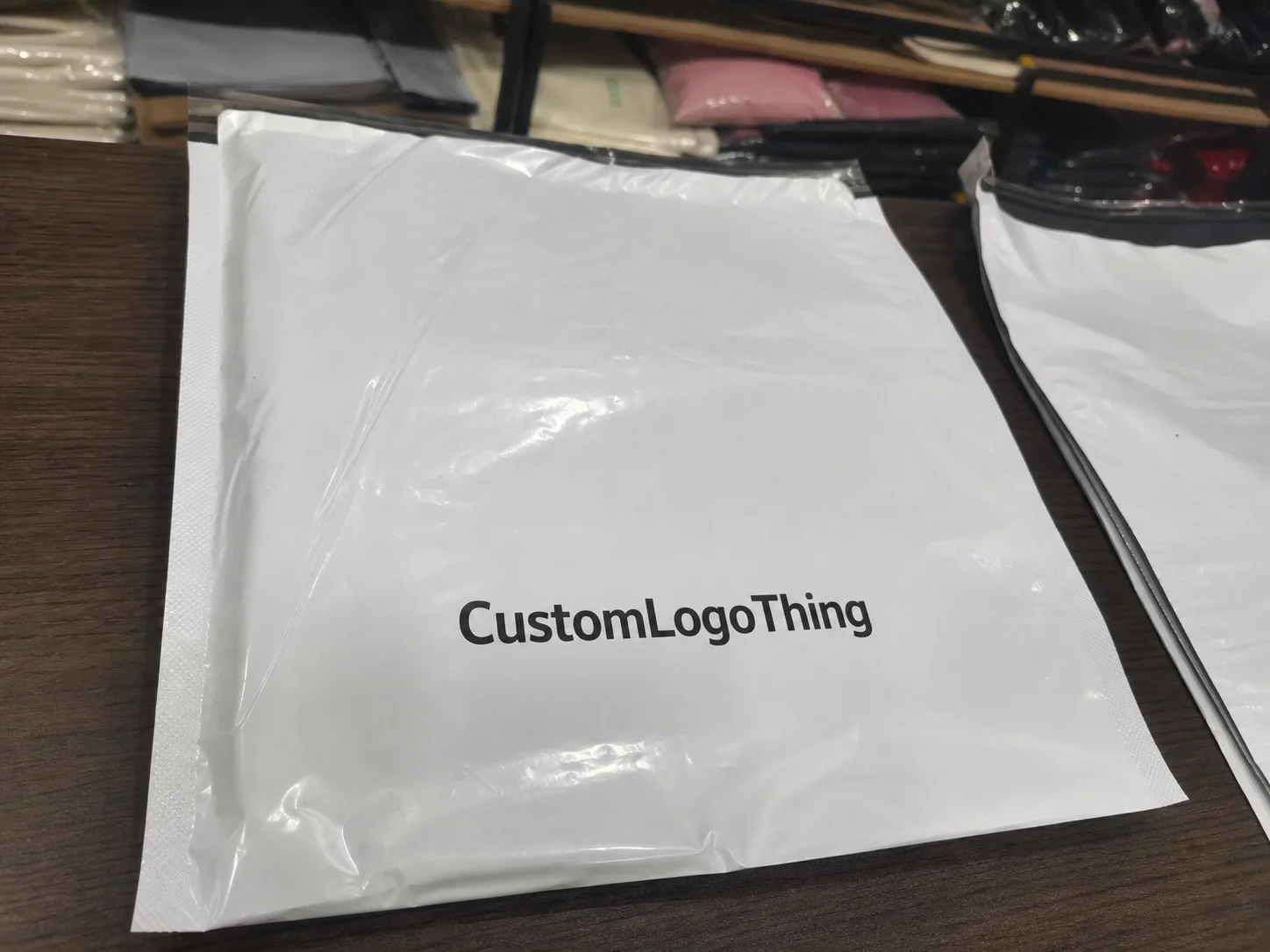
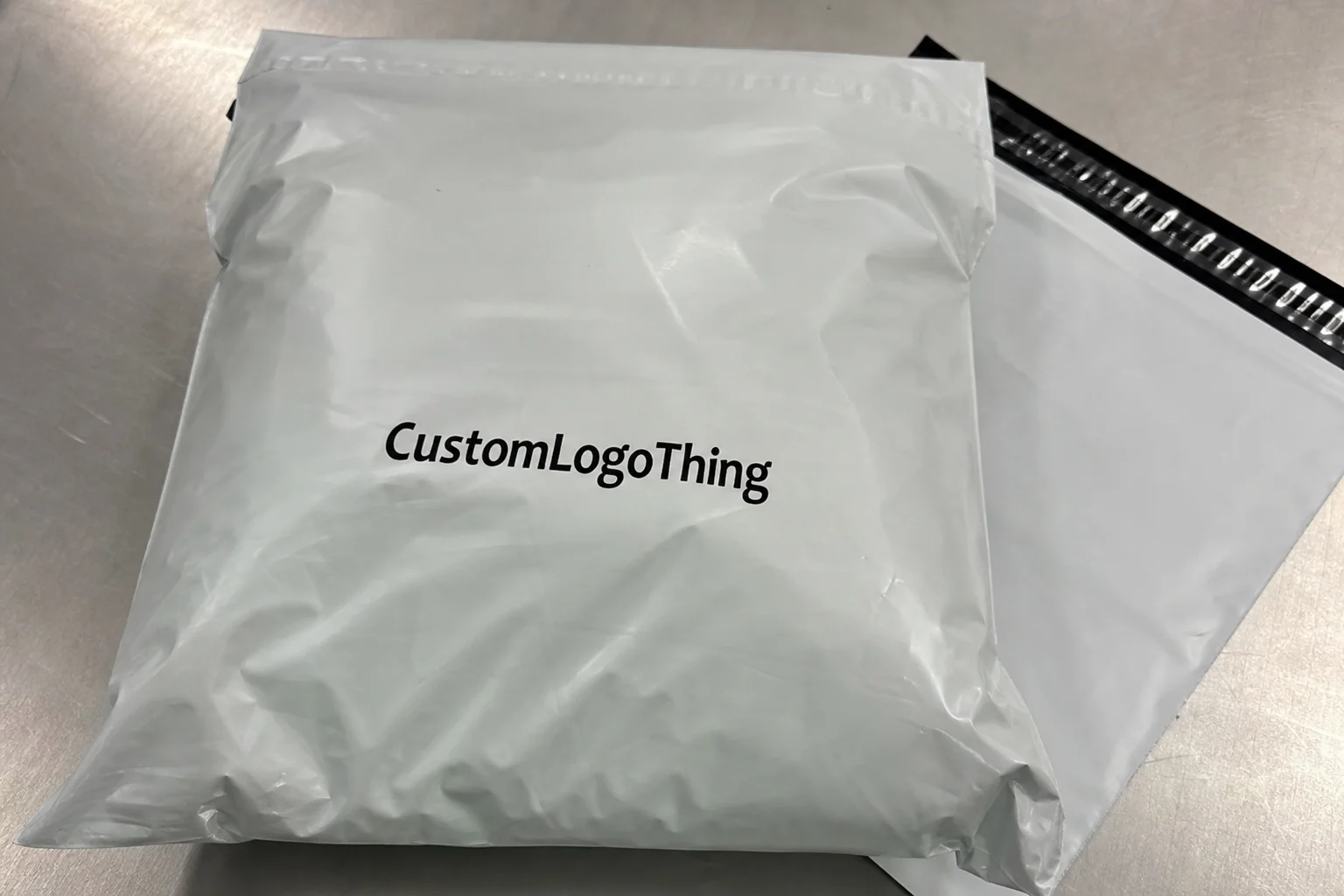
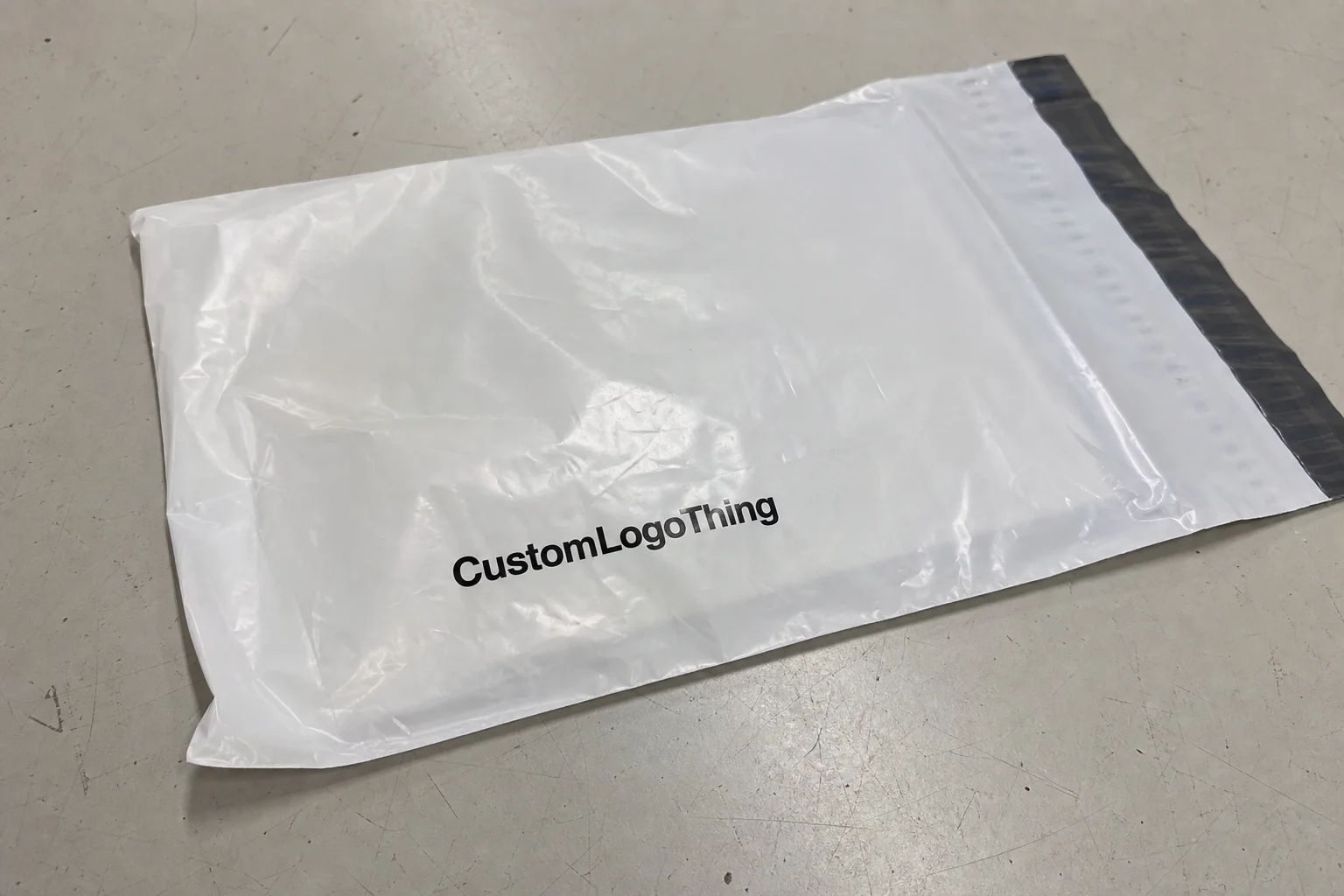
Buyer Fit Snapshot
| Best fit | To Poly Mailer Thickness Options projects where brand print, material claims, artwork control, MOQ, and repeat-order consistency need to be specified before quoting. |
|---|---|
| Quote inputs | Share finished size, material target, print colors, finish, packing count, annual reorder estimate, ship-to region, and any compliance wording. |
| Proofing check | Approve dieline scale, logo placement, barcode or warning zones, color tolerance, closure strength, and carton packing before bulk production. |
| Main risk | Vague material claims, crowded artwork, missing packing details, or unclear freight terms can make a low unit price expensive after revisions. |
Fast answer: To Poly Mailer Thickness Options: Material, Print, Proofing, and Reorder Risk should be specified like a repeatable production item. The safest quote records material, print method, finish, artwork proof, packing count, and reorder notes in one written spec.
Production checks before approval
Compare the actual filled-product size with the drawing, then confirm tolerance on folds, seals, hang holes, label areas, and retail display edges. Reserve space for logos, QR codes, warning copy, and material claims before decorative graphics fill the panel.
Quote comparison points
Review material grade, print process, finish, sampling route, tooling charges, carton quantity, and freight assumptions side by side. A quote is only useful when the supplier can repeat the same color, closure quality, and packing count on the next order.
I’ve stood on enough packing lines to know this: two poly mailers can look basically the same and behave like totally different products. One splits at the seam after a short drop test from 36 inches. The other survives a full carrier loop from a warehouse in Suzhou to a last-mile hub in Chicago and still looks decent enough to ship twice. That’s the whole reason a good guide to Poly Mailer Thickness options matters. A few mils can change puncture resistance, tear strength, seal behavior, print quality, and the way your customer judges your brand before they even open the bag.
At Custom Logo Things, I’ve watched brands spend three weeks debating artwork and Pantone matches while treating film gauge like an afterthought. That usually ends the same way: complaints, reships, and a lot of “why is this happening?” calls that could have been avoided with a 20-minute sample review. A solid guide to Poly Mailer Thickness Options should tell you what the numbers mean and how those numbers behave on real conveyors, in real warehouses, and in the hands of someone packing 400 orders before lunch.
And no, “thicker” is not a magic word. I wish it were that simple. It kinda isn’t.
Guide to Poly Mailer Thickness Options: Why a Few Mils Matter
Here’s the simple version I use with buyers on factory floors: poly mailer thickness is the film gauge, usually measured in mils, and 1 mil equals 0.001 inch. A 2.5 mil mailer and a 4 mil mailer might not look wildly different on paper, but they do not feel the same, and they do not survive the same abuse. That difference is the heart of any useful guide to poly mailer thickness options. I’ve had clients in Los Angeles and Ningbo argue over a 0.3 mil change until we put the samples through a basic drop-and-squeeze test. The thicker bag won on puncture resistance, but the lighter one packed faster and saved about $0.02 per unit on a 10,000-piece run.
Thickness affects puncture resistance, tear behavior, flexibility, and seam durability. It does not work alone. Film structure, resin blend, seal width, and the quality of the converting line all change the final result. I’ve seen a 3 mil coextruded film beat a heavier single-layer film because the layers spread stress better at the seam and along the edge. That detail matters. Otherwise, buyers end up comparing numbers instead of actual performance, which is a terrific way to buy the wrong packaging. In one factory visit in Dongguan, the line was running a 28-inch wide web at 180 feet per minute, and a 2 mm narrower seal jaw setting made more difference than the 0.4 mil gauge change we were testing.
There’s a mistake I hear constantly: “If thicker is good, then thicker is always better.” Nope. A heavier film can raise shipping cost, increase resin usage, and feel stiff in a way that works against apparel brands, soft goods labels, and subscription businesses trying to create a clean unboxing moment. I’ve had clients in Shenzhen ask for the thickest possible mailer, then change their minds after touching the sample because it felt more like a plastic envelope than a retail package. That’s why a guide to poly mailer thickness options needs to balance protection with packout speed and customer experience. If your packing team is sealing 1,200 units per shift in Miami or Dallas, an extra second per mailer adds up fast.
If you’re just starting out, here’s the promise: by the time you finish this guide to poly mailer thickness options, you should know how thickness is measured, what affects the choice, how it changes pricing and lead times, and how to avoid the mistakes that show up only after a carrier has already thrown the package around for a few miles. If you’re comparing formats, it also helps to look at Custom Poly Mailers alongside your broader Custom Packaging Products so the mailer fits the rest of your packaging system. I’ve seen brands in New York and Toronto save two weeks of launch delay just by aligning their mailer spec with the rest of their packaging order instead of treating it as a separate emergency.
“A mailer can look premium on the desk and still fail in transit if the gauge, seal, and material structure are mismatched. We learned that the hard way on a cosmetic carton program where a 2.2 mil film looked great, but edge punctures kept showing up after zone sorting.”
How Poly Mailer Thickness Works in Real Shipping Conditions
One reason this guide to poly mailer thickness options matters is that the number on the quote is only part of the story. A stated thickness like 2.0 mil, 2.5 mil, or 4.0 mil tells you the nominal gauge, but the real outcome depends on how the film is made, how evenly the gauge is spread, and how the package gets converted, folded, printed, and sealed. In the field, I’ve seen mailers fail not because the gauge was too low, but because one edge came out thin from bad extrusion control and the heat seal was too narrow by a few millimeters. A 3 mm seal on a 2.5 mil bag is not the same as a 6 mm seal on a 3.0 mil bag. The difference shows up when the parcel gets crushed in a hub in Atlanta or bounced through a sorter in Indianapolis.
Poly mailers usually come from either blown-film or cast-film processes, then get slit, printed, folded, and heat-sealed on converting lines. A good shop watches temperature, tension, seal jaws, and web alignment with the kind of discipline that only shows up after replacing too many bad rolls at 2 a.m. On one visit to a packaging line outside Dongguan, I watched a technician reject an entire shift because the gauge profile drifted just enough to create weak spots near the fold. That sort of attention is exactly why a smart guide to poly mailer thickness options always links thickness to manufacturing consistency. The plant was running six lanes, 24 hours a day, and the QC team still sampled every 500 bags with a micrometer down to 0.01 mm.
Common thickness ranges usually look something like this:
- 1.5 to 2.0 mil: Often used for very light apparel, accessories, or low-risk shipments where flexibility and cost matter more than heavy puncture protection. A 3 oz T-shirt in a 10 x 13 inch mailer usually fits here.
- 2.0 to 2.5 mil: A popular middle zone for folded garments, ecommerce basics, and subscription shipments that need a better balance of durability and price. This is the range I see most often for 500 to 5,000 unit trial orders.
- 3.0 to 4.0 mil: Better suited for heavier bundles, higher-abuse lanes, or items with corners, such as small cartons, boxed cosmetics, and some hardgoods. If you are shipping 2 to 4 lb parcels from Houston to the Northeast, this range earns its keep.
Those ranges are not hard rules. They are starting points. I’ve seen 2.5 mil mailers do fine in rough carrier networks because the product was soft, neatly folded, and packed with enough headspace to avoid stress points. I’ve also seen 4 mil mailers crack along a bad fold line because the converting settings were off and the film had been over-tensioned. Thickness helps, sure. It just helps within a decent manufacturing process. In one sample round from a factory in Foshan, the “thicker” bag lost to the mid-weight bag because the fold memory created a crease line right where the label sat.
Additives and resin blends matter too. LDPE is common for poly mailers because it offers flexibility and sealability, and coextruded structures can combine layers for better toughness, opacity, and tear performance without simply making the bag bulkier. In practice, a smarter construction at 2.8 mil can sometimes perform like a heavier 3.5 mil product. That’s one of the biggest lessons in any honest guide to poly mailer thickness options. I’ve also seen post-consumer recycled content added at 10% to 30% by weight, which can shift feel slightly but still work fine if the converter keeps the seal temp steady at around 145°C to 155°C.
Key Factors That Shape the Right Poly Mailer Thickness
The first thing I ask a client is basic: what are you shipping? Soft folded garments and rigid, angular, or high-friction products create completely different stress conditions. A thin blouse in a 2.0 mil mailer may move gently in transit, while a small box of skincare jars can press hard against the film and create edge punctures. A good guide to poly mailer thickness options starts with the product, not whatever packaging trend is floating around this month. If you’re shipping 12 oz leggings in a 9 x 12 inch mailer from Nashville, that is a very different problem from moving boxed candles out of Portland.
Shipping distance comes next. A local parcel moving a few zones through a controlled fulfillment network sees less abuse than a cross-country shipment that passes through multiple hubs, conveyor drops, and last-mile van handling. I’ve worked with brands shipping from a Midwest fulfillment center into dense urban routes, and the problem was not one dramatic failure. It was repeated compression over 800 to 1,200 miles of handling. In those cases, the best guide to poly mailer thickness options usually points toward a stronger middle-weight film rather than an ultra-thick, expensive option. A 2.75 mil coextruded mailer often beats a 4 mil film if the route is predictable and the product is soft.
Brand presentation matters more than some operations teams want to admit. Thicker mailers often feel more opaque and premium, but the customer’s impression also depends on surface finish, print registration, and whether the bag looks crisp or sloppy off the line. A 2.5 mil glossy black mailer with sharp flexographic print can feel more premium than a dull 4 mil bag with poor ink laydown. That’s why I keep saying a guide to poly mailer thickness options should include tactile and visual brand considerations, not just logistics. I’ve seen a beauty brand in London switch from a 3.0 mil clear mailer to a 2.4 mil frosted black version and get better review comments, because the finish looked intentional instead of industrial.
Moisture, dust, and tamper resistance belong in the conversation too. Poly mailers already do a decent job keeping out light moisture and debris, but thickness affects how much abuse the film can take before it abrades or stretches. If a brand needs privacy for apparel, electronics accessories, or subscription kits, opacity becomes part of the decision. In those cases, thickness and opacity often work together, especially with darker colors or layered structures. I’ve seen customers pair a moderate gauge with a higher-opacity film and save money while keeping contents discreet. That’s a practical win, which is rare enough in packaging to deserve a nod. A 3.0 mil black mailer with a 90%+ opacity target can be enough for most apparel shipments without moving up to an expensive heavy film.
Now the money side. Thicker film means more resin, which directly affects unit cost. It can also affect freight, since a denser or bulkier mailer changes carton count and pallet efficiency. On one supplier negotiation, we trimmed a mailer from 3.5 mil to 3.0 mil after testing, and the client saved about $0.04 per unit on a 60,000-piece annual run. That sounds tiny until you multiply it out. A good guide to poly mailer thickness options helps you find the sweet spot where protection holds and waste stays under control without cutting corners. At 60,000 units, that was $2,400 back in the budget, which paid for the test round and then some.
| Typical Thickness | Best Fit | Approximate Cost Impact | Handling Profile |
|---|---|---|---|
| 1.5 to 2.0 mil | Light apparel, low-risk accessories | Lowest material cost | Very flexible, less puncture reserve |
| 2.0 to 2.5 mil | Everyday ecommerce, folded garments | Moderate material cost | Balanced flexibility and strength |
| 3.0 to 4.0 mil | Heavier bundles, boxed goods, rough lanes | Higher material cost | Stronger feel, stiffer packout |
For brands with sustainability targets, I’d also point to the EPA recycling guidance and the FSC when they’re balancing material reduction with responsible sourcing. Those sources are not poly mailer-specific, but they help frame the bigger packaging conversation around material use and procurement choices. A good guide to poly mailer thickness options should fit into that bigger picture instead of acting like the mailer is the only decision that matters. I’ve worked with procurement teams in California and the Netherlands who used those references to justify a 5% resin reduction target without hurting damage rates.
Step-by-Step Guide to Choosing Poly Mailer Thickness Options
The best way to use a guide to poly mailer thickness options is to turn it into a real decision process, not a theory exercise. I’ve walked enough production floors to know that a buyer holding a sample with no test plan usually ends up with opinions instead of data. So here’s the approach I recommend when a brand wants a mailer that performs well, prints cleanly, and keeps landed cost under control. The process usually takes 2 to 4 sample rounds and, for custom runs, about 12 to 15 business days from proof approval to production completion if the factory already has the film in stock.
Step 1: Identify the product profile
Start with dimensions, weight, corners, and how tightly the product sits inside the mailer. A folded cotton tee and a rigid accessory box can weigh the same, but the box presses against the film and creates very different puncture points. If the item is soft, flexible, and low-friction, a lighter gauge may be enough. If the item has sharp edges, hard corners, or room to shift in transit, the guide to poly mailer thickness options should push you toward a stronger film or a better structure. For example, a 10 x 14 inch mailer may work for a hoodie, but not for a boxed candle set with corner pressure.
Step 2: Match thickness to shipping risk
Look at carrier mix, shipping zones, fulfillment volume, and climate exposure. A humid route or a long multi-zone transit path can put more stress on seams and closures than a short local delivery. I like to build a low-, medium-, and high-risk matrix with clients so we can assign a thickness range to each lane instead of guessing. That simple tool makes the guide to poly mailer thickness options much easier to apply during ordering and replenishment. A route from Phoenix to Phoenix is not the same as a route from Memphis to rural Maine, and your gauge choice should reflect that.
Step 3: Compare material constructions
Don’t stop at gauge. Ask whether the mailer is mono-layer or coextruded, what resin blend is being used, and how opacity is being achieved. A slightly lower gauge with a better layer structure can outperform a thicker but simpler film. On one apparel program, we compared a 2.5 mil coextruded bag with a 3.0 mil single-layer version, and the coextruded bag passed more seal and drop tests while costing less per unit. That kind of result is exactly why a real guide to poly mailer thickness options has to look beyond the printed number. The factory in Wenzhou used a 3-layer coex setup with a 35% inner slip layer, which helped the film run faster without sticking on the line.
Step 4: Request samples and test them on your line
Run samples through the actual packing process, not just under the lights in a conference room. I want drop tests, squeeze tests, seal checks, and friction tests against the totes, corrugate, or bins your team actually uses. If you can, test at least 50 units per thickness so you get a meaningful sample. A polished guide to poly mailer thickness options only helps if it gets you from theory to validation. In one test in Atlanta, the 2.25 mil bag looked fine until we ran 50 units through a jam-prone sorter; the seal survived, but the print scuffed badly at the corner.
Step 5: Confirm printability and closure performance
A mailer can be mechanically strong and still be the wrong choice if the ink coverage looks muddy or the adhesive strip fails at a cool warehouse temperature. Seal temperature, pressure, and dwell time matter, especially when the film gauge changes. I’ve had factories in Shenzhen adjust sealing jaws by 8 to 10 degrees Celsius after a thickness switch just to keep the closure consistent. The final step of any guide to poly mailer thickness options should make sure the bag looks good, closes properly, and runs well on your equipment. For adhesive strip mailers, I usually want peel performance verified at both 18°C and 28°C, because a winter warehouse in Toronto behaves very differently from a summer dock in Manila.
For buyers who want a more structured comparison, this is the same checklist I’ve used in supplier qualification meetings:
- Product dimensions and weight
- Corner sharpness and rigidity
- Shipping zones and carrier handling intensity
- Desired opacity and finish
- Seal style and adhesive behavior
- Budget per unit and total landed cost
- Production sample performance on your packing line
Poly Mailer Thickness Options vs. Cost, Pricing, and Lead Time
Cost is where the conversation gets real, because film gauge changes both material usage and factory process decisions. In most quote structures, the thicker the film, the more resin goes into each unit, and the more that tends to influence pricing. That’s why a useful guide to poly mailer thickness options should always connect thickness to the cost model instead of treating it like a standalone spec. On a 5,000-piece order, even a $0.03 difference per unit means $150. On 50,000 pieces, that becomes $1,500 fast enough to matter to finance and operations both.
Here’s the sort of pricing range I’ve seen on custom programs, though exact numbers vary by size, print coverage, closure type, and order volume: a lighter 2.0 mil mailer might land around $0.15/unit for 5,000 pieces, a 2.5 mil version around $0.19/unit for 5,000 pieces, and a 3.5 to 4.0 mil option closer to $0.26 to $0.32/unit for 5,000 pieces. Those numbers shift with artwork complexity and shipping terms, but they show the point clearly: a thicker mailer is rarely neutral on budget. A realistic guide to poly mailer thickness options should show where the extra money goes. If the order is 10,000 pieces, you can usually shave a bit off those numbers, but not enough to pretend the gauge choice has no cost impact.
Custom printing can change the economics too. If you’re running a matte finish, a metallic accent, a special color match, or a multi-panel print, the factory may need different inks, plates, or cylinder setups. I’ve negotiated jobs where the thickness itself was not the expensive part; the artwork and setup created the bigger cost jump. That happens often with brands ordering from a packaging factory that does inline printing and conversion, because every change can affect machine time and material waste. Again, a good guide to poly mailer thickness options helps you see the full package, not just film gauge. A 3-color flexo job in Guangzhou might add $120 to $300 in setup costs before the first bag ships, depending on plate count and size.
Lead time is tied to process. Sample approval, print setup, film procurement, production scheduling, and quality checks all take time. If a buyer changes thickness after artwork has already been approved, the factory may need to reset seal temperatures, test tension, and verify folding accuracy before mass production starts. I’ve seen thickness changes add 3 to 7 business days when the line needed requalification, and more if material sourcing shifted too. That’s why the guide to poly mailer thickness options should be read alongside your launch calendar, not after it. In practical terms, custom mailers typically take 12 to 15 business days from proof approval, while a fully new structure with special resin can stretch to 18 to 25 business days depending on the plant in Shenzhen, Ningbo, or Ho Chi Minh City.
There’s also a freight and warehousing angle. Thicker mailers can reduce the number of units per carton or pallet, which affects storage density and outbound shipping efficiency. If your warehouse is already tight on rack space, the real cost might not be the mailer itself, but the extra cartons and pallet positions it consumes. Experienced packaging managers watch this closely, and a practical guide to poly mailer thickness options should absolutely include it. I’ve seen a 3.5 mil mailer take up 12% more carton space than a 2.5 mil version in the same size, which changed container utilization enough to matter on a 40-foot export load.
If you want an industry reference point on packaging performance and testing, the ISTA site is a useful place to start for thinking about distribution simulation and transit hazards. I’ve often recommended that clients use ISTA-style thinking even when the bag itself is simple, because shipping environments rarely behave like the neat little diagrams in a supplier deck. That discipline makes the guide to poly mailer thickness options far more useful. A 36-inch drop, 15-pound compression test, and vibration simulation can tell you more than a glossy sample sheet ever will.
One budgeting rule I use with clients is blunt: compare the total landed cost, not just the per-unit quote. A mailer that costs two cents more but reduces damage claims, reships, and customer service time can easily be cheaper overall. A smart guide to poly mailer thickness options should help you look at the entire cost picture, including returns and brand reputation. I had one client in Austin cut return-related replacements by 18% after moving from 2.0 mil to 2.5 mil, and the added material cost was still lower than the monthly reship bill.
Common Mistakes When Selecting Poly Mailer Thickness
The first mistake is choosing the thickest option automatically. I get the instinct. People assume more material equals more protection. But if the product is soft and low-risk, a heavier bag can waste budget, feel awkward, and slow packing speed because the mailer no longer drapes well over the contents. A practical guide to poly mailer thickness options should remind buyers that the goal is fit, not bragging rights. A 4.0 mil mailer for a 4 oz T-shirt is usually overkill unless the route is brutal or the packaging is being reused.
The second mistake is ignoring seam quality and adhesive behavior. I’ve seen strong film fail because the closure system was weak, or because seal temperature was too low for the chosen gauge. A well-made mailer with a narrow, consistent seal often outperforms a thicker mailer with sloppy conversion. That’s one reason a serious guide to poly mailer thickness options never treats the film as the only performance variable. On one run in Vietnam, a 2.8 mil bag passed film tests but failed peel tests because the adhesive strip was stored in a hot warehouse for six weeks before conversion.
The third mistake is testing by feel alone. A hand-squish test might tell you a mailer feels sturdy, but it won’t tell you how it behaves under conveyor compression, corner abrasion, or a 24-inch drop onto a concrete floor. I’ve watched a client choose the “stiffer” sample in a supplier meeting, only to find out later that the softer sample had better elongation and survived transit better. A real guide to poly mailer thickness options depends on test data, not just impressions. If you can’t produce a basic test report with 50 sample units, you’re guessing, and guessing is expensive.
The fourth mistake is forgetting about printing effects. Heavy ink coverage, dark colors, and layered artwork can change how the bag looks and feels, and in some cases alter how customers perceive strength. A matte black 2.5 mil mailer can feel more premium than a transparent 3.5 mil one if the print is sharp and the finish is clean. That’s why a well-rounded guide to poly mailer thickness options should keep branding and mechanical performance in the same conversation. I’ve seen a California streetwear label move from a 3.0 mil clear mailer to a 2.4 mil white opaque version and get better social media photos immediately.
The fifth mistake is not planning for returns or reuse. If your business accepts returns, the mailer may need enough strength to survive outbound shipping and then a second trip back. That matters a lot for apparel and footwear, where the package may be re-taped or reclosed by the customer. A thoughtful guide to poly mailer thickness options should consider the full journey, not just the outbound leg. A return from Denver to Dallas can add 1,000 miles of handling, and a weak bag that survived once may not survive twice.
Here’s the blunt truth from the factory floor: most shipping issues are not caused by one huge failure. They come from a few small misses lining up at the same time. Thin gauge, weak seals, poor test discipline, and a rushed launch can turn into a costly mess. I’ve seen that enough times to say it plainly, and that honesty belongs in any real guide to poly mailer thickness options. The mistake is rarely dramatic. It’s usually a 0.2 mil spec slip, a 5 mm seal change, and a launch date that never should have moved.
Expert Tips for Choosing the Best Guide to Poly Mailer Thickness Options
My first tip is simple: build a short internal spec sheet before you ask for quotes. List the product type, target thickness range, seal style, opacity requirement, print finish, and shipping risk level. That one page saves a ridiculous amount of back-and-forth with suppliers and makes the guide to poly mailer thickness options easier to apply across teams. If you can include carton count, target ship weight, and launch date, even better. I’ve seen a buyer in Seattle cut quoting time from 9 days to 3 just by sending a complete one-pager.
Second, test adjacent thicknesses instead of jumping to extremes. If you think you need 4.0 mil, try 3.0 mil and 3.5 mil first. More often than not, the best result lives in the middle, where protection is sufficient and the package still packs cleanly. In my experience, buyers who test nearby options get a better outcome than those who pick the heaviest bag by instinct. That’s a practical lesson from plenty of guide to poly mailer thickness options conversations I’ve had with apparel, cosmetics, and subscription brands. A 0.5 mil step usually tells you more than a dramatic leap from 2.0 mil straight to 4.0 mil.
Third, ask for production samples from the same factory process that will make your full order. A hand-made mockup or a non-production sample can fool you about seal behavior, thickness consistency, and opacity. I’ve seen sample bags that looked perfect on a sales desk but ran poorly on a real converting line because the sample wasn’t made under production tension settings. The best guide to poly mailer thickness options is grounded in production reality. If the final order is coming from a plant in Zhejiang, make sure the sample came from that same extrusion and sealing setup, not a local demo unit.
Fourth, think about sustainability with discipline, not slogans. Reducing material use matters, but only if the mailer still passes your performance checks. If a 2.5 mil bag does the job of a 3.0 mil bag, great — you’ve reduced resin usage and possibly freight weight too. If reducing gauge creates damage, then the waste just moves downstream into replacements and customer complaints. A responsible guide to poly mailer thickness options should treat optimization as a performance exercise first. I’d rather save 8% on resin without increasing claims than chase a green talking point and triple the return rate.
Fifth, use a worst-case mindset. Ask yourself what happens if the mailer gets overpacked by one inch, lands in a bottom bin, rides a rough route, and sits in a humid porch delivery box for six hours. The best mailer is not the one that survives a gentle hand test. It’s the one that survives your worst realistic shipping scenario while still printing sharply and fitting your budget. That, to me, is the most honest conclusion in any guide to poly mailer thickness options. If your worst-case route includes summer heat in Phoenix and winter humidity in Philadelphia, test for both.
On the production side, I always tell buyers to align with reputable converting practices and accepted industry norms. If your supplier references ASTM or ISTA methods, that usually means they understand testing and repeatability. If your packaging program includes paper-based components elsewhere, FSC sourcing can matter as part of the broader packaging strategy. Those standards do not choose the mailer thickness for you, but they help support a smarter, more defensible purchasing process. I’ve had factories in Guangzhou and Hai Phong send over specs that included micrometer tolerances, seal-width targets, and QC check intervals every 2 hours, and that kind of detail makes life easier for everyone.
What Is the Best Poly Mailer Thickness for Your Order?
If you want the shortest honest answer, the best thickness is the lightest one that still passes your real shipping tests. That’s the whole point of a useful guide to poly mailer thickness options. Not to win an argument in a conference room. Not to impress a supplier with a bigger number. To protect the product, control cost, and keep the customer from opening a damaged mess.
For light apparel and low-risk soft goods, 2.0 to 2.5 mil often gets the job done. For mixed ecommerce orders, 2.5 to 3.0 mil is usually the sweet spot. For heavier or rough-lane shipments, 3.0 to 4.0 mil can make sense if the structure, seal, and print setup all support it. The right choice depends on product rigidity, shipping distance, packaging finish, and how much damage your team can tolerate before the returns start chewing through margin. A practical guide to poly mailer thickness options should help you narrow that down with samples, not guesswork.
I’ve seen brands save money by stepping down thickness after testing proved they could. I’ve also seen brands lose far more than they saved because they chose a thin, cheap bag that failed in transit. So yes, I’m biased toward testing. Weird, I know. But after enough factory visits and supplier negotiations, you get picky about the boring details that actually move the numbers.
Here’s the actionable takeaway: pick two neighboring thicknesses, run them through your real packing line, and compare the damage rate, seal quality, print finish, and landed cost. If one option survives your worst lane without slowing the line or wrecking the unboxing feel, that’s your answer. That’s the cleanest way to use a guide to poly mailer thickness options without wasting a month and a pile of sample money.
Frequently Asked Questions
What poly mailer thickness should I use for lightweight apparel?
Lightweight folded apparel usually performs well in the 2.0 to 2.5 mil range, because the product is flexible and has relatively low puncture risk. If the garments are packed tightly, shipped with accessories, or moving through rougher carrier lanes, a slightly thicker option can add durability without pushing cost too high. In any guide to poly mailer thickness options, I’d still recommend checking seal strength and opacity, since apparel brands care about presentation as much as protection. A 6 oz T-shirt in a 9 x 12 inch mailer is a very different load than a hoodie in a 10 x 14 inch mailer.
Does thicker always mean stronger in poly mailer thickness options?
Not always. Film structure, resin blend, seal quality, and converting consistency can matter just as much as the gauge number. I’ve seen a well-made coextruded mailer at a lower thickness outperform a poorly made thicker one in actual transit. A reliable guide to poly mailer thickness options should push you toward testing, not relying on thickness alone. If the seal jaw is off by 10°C or the fold line is stressed, extra thickness won’t save you.
How does poly mailer thickness affect shipping cost?
Thicker mailers use more resin, which increases unit cost, and they can also influence freight efficiency depending on how cartons pack and palletize. Heavier or bulkier mailers may create small warehousing and shipping inefficiencies too. The upside is that the right thickness can reduce damage, returns, and replacement shipments, which often saves money overall. That tradeoff is central to any practical guide to poly mailer thickness options. On a 20,000-piece program, a $0.02 unit change is $400 before you even count freight.
How long does it take to produce custom poly mailers after choosing a thickness?
Lead time depends on sample approval, print setup, film availability, and factory scheduling. If you change thickness after artwork is approved, the factory may need to adjust seal temperatures and run test pieces to verify performance. I’d build in extra time when you are also changing artwork, closure style, or opacity requirements. A realistic guide to poly mailer thickness options always includes process time, not just the material spec. In many cases, production takes 12 to 15 business days from proof approval, and a first-time custom run can take 18 business days if the plant is in Dongguan or Ningbo.
What is the best way to compare poly mailer thickness options before ordering?
Request samples in at least two neighboring thicknesses and run them through your actual packing line. Check drop resistance, seam integrity, puncture behavior, print appearance, and the feel your customer will notice when opening the package. Then use the results to choose the option that balances protection, price, and brand presentation. That hands-on method is the most dependable way to use a guide to poly mailer thickness options. If possible, test 50 units per thickness and include one week of real packing, not just one afternoon of demo testing.
If I could leave you with one final thought from years on factory floors, it would be this: the best packaging decision usually comes from testing a little more and assuming a little less. A careful guide to poly mailer thickness options is not about buying the thickest film or the cheapest film; it’s about finding the film that fits your product, your lane, your brand, and your budget with enough margin to keep shipping problems off your customer service desk. When you approach it that way, guide to poly mailer thickness options becomes less of a spec sheet exercise and more of a practical tool for better packaging decisions. And yes, the supplier in Qingdao who promised “premium strength” without a micrometer can keep his brochure.