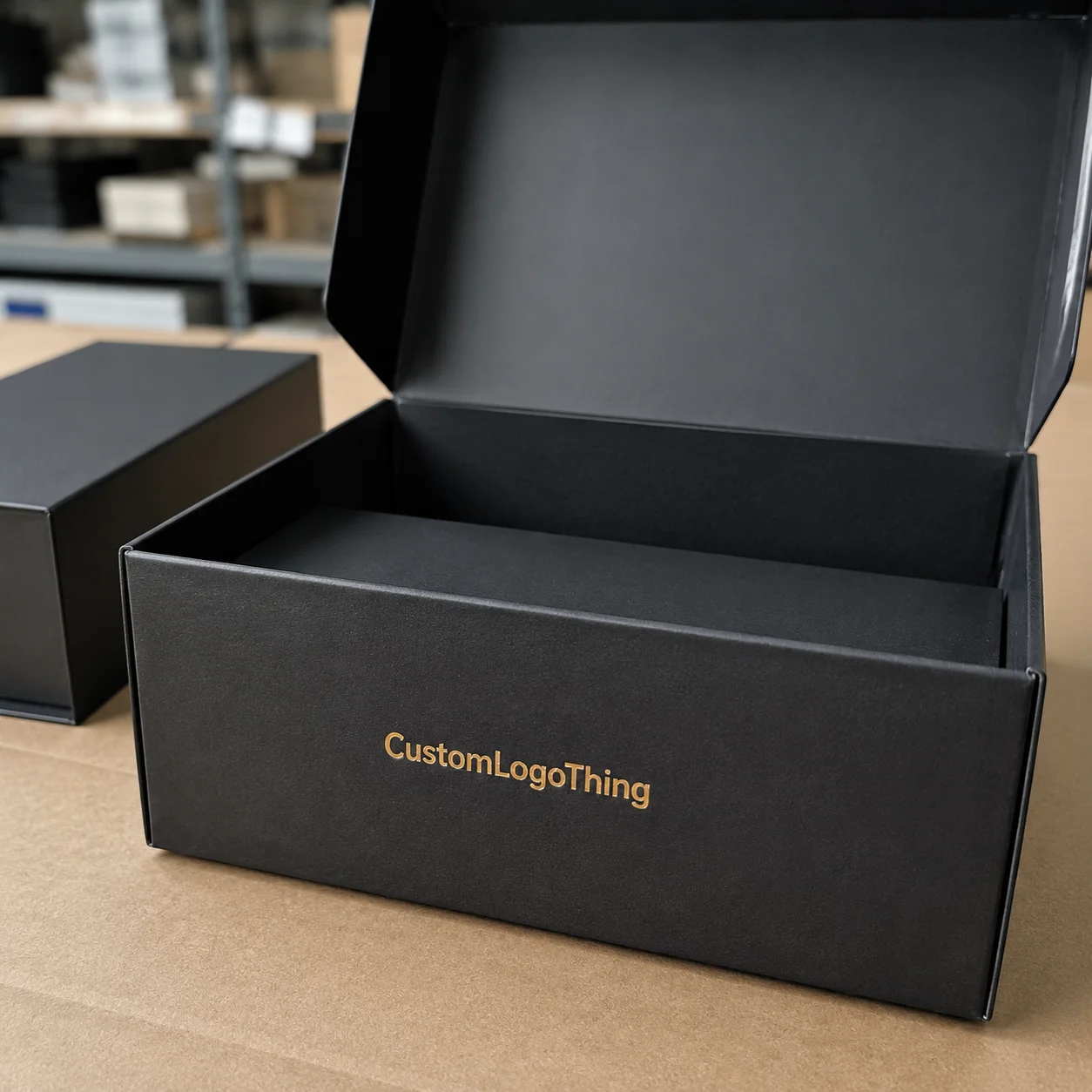
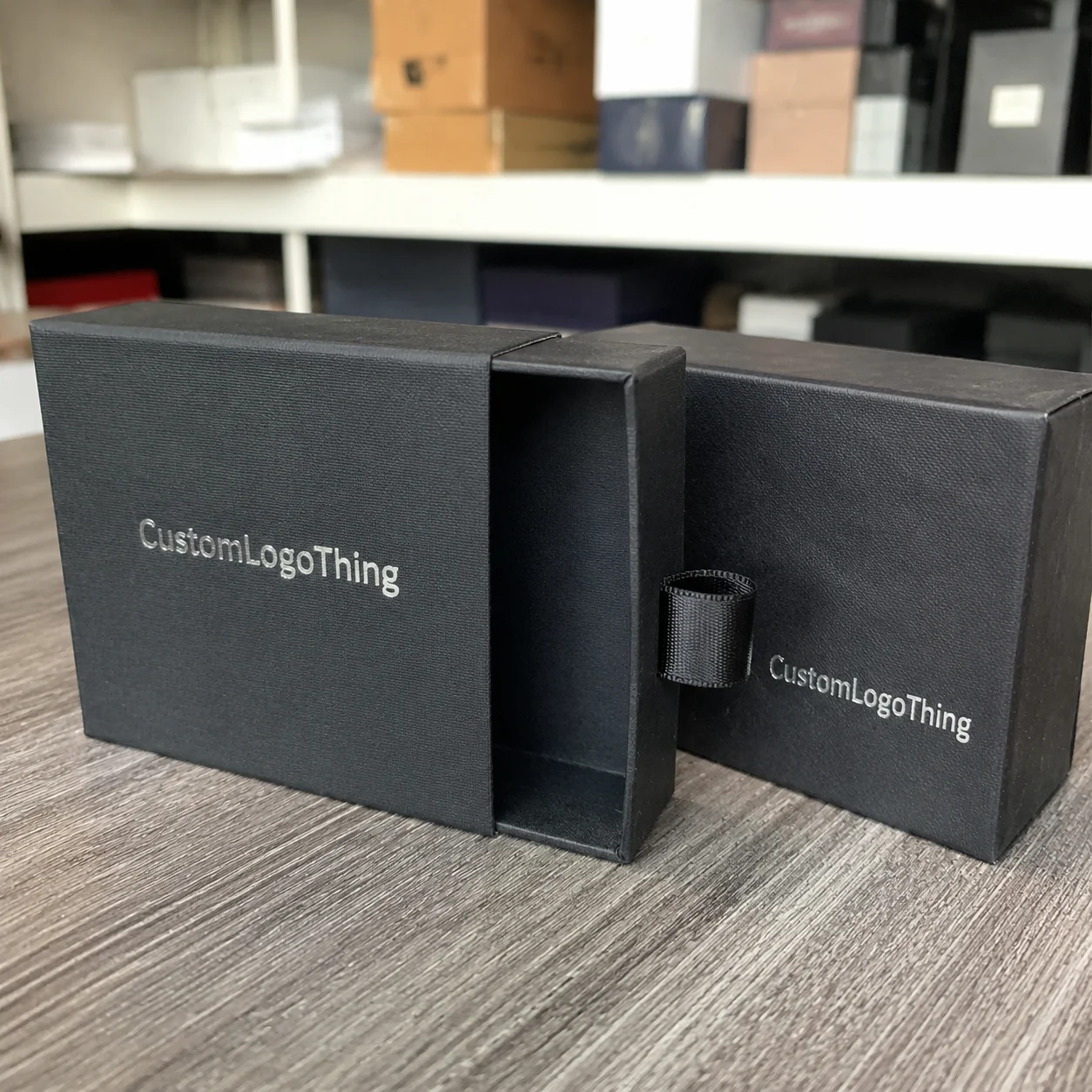
Buyer Fit Snapshot
| Best fit | Custom Mailer Boxes Manufacturer projects where brand print, material claims, artwork control, MOQ, and repeat-order consistency need to be specified before quoting. |
|---|---|
| Quote inputs | Share finished size, material target, print colors, finish, packing count, annual reorder estimate, ship-to region, and any compliance wording. |
| Proofing check | Approve dieline scale, logo placement, barcode or warning zones, color tolerance, closure strength, and carton packing before bulk production. |
| Main risk | Vague material claims, crowded artwork, missing packing details, or unclear freight terms can make a low unit price expensive after revisions. |
Fast answer: Custom Mailer Boxes Manufacturer: Board, Finish, Dieline, and Unit Cost should be specified like a repeatable production item. The safest quote records material, print method, finish, artwork proof, packing count, and reorder notes in one written spec.
Production checks before approval
Compare the actual filled-product size with the drawing, then confirm tolerance on folds, seals, hang holes, label areas, and retail display edges. Reserve space for logos, QR codes, warning copy, and material claims before decorative graphics fill the panel.
Quote comparison points
Review material grade, print process, finish, sampling route, tooling charges, carton quantity, and freight assumptions side by side. A quote is only useful when the supplier can repeat the same color, closure quality, and packing count on the next order.
I'll never forget the first time I walked into a corrugated box factory in Dongguan, Guangdong Province. I was expecting chaos—maybe the kind of makeshift operation you'd see in those factory fail compilation videos. Instead, I watched a machine the size of a city bus fold, glue, and score 400 mailer boxes per minute while workers in clean uniforms checked quality at each station. That visit changed how I think about sourcing Custom Mailer Boxes. It also taught me exactly why the manufacturer you choose matters more than almost any other decision in your packaging strategy. Spoiler: it's not even close.
If you've been searching for a custom mailer boxes manufacturer, you've probably noticed the options are overwhelming. Domestic suppliers in California and Texas versus overseas factories in Shenzhen and Hanoi. Digital printing versus offset. ECT-32 versus ECT-44. Somewhere in the middle of all that jargon, you need to make a decision that affects your brand reputation, your shipping costs, and ultimately your profit margins. I've helped dozens of brands navigate this exact decision. Here's everything I've learned—without the fluff.
Why Your Custom Mailer Boxes Manufacturer Choice Can Make or Break Your Brand
Most people get packaging wrong: they treat it as a cost center instead of a marketing asset. That's one of the most expensive mistakes you can make, hands down. When I started in this industry, I watched a client spend $40,000 on a product redesign while slapping their products in plain brown shipping boxes. Their unboxing experience looked like receiving industrial supplies from a 1970s warehouse. The irony? Customers were posting unboxing videos with millions of views, and this brand was missing that entirely.
Your mailer box is the first physical touchpoint your customer experiences. Before they open it, before they see your product, they're holding your brand in their hands. I've seen customers post photos of beautiful branded packaging on social media completely unsolicited. That kind of organic marketing is worth more than any ad spend—but it only happens when your packaging deserves attention. Nobody shares photos of boring boxes. Trust me, I've looked.
Choosing the wrong custom mailer boxes manufacturer costs you in ways that aren't obvious at first. Budget suppliers often cut corners on material thickness, which means boxes arriving crushed. Or they use inconsistent color calibration, so your brand colors look different across batches—like your purple is purple on Monday and kind of a weird magenta by Thursday. One client I worked with spent six months trying to figure out why 12% of their shipments were being returned as damaged. Six. Months. The answer? Their manufacturer had quietly switched from 32 ECT corrugated to a thinner 26 ECT stock to improve their margins. The boxes looked identical. They weren't. I was furious on their behalf.
Cheap packaging costs more in returns and damaged reputation than it saves. The manufacturer I partner with in Shenzhen costs about 18% more per unit than the budget option I evaluated first. But they've maintained the same quality spec for four years running, which means I don't spend money on reprints, customer complaints, or reputation management. The right manufacturer relationship scales your business without creating new problems. And believe me, managing those problems is not how I wanna spend my Tuesday afternoons.
How Custom Mailer Box Manufacturing Works: From Design File to Doorstep
Understanding the production workflow helps you ask better questions and catch problems before they become expensive. When you work with a custom mailer boxes manufacturer, the process typically follows four distinct phases: die-cut creation, printing, structural forming, and shipping. Simple, right? Narrator: it was not simple.
The die-cut is essentially a blueprint for your box. It's a custom tool—either a steel rule die or a digital cutting file—that determines where the box folds, where the flaps meet, and what shape the finished product takes. For custom sizes or unique constructions, this tooling cost runs anywhere from $150 to $800 depending on complexity. Stock sizes that many manufacturers keep in inventory don't require new tooling, which is one reason they're cheaper to produce. Stock sizes are like buying off-the-rack, custom sizes are bespoke tailoring. Both work, but one fits better.
Printing methods split into two main categories that matter for most brands: offset printing and digital printing. Offset produces sharper images and more accurate color reproduction, but it requires larger minimums (usually 1,000+ units) to be cost-effective. Digital printing has come a long way in the past five years—I've seen proof from our Shenzhen facility that looks nearly indistinguishable from offset at half the setup cost. Digital works better for short runs under 500 pieces or when you need variable data (like individual customer names on each box). My hot take: for most small businesses, digital is the move until you hit serious volume.
For materials, most custom mailer boxes use corrugated cardboard rated by Edge Crush Test (ECT) or Mullen Burst strength. ECT-32 is the minimum I'd recommend for anything that will survive standard shipping handling. If your products are fragile or you're shipping internationally, step up to ECT-44 or consider double-wall corrugated construction. For premium retail packaging, many brands opt for 350gsm C1S (Coated One Side) artboard with a litho-printed wraparound, which provides the print quality of offset lithography on a smoother substrate than standard corrugated. Your custom mailer boxes manufacturer should be able to advise on specific requirements based on your product dimensions and shipping methods. If they can't? That's a red flag, people.
Standard stock sizes typically run 6"x6"x4", 8"x6"x4", 10"x8"x6", and 12"x9"x6". These dimensions exist because they're optimized for common shipping scenarios—the 10"x8"x6" fits most small-to-medium consumer products without excessive dimensional weight charges. Custom dimensions give you more brand impact and better fit, but they come with tooling costs and potentially higher per-unit pricing. I went custom for my own product line and honestly? The brand impact was worth every penny, but I wasn't exactly thrilled about the tooling invoice.
Key Factors to Evaluate When Selecting a Custom Mailer Boxes Manufacturer
I've reviewed quotes from over thirty different manufacturers across my twelve years in packaging. After sorting through hundreds of spec sheets and samples, here's what actually matters when you're evaluating a custom mailer boxes manufacturer. And here's what doesn't: fancy websites and smooth salespeople.
Minimum Order Quantities (MOQs)
Most custom packaging manufacturers set MOQs between 500 and 2,000 units for custom-printed mailer boxes. Some offer stock sizes with MOQs as low as 50-100 pieces, but those come without your branding printed on them. Here's the reality: if you're starting out and need 200 Custom Printed Boxes, you might be better off with a print-and-apply label solution temporarily, or exploring digital printing options that don't require the same setup costs. The math changes dramatically once you cross 1,000 units. I know it feels like you're committing to more than you need, but trust the math here.
Sample Requests: Non-Negotiable
Never, and I mean never, commit to a full production run without holding a physical sample in your hands. I've seen manufacturers describe their products in quotations that sound professional but don't match reality. When we were evaluating suppliers for Custom Logo Things, I requested samples from seven different manufacturers. Three sent items that didn't match their specifications. Two had clearly been sitting in warehouses for months—the materials felt stale and the printing looked dated. One batch had actually yellowed. Yellowed! On a brand new sample! The samples that arrived in proper packaging with fresh production dates told a different story. That $30-50 you spend on samples can save you thousands in mistakes. Don't be cheap about this part.
Communication Quality as a Predictor
How a manufacturer communicates before you sign an order predicts how they'll handle problems during production. When I evaluate a new supplier relationship, I send an intentionally difficult question about color matching or material substitution. If they brush off the question, I know their production management will be equally dismissive. A custom mailer boxes manufacturer worth your time will ask about your shipping conditions, your product weights, and your brand color specifications before quoting a price. If they just send you a quote without questions? Run. They're gonna be that person who ghosts you when things go wrong.
Red Flags: Timeline Disconnects
Domestic production in facilities across Los Angeles, Chicago, and New Jersey typically runs 3-4 weeks from design approval. Overseas manufacturing from Shenzhen, Guangzhou, or Hanoi stretches to 6-10 weeks including shipping. If someone quotes you 2 weeks for a custom printed order from China, either they're lying about what's included or they're rushing in ways that compromise quality. Peak seasons (October through December for most consumer brands) add 1-2 weeks to almost every supplier's timeline. That reality catches first-time buyers off guard every single year. Every. Single. Year. I don't know why people keep getting surprised by this, but they do.
What Does a Custom Mailer Boxes Manufacturer Actually Cost? A Complete Pricing Breakdown
Let me break down what goes into your quote from a custom mailer boxes manufacturer, because understanding this structure keeps you from making decisions based on artificially low numbers. I've seen too many people get burned by "great deals" that weren't. The total cost has five components: materials, printing labor, tooling/setup, finishing, and logistics.
Materials typically represent 40-55% of your per-unit cost. Corrugated stock prices fluctuate with commodity paper markets—they've bounced around considerably in recent years. A standard 32 ECT corrugated mailer in 10"x8"x6" runs about $0.38-0.52 per unit in raw material costs depending on your supplier's volume purchasing power. Premium materials like 350gsm C1S artboard with litho lamination add $0.15-0.25 per unit but deliver dramatically superior print quality. This is why I get suspicious when someone's quote seems way too low—paper isn't free, people.
Printing costs drop dramatically as quantities increase. I've observed actual quotes for a 10"x8"x6" mailer box with full-color printing on kraft corrugated: roughly $1.85/unit for 250 pieces, $1.10/unit for 1,000 pieces, and $0.72/unit for 5,000 pieces. The difference between 1,000 and 5,000 units isn't just volume—it's amortizing the $300-500 setup fee across more pieces. Your printer doesn't work cheaper at higher volumes; they just spread their overhead across more boxes.
Tooling costs (those die-cut tools we discussed) usually run $150-400 for standard constructions but can hit $800-1,200 for complex designs with special flaps or built-in inserts. Some manufacturers include tooling in their initial quotes; others amortize it across your first order. Get clarity on this before comparing prices. I cannot stress this enough—one client's "incredible deal" turned out to be tooling-as-rent, which they discovered only after being charged $600 out of nowhere.
| Quantity | Price Range (10"x8"x6") | Typical Turnaround | Tooling Required |
|---|---|---|---|
| 100-250 units | $1.50-$2.20/unit | 2-3 weeks | Usually included |
| 500-1,000 units | $0.85-$1.30/unit | 3-4 weeks | Usually included |
| 2,500-5,000 units | $0.55-$0.85/unit | 4-5 weeks | Usually included |
| 10,000+ units | $0.35-$0.55/unit | 5-6 weeks | Your ownership |
Watch for hidden fees that surprise first-time buyers: artwork setup charges ($50-150), Pantone color matching ($25-75 per color), rush order premiums (25-50% surcharge), matte or soft-touch lamination ($0.12-0.18 per unit additional), and shipping from overseas that can add $0.08-0.15 per unit depending on freight rates. A quote that looks too good probably excludes these line items. I've seen quotes so misleading that the final invoice was 60% higher than the initial price. I may have yelled at someone on a Zoom call. Several someones, actually.
The Ordering Process: Step-by-Step Timeline from Concept to Delivery
Most brands underestimate how long the full cycle takes. From initial concept to boxes in your warehouse, plan for 6-10 weeks for standard orders, longer if you're working with overseas manufacturers or complex designs.
Weeks 1-2: Design finalization and file preparation. Your artwork needs to be production-ready: CMYK color profile (ideally Fogra39 for European printing, GRACoL for North American), minimum 300 DPI resolution for any raster elements, and bleed margins typically set at 3mm extending past the trim line. If you're using a custom mailer boxes manufacturer, they should provide a template with proper die lines. I've seen beautiful designs get rejected because they weren't set up for die-cut production. Download the template, stay within the safe zone, and export as a press-quality PDF with embedded fonts. Read the instructions. Yes, even the boring ones.
Weeks 2-3: Sample approval and material confirmation. The manufacturer produces a sample run—usually 1-3 pieces that represent the final production. This is your chance to verify color accuracy, structural integrity, and material quality. When we developed our Custom Logo Things line, I physically tested samples by dropping them from 3 feet onto concrete, stacking them 6 units high under weight, and shipping products inside them across state lines before approval. Don't skip this step, even if you're confident in your design. I've approved digital proofs that looked perfect and arrived as disasters. Gorgeous, perfect disasters.
Weeks 3-5: Production runs for standard custom orders. Once samples are approved, the manufacturer locks your order into their production schedule. For offset printing, they need to set up plates first (typically 4 plates for CMYK at $25-40 each). For digital, they load your files directly. Production speed varies, but 10,000 units typically takes 5-7 business days once setup is complete. This is the part where you twiddle your thumbs and obsessively check email for updates that may not come for days.
Weeks 5-6: Quality control and shipping logistics. Finished boxes are inspected—ideally via AQL sampling standards (common is AQL 4.0 for visual defects, tighter for functional requirements). They're bundled, paletted, and shipped. Domestic freight via FedEx Freight or UPS Freight takes 2-5 business days within the continental US. Ocean freight from Shenzhen or Hong Kong runs 3-5 weeks plus 3-5 business days for customs clearance at ports like Los Angeles Long Beach or Newark. Customs is where patience comes to die, frankly.
Rush options exist but cost significantly more. I've negotiated 7-10 day turnarounds for premium clients, but those typically carry 40-60% price surcharges and require all assets to be production-ready at time of order. If you're in a bind because you didn't plan ahead, be honest with your manufacturer—sometimes they're more flexible than their published timelines suggest. Sometimes. Not always. Depends on how much they like you.
Common Mistakes Brands Make When Working with Custom Mailer Box Manufacturers
In my years helping brands source packaging, I've watched the same mistakes repeat themselves. Let me save you from the most expensive ones. You're welcome.
Skipping physical samples. This is the biggest one. I've heard stories from every manufacturer I've worked with about clients who approved digital proofs and then rejected entire production runs. The problem is always "it looks different than I expected." Artwork viewed on a monitor bears only passing resemblance to a physical box with lighting, texture, and dimensional weight. Always, always get samples. Always.
Ignoring bleed requirements and color calibration. RGB files submitted for CMYK printing look washed out. Artwork without bleed gets cut off at the trim line. Your custom mailer boxes manufacturer should provide artwork guidelines that specify exactly how to set up files. Follow them. When we first started, we had a batch of boxes arrive where the critical logo element was half a millimeter inside the trim line on two sides—every single box looked like the artwork was misaligned. That's a $2,400 lesson about following guidelines. I still get a little upset thinking about it.
Choosing the cheapest quote without understanding material specs. If Company A quotes $0.65/unit and Company B quotes $0.85/unit for the same dimensions, the cheaper option is either cutting material quality or hiding fees. In one case, a budget supplier's quote didn't include finishing—they were going to ship boxes without any protective coating, which means scratches, water damage, and print rubbing. Ask specifically about material grade, ECT rating, and finishing options. Read the fine print. Actually, read all the print.
Failing to factor in dimensional weight. Your custom mailer box dimensions directly affect your shipping costs. UPS and FedEx calculate charges based on whichever is larger: actual weight or dimensional weight (length x width x height divided by 139 for domestic shipments). A box that's one inch too tall in each dimension might push your dimensional weight into the next pricing tier. I learned this one by reviewing shipping invoices for a client who had boxes arriving crushed—they'd specified boxes that were oversized for their products, and the dimensional weight was costing them $3.20 per shipment more than necessary. That adds up to $25,600 annually if they're shipping 8,000 orders per month.
Expert Tips: How to Get Better Results from Your Custom Mailer Boxes Manufacturer
These are the strategies I've developed after years of negotiating with suppliers and managing production relationships. They're not secrets, but they're the kind of practical wisdom you don't find in spec sheets. And spec sheets are truly the most boring documents humanity has ever created, fight me.
Build relationships with account managers, not just sales teams. Salespeople move jobs regularly—I've seen three different account managers at one Shanghai supplier in just 18 months. Your account manager is the person who answers your emails at 9pm when production runs overnight and something goes wrong. When I find a good production contact, I stay in regular touch even when I don't have active orders. That relationship pays dividends when I need something expedited or when a quality issue arises. I've gotten middle-of-the-night responses from people in different timezones because we had built actual rapport. Cold transactional relationships get cold transactional results.
Use manufacturer checklists for artwork. Every custom mailer boxes manufacturer I've worked with provides an artwork submission checklist. It's usually boring, comprehensive documentation about file formats, color profiles (CMYK vs Pantone, with specific codes like Pantone 187 C for brand red or Pantone 2865 C for brand blue), bleed settings, and font requirements. Complete it anyway. The ten minutes you spend reading it prevents the hours of back-and-forth that result from rejected files. I know it's tempting to skim and assume you know what you're doing, but that assumption will cost you.
Negotiate payment terms that protect your cash flow. Net 30 or Net 60 terms mean you don't pay until after delivery—critical when you're funding inventory. Standard terms for new relationships usually require 30-50% deposit with balance due before shipping. Established relationships can often secure Net 15 or better. I've seen startups strain their cash flow by agreeing to upfront payment terms they didn't need to accept. Ask. The worst they say is no. They won't say no, but they might negotiate. I've never had a manufacturer refuse to at least discuss terms.
Plan ahead: standard lead times versus peak season realities. The packaging industry has a "peak season" that mirrors retail—roughly October through December. If you're launching a product in November that needs custom packaging, you should have started conversations in July or August. I've helped brands emergency-source packaging during peak season, and the premiums can hit 75% above normal pricing. Early planning also gives you access to better production slots. Factories in the Pearl River Delta region book 6-8 weeks in advance during busy periods. Last-minute requests during peak season are basically lighting money on fire while asking for help.
What Should You Look for in a Custom Mailer Boxes Manufacturer? Your Complete Action Plan
You now have the knowledge. Here's what to do with it.
Define your specifications first. Before contacting anyone, know your dimensions (outer measurements, not inner—I've seen so many people get confused by this), material thickness requirements (ECT-32 for light products under 2 lbs, ECT-44 for products 2-5 lbs, double-wall for anything over 5 lbs), print requirements (full color CMYK, Pantone spot colors, or black only), quantity needs, and delivery timeline. The more specific your Custom Packaging Products requirements, the more accurate your quotes will be. Vague requests get vague results. Nobody wants vague results.
Request quotes from at least three custom mailer boxes manufacturers with identical specs. Send the same information to each supplier. Differences in pricing reveal something about their operational efficiency or their margins. Differences in lead times reveal their production capacity. If one manufacturer comes in 40% cheaper than everyone else, something's off. Get explanation before assuming you found a miracle deal. Miracle deals usually aren't miracles. They're usually nightmares in discount clothing.
Order samples before committing to full production runs. Budget $50-150 for samples. If you can't afford that, you're not ready to order production quantities. The risk of a wrong production run far exceeds the sample cost. I don't care how great the quote looks. I don't care how professional their website is. Get. Samples. First.
Negotiate payment terms and build in quality guarantees. Ask about defect tolerances (industry standard is usually 2-3% for minor cosmetic defects), what happens if a batch doesn't meet specifications, and who pays for reprints. Get these terms in writing before placing your order. Yes, it's awkward to ask. No, it's not as awkward as eating the cost of a bad batch that cost you $8,500 to produce.
The right custom mailer boxes manufacturer becomes a long-term partner. I've worked with the same primary supplier for four years now because they consistently deliver quality, communicate proactively, and treat my business as more than a transaction. That's the kind of relationship you should be building—not just finding someone who can fill an order. Take your time with the selection process. The boxes you ship become ambassadors for your brand long after the sale is complete. Also, they're heavier than you think. I still underestimate dimensional weight and I'm supposed to be an expert. It's humbling, really.
Frequently Asked Questions
What is the typical minimum order quantity for custom mailer boxes from a manufacturer?
Most custom mailer box manufacturers require minimum orders of 500-1,000 units for custom-printed products. Stock sizes without branding may allow MOQs as low as 50-100 pieces. Higher quantities significantly reduce per-unit costs, so if your budget allows, ordering more upfront typically makes economic sense. I know it feels like a big commitment, but the math really does work out better at scale.
How long does it take to produce custom mailer boxes through a manufacturer?
Standard production typically runs 3-4 weeks from design approval for domestic orders (factories in California, Texas, or New Jersey). Rush orders can sometimes be accommodated in 7-10 days for premium fees ranging from 25-50% above standard pricing. Shipping from overseas manufacturers in Shenzhen, Guangzhou, or Hanoi can add 4-6 weeks to total timelines, making full cycles 8-12 weeks depending on the supplier and port congestion. Plan accordingly or pay the rush fees. Those are your options.
What file formats do custom mailer box manufacturers require for printing?
PDF files with embedded fonts and high-resolution images (minimum 300 DPI) are the industry standard. Die-cut templates must be provided in vector format (AI, EPS, or PDF with vector paths) to ensure cutting accuracy. CMYK color profiles ensure accurate print reproduction—RGB files will appear washed out or incorrectly colored when converted. Download your manufacturer's specific template before designing. Yes, even if you've done this before. Templates change.
How much do custom mailer boxes cost when ordering from a manufacturer?
Unit costs typically range from $0.50-$3.00 depending on size, material, and quantity ordered. For a standard 10"x8"x6" mailer box with full-color printing, expect to pay approximately $1.50-2.20 per unit at 250 pieces, $0.85-1.30 per unit at 1,000 pieces, and $0.55-0.85 per unit at 2,500-5,000 pieces. Custom printing and specialty finishes like soft-touch lamination ($0.12-0.18 additional per unit) or foil stamping ($0.20-0.35 additional per unit) increase costs significantly. Worth it for the right brand, but budget accordingly.
What materials work best for custom mailer boxes?
Corrugated cardboard offers the best protection for e-commerce shipping applications. Kraft material provides an eco-friendly aesthetic appeal that many sustainable brands prefer. Thickness is measured in ECT ratings—32 ECT is the minimum I'd recommend for standard shipping, while 44 ECT or double-wall construction handles heavier products or international shipping. For premium applications, 350gsm C1S artboard with litho lamination provides superior print quality with a smooth surface suitable for detailed graphics. FSC-certified materials are available for brands prioritizing environmental responsibility. Your custom mailer boxes manufacturer should walk you through the options if you're unsure.
Looking for more packaging solutions? Explore Custom Poly Mailers for additional shipping options, or connect with our team to discuss your custom mailer box requirements. We've been through the wringer with this stuff and we're happy to share what we've learned—even the embarrassing parts.