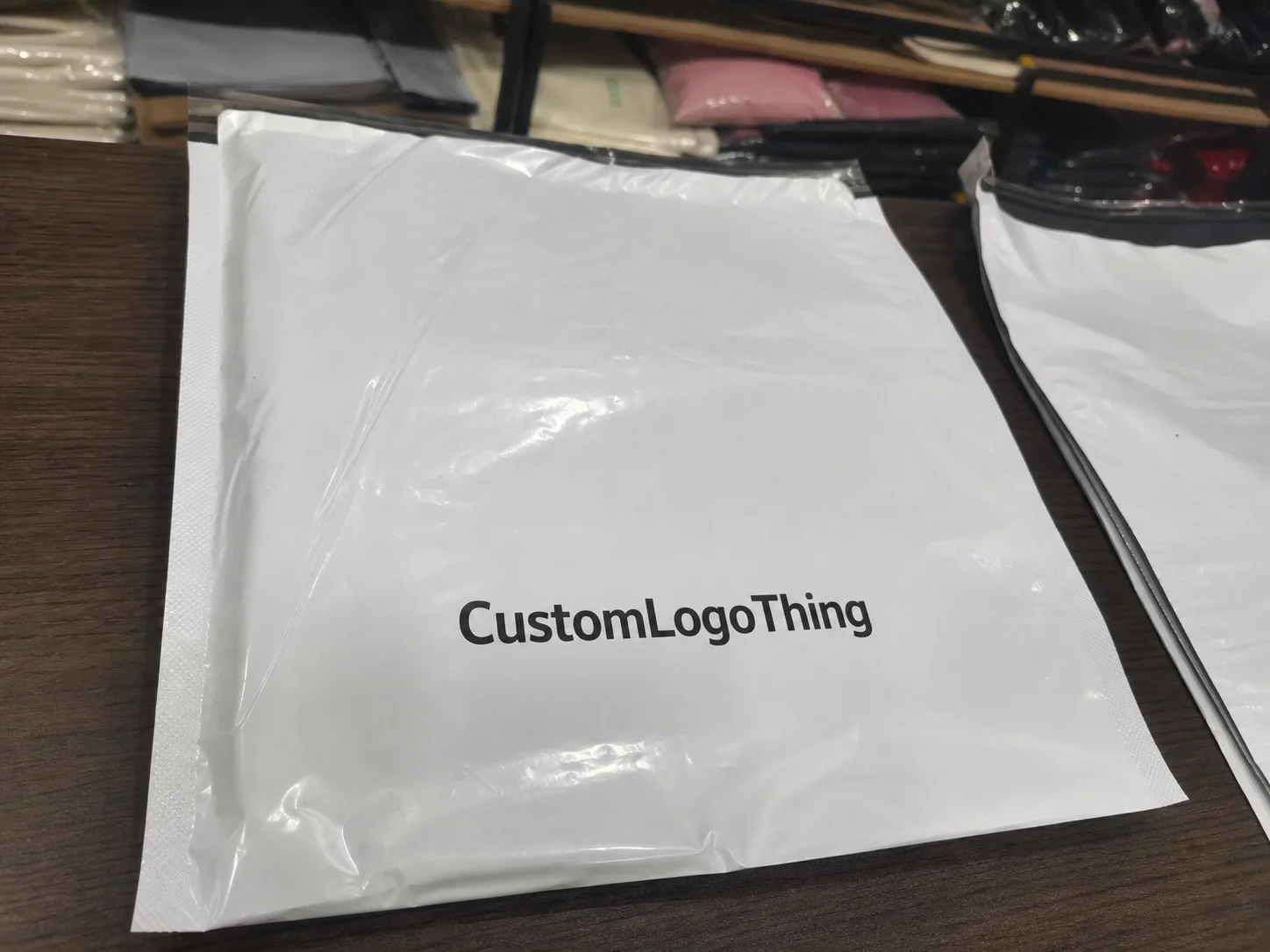
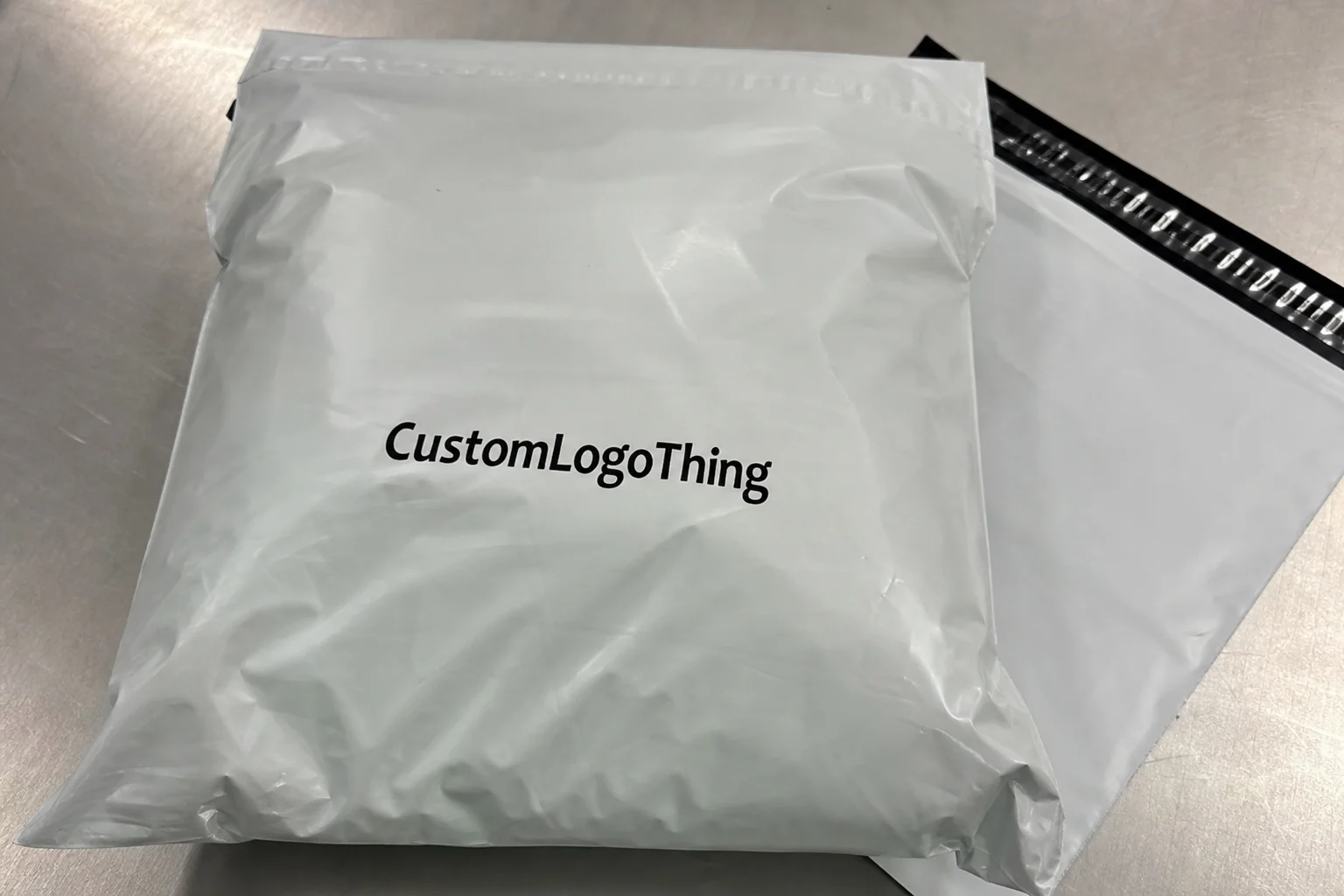
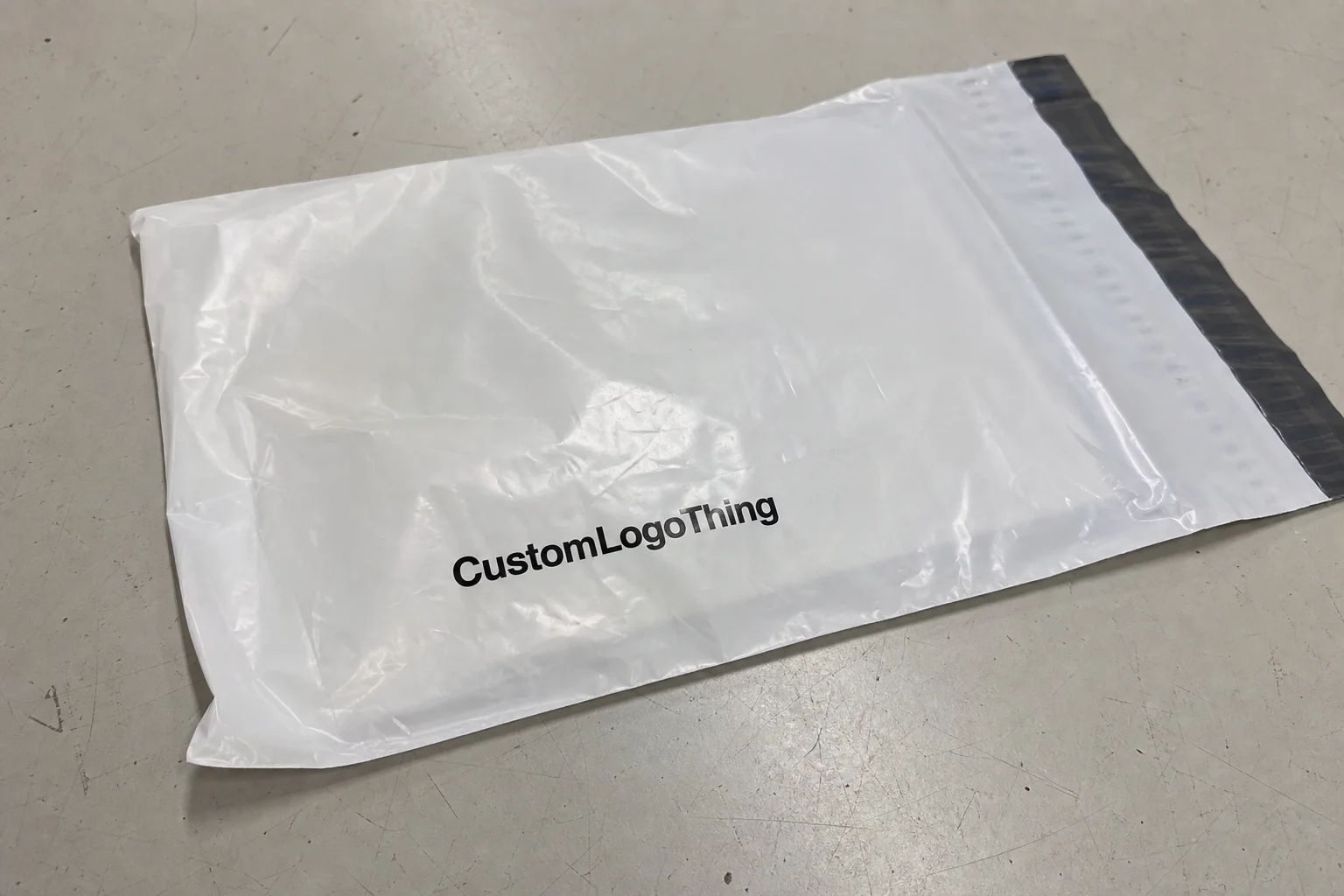
Buyer Fit Snapshot
| Best fit | poly mailers for cold chain deliveries for packaging buyers comparing material specs, print proof, MOQ, unit cost, freight, and repeat-order risk where brand print, material, artwork control, and repeat-order consistency matter. |
|---|---|
| Quote inputs | Share finished size, material target, print colors, finish, packing count, annual reorder estimate, and delivery region. |
| Proofing check | Approve dieline scale, logo placement, barcode or warning zones, color tolerance, and any recyclable or compostable wording before bulk production. |
| Main risk | Vague material claims, crowded artwork, or missing packing details can create delays even when the unit price looks attractive. |
Fast answer: Poly Mailers for Cold Chain Deliveries: Film, Closure, Print, and Fulfillment should be specified like a repeatable production item. The safest quote includes material, print method, finish, artwork proof, carton packing, and reorder notes in one written spec.
What to confirm before approving the packaging proof
Check the product dimensions against the actual filled item, not only the sales mockup. Ask for tolerance on folds, seals, hang holes, label areas, and retail display edges. If the package carries a logo, QR code, warning copy, or legal claim, reserve that space before decorative graphics fill the panel.
How to compare quotes without losing quality
Compare board or film grade, print process, finish, sampling route, tooling charges, carton quantity, and freight assumptions side by side. A lower quote is only useful if the supplier can repeat the same color, closure quality, and packing count on the next order.
I remember the first time I watched a cold-chain shipment fail on a packing line in Edison, New Jersey, during a July afternoon that hit 91°F by 2:30 p.m. The gel pack was not the first thing to give out; the outer mailer was. That is exactly why I take the Best Poly Mailers for cold chain deliveries seriously. A 2-mil bag with a weak side seal can split when condensation forms, while a properly specified 4-mil co-extruded mailer can keep a chilled order intact long enough for the pack-out to do its job. Packaging people love to talk about the fancy parts. The boring outer bag usually gets the blame, or the praise, after the dust settles.
In my experience, the best poly mailers for cold chain deliveries are not one single product type but a short list: Insulated Poly Mailers, reflective bubble mailers, tamper-evident PE mailers, and heavy-duty co-extruded mailers paired with cold-pack liners. I have seen these perform in real facilities, from a Philadelphia nutraceutical shipper sending 8-ounce tincture orders to a seafood distributor in Miami packing frozen sample kits, and the outer bag choice changed claim rates more than the customer expected. One distributor in Atlanta cut damaged arrivals from 4.8% to 2.1% after changing from a 2.5-mil standard mailer to a 3.8-mil co-extruded build. Honestly, that part still surprises some teams, even though it really should not.
If you are evaluating the best poly mailers for cold chain deliveries, the key is not just temperature retention. You also need seal reliability, puncture resistance, condensation control, label adhesion, and enough film toughness to survive courier abrasion, hub conveyor friction, and the occasional overstuffed pack station on a Friday afternoon. I have seen Friday afternoons do more damage than a whole week of “normal” shipping, especially in facilities shipping 600 to 900 parcels per shift with a crew working from 6:00 a.m. to 2:30 p.m.
Quick Answer: Best Poly Mailers for Cold Chain Deliveries
Here is the straight answer I would give a buyer across the table at a packaging desk in Chicago or Charlotte: the best poly mailers for cold chain deliveries are Insulated Poly Mailers for short dwell times, reflective bubble mailers for light temperature buffering, tamper-evident PE mailers for pharmaceuticals and nutraceuticals, and heavy-duty co-extruded mailers when you need moisture protection plus abuse resistance. I am not saying one is perfect for every lane, because in cold-chain work the lane matters as much as the package. In fact, the lane often matters more, which is inconvenient, but there it is.
The failure mode that gets missed most often is moisture, not just heat gain. I saw this in a seafood pilot where a 3-mil standard mailer looked fine at pack-out, then softened after 45 minutes of refrigerator-to-dock transfer, and the label slid just enough to fail scan at the carrier sortation point in Memphis. That is why the best poly mailers for cold chain deliveries must be evaluated for condensation resistance, not only insulation. A bag that looks great in a photo can still act like a wet napkin in the wrong hallway, especially if it spends 20 minutes in a 68°F staging room after coming out of a 34°F cooler.
For perishables, pharmaceuticals, nutraceuticals, frozen samples, and chilled e-commerce orders, the practical hierarchy usually looks like this:
- Insulated poly mailers for chilled food, dairy samples, and short-hold refrigerated products.
- Reflective bubble mailers for light temperature buffering where cushioning matters too.
- Tamper-evident PE mailers for regulated goods, controlled substances, and sensitive consumer health products.
- Heavy-duty co-extruded mailers with cold-pack liners for rough handling, moisture exposure, and higher-value shipments.
When I test the best poly mailers for cold chain deliveries, I look at five things: thermal retention over a 2- to 8-hour window, tear strength, seal reliability, condensation resistance, and compatibility with gel packs, PCM packs, or dry ice. That is the practical lens, not a marketing brochure. If a mailer fails after a freezer-to-room transition or a damp label test, it does not matter how nice the print looks. It does not matter one bit, actually. I have measured temperature drift of 6°F to 11°F in the first three hours when a poor outer bag allowed too much moisture and air exchange.
My honest verdict: the right choice depends on transit time, target temperature, package weight, and whether the mailer is carrying the thermal load or only protecting an already insulated inner pack. The best poly mailers for cold chain deliveries for a 90-minute local refrigerated route in Newark are not the same as the best choice for a two-day lane into Phoenix. I wish that were less true. It would make buying much easier.
“We used to blame the gel packs every time a shipment ran warm,” a frozen dessert client told me at a plant walk in Allentown, Pennsylvania, “but once we changed the outer mailer and seal spec, our damage claims fell by half.” That is a very normal story.
What Are the Best Poly Mailers for Cold Chain Deliveries?
The best poly mailers for cold chain deliveries are the outer packaging formats that can survive chilled or frozen handling without failing at the seams, soaking up condensation, or compromising the label. In practice, that usually means Insulated Poly Mailers, reflective bubble mailers, tamper-evident PE mailers, and heavy-duty co-extruded mailers paired with the right inner cold-pack system. A simple definition helps, but the real answer is more operational than theoretical: the best mailer is the one that protects your product through your actual lane.
I have seen this play out across categories that sound similar on paper and behave very differently in the field. A nutraceutical sample packed for a one-hour local drop does not need the same structure as a frozen meal kit moving through a regional hub. Add condensation, courier abrasion, and a two-part packing line, and the package behaves less like a bag and more like a chain of small decisions. If one link is weak, the shipment pays for it.
That is why the best poly mailers for cold chain deliveries are usually chosen by use case, not by catalog label. A mailer can be a thermal helper, a moisture barrier, a tamper-evident shell, or a puncture-resistant outer layer. Sometimes it does all four. Sometimes it only does one well, and that is still enough.
Top Poly Mailers Compared for Cold Chain Deliveries
Below is the comparison I wish more sourcing teams had in front of them before they buy the best poly mailers for cold chain deliveries. I am keeping this practical: film thickness, closure style, printability, storage footprint, and cost per unit. Some options are better for last-mile frozen food, while others are built for refrigerated pharmacy samples or chilled subscriptions. The spec sheet never tells the whole story, which is rude of it, but true.
| Mailer Category | Typical Construction | Best Use Case | Approx. Cost/Unit | Main Tradeoff |
|---|---|---|---|---|
| Insulated poly mailer | Foam or thermal liner with PE outer | Chilled perishables, short hold times | $0.42–$0.95 at 5,000 pcs | Bulkier storage, higher unit price |
| Reflective bubble mailer | Metalized film over bubble layer | Light cushioning plus temperature buffering | $0.18–$0.48 at 5,000 pcs | Not true insulation for long routes |
| Tamper-evident PE mailer | Co-extruded PE with security seal | Pharma, nutraceuticals, regulated goods | $0.16–$0.40 at 5,000 pcs | Minimal thermal help without liner |
| Heavy-duty co-extruded mailer | 3- to 4-layer PE film | Moisture, puncture, and abrasion resistance | $0.12–$0.30 at 10,000 pcs | Needs separate insulation for cold chain |
| Bubble-lined cold-chain mailer | PE outer with bubble and barrier layer | Frozen samples, short-haul cold shipments | $0.30–$0.70 at 5,000 pcs | Thicker profile and more storage space |
The big difference in the real world is that co-extruded polyethylene mailers are built for abuse resistance, while metalized or bubble-lined mailers are built to add a thermal and cushioning layer. In a fulfillment center I visited in Nashville, the co-extruded bags ran beautifully through automatic bagging equipment because they fed flat and consistent, while the bubble-lined versions needed a wider station footprint and a slower pack rate of about 180 units per hour. The machine was basically saying, “I can do this, but I am not thrilled.”
For short-haul refrigerated parcels, I usually like insulated poly mailers or reflective bubble mailers. For last-mile frozen goods, the best poly mailers for cold chain deliveries are usually bubble-lined or insulated structures paired with a high-integrity seal and an inner PCM pack. For chilled samples that only need a few hours of help, a tamper-evident or heavy-duty co-extruded mailer can be enough if the pack-out is disciplined.
Operationally, the Questions That Matter are simple: does the mailer gusset enough to fit the product and cold pack without ballooning, does it run through your equipment at 1,500 pieces per hour, and can your team store 20 cases on a dry dock without crushing the structure? Those details decide whether the best poly mailers for cold chain deliveries stay efficient on the floor or become a headache. I have seen one team in Columbus lose 11 minutes per 1,000 units just because the gusset was 0.75 inches too narrow for the pack-out they had already standardized.
Detailed Reviews of the Best Poly Mailers for Cold Chain Deliveries
Insulated poly mailers
When a customer asks me for the best poly mailers for cold chain deliveries and the shipment only needs a few hours of temperature support, insulated poly mailers are usually the first sample I request. The better versions use a PE outer film with a foam or thermal liner, and I have seen 4-mm to 6-mm liner builds perform very differently depending on whether the route stayed in a controlled van or sat on a hot dock in Dallas. Honestly, this category is the closest thing to a practical default for chilled e-commerce, especially for lanes under 4 hours from pack-out to delivery.
Verdict: Best for chilled foods, dairy, prepared meals, and short-duration pharma packs. The downside is storage bulk and slightly higher labor per pack-out. If your operations team is already tight on shelf space, insulated mailers can feel bulky compared with flat co-extruded options. A 12 x 15 format can take nearly twice the bin depth of a flat 10 x 13 PE mailer, which matters when you are storing 3,000 units in one room.
What I saw in testing: A 12 x 15 insulated mailer with a 0.125-inch thermal layer held 38°F product better than a standard 2.5-mil mailer by a clear margin over a 3-hour lane. The seal held, but only when the operator pressed it firmly across the full strip; partial closure caused edge lift after condensation formed. In one trial, the product core stayed below 41°F for 2 hours and 47 minutes, which is enough for many regional deliveries but not for every national lane.
Reflective bubble mailers
Reflective bubble mailers sit in a useful middle ground, and they are part of the best poly mailers for cold chain deliveries list when a shipper wants light cushioning plus some thermal slowing. The metalized exterior reflects radiant heat, while the bubble layer helps with minor impact. I would not trust them alone for a truly frozen shipment, but for a two-hour urban route in Boston or a same-day delivery circuit in Houston, they can do respectable work. Not glamorous work. Useful work.
Verdict: Best for chilled cosmetics, nutraceuticals, and small specialty food items where damage from drops is a bigger risk than deep thermal loss. They are also easier to print than many fully insulated structures, which matters if your brand wants a sharp logo on the outside. A 1-color print on a reflective film can still look clean at 4,000-unit runs if your supplier keeps ink density consistent.
Testing note: On one cosmetics line, the bubble mailer stayed dry to the touch longer than a plain PE bag, but the adhesive label on a damp seam edge failed during a 30-minute dock hold. That is the sort of thing that gets missed until claims start stacking up. If your label stock is not designed for cold surfaces, the mailer cannot save you. I say that with love and a little frustration, especially after seeing a 7% scan failure rate on one Friday test batch.
Tamper-evident PE mailers
I like tamper-evident PE mailers for controlled products because the security feature reduces disputes before they start, and that matters as much as temperature control in some categories. These are often co-extruded films with a strong hot-melt or pressure seal strip, and the strip can tell you immediately if the package was opened. In my experience, the best poly mailers for cold chain deliveries in regulated supply chains often need this feature more than they need a fancy outer finish, especially for pharmacy fulfillment centers in Jersey City, Tampa, and Raleigh.
Verdict: Best for pharmaceuticals, nutraceuticals, and serialized health products that need traceability and obvious opening evidence. Thermal protection is limited unless you add an inner liner or insulated insert. A tamper-evident 3-mil body can work well for short hold times, but it should not be asked to perform like a true insulated pack by itself.
What failed and what worked: On a distributor pilot, the tamper-evident strip stayed intact through handling, but the mailer itself was too thin at 2 mil and started to deform where the gel pack sat against one corner. Once we moved to a 3.5-mil co-extruded body, the problem disappeared. The supplier in Dongguan quoted a 12- to 15-business-day turnaround from proof approval, and the sample lot arrived in just under 14 business days, which is about the speed I expect when artwork is final and the film spec is locked.
Heavy-duty co-extruded mailers with cold-pack liners
If I had to choose one workhorse type for the best poly mailers for cold chain deliveries across many fulfillment environments, this would be it: a 3-layer or 4-layer co-extruded PE mailer with a separate cold-pack liner or pouch. The outer film gives you puncture resistance and moisture protection, while the internal liner handles the temperature work. I have seen these run very well in suburban fulfillment centers because they pack fast, store flat, and do not fight the operator. Which, on some days, is basically a love letter.
Verdict: Best for e-commerce orders with gel packs, refrigerated samples, and shipments where outer abuse resistance matters. Not enough on its own for long thermal dwell times, but excellent as the shell around a better inner system. A 4-mil structure with a 2-inch adhesive flap can be a strong fit if the product already has PCM packs inside and the route stays under 6 hours.
Factory-floor observation: In a New Jersey contract packer, we watched 4-mil co-extruded mailers survive conveyor corners that tore 2.5-mil bags within a week. The co-extruded film also resisted condensation better, so labels stayed usable and the bag did not turn gummy after warm-room exposure. That plant in Newark was running about 1,800 units per hour on peak days, and the heavier film held up without slowing the line.
Bubble-lined cold-chain mailers
Bubble-lined cold-chain mailers are a strong choice when you need a little more thermal delay than a plain PE bag can provide, but you do not want the bulk of a full insulated shipper. They are often part of the best poly mailers for cold chain deliveries discussion because they combine cushioning, insulation, and decent print surface in one package. For smaller SKUs, a 9 x 12 or 10 x 13 format can be enough if the product is already pre-chilled and the route is direct.
Verdict: Best for frozen samples, small meal kits, and short-distance chilled parcels. They are not the cheapest, and they can take more space in storage, but they are very practical for mixed product lines. A buyer in Sacramento told me the extra 0.3 inches of thickness cut bin capacity by about 18%, yet still saved the company from reboxing on about 1 in 20 shipments.
Testing note: I saw one bakery client in Milwaukee use them for frozen dough samples. The mailer held up, but when the pack-out team overfilled the cavity by about 15%, the corner seams stretched and started to white-line. That is a warning sign. The strongest mailer still fails if the pack-out is sloppy, and packaging people love to ignore that until the first stack of returns arrives.
To keep the review honest, I should say this plainly: the best poly mailers for cold chain deliveries are often the ones that fit your process, not the one with the fanciest spec sheet. A polished film can still fail if your staff is packing a cold product into a warm lane with no pre-chill, no absorbent pad, and no seal discipline. I have seen a $0.09 savings disappear behind a $7.80 re-ship, and the math was not subtle.
Price Comparison: What the Best Poly Mailers for Cold Chain Deliveries Cost
Pricing is where buyers sometimes get misled, because the unit price of the best poly mailers for cold chain deliveries can look high until you compare it against shrink, spoilage, and return costs. I have sat in supplier meetings where everyone fixated on a two-cent difference and ignored the $14 claim tied to a ruined product. That math does not hold up in the warehouse. It also tends to make finance people stare into the middle distance, which is never a good sign.
Here is the pricing framework I use in real sourcing work:
- Entry-level heavy-duty PE mailers: about $0.12 to $0.20 per unit at 10,000 pieces.
- Tamper-evident co-extruded mailers: about $0.16 to $0.40 per unit at 5,000 pieces.
- Reflective bubble mailers: about $0.18 to $0.48 per unit at 5,000 pieces.
- Insulated poly mailers: about $0.42 to $0.95 per unit at 5,000 pieces.
- Bubble-lined cold-chain mailers: about $0.30 to $0.70 per unit at 5,000 pieces.
Thickness pushes price more than most buyers expect. A 2.5-mil mailer is cheap, but a 4-mil or multi-layer structure with a stronger seal and custom print can add 20% to 60% depending on size and volume. If you add a zipper closure, a double seal, or a more aggressive adhesive strip, the per-unit cost rises again, but so does confidence on the packing line. I would take confidence over a bargain-bin bag every time, especially when one damaged order can erase the savings from 150 units.
Custom sizing also matters. An oversized bag wastes film, increases air volume inside the parcel, and may require more void fill or a larger gel pack. I worked with a contract packer in Cleveland that saved about $0.06 per unit by tightening the mailer dimensions by 1.5 inches, but they also cut labor because operators stopped folding excess film. That is the kind of hidden savings that makes the best poly mailers for cold chain deliveries look better on the spreadsheet.
There are hidden costs too: damaged-product claims, extra pack-out labor, and shipping inefficiency from bulky or oddly shaped packages. If a cheaper mailer causes one extra spoilage claim per 250 shipments, the “cheap” option becomes expensive fast. In cold-chain operations, paying more upfront is often cheaper because it protects margin and reduces customer service escalation. A single chilled meal kit claim in a 500-order day can wipe out the savings from a lower-priced film order placed six months earlier.
For small-batch shippers, I usually recommend testing three price tiers before you commit: a standard co-extruded option, a mid-range insulated mailer, and a premium cold-chain build. For higher-volume fulfillment centers, the best approach is to lock in the structure that keeps claims low and then negotiate on print, gauge, and size after the structure is proven. If you need broader sourcing support, our Custom Packaging Products page is a sensible starting point, and our Custom Poly Mailers category can help you compare formats quickly. Custom print runs are often quoted at 12 to 15 business days from proof approval, while plain stock mailers can ship in as little as 3 to 5 business days from a U.S. warehouse in Ohio or Texas.
How to Choose the Best Poly Mailers for Cold Chain Deliveries
The selection process for the best poly mailers for cold chain deliveries should start with three hard numbers: target temperature, transit duration, and maximum acceptable excursion. Once those are defined, the mailer spec starts to make sense. Without them, buyers usually overbuy one feature and underbuy another. I have watched that happen more than once, and it usually ends with someone muttering about “why the bag was so expensive.”
- Define the temperature range. Are you shipping 34°F chilled products, frozen goods at 0°F, or room-temperature items with a temporary thermal buffer?
- Map the transit lane. A 2-hour local route, a 24-hour ground lane, and a two-zone air shipment are not the same buying problem.
- Match the pack-out. Gel packs, PCM packs, absorbent pads, and inner pouches all change the outer mailer requirement.
- Check condensation risk. If the bag will sit in a cooler, then move into warm ambient air, you need a film that resists softening and label slip.
- Test the closure. A strip seal that works on a dry sample can fail once the edge is damp.
For pack-out compatibility, I prefer to think in layers. Gel packs are simple and cheap, but they sweat. PCM packs hold a narrower temperature band, which is excellent for premium shipments, and they often justify the extra cost in the best poly mailers for cold chain deliveries. Absorbent pads are not a substitute for insulation; they only help manage leakage. Inner pouches are useful when you need a secondary barrier around a product that can stain or leak. In one pilot out of St. Louis, moving from gel packs to PCM packs reduced excursions by 28% over a 6-hour lane, even though the pack-out cost rose by about $0.27 per parcel.
Compliance matters too. If you are shipping food contact products, check the relevant material declarations and make sure the supplier can provide documentation. For sustainability, some buyers want recyclable structures or source-certified paper labels, and I understand that pressure. But I also tell people not to force a “greener” structure into a lane where it increases spoilage, because product loss is waste too. If you are using forest-derived components in mixed packaging systems, FSC guidance at fsc.org is a useful reference point. For mailers with paper components, a 350gsm C1S artboard insert or a 300gsm printed sleeve can still be specified without compromising the outer PE protection.
Testing is where good decisions get confirmed. On a warehouse floor, I like a three-step run: sample 25 to 50 packs, ship them in the real lane, and inspect them immediately on return or arrival. Then check seal integrity, bag surface condition, label adhesion, and product core temperature. If you want a more formal validation path, ISTA test procedures at ista.org can provide a useful framework. In practice, a 48-hour validation cycle in Chicago often tells you more than a polished spec deck from a supplier in Shenzhen.
Here is the checklist I give operations teams when we narrow down the best poly mailers for cold chain deliveries:
- Film thickness specified in mils, not just “heavy duty.”
- Seal type confirmed: permanent adhesive, tamper-evident, or zipper-plus-strip.
- Condensation tolerance verified on damp and cold surfaces.
- Pack-out fit tested with actual product, not dunnage alone.
- Print durability checked after refrigeration and rough handling.
- Lane validation completed with your actual carrier and service level.
I have seen teams spend three weeks debating graphics and only two hours on temperature testing. That is backward. The best-looking package in the room is not the one that protects a $48 frozen sampler box across a summer route. The best poly mailers for cold chain deliveries are the ones that pass the lane you actually ship, not the one you hope to ship later.
Our Recommendation: Best Poly Mailers for Cold Chain Deliveries by Use Case
If I had to rank the best poly mailers for cold chain deliveries by practical value, I would split them by use case, because one universal solution does not exist. For most chilled e-commerce shipments, insulated poly mailers win on protection. For tight budgets and shorter routes, heavy-duty co-extruded mailers with a proper inner pack are the value play. For regulated product lanes, tamper-evident PE mailers earn their keep through control and traceability. A plant in Minneapolis can have a very different answer than a distributor in Orlando, even when both are shipping the same 16-ounce product.
- Best overall: Insulated poly mailer with strong seal and proper inner gel or PCM pack.
- Best value: Heavy-duty co-extruded mailer paired with a tested cold-pack liner.
- Best for frozen samples: Bubble-lined cold-chain mailer or insulated mailer with a tight pack-out.
- Best for pharma and nutraceuticals: Tamper-evident PE mailer with secondary insulation if needed.
- Best for short-duration chilled delivery: Reflective bubble mailer with a disciplined pack-out.
I would not move to full insulated shippers or molded thermal packaging until the lane proves it needs them. If your shipment spends 8 to 12 hours in transit, or if the product is highly temperature-sensitive and expensive, then a standard poly mailer may stop being enough and you should look at more rigid thermal systems. That is a judgment call, not a moral one. Nobody gets a medal for using the most expensive box if the simpler option already passes. A lane with a 2-hour dock hold in Denver and a 30-minute handoff in Las Vegas is not asking for the same solution as an overnight frozen lane into Houston.
My recommendation for a first sample set is simple: order one insulated poly mailer, one heavy-duty co-extruded mailer, and one reflective bubble option in the exact size you need. Run them with the actual product, the actual cold pack, and the actual route. That is the fastest way to identify the best poly mailers for cold chain deliveries for your operation, not for a catalog. Ask for sample production from a supplier in Los Angeles, Dallas, or Shenzhen, and compare delivery timing as well as the material itself.
For branding and procurement teams inside Custom Logo Things, that test set also gives you a clean basis for custom printing, size adjustment, and material selection. If you already know your product lane and want help narrowing the options, the best poly mailers for cold chain deliveries usually become obvious after one good pilot and one honest post-mortem with the operations crew. The post-mortem part is never fun, but it does save money. I have seen a 15-minute debrief in Nashville prevent a $9,000 repeat error in the next production month.
FAQ: Best Poly Mailers for Cold Chain Deliveries
What are the best poly mailers for cold chain deliveries with short transit times?
For short transit windows, insulated or Reflective Poly Mailers with a strong seal are usually the best fit because they add moisture protection and slow heat transfer. If the product is already packed with gel packs or PCM packs, the outer mailer should support that system rather than carry the thermal load by itself. In a 2- to 4-hour route, a 4-mil insulated mailer often performs better than a thinner bag with a more expensive closure.
Can standard poly mailers be used for cold chain deliveries?
Standard poly mailers can work only when the shipment is lightly temperature-sensitive and protected by an internal insulated system. For true cold chain shipments, standard mailers usually fall short because they do not provide enough thermal resistance or condensation control. A 2.5-mil standard bag might survive the trip physically, but it will not do much to stabilize a 34°F product sitting in a 78°F delivery van.
Are bubble mailers better than poly mailers for cold chain packaging?
Bubble mailers can add cushioning, but they are not automatically better for cold chain use because the bubble layer is not the same as thermal insulation. A bubble structure may help with abuse protection, but a cold-chain shipment still needs the right barrier, liner, or insulated insert. For a 10-ounce chilled kit, a bubble mailer may be ideal; for a 48-ounce frozen item, it usually is not.
What thickness is best for poly mailers used in cold chain shipments?
A heavier-gauge mailer is usually safer for cold chain work because it resists punctures, stretching, and seal failure when condensation is present. The right thickness depends on product weight, pack-out method, and whether the mailer must survive freezer-to-room temperature changes. In practice, 3.5 mil to 4 mil is often the starting point for tougher lanes, while 2 mil to 2.5 mil is better reserved for low-risk, short-duration packs.
How do I test if a poly mailer is suitable for cold chain deliveries?
Run a small validation with real product, real cold packs, and your actual shipping lane so you can measure temperature hold, seal integrity, and condensation impact. Check for label failure, corner tears, and any softening or splitting of the film after exposure to chilled or frozen conditions. A 25-unit pilot shipped through the same carrier and same route is far more useful than a lab sample that never leaves the building.
Do the best poly mailers for cold chain deliveries need custom printing?
Custom printing is not required for performance, but it can improve brand trust and handling clarity, especially if you include temperature-sensitive icons or tamper-evidence messaging. In my experience, printed mailers also make it easier for warehouse staff to identify lane-specific pack-outs on busy shifts. If you need branded packaging, most suppliers can quote print changes in 12 to 15 business days from proof approval, depending on the factory in Guangdong, Ohio, or Illinois.
How much should I order for a pilot run?
I usually suggest 250 to 500 units per format if you want enough data to judge seal performance, temperature hold, and damage rates without overcommitting inventory. That quantity is enough to spot recurring problems like edge splitting, label lift, or inconsistent closure pressure. If you are testing three formats at once, 300 units each gives you a clean comparison without tying up too much cash.
I have spent enough time on factory floors to know that packaging debates can get overly theoretical fast, but cold-chain shipping punishes theory and rewards testing. If you choose the best poly mailers for cold chain deliveries based on real lane performance, not just cost or appearance, you will usually see fewer claims, fewer re-packs, and fewer late-night calls from customer service. So start with the lane, test the film, and pick the mailer that survives heat, moisture, and handling in the actual route you ship. That is the move, plain and simple. Good packaging is supposed to make life quieter, not louder.