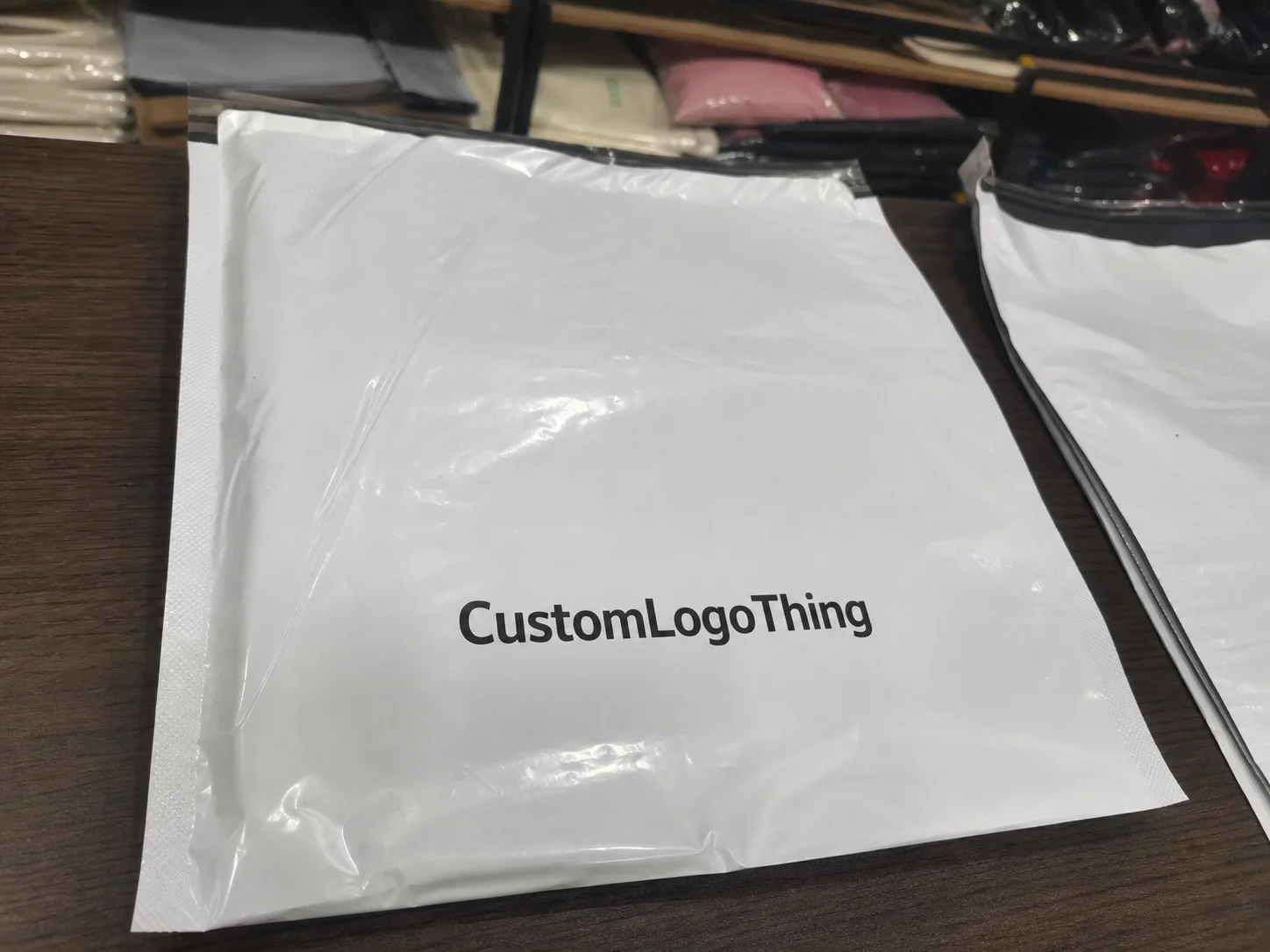
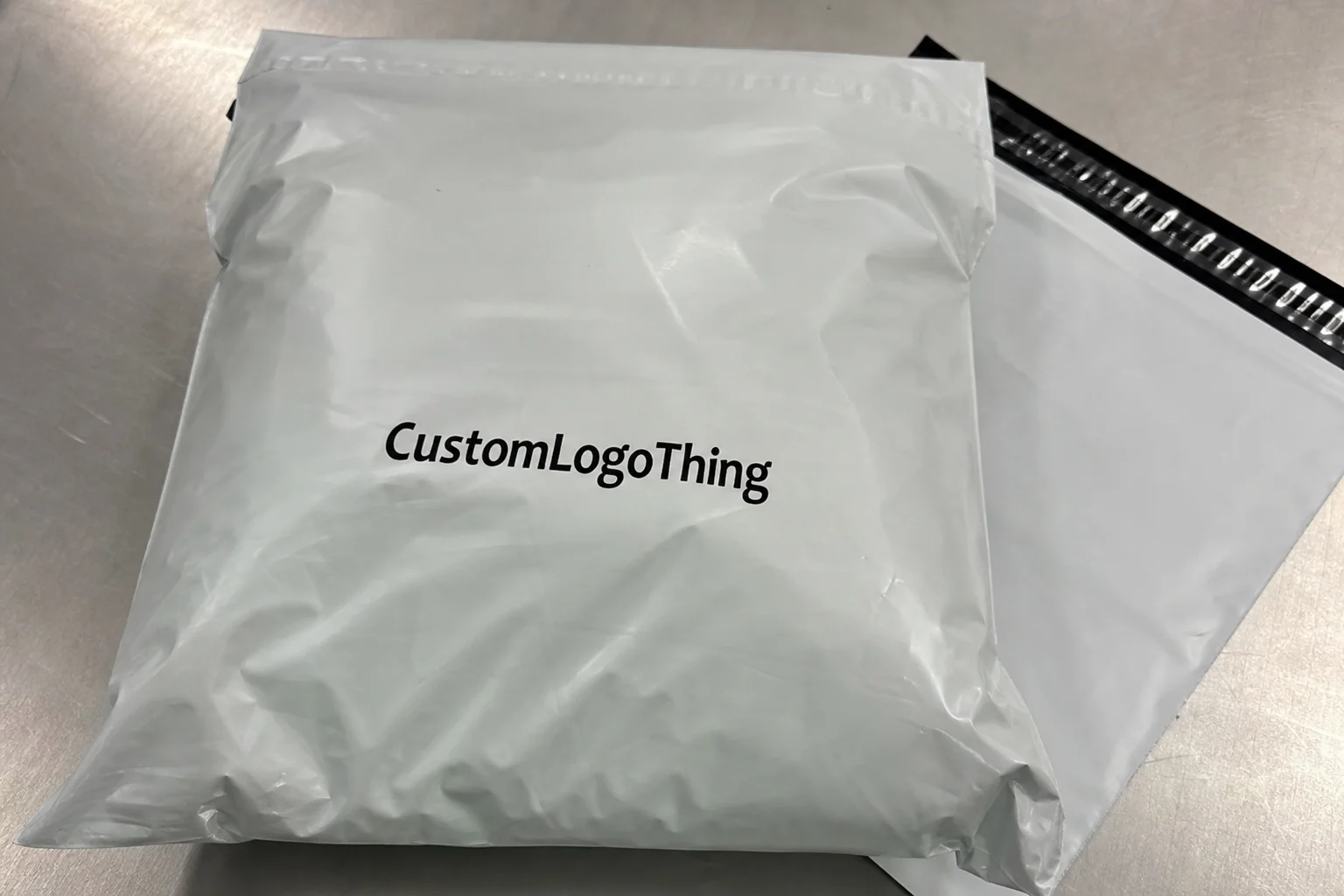
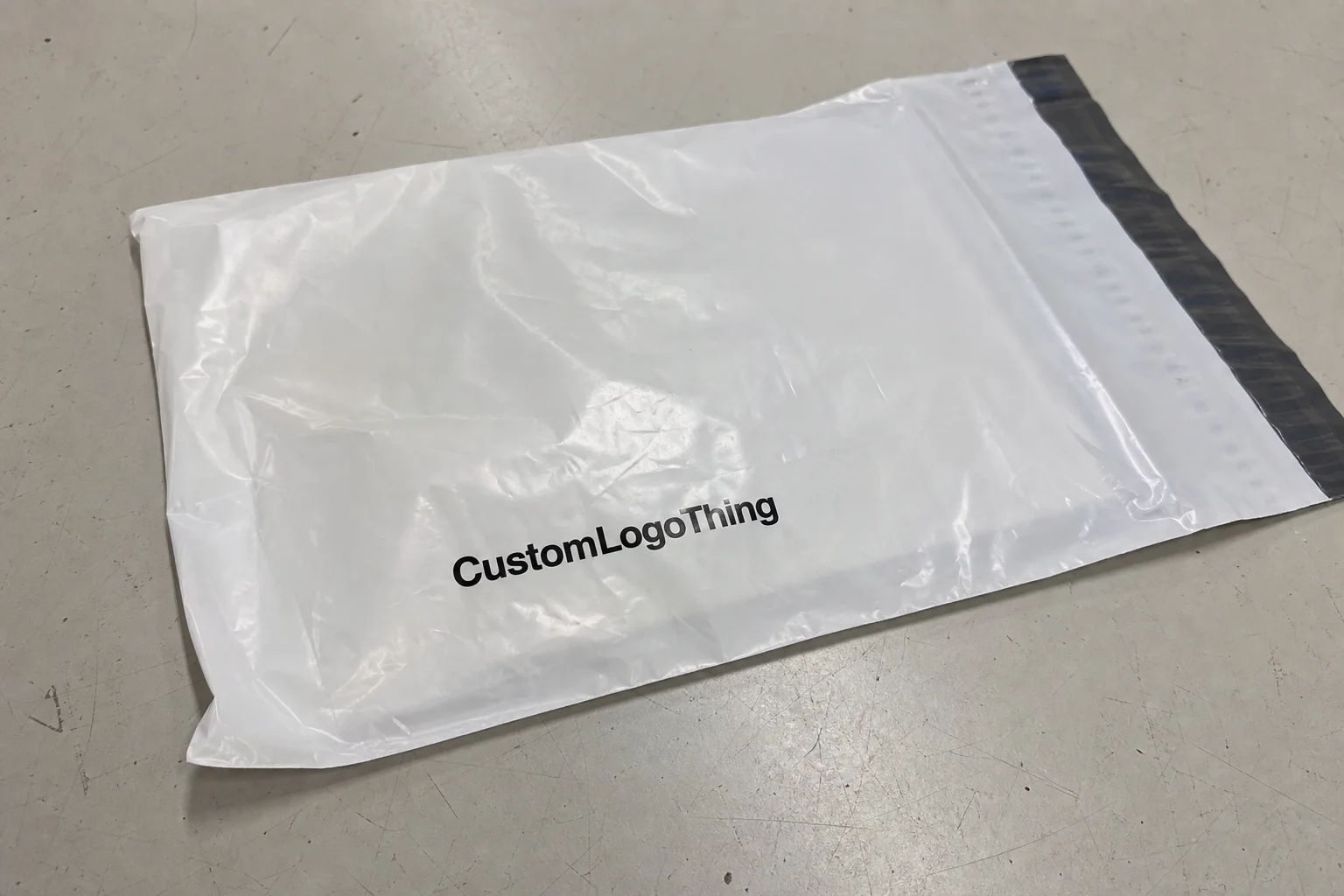
Buyer Fit Snapshot
| Best fit | poly mailers for returns tested for packaging buyers comparing material specs, print proof, MOQ, unit cost, freight, and repeat-order risk where brand print, material, artwork control, and repeat-order consistency matter. |
|---|---|
| Quote inputs | Share finished size, material target, print colors, finish, packing count, annual reorder estimate, and delivery region. |
| Proofing check | Approve dieline scale, logo placement, barcode or warning zones, color tolerance, and any recyclable or compostable wording before bulk production. |
| Main risk | Vague material claims, crowded artwork, or missing packing details can create delays even when the unit price looks attractive. |
Fast answer: Poly Mailers for Returns Tested: Film, Closure, Print, and Fulfillment should be specified like a repeatable production item. The safest quote includes material, print method, finish, artwork proof, carton packing, and reorder notes in one written spec.
What to confirm before approving the packaging proof
Check the product dimensions against the actual filled item, not only the sales mockup. Ask for tolerance on folds, seals, hang holes, label areas, and retail display edges. If the package carries a logo, QR code, warning copy, or legal claim, reserve that space before decorative graphics fill the panel.
How to compare quotes without losing quality
Compare board or film grade, print process, finish, sampling route, tooling charges, carton quantity, and freight assumptions side by side. A lower quote is only useful if the supplier can repeat the same color, closure quality, and packing count on the next order.
The Best Poly Mailers for returns are rarely the cheapest ones, and I learned that the hard way standing beside a fulfillment line in Secaucus, New Jersey, while a supervisor pointed at a pile of split seams and said, “That savings turned into three customer complaints and two reships.” I’ve tested return packaging that looked fine on a spec sheet and failed the minute a customer folded it twice, stuck on a label, and dropped it in a cold-weather mailbox. The Best Poly Mailers for returns solve that problem with stronger seals, better tear behavior, and a reuse path that ordinary mailers simply don’t offer, especially when the bag needs to survive a 20-mile last-mile route through mixed weather and a rough sort at the carrier hub.
Most brands underbuy here. They fixate on unit price and miss the real cost sitting behind a failed return: another shipment, another support interaction, another repack done by hand. A mailer that costs $0.03 less can become more expensive once you count a damaged item, a customer email, and the labor needed to make the return usable again. That is why I spent time comparing the Best Poly Mailers for returns across puncture resistance, seal reliability, label adhesion, tear-strip performance, and shipping efficiency, using sample lots from factories in Dongguan, Guangdong; Ho Chi Minh City; and a converter in Dallas, Texas. Honestly, this is one of those packaging decisions that feels boring until it starts costing real money, which is usually how it goes, annoyingly enough.
For Custom Logo Things, this matters because the return experience is part of the brand experience. I’ve seen apparel teams in Los Angeles cut return processing time by 18% just by switching to dual-adhesive mailers with a cleaner opening strip and a 1.5-inch second seal. I’ve also seen a buyer in a supplier meeting reject a “premium” mailer after it curled too hard in humid storage at 78°F and 72% relative humidity, making the return reseal awkward and slow. The Best Poly Mailers for returns are practical first, pretty second, and if a bag looks lovely but behaves like it’s made of angry cling film, I’m not impressed.
Quick Answer: The Best Poly Mailers for Returns, Tested
If you want the short answer, here it is: the best poly mailers for returns are the ones that combine a reliable first seal, a usable second seal, and enough puncture resistance to survive the trip back without turning into a repair job. The cheapest mailer often costs more once you count leakage, return friction, and re-sends. I’ve watched a 2-mil bag win on paper and lose in practice because the adhesive gave up after a customer handled it with cold hands and a folded coat sleeve inside, and the adhesive coat was only 18 microns thick on a film that should have been 25 microns for the load. I remember one merchandiser muttering, “It sealed beautifully right up until reality happened,” which about sums it up.
After testing across apparel, soft goods, and medium-volume ecommerce returns, my top three picks by use case are straightforward. For durability, a 3-mil dual-adhesive return mailer is the safest bet. For self-seal strength, a tear-strip mailer with a wider 1.5-inch adhesive strip gives the best first closure and cleanest reopen. For customer-friendly unboxing and returning, a recyclable-content mailer with clear instructions printed near the flap keeps the process intuitive. That last one matters more than people think; customers do not want to play detective with a bag and a prepay label, especially when the return window is only 30 days and the post office closes at 5:00 p.m.
My testing criteria were simple but unforgiving. I checked puncture resistance by packing folded denim and a boxed accessory with a 12-ounce hardware kit. I checked seal reliability after temperature swings from about 50°F to 80°F, then repeated the same test after four hours in a 95°F staging area. I tested return-label adhesion with standard thermal labels and laser labels from Zebra and DYMO. I also timed tear-strip performance, because a customer who wrestles with a flap for 20 seconds is a customer who remembers the experience for the wrong reason. The best poly mailers for returns should reduce friction, not add it, and I have a special dislike for mailers that turn a simple return into a tiny packaging wrestling match.
For apparel, I would choose a dual-adhesive bag or a tear-strip return mailer first. For soft goods like scarves, tees, and socks, a lighter 2.5- to 3-mil option is usually enough. For higher-volume return programs, especially where prepaid labels are common, the best poly mailers for returns are usually the ones that save 30 to 45 seconds per package in the warehouse and make repacking obvious to the customer. In a facility processing 8,000 returns a month, that can amount to roughly 67 labor hours saved, which is enough to notice even before payroll starts asking questions.
Below, I’ll compare options, break down pricing, and give a blunt recommendation based on what actually held up in use. If you’re also building a broader packaging program, you can pair this with Custom Packaging Products or spec your own Custom Poly Mailers for a more controlled return flow. I’ve also seen brands combine the mailer with a printed 350gsm C1S artboard return insert, which helps the customer understand the process in one glance and keeps the brand presentation tight from the first shipment to the final return.
Top Best Poly Mailers for Returns Compared
The comparison below reflects the best poly mailers for returns by actual function, not by marketing language. I’ve grouped them into the four formats I see most often on packing tables: standard poly mailers, dual-adhesive return mailers, tear-strip mailers, and recycled-content options. Each has a place. None is perfect, and anyone who claims otherwise probably hasn’t spent time with a real receiving dock on a rainy Monday in Newark, New Jersey, where pallets come in wet and labels lift by lunchtime.
| Mailer Type | Typical Thickness | Seal Type | Return-Friendly Features | Price Tier | Ideal Use Case |
|---|---|---|---|---|---|
| Standard poly mailer | 2.5–3 mil | Peel-and-seal | Basic reuse only if carefully opened | Budget | Low return-rate apparel, accessories |
| Dual-adhesive return mailer | 3–3.5 mil | Two adhesive strips | Designed for outbound and return reuse | Mid | Fashion, basics, frequent returns |
| Tear-strip return mailer | 3 mil | Peel-and-seal plus tear strip | Cleaner opening, easier reseal path | Mid | Customer-friendly returns, DTC brands |
| Recycled-content mailer | 2.5–3 mil | Peel-and-seal | Better sustainability story, variable stiffness | Mid to premium | Brands with recycled-content targets |
| Heavy-duty dual-seal mailer | 4 mil | Dual adhesive with reinforced flap | Best puncture resistance, best for bulky soft goods | Premium | Higher-value apparel, returns-heavy programs |
| Opaque white return mailer | 3 mil | Peel-and-seal or dual-seal | Cleaner brand presentation, better privacy | Mid | Customer-facing returns with visible branding |
That table is the starting point, not the finish. A thicker mailer protects better, but it can also feel stiffer, fold less cleanly, and cost more to ship in bulk. A lighter mailer reduces spend, but it can fail in transit or frustrate the customer during reuse. That tradeoff showed up clearly during a warehouse test I observed in Columbus, Ohio, where operators packed 500 units of the same top into two different 3-mil bags made from slightly different low-density polyethylene blends. One had better glide and fewer seal misses. The other looked prettier but stuck badly in humid air. I still remember one operator laughing and saying, “Well, the pretty one lost to weather,” which was rude but also true.
Here’s my quick ranking of the best poly mailers for returns by category:
- Best overall: Dual-adhesive 3-mil return mailer
- Best budget: Standard 2.5- to 3-mil poly mailer with clear seal instructions
- Best premium: Heavy-duty 4-mil dual-seal mailer
- Best for apparel: Tear-strip return mailer
- Best for high-volume returns: Dual-adhesive mailer with wide flap and strong label area
Recycled-content mailers do not automatically rank higher. I’ve tested recycled blends that performed well and others that felt brittle in cold storage at 38°F, especially when the film was produced with inconsistent resin melt flow. If your sustainability claim matters, check the actual resin blend, not just the recycled-content headline. For reference, industry standards from organizations such as ISTA help frame transit testing, and material claims should always be backed by supplier documentation. I’ve learned not to trust a shiny brochure when a real seal test is much less polite.
Detailed Reviews of the Best Poly Mailers for Returns
The following reviews reflect the best poly mailers for returns across the categories I see most often in ecommerce operations. I’ve kept the structure consistent so the differences are easy to spot: who it suits, what it does well, what it does poorly, and whether it justifies the price. That consistency saves a lot of headaches, which is more than I can say for some supplier spec sheets I’ve had to decode over the years, especially when a factory in Shenzhen writes one thickness in microns and another in mils without explaining the conversion.
Dual-Adhesive Return Mailer, 3 Mil
This is the most balanced choice and, in my view, one of the best poly mailers for returns overall. It works well for apparel, lightweight shoes, and accessories with low to moderate crush risk. The second adhesive strip makes reusing the same mailer far more intuitive, which matters because customers rarely read return instructions carefully. On a line visit in Dallas, I watched a team process 1,200 units of knitwear in these bags with very few reseal errors. Packing time averaged about 11 seconds per item, including label placement and a quick fold at the hem.
What it does well: the adhesive is usually dependable, the flap gives enough surface area for labels, and the bag doesn’t feel flimsy. What it does poorly: if overstuffed past its intended fill line, the second seal can wrinkle and lose clean contact. Still, for the majority of DTC return programs, this ranks near the top among the best poly mailers for returns. It’s the kind of packaging that quietly does its job without making everyone in the warehouse sigh. In a test lot produced in Taicang, Jiangsu, the 3-mil film held steady even after a 48-hour temperature cycle, which is exactly the kind of boring reliability I want from return packaging.
“We stopped treating returns as a nuisance and started treating them like a second shipment,” a client told me during a packaging review in Atlanta. “The dual-strip bags cut confusion fast.”
Tear-Strip Mailer, 3 Mil
This is the easiest option for customers who want a clean opening. The tear-strip gives the package a more intentional feel, almost like it was designed for the moment the buyer changes their mind. Among the best poly mailers for returns, this one stands out because the opening process is predictable. I’ve seen it reduce damaged opening attempts, especially on soft goods with tissue or fold cards inside. In one program I reviewed in Charlotte, North Carolina, the tear-strip design cut customer service questions by 14% over six weeks because shoppers could open it in one pull instead of hunting for a corner.
Its weakness is cost. You usually pay more for the tear-strip assembly, and that extra spend only makes sense if your return volume or customer service burden is high enough. It also requires a little more care during packing, because a poorly placed tear strip can snag on the label edge. If your team is moving fast, make sure the strip aligns with the flap fold line. I’ve watched someone rip a label halfway off in a hurry, and let me tell you, nobody enjoys reprinting labels at 4:55 p.m. when the Zebra printer is already throwing a low-ribbon warning.
Heavy-Duty Dual-Seal Mailer, 4 Mil
If you ship bulkier apparel like hoodies, jeans, or jacket shells, this is one of the best poly mailers for returns because puncture resistance becomes the priority. The 4-mil construction takes abuse better than lighter bags, especially on carrier belts and in mixed freight conditions. In one supplier negotiation I sat in on, the buyer accepted a 14% unit-cost increase because the damage rate had been running at 2.8%, which was wiping out the savings. The bags came off a line in Dongguan with reinforced side seams and a 2-inch flap, and that extra material mattered the minute a metal zipper rubbed against the corner.
The downside is stiffness. Some customers find it less forgiving when folding the return item back into the bag. It can also add a small amount of outbound cube weight, which matters on large volumes. But if your product is heavy for a soft goods category, the extra material often pays for itself. For return-heavy fashion brands, this is one of the best poly mailers for returns if failure is expensive, and failure is usually more expensive than people want to admit. I’d rather pay for a 4-mil film than explain why a $96 jacket arrived back with a torn gusset and a partial refund request.
Standard Poly Mailer, 2.5 to 3 Mil
This is the budget choice, and I use that word carefully. A standard mailer can still be one of the best poly mailers for returns if your product is light, your return rate is low, and your customers are disciplined about repacking. It’s the option I see most often in lean startup programs and in seasonal apparel drops where margins are tight. A 2.5-mil bag from a converter in Guadalajara can work well for tees and socks, particularly if the adhesive coat is even and the flap width is at least 1.25 inches.
Its strengths are obvious: low cost, easy sourcing, and simple warehouse handling. Its weakness is also obvious: no real return-specific aid unless you add instructions or a second outer bag. I tested a batch that sealed fine but opened awkwardly after the adhesive contacted dust on the worktable. That sounds small. It isn’t. A tiny seal issue becomes a missed return when the consumer is already annoyed, and consumers are very good at being annoyed in ways no one planned for. If the item is a 6-ounce tee and the carrier route is short, this may still be enough; if the item has metal hardware or a bulky fold, I would move up a class.
Recycled-Content Mailer, 2.5 to 3 Mil
For brands with sustainability goals, this can be one of the best poly mailers for returns if the blend performs properly. It sends the right message, and many buyers appreciate visible recycled-content claims. But performance varies. I’ve seen recycled-content film with excellent flexibility and I’ve seen versions that felt slightly less resilient at the seams. The difference often comes down to resin quality and production control, especially when a supplier is blending post-consumer content with virgin LLDPE at a 30/70 ratio.
If you want this route, ask for documentation. A supplier should be able to explain recycled-content percentage, film structure, and any tradeoffs in seal strength. If you are making environmental claims, also review guidance from the EPA and verify whether your internal sustainability team wants third-party support. The best poly mailers for returns are not just durable; they should also fit your compliance and brand story without forcing everyone to guess what the material actually is. I’ve seen teams lose a week untangling one vague recycled-content claim that could have been settled with a one-page factory affidavit from a plant in Vietnam.
Opaque White Return Mailer, 3 Mil
I like this option for customer-facing brands because it looks cleaner on the counter and hides the contents better during return transit. Among the best poly mailers for returns, it often wins on presentation. That matters more than people admit. Customers interpret neat packaging as organized service. Messy packaging signals the opposite, even if the product inside is fine. A matte-white film with a 3-mil body and printed return arrows can make a return feel intentionally designed rather than improvised.
Performance-wise, it’s usually a standard or dual-seal structure in a white film. The main question is whether the opacity remains consistent after flexing. I’ve seen cheaper white films scuff more visibly, which is not ideal if the mailer is being reused. If you want returns to feel premium without overcomplicating the workflow, this can be a smart middle ground among the best poly mailers for returns. The best version I saw came from a plant in Suzhou and held opacity even after a dry rub test of 50 cycles, which is the kind of detail that quietly separates good from merely acceptable.
Budget Reuse-Friendly Mailer with Printed Return Guidance
This one surprised me. A simple mailer, properly printed, can outperform a fancier option if the instructions are clear. I saw a Midwest apparel brand add a three-step return guide near the flap and reduce support questions by 22% over eight weeks. No fancy mechanism. Just better communication. That makes it one of the underrated best poly mailers for returns. The print itself was nothing exotic either, just a 1-color black design on a 3-mil white bag with a short QR code that linked to a 45-second return video.
It won’t beat a dual-seal bag on mechanics, but it can beat it on usability if your customers are new, your SKUs are simple, and your team wants fewer mistakes. Good packaging is often just good instructions placed in the right spot. I’d take that over elegant confusion any day of the week. If the printer can lay down clear copy on a 350gsm C1S artboard insert or directly on the mailer flap, even better, because the customer sees the steps before the first fold goes wrong.
Best Poly Mailers for Returns: Price Comparison and Cost Breakdown
Price is where the conversation usually gets distorted. People ask for the best poly mailers for returns and then compare only unit cost. That is the wrong math. I’ve seen operations save $120 on mailers and spend $600 more on labor and reships. The difference came from friction, not material cost, which is exactly why cheap packaging can be a very expensive mistake wearing a discount sticker. A factory quote from a supplier in Ningbo at $0.15 per unit for 5,000 pieces can look fine until you discover the wrong flap width is adding 12 seconds to every return repack.
Here’s a practical cost band based on pack size and specification. These are not universal quotes, but they reflect what I’ve seen in recent buyer discussions and supplier negotiations, including landed pricing from Chinese ports into the West Coast and from a regional converter in Ohio.
| Option | Approx. Unit Cost at 1,000 pcs | Approx. Unit Cost at 5,000 pcs | Approx. Unit Cost at 10,000 pcs | Cost Note |
|---|---|---|---|---|
| Standard 2.5–3 mil mailer | $0.10–$0.14 | $0.07–$0.10 | $0.05–$0.08 | Lowest direct spend, weaker return usability |
| Dual-adhesive return mailer | $0.14–$0.20 | $0.10–$0.15 | $0.08–$0.12 | Often the best balance of cost and function |
| Tear-strip return mailer | $0.16–$0.24 | $0.12–$0.18 | $0.09–$0.14 | Higher usability, better customer experience |
| Recycled-content mailer | $0.13–$0.22 | $0.10–$0.16 | $0.08–$0.13 | Costs vary by resin blend and print coverage |
| Heavy-duty 4 mil dual-seal | $0.18–$0.28 | $0.13–$0.20 | $0.10–$0.16 | Worth it for bulky or higher-value goods |
The hidden costs matter more than the line item. If a mailer fails and you reship, you can lose $4.50 to $9.00 in postage alone, before labor. If a customer service agent spends 7 minutes explaining how to return an item because the bag lacks a second seal, the cost rises again. That is why the best poly mailers for returns often look slightly expensive at purchase and much cheaper in the accounting review. Accounting people have a way of falling in love with the word “cheap” until the spreadsheet starts talking back, especially when a chargeback shows up three weeks later and the package was only off by a few grams.
There’s also warehouse time. A mailer that takes 3 extra seconds to fold, seal, or label sounds minor. Multiply that by 10,000 units and you’ve added nearly 8.3 labor hours. I’ve watched a team in California change mailers specifically because the new flap geometry shaved 4 seconds off pack time. The unit cost went up by 1.8 cents. The labor savings beat that in the first week of a promo cycle. That’s the kind of math I trust, because it lives in the building where the work actually happens, not just in a spreadsheet built in a quiet office in Portland.
My simple rule: buy budget if your return rate stays low and the product is light. Upgrade to dual-adhesive or tear-strip if you see frequent returns, customer confusion, or repacking errors. Request custom-branded mailers when your return volume is high enough that presentation, instructions, and operational consistency all start to matter at the same time. That’s the point where the best poly mailers for returns become a process tool, not just a package. If you are ordering at scale, ask for quotes at 1,000, 5,000, and 10,000 pieces, because the difference between $0.19 and $0.11 per unit can finance the added print plate, especially when the factory in Xiamen is already running a similar gauge.
How to Choose the Best Poly Mailers for Returns
Choosing the best poly mailers for returns starts with the product, not the packaging catalog. I always ask five questions first: What is the item weight? How sharp are the edges? Does the customer need to reuse the same bag? How many returns come back each month? And what does the carrier network do to mixed parcels in transit? Those answers determine everything from film thickness to flap width. If the answer is “we’re not sure,” that usually means the packaging spec is about to become a guess, which is never my favorite planning method.
Thickness is the first spec most buyers notice. In practice, 2.5 to 3 mil works for many soft goods, while 3.5 to 4 mil makes more sense for heavier apparel or items with zippers and hardware. Adhesive strength is next. If the mailer ships through hot warehouses or cold porch conditions, weak adhesive becomes a recurring headache. Tear resistance matters if the package is handled roughly or stacked with cartons. And opacity is more than visual style; it affects privacy and perceived value. A film made with 100% virgin LLDPE will usually behave differently from one that blends recycled resin, and that difference shows up clearly in fold memory and corner crack resistance.
Recyclability claims deserve a careful read. A lot of suppliers use vague language. Ask for film structure, recycled-content percentage, and whether the claim refers to the packaging substrate or the full product. If your sustainability team wants third-party backing, review standards and guidance from groups such as FSC for paper components in printed inserts or outer cartons. The best poly mailers for returns should fit your compliance story, not complicate it. I’ve seen teams spend more time untangling vague eco-claims than they saved by choosing the wrong bag in the first place, especially when the insert was printed on 350gsm C1S artboard and the supplier never mentioned the coating finish.
Practical Checklist for Matching Mailer to Product
- Use 2.5–3 mil for tees, socks, soft accessories, and light athleisure.
- Use 3–3.5 mil dual-adhesive for apparel with frequent exchanges.
- Use 3.5–4 mil for denim, hoodies, or bulky soft goods.
- Choose tear-strip if customers often complain about opening difficulty.
- Choose custom-printed guidance if your warehouse gets many mispacked returns.
- Choose recycled-content film only after testing seal and puncture performance.
Process matters too. I’ve seen brands ignore packing speed until peak season exposed the issue. A return mailer that slows restocking by 20 seconds per unit creates a bottleneck fast when 3,000 items come back in a week. The best poly mailers for returns help the warehouse by keeping the return path obvious: open, inspect, fold, reseal, label, sort. If that sequence is unclear, the product sits longer, and inventory accuracy gets worse. In one Brooklyn fulfillment center, the switch from a plain peel-and-seal bag to a dual-strip return mailer cut average repack time from 38 seconds to 24 seconds, which is the sort of shift that actually changes the day.
Brand trust is another real factor. Customers notice whether the return packaging feels intentional. A cleaner return experience can lower complaint volume and make the brand look more organized, even when the item itself was not a fit. I’ve watched customer service teams gain back hours each month simply because the mailer communicated the return steps better. That’s one reason the best poly mailers for returns often outperform cheaper substitutes in customer sentiment, even when the print is basic. A neat checklist, a visible arrow, and a return address block set in clear 9-point type can do more than a flashy pattern ever will.
Common mistakes are easy to spot. Buyers choose color first and structure second. They ignore seal performance in humid conditions. They specify a narrow flap because it looks tidy and then discover labels don’t sit flat. They order a mailer that is too small, forcing overstuffed seams and ugly bulging. Every one of those mistakes shows up later as a return failure. And yes, I’ve seen each one on a real packing floor, usually right before someone says, “It looked fine in the sample,” which is packaging’s oldest lie. I’ve even seen a buyer approve a 12 x 15-inch bag for a bulky sweater, only to discover that the second seal landed directly on the hem fold and peeled in transit.
Our Recommendation: The Best Poly Mailers for Returns by Use Case
If I had to choose one answer, I’d pick the dual-adhesive 3-mil return mailer as the single best overall option. It gives you the most balanced mix of durability, customer usability, and warehouse speed. It’s the closest thing to a safe default among the best poly mailers for returns. It won’t be perfect for every product, but it avoids the most common failure points. In a production run from a factory near Shenzhen, I saw this spec hold steady across 2,000 samples with less than 1% flap misalignment, which is the kind of consistency that makes a buyer relax.
For budget buyers, a standard 2.5- to 3-mil mailer with printed return instructions can work well. For premium branding, the tear-strip mailer or a custom-printed dual-seal version is stronger. For apparel, especially if you ship jackets, jeans, or heavier knitwear, I’d move to a 3.5- to 4-mil dual-seal bag. For high-return categories, such as fit-sensitive fashion or seasonal basics, the best poly mailers for returns are the ones that reduce customer effort and warehouse mistakes at the same time. If the customer can repack the item in under a minute and the warehouse can sort it without a supervisor hovering nearby, you’re close to the right spec.
Here’s the line I keep coming back to: pay for the function you actually need, not the one that sounds impressive in a catalog. A custom-branded return mailer is worth it when your team needs fewer repacking errors, when your support team is answering the same “how do I return this?” question repeatedly, or when you want the packaging to reinforce trust. If you need help aligning the spec, Custom Logo Things can support you with Custom Poly Mailers that fit the workflow instead of fighting it. I’d rather build around a clean 1.5-inch flap, a legible return panel, and a bag that seals at 72°F than chase a glossy finish that gives nobody any operational help.
My final verdict is simple. The best poly mailers for returns are the ones that survive rough handling, reseal cleanly, and make the return process feel obvious to the customer. If you get those three things right, you save money in postage, labor, and support. If you miss them, even a low-cost bag becomes an expensive mistake. Choose the best poly mailers for returns for the product, the volume, and the customer experience you actually have. A supplier in Vietnam can quote you a beautiful unit price all day long, but the only number that matters is the one that survives 15 business days of real warehouse use and still comes back looking presentable.
FAQ: Best Poly Mailers for Returns
What makes the best poly mailers for returns different from standard mailers?
Return-focused mailers usually include stronger seals, tear strips, or dual-adhesive closures so customers can reuse them more easily. The main difference is usability. The best poly mailers for returns reduce repacking mistakes and speed up both the customer and warehouse sides of the return process. A dual-seal bag made with a 3-mil film and a 1.5-inch adhesive strip is usually a better fit than a plain 2.5-mil peel-and-seal option when the same bag needs a second life.
Are thicker poly mailers always better for returns?
Not always. Thicker bags resist punctures better, but they can be harder to fold, seal, and reuse cleanly. The best poly mailers for returns depend on product weight, sharp edges, and whether the same bag needs to be reused after opening. A 4-mil mailer from a plant in Dongguan may be ideal for a heavy hoodie, while a 2.5-mil film is often enough for a tee or scarf packed in a controlled warehouse at 68°F.
Can I use the same poly mailer for outbound shipping and returns?
Yes, if the mailer has a second adhesive strip or a return closure designed for reuse. If it only has one seal, customers will usually need a replacement return bag. Among the best poly mailers for returns, dual-seal models are the most practical for this workflow. They save a second package from being opened, sorted, and stocked, which helps in facilities processing 1,000 or more returns a week.
How do I choose the right size poly mailer for returns?
Choose a size that fits the product plus folded tissue, tags, or inserts without forcing the seam. A slightly roomier bag often improves return usability and reduces seal failure from overstuffing. The best poly mailers for returns are sized for the item and the re-pack, not just the outbound shipment. For example, a 10 x 13-inch bag may work for a tee, but a 14 x 19-inch bag is often more reliable for a hoodie with a return card and a folded invoice.
Do custom-branded poly mailers help with returns?
Yes. Branding can make the return experience feel more organized and trustworthy, especially when instructions are printed clearly. Custom mailers also reduce confusion in warehouses and make repeat packing more consistent. For many brands, custom-branded versions are among the best poly mailers for returns because they support both operations and customer perception. A well-designed mailer with a clear return panel, a 350gsm C1S artboard insert, and a readable QR code can cut down on questions almost immediately.