Buyer Fit Snapshot
| Best fit | Custom Rose Gold Boxes for Luxury Brand Packaging projects where brand print, material claims, artwork control, MOQ, and repeat-order consistency need to be specified before quoting. |
|---|---|
| Quote inputs | Share finished size, material target, print colors, finish, packing count, annual reorder estimate, ship-to region, and any compliance wording. |
| Proofing check | Approve dieline scale, logo placement, barcode or warning zones, color tolerance, closure strength, and carton packing before bulk production. |
| Main risk | Vague material claims, crowded artwork, missing packing details, or unclear freight terms can make a low unit price expensive after revisions. |
Fast answer: Custom Rose Gold Boxes for Luxury Brand Packaging should be specified like a repeatable production item. The safest quote records material, print method, finish, artwork proof, packing count, and reorder notes in one written spec.
Production checks before approval
Compare the actual filled-product size with the drawing, then confirm tolerance on folds, seals, hang holes, label areas, and retail display edges. Reserve space for logos, QR codes, warning copy, and material claims before decorative graphics fill the panel.
Quote comparison points
Review material grade, print process, finish, sampling route, tooling charges, carton quantity, and freight assumptions side by side. A quote is only useful when the supplier can repeat the same color, closure quality, and packing count on the next order.
Custom Rose Gold Boxes Luxury Brand Packaging does something a lot of finishes try to fake. It signals premium before anyone opens the lid, reads the insert, or checks the price tag. I’ve watched buyers pick up a box in a showroom in Los Angeles, stop for half a beat, and decide the product felt more exclusive because the surface caught the light the right way. That pause matters. In custom rose gold boxes luxury brand projects, that tiny pause can support price, gifting appeal, and the overall unboxing experience in a way plain cartons rarely do.
I’ve spent enough time on factory floors in Dongguan and Yiwu to know the finish is only half the story. Structure carries the other half. So does print control. So does whether the box still looks polished after a carton of 500 gets moved three times, stacked, and handled by three different teams. A lot of brands obsess over the color and forget the engineering. Then they act shocked when the sample looks great and the shipment looks tired. The smartest custom rose gold boxes luxury brand projects balance both. Honestly, if I had a dollar for every “we only need the pretty part” comment I’ve heard, I could probably fund a very nice sample run.
Custom Rose Gold Boxes Luxury Brand Packaging: Why They Stand Out
Rose gold works like a visual shortcut. It signals elegance faster than heavy logo treatment, dense copy, or oversized graphics. That matters for custom rose gold boxes luxury brand packaging because luxury buyers often make snap judgments in 3 to 7 seconds. If the box looks refined in that window, the product starts at a better price position in the customer’s mind, whether it’s a $48 serum or a $180 fragrance gift set.
What exactly are custom rose gold boxes? Usually, they are custom printed boxes or rigid presentation boxes finished with a rose-toned metallic effect, either across the full exterior or as an accent. The finish may come from foil stamping, metallic ink, specialty wrap paper, or a laminated film with reflective pigment. The result is not the same as printing “pink” on a box. Rose gold has warmth, depth, and a slight copper undertone that reads more elevated than flat pink or silver.
There’s a packaging language problem here, too. A buyer may ask for rose gold, but the production method can change the whole look:
- Rose gold foil: a heat-transferred metallic layer that creates a shiny accent, often used for logos or borders.
- Metallic ink: printed ink with reflective particles, usually softer and less mirror-like than foil.
- Printed color: a CMYK or Pantone approximation of rose gold, which can look stylish but not truly metallic.
- Embossing/debossing: raised or recessed detailing that adds texture and depth, often paired with foil.
- Specialty lamination: finishes such as soft-touch, matte, or pearlescent films that change how the surface feels and reflects light.
That distinction matters because a designer may love the mockup and still hate the physical box if the finish choice was vague. I saw this happen in a cosmetics client meeting in Orange County, California. The digital artwork looked like brushed rose gold, but the first sample came back too copper-heavy under showroom LEDs. We adjusted the foil shade by one notch and changed the wrap stock to a cleaner white chipboard base. The final boxes sold better because the tone looked intentional, not trendy. And yes, someone at the table said, “Can we make it pop more?” which is corporate for “I want to accidentally ruin it.”
Luxury packaging also has a behavior side. Customers are more likely to keep a box that feels giftable, photograph it, and reuse it. That extends the life of the brand identity far beyond the first purchase. In practical terms, custom rose gold boxes luxury brand packaging helps justify a higher retail price because it signals care, scarcity, and presentation value. The product feels worth unwrapping, especially when the box uses a 2.0 mm rigid chipboard shell or a 350gsm C1S artboard sleeve.
“The box set the tone before the product did.” That’s what a boutique fragrance buyer told me after reviewing three sample rounds in Manhattan. She was right. In premium packaging, the first impression often arrives in cardboard, foil, and texture.
I’ll cover design, materials, pricing, timelines, common mistakes, and how to Choose the Right supplier. I’m also going to call out the spots where supplier negotiations go sideways, because custom rose gold boxes luxury brand projects can drift fast when the specs are vague. I’ve been in those meetings in Shenzhen, and they’re fun in the same way a dentist appointment is fun.
How Custom Rose Gold Boxes Work in Luxury Packaging
The production workflow usually starts with the dieline. That flat template tells the printer where folds, cuts, glue flaps, and insert positions belong. For custom rose gold boxes luxury brand packaging, the dieline is especially important because any misalignment shows up fast on metallic surfaces. Foil lines that are even 1 to 2 mm off can make a premium box look careless, and that’s a painful way to spend a $300 tooling fee.
From there, the process moves through artwork preparation, print setup, finishing, die-cutting, folding, and assembly. If you’re ordering rigid boxes, the chipboard is wrapped with printed or specialty paper. If you’re ordering folding cartons, the packaging design may be printed directly on coated paperboard and then finished with lamination or spot effects. Either way, the physical sequence matters because the rose gold effect has to survive handling, cutting, and crease formation from the plant floor in Guangzhou to the receiving dock in Chicago.
I’ve seen brands assume the rose gold look comes from one magical coating. Usually, it doesn’t. It comes from a controlled combination of methods. Here are the most common ones:
- Foil stamping for logos, lines, seals, or accent panels.
- Metallic ink for broader coverage where subtle sheen is enough.
- Pantone-matched print when the brand wants a consistent pink-copper tone.
- Specialty wrap paper for rigid boxes that need a textured or pearlescent exterior.
- Layered finishes such as soft-touch plus foil for contrast.
The structure changes the emotional read. A magnetic rigid box feels more deliberate than a folding carton. A drawer box creates anticipation because the product slides into view. A mailer-style presentation box can work for direct-to-consumer launches, especially when the outer shell needs shipping durability but the inside still needs a polished reveal. For custom rose gold boxes luxury brand projects, the structure should match the price point, not just the moodboard. A $0.42 folding carton and a $3.10 rigid box do not tell the same story, and customers know it instantly.
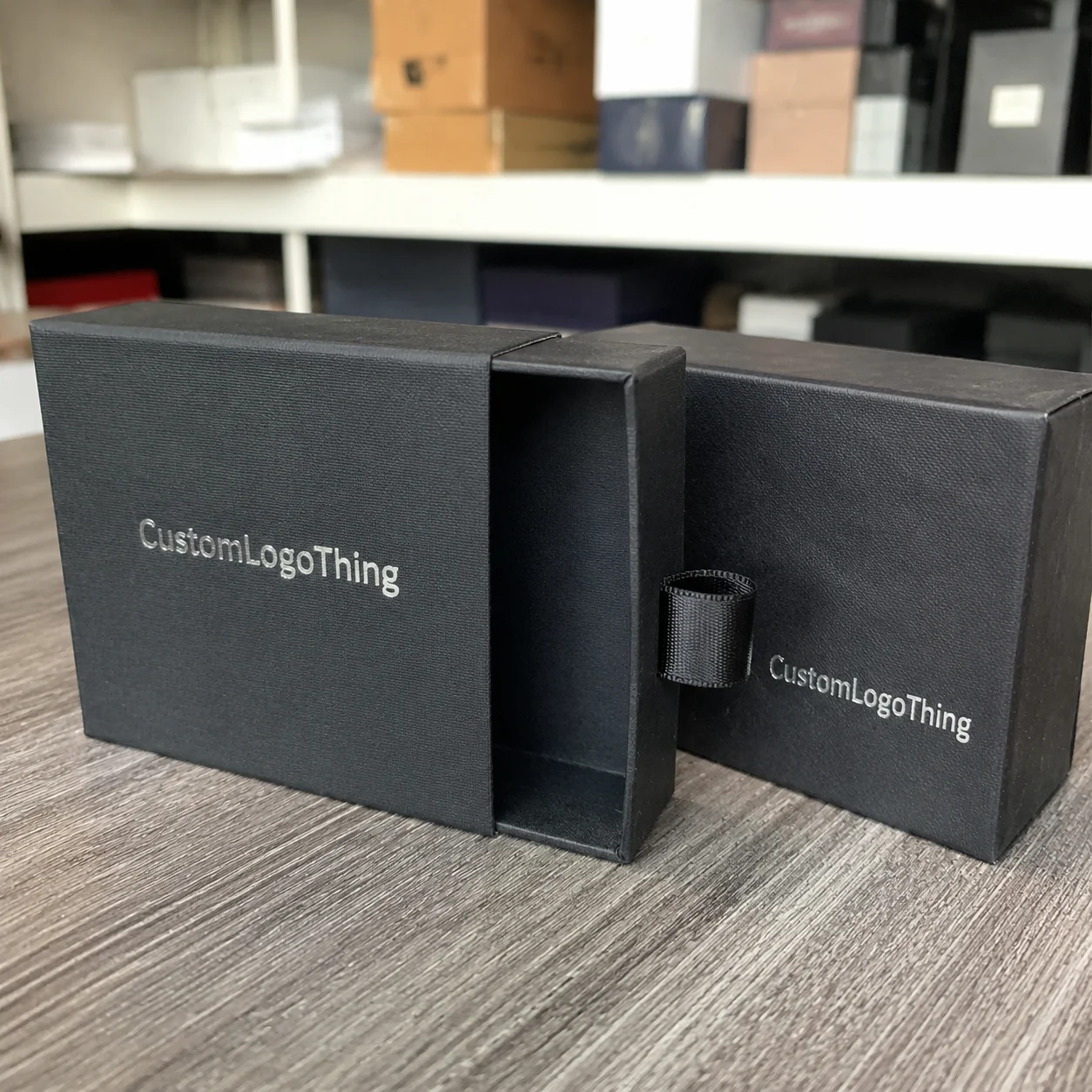
I remember a jewelry client in New York who wanted a rigid lid-and-base box because it looked classic. We tested it against a drawer box with a narrow rose gold pull ribbon, and the drawer version won by a mile in consumer testing. Why? The opening sequence felt slower and more intimate. That one detail improved perceived value without adding a huge amount of print coverage. Sometimes the “fancy” box is just the one that knows how to keep its mouth shut.
Brand elements should be placed strategically, not sprayed everywhere like confetti. A logo on the lid, a foil mark on the side panel, and a tasteful interior message can do more than full-surface decoration. In fact, restraint often makes custom rose gold boxes luxury brand packaging feel more expensive. People read whitespace as confidence, especially when the box uses a 0.8 mm to 1.5 mm foil line instead of an all-over reflective flood.
Sampling is where smart brands protect themselves. A good sample should let you judge three things separately: color, texture, and strength. The sheen may look perfect, but if the board crushes under mild pressure, the box will disappoint in transit. Industry testing standards from organizations like ISTA help teams evaluate shipping durability more objectively, especially for ecommerce and export programs moving through ports in Shenzhen, Hong Kong, or Long Beach.
After the sample arrives, I always tell clients to check it under three lighting conditions: daylight, warm office LEDs, and warehouse fluorescents. Rose gold can shift from elegant to orange in a bad light. That’s not a defect in the material alone; it’s usually a mismatch between finish choice and environment. I’ve seen a box look perfect at 10 a.m. in a studio in Milan and look like a pumpkin by 4 p.m. under office lights. Same box. Different mood. Not great.
Key Factors That Shape Custom Rose Gold Boxes Luxury Brand Results
Material choice drives a surprising amount of the final impression. Paperboard, rigid chipboard, specialty wrap papers, and laminated stocks all behave differently. If a brand wants a lightweight retail carton, paperboard may be the right move. If the product is fragile, high-value, or meant to feel collectible, rigid chipboard is usually better. For custom rose gold boxes luxury brand applications, that material decision is not just structural. It’s emotional. A 350gsm C1S artboard carton feels very different from a 2.5 mm wrapped rigid box.
On a supplier floor in Shenzhen, I watched a packing team inspect 1,000 rigid lids after a foil run. The difference between 2.0 mm and 2.5 mm chipboard was obvious in the hand. The thicker board had cleaner corners and a more satisfying closure sound. That “thunk” sounds trivial until you realize luxury buyers notice it. They absolutely do, especially when the box is opened and closed more than 10 times during sample review.
Finish quality changes the whole story. Matte stock can make rose gold feel calm and modern. Soft-touch adds a velvety touch that many beauty and fragrance brands love. Gloss coating creates more reflection, but it can also make the box feel less restrained. Spot UV works well when used sparingly, because it gives shine only where you want attention. The best custom rose gold boxes luxury brand designs use contrast, not clutter, and usually keep the finish mix to two or three materials max.
Here’s a useful comparison of common build choices:
| Box Type | Typical Feel | Best Use | Relative Cost |
|---|---|---|---|
| Printed folding carton | Light, retail-ready | Cosmetics, accessories, small gift sets | Low to medium |
| Rigid lid-and-base box | Substantial, premium | Fragrance, jewelry, special editions | Medium to high |
| Magnetic closure box | Controlled, polished | Launch kits, influencer mailers, luxury gifting | High |
| Drawer box | Layered, collectible | Beauty, tech accessories, curated sets | Medium to high |
Color control is another trap. Rose gold looks different under a render engine, on a phone screen, and on actual paper. Digital mockups are useful for layout, but they are not reliable for final tone. One client once approved a design that looked refined online, then panicked when the printed sample arrived slightly warmer than expected. The fix was simple: we adjusted the foil and reduced the surrounding warm tones in the artwork. The lesson was not simple. Always proof. Twice if the client is the type who says “warm” when they mean “slightly beige but make it luxe.”
Brand alignment can’t be skipped. A soft rose gold box may work beautifully for skincare, bridal gifts, candles, or jewelry, but it can feel off for products positioned as rugged, technical, or ultra-minimal. That mismatch creates friction. Consumers may not say it aloud, but they feel it. In product packaging, alignment between box and product is often more important than costlier decoration. I’ve seen a $2.40 box weaken a $120 product simply because the vibe was wrong.
Sustainability deserves a sober look. FSC-certified papers, recyclable paperboard, reduced plastic inserts, and streamlined coatings can improve environmental performance. The U.S. EPA has useful guidance on packaging waste and materials management at epa.gov. Still, eco claims should be specific. A box with a metallic laminate, plastic window, and foam insert is not the same as a fully recyclable paper system. I’ve seen brands overclaim and then get challenged by retailers in London and Toronto. That’s a bad meeting to have, and somehow it’s always scheduled for 8:30 a.m.
Honestly, the best custom rose gold boxes luxury brand projects are the ones where the finish is elegant but not greedy. You don’t need every surface to shout. A controlled accent, a precise edge, and one excellent tactile finish usually outperform a loud all-over treatment.
Custom Rose Gold Boxes Luxury Brand Pricing: What Drives Cost
Pricing for custom rose gold boxes luxury brand packaging depends on structure, material thickness, finishing method, print coverage, inserts, and quantity. That sounds obvious, but many quotes hide the real cost drivers. Setup and tooling often matter more than the raw board price on small runs, especially if you are ordering from factories in Guangdong, Zhejiang, or Jiangsu.
For simple printed cartons, pricing may start around $0.18 to $0.45 per unit at higher quantities, depending on size, paper grade, and print coverage. Mid-range premium packaging, such as a folding carton with foil, embossing, or soft-touch coating, often lands closer to $0.55 to $1.25 per unit. High-end rigid presentation Boxes with Custom inserts, magnetic closures, and foil can run $1.80 to $6.50 per unit or more, especially on smaller orders. For a 5,000-piece rigid box run, a supplier might quote $0.15 per unit for the wrap component alone, but the full assembled cost will be higher once chipboard, glue, foam, and finishing are added. Those numbers are directional, not fixed. The exact quote depends on the spec sheet.
Order quantity changes everything. At 5,000 pieces, the unit price can drop sharply because setup costs are spread over more boxes. At 500 pieces, those same setup costs can feel painful. This is where some brands get surprised: a foil stamp may add only a few cents per box at scale, but the die, plate, or tooling charge might be several hundred dollars upfront. I’ve seen a client in Paris approve a beautiful sample, then stare at a $420 foil plate charge like it had personally insulted them. It had not. It was just doing math.
To make the cost structure easier to see, here’s a practical breakdown:
| Cost Driver | What It Affects | Typical Impact |
|---|---|---|
| Box structure | Rigid vs. folding, magnetic vs. tuck | High |
| Material thickness | Strength, hand feel, corner quality | Medium to high |
| Rose gold finish method | Foil, metallic ink, specialty coating | Medium |
| Insert complexity | Fit, protection, presentation | Medium |
| Tooling and setup | Embossing, foil plates, custom dies | High on short runs |
| Freight and storage | Delivery, warehousing, reorders | Variable |
Hidden costs can be the real budget killers. Sampling may cost $50 to $300 depending on complexity. Tooling for embossing or foil plates can add another $100 to $600. Custom inserts, especially molded pulp or high-density foam, raise the total again. Then there’s shipping. A rigid box that looks small on a table can take up serious cubic space in freight. I’ve sat in more than one client negotiation where the packaging estimate looked fine until transport was added, and suddenly the margin disappeared by 4% to 7%. Very convenient. Very annoying.
For brands trying to optimize spend, the better question is not “How cheap can we make it?” The better question is “Where does the customer actually feel value?” If the box is for a fragrance gift set, spend on closure quality, foil precision, and insert fit. If the box is a short-lived ecommerce mailer, prioritize protection and controlled branding rather than expensive all-over finish. Custom rose gold boxes luxury brand packaging should spend money where the hand and eye notice it first.
I’ve seen one beauty brand save nearly 18% by removing a full-panel metallic film and replacing it with a rose gold logo foil, a textured matte wrap, and a printed interior. The box looked better, not worse. That’s the trick: selective premium cues often outperform blanket decoration.
Step-by-Step Process and Timeline for Ordering
Ordering custom rose gold boxes luxury brand packaging works best when the brand defines the goal before talking to a supplier. What is the box supposed to do? Sell on shelf, protect during shipping, support gifting, or all three? A clear answer changes every downstream decision, from board thickness to insert style. It also keeps you from spending three hours arguing about foil before anyone measures the product.
Step 1: define the product and audience. Gather product dimensions, weight, fragility, closure preference, and target retail price. If the product weighs 120 grams, the packaging needs are different than a 1.2 kg fragrance set. I’ve seen teams skip this and then wonder why the insert cracks under pressure. The answer is usually: because physics is rude and it does not care about the moodboard.
Step 2: ask for structural recommendations. A good supplier should offer dieline options based on use case. A folding carton might suit a lighter retail item. A rigid box may be right for a premium gift set. A mailer-style presentation box can bridge retail and ecommerce needs. This is where internal links help too; if you need inspiration, reviewing Custom Packaging Products can make the options easier to compare.
Step 3: review artwork and samples. Start with a digital mockup, but don’t stop there. Move to a structural sample, then a printed sample with the rose gold finish. Check color, gloss level, closure behavior, and insert fit. In a supplier review I attended in Shanghai, one brand signed off too early on screen and later discovered the logo sat 3 mm too low once the foil hit the board. Small error. Visible problem.
Step 4: approve final specifications. Confirm material grade, board thickness, finishing method, insert type, and packing instructions. A good spec sheet should be specific: for example, 350gsm C1S artboard with soft-touch lamination for a folding carton, or 2.0 mm chipboard wrapped in FSC paper with rose gold foil stamping for a rigid box. Specificity reduces surprises, and it makes supplier negotiations much less weird.
Step 5: production and quality checks. The manufacturer prints, finishes, die-cuts, and assembles. Quality control should check foil placement, corner integrity, lamination consistency, and box closure. For premium retail packaging, even small defects matter because customers compare the box to the product price. A 1 mm corner crush can feel bigger than a 1-point discount.
Step 6: packing and delivery. Boxes are bundled, packed flat or assembled depending on structure, and shipped. For export or ecommerce use, test shipping durability using recognized methods. A supplier that understands ISTA-based testing is worth paying attention to, because shipping damage is expensive in a way that looks invisible on the initial invoice.
Typical timelines vary, but a realistic range looks like this:
- Artwork and dieline setup: 2 to 4 business days
- Structural sample: 4 to 7 business days
- Printed sample: 5 to 10 business days
- Production after approval: typically 12 to 15 business days from proof approval for standard rigid or folding carton runs
- Freight and delivery: 3 to 15 business days depending on location
Delays usually come from revisions, foil tooling, custom inserts, or material shortages. The biggest delay I’ve seen was not the press itself; it was approval. One client changed the shade twice after seeing samples under different lights, which pushed production back nearly two weeks. That wasn’t reckless. It was prudent. But it did show why earlier color review matters, especially if your line is launching in London or Dubai with a fixed retail date.
My rule: if the launch date is fixed, build in at least 10 extra business days. For custom rose gold boxes luxury brand packaging, that cushion is worth more than wishful scheduling.
Common Mistakes Brands Make With Rose Gold Packaging
The most common mistake is overusing rose gold until the box feels busy rather than luxurious. A full-wrap metallic surface can work, but only if the typography and structure stay quiet. Many brands add foil to the logo, the side panels, the inside lid, and the insert, then wonder why the result feels heavy. Luxury usually breathes. It doesn’t crowd. A 15% foil coverage can often look stronger than 80% coverage.
Another mistake is choosing a finish that looks metallic on screen but dulls in real light. Digital rendering can make anything look expensive. Actual paper is less forgiving. I’ve seen this most often with metallic inks that photographed beautifully but lost impact on a matte stock once the box sat under warm retail lighting in Tokyo or Chicago. Custom rose gold boxes luxury brand projects need physical proofing, not just computer approval.
Structural weakness is a quiet problem until the first shipment. Crushed corners, weak magnetic closures, or inserts that do not hold the product snugly can ruin the premium feel fast. The box might look spectacular on a desk, then collapse in a tote bag. That’s not luxury. That’s expensive disappointment. If a box can’t survive a 60 cm drop during warehouse handling, it’s not ready for a launch run.
Another issue is mismatch. A beautiful box can feel disconnected if the product price, brand voice, and visual system don’t support it. For example, a modestly priced item in a highly ornate rigid box can send mixed signals. The customer may wonder where the money went. Package branding has to match the product promise, not outrun it. If the item sells for $32, a $4.50 presentation box may be overkill unless it is part of a gift strategy.
Finally, brands fail to test the opening sequence. Does the lid stick? Does the ribbon pull too hard? Does the product shift in transit? I once saw a skincare brand lose momentum because the inner tray had a beautiful rose gold print but the bottle wobbled inside by 8 mm. The customer remembered the wobble more than the finish. That’s how fragile first impressions are. The prettiest box in the warehouse means nothing if it opens like a stubborn drawer from 1998.
“We thought the foil was the hero,” a client told me after the launch in Milan. “Turns out the insert fit was the real hero.” That line stayed with me because it was true.
Expert Tips for Better Custom Rose Gold Boxes
Use rose gold as an accent whenever possible. A logo, border, or inner reveal detail often creates more elegance than a full-surface application. It also helps control cost. For custom rose gold boxes luxury brand work, restraint often reads as confidence, especially when you’re working with a 1-color foil plate instead of a broad metallic flood.
Pair metallic details with tactile finishes. Soft-touch lamination, linen texture, or embossed logos can create contrast that makes the rose gold feel richer. One fragrance client in Singapore combined a matte black rigid box with rose gold foil and a debossed monogram. The box felt expensive before the product was even removed. That’s the sensory effect you want, not the “shiny everywhere” circus some teams mistake for luxury.
Design the unboxing in layers. The outside should feel composed. The inside should reveal one strong moment: a foil message, a ribbon lift, a printed insert, or a branded tissue wrap. Don’t make every layer compete. The best custom rose gold boxes luxury brand sequence gives the eye a place to rest, then a place to land. A lid, a tray, and one well-placed insert beat six decorative surprises.
Ask suppliers direct questions about consistency. Can they hold the same rose gold tone across reorders? How wide is the color tolerance? Does the chosen coating react badly with foil? Will the finish crack at the fold line? These are practical questions, not fussy ones. They save money later. If the supplier can’t answer them clearly, that’s a flag the size of a warehouse door.
Reusability is worth considering. A keepsake box often lives on a dressing table, shelf, or drawer long after the product is gone. That means the box keeps advertising. I’ve seen customers reuse a premium box for jewelry, travel items, and stationery because the structure was strong enough and the look was attractive enough. That long tail matters for branded packaging, especially in luxury categories where the box can stay visible for months or years.
If your team is still shaping the broader package branding system, compare the box against your site visuals, POS materials, and product photos. Packaging design should echo the same typography and tone. If the website is minimal and the box is ornate, the brand feels split. If both are aligned, the experience feels deliberate. A brand with a clean site and a box that ships out of a facility in Foshan should still feel like one company, not three freelancers arguing in a group chat.
For deeper proof, ask for examples from actual launches rather than polished renders. Reviewing Case Studies can help you see how finishes perform in real production rather than in mockup form. That matters because custom rose gold boxes luxury brand execution lives or dies in the real world, not the concept deck.
Actionable Next Steps for Custom Rose Gold Boxes Luxury Brand
Start by auditing your current packaging against your price point and customer expectations. If your product sells for $48, a $6 box may be excessive. If it sells for $180, a thin carton may undersell the product. The ratio matters. So does the category. Fragrance, jewelry, and premium cosmetics often need a stronger presentation than simple accessories, especially if they’re competing on shelves in Seoul, London, or Los Angeles.
Then collect your working files. You’ll need product measurements, logo files in vector format, and three visual references that reflect the style you want. One of those references should show structure, not just color. Rose gold is only part of the story in custom rose gold boxes luxury brand packaging. The rest is board weight, closure style, insert fit, and how well the box survives a rough day in the warehouse.
Decide what matters most. Is your priority the lowest cost, fastest turnaround, highest-end feel, or a sustainability balance? You can pursue two of those with good planning. Three is harder. Four is almost never realistic without tradeoffs. That honesty helps avoid bad surprises later. A supplier in Vietnam or mainland China can usually optimize one or two variables extremely well, but not magic away every compromise.
Ask for two samples if possible: one structural sample and one printed sample. The first tells you about fit, closure, and strength. The second tells you about finish, color, and shine. Testing those separately catches issues earlier. I’d rather see a brand spend $150 on samples than absorb a $5,000 mistake in launch stock.
Before sign-off, use a checklist. Keep it boring and specific:
- Dimensions match product within 1 to 2 mm
- Rose gold tone approved under three light sources
- Insert holds product without movement
- Closure opens and closes cleanly 10 times
- Foil, emboss, or print aligned within tolerance
- Packaging survives a drop or compression test where applicable
That last point matters. Packaging is not decoration. It is a physical system. And when the system works, the customer notices in a quiet way. The box feels right. The lid closes well. The finish catches the light. The product seems worth the price.
If you’re building custom rose gold boxes luxury brand packaging for a launch, my advice is simple: make one decision at a time, proof under real light, and pay attention to structure before shine. The result is usually better than trying to impress everyone at once. That approach also keeps supplier conversations shorter, which is a nice side effect for everyone involved.
FAQs
How much do custom rose gold boxes for luxury brands usually cost?
Pricing depends on structure, material thickness, finish type, insert complexity, and order quantity. Simple printed cartons may start around $0.18 to $0.45 per unit at volume, while rigid presentation boxes with foil and inserts can reach $1.80 to $6.50 per unit or more. For a 5,000-piece run, you might see a wrap-only component quote near $0.15 per unit, but tooling, chipboard, glue, and freight still need to be added. Sampling, tooling, and shipping should be added to the budget from the start because they can change the real landed cost quickly.
What’s the best material for custom rose gold boxes luxury brand products?
Rigid chipboard is often best for premium presentation because it feels substantial and protects delicate items. Paperboard works well for lighter products and lower-cost runs. A common spec is 350gsm C1S artboard for folding cartons and 2.0 mm to 2.5 mm chipboard for rigid boxes. The right choice depends on product weight, shipping needs, and the unboxing experience you want to create. A fragrance gift box and a lightweight retail carton will not need the same construction.
How long does it take to produce custom rose gold boxes?
Timeline varies based on sampling, revisions, sourcing, and finishing complexity. A basic project may move from dieline to delivery in roughly 20 to 35 business days, while rigid boxes with foil, embossing, and custom inserts can take longer. In many factories in Dongguan or Shenzhen, production is typically 12 to 15 business days from proof approval for standard runs, plus additional time for sampling and freight. Allow extra time if you need multiple proof rounds or if your materials must be sourced specially.
Can custom rose gold boxes be sustainable?
Yes, if you choose recyclable materials, minimize coatings, and avoid unnecessary plastic components. FSC-certified paper, paper-based inserts, and streamlined finishes can support eco goals without losing the premium look. A fully paper-based rigid box made in Zhejiang can be recycled more easily than a design with metalized plastic film and foam inserts. Sustainability works best when it is planned into the structure from the start rather than added as an afterthought.
What makes custom rose gold boxes truly luxurious?
Luxury comes from restraint, precision, and material quality, not just metallic color. A strong unboxing sequence, clean typography, tactile finishes, and accurate color control all matter. Small details like edge wrapping, insert fit, and closure strength often separate average boxes from premium ones, especially in custom rose gold boxes luxury brand programs where the packaging is part of the selling story. A box built well in one factory lane in Guangdong can feel more expensive than a flashy one that cuts corners everywhere else.
If you’re ready to build custom rose gold boxes luxury brand packaging that looks expensive without feeling overworked, start with the structure, then choose the finish, then test the sample under real light. That order saves money, cuts revisions, and usually delivers a better box. In my experience, the strongest premium packaging is never accidental. It’s built by people who were willing to sweat the boring details first, usually in a factory office with a fluorescent light, bad coffee, and a stack of dielines that finally makes sense.