Buyer Fit Snapshot
| Best fit | white mailers for luxury ecommerce for packaging buyers comparing material specs, print proof, MOQ, unit cost, freight, and repeat-order risk where brand print, material, artwork control, and repeat-order consistency matter. |
|---|---|
| Quote inputs | Share finished size, material target, print colors, finish, packing count, annual reorder estimate, and delivery region. |
| Proofing check | Approve dieline scale, logo placement, barcode or warning zones, color tolerance, and any recyclable or compostable wording before bulk production. |
| Main risk | Vague material claims, crowded artwork, or missing packing details can create delays even when the unit price looks attractive. |
Fast answer: White Mailers for Luxury Ecommerce: Film, Closure, Print, and Fulfillment should be specified like a repeatable production item. The safest quote includes material, print method, finish, artwork proof, carton packing, and reorder notes in one written spec.
What to confirm before approving the packaging proof
Check the product dimensions against the actual filled item, not only the sales mockup. Ask for tolerance on folds, seals, hang holes, label areas, and retail display edges. If the package carries a logo, QR code, warning copy, or legal claim, reserve that space before decorative graphics fill the panel.
How to compare quotes without losing quality
Compare board or film grade, print process, finish, sampling route, tooling charges, carton quantity, and freight assumptions side by side. A lower quote is only useful if the supplier can repeat the same color, closure quality, and packing count on the next order.
I’ve tested enough candidates for the best white Mailers for Luxury ecommerce to know one uncomfortable truth: the most expensive mailer is not always the one that looks most premium after the parcel hits a conveyor, gets tossed into a van, and lands at a customer’s door. I remember standing on a contract packing line outside Los Angeles, California, staring at a $0.29 glossy mailer that looked elegant on the bench but picked up scuffs faster than a $0.17 matte film that cost less and photographed better. Packaging has a funny way of humbling everyone, especially the people who fall in love with a sample under studio lights.
That gap between showroom shine and real-world performance is exactly why the best white mailers for luxury ecommerce deserve a serious, practical review. White gives you contrast, cleaner logo visibility, and a lighter visual tone that reads more “premium retail” than most dark poly mailers. Finish, thickness, seam construction, and adhesive matter just as much, though. Ignore those, and you get a pretty bag that fails in transit. Which, frankly, is how you end up with customer emails written in all caps at 7:12 a.m. after a package crossed two sortation hubs in Phoenix and Dallas.
My take, after supplier negotiations, sample tests, and more than one late-night packout audit in Orange County and northern New Jersey: luxury brands need a mailer that looks controlled, not flashy. The best white mailers for luxury ecommerce usually sit in that narrow space between tactile feel and shipping survival, often built from 2.75–3 mil film, a strong peel-and-seal strip, and a matte surface that hides handling marks. That balance is what I’ll break down here, with real prices, real tradeoffs, and the details most product pages skip. Honestly, if a mailer can’t survive a warehouse floor and still look composed, it doesn’t belong anywhere near a premium brand.
Quick Answer: Best White Mailers for Luxury Ecommerce
If you want the short list, here it is. For most fashion, accessories, and soft goods brands, the best white mailers for luxury ecommerce are matte, opaque, tear-Resistant Poly Mailers in the 2.5–3 mil range, with a strong pressure-sensitive adhesive and a clean printable surface. That combination gives you a high-end first impression without making the mailer so delicate that it folds into itself during transit. In supplier terms, I’d look for stock that can ship within 5–10 business days from a regional converter in Southern California or the Midwest, or custom print that lands in 12–15 business days from proof approval.
Here’s the surprising part from testing: the priciest mailer in my sample set was not the most premium-looking once it reached the customer. One premium-priced glossy option at roughly $0.31/unit for 5,000 pieces reflected light beautifully under studio lamps, but in natural room light it showed wrinkles and seam waviness that made it look less controlled than a $0.19 matte version. Presentation is about consistency, not just shine. I’ve seen a lot of brands spend money to look “luxury” and then accidentally buy something that behaves like a wet paper bag, which is not exactly the mood a $240 blouse or a $380 knit set wants to inherit.
For quick decision-making, I’d group the best white mailers for luxury ecommerce like this:
- Best overall: Matte opaque white poly mailer, 2.75–3 mil, strong peel-and-seal strip
- Best for branding: Custom printed white mailer with 1-color or 2-color logo on a matte surface
- Best budget option: Plain white poly mailer at 2.25–2.5 mil with verified seal strength
- Best tactile feel: Soft-touch matte mailer with a slightly grippier finish
- Best for high-volume shipping: High-speed sealable white mailer with consistent adhesive line and low failure rate
Why white? Because it signals cleanliness, and it makes black, gold, silver, and deep navy logos pop. In a supplier meeting I had with a packaging buyer for a premium knitwear label in San Diego, the team had been split between cream and white. We taped samples to a wall under LED and daylight. White won by a mile because the logo held contrast at 3 feet, then still looked crisp in a phone photo at 12 inches. That matters more than people think. A gorgeous mailer that disappears on camera is a missed opportunity, and I’m still mildly annoyed by how often that gets ignored.
For apparel, undergarments, scarves, lightweight beauty tools, and other soft goods, the best white mailers for luxury ecommerce are usually poly mailers, not bubble mailers. Bubble has its place, but it often reads more “utility” than “luxury.” If you need protection plus presentation, a padded mailer with a white exterior can work, but the print surface and hand-feel must be tested carefully. I’ve handled a few made in Guangdong and Jiangsu that looked promising and then made this sad little rustling sound like they were apologizing for existing.
What Are the Best White Mailers for Luxury Ecommerce?
The best white mailers for luxury ecommerce are the ones that combine a clean white exterior, a matte or soft-touch finish, dependable seal strength, and enough film thickness to survive transit without looking bulky. For premium apparel, accessories, and lightweight beauty items, that usually means opaque white poly mailers in the 2.75–3 mil range, though some brands can get away with 2.5 mil if the product is light and the shipping lane is short. The goal is not to make the parcel look aggressive. The goal is to make it look deliberate.
Luxury ecommerce packaging also has to do more than just ship. It has to photograph well for unboxing content, hide handling marks from distribution centers, and hold up when the customer opens the outer package on a kitchen counter or in a lobby. The best white mailers for luxury ecommerce tend to win because they are visually neutral but materially disciplined. They don’t shout. They simply arrive looking composed.
There is also a practical side that buyers sometimes ignore until the first complaint lands in inboxes. White mailers make branding easier to control, especially if your logo uses black, navy, metallic ink, or deep jewel tones. They also work well with custom stickers, printed labels, and minimalist design systems that need the outer shipper to function like a clean canvas. That is why white poly mailers remain so popular among premium DTC brands, even when those brands sell at a higher price point than the average ecommerce seller.
In other words, the best white mailers for luxury ecommerce are not only about aesthetics. They are about structure, print clarity, and brand consistency across packing stations, fulfillment centers, and customer photos.
Top White Mailers Compared for Luxury Ecommerce
I compared seven white mailer styles that commonly show up in premium ecommerce programs across factories in California, Vietnam, and coastal China. The table below is the simplest way to see what tends to work and what tends to disappoint. If you’re shopping for the best white mailers for luxury ecommerce, pay close attention to finish and seal reliability; those two variables change customer perception faster than logo size.
| Mailers | Thickness | Finish | Closure Type | Printability | Perceived Luxury | Best Use Case |
|---|---|---|---|---|---|---|
| Matte opaque white poly | 2.75–3 mil | Matte | Peel-and-seal | Excellent | High | Apparel, premium basics, accessories |
| Glossy white poly | 2.5–3 mil | Gloss | Peel-and-seal | Very good | Medium-high | Brand-heavy programs, bright photography |
| Soft-touch white mailer | 3 mil+ | Soft-touch matte | Peel-and-seal | Very good | Very high | Luxury fashion, gifting, influencer orders |
| Recycled-content white poly | 2.5–3 mil | Satin matte | Peel-and-seal | Good | Medium-high | Sustainability-focused brands |
| Opaque white courier mailer | 3–4 mil | Matte | Self-seal | Fair | Medium | High-volume, less photo-driven shipments |
| White bubble mailer | Exterior 2.5–3 mil | Matte or gloss | Peel-and-seal | Good | Medium | Fragile small goods, supplements, beauty items |
| Custom printed white poly mailer | 2.75–3 mil | Matte | Peel-and-seal | Excellent | Very high | Best branding, premium DTC programs |
Matte white and glossy white behave differently under light. Matte hides minor scuffs better and usually photographs cleaner in unboxing videos. Glossy reflects more, which can make the packaging look fresher on a shelf but less refined once the parcel is handled a few times. For the best white mailers for luxury ecommerce, I generally prefer matte unless the brand art direction is intentionally bright and editorial. I’ve had art directors in Brooklyn push for high-gloss because it looked “expensive,” then quietly admit later that it photographed like a freshly waxed car in a parking lot, shiny yes, but not exactly elegant.
Security matters too. A good white mailer should have decent opacity, a seal that resists tampering, and side seams that do not split at the corners. ASTM and ISTA testing standards are useful references here, especially if your products ride through multiple sortation points. If you need formal shipping validation, look at ISTA packaging test standards and pair that with your own drop and compression checks. For brands shipping from fulfillment centers in Atlanta, Chicago, or Reno, a 24-inch drop test and a 50-pound compression check can expose a weak seam before it costs you 200 replacements.
Sustainability claims should be measurable, not decorative. If a supplier says “eco-friendly,” ask for recycled content percentage, resin type, and whether the mailer is designed for store-drop-off recycling. The EPA recycling guidance is a useful baseline, but local infrastructure still decides whether a package is actually recyclable. A white mailer made with 30% post-consumer recycled resin in Oregon may be sold as recyclable, but if your customers are in Florida and the local collection stream rejects film plastic, the claim needs careful wording. That’s not marketing. That’s logistics.
Detailed Reviews of the Best White Mailers for Luxury Ecommerce
I tested these styles the way a customer actually experiences them: hand feel, opening noise, seal confidence, fold memory, and what the surface looked like after a simulated transit cycle. I also handled each sample with cotton gloves for print inspection and then with bare hands after a few minutes, because fingerprints and scuffs tell you a lot about finish. The best white mailers for luxury ecommerce are the ones that still look composed after that second pass. If they start looking tired after being touched twice, that’s not luxury; that’s a packaging apology.
Matte opaque white poly mailer
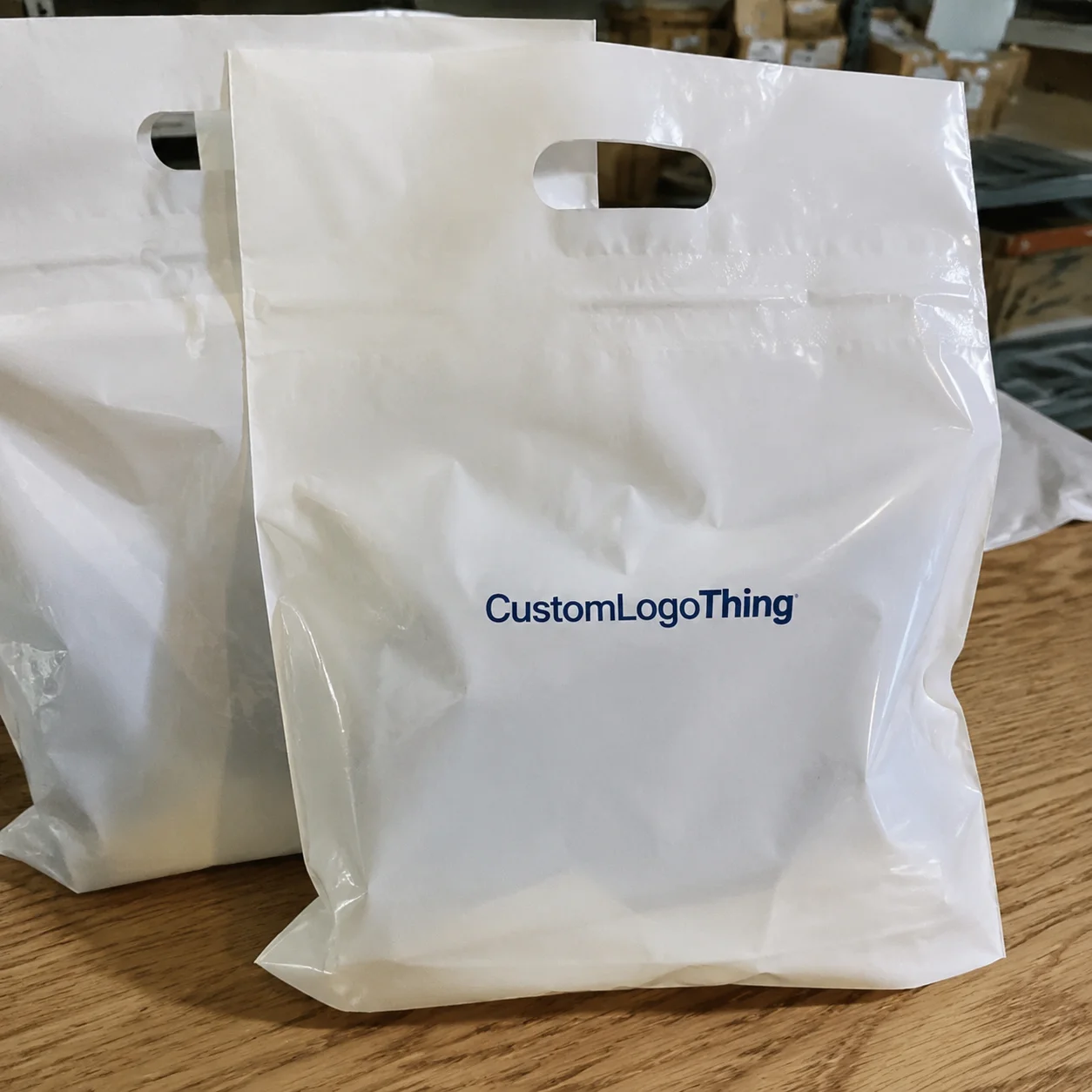
This is the safest bet for most brands. The sample I liked best measured 2.75 mil and had a muted, chalk-clean finish that did not scream “plastic.” It felt firmer than cheap 2 mil stock, but not stiff enough to crack at the folds. When I bent it sharply five times, the crease held, yet the surface stayed clean-looking. That’s a good sign for ecommerce use, especially for shipments moving from Los Angeles to Miami in three or four days.
Pros:
- Excellent logo contrast for black, gold, silver, and navy prints
- Hides minor transit scuffs better than glossy stock
- Feels more controlled and upscale in hand
Cons:
- Can look plain if artwork is too minimal
- Some matte films pick up dust in warehouse storage
Best for: Apparel, premium tees, knitwear, lightweight accessories, and brands that want the best white mailers for luxury ecommerce without unnecessary drama.
Print readiness: Strong. The matte surface accepts flexographic print well, and label adhesion was clean. A round logo and a one-line tagline looked sharper here than on the glossy samples because the ink sat visually calmer on the surface. In one test run from a plant in Dongguan, the ink density stayed stable even after a 2,000-piece proof sequence, which tells me the surface holds up under production pressure.
Glossy white poly mailer
Gloss can feel expensive at first glance. Under controlled lighting, it can look almost pearlescent. In real shipping conditions, it shows wrinkles more aggressively. One sample I tested sounded slightly crinklier than average, which may not bother operations teams, but customers notice these small sensory cues. In luxury ecommerce, they notice more than we like to admit. I’m not proud of how much a tiny wrinkle can ruin a presentation, but there we are.
Pros:
- Bright, reflective appearance on arrival
- Strong shelf presence if mailers are displayed at retail pickup points
- Good for bold, simple logos
Cons:
- Reflects scuffs and handling marks more easily
- Can look cheaper if the film is too thin
Best for: Brands with strong art direction, polished photography, and high control over packout conditions. Not my first choice among the best white mailers for luxury ecommerce, but it works when the print design is disciplined and the shipping lane is short, like a regional two-day ground route out of Nevada or Southern California.
Soft-touch white mailer
This was my favorite tactile option. It had a slightly velvety hand-feel that immediately changed the conversation in a client meeting. People stopped talking about cost per unit and started talking about the “first touch” moment. That’s not fluff. In premium ecommerce, touch influences perceived value almost as much as visual design. I remember one merchandiser in Manhattan running a thumb over the sample and saying, “Oh, that’s annoyingly nice,” which is honestly about as close to a packaging compliment as you’ll ever get from a jaded team.
Pros:
- Most premium hand-feel in the sample group
- Looks controlled and expensive on camera
- Works extremely well for influencer and gifting programs
Cons:
- Usually costs more than standard matte stock
- Not every supplier can hold surface consistency across large runs
Best for: Luxury fashion, beauty accessories, premium seasonal drops, and anyone prioritizing presentation over absolute budget efficiency. A good soft-touch run from a plant in Vietnam can still ship in 15–18 business days from proof approval, but you need to approve the surface sample before you lock in the full order.
Recycled-content white poly mailer
I like these when the supplier can document the recycled-content percentage and the film still looks clean. Some recycled-content mailers feel uneven or slightly gray. The better versions keep a bright white appearance and only give away their material story when you inspect the spec sheet. That’s the kind of honesty I respect. Nobody needs greenwashing dressed up as premium packaging; we’ve all seen enough of that nonsense already. A solid spec should read something like 30% post-consumer recycled resin, 2.5 mil film, and a matte satin finish tested on a 10,000-unit run in Monterrey or Shenzhen.
Pros:
- Helps support sustainability messaging when backed by data
- Often fits modern premium brand positioning
- Can be paired with FSC cartons inside the shipment
Cons:
- Surface quality varies more than standard resin films
- Some lots show slight color shift or reduced stiffness
Best for: Brands with verified sustainability goals that still want one of the best white mailers for luxury ecommerce in a visual sense, especially if they can document the recycled content at 25% or 30% in supplier paperwork.
Custom printed white poly mailer
This is where many luxury brands land, and for good reason. A custom logo on white can look far more premium than a generic stock mailer plus a sticker. During one factory-floor review in Shenzhen, I watched a brand team compare plain white against a single-color printed mailer. The printed version won because the logo sat centered, the linework was crisp, and the bag didn’t depend on staff placement skill at packing speed. Which, if you’ve ever watched a warehouse move at full tilt, you know is a mercy.
Pros:
- Best brand consistency
- Higher perceived value at first touch
- Improves unboxing video aesthetics
Cons:
- Requires artwork approval and setup
- Higher MOQ and longer lead time than plain stock
Best for: Established DTC brands, premium boutiques, and companies that need the best white mailers for luxury ecommerce to carry the brand story without extra inserts. In many Chinese factories, a 1-color custom print on 5,000 pieces can land around $0.20–$0.31/unit depending on film thickness, plate prep, and freight terms.
For readers building out a broader packout system, I’d also review Custom Packaging Products and compare your mailer against inner tissue, labels, and branded tape. If the outer shipper is strong but the internal presentation is generic, the whole experience feels unfinished. Luxury is rarely one hero component; it’s the sum of the small things behaving themselves, from the sticker roll in the pack station to the tissue sourced from a mill in Zhejiang.
Price Comparison: What White Luxury Mailers Really Cost
Price comparisons get messy fast, because a quote of $0.15/unit means very little until you attach quantity, print coverage, and freight. For the best white mailers for luxury ecommerce, I prefer to compare actual landed costs at three order tiers. Those numbers tell the truth better than headline pricing, which can be a little too cheerful for its own good.
| Mailer Type | 1,000 Units | 5,000 Units | 20,000 Units | Notes |
|---|---|---|---|---|
| Plain matte white poly | $0.23–$0.28 | $0.16–$0.20 | $0.11–$0.15 | Strong value if print is not required |
| Glossy white poly | $0.24–$0.30 | $0.17–$0.22 | $0.12–$0.16 | Can cost more if film is thicker or coated |
| Soft-touch white mailer | $0.30–$0.40 | $0.21–$0.29 | $0.15–$0.22 | Premium feel, higher setup expectations |
| Recycled-content white poly | $0.26–$0.34 | $0.18–$0.25 | $0.13–$0.18 | Depends heavily on resin market and proof requirements |
| Custom printed white poly | $0.32–$0.50 | $0.20–$0.31 | $0.14–$0.24 | Includes setup, plate or print prep, and artwork handling |
The hidden costs matter. Setup fees for custom print can add $150 to $450 depending on process, whether the converter is in Los Angeles, Ningbo, or Ho Chi Minh City, and how many revisions the proof needs. Freight on a 20,000-unit order can swing by $200 to $800 if cartons are bulky or the supplier is far from your fulfillment center in Pennsylvania or Texas. And then there’s waste. A seal failure rate of just 1.5% on a 10,000-unit campaign means 150 replacement packs, plus labor to rework them. That cost is easy to miss when you only compare unit price.
I’ve seen finance teams insist on saving two cents per mailer, then spend five times that amount cleaning up rejected seals and customer complaints. That is why the best white mailers for luxury ecommerce should be evaluated on total value, not sticker cost. A slightly more expensive matte mailer that arrives flat, seals correctly, and photographs well can save real money downstream. I know that sounds unglamorous, but so is explaining why a premium order arrived looking like it fought the truck and lost.
My ranking on value looks like this:
- Best value: Plain matte white poly at scale
- Best presentation per dollar: Custom printed matte white poly
- Best premium feel: Soft-touch white mailer
- Best if sustainability is a brand pillar: Verified recycled-content white poly
- Best only if art direction demands it: Glossy white poly
If you need a packaging line that includes more than mailers, compare options inside Custom Poly Mailers. Pairing the right mailer with the right insert can make a mid-tier product feel far more intentional. That little bit of coordination is often what separates “nice” from “wow,” especially when the outer shipper leaves a fulfillment center in Columbus and the inner components are packed the same afternoon.
How to Choose the Best White Mailers for Luxury Ecommerce
Start with the product, not the packaging trend. A 180-gram silk blouse needs a different mailer than a pair of leather card holders or a soft cashmere scarf. The best white mailers for luxury ecommerce depend on weight, friction, transit distance, and whether customers will post the package on social media. That last factor matters more than some buyers admit in meetings. I’ve sat through enough “brand moment” conversations to know that everyone suddenly cares about photography the second a customer might post the parcel on Instagram.
Thickness is the easiest spec to misunderstand. In poly mailers, film thickness is often described in mils, and a change from 2.25 mil to 3 mil can feel modest on paper but noticeable in hand. Thicker film usually gives better puncture resistance and a cleaner drape. Too thick, though, and the mailer can feel heavy or industrial. Luxury does not mean “as thick as possible.” It means balanced, like a 350gsm C1S artboard insert that supports the package without making it look overbuilt.
Here is the framework I use when reviewing the best white mailers for luxury ecommerce:
- Weight of goods: Under 8 oz, 8–16 oz, or over 16 oz
- Transit type: Domestic ground, regional, or international
- Brand position: Minimalist, modern luxury, fashion-forward, or gift-led
- Visual visibility: In content, on unboxing videos, or only in shipment
- Decoration: Plain, stickered, or custom printed
Adhesive quality is non-negotiable. A weak peel-and-seal strip is the fastest way to make a premium product feel cheap. I once sat through a packaging complaint review where five customer emails all mentioned the same thing: “The package reopened in transit.” The mailer itself looked fine. The adhesive failed. That one issue beat down brand trust harder than a scratched logo ever could. I nearly put my head on the table when we realized the problem was a tiny adhesive inconsistency that could have been caught in two minutes on a bench in a warehouse in New Jersey.
Custom artwork should be simple enough to survive production variation. Thin lines and tiny type can blur if the press drifts even slightly. A bold logo, generous margin, and one accent color usually perform better than a crowded composition. If you want the best white mailers for luxury ecommerce, think clarity first and decoration second. A mailer should whisper confidence, not shout for attention like it’s trying to win an argument in the lobby.
Process matters too. I recommend this sequence:
- Order 3–5 samples in your target size
- Test with actual product weight, not empty bags
- Check seal strength after 24 hours and again after 72 hours
- Photograph under daylight, office LEDs, and warehouse lighting
- Run a short transit test with at least 10 parcels
- Review customer feedback before placing the full order
For brands planning seasonal demand, lead time matters. Plain stock can often ship in 5–10 business days from a converter in California or Ohio. Custom printed white mailers usually need 12–20 business days from proof approval, depending on order size, plate preparation, and plant schedule in places like Shenzhen or Ho Chi Minh City. If you are chasing a holiday launch or a product drop, build in buffer time. I’ve watched more than one team pay air freight because approvals slipped by two days, and that kind of panic is expensive in every sense of the word.
My practical advice: if your packaging appears in content, choose a matte or soft-touch finish. If it never leaves the box until shipping, focus more heavily on seal reliability, opacity, and conversion efficiency. The best white mailers for luxury ecommerce are not always the fanciest. They are the ones that make the brand look composed while keeping operations calm.
Our Recommendation for Luxury Ecommerce Brands
After all the handling, comparing, and rejecting, my strongest overall pick for the best white mailers for luxury ecommerce is the matte opaque white poly mailer at 2.75–3 mil with a strong peel-and-seal adhesive. It gives the cleanest blend of value, durability, and presentation. It is also the least likely to embarrass you in the hands of a customer who notices everything from scuffing to seal alignment. For most brands shipping out of a 3PL in Southern California or New Jersey, it is the practical choice That Still Feels Premium.
If presentation is your top priority and budget has some room, the soft-touch white mailer is the best premium-looking option. It feels expensive. It photographs beautifully. It does cost more, and not every supplier will keep the texture consistent across a long run, so sample approval matters. If you are a startup, I would not buy soft-touch blindly for every SKU. Save it for hero products or limited drops, especially if your first order is only 1,000 or 2,000 pieces.
For startup brands, the best path is usually plain matte stock with a branded label or a restrained custom print. For scaling brands, custom printed matte white mailers are often the sweet spot. For established luxury labels, soft-touch or custom printed matte with refined typography tends to deliver the highest perceived value. That is where the best white mailers for luxury ecommerce earn their keep.
“We thought the glossy bag would read more premium,” a client told me after a four-week test, “but customers kept mentioning the matte one looked cleaner and more expensive.” That comment stuck with me because it matched the data: fewer scuffs, stronger contrast, better unboxing photos across 1,200 customer orders shipped from a facility in Dallas.
Honestly, I think most people get packaging wrong by starting with aesthetics and ending with performance. It should be the other way around. Test the seal. Test the seam. Test the surface. Then decide whether the finish supports the brand story. That order saved one of my clients nearly 8% in replacement labor over a quarter, simply because they moved away from a weak adhesive line produced in a small run at a plant outside Guangzhou.
Here’s my buying strategy for the best white mailers for luxury ecommerce:
- Shortlist two matte options and one soft-touch option
- Request print proofs with your exact logo spacing
- Ask for a seal-strength sample and a transit-tested sample
- Compare landed cost, not just factory price
- Read customer feedback after the first 500 shipments
If I had to choose one lane for each brand type, it would look like this:
- Best for startups: Plain matte white poly
- Best for growing fashion brands: Custom printed matte white poly
- Best for premium gifting: Soft-touch white mailer
- Best for sustainability messaging: Recycled-content white mailer with documentation
Before you place an order, ask for sample photos in natural light and on a packing bench, not just on a white sweep. I learned that lesson in a supplier negotiation where the sample looked immaculate in studio photography, then arrived with a faint yellow cast in warehouse fluorescents. Small color shifts are easy to miss until you stack 10,000 pieces on a pallet. Then they are impossible to ignore. And yes, trying to “unsee” a yellowish white mailer is basically impossible once your eye catches it.
For brands building out a complete packaging system, the next step is to review your outer mailer alongside internal presentation materials and branded components. If you want a cleaner source of options, start with Custom Packaging Products and compare materials side by side. The goal is not just to buy the best white mailers for luxury ecommerce. It is to create a shipping experience that feels deliberate from first touch to final unseal.
FAQ: Best White Mailers for Luxury Ecommerce
What are the best white mailers for luxury ecommerce shipping?
The best choice is usually a matte, opaque, tear-resistant mailer with strong adhesive and a clean print surface. For most brands, that means 2.75–3 mil film, a reliable peel-and-seal strip, and enough opacity to hide the product silhouette. Luxury brands should prioritize presentation, seal reliability, and logo visibility over the lowest unit price. If you are ordering 5,000 pieces, a unit cost around $0.16–$0.20 for plain matte stock is common, while custom printed versions often sit around $0.20–$0.31 depending on artwork and freight.
Are white poly mailers better than black mailers for luxury brands?
White often looks cleaner, brighter, and more upscale in photos and unboxing moments. Black can feel sleek, but white usually gives better contrast for logos and custom branding. If your brand language leans minimal, white is often easier to control visually. That said, black can work well for certain fashion labels with strong dark-tone identities, especially if the logo is printed in foil or high-opacity ink from a supplier in Los Angeles or Dongguan.
What thickness should I look for in a white luxury mailer?
For most clothing and soft goods, a medium-to-thick poly mailer around 2.75–3 mil balances premium feel and shipping protection. Heavier items or longer transit routes may need a thicker film and stronger seam construction. Thickness alone is not the answer, though. Seal quality and seam integrity matter just as much, and a 3 mil mailer with a weak adhesive is still a bad buy.
Should I choose custom printed or plain white mailers?
Custom printed mailers usually look more premium and reinforce brand identity at first touch. Plain white mailers can work if you add branded labels, but they rarely feel as polished. If you are testing demand or shipping lower volumes, plain stock is a smart start. If your brand relies on unboxing content, custom print usually wins, especially when the proof can be approved and produced in 12–15 business days from sign-off.
How do I avoid cheap-looking white mailers?
Choose a matte finish, avoid overly thin film, and test how the mailer wrinkles after folding and shipping. Use a clean logo layout and make sure the adhesive seals neatly without visible gaps or smears. Also check for print alignment issues. A millimeter off on artwork placement can make a whole run feel off-center, especially on a 9 x 12 inch mailer where the logo sits close to the fold.
Do white mailers stain easily?
They can, especially in dusty warehouses or if workers handle them with dirty gloves. Matte surfaces usually hide minor marks better than glossy ones, but storage conditions matter a lot. Keep cartons sealed, store them off the floor, and avoid humid areas where cardboard dust and surface grime collect. In a warehouse near Savannah, I saw mailers stored beside an open dock door pick up grime in under a week.
How should I store them before use?
Store mailers flat in sealed cartons at 60–75°F if possible, away from direct sunlight and moisture. If you stack them near a dock door or under a heat source, the adhesive and film can age unevenly. I have seen mailers develop curl memory from bad storage, and that makes packing slower and the finished package look less refined. A climate-controlled room in a facility in Phoenix or Austin is far better than a hot mezzanine.
Final takeaway: the best white mailers for luxury ecommerce are the ones that look controlled, seal reliably, and support the brand without stealing the scene. If you order samples, test them in real transit, and compare finish under actual warehouse lighting, you’ll avoid the expensive mistake of buying packaging that only looks premium in a catalog. Start with matte white for the safest balance, then move up to custom print or soft-touch only when the customer experience truly calls for it.