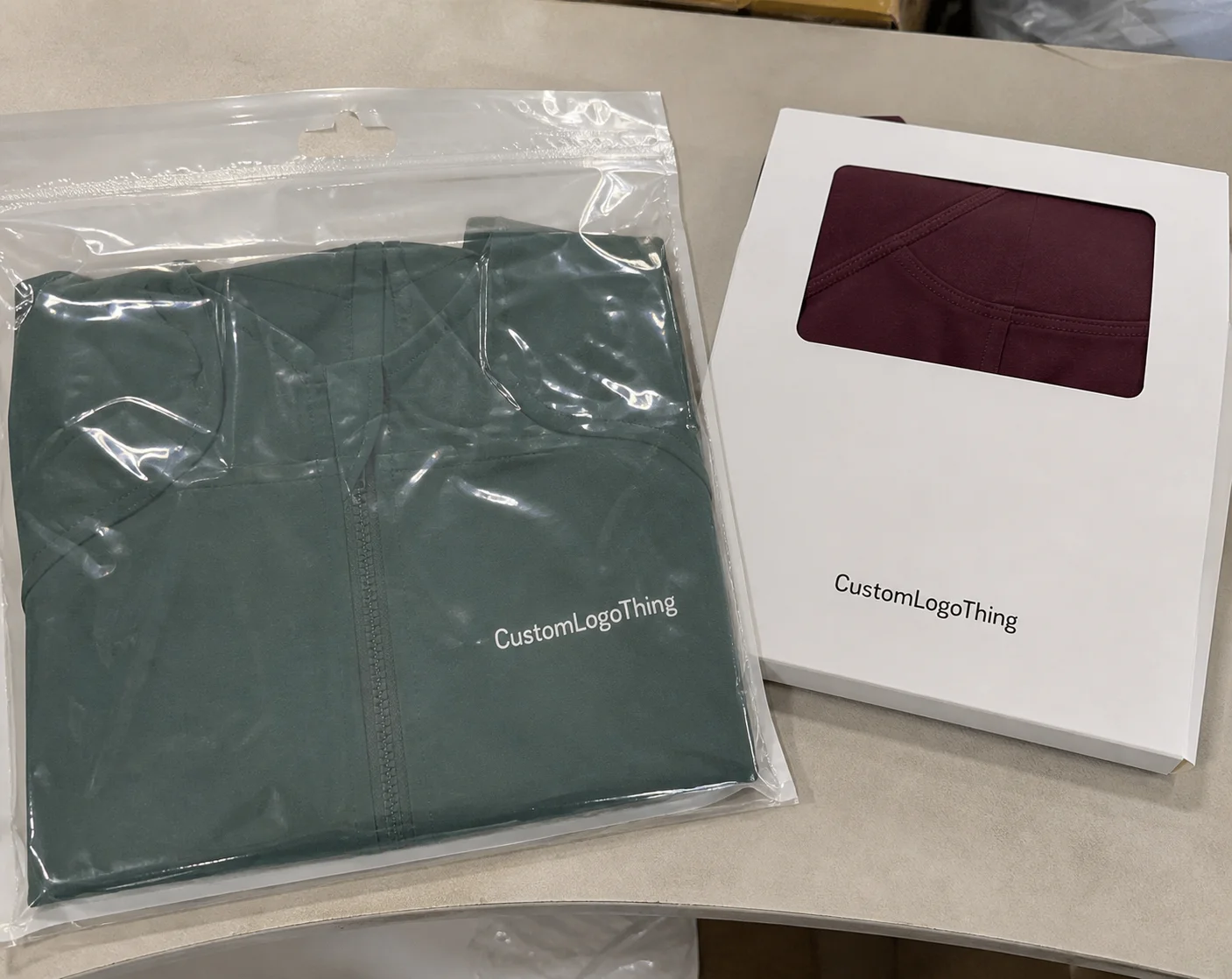
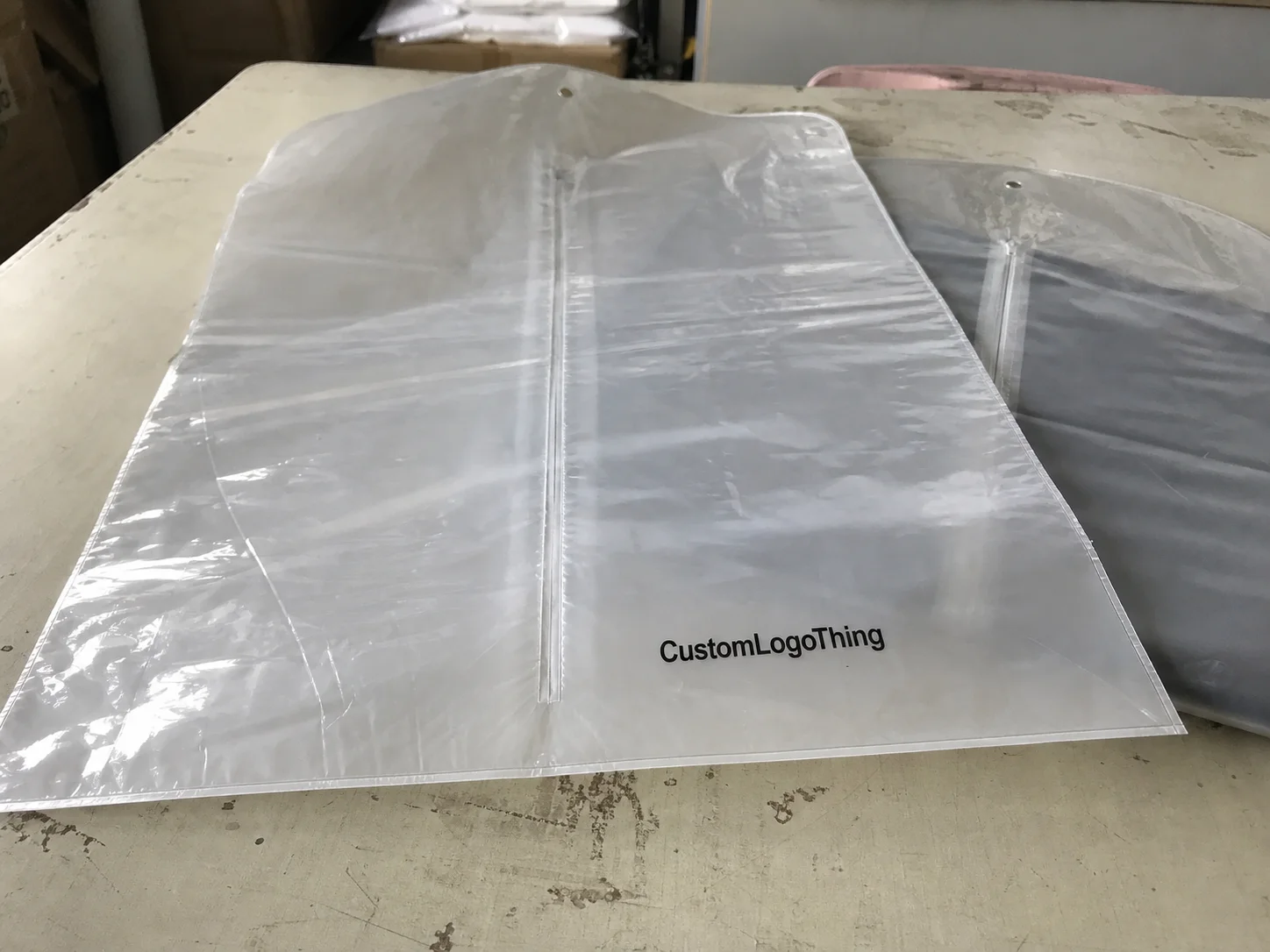
Buyer Fit Snapshot
| Best fit | Biodegradable Packaging for Cosmetics Brands projects where brand print, material claims, artwork control, MOQ, and repeat-order consistency need to be specified before quoting. |
|---|---|
| Quote inputs | Share finished size, material target, print colors, finish, packing count, annual reorder estimate, ship-to region, and any compliance wording. |
| Proofing check | Approve dieline scale, logo placement, barcode or warning zones, color tolerance, closure strength, and carton packing before bulk production. |
| Main risk | Vague material claims, crowded artwork, missing packing details, or unclear freight terms can make a low unit price expensive after revisions. |
Fast answer: Biodegradable Packaging for Cosmetics Brands: Retail Fit, Compliance Space, Print, and Cost should be specified like a repeatable production item. The safest quote records material, print method, finish, artwork proof, packing count, and reorder notes in one written spec.
Production checks before approval
Compare the actual filled-product size with the drawing, then confirm tolerance on folds, seals, hang holes, label areas, and retail display edges. Reserve space for logos, QR codes, warning copy, and material claims before decorative graphics fill the panel.
Quote comparison points
Review material grade, print process, finish, sampling route, tooling charges, carton quantity, and freight assumptions side by side. A quote is only useful when the supplier can repeat the same color, closure quality, and packing count on the next order.
I’ve sat in enough packaging review meetings to know this: biodegradable Packaging for Cosmetics brands is one of the most requested sustainability ideas in beauty, and also one of the most misunderstood. I remember one buyer call last spring in Austin, Texas, where a skincare founder told me she wanted “fully biodegradable” jars, lids, pumps, inserts, and mailers for a 20,000-unit launch. Ten minutes later, we were still untangling what would actually break down, where it would break down, and whether her 30 mL serum could survive six weeks in transit without leaking. It was one of those meetings where everyone nods a lot and no one is quite sure if the package or the planet is going to cry first.
That tension is the whole story. Beauty shoppers care about sustainability, but packaging claims get fuzzy fast. A jar can be bio-based and still not biodegrade in a landfill in Phoenix, Arizona. A carton can be recyclable and still be coated in a way that blocks normal recovery. And a supplier can say “eco” on a sample, which tells you almost nothing about disposal, time, or certification. Honestly, I think brands get into trouble when they let the marketing language lead and the engineering follow. If you work with biodegradable Packaging for Cosmetics brands, clarity matters more than a cute label or a green leaf icon slapped on a box.
Many brands stumble because they begin with the claim instead of the function. The better starting point is the product itself: oil-based balm, water-light toner, pressed powder, or a cream formula with a 12-month shelf life. Packaging should follow that reality, not the other way around. That applies to product packaging, retail packaging, and the outer branded packaging that shapes the customer’s first impression. I’ve seen gorgeous packs fail because they were designed for the Instagram moment and not the shipping lane. Great for photos. Terrible for actual customers. A 250-unit boutique batch in Brooklyn can absorb mistakes that a 50,000-unit retail rollout in Chicago cannot.
Biodegradable Packaging for Cosmetics Brands: What It Really Means
In plain English, biodegradable packaging for cosmetics brands refers to Packaging Materials That microorganisms can break down into natural substances over time, under the right conditions. That sounds simple. It isn’t. The keyword is “conditions.” Heat, oxygen, moisture, microbes, and time all matter. Without them, a material that looks biodegradable in theory may sit in the ground for years. Packaging is very patient. Sometimes annoyingly patient, especially in cool, dry regions like Calgary or inland Melbourne.
That distinction matters because biodegradable is not the same thing as compostable, recyclable, or bio-based. Compostable materials are tested for breakdown under specific composting conditions, often tied to industrial composting. Recyclable materials can be collected and reprocessed into new material streams. Bio-based simply means a material comes partly or wholly from renewable biological sources like corn starch, sugarcane, or cellulose. I’ve seen brands use these terms interchangeably in pitch decks, and that usually creates problems later when the legal team asks for proof. You can almost hear the room get quieter when the compliance manager asks for ASTM D6400 or EN 13432 documentation and nobody has it.
Biodegradable Packaging for Cosmetics brands is really a category, not a single material. It can include paperboard cartons, molded fiber trays, bagasse inserts, cellulose-based films, and some PLA-based structures. For a lip balm line, that might mean a paper carton with a biodegradable inner sleeve. For a powder compact, it might mean a molded fiber tray plus a paperboard outer box. For shipping, it may mean corrugated cardboard mailers with kraft paper cushioning instead of plastic fillers. That sounds straightforward until you start matching those materials to a formula with oils, moisture, or actives that behave like they have their own opinions. A glossy face oil from Los Angeles and a clay mask from Seoul will not ask the same things from a carton.
Here’s the practical lens I use: if a brand wants biodegradable Packaging for Cosmetics brands, I ask which components are visible to consumers, which ones touch the formula, and which ones need moisture or grease resistance. That simple filter usually reveals whether the project is realistic or just aspirational. It’s also a pretty good way to avoid falling in love with a material that hates your product back. A 350gsm C1S artboard carton might be perfect for a dry powder, while the same structure can struggle if you push it into a high-oil serum set without a proper barrier layer.
“The packaging claim is the easy part,” a lab manager told me during a supplier audit in Shenzhen. “The hard part is proving the whole structure behaves the way the brand thinks it does.” He was right.
One more thing. Biodegradability is not a free pass. A paper carton may be biodegradable, but if it’s laminated with a non-separable plastic film, the claim gets weaker. A molded fiber tray may be great for dry cosmetics, but not for a serum set shipping in humid conditions in Miami or Singapore. That’s why biodegradable Packaging for Cosmetics brands has to be evaluated as a system, not as a material buzzword. The minute someone says “we’ll just make it eco,” I get a little twitchy. Packaging does not care about your mood board. It cares about humidity at 85%, compression at 32 kg, and whether the box survives a 1-meter drop.
For brands building package branding into the unboxing moment, this is actually good news. You don’t need every component to do the same job. You need the right component in the right place, with the right evidence behind it. That’s how sustainability stops being a slogan and starts being operational. A natural matte carton, a soy-based ink set, and a molded fiber insert can do a lot of heavy lifting if the structure is designed with 12 months of shelf life and e-commerce shipping in mind.
How Biodegradable Packaging for Cosmetics Brands Actually Works
Biodegradation starts when microbes encounter a material they can digest. Moisture softens the structure, oxygen helps in aerobic environments, and time allows the material to fragment and convert into smaller compounds. In strong composting conditions, a paper-based carton can break down much faster than it would in a dry warehouse in Denver or a sealed landfill cell outside Dallas. That is the basic science behind biodegradable Packaging for Cosmetics brands, but real life is messier than a textbook diagram. Real life, unfortunately, does not care about diagrams.
The environment matters a lot. Industrial composting facilities typically provide higher temperatures, controlled moisture, and active turning or aeration. Home composting is cooler and less consistent. Landfills are a different world again: low oxygen, low moisture in many zones, and a very slow breakdown rate. So when a supplier says a material is biodegradable, ask where, under what conditions, and with what testing standard. Otherwise, you’re buying a promise instead of a verified outcome. And promises, as I’ve learned, are cheap until something leaks.
In my experience, the most practical materials for biodegradable Packaging for Cosmetics brands are often paperboard, molded fiber, bagasse, and cellulose-based films. Each has strengths and limits. Paperboard works well for cartons, sleeves, and inserts. Molded fiber handles cushioning and tray structures nicely. Bagasse, made from sugarcane fiber, can work for protective inserts and some secondary packs. Cellulose films can be useful for windows or wraps when clarity matters. PLA blends show up often too, though performance and end-of-life outcomes depend heavily on formulation and local disposal infrastructure. There’s no magic material, which is mildly annoying if you were hoping for one, but also oddly liberating when you realize a 28-micron cellulose window can replace a PVC window in the right structure.
Cosmetic formulas create their own technical puzzle. Oils, silicones, water, alcohol, and active ingredients can all affect barrier needs. A face cream in a paper tub may look elegant, but if the inner barrier fails, the shelf life is gone. A serum spray might need a hybrid format where the outer structure is biodegradable, but the closure or liner still uses a different material for protection. This is where biodegradable packaging for cosmetics brands becomes a balancing act between sustainability and product integrity. I’m firmly in the camp that says a sustainable pack that fails in transit is not sustainable. It’s just expensive disappointment, usually measured in reprints, refunds, and one very unhappy retailer in Amsterdam or Toronto.
There’s also a structural question: rigid or flexible, primary or secondary. Primary packaging touches the product directly. That’s the jar, tube, compact, or bottle. Secondary packaging is the carton, sleeve, or insert that surrounds it. Flexible packs can sometimes use less material, but they may need more testing around puncture resistance and sealing. Rigid packs often look premium, but they can be heavier and cost more to ship. In many projects, the smartest move is to make the secondary packaging biodegradable first, then work toward more ambitious primary-pack options later. That’s usually the pragmatic route—and yes, pragmatic is less glamorous than “all-in revolution,” but it tends to keep customers happier and freight bills lower.
At a factory visit in Guangdong, I watched a packaging line run molded fiber trays for a clean beauty brand alongside standard paper inserts. The fiber pieces looked simple, almost plain. Yet the brand loved them because they reduced plastic use, supported the product, and cut void fill inside cartons. The line was producing about 6,000 pieces per shift, and the trays were drying fast enough to keep pace with assembly. Sometimes the less flashy option is the one that performs better in the field. Beauty loves drama; logistics loves boring things that work.
| Packaging format | Typical biodegradability potential | Best use case | Main caution |
|---|---|---|---|
| Paperboard carton | High, if coatings are compatible | Secondary packaging, retail presentation | Barrier coatings can complicate end-of-life claims |
| Molded fiber tray | High | Product protection, inserts, set packaging | Not ideal for wet or greasy contact without validation |
| PLA-based structure | Moderate to high, depending on conditions | Some flexible components and windows | Often needs industrial composting conditions |
| Bagasse insert | High | Trays and cushioning | Surface finish and moisture resistance must be tested |
| Cellulose film | Moderate to high | Wraps, windows, lightweight barriers | Performance varies by thickness and coating |
If you’re comparing formats, don’t ignore the role of corrugated cardboard in the shipping chain. A cosmetic brand may spend weeks debating the inner tray, then throw everything into a standard mailer with excess plastic air pillows. That undermines the story fast. Better to treat the entire packaging route as one system, from factory carton to retail shelf to delivery box. Otherwise the sustainability story feels like it stopped halfway through the journey, which is not exactly confidence-inspiring. A 32 ECT corrugated shipper with kraft paper void fill can often do more for the claim than a fancy inner box ever could.
Key Factors to Evaluate Before Choosing Biodegradable Packaging for Cosmetics Brands
Cost is usually where the conversation gets real. Biodegradable packaging for cosmetics brands often carries higher unit prices than commodity plastic or basic coated board, especially at lower volumes. But unit cost alone can be misleading. The real number is total landed cost: material, tooling, printing, coatings, freight, duty, damage rate, and the cost of revisions if samples fail testing. I wish more teams would write that on the whiteboard before anyone starts fall in love with a sample. A quote from Dongguan that looks cheap at first can turn into a very different number once you add a custom die-cut, a white matte aqueous finish, and air freight to Los Angeles.
I once reviewed a proposal where the paper carton was only $0.09 more per unit than the standard option on a 10,000-piece run. Sounds small, right? Then we added custom tooling for a molded insert, upgraded print, extra moisture testing, and slightly heavier freight because the cartons were bulkier. The difference became $0.31 per kit across a 10,000-piece run, and that was before an added $280 proofing charge from the plant in Shenzhen. That is still manageable for a premium skincare line. It is not manageable for every mass-market SKU. Budget spreadsheets have a way of turning optimistic very quickly.
Brand fit matters just as much. Indie skincare brands often have more freedom to experiment with biodegradable packaging for cosmetics brands because their runs are smaller and their audience tends to appreciate the story. Premium beauty brands may want rigid presentation, tactile finishes, and more complex package branding. Mass-market cosmetics usually need to hit a lower price point and a tighter distribution window. That’s why one size never fits all. I know that sounds obvious, but “obvious” gets ignored astonishingly often when someone spots an attractive sample board from a supplier in Guangzhou or Ho Chi Minh City.
Compliance is another place where brands get burned. If you are making biodegradable claims, document everything. Ask suppliers for material specifications, test reports, and clear disposal guidance. If a package is only compostable in industrial facilities, say that. If a piece is biodegradable but the pump is not, say that too. Vague language like “earth-friendly” creates trust issues and can attract scrutiny from retailers and regulators. I’ve seen a retailer reject packaging for using language that sounded lovely and meant almost nothing. The phrase “trust us” is not a compliance strategy, and it definitely does not pass a buyer review in New York or London.
For claim support, I often recommend checking industry and government sources instead of relying on supplier marketing sheets. The EPA’s composting guidance is useful for understanding disposal environments, and the Forest Stewardship Council is a helpful reference when you’re sourcing certified paper or board for Custom Printed Boxes and cartons. Neither replaces lab data, but both help anchor the conversation. If a carton spec says 350gsm FSC-certified C1S artboard with soy ink, you still need to know whether the coating is aqueous, compostable, or a barrier laminate that changes the claim.
Functionality is the last filter, and honestly, the one most teams underweight. Can the packaging protect the formula for 12 months? Will the closure survive 50 open-close cycles? Does the label hold up in a humid bathroom? Does the tray stop product movement during transit? Biodegradable packaging for cosmetics brands has to answer those questions before it can win a place on shelf. Good intentions do not prevent leaks. If they did, every packaging engineer would be out of a job by Thursday, and the city of Chicago would be flooded with beautifully branded but soggy boxes.
Here is a practical comparison I use when advising teams:
| Evaluation factor | Why it matters | What to ask suppliers |
|---|---|---|
| Unit price | Impacts margin directly | What is the price at 5,000, 10,000, and 50,000 units? |
| Tooling | Affects setup cost and timeline | Is there a mold, dieline, or custom insert tool fee? |
| Barrier performance | Protects formula integrity | What testing has been done for moisture, oil, and temperature? |
| Disposal claim | Supports trust and compliance | Is the claim biodegradable, compostable, recyclable, or bio-based? |
| Freight and damage | Affects total landed cost | What is the average transit damage rate in real shipments? |
One more thing about cost: biodegradable packaging for cosmetics brands often looks expensive until you remove waste elsewhere. If a simpler structure reduces assembly time by 20 seconds per unit, or if a carton design cuts void fill by 15%, the project can pay back part of the added material expense. That is the kind of math I like because it respects reality instead of pretending sustainability is free. Cost-saving and sustainability can live in the same sentence, even if procurement sometimes looks suspicious when you say it out loud. A $0.15 per unit carton at 5,000 pieces can be the smarter buy if it cuts breakage from 4% to 1%.
Step-by-Step Process for Launching Biodegradable Packaging for Cosmetics Brands
The cleanest launches start with a packaging audit. List every component in the current pack: jar, lid, liner, pump, label, carton, insert, shipper, tape, and filler. Write down the material type for each one. A surprising number of teams discover that the least sustainable piece is not the outer box, but the internal PET window, the pressure-sensitive label, or the foam insert hiding inside the carton. It’s a little like cleaning your apartment and realizing the disaster was under the couch all along. A brand in Dublin once found that a tiny adhesive label on the base was enough to complicate its recycling claim.
Then define performance requirements before you sketch a new look. This is where packaging design teams and operations teams should sit in the same room. I want to know shelf life, barrier needs, tamper evidence, retail display requirements, shipping compression strength, and the visual direction. A clean beauty brand may want soft kraft paper aesthetics and muted tones. A luxury line may want embossed custom printed boxes with a matte, natural finish. Both can work. The technical specs just differ. The aesthetics matter, sure, but they cannot be allowed to bully physics. If the spec calls for 350gsm paperboard, a 1.2 mm molded insert, and a 24-hour humidity hold test, that needs to happen before anyone approves gold foil.
After that, shortlist suppliers and ask for samples, documentation, and testing data. Good vendors should be able to show you material composition, certifications, and relevant standards. For transit performance, look for ISTA-related testing references, especially if the pack is going through drops, vibration, or compression in distribution. The International Safe Transit Association is a solid resource for packaging transport testing and validation: ISTA packaging testing standards. A supplier in Shenzhen, Ho Chi Minh City, or Milan should be able to tell you whether their shipper has passed ISTA 3A or an equivalent internal drop protocol.
At one client meeting, I watched a brand team compare three sample sets on a conference table. One carton looked gorgeous. Another had the best sustainability story. The third was plain but performed best under humidity testing. Guess which one survived the retailer’s receiving dock in Rotterdam? The plain one. That happens more than brands like to admit, and it always surprises the people who assume appearance will save the day. A sample that ships cleanly after 12 business days from proof approval is a lot more useful than a beautiful prototype that fails after two days in a wet warehouse.
Build prototypes early. Test them for leakage, scuffing, compression, and humidity resistance. If the pack is going into e-commerce, test the outer shipper too. Biodegradable packaging for cosmetics brands often gets judged in a lab, then fails in the real world because the warehouse is at 38% humidity one month and 82% the next. Real conditions are the test that counts. Anything else is just a very tidy theory. If you can, run a 72-hour accelerated humidity cycle and a 1-meter drop test before final approval.
Timelines should be mapped out in business-day language, not vague promises. A straightforward carton change might take 12 to 15 business days from proof approval to sample delivery. A custom molded insert could take 20 to 30 business days if tooling is required. A hybrid system with barrier layers, print revisions, and compliance review can take longer. Build the schedule around sampling, revisions, test iterations, and manufacturing lead times. Rushed sustainability projects usually become expensive ones, and nobody enjoys explaining that to finance. If your launch date is fixed for a trade show in Las Vegas, give the plant extra slack, not less.
For brands looking at broader packaging systems, this is also the moment to review your existing Custom Packaging Products line. Sometimes the best sustainability gain comes from adjusting a few core SKUs instead of redesigning everything at once. That is especially true if your product range includes lip care, facial masks, and gift sets with different structural needs. I’ve seen more progress from a focused three-SKU reset than from a grand “we’re changing everything” announcement that never leaves the slide deck. A phased plan from a facility in Guangdong or Jiangsu can save months of revision work.
Finally, prepare launch materials. Put disposal guidance on the carton, the website, and any insert copy. Train customer service teams with the same language you use on pack. A well-made biodegradable package can still fail commercially if shoppers do not understand what to do with it. Clear education is part of the product. If consumers have to guess, they usually guess wrong—or ignore the whole thing, which is even worse. A one-paragraph FAQ, a QR code, and a short “how to dispose” note can be the difference between a good claim and a confused customer in Manchester or Miami.
Common Mistakes Brands Make with Biodegradable Packaging for Cosmetics Brands
The first mistake is assuming every eco-friendly material is automatically biodegradable. It isn’t. Some materials are recyclable, some are bio-based, and some only biodegrade in specific industrial conditions. If your claim is not backed by documentation, you are not building trust. You are borrowing it, and trust debts have a nasty habit of coming due at the worst moment. A carton printed in a nice green tone does not become compliant because the color feels reassuring.
The second mistake is choosing a pack that breaks down beautifully but does not protect the formula. I have seen this with paper-based tubes that looked elegant on a mood board, then failed to hold up against oil migration. The result was product waste, customer complaints, and a sustainability story that collapsed under its own weight. Biodegradable packaging for cosmetics brands has to survive the product’s real-life chemistry. A beautiful failure is still a failure. If your balm softens the inner lining at 30°C, the most sustainable carton in the world will not save the launch.
Another common miss is forgetting the “small” components. Closures, liners, pumps, springs, and coatings can make or break the whole claim. A carton can be biodegradable, but if a foil laminate or plasticized window is permanently bonded to it, the end-of-life outcome changes. The same goes for labels with aggressive adhesives. In packaging audits, I always ask teams to zoom in on the parts nobody photographs. That’s where the trouble likes to hide, especially in the bottom flap or beneath a heat-seal seam.
Then there’s disposal reality. A material may be technically biodegradable, but if your customers live in cities with no industrial composting access, the pack may end up in general waste. That’s why location matters. Do not write a disposal instruction your audience cannot actually use. Brands that sell nationally or across borders need region-specific clarity, not a one-line claim. Otherwise, the brand voice sounds confident while the actual disposal path is doing whatever it wants. A shopper in Berlin may have a different disposal route than one in Dallas, and your packaging copy needs to acknowledge that.
Buying on price alone is the last trap. The cheapest option can become the most expensive if it drives breakage, delays, or extra compliance work. One beauty client saved $0.04 per unit on packaging, then spent more than $3,000 on reprints because the sustainability statement on the carton was too vague for a retail partner in London. That is a bad trade every time. Cheap packaging can be the most expensive kind of all, which is a wonderfully irritating bit of business math. A $0.18 unit price with a 1% damage rate can beat a $0.14 unit price with a 5% damage rate by a wide margin.
Here’s the blunt truth: biodegradable packaging for cosmetics brands is rarely the easiest route. But done well, it can support stronger package branding, cleaner shelf presentation, and a more credible sustainability message. Done poorly, it just creates green-tinted confusion. And nobody needs more confusion in a category already crowded with claims, gloss, and tiny print. A bright label from a plant in Suzhou won’t fix a claim that can’t survive legal review.
Expert Tips to Improve Performance, Cost, and Brand Trust
If you want better results, start where the sustainability value is most visible. For many brands, that means secondary packaging first. Cartons, sleeves, inserts, and mailers are often easier to convert than the primary container, and the consumer sees them immediately. That means biodegradable packaging for cosmetics brands can create a strong impression without forcing a risky full-system conversion on day one. It’s the practical version of making progress without creating a supply-chain migraine. For a launch in Toronto, a paperboard carton with a molded fiber insert can often tell the story better than an expensive new jar.
Simplify the component count. Fewer parts usually mean fewer failure points and better end-of-life clarity. A set with one carton, one molded insert, and one paper wrap is easier to explain than a structure with five mixed-material layers. I’ve seen teams reduce unit cost and improve assembly speed simply by eliminating a decorative sleeve that added no functional value. Pretty can stay, but unnecessary should go. A 4-part pack that ships in 14 business days from proof approval is usually better than a 7-part structure that takes six weeks and still confuses the customer.
Use clear education. Pair sustainability claims with disposal instructions that tell people exactly what to do. If the pack is compostable only in certain facilities, say that plainly. QR codes can help, but do not hide the core message behind a scan. Consumers appreciate honesty more than clever wording. That’s especially true in beauty, where trust is tied to skin contact and product safety. Also, nobody wants to stand at the recycling bin squinting at a carton like it’s a riddle. A short line like “carton curbside recyclable where accepted” is more useful than three sentences of poetic vagueness.
Negotiate smarter. If you need better pricing, consolidate SKUs, standardize sizes across product lines, or increase order volume where possible. In one negotiation, moving three carton sizes into one shared board spec cut the price by 11% and shortened replenishment cycles. Biodegradable packaging for cosmetics brands can become more affordable when you stop treating every SKU as a one-off project. Sometimes the biggest savings are hiding in boring standardization, which is not glamorous but absolutely works. One shared 350gsm board spec across cleanser, serum, and mask cartons can simplify purchasing in a way that procurement teams actually enjoy.
Test in real conditions, not just controlled ones. Put samples in warm bathrooms, cool warehouses, and humid shipping lanes. Run them through compression and drop tests. Ask your fulfillment team what happens at packing stations when the workday gets busy. Real-world feedback is often harsher, and far more useful, than a polished lab chart. If you are shipping through e-commerce, align your validation with transport testing expectations from groups like ISTA, not just internal opinion. A test that looks good on paper and fails in a truck is not a success, no matter how elegant the report is. A 90-minute warehouse simulation in Atlanta can reveal more than a week of slide deck debate.
And yes, I would keep an eye on materials like kraft paper and corrugated cardboard whenever possible. They are familiar to converters, predictable to source, and usually easier to communicate to shoppers. That does not make them perfect. It just makes them practical. Practical tends to win budgets. Practical also tends to survive long enough to make a customer happy, which is underrated in a category obsessed with “wow.” A kraft mailer from a plant in Ohio can do more reputational work than an exotic structure nobody can explain.
What to Do Next Before You Order Biodegradable Packaging
Start with a short requirement sheet. List material preferences, certifications, product compatibility, target unit price, decoration needs, and desired timeline. Be specific. “Eco-friendly” is not a spec. “350gsm FSC-certified paperboard with water-based ink and a matte aqueous coating” is a spec. That level of detail helps suppliers quote properly and helps your team compare options without guesswork. It also saves everyone from those strange meetings where three people mean three different things by “natural finish.” A supplier in Dongguan can quote much faster when the spec includes board weight, coating type, and carton dimensions in millimeters.
Ask for three quotes, and make sure each one includes tooling, samples, freight, and print decoration. Otherwise, you are comparing incomplete numbers. I’ve seen brands choose the lowest quote, only to discover the others already included mold fees, proofing, or DDP freight. Apples to apples matters, especially with biodegradable packaging for cosmetics brands where materials and finishing can vary widely. A bargain that appears from nowhere is usually not a bargain at all. If one vendor says $0.15 per unit for 5,000 pieces and another says $0.22 per unit with tooling included, the real comparison starts there, not with the headline number alone.
Request evidence, not promises. Ask for test reports, material declarations, and examples from similar beauty clients. If a supplier has worked with a cleanser line, a lipstick brand, or a shampoo set, that can be useful. Even better, ask for a related reference inside their Case Studies archive so you can judge how they handled moisture, shelf life, and decoration under real conditions. Real proof beats polished claims every single time. If they can show a production run in Shenzhen or Ningbo with documented humidity testing, you are already ahead of the game.
Run a pilot order. A small production run of 1,000 to 5,000 units can reveal a lot: print consistency, assembly speed, transit damage, and customer reaction. It is far cheaper to learn on a pilot than on a full launch. For cosmetics, where appearance and performance are equally important, that pilot can save a lot of embarrassment. I would much rather spot a weakness in a controlled pilot than hear about it from 200 irritated customers on launch week. Most brands discover their real problems on day two of receiving, not in the design studio.
Prepare your communication plan. Your website should explain the material, the disposal route, and the exact claim. Your inserts should match the carton copy. Your customer service team should know whether the pack is biodegradable, compostable, recyclable, or bio-based. If those answers vary by region, say so. Transparent language builds trust much faster than polished vagueness. Brands that speak plainly usually end up sounding more premium anyway, which is a nice bonus. A clean FAQ page and a region-specific disposal note can be worth more than a polished campaign video from Paris.
If you are still early in the process, biodegradable packaging for cosmetics brands should be treated like a packaging strategy, not a one-off purchase. Start with the materials that make the most sense, then scale as the business case grows. That is usually how durable change happens in beauty: one good specification, one validated launch, one repeatable system. It sounds almost too simple, but that’s often because the best systems are simple after the hard work is done. The hard work is the spec, the sample, the test, and the supplier who can actually deliver in 12 to 15 business days instead of 12 to 15 vague hopes.
What are the benefits of biodegradable packaging for cosmetics brands?
Biodegradable packaging for cosmetics brands can support a stronger sustainability message, improve shelf appeal, and help reduce reliance on conventional plastics in secondary or protective packaging. It can also improve customer perception when the disposal instructions are clear and the packaging performs well in transit. The real benefit appears when the materials, structure, and claims are aligned, not just when the outer box looks green.
Is biodegradable packaging for cosmetics brands the same as compostable packaging?
No. Compostable packaging is designed to break down under specific composting conditions, while biodegradable packaging may break down under different conditions and timelines. Compostability usually has stricter testing and clearer disposal expectations. Brands should not use the terms interchangeably unless they have documentation to support both claims. If your carton is made from 350gsm C1S board with an aqueous coating, that still does not make it compostable by default.
What cosmetic products work best with biodegradable packaging for cosmetics brands?
Dry products, powder compacts, samples, and secondary cartons are usually easier fits. Products with high moisture, oil, or air exposure need careful barrier testing. Creams, serums, and liquid formulas may require hybrid packaging rather than fully biodegradable primary packs. A lip powder in a paperboard carton is much simpler than a vitamin C serum in a biodegradable pump bottle.
How much does biodegradable cosmetic packaging usually cost?
Costs vary widely based on material, decoration, order volume, and whether tooling is required. Expect biodegradable options to cost more than standard commodity packaging in many cases, especially at low volumes. A carton might run $0.15 per unit for 5,000 pieces, while a more customized structure with molded fiber and specialty print can move higher. The best comparison is total landed cost, including freight, waste reduction, and damage rates.
How long does it take to develop biodegradable packaging for cosmetics brands?
Simple carton or label changes can move quickly, while custom molded or barrier-sensitive packaging takes longer. Sampling, testing, revisions, and compliance reviews often extend the timeline. A straightforward carton revision may take 12 to 15 business days from proof approval, while custom tooling can add 20 to 30 business days. Build extra time into the schedule if you need custom decoration, new tooling, or performance validation.
How can a brand prove its biodegradable packaging claim?
Use third-party certifications, supplier test data, and material specifications to support the claim. Be specific about disposal conditions and avoid vague language like “earth-friendly” without proof. Work with packaging suppliers who can document exactly which components are biodegradable and under what conditions. If a plant in Guangdong or Jiangsu supplies the carton, ask for the exact substrate, coating, and certification files before approving production.
If I had to reduce all of this to one sentence, it would be simple: biodegradable packaging for cosmetics brands works best when the material choice, the product formula, the disposal claim, and the customer experience all point in the same direction. Miss one of those pieces, and the story gets weak fast. Get them aligned, and you have something far better than a trend. You have credible, commercial packaging that supports your brand, your margin, and your reputation. The actionable takeaway is straightforward: audit your current pack, choose the components that can truly meet a verified end-of-life claim, then pilot the simplest version that still protects the formula and survives transit.