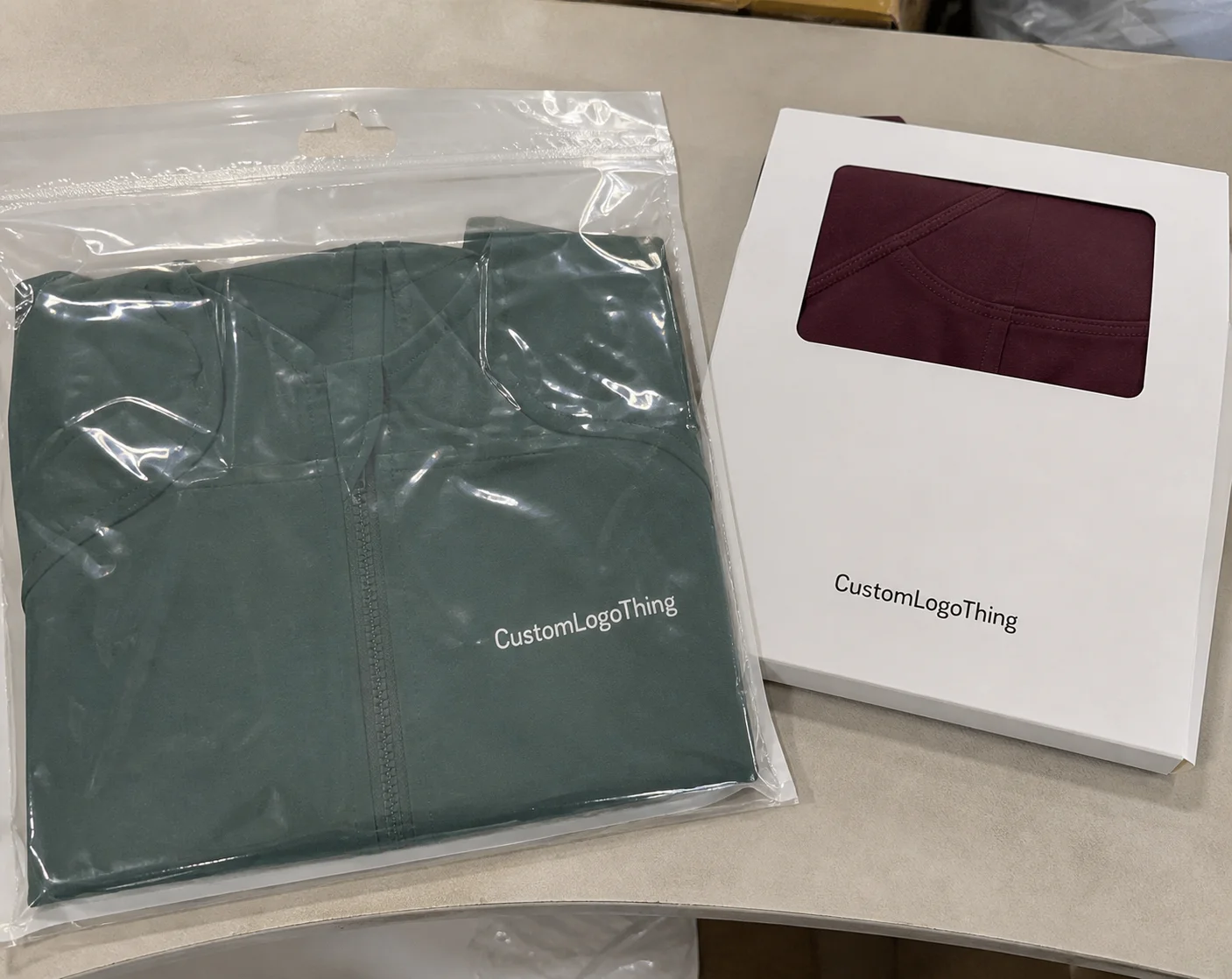
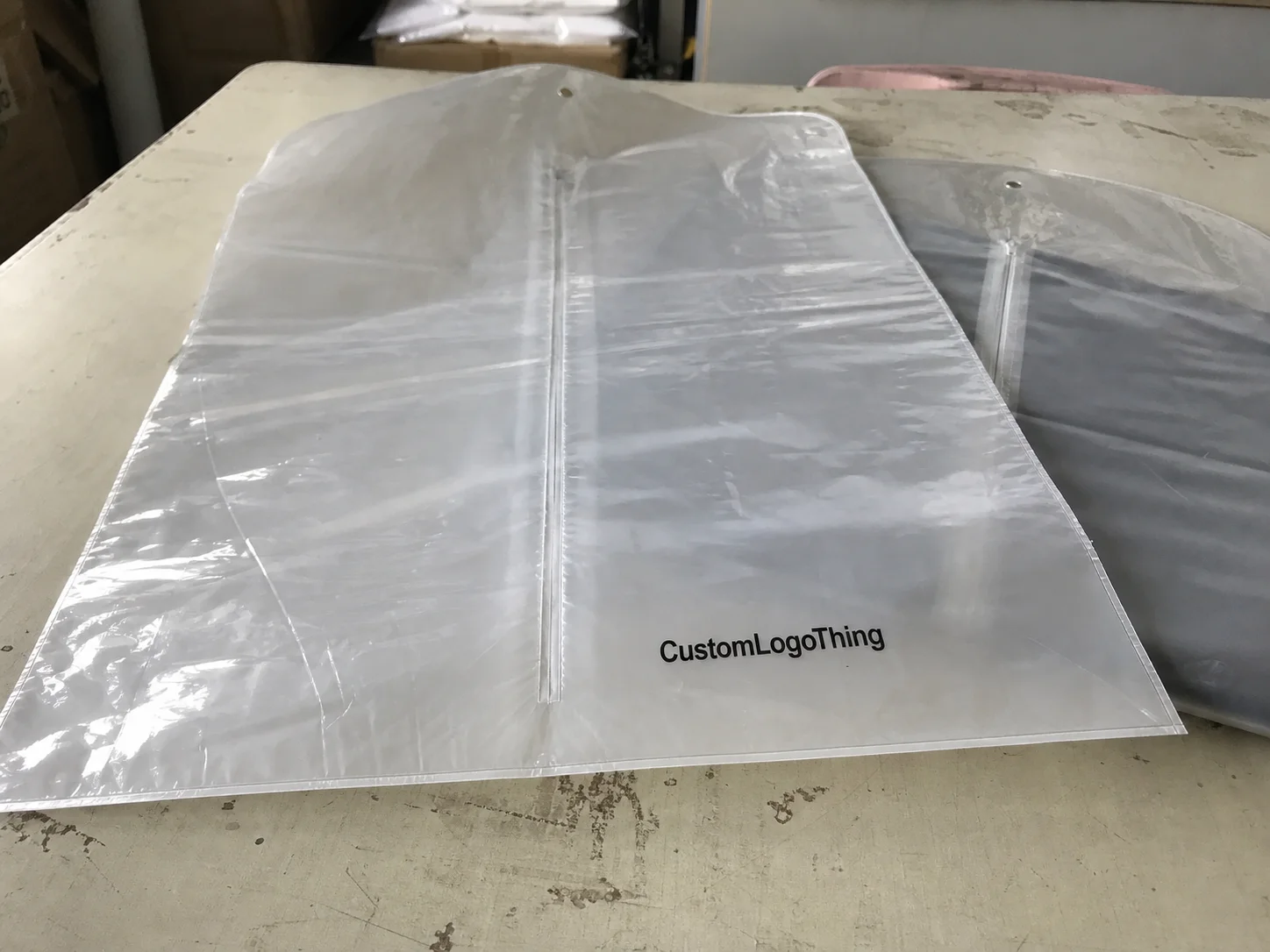
Buyer Fit Snapshot
| Best fit | Personalized Packaging for Cosmetic Business projects where brand print, material claims, artwork control, MOQ, and repeat-order consistency need to be specified before quoting. |
|---|---|
| Quote inputs | Share finished size, material target, print colors, finish, packing count, annual reorder estimate, ship-to region, and any compliance wording. |
| Proofing check | Approve dieline scale, logo placement, barcode or warning zones, color tolerance, closure strength, and carton packing before bulk production. |
| Main risk | Vague material claims, crowded artwork, missing packing details, or unclear freight terms can make a low unit price expensive after revisions. |
Fast answer: Personalized Packaging for Cosmetic Business: Artwork Proof, Packing Count, and Landed Cost should be specified like a repeatable production item. The safest quote records material, print method, finish, artwork proof, packing count, and reorder notes in one written spec.
Production checks before approval
Compare the actual filled-product size with the drawing, then confirm tolerance on folds, seals, hang holes, label areas, and retail display edges. Reserve space for logos, QR codes, warning copy, and material claims before decorative graphics fill the panel.
Quote comparison points
Review material grade, print process, finish, sampling route, tooling charges, carton quantity, and freight assumptions side by side. A quote is only useful when the supplier can repeat the same color, closure quality, and packing count on the next order.
Personalized Packaging for Cosmetic business is one of those topics people underestimate right up until sales wobble, damage claims spike, or a competitor’s box starts looking more expensive than yours even though the formula inside costs the same. I remember standing beside a small lipstick brand at a trade show in Hong Kong and watching them double their perceived value just by switching from plain mailers to printed rigid boxes with one gold foil accent. Same lipstick. Same $16 MSRP. Different checkout behavior. That is personalized packaging for cosmetic business doing the heavy lifting.
I’ve spent years on factory floors in Shenzhen, in client meetings where someone insisted a blush box needed “just one more effect,” and in supplier negotiations where a $0.06 change per unit turned into a six-figure budget fight on a 50,000-unit run. So yes, I’m opinionated about personalized packaging for cosmetic business. Packaging is one of the few parts of a beauty brand that can quietly do three jobs at once: sell, protect, and signal value. I’ve seen what works, what burns cash, and what looks pretty in a PDF but turns into a disaster once cartons hit a conveyor line in Dongguan. And trust me, conveyor belts do not care about your mood board.
Personalized packaging for cosmetic business: why it matters
Personalized packaging for cosmetic business is custom-made packaging shaped around your brand, your product, and the way customers actually buy beauty items. That can mean Custom Printed Boxes, labels, sleeves, rigid gift boxes, molded inserts, shipper cartons, or even tissue paper and thank-you cards that reinforce package branding. It’s not just decoration. It’s a business tool, and a pretty sharp one if you use it properly. For a 5,000-piece order, a printed folding carton might cost as little as $0.15 to $0.28 per unit depending on the board, coating, and ink coverage, while the same product in a rigid box can climb above $1.20 per unit quickly.
Cosmetics are brutally packaging-sensitive. Beauty buyers make fast judgments. A serum in a dull carton can feel basic, while the same serum in a well-built rigid box with a clean foil logo suddenly feels worth $18 instead of $12. That’s not magic. That’s packaging design, and it influences how customers perceive formulation quality before they ever twist the cap. I’ve watched it happen too many times to call it coincidence. In Seoul, I saw a three-step skincare line jump from mid-tier to premium simply by moving from 300gsm art paper sleeves to 350gsm C1S artboard cartons with matte lamination and spot UV on the logo.
Giftability matters too. Lip gloss, palettes, perfumes, and skincare sets are frequently bought as presents. If the outer pack feels thoughtful, buyers assume the brand is thoughtful. Then there’s social proof. Unboxing videos are basically free marketing when the package opens with a crisp pull tab, aligned artwork, and a neat insert tray instead of product rattling around like loose change in a glove box. I have personally watched a sample box make a room go quiet for three seconds because the reveal was just that satisfying. In Los Angeles and London alike, that pause has marketing value.
Here’s the practical side most founders miss: personalized packaging for cosmetic business can improve shelf presence, Reduce Shipping Damage, and make product lines easier to recognize across SKUs. If your cleanser, toner, and moisturizer all share one visual cue — a foil mark, a colored edge, a repeat pattern, or a 12mm corner icon — customers build memory faster. That matters for repeat purchase rates. It matters even more when someone sees your product for the first time next to eight other brands on a crowded shelf in a mall in Dubai or a pharmacy in Toronto.
“Pretty” packaging that breaks in transit is expensive art. I’d rather have a box with one strong finish, good structure, and a clean logo than a pile of effects that collapse after the first warehouse drop test.
Personalized packaging for cosmetic business is also about psychology. Touch matters. A soft-touch lamination on a matte carton feels different from a bare SBS board. A foil accent catches light. A snug insert makes a bottle feel intentional instead of tossed in. Customers notice these tiny details, even if they can’t explain why the product feels premium. They just know it does. Humans are weird that way, but brands benefit from it. A 0.4mm EVA insert can change that feeling more than a full-page ad campaign in some categories.
If you sell jars, droppers, tubes, palettes, compacts, serum bottles, or gift sets, the packaging has to fit both the product and the market. A 15ml glass dropper bottle needs different support than a 3-pan eyeshadow palette. A luxe holiday set needs different treatment than a mass-market lip balm. That’s why personalized packaging for cosmetic business is never just “make a box.” It’s structural, visual, and commercial all at once, and the best suppliers in Guangzhou, Shenzhen, and Ningbo treat it that way.
How personalized packaging for cosmetic business works
Personalized packaging for cosmetic business starts with the product itself. I always begin with dimensions, weight, closure type, fill level, and shipping route. If a bottle ships retail-only in a controlled environment, the structure can be lighter. If it’s going direct-to-consumer in a corrugated mailer, you need more protection. A 120ml toner bottle in a 350gsm C1S artboard carton needs a different insert than a 30ml serum in a rigid setup. Obvious? Sure. Yet I still see brands skip this step and wonder why pumps crack in transit. It’s the packaging equivalent of leaving a cake out in the rain and acting surprised.
The packaging chain usually looks like this: product dimensions, structure selection, material choice, print method, finish selection, sampling, production, and fulfillment. That sequence matters because changing one step late in the process can trigger new tooling, new dielines, or a fresh round of proofs. And yes, every small tweak is somehow expensive. A color shift on a Pantone reference, a 2mm size change, or a switch from gloss varnish to matte lamination can add days and dollars. Somehow that one tiny adjustment is never tiny to the invoice.
What can be personalized? More than most people think. You can customize the outer carton, insert trays, inner printing, labels, seals, tissue paper, postcards, and even the shipping carton. I’ve seen brands use a simple kraft mailer outside and a wildly polished inner box inside. That split strategy is smart when budget is tight because personalized packaging for cosmetic business doesn’t have to spend money everywhere. It just has to spend money where customers can feel it. A $0.22 insert card and a $0.18 printed sleeve can do more brand work than a $2.50 box if they are used well.
Artwork prep is where projects either get organized or go sideways. You need dielines, bleed, safe zones, Pantone references, barcode placement, and legal copy. Screen color is a liar. It just is. A deep navy on your monitor may print softer on uncoated paper and denser on coated SBS. The same red foil may read warm under store lighting and coppery under daylight. That’s why I always tell clients to check physical samples, not just PDFs. A proof approved in New York can still look different when it arrives in a warehouse in Singapore under 4,000K LED lights.
Factory flow is more structured than most founders expect. At our Shenzhen facility, a typical order moves through prepress review, material sourcing, printing, lamination or coating, die-cutting, finishing, quality control, then packing for shipment. If the design includes embossing or foil stamping, those plates and dies are prepared before the main run. If the carton needs specialty inserts, those are often produced in parallel. Personalized packaging for cosmetic business gets efficient only when the factory can plan every stage without guessing. A clean workflow in Shenzhen or Dongguan usually saves 1 to 3 business days compared with a rushed, back-and-forth approval loop.
Samples are not optional. I mean that. Structural mockups catch fit issues. Print proofs catch color drift. Pre-production samples show whether the box closes cleanly, whether the insert is too tight, and whether the logo sits in the right place once the carton is assembled. I once had a client approve artwork for a serum set with a gorgeous interior print. On sample day, the cap hit the insert lid by 4mm. Four millimeters. That tiny number would have cost them a full reprint if we hadn’t checked. I still remember the look on their face — the special kind of silence people get when a minor detail turns into a budget problem.
Timing depends on complexity. A straightforward folding carton can move from finalized artwork to production in about 12 to 18 business days, plus freight. A custom rigid gift box with foil, embossing, and a two-piece insert may need 25 to 35 business days, especially if the paper stock is special order. If you’re shipping from a factory in Shenzhen to a warehouse in California, ocean freight can add 18 to 28 days; air freight can cut that to 3 to 7 days, but it can also destroy your margin. Personalized packaging for cosmetic business works best when you build a schedule with buffer, not wishful thinking. Wishful thinking is a lovely hobby, just not a good operations plan.
Where does a packaging partner add value? A good one helps you choose a lower-cost substrate when it performs just as well, flags artwork mistakes before plates are made, and keeps aesthetics grounded in manufacturing reality. I’ve saved brands thousands by switching from a custom dyed paper to a standard white board with a printed wrap that looked nearly identical on shelf. On a 10,000-unit run, that kind of choice can shave $0.08 to $0.15 per unit. Same vibe. Smaller bill. Nobody cried. Well, almost nobody.
For brands comparing structure types, here’s the practical view:
| Packaging Type | Best For | Typical Strengths | Typical Unit Cost Range |
|---|---|---|---|
| Folding carton | Skincare, lipsticks, mascara, lighter retail items | Lower cost, fast production, easy branding | $0.18-$0.55/unit at 5,000 pcs |
| Rigid box | Gift sets, premium skincare, fragrance | High perceived value, sturdy structure, luxury feel | $1.10-$4.50/unit at 3,000 pcs |
| Mailer box | DTC shipping, subscription bundles | Good crush resistance, strong unboxing | $0.65-$2.20/unit at 2,000 pcs |
| Sleeve + tray | Mid-premium cosmetics, seasonal sets | Flexible branding, refined presentation | $0.40-$1.80/unit at 5,000 pcs |
That price range is real-world roughness, not a promise. Specs, board grade, finishing, and shipping lane can swing it fast. Personalized packaging for cosmetic business is never just a print quote; it’s a production system. A folding carton made in Guangzhou with a standard matte varnish and one-color print can land near the low end, while a rigid box built in Shenzhen with foil and magnet closure can sit near the top or beyond it.
Key factors that affect personalized packaging costs
Personalized packaging for cosmetic business can look cheap or expensive based on a few core choices. Material is the first one. Paperboard grade, rigid board thickness, specialty papers, recyclable board, and moisture-resistant treatments all affect price. A 350gsm C1S artboard behaves differently from a 2mm greyboard wrapped in art paper. Different job. Different cost. Different headache if you ignore it. If a supplier in Dongguan quotes you on 300gsm and your sample is actually 350gsm, that mismatch can explain a $0.03 to $0.07 per unit swing right there.
Print method is the second driver. Full-wrap printing costs more than spot printing. Add foil stamping, embossing, debossing, UV coating, or soft-touch lamination, and the price climbs fast. One hero finish can look elegant. Three hero finishes can look like the design team got bored and started adding sparkle just because they could. I’ve seen it happen. I’ve also seen the sample table look like it was auditioning for a disco. For a 5,000-piece run, foil stamping alone may add $0.04 to $0.12 per unit, depending on coverage and tooling.
Order quantity changes everything. Setup fees, printing plates, dies, and labor are spread across the run, so per-unit cost drops when volume rises. Small runs often feel unfair because a 1,000-piece order may carry similar setup work to a 5,000-piece order. That’s not the factory being dramatic. That’s math. Personalized packaging for cosmetic business rewards planning ahead and bundling SKUs when possible. A 3,000-piece order in Shenzhen can cost materially more per unit than a 10,000-piece order in Ningbo, even with the same board and same print.
Here’s a practical way to think about spend: a simple folding carton for a mascara may land under $0.30/unit in decent volume, while a rigid gift box with foil and insert might jump above $2.00/unit. Add a sleeve, premium insert, or internal printing, and the total creeps up again. This is why I keep telling brands to prioritize what customers will see and touch first. A package can do a lot, but it cannot do everything without costing you for the privilege. On a 20,000-unit launch, one extra finishing step can mean $800 to $2,400 in added packaging cost.
Common cost drivers you can control
- Box structure: folding carton, rigid box, sleeve, or mailer.
- Paper stock: standard SBS, kraft board, art paper, textured paper.
- Finishes: foil, embossing, spot UV, soft-touch lamination.
- Ink coverage: heavy flood prints cost more than sparse graphics.
- Insert style: paperboard, molded pulp, EVA foam, or velvet tray.
- Logistics: freight mode, split shipments, warehousing, and rush delivery.
Complexity matters too. If your product line includes irregular bottle shapes, multiple SKU sizes, or nested gift sets, the engineering effort goes up. So do sample rounds. A single serum bottle is straightforward. A six-piece holiday kit with a jar, dropper, tube, spatula, card, and magnet closure is a different beast. Personalized packaging for cosmetic business needs more coordination as the product gets more layered. A kit assembled in Guangzhou may require 2 to 4 extra sample checks before full production begins.
Then there’s logistics. Freight can quietly eat margin. A box that looks inexpensive on paper may become expensive after ocean delays, air freight, rework, and extra warehouse handling. I’ve watched brands save $0.09 per unit on the box and lose $0.22 per unit in rush shipping because the timeline slipped by two weeks. That’s not cost control. That’s paperwork with a hangover. A delayed vessel out of Yantian can cost more than the difference between two paper stocks.
Beauty brands also need to balance premium appearance with profit. My advice is simple: choose one or two signature premium details. Maybe it’s a foil logo and a matte soft-touch finish. Maybe it’s embossed typography on a rigid lid. You do not need every finish available in the catalog. Personalized packaging for cosmetic business should support margin, not attack it. For many brands, the sweet spot is a $0.24 folding carton plus a $0.03 insert card, not a $2.80 rigid set.
If you want a deeper supplier menu, our Custom Packaging Products page is a good place to compare box styles, inserts, and print options before asking for quotes.
Personalized packaging for cosmetic business: step-by-step process
If you want personalized packaging for cosmetic business to work without constant firefighting, follow a structured process. I’m boring about this on purpose, because the brands that skip steps usually end up paying twice. The cleanest launches I’ve seen moved from brief to proof approval in under 10 business days, then into production in another 12 to 15 business days for straightforward cartons.
- Audit your product line. List dimensions, weight, closure type, fragility, and whether each item ships retail, e-commerce, or gift-focused. A 30ml bottle and a 100ml jar are not cousins. They are different engineering jobs. Measure in millimeters, not guesses.
- Define brand goals. Decide what the packaging should communicate: luxury, clean beauty, playful, clinical, sustainable, ingredient-forward, or editorial. If the story is fuzzy, the box will be fuzzy too. A brand selling in Paris may want a different tone than one launching in Jakarta.
- Choose the structure. Compare folding cartons, rigid boxes, sleeves, mailers, tubes, and insert trays. For personalized packaging for cosmetic business, structure drives both protection and perception. A tuck-end carton with a 350gsm C1S artboard is very different from a two-piece rigid box wrapped in specialty paper.
- Select materials and finishes. Match board, coating, and decoration to budget and brand positioning. A soft-touch carton can feel expensive; a kraft carton can feel honest and earthy. Both can work. If you need moisture resistance for bath products or creams, ask for aqueous coating or a laminated finish before you approve the run.
- Build the dieline and artwork. Confirm dimensions, bleed, safe zones, barcode placement, and compliance copy. Beauty packaging is not only about looks. Regulatory text matters. Use the exact panel size from the factory in Shenzhen or Dongguan, not a guessed template from a previous product.
- Order samples. Review fit, print accuracy, durability, and how the package looks under store lighting and home lighting. A sample that looks fine on a laptop may look washed out under warm LEDs. If needed, ask for a second proof with a different paper stock before you lock the order.
- Approve production and plan inventory. Lock quantities, delivery dates, and storage needs. Packaging should not arrive like an uninvited cousin who needs a place to sleep. A 10,000-piece order can take up real warehouse space, especially for rigid boxes packed in master cartons.
- Test with customers. Run a small launch, monitor damage rates, and gather unboxing feedback. Real customers will point out details your internal team missed. If 8 out of 50 buyers mention the box is hard to open, that is a data point, not a complaint to ignore.
Artwork detail is where many teams get sloppy. You want a good dieline from the factory or your designer, then you check all the folds, glue areas, and bleed zones. Pantone matching is useful, but even with the same reference number, paper coating changes the final read. Screen color never behaves the same way on uncoated paper and coated SBS. Annoying? Absolutely. Normal? Also yes. Printing likes to keep everyone humble. A magenta that looks rich on a MacBook can land 10% duller on a matte carton printed in Shenzhen.
I had one client in Los Angeles who kept insisting the blush pink had to be exactly the same as the Instagram background. That’s not how printing works. We showed them four samples on different stocks: matte SBS, textured paper, coated art paper, and kraft. The winner was the textured stock because it made the color look warmer and the logo clearer. Not the prettiest on screen. The best in hand. That’s the point of personalized packaging for cosmetic business. In that case, a 350gsm textured stock beat a more expensive glossy board by making the tone feel more expensive, not less.
Sampling deserves respect. Structural mockups show fit. Print proofs show artwork accuracy. Pre-production samples show how the actual package behaves when folded, glued, and shipped. If you skip them, you’re basically asking the factory to read your mind. I promise, they are not psychic. Good, yes. Psychic, no. And no, sending a hopeful email does not count as quality control. A sample approval in Guangzhou today is worth more than a looks fine message sent from an office in London tomorrow.
Once production starts, the factory usually runs prepress review first, then material sourcing, printing, lamination or coating, die-cutting, finishing, QC, and final packing. If your order has multiple SKUs, expect sequencing and more hands-on inspection. Personalized packaging for cosmetic business often needs tighter QC than ordinary retail packaging because a tiny defect on a lipstick box is visible immediately on shelf. A 1mm misaligned foil logo can be enough to make a premium line feel off.
Common mistakes cosmetic brands make with packaging
The first mistake is choosing looks over function. Beautiful packaging that cracks, dents, leaks, or arrives scuffed is a refund machine. I’ve seen a $28 skincare line lose credibility because the carton corners crushed in transit. The formula was excellent. The package made it look careless. Personalized packaging for cosmetic business has to hold up physically or the branding is wasted. A box that fails after a 1-meter drop from a warehouse pallet in Ningbo is not premium, no matter how shiny the foil is.
The second mistake is ignoring box fit. Loose inserts let bottles move around. Tight inserts can damage pumps, droppers, and caps. I once watched a dropper bottle pop its top inside a rigid box because the insert hole was 1.5mm too narrow. That’s the sort of problem you only see when you actually test the sample, not when you admire the mockup from ten feet away. Packaging theory is lovely; bottle shards are not. On a 5,000-box run, a 1.5mm miss can become a warehouse headache in Guangzhou and a customer-service headache in Chicago.
Overbuying finishes is another classic. Brands stack foil, embossing, spot UV, metalized film, and soft-touch lamination on the same package, then wonder why the box feels busy and the budget smells like smoke. One strong signature detail usually works better than five competing ones. Personalized packaging for cosmetic business should feel considered, not panicked. A single foil logo on a 350gsm carton often looks more expensive than a box covered in five effects and no hierarchy.
Skipping sample approval is a mistake I still see too often. Someone signs off on a PDF, assumes the color will be close enough, and then gets angry when the final run looks different. It’s not close enough. It’s printing. Not a mood board. Review the physical sample. Every time. A $35 proof sample can prevent a $3,500 reprint, and that math is hard to argue with.
Compliance mistakes can get expensive too. Ingredients, warnings, batch codes, country of origin, and barcode placement matter. Designers may hate that sentence. Regulators do not. If you’re selling beauty products, your product packaging needs the right legal copy in the right place, or you’re creating future headaches for yourself. A tube printed in Shenzhen for the European market needs different labeling than the same product headed to California.
Lead times get underestimated all the time. Tooling, sample approval, revisions, and shipping delays can wreck a launch calendar. I’ve had brands ask for a luxury rigid box with foil, embossing, and custom inserts in less than three weeks. Could it happen? Maybe, if the stars align and everyone stops sleeping. Should you plan that way? No. I wouldn’t even recommend that approach if you paid me in espresso. A more realistic timeline is 12 to 15 business days from proof approval for simple cartons, and 25 to 35 business days for more complex rigid packaging.
Another problem: no plan for SKU growth. If your packaging only works for one bottle size, you’re trapped when the line expands. Smart personalized packaging for cosmetic business should be modular enough to handle size changes, seasonal sets, and new shades without redesigning everything from zero. A system built around one 15ml bottle and one 30ml bottle can save weeks when your line grows to five formats next year.
Expert tips to improve personalized packaging for cosmetic business
Use one signature brand cue consistently across SKUs. A foil logo, a colored edge, a repeat pattern, or a unique flap shape can do a lot of brand recognition work without adding much cost. I’ve seen brands try to invent a new visual language for every product and end up with five packages that feel unrelated. That is not package branding. That is a design committee with caffeine. Pick one cue and repeat it across your cleanser, serum, and mask cartons.
Prioritize the touch points customers actually feel. The box opening. The pull tab. The insert fit. The first reveal inside the package. These moments matter more than an overdesigned back panel nobody reads. Personalized packaging for cosmetic business is strongest where the customer interacts most. On a DTC order, a clean opening experience in the first 8 seconds often matters more than a decorative inner flap.
Test multiple paper stocks before you commit. I’ve seen a recycled board outperform a glossy stock simply because it made the logo pop harder. Cheap? No. Smart? Very. The point isn’t to chase the most expensive material. It’s to find the one that makes your brand look right at the right cost. In one Guangzhou sample round, a $0.02-per-unit standard white board beat a custom textured sheet that cost almost twice as much.
Match the package to the channel. Retail packaging needs shelf impact and fast read. E-commerce packaging needs crush resistance and efficient packing. Subscription bundles need predictable dimensions and low damage rates. Personalized packaging for cosmetic business should fit the channel, not fight it. If your product ships from New Jersey to the Midwest, a slightly stronger mailer may save more than a fancy closure ever could.
Ask for cost-saving alternatives early. If you wait until after the quote lands, you’re already behind. Try a standard board instead of a custom dyed one. Replace full internal print with a branded insert card. Switch from magnetic closure to tuck-top if the brand story allows it. Small changes can save real money, and sometimes they save sanity too. A single spec change can cut a 3,000-piece rigid box order by $1,200 or more.
Keep sustainability claims honest and specific. Say recyclable paperboard, soy inks, reduced plastic, or reusable rigid boxes only if that is true and supportable. FSC certification matters for many brands, and you can verify supply chain claims through FSC. I’ve seen brands overstate eco claims and spend months cleaning up the mess. Not worth it. If your carton uses FSC-certified 350gsm board from a supplier in Guangdong, say that. If it doesn’t, don’t imply it does.
For packaging standards and testing, I usually point people to the ISTA resource library. If your boxes are shipping direct to customers, transit testing is not optional in my book. A carton that looks great in the office may fail a drop test after one hard corner hit. That’s the reality of product packaging. A 24-inch drop from a distribution center in Dallas can tell you more than 20 minutes of staring at a render.
Build around future line extensions. If you know you’ll add shades, sizes, or seasonal editions, design the packaging system now so you don’t start over later. Personalized packaging for cosmetic business gets more efficient when the structure, graphics, and insert logic can flex without a full redesign. If your first box fits a 50ml cream and a 30ml version later uses the same dieline with one insert change, you’ve already saved time and tooling.
One more factory-floor story. In Guangzhou, I watched a deodorant brand choose a slightly heavier board — 400gsm instead of 350gsm — because the box had a long vertical panel that kept bowing. It added about $0.04 per unit on a 20,000-piece order. That tiny change fixed the shelf presentation and reduced scuffing in master cartons. Four cents well spent. That’s the kind of decision good packaging design makes.
Next steps for launching personalized packaging for cosmetic business
If you’re ready to move, start with a proper packaging brief. Include product dimensions, target audience, brand mood, budget range, compliance text, and your preferred structure. That one document can save you three rounds of confusion. Personalized packaging for cosmetic business moves faster when the supplier isn’t guessing what premium but minimal means in your head. A brief with exact sizes, for example 48mm x 48mm x 112mm, is far more useful than small, elegant box.
Get quotes from at least three suppliers using the exact same specs. Same board, same finish, same quantity, same delivery terms. Otherwise you’re comparing apples to marketing fluff. I’ve watched teams pick a quote that looked cheaper, only to discover it excluded inserts, tooling, or freight. The cheap quote was expensive with a smile. A quote from Shenzhen that includes tooling and a quote from Ningbo that does not are not comparable.
Ask for a standard option and a premium option. Often the cheaper structure with one strong finish wins on ROI. A folding carton with precise printing and a foil logo can outperform a more expensive rigid box if the product is mass-market and the margin is tight. Personalized packaging for cosmetic business should be tied to your channel and price point, not your ego. For a $14 cleanser, spending $2.80 on packaging can make the math awkward fast.
Before production, set a sample review checklist. Check fit, print accuracy, durability, opening experience, and shipping performance. Do not approve a sample while rushing between meetings. Sit down. Open it. Close it. Shake it. Put it under daylight and under warm indoor light. Boring behavior. Better outcomes. A 10-minute review can save a 10,000-piece headache.
Build a launch timeline that includes artwork revision, sampling, approval, production, and freight buffer. A good schedule should leave room for at least one revision round. If you’re running a seasonal launch, leave even more. Personalized packaging for cosmetic business always takes longer than the best-case version on paper. If the factory says 12 to 15 business days from proof approval, plan for 15 and not 12.
Use a simple scorecard to choose the final package:
- Cost: unit price, tooling, freight, and storage.
- Protection: drop resistance, scuff resistance, insert fit.
- Shelf impact: visibility, color, finish, and structure.
- Sustainability: recyclability, material source, plastic reduction.
- Customer reaction: unboxing, repeat comments, social sharing.
After launch, track damage rates, repeat orders, and unboxing feedback. If customers love the look but complain about opening difficulty, fix that. If cartons arrive dented, strengthen the structure. If the box is too expensive for the margin, simplify it. Personalized packaging for cosmetic business should evolve based on real numbers, not team nostalgia. A 2% damage rate in July can reveal more than a dozen internal opinions.
I’ve seen too many brands treat packaging as decoration. That’s lazy thinking. Packaging is part of the product experience, part of shipping protection, and part of brand memory. When it’s done right, it makes your formula look smarter, your shelf presence stronger, and your business easier to remember. That’s why personalized packaging for cosmetic business deserves the same attention as the formula inside. A well-built carton made in Shenzhen or Dongguan can influence the sale before the customer even smells the product.
If you’re working on personalized packaging for cosmetic business right now, start with structure, finish with discipline, and keep the quote sheet honest. Fancy is nice. Profitable is better. A package that costs $0.18 to make and helps sell a $16 product is worth more than a flashy box that eats margin.
What is personalized packaging for cosmetic business in simple terms?
It means custom boxes, labels, inserts, sleeves, and finishes made to fit your cosmetic product and your brand. The goal is to improve protection, shelf appeal, and unboxing at the same time. Good personalized packaging for cosmetic business supports both marketing and shipping, whether the order is 500 units or 50,000 units.
How much does personalized packaging for cosmetic business usually cost?
Cost depends on the material, print method, finishes, order quantity, and box style. Simple folding cartons usually cost less than rigid gift boxes or multi-piece sets. For example, a 5,000-piece run of a folding carton can land around $0.15 to $0.35 per unit, while a rigid gift box with foil, embossing, and insert can move above $1.50 per unit quickly.
How long does the packaging process usually take?
Timeline depends on sampling, artwork approval, production complexity, and freight method. Simple projects move faster than custom rigid boxes or packaging with specialty finishes. A typical schedule is 12 to 15 business days from proof approval for straightforward cartons, while more complex rigid packaging can take 25 to 35 business days before shipping.
What packaging style works best for cosmetic products?
The best style depends on whether you sell in retail, online, or as a gift set. Folding cartons work well for lighter retail products. Rigid boxes and inserts are better for premium sets and fragile items. A 350gsm C1S artboard carton is often a practical fit for skincare, while a 2mm greyboard rigid box suits higher-end sets.
How do I make personalized packaging for cosmetic business feel premium without overspending?
Pick one or two signature premium details instead of adding every finish available. Use strong structure, clean typography, and consistent brand colors first. Invest in the parts customers touch most: opening, fit, and the first reveal. In many cases, a matte laminated carton with one foil logo outperforms a heavily decorated box that costs twice as much.