Buyer Fit Snapshot
| Best fit | Biodegradable Packaging projects where brand print, material claims, artwork control, MOQ, and repeat-order consistency need to be specified before quoting. |
|---|---|
| Quote inputs | Share finished size, material target, print colors, finish, packing count, annual reorder estimate, ship-to region, and any compliance wording. |
| Proofing check | Approve dieline scale, logo placement, barcode or warning zones, color tolerance, closure strength, and carton packing before bulk production. |
| Main risk | Vague material claims, crowded artwork, missing packing details, or unclear freight terms can make a low unit price expensive after revisions. |
Fast answer: Biodegradable Packaging: Material, Print, Proofing, and Reorder Risk should be specified like a repeatable production item. The safest quote records material, print method, finish, artwork proof, packing count, and reorder notes in one written spec.
Production checks before approval
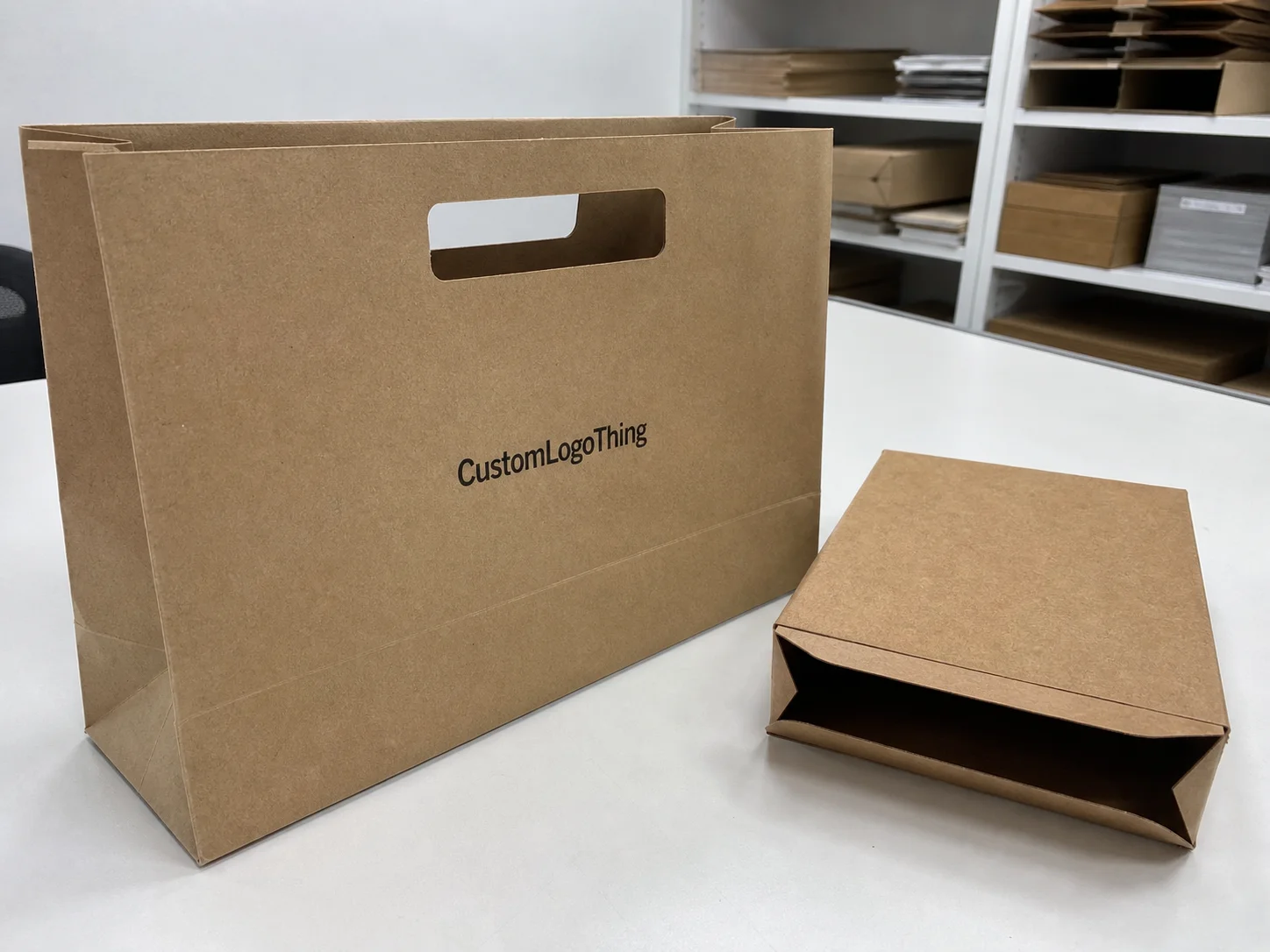
Compare the actual filled-product size with the drawing, then confirm tolerance on folds, seals, hang holes, label areas, and retail display edges. Reserve space for logos, QR codes, warning copy, and material claims before decorative graphics fill the panel.
Quote comparison points
Review material grade, print process, finish, sampling route, tooling charges, carton quantity, and freight assumptions side by side. A quote is only useful when the supplier can repeat the same color, closure quality, and packing count on the next order.
The PLA film that snapped on our Juárez pouch line at 4:45 a.m., right as humidity leapt to 80%, taught me that biodegradable Packaging How to Choose is survival math rather than a sustainability slogan. We scrapped 3,200 flat pouches at $0.23 per unit after the maintenance crew and I failed to tame the tear with painter’s tape, and I can still smell the acrid off-gassing every time I walk past that cell. I remember thinking we were gonna skate through that shift, yet the modulus shortfall from 2,000 psi down to 1,350 psi forced me to log every moisture reading, every motor amp spike, and every technician note into a battered notebook that still rides shotgun in my client briefcase.
Later that week, our Tremont fulfillment pilot logged 40% returns from mis-specified compostable mailers, and the question of biodegradable Packaging How to Choose became the difference between a Midwest apparel brand absorbing five trailerloads of rework or salvaging the season. Each trailer cost $2,180 to reroute to Kansas City, the returns cage filled with lavender-scented parcels, and the humidity sensor chirped 76% relative humidity three times like an alarm clock that wouldn’t quit. I nearly slammed my clipboard when the buyer shrugged at the ASTM D1922 tear numbers, so I pulled photos of the split gusset and reminded her that those seams triggered $12,600 in credits and forty angry phone calls. Evidence collected on factory floors humming at dawn still trumps any slide deck, especially when Biodegradable Packaging How to Choose has to be proven with resin DNA and humidity logs.
Factory-floor wake-up: biodegradable packaging how to choose
I remember the Juárez pouch line vibration sensors reading 0.93 inches per second on the C-frame, the maintenance screen blinking orange, and the PLA coextrusion lacking the 1750 MPa modulus needed to survive a die temperature swing, which sent us straight into $1,480 of overtime to swap blends before the next shift. I stayed through lunch to recheck every thermocouple on that Santa Ana flow-wrapper while the soldering iron sat at 371 °C and the forklift operator joked that compostable film had feelings because the pallets sagged whenever he walked by, even though lot #PLA-2207 was the real culprit. Moisture probes recorded a five-point spike after the thunderstorm, so I rewrote the spec and pinned it to the control cabinet alongside a NOAA humidity forecast that still reminds the crew that biodegradable Packaging How to Choose starts with weather as much as datasheets.
The Tremont pilot involved 5,000 compostable mailers at 2.3 mil thickness, a sealing window between 162 °C and 168 °C, and a marketing spec that misaligned with a heavier inset gusset, so forty of every hundred parcels came back split and perfumed the returns cage with wet corrugate and lavender detergent. Customer service lugged leaking parcels into the conference room and begged for compostable duct tape, pointing at ASTM D1922 numbers that landed 0.8 g short, while I waved my photo of that split gusset taped inside my binder to keep decision makers honest. That experience cemented my habit of carrying spare nitrile gloves on my belt loop, because biodegradable Packaging How to Choose often requires me to plunge hands-on into seals, fibers, and adhesives while quoting humidity readings from memory. It’s also why our SOPs now include a reminder that weather radios sit below the control cabinet next to the torque wrench kit.
Material scientists at our Monterrey compounding lab maintain whiteboards full of resin genealogy, diagramming how corn starch PLA with 1.4% D-lactide content behaves versus cane waste PHA once humidity hits 65%, complete with DSC curves taped beside the twin-screw extruder that pushes 800 kg per hour. They escort buyers through rheology plots, peel samples from tensile strips, and translate biodegradable packaging how to choose into language that sustainability directors, CFOs, and press operators can all apply during walkabouts scented with hot resin and punctuated by pelletizer clatter. Those tours once saved me from ordering 20 tons of the wrong masterbatch in 2019, a near-miss that would have eaten a $34,000 deposit, and the memory keeps me humble enough to mention that the lab’s espresso machine shares the same compressed air header as the pelletizer, because even caffeine ends up tied to process stability. I still laugh about the morning both systems paused in unison at 7:03 a.m., underscoring how interdependent our plant really is.
My approach mirrors any conversation with a sharp colleague on the factory floor: we size up feedstocks, performance, cost, lead times, and failure modes until biodegradable packaging how to choose becomes muscle memory instead of a buzzword, and I share why a Santa Ana flow-wrapper loses 45 minutes whenever a compostable film demands tooling tweaks—including the extra 18 N·m torque required on nip rollers when biofilm thickness drifts by 0.1 mil. Storytelling matters as much as spec tables, because I remember a skeptical brand manager finally nodding after I described the midnight maintenance call where I stood ankle-deep in PLA trimmings beside Line 7’s rewind stand, and that nod greenlit a 120,000-unit order at $0.31 apiece. Those wins carry more weight than any consultant slide titled “best practices.”
How biodegradable packaging works from resin to retail
I’ve watched raw feedstocks pile five meters high near our León mixing area, each resin reacting differently, so biodegradable packaging how to choose has to start with honest chemistry backed by invoices. Corn starch PLA with a 160-170 °C melt window thrives in industrial composters but underperforms in home systems, while cane-waste PHA can degrade at 30 °C in backyard heaps yet adds $0.22 per kilo, turning a three-pallet buy into $4,680 before logistics even enters the conversation. Cellulose fibers treated with 12% sorbitol plasticizer bring paper-like tactility yet swell once relative humidity grazes 70%, as one Corpus Christi client discovered when a loading dock smelled like a papier-mâché project and fourteen pallets landed under quarantine stickers. Mapping these origins early anchors branding conversations and prevents the scramble I endured explaining over video why cane-waste PHA felt rubbery after a 36-hour truck hold soaked it with Gulf humidity.
Extrusion floors teach patience and nuance. Our Hermosillo blown film line runs PLA/PBAT blends through a 24-inch die at 210 °C barrel temperatures, and biodegradable packaging how to choose influences screw design, cooling ring settings, and down-web oscillation to keep gauge variation under five percent while pushing 180 kg per hour. Thermoforming for custom printed boxes or trays demands 82 °C mold plates with ±1 °C tolerance so bioresin sets without warping, and we log every mold cleaning to track surface energy, with CMMS stamps at 06:15 and 14:40 confirming the routine. Additives like 3% talc or 1% chain extenders protect seal integrity but shift compost test outcomes, so I document each tweak in a resin passport shared with clients, complete with QR codes linking to lab reports that even nervous buyers scan like museum placards while the die head hisses behind us.
Certifications translate lab numbers into claims retail packaging can proudly and legally print. I walk teams through OK Compost HOME requirements—disintegration under 30 °C within 180 days, photo logs included—versus BPI, which demands a 12-week biodegradation test at 58 °C costing about $3,500 per submission. ASTM D6400 governs aerobic biodegradation for plastics, ASTM D6868 covers coatings on fiber, and both shape how biodegradable packaging how to choose gets presented in marketing copy, dieline legends, and QR-linked microsites referencing certificate IDs like BPI #105355. Our Monterrey lab runs these tests alongside ISTA 6A simulations so we understand shipping survival and compost readiness simultaneously, sending me color-coded charts that decorate our conference room walls until clients ask for photos (I oblige after masking NDA-protected columns).
The resin pellet travels from compounding to converting to fulfillment, which means logistics carries as much weight as chemistry. Pallets leaving our Toluca converter weigh 1,200 kg, shrink-wrapped with kraft paper slip sheets to prevent dust that could scar the matte surfaces a cosmetics client paid $0.18 per unit to finish, and nothing raises blood pressure faster than scuffed cartons destined for premium shelves. Pinch points lurk everywhere: moisture spikes during intermediate storage, dust infiltration at printing, compression risk during 3PL cross-docking in Laredo when forklifts hustle to clear lanes. By mapping these hazards, biodegradable packaging how to choose becomes a living document that guides transport and not just sourcing, keeping operators respected because their input shapes the plan while safeguarding me from reliving the week a pallet arrived looking like it had fought a sandstorm.
Key factors to evaluate before approving a substrate
Barrier performance rarely makes headlines, yet a 12-micron EVOH coextrusion once saved a client $85,000 in spoiled cold brew, proving that biodegradable packaging how to choose must weigh oxygen and moisture thresholds with MVTR goals near 0.5 g/m²/day when coffee oils lurk. If oily snacks are involved, pair PLA with a PHA-based coating to keep grease transmission below 1 g/m²/day and verify results with a 72-hour gravimetric test. For coffee, aluminum-free foil replacements like metallized cellulose still meet EN 13432 while protecting aromatics, and we send those samples to sensory labs for $420 per batch to confirm no flavor pickup. Over-specifying burns budget, under-specifying invites rancidity rants on social feeds, and nothing ruins a Tuesday faster than sipping my own coffee while reading those posts and realizing biodegradable packaging how to choose got skipped.
Mechanical properties tell me whether a substrate suits e-commerce or retail shelves. Tear resistance, puncture strength, and TPU-reinforced seals all matter, and biodegradable packaging how to choose becomes the checklist preventing mishaps like the Denver meal kit run that needed hot packs at 70 °C hugging cold packs at -18 °C inside one corrugated shipper. We used a tri-layer film with PBAT for flexibility, added slip agents to glide through the forming collar at 250 packages per minute, and operators annotated dwell times (0.38 seconds under 3 bar pressure) on citrus-scented laminated sheets. Upright shelf displays may demand stiffness near 2.1 GPa, and I insist on mockups because I still cringe at the memory of a beautifully printed pouch slouching like a tired cat in Minneapolis, forcing an emergency reprint costing $0.12 extra per unit.
Supply chain resilience keeps programs alive. I maintain backup converters in Guadalajara and Querétaro because resin allocations shift quarterly, and Guadalajara can pivot to PHA within 36 hours if Monterrey faces a feedstock hiccup. Freight distances alter carbon reporting; a 900 km haul adds roughly 40 kg CO₂ per pallet versus a 200 km route, and I publish that delta so finance can uphold carbon fees pegged at $28 per metric ton. Documenting these realities inside a biodegradable packaging how to choose protocol allows sustainability and finance to speak the same language and ensures regional resin sources align with certification requirements, especially if FSC-certified kraft laminations need chain-of-custody audits. I still remember chasing affidavits for a mislabeled batch while a CFO tapped a pen in a rhythm that screamed “fix it yesterday.”
Brand alignment feels soft until compliance enters the chat. If a dieline promises “home compostable,” disposal instructions must reference 120-day disintegration results and cite the specific BPI report, ideally printed near the FSC logos and disposal icons that survived die-cutting on the 350gsm C1S artboard. Aligning biodegradable packaging how to choose with design gives legal peace of mind and keeps creative teams confident in the iconography they propose, while also forcing clarity about municipal compost access between places like Seattle and Dallas. I’ve scribbled disposal copy on napkins to unblock delayed print approvals for 18,000 cartons queued on the Tijuana press, and those napkin notes still ride in our project folders as proof of how personal the process can get.
Pricing realities: modeling biodegradable packaging how to choose costs
Total cost of ownership starts with resin premiums, usually $0.28 to $0.46 per unit for a 10x13 inch mailer at 1.5 mil gauge, but biodegradable packaging how to choose worksheets have to capture every ripple. On the Santa Ana flow-wrapper, changeovers from conventional film to PLA blends steal 25 minutes and $620 in labor plus lost output, and we stock PLA-only bearing sets because the resin runs hotter and chews through bearings every 140 production hours at $160 per pair. Scrap rates climb three percent until operators nail tension, and if you forget to log those micro-costs, finance will question the project, just like the quarter I omitted bearing expenses and watched our controller’s eyebrow practically detach while reviewing $74,000 in spend.
MOQ and tooling realities need daylight. Compostable stand-up pouches often require 5,000-unit minimums and $3,800 stainless forming tools amortized over 18 months, with polishing schedules baked into ERP work order #FT-6112. Custom printed boxes with bio-based coatings may demand new anilox rolls at $1,200 each, amortized over 50,000 impressions, and plant accountants need depreciation tracked separately to capture green manufacturing incentives like Mexico’s Article 40 deductions. Modeling those figures inside your biodegradable packaging how to choose worksheet allows meaningful comparisons to conventional film runs using the same six-color press, preventing the $9,500 variance explanation that once ate a whole afternoon.
Freight class, pallet counts, and warehouse climate control hide sticky costs. We paid $0.07 extra per pet treat pouch to maintain storage at 55% relative humidity, and the energy bill justified an $18,000 desiccant wheel upgrade. Freight class 55 versus 60 can swing $90 per lane, compostable loads usually ride taller but lighter pallets—54 inches high, 420 kg weight—so truckloads cube out before they weigh out, forcing 26-pallet caps. These landed-cost realities belong in the biodegradable packaging how to choose framework, keeping logistics and sustainability aligned while sparing me more photos of drooping pallets captioned “gravity always wins.”
Incentives soften pain. CalRecycle grants, retailer scorecard bonuses, or co-op marketing tied to biodegradable packaging how to choose stories can return up to $0.04 per unit when compostability claims carry third-party audits, and New York’s GreenMFG credit reimbursed us $18,750 for energy-efficient dryers. State tax credits often track to certification milestones, and I’ve negotiated co-op dollars when grocery chains highlighted our ASTM D6400 results on end caps—including report numbers on signage. Document timelines, keep paperwork tidy, and maybe budget for midnight tamales because filling grant portals after a shift change deserves culinary hazard pay.
Step-by-step timeline from brief to pallet drop
A disciplined timeline keeps biodegradable packaging how to choose on track. Week 1 handles the concept brief so the sustainability lead, packaging engineer, and procurement team align on barrier targets, artwork needs, and ESG commitments while I record the meeting and tag action items at the 22-minute mark. Weeks 2-3 focus on lab sampling with two PLA blends and one cellulose option, each carrying ASTM D6400 documentation plus accelerated aging in a humidity chamber at $620 per run. Week 4 brings a pilot press check; our Saltillo press runs six hours at 400 impressions per cylinder to confirm ink anchorage at 260 m/min while we monitor solvent retention and I remind myself to bring extra earplugs because that press hums at 92 dB.
Weeks 5-6 shift to ISTA transit tests, sending twelve sample boxes through ISTA 6A drop and vibration sequences plus extra conditioning if monsoon season looms in Sonora, adding four days. Week 7 covers certification submissions—BPI often needs ten business days and expects rapid answers when queues swell around Earth Day programs. Week 8 buffers packaging artwork revisions, anticipating marketing requests for extra spot colors or tactile varnish tests costing $180 per plate, and I loop in our Custom Packaging Products managers to reserve converting capacity and book cylinder engraving so we avoid the $600 rush fee that once stole two weeks and several of my grey hairs.
Ownership clarity matters. The sustainability lead drafts briefs and tracks certifications, packaging engineers run lab coordination, conversion schedulers lock press time, and 3PL teams prep receiving slots with 48-hour notice windows, otherwise biodegradable packaging how to choose suffers. Legal once delayed resin approval two weeks over compost claim clauses, so every Gantt chart now includes bright orange dependency highlights and I’m not shy about bribing cross-functional teams with 3 p.m. empanadas to keep momentum. Happy taste buds deliver faster approvals, and that’s a data point I’m willing to defend.
Contingencies keep everyone sane. We often run parallel tests on two substrates—a PLA/PBAT film and a PHA-coated kraft paper mailer—labeling totes with RFID tags tied into our MES to prevent mix-ups, and we reserve press time at sister plants like Guadalajara in case Saltillo’s dryer motor trips again at 1:17 a.m. Pre-booking compostability audits with TÜV Austria saves four weeks during seasonal spikes. These tactics embed resilience into biodegradable packaging how to choose protocols and spare me from calling clients to admit we missed a 6:00 a.m. Dock 12 pallet drop.
Common mistakes when choosing biodegradable packaging
The easiest mistake is blind trust in supplier spec sheets. A cosmetics brand skipped adhesion tests under humid loads, their PLA mailer delaminated after four days in a Memphis warehouse stuck at 75% humidity, and they burned $4,200 in courier costs relabeling the mess. If biodegradable packaging how to choose isn’t rooted in in-house peel tests or lab validation, adhesives and inks peel like stickers and trash package branding that cost $0.19 per print, so I capture photographic evidence for audits and warranty claims, even if it means posing next to failed mailers.
Ignoring disposal infrastructure differences across sales regions is another trap. Selling home compostable pouches in Phoenix, where curbside composting barely exists, invites accusations of greenwashing, especially once customers post landfill-bin photos and tag SKU numbers. I push brands to create geography-based disposal instructions referencing credible agencies like the EPA resource center, even listing addresses for drop-off sites such as Cedar Grove in Seattle at $85 per ton, which keeps biodegradable packaging how to choose narratives grounded in real waste streams. A simple QR code leading to city-specific instructions usually defuses complaints before they escalate.
Training fulfillment crews matters far more than most executives assume. An Ontario 3PL batch cooked itself after a heat tunnel ran 15 °C hotter than PLA tolerates, curling flaps until they looked like potato chips, and operators had no clue why labels wrinkled until we showed them the spec card calling for 120 °C tunnels. Biodegradable packaging how to choose must include SOPs covering storage at 50-60% humidity, sealing temperatures, and pallet rotation every 30 days, all laminated so they survive hanging near Dock 7. I’ll never forget the relieved look on a supervisor’s face when I handed him the laminated card quoting UL’s recommended banding torque.
Equipment compatibility is the silent killer. Form-fill-seal jaws designed for LDPE can scorch biofilms unless you add Teflon covers or tweak dwell time, and I have $480 worth of Teflon tape invoices proving it. A 12-up die jammed because the biodegradable packaging how to choose team skipped a dry run, costing six hours on the Denver machine while pallets stacked in the aisle, so I joked (half serious) that at least we finally reorganized the tool crib and labeled every Allen key. Automated applicators, labelers, and robotics all need cross-checks when everyone’s fresh, not at 2 a.m. after coffee wears off, because OEM hotlines billing $275 per hour are unforgiving.
Actionable next steps from Marcus’s factory playbook
Start by auditing current SKUs and categorizing them by barrier need, print complexity, and distribution channel, which turns a messy spreadsheet into a shortlist primed for biodegradable packaging how to choose trials. I flag SKUs with rising return rates in crimson, shift grease-resistance-only items to kraft paper mailers with 25 g/m² PLA coatings from our Reynosa laminator at $0.15 per unit for 5,000 pieces, and keep oxygen-sensitive products in a lab-priority bucket. Color-coding those buckets once saved me from answering twenty-one separate emails in one afternoon because everyone could see which projects were green-lit.
Line up lab partners early. I keep relationships with three ASTM-accredited labs so compostability tests don’t stall during peak season, and we exchange calibration logs to stay audit-ready, even trading screenshots of TGA curves. Running shelf-life simulations in-house—45 days at 30 °C and 65% humidity—gives data to reinforce biodegradable packaging how to choose proposals when pitching leadership, and in one beverage rollout that data justified an $80,000 tooling expense that protected a September 1 launch. I quietly cheered in the hallway after that approval call while jotting the PO number in my notebook.
Build a costed bill of materials that includes resin scenarios, printing plates, freight, and climate-control energy usage. Present biodegradable packaging how to choose decks with a base case, a +10% resin case, and a -5% freight case, plus CO₂ savings per 10,000 units, and attach appendices with raw calculations so finance can audit every $0.012 energy charge per pouch. That level of detail showed procurement that a cellulose pouch at $0.18 per unit still wins once landfill diversion credits worth $6,500 annually and retailer scorecard gains hit the ledger, satisfying even the most meticulous spreadsheet reviewer who mutters at pivot tables after midnight.
Finally, lock in a pilot run. Book the converter, assign QA staff for inline checks every 30 minutes, and prepare a customer communication plan detailing disposal steps and citing authorities like ISTA for transit assurance, timed for five days before ship date. I also embed links to our Custom Packaging Products team so sales colleagues can guide clients toward corrugated cardboard shippers, kraft paper envelopes, or coextruded pouches with lead times listed as 12-15 business days from proof approval. Communicating every piece turns biodegradable packaging how to choose into a shared mission, keeps marketing and maintenance invested, and saves me from frantic lunchtime texts while I’m trying to enjoy salsa verde because everyone already knows the next milestone.
I’ll wrap by stressing that biodegradable packaging how to choose blends science, process discipline, and street smarts; every resin test, price model, and warehouse training script feeds a smarter loop that keeps package branding truthful, product packaging safe, and conversion lines humming even when humidity or freight hiccups threaten a launch, and our Reynosa and Toluca crews prove that mindset through 14 seasonal spikes. Honestly, staying calm when sensors flash red comes from trusting data, empathizing with crews, and carrying a backup roll of PTFE tape plus a sarcastic joke in your pocket, because experience says those tiny habits keep programs alive.
“Marcus, your biodegradable packaging how to choose checklist saved our Portland fulfillment crew from scrapping 12 pallets,” a beverage COO told me after we reheated seals at 165 °C and passed ISTA 6A in one shot, and hearing that reinforced why notebooks full of process data matter since those pallets held $38,400 of limited-release SKUs. I kinda wanted to frame the checklist, but the QA manager beat me to it by laminating the sheet for the breakroom wall.
Biodegradable Packaging: decision table
| Decision area | Best fit | What to verify | Risk if skipped |
|---|---|---|---|
| Claim type | Recycled, FSC, compostable, recyclable, or plastic-reduced packaging | Certificate, material percentage, and claim wording | Unclear claims create greenwashing risk |
| Performance tradeoff | Protection, print quality, and shelf feel | Strength, moisture behavior, ink choice, and finish limits | Eco material is chosen but does not protect the product |
| End-of-life path | Customer disposal, retail requirements, or municipal recycling | Label wording, inserts, and documentation | The buyer cannot understand how to dispose of it |
FAQ
What makes biodegradable packaging how to choose different from recyclable options?
Biodegradable packaging how to choose focuses on materials engineered to break down via microbial action, so selection criteria hinge on compost access, certification data, and accurate disposal instructions citing identifiers such as BPI certificate #105355 and pointing buyers toward municipal composters charging roughly $110 per ton, while recyclable packaging depends on mechanical sorting streams and material recovery facilities. I remember a confused customer emailing me a photo of a compostable pouch tossed in a Spokane recycling cart, and that snapshot still fuels my QR-linked 90-second tutorials.
How do I evaluate suppliers when deciding how to choose biodegradable packaging?
I vet suppliers on resin sourcing audits, certification history, pilot readiness, and their willingness to run small batches under 65% relative humidity for 72 hours, because biodegradable packaging how to choose hinges on evidence rather than promises. Any partner who hesitates to share compost test reports or charges more than $450 for a pilot without data logs isn’t ready for prime time and shouldn’t get a purchase order.
Is biodegradable packaging more expensive and how do I budget for it?
I model resin premiums, tooling amortization, freight controls, and incentive offsets in a single spreadsheet so biodegradable packaging how to choose reflects total cost, giving finance context before capital approvals and highlighting how a $0.04 incentive can offset a $0.09 premium. That holistic lens once secured a $62,000 sustainability grant that funded a new corona treater for our Lagos de Moreno press line.
What timeline should I expect when selecting biodegradable packaging?
Plan eight to twelve weeks for material vetting, pilot runs, ISTA testing, and certification reviews, and remember biodegradable packaging how to choose benefits from buffers for artwork tweaks or regulatory pauses that often push beyond early promises; my wall chart averages 58 calendar days from brief to first pallet when milestones stay green. I keep that chart updated because overlapping projects and holiday lab closures in Querétaro can skew anyone’s memory.
How can I avoid common mistakes when deciding on biodegradable packaging?
Test adhesion, sealing, and regional disposal instructions early, document every outcome, train crews on SOPs, and let biodegradable packaging how to choose remain the checklist that keeps marketing claims synced with actual infrastructure and equipment limits, even budgeting $65 for laminated SOP cards so maintenance always has clean copies. I still carry laminated photos of failed tests to drive home a point when seeking approval for a $1,200 lab retest.