Cosmetic packaging can be well designed and still feel incomplete if the tag stock, ink, or finish works against the rest of the package. Buyers searching for Branded Hang Tags for cosmetics brands sustainable material options are usually trying to solve more than one problem at once: shelf appeal, ingredient messaging, compliance copy, and a cleaner material story that does not feel forced.
That pressure is real. A hang tag may be the first place a shopper notices a shade name, a clean-beauty claim, a gift message, or a recycled-content statement. It also sits at the intersection of branding and operations, which is why a tag spec that looks good in a mockup can fail once it meets retail handling, co-packing, or shipping. For cosmetics teams, Branded Hang Tags for cosmetics brands sustainable material options are not a side detail. They are part of the packaging system.
What sustainable hang tags actually mean for cosmetics packaging
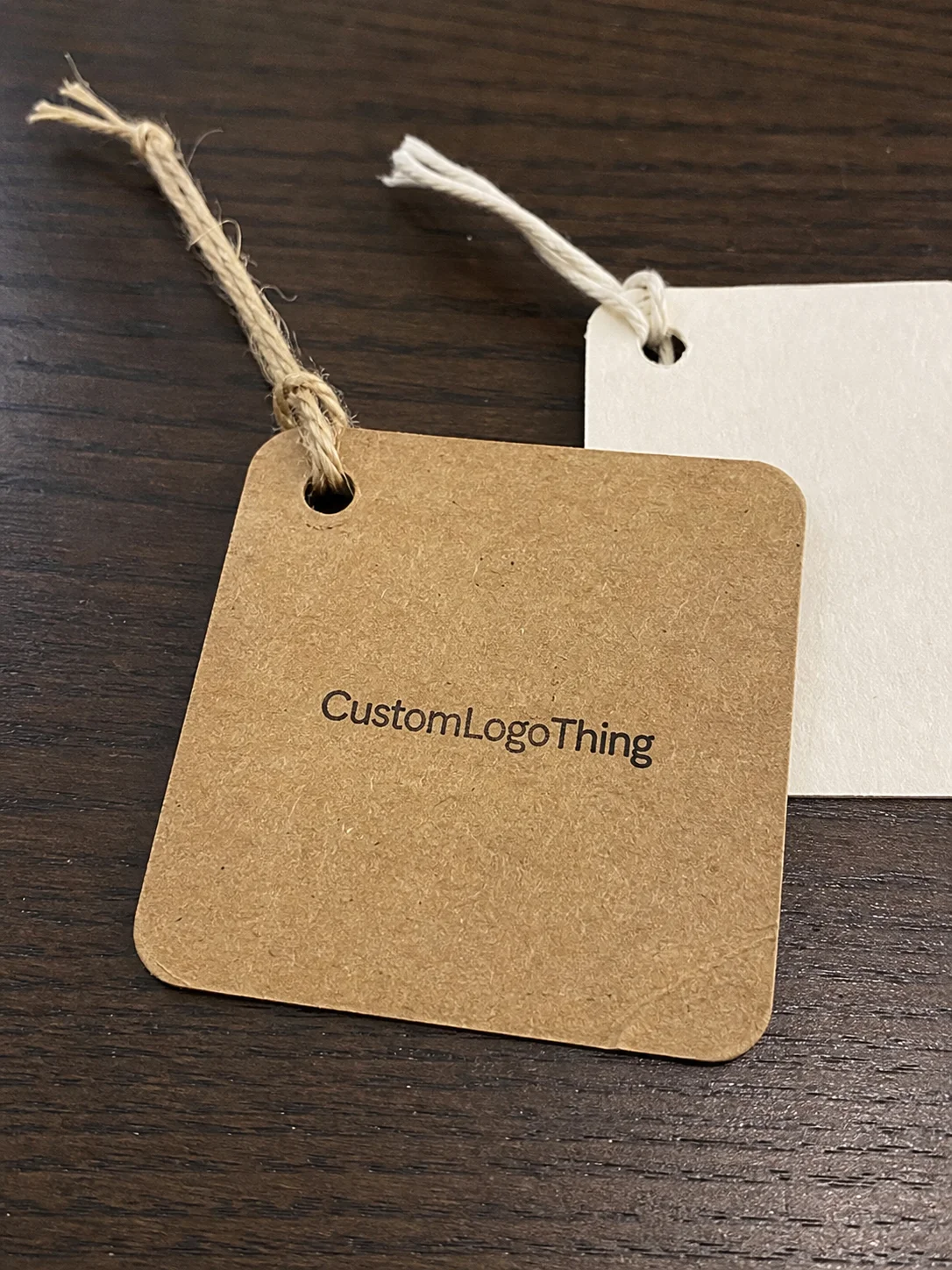
In production terms, “sustainable” usually means a small set of concrete choices: recycled paper, FSC-certified stock, tree-free fibers such as cotton, hemp, or bamboo blends, and print systems that avoid heavy plastic coatings. It can also mean using a lighter paper weight, reducing trim waste through a simpler die shape, or choosing assembly methods that do not introduce mixed materials unnecessarily.
That said, recycled content alone does not make a tag a good fit. A paper can be made with post-consumer waste and still be too flimsy for neck-hung packaging, too rough for fine type, or too absorbent for the brand’s color palette. If the design relies on foil, soft-touch lamination, or a complicated shape that creates excess waste at the die line, the environmental story weakens quickly.
Cosmetics brands use tags for practical reasons as much as visual ones. They may need to hold ingredient highlights, a dermatology claim, refill information, batch references, or a seasonal gift message. In a crowded shelf set, those details help a product feel deliberate rather than generic.
If the line extends into cartons or secondary packaging, the tag should belong to the same system. Matching the paper tone, print discipline, and finishing language across tags, labels, and outer cartons gives a range more credibility than one “eco” piece dropped into an otherwise disconnected package. For teams comparing formats, our Custom Labels & Tags page can help show how tag specs fit into the broader packaging mix.
A tag does not need to shout “eco” to read as responsible. The strongest choice usually looks premium, prints cleanly, and still keeps the material path straightforward.
How materials, finishes, and print methods change the result
The paper substrate drives much of the final character. A cosmetic hang tag might use 300gsm recycled kraft board for a natural, earthy look, or 350gsm FSC-certified cover stock for a smoother premium finish. If the brand wants a softer tactile feel without a plastic film, an uncoated premium sheet often works well, especially for skincare, fragrance, and clean-beauty lines.
Secondary components matter too. Hole reinforcement, string, eyelet, and fastener choices can change both the look and the end-of-life behavior. A tag with a plastic-reinforced hole or a synthetic cord may be harder to recycle than a tag held with paper string or cotton tie. Small choices like that are easy to ignore in artwork review and hard to fix once production is booked.
Here is a practical comparison of common directions for Branded Hang Tags for cosmetics brands sustainable material options:
| Material option | Typical look and feel | Print behavior | Sustainability profile |
|---|---|---|---|
| Recycled kraft paper | Natural, earthy, visible fiber texture | Good for bold type; lighter colors may soften | Often uses post-consumer waste and reduced bleaching |
| Uncoated premium stock | Clean, soft, and more upscale | Strong ink holdout and good readability | Can be FSC certified and widely recyclable |
| Cotton or hemp blend | Tactile, artisanal, natural luxury | Best with simple layouts and controlled ink coverage | Tree-free fiber story, but sourcing can vary by region and run size |
| Bamboo blend stock | Smooth with subtle natural character | Usually prints well, depending on coating and caliper | Useful for brands wanting a distinct fiber story |
Print method changes the equation as well. Digital printing is often the better fit for shorter runs, late-stage artwork changes, and SKU-specific variable data. Offset printing usually gives tighter color consistency across larger quantities, especially when a brand needs matching across multiple batches or a full product family. Ink coverage matters too: heavy solids can stretch dry time, alter the feel of an uncoated sheet, and complicate certain recycling claims if the design is too saturated.
Finishes should be chosen with a similar level of caution. A matte aqueous coating can offer protection without the plastic feel of full lamination. Embossing and debossing add tactile value without adding a film layer. Foil can still have a place, but small accents tend to age better than broad foil fields, especially on packaging that is trying to communicate restraint or environmental care. Soft-touch coating feels luxurious, yet it is not automatically the right answer if the goal is to keep the tag simple and easy to process.
Distribution testing logic applies here too. A hang tag does not face the same abuse as corrugated shipper packaging, but it still has to survive handling, attachment, and retail display. The International Safe Transit Association has useful resources on transit testing at ISTA, and the mindset is helpful: specify for real use, not only for the render.
Cost and pricing factors for sustainable hang tag programs
Pricing usually comes down to a short list of variables: stock grade, sheet size, run length, print sides, specialty finishes, die-cut complexity, and any assembly step such as stringing or collating. A simple one-color tag on recycled paper can stay relatively efficient. Add a custom shape, foil accents, and hand assembly, and the price moves quickly.
For a practical benchmark, small-to-mid runs often land around $0.18 to $0.45 per unit at roughly 5,000 pieces, depending on stock and finishing. Smaller quantities usually cost more per tag because setup is spread over fewer units. That is especially noticeable for influencer kits, launch samples, and seasonal gift sets where the order is short and the calendar is tight.
MOQ pressure is real in cosmetics. A brand with three shades may only need 1,500 tags per SKU, while a larger retail line can justify a shared run that drops the unit price. Shorter runs reduce inventory risk, which matters when claims, pack copy, or formulas may still be changing. Larger runs can lower cost, but they also tie up cash and storage space, so the right answer depends on how stable the launch is.
Design discipline saves money faster than almost anything else. Standardizing the size across SKUs, simplifying the die, and building one template with variable fields for shade or fragrance names usually beats redesigning the tag for every product. Those choices also help preserve the premium look without pushing the order into an expensive custom-production bracket.
Hidden costs can creep in. Proofing may require extra rounds if the brand wants multiple paper options or press proofs. White ink on dark stock can trigger extra setup. Specialty paper often needs sourcing time before production begins. Rush fees appear when a launch date shifts and the tag order has to jump the queue. None of those costs sound dramatic on their own, but together they can change the quote enough to matter.
Process and timeline: from concept to delivered hang tags
A good production process starts with a brief, not artwork. The brief should include tag size, quantity, attachment method, stock preference, sustainability claims, print colors, and the target delivery date. Once those details are clear, the printer or converter can recommend a material that fits the brand story and the budget before the project drifts into unnecessary revisions.
After the brief comes artwork setup and dieline confirmation. This is where many delays begin. If hole placement, safe margins, barcode space, or compliance copy is vague, the job bounces back and forth. Clean dielines move faster, and that matters when the tags are tied to a launch calendar, a co-packer’s schedule, or a retail set deadline.
A typical timeline looks like this:
- Brief and spec alignment: 1 to 3 business days.
- Artwork and dieline setup: 2 to 5 business days.
- Proofing and revisions: 1 to 4 business days, depending on response speed.
- Print and finishing: 5 to 10 business days for digital runs; longer for offset or specialty materials.
- Inspection, pack-out, and shipping: 2 to 5 business days.
Specialty stocks can add sourcing time before production starts. If the paper is imported, tree-free, or tied to a specific certification, lead time can stretch by several days. Approval speed matters more than brands expect. Fast signoff and fewer revision rounds can shave meaningful time off the schedule, especially on first-time orders where every component has to be checked carefully.
For cosmetics launches, three checkpoints are worth protecting: sample approval, pre-production confirmation, and pack-out alignment with fulfillment or co-packing. Those checkpoints keep the project from drifting and make it easier to coordinate the tags with cartons, jars, and any outer packaging that ships in larger packs.
If a brand wants to understand how packaging choices affect broader line presentation, the Case Studies section can help show how print, material, and finishing decisions translate from spec sheet to shelf-ready output.
Design choices that make eco tags look premium on shelves
Sustainable does not have to look rustic. Some of the best cosmetic hang tags are quiet, refined, and controlled. A restrained palette, sharp typography, generous white space, and the right paper tone can feel more luxurious than a crowded glossy design. That is one reason Branded Hang Tags for cosmetics brands sustainable material options work so well for skincare and fragrance labels that want credibility without visual noise.
Good design should answer the shopper’s actual questions. Ingredient storytelling, shade names, QR codes, batch or lot references, and a short compliance panel all have a place if they are organized well. If the tag has to carry multiple messages, hierarchy matters. The product name should lead. The story should support it. Technical information should sit where it can be read without crowding the layout.
Production limits matter just as much as layout. Keep copy out of the hole area. Leave safe space around the trim edge. Avoid placing fine foil lines where they may break during cutting or handling. Uncoated stock can look beautiful, but tiny text set too lightly may lose readability. Dark recycled kraft can look rich, but it often needs stronger contrast to stay legible under retail lighting.
Tactile cues do a lot of the work. The right paper tone, a clean cut edge, and the absence of plastic sheen often make the tag feel more honest. That honesty is part of the premium effect. Buyers may not be able to explain why the tag feels better, but they notice when material, print, and finish all point in the same direction.
Common mistakes cosmetics brands make with hang tag specs
The first mistake is choosing paper based only on recycled content. Recycled content is useful, but it does not guarantee the right stiffness, tear strength, or print response. A thin recycled sheet may look fine in a sample and fail once it is strung, handled, and hung from a bottle neck or carton.
Another common problem is overcomplicated artwork. Small hang tags have limited real estate, and cosmetics teams sometimes try to fit ingredient highlights, usage notes, legal lines, brand poetry, and a sales message all at once. The result is crowded and expensive to produce. Simpler layouts print cleaner and usually support sustainable production more effectively.
Attachment method gets overlooked too often. A tag that works on a wide jar neck may slip on a slim pump bottle. A waxed string may look out of place on a minimalist line. Even the knot can affect the finish, especially in premium beauty packaging where details sit at arm’s length.
Skipping a physical sample is another expensive habit. Screen color, paper texture, and ink density can differ sharply from the final printed piece. A digital proof may look fine on a monitor, but once it lands on uncoated stock under retail lighting, the result can shift. For first-time Branded Hang Tags for Cosmetics brands sustainable material options, a real sample is usually worth the extra day or two, especially when the tag must coordinate with a bottle label or carton.
For brands trying to align with broader environmental claims, external guidance helps keep the conversation grounded. The U.S. Environmental Protection Agency publishes useful information on materials management and recycling at EPA recycling resources, which is a sensible reference point when evaluating claims about recycled materials and end-of-life behavior.
Expert tips for choosing the right sustainable material and vendor
Ask for material samples, finished proofs, and a clear breakdown of the full spec: substrate, ink, coating, attachment, and assembly. A vendor can say “eco-friendly” all day long, but the real story sits in the components. If the quote does not say whether the stock is FSC-certified, recycled, or tree-free, the buyer is left guessing.
Match the material to the product story. Minimal skincare usually pairs well with uncoated recycled stock or a lighter FSC board. Bold color cosmetics often need stronger contrast and more controlled print performance, so a smoother premium sheet may work better than a highly textured one. There is no universal best option; the correct choice depends on the visual language and the functional demands of the tag.
Plan for SKU scalability early. Instead of designing a new tag for every shade or collection, build one master format with variable fields for names, batch references, or campaign copy. That approach keeps production simpler, reduces future setup costs, and makes replenishment easier. It also helps a brand hold a consistent line architecture across launches, which matters more than it looks on paper.
Judge the vendor on more than the lowest quote. Consistency, communication, and finishing capability are what keep a launch on track. A printer who can hold color from run to run, explain paper choices clearly, and flag sustainability tradeoffs honestly is often worth more than a cheaper quote that creates trouble later. The best packaging partner is not just printing tags; they are protecting the brand standard.
Next steps for building a smarter hang tag spec sheet
The fastest way to improve a hang tag program is to write a better spec sheet. Start by defining the brand priorities: premium look, recyclability, natural texture, print fidelity, or lowest total cost. Then gather product dimensions, attachment style, sustainability claims that must appear on the tag, and any regulatory or batch information that cannot be omitted.
A good one-page spec should include size, stock, finish, quantity, print colors, target lead time, and whether the tag must coordinate with labels, cartons, or outer shipper graphics. That level of detail makes quoting faster and reduces the chance of revisions later. It also helps different vendors compare the job on equal terms, which is often where the real savings appear.
Before scaling up, order a short-run prototype or sample set. That is especially useful for launches, promotions, and retail resets where timing is tight and the visual standard is high. A side-by-side sample on two materials can reveal differences in stiffness, color warmth, and finish response that are hard to spot in a PDF.
My practical advice is simple: compare at least two material paths, one with a more natural fiber feel and one with a smoother premium surface, then choose the one that supports the story rather than the trend. For Custom Logo Things, the right branded hang tags for cosmetics brands sustainable material options should make the product feel complete, keep the sustainability claim credible, and stay realistic for the production calendar.
What are the best sustainable material options for branded hang tags for cosmetics brands?
Recycled paper, FSC-certified stock, uncoated premium paper, and fibers like cotton, hemp, or bamboo are common choices. The best option depends on the brand look, print method, desired stiffness, and whether the tag must stay recyclable after finishing.
Do eco-friendly hang tags cost more than standard cosmetic tags?
They can, especially if the material is specialty or the run is small, but the price difference is often manageable. Costs usually come down when the design is simplified, the size is standardized, and the order quantity increases.
How long does production usually take for sustainable hang tags?
Timing depends on material availability, artwork approval, print method, and finishing complexity. Short digital runs can move quickly, while specialty stocks or offset jobs with custom finishing may require a longer schedule.
Can I use foil, embossing, or soft-touch coating and still keep tags sustainable?
Yes, but those finishes should be selected carefully because some can make recycling more difficult or add extra processing. Many brands choose more restrained finishes, like embossing or aqueous coating, to keep the tag premium without overcomplicating sustainability claims.
How do I make sure my hang tag matches the cosmetic package and brand story?
Start with the product positioning, then choose a stock, color palette, and finish that support the same message across bottle, box, and tag. Request physical samples and verify how the tag looks under retail lighting, since texture and color can change a lot from screen to print.


