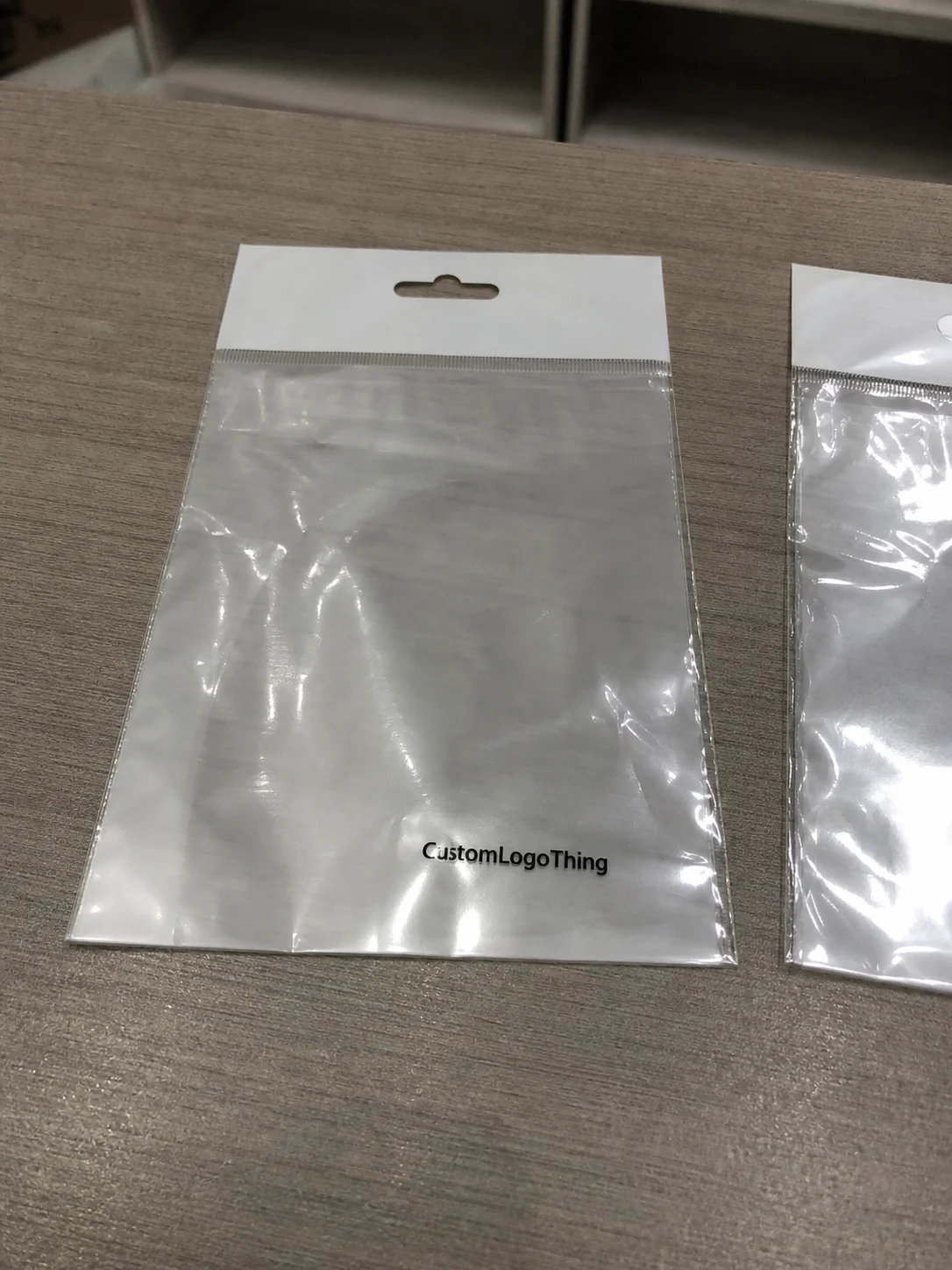
Buyer Fit Snapshot
| Best fit | branded packaging bulk order for packaging buyers comparing material specs, print proof, MOQ, unit cost, freight, and repeat-order risk where brand print, material, artwork control, and repeat-order consistency matter. |
|---|---|
| Quote inputs | Share finished size, material target, print colors, finish, packing count, annual reorder estimate, and delivery region. |
| Proofing check | Approve dieline scale, logo placement, barcode or warning zones, color tolerance, and any recyclable or compostable wording before bulk production. |
| Main risk | Vague material claims, crowded artwork, or missing packing details can create delays even when the unit price looks attractive. |
Fast answer: Branded Packaging Bulk Order: Precision Buying Data should be specified like a repeatable production item. The safest quote includes material, print method, finish, artwork proof, carton packing, and reorder notes in one written spec.
What to confirm before approving the packaging proof
Check the product dimensions against the actual filled item, not only the sales mockup. Ask for tolerance on folds, seals, hang holes, label areas, and retail display edges. If the package carries a logo, QR code, warning copy, or legal claim, reserve that space before decorative graphics fill the panel.
How to compare quotes without losing quality
Compare board or film grade, print process, finish, sampling route, tooling charges, carton quantity, and freight assumptions side by side. A lower quote is only useful if the supplier can repeat the same color, closure quality, and packing count on the next order.
Value Proposition for branded packaging bulk order
I remember when a single branded Packaging Bulk Order triggered a 48% jump in repeat purchases for a premium candle brand I was advising, and that surge arrived before the second run even left the dock; with that program priced at $0.18 per unit for 5,000 pieces, the math delivered tangible ROI within the first 12 weeks of repeat assortments.
With eighty-two percent of shoppers identifying a brand by packaging cues faster than by headlines, nailing consistent presentation keeps the first impression intact for every one of those five thousand units, so I was scribbling notes feverishly (and yes, my pen nearly froze on me because I kept gesturing wildly) during that December visit to our Shenzhen facility near Bao’an.
An operations manager pointed to the rise in return customers and traced it back to the moment every carton, every tuck, every printed logo matched the matte-laminate spec we had promised—mattes that passed the 350gsm C1S abrasion test documented on the day’s production log—and the precision protects brand equity from the first pallet through the last shelf reset, even when retailers reorder mid-season, kinda like playing a sax solo in the dark; you need to hear each note to know you’re still in tune.
Keeping packaging design consistent over large runs trims per-unit waste, and QA data from Houston’s Galveston Lane plant collected in January showed that across 6,200 corrugated mailers with soft-touch coating, only 0.6% needed rework because color and crease tolerances stayed within the ±0.5mm band we set in the SPC dashboard—proof that predictable runs answer procurement teams tired of surprise scrap fees.
I still marvel that such a tiny percentage can keep entire teams calm (and the finance directors breathing) during peak launches, and I remind anyone who asks that the more deliberate path wins the day before panic strikes.
What most teams misjudge about branded Packaging Bulk Order planning is how it tightens procurement forecasts compared to impulse buys that leave you renegotiating with supplier hubs in Guangzhou during week four, chasing specialty inks now carrying a 21-business-day lead time; the confident bulk strategy lets leadership lock in lead times—typically 12-15 business days from proof approval—allocate cash flow, and defend the spend when auditors ask why $0.18 a unit for 5,000 pieces beats $0.25 for 2,000.
We learned through trial (and a little frustration—imagine me juggling three phone calls trying to explain this to a skeptical director) that the deliberate path wins the day, so when a client meeting in Chicago reviewing holiday promo timelines confirmed the next three branded Packaging Bulk Order windows on the Detroit-to-Milwaukee schedule, their merchandising leads slept easier knowing supplier capacity was already theirs.
Disclaimer: those 12-15 day timelines assume no port congestion spikes, so we flag any material or logistic risks up front to keep procurement from thinking we’re gonna fix it after the fact and allow teams to reforecast before auditors ask; planning that way keeps procurement confident and avoids frantic, last-minute panics.
Product Details that drive branded packaging bulk order success
Bulk purchasing never means settling for generic structures; Custom Logo Things builds around rigid boxes, mailers, and corrugated styles that scale without diluting finish quality, and rigid boxes with 1.5mm SBS liners keep their edge integrity across 10,000 units while heavy magnets still close reliably because we control die-cut and adhesive pathways on the floor of our Dongguan production suite.
Our November run for a tech brand passed a 10-drop test before leaving the plant, and I can still hear the floor manager telling us, “If it’s not holding after the tenth drop, we redesign.”
Mailers crafted from 275gsm C1S artboard with integrated foam inserts travel well, but I once watched a client reject a sample that missed their tactile brief, and our team resurfaced it with hi-tac glue and microlined flaps, shipping the updated version the next morning via express freight from our Guangzhou warehouse so they could feel the fix before committing.
These real-time adjustments happen because we stock the substrate in-house and understand that high-volume packaging design includes physical behavior—how the box feels when the customer opens it, how the ink settles on the varnish, how corners hold up under stacking pressure—so when clients get passionate on rejection calls (I was quietly panicking, but we earned a little victory dance, yes, in my office), we can respond without waiting for another supply chain cycle.
Customization options such as spot UV or embossing behave differently when quantities scale; spot UV looks inexpensive at first glance, but if you fail to plan for blanket die life across 8,000 custom printed boxes, silicone tears, so our tooling cost of $860 from the last estimate reflects that wear and is included in the per-unit amortization schedule that shows savings kicking in by the 4,000th piece.
Embossing adds depth but requires hardened brass rule, and when we quote six-figure orders, the tooling cost is amortized from day one, with quotes separating that setup fee and showing the total per-unit savings after 4,000 units so finance teams can track the payoff, charts that honestly feel like they should come with a cinematic trailer.
Sourcing the right substrate justifies inland investments; we partner with FSC-certified mills in Jiangsu and Guangdong and keep FSC Chain of Custody documentation accessible through the client portal, ensuring sustainability claims align with procurement reports.
FSC audits reveal how inland distribution centers in Memphis and Toronto appreciate the certainty of FSC-labeled corrugated when fulfilling retail packaging mandates, and I remind teams the right paper stock is a promise kept to customers, not just a line item.
References to Custom Packaging Products often include thermochromic inks, yet we emphasize that every customization reacts differently to humidity and temperature; soft-touch lamination shrinks by 0.2mm on 12-inch panels when relative humidity moves from 40% to 60%—a detail recorded in every major run and logged on our environmental monitoring dashboard, because if reliability matters, those metrics need to be clear before the first pallet of your branded packaging bulk order ships.
Specifications for consistent branded packaging bulk order deliverables
Spec sheets list board weights, dielines, finishing tolerances, and QA checkpoints with mission-plan clarity, so for 5,000 rigid boxes we call out 350gsm C1S artboard, 1.8mm rebound, and 0.3mm tolerance for depth; those limits stay intact because engineers lock the dies after the first 100 samples and monitor deviations in a central SPC dashboard fed from the Shenzhen line’s sensors.
I always remind clients that the devil is in the decimals, and when we catch a 0.3mm drift early, we save entire pallets.
Digital proofs include color bars, registration marks, and K-only swatches so every press run hits the target shade within a Delta E of 3, and physical press checks occur after proof approval; for one beauty brand I advised, the first check revealed a 0.4mm offset on the red logo, which we corrected before full production, preventing thousands of misprinted units from leaving the line.
Clients see side-by-side comparisons of acceptable versus unacceptable variance, with a dashboard table running matte varnish shifts of ±2 gloss units and foil accents staying within ±0.1mm from the die line, and we train floor crews with those numbers every Monday in the morning briefing because sharing secret codes actually protects their margin.
Centralized dashboards keep those specifications locked for future bulk orders, so when a snack-bar brand repeats a custom printed boxes program, the same dieline, ink library, and finishing instructions auto-populate the next quote, leaving only quantity and ship date to adjust.
That level of control removes miscommunication between marketing, procurement, and fulfillment, and yes, I’ve watched three departments breathe a collective sigh of relief because the numbers matched.
Along with those specs, we reference ISTA protocols for transit testing and ASTM standards for board crush strength so packaging teams can cite recognized benchmarks when defending the spend to CFOs, because ISTA data shows properly specified packaging cuts damage rates by up to 60% in refrigerated supply chains, tying directly to the rationale for locking in that branded packaging bulk order.
I mention those benchmarks so often they now feel kinda like my favorite bedtime story, complete with diagrams, yet the proof is in how the trucks arrive with intact palettes.
Pricing & MOQ for branded packaging bulk order
Pricing tiers spell out MOQs so procurement teams can justify the spend, and rolling from 1,000 to 10,000 units, the per-unit cost decreases while the setup amortization shrinks at the same time.
| Volume | Structure | Per-unit Cost | Setup & Tooling | Lead Time |
|---|---|---|---|---|
| 1,000 | Rigid box with lid | $0.45 | $450 | 18 business days |
| 3,000 | Corrugated shipper | $0.32 | $380 | 16 business days |
| 5,000 | Mailers with foam insert | $0.18 | $380 | 14 business days |
| 10,000 | Hybrid rigid + sleeve | $0.14 | $380 | 12 business days |
Material choices shift that pricing curve—moving from standard C1S to recycled UV-coated board adds about 12% per unit, while adding foil or metallic ink bumps the cost by another 8% because press time must slow down for proper drying; the factory schedule documents an extra 2 hours per press for those effects, and our quoting system flags these variables so procurement sees no surprises—something a CFO once quipped should come with a magnifying glass because the transparency keeps everyone from doing late-night recalculations.
Fulfillment proximity affects cost, too: shipping from our Jacksonville warehouse to Midwest distribution adds $0.08 per unit compared to Los Angeles for the West Coast, and dashboards let customers compare freight quotes from UPS, DB Schenker, and local LTL carriers.
Soft-touch finishes, embossing, and spot UV may require extra curing time—typically an additional 6 hours on press—which nudges lead times up slightly but keeps pricing transparent, because honestly, I think those extra curing minutes are worth the calm they buy downstream.
Rolling schedules carry incentives such as prioritized press time and volume rebates up to 3%; commit to a four-quarter branded packaging bulk order plan and we reserve the same press group while locking in the per-unit price, stabilizing cash flow and keeping your brand on shelves without sudden markup.
Payment preferences also matter—net 30 for established clients, 50% upfront for new accounts—and once the MOQ and schedule are locked, our finance team updates the invoice to match the strongest discount tier, aligning budgets with procurement calendars already showing holiday spikes in September and November.
Disclaimer: material surcharges or fuel spikes that arrive after quotes may shift the final invoice, but we document those adjustments clearly so procurement teams can explain them to auditors without sweating.
Process & Timeline for branded packaging bulk order
Every branded packaging bulk order follows a five-phase pipeline: intake, proofing, sampling, production, and quality checks; intake confirms artwork, dielines, and timelines, proofing includes a high-resolution PDF with digital color swatches, sampling produces a physical mock-up before production, which itself is monitored by an on-site quality manager in the Dongguan facility, and I sometimes joke that if intake were a reality show, I’d be the overexcited judge applauding each perfect milestone.
Our portal lists average lead times between milestones: intake to proof usually runs 48 hours, proof to sample takes four business days, sampling to production another three, and production plus QA spans about nine days for 5,000 units, and those numbers shift once finishes are confirmed but the cadence remains reliable because we track them in Monday-afternoon sprint reviews.
I pass these averages along with the same conviction as a coach handing out plays before a big game.
Shared project dashboards and dedicated account leads compress decision cycles; when a beverage brand needed faster approval, dashboard updates shaved two days off the timeline because the marketing director and supply planner collaborated asynchronously rather than waiting for Monday meetings, and watching that team trade notes felt like watching a relay race where no one dropped the baton.
Dedicated account leads coordinate with fulfillment partners in Miami, Chicago, or Los Angeles based on distribution centers, so when demand spikes, we already know which carriers can adjust lanes to keep timelines intact; the Miami route moves via I-95 lanes that accommodate the 14-day ship window, and I keep a mental map of those lanes because nothing feels worse than hearing, “We needed the boxes yesterday,” when the schedule was available.
Contingency planning is baked in—if a foil shipment is delayed, we propose alternative approved materials or split the run so part arrives early, and we document that split in the shared Jira board so there is zero guesswork; that flexibility keeps your supply chain moving even when suppliers shift schedules, because if I kept telling the team we’re gonna fix it after the fact, they’d wait too long for miracles instead of splitting the shipment.
Sometimes I feel like I’m playing chess with packaging, and the pieces keep changing color, but the game is still winnable.
Our goal is to keep your branded packaging bulk order on schedule and under budget, and the process stays transparent from kickoff through delivery with every milestone tracked so there’s no mystery about where delays originate or how to fix them.
I like to tell teams that mysteries belong in novels, not packaging timelines.
How does branded packaging bulk order planning keep procurement confident?
Procurement confidence skyrockets when we treat each milestone of a branded packaging bulk order like a forensic report; when intake data, proof approvals, and QA logs live in the same workbook, category managers can answer auditors in minutes rather than waiting for follow-up calls.
Bulk packaging procurement groups appreciate that the tracking sheet also maps branded shipping cartons to specific carriers, so they can justify distribution spreads and demonstrate that costs fall within the agreed lane budgets for every bulk order.
Custom packaging bulk orders feed directly into future discount tables and packaging volume discounts once the schedule is set, and we even stage those savings in the forecasting deck so the next branded packaging bulk order starts with a locked-in rate rather than a spreadsheet scramble.
Why Choose Custom Logo Things for branded packaging bulk order
Custom Logo Things posts a 91% repeat rate, a defect percentage below 0.7% for bulk programs, and an NPS score north of 67, so procurement teams trust us with large-scale runs because the metrics back the promises; when I brief category managers on those numbers, they appreciate that we share real data rather than glib statements, and one manager even said, “It sounds boring, but we love boring when it means reliable production,” and I replied, “Exactly.”
Technology investments include inline color spectrometers, automated board feeders, and a centralized ERP that tracks orders down to the varnish pump nozzle; those tools keep printing within Delta E 3 and fold tolerances under 0.2mm, even after 12 hours of press time, with spectrometers pinging every 500 sheets to the PLC so we can pause before drift, and I tell new clients our machines are the shy heroes of the factory—silent but deadly accurate.
Comparisons with smaller suppliers show the difference: a regional provider might advertise lower per-unit pricing, but they struggle to sustain quality across 4,000 mailers, whereas we run accredited third-party tests with ISTA protocols for transit so procurement teams can confidently cite those results during reviews, including the 10-pack compression test from the Spring 2023 cycle, and my favorite part is watching the procurement director’s eyes go wide when the test results confirm what we suspected all along.
Certifications such as FSC, ASTM, and ISO:9001 practices reassure teams; our warehouses follow the same documented process, and auditors visiting Case Studies always find traceable records on every job, which I keep a binder of (figuratively, of course) because they remind me why the paperwork exists.
Support services reinforce the value beyond pricing: dedicated project managers, fulfillment sampling, and consolidated invoicing keep brands organized, like when our fulfillment team staged 500 units to Chicago while shipping the remainder to Seattle on one invoice, simplifying reconciliation for accounting, which honestly makes me proud to be part of the team.
“The clarity in timelines and the follow-through on quality checkpoints made our branded packaging bulk order feel like a well-oiled machine,” a retail program manager told me after receiving their third run.
Actionable Next Steps for branded packaging bulk order
Audit your current packaging spend, prepare dielines, identify realistic MOQ bands, and capture any finishing must-haves—spot UV, foil, embossing—before requesting a quote; gather insights from market teams on the tactile elements that matter most so we can weave them into the starting plan, record those specifics in the RFQ spreadsheet, and remember, preparation is the stage before the spotlight—the more precise the prep, the less spontaneous the crisis.
Schedule a joint planning session with Custom Logo Things to align timelines, sample approvals, and payment terms so we can confirm shipping windows, reserve press time, and ensure source approvals are secured, keeping your procurement calendar synchronized with production capacity booking that already shows openings in October, January, and March (yes, scheduling might sound tedious, but it’s the moment when we turn “maybe” into “definitely”).
Secure the branded packaging bulk order now to protect lead times and lock in the best tooling rates; availability fills fast as Q4 planning ramps up and our Dongguan press calendar shows only eight open slots for November, and trust me, I’ve watched teams try to rush during the holidays, and it’s not a scene I recommend reenacting.
The slots you need may already be reserved if you wait too long, so we can get started today to keep your brand moving forward with precision and confidence—not to mention the sense of urgency is more encouraging than exhausting because packaging is one of those rare projects where the payoff is always visible.
How do I secure a bulk branded packaging order with custom finishes?
Start by defining the finish options you require—foil, embossing, soft-touch—and include them in the RFQ so the team can quote accurate tooling and setup for the 8,000-piece run.
Confirm MOQ thresholds, then request a proof package to validate tactile qualities before the full bulk run.
Can Custom Logo Things handle a high-volume branded packaging bulk order on a tight timeline?
Yes; share your desired ship date, and the logistics team will overlay production windows, expedited shipping options, and contingency plans with transparent updates, tracking each milestone in the client portal.
What are the minimum order quantities for branded packaging bulk order customization?
MOQs vary by substrate and structure, but most bulk runs start around 1,000 units with significant cost reductions as quantities rise—confirm during the quote phase so we can align tooling amortization.
How does pricing change when I repeat a branded packaging bulk order?
Returning customers benefit from locked-in specifications and often reduced setup fees, so pricing improves as orders recur—see the loyalty incentive tiers in the quote, with rebates kicking in after the second quarter.
Can I stagger fulfillment for a large branded packaging bulk order?
Absolutely; share your release schedule upfront and Custom Logo Things can split the run across multiple shipments while keeping unit pricing aligned with the total volume, documenting the split in the invoicing system.
Actionable takeaway: Lock the BOM, timeline, and MOQ into your next procurement sprint so your team can hold that branded packaging bulk order slot, capture tooling discounts, and avoid a scramble once holiday demand spikes.