For sellers who pack, price, and restock every week, a Slider Lock Bags bulk order for Farmers Market Sellers is usually less about packaging and more about keeping the booth moving, the product fresh, and the presentation consistent from one market day to the next. A bag that opens cleanly, reseals quickly, and looks tidy on the table saves time in prep and reduces the small failures that can cost a sale in front of a customer.
The appeal is practical. Slider-lock bags give buyers a closure they can operate repeatedly without the fuss that some people feel with standard press-seal bags, and bulk buying lowers the unit cost while keeping every flavor, size, or product line in one familiar format. For a seller doing a Slider Lock Bags bulk order for farmers market sellers, consistency matters almost as much as price.
Why slider-lock packaging solves real farmers market packing problems
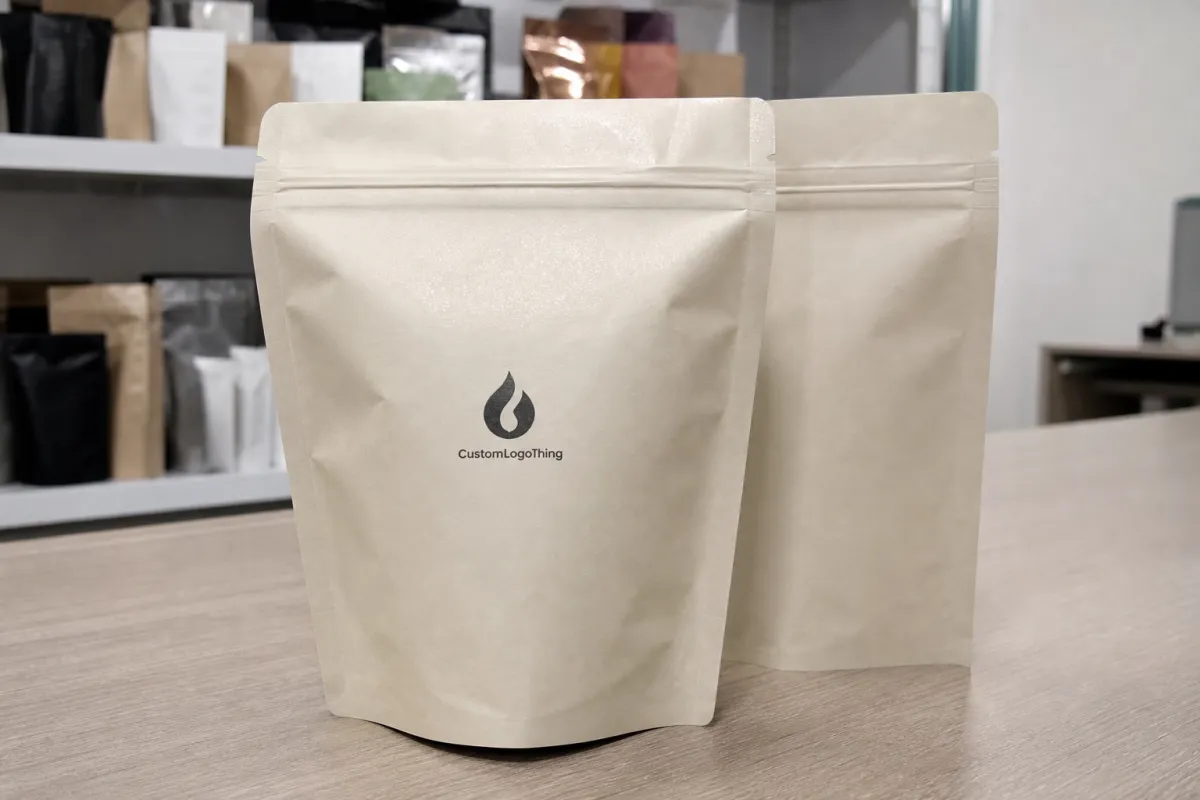
Farmers market sellers usually need packaging that fits a very specific rhythm: fill fast, close cleanly, label once, and hand it over without extra handling. Slider-lock packaging fits that rhythm well. The closure gives customers an easy reclose option, which matters for products that get opened, sampled, and revisited over several days.
Compared with plain press-to-close bags, a slider closure is easier to use with cold hands, damp fingers, or a line of buyers waiting at the booth. That seems minor until you see how often it saves time. If a package is awkward to open or closes unevenly, people notice. If it fails once, sellers end up repacking product they already measured, priced, and labeled.
For food-adjacent goods, freshness protection during transport matters too. Bags get tossed into coolers, bins, market totes, and display baskets. A reliable closure helps preserve aroma, texture, and cleanliness from kitchen to booth. The same value applies to non-food handmade goods such as bath salts, soaps, herb blends, and sample kits, where neat presentation still shapes buying decisions.
Bulk purchasing adds another layer of value. If you sell the same honey-roasted nuts, dried fruit, seasoning mix, or craft refill pack every week, it makes little sense to reorder packaging in small lots and keep resetting your workflow. A bulk order can reduce unit cost, simplify inventory, and help you standardize across sizes so filling and labeling stay predictable.
Buyer takeaway: the best packaging is not the fanciest one; it is the one that fills fast, closes reliably, and makes the product look ready for sale with the least handling possible.
For sellers growing from one table to two, that matters a lot. Fewer packaging failures means fewer lost minutes, fewer messy repacks, and fewer awkward moments in front of customers. That is a very real return on choosing the right bag format early.
Helpful reference points for buyers who want to compare packaging expectations and environmental handling standards include the Packaging School and industry resources at packaging.org and the EPA’s guidance on materials and waste reduction.
Product details that matter before you place a bulk order
Before placing a Slider Lock Bags bulk order for farmers market sellers, the first question is simple: what exactly are you packing? Dried herbs, trail mix, brittle, cookies, granola bites, candy, produce samples, bath salts, seasoning blends, handmade soaps, lip balms, small craft kits, and accessory parts all have different packing needs even if they look similar at first glance.
The film material is a major decision point. Clear polyethylene is common because it is flexible, cost-effective, and easy to inspect on the table. Similar food-contact suitable films may be used depending on the product and application. Clear bags help customers see what they are buying without opening the package, which matters for visual trust at a booth where decisions are often made in seconds.
Thickness changes the handling feel. A thinner film may work for lightweight sample packs, but heavier snacks or goods with sharper edges usually benefit from a thicker gauge that resists puncture and scuffing. If the product has corners, stems, or coarse texture, that extra film strength can prevent split corners and customer complaints.
Then there is the closure itself. A good slider track should move without dragging, binding, or uneven travel. When a seller is filling dozens or hundreds of bags before market day, smooth closure performance is not a luxury; it is part of throughput. A slightly better slider can trim a lot of frustration over the course of a season.
Other details are worth checking as well: tamper evidence, hang holes, writable panels, and how well the bag accepts a label or sticker. Some sellers want a simple clear pack with a branded label. Others prefer direct print or a matte look for a more curated presentation. The right answer depends on the product and the way you sell it.
- Transparency: helps customers inspect color, texture, and fullness.
- Print compatibility: matters if you use branding, ingredient callouts, or SKU stickers.
- Hang holes: useful for peg hooks or display grids at the booth.
- Writable zones: helpful for lot codes, dates, or hand-marked weights.
- Closure feel: important if customers will reopen the bag repeatedly.
If your booth setup changes from week to week, a bag that works with labels, stickers, and simple branding is easier to manage than one that demands special handling. For many sellers, that flexibility is exactly why a bulk order makes sense once the product line stabilizes.
Size, thickness, and specification choices for market-ready bags
Buyers often start with the wrong question. They ask, “What bag size is best?” when the better question is, “How much product do I actually need to hold, and how do I want the bag to present on the table?” Dimensions should be based on fill volume, product shape, and how easy the bag is to seal after filling.
For a slider lock Bags Bulk Order for farmers market sellers, compare width, length, usable fill space, film gauge, and closure style together. A bag that looks perfect in a product photo may be a poor choice if the fill line crowds the slider or if the bag stands awkwardly once filled. In practice, you want enough headspace for easy sealing and enough body to keep the contents flat and attractive.
Heavier items and products with sharp edges usually call for a thicker film because puncture resistance is part of the package’s job. Lighter snacks, seasoning samples, or soft goods can often use a lighter gauge without sacrificing basic function. There is no universal answer; it depends on handling, product weight, and how much abuse the bag will take in transit.
| Option | Best for | Typical benefit | Watch-outs |
|---|---|---|---|
| Light-gauge clear slider bag | Samples, small portions, soft goods | Lower cost and easy filling | Less puncture resistance |
| Mid-gauge clear slider bag | Most snack and market goods | Balanced cost and durability | May not suit sharp contents |
| Thicker slider bag | Heavier mixes, harder items, repeated handling | Better strength and closure stability | Higher unit cost, slightly firmer feel |
| Printed or branded slider bag | Repeat sellers, multi-SKU product lines | Stronger shelf appeal and brand recognition | Higher MOQ or setup cost |
Optional details can also shape the buyer experience. Writable panels help with batch marks and ingredient notes. Punched hang holes can make booth display easier. Clarity level matters too; if the film has a slightly hazier look, that may be fine for certain products, but it can reduce the premium feel some brands want. For sellers who use a logo sticker, the bag still needs enough flat surface area to keep the label clean and legible.
Think about the selling format as well. A bag for single portions is not the same as a bag for refills, mixed assortments, or bundle packs. If customers regularly buy more than one unit, sizing the bag to stack well in a tote or basket can improve the usefulness of the package after the sale. That is one of the quieter benefits of planning the order around the actual retail scenario, not just the product itself.
Cost, pricing, and MOQ factors that shape your quote
Pricing on slider-lock packaging is usually driven by five core variables: bag size, film thickness, closure type, print coverage, and quantity. Larger bags use more material. Thicker film costs more. A more refined slider mechanism may add cost. Printing adds setup and production steps. And the more units you buy, the better your unit price generally becomes.
For steady weekly sellers, a larger quantity often makes sense because the packaging gets used up quickly and the reorder cycle becomes less disruptive. For seasonal vendors, the balance is different. If you are testing a new product or only selling during part of the year, a smaller first order may be smarter even if the per-unit price is a little higher.
MOQ means minimum order quantity. In plain language, it is the lowest volume a supplier will accept for a specific stock item or custom run. Stock packaging often has lower MOQs than custom-printed packaging, while custom work usually requires a higher threshold because of setup, color handling, or tooling. That does not make custom the wrong choice; it just changes the economics.
When comparing quotes for a bulk order, make sure you are comparing the same bag dimensions, the same thickness, the same closure style, and the same print level. A quote that looks cheaper may simply be for a lighter film or a different size. Also ask whether setup charges, proofing, samples, or freight are included, because landed cost is what actually hits your margin.
- Ask for unit price by quantity tier.
- Check whether shipping is separate.
- Confirm if samples are billable.
- Look for hidden setup or plate charges.
- Verify packaging format before approving a quote.
For buyers running on seasonal cash flow, a practical approach is to test one bag size first, watch how quickly it moves, and then scale into a larger run once you know the actual sell-through rate. That keeps risk under control while still letting you benefit from bulk pricing when the format proves itself.
Typical buyer budgets vary widely by size and customization. As a rough market range, stock clear slider bags can land in the low cents per unit on larger runs, while custom-printed bags often cost several times more once setup and artwork are included. Freight, especially on palletized orders, can move the total far enough to change the decision. A quote that ignores shipping is not a complete quote.
Process and turnaround: from quote approval to delivery
The buying process should be straightforward, and for a good reason: most sellers do not have time to manage a complicated packaging project. A typical order starts with a quote request, moves into spec confirmation, then sample or proof approval, then production, quality check, and shipment. If any one step slows down, the whole order slows down with it.
The fastest quote requests include the target size, quantity, intended use, closure preference, and whether printing is needed. If you already know your approximate fill weight or volume, include that too. That helps the supplier recommend a better fit and avoid back-and-forth on sizing. Unclear specs are one of the biggest causes of delays on small packaging jobs.
Production time depends on customization, order volume, and material availability. Stock bags are usually quicker than custom-printed bags, while special finishes or unusual dimensions may extend lead time. If artwork is involved, quick approval helps a lot. Late changes after proofing are a common reason a job misses its original delivery window.
Shipping matters more than many first-time buyers expect. Bulk orders may ship in cartons or on pallets depending on quantity, and small businesses need to think through receiving space, dock access, and storage. A seller with limited back-room inventory may prefer a split shipment or a carton count they can handle without blocking the prep area.
For a slider lock bags bulk order for farmers market sellers, the smoothest project is the one where the customer gives concise information, approves the proof quickly, and keeps the spec stable. That may sound basic, but it is exactly how you avoid rework and keep lead time predictable.
- Request a quote with clear product details.
- Confirm dimensions, gauge, closure, and print requirements.
- Review sample or proof for fit and presentation.
- Approve quickly if the spec is correct.
- Plan shipping and receiving before production ends.
If you want a better sense of storage, handling, and product consistency standards, the ISTA packaging transport standards are a useful reference point for shipping performance testing, especially when goods move through multiple touchpoints before they reach the market table.
How bulk packaging support helps sellers stay consistent
What sellers usually want from packaging support is not drama; they want repeatability. The same width, the same closure feel, the same film clarity, the same pack-out behavior from one run to the next. That consistency lets you keep labels unchanged, preserve your fill method, and avoid retraining anyone who helps with packing during busy weeks.
That is why a bulk order should be treated as part of your operating system, not just a purchase. If the bag dimensions drift from one order to the next, your labels shift, your fill line changes, and your booth presentation starts to look uneven. A dependable spec makes reordering easier and protects the look of your products across the whole season.
Clear communication helps too. When buyers share sample needs, preferred thickness, and whether the bag is for food or non-food use, the order can be matched more closely to the real application. That reduces the chance of getting a bag that looks fine on paper but feels wrong in daily use. For small businesses, that kind of precision matters because inventory room is limited and every unit has to earn its place.
Quality control should cover the obvious points: closure function, film integrity, dimensional accuracy, and visual consistency. A bag that is slightly short, weak at the seal, or cloudy in a way that does not match the rest of the run can create problems in both packing and resale. Good bulk supply support checks those details before shipment, not after the customer has already opened the carton.
As sellers grow, flexibility matters as much as consistency. Maybe you start with a modest order for one product line, then expand into multiple flavors or refill sizes later. A practical supplier should be able to support that progression without forcing you to change the entire system every time demand rises. That is the value of packaging that can scale with the business.
For sellers comparing broader buying options, our Wholesale Programs can help you compare volume tiers, while the FAQ page is useful if you want quick answers on ordering and product basics.
Best next steps before placing your order
Start with the product, not the bag. Measure what you plan to package, then estimate the fill weight or volume you want in each unit. Once you know that, it becomes much easier to pick a bag size that seals correctly and looks clean on the shelf or market table.
Next, decide whether stock or custom packaging is the better fit. Stock is usually faster and simpler, while custom is better if branding is a major part of your sales strategy. If you are still testing a product, a stock option with a strong label may be the smarter first move. If the product already sells reliably, custom branding can help reinforce recognition from one market to the next.
Prepare a short spec sheet before requesting pricing. Include quantity, size, thickness, closure style, intended use, and any print or label requirements. That saves time and reduces the chance of getting a quote that does not match what you actually need. It also helps you compare multiple suppliers on equal terms.
If the order matters to your booth calendar, ask for a sample or proof and test it for fit, sealing, and presentation. That is the safest move for first-time buyers or anyone changing sizes. A sample can show whether the bag stands too tall, seals too tightly, or looks off once filled. Those are small issues in a sample room and big issues on market day.
For sellers ready to move forward on a slider lock bags bulk order for farmers market sellers, the smartest next step is to request pricing, compare MOQ and lead time, and choose the option that gives you the best balance of cost, handling, and presentation. Good packaging should make market prep easier, not harder, and the right bulk order does exactly that.
What size slider lock bags work best for farmers market sellers?
Choose the bag based on the actual fill volume, not just the product name or label size, so the slider stays easy to operate and the top edge seals without crowding. Small portions, sample packs, and light goods usually need narrower bags, while bundled or heavier items need more width and a stronger film.
Are slider lock bags suitable for food items sold at market booths?
They are commonly used for many market foods, but the material and construction should be appropriate for the intended product. Ask for food-contact suitable options and confirm thickness, seal performance, and any local handling requirements before ordering.
How do I compare bulk pricing for slider-lock packaging fairly?
Compare the same size, film thickness, closure type, and print level across quotes so you are not mixing different products. Also check whether setup charges, sampling, and shipping are included, since those can change the real landed cost.
What is a typical MOQ for slider lock bags bulk order requests?
MOQ varies by whether you are ordering stock bags or custom-printed bags. If you are testing a new product line, ask about lower-MOQ options or sample quantities before committing to a larger run.
How long does production usually take after I approve the proof?
Turnaround depends on whether the order is stock or custom, plus the quantity and current production schedule. Fast approvals and no late spec changes are the easiest ways to keep lead time predictable.


