Buyer Fit Snapshot
| Best fit | branded packaging for artisan brands for packaging buyers comparing material specs, print proof, MOQ, unit cost, freight, and repeat-order risk where brand print, material, artwork control, and repeat-order consistency matter. |
|---|---|
| Quote inputs | Share finished size, material target, print colors, finish, packing count, annual reorder estimate, and delivery region. |
| Proofing check | Approve dieline scale, logo placement, barcode or warning zones, color tolerance, and any recyclable or compostable wording before bulk production. |
| Main risk | Vague material claims, crowded artwork, or missing packing details can create delays even when the unit price looks attractive. |
Fast answer: Branded Packaging for Artisan Brands: Dieline, Finish, Proof, and Buyer Review should be specified like a repeatable production item. The safest quote includes material, print method, finish, artwork proof, carton packing, and reorder notes in one written spec.
What to confirm before approving the packaging proof
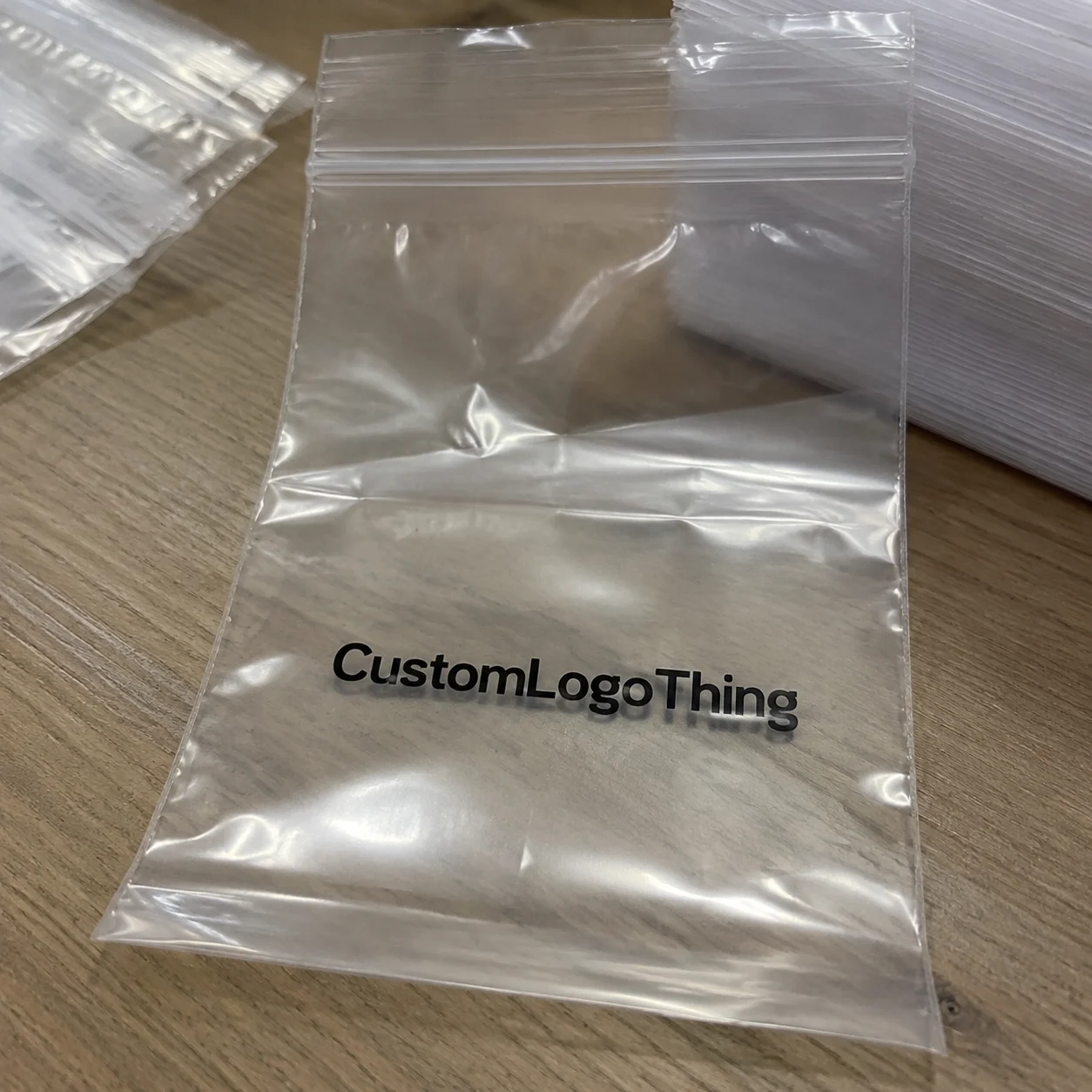
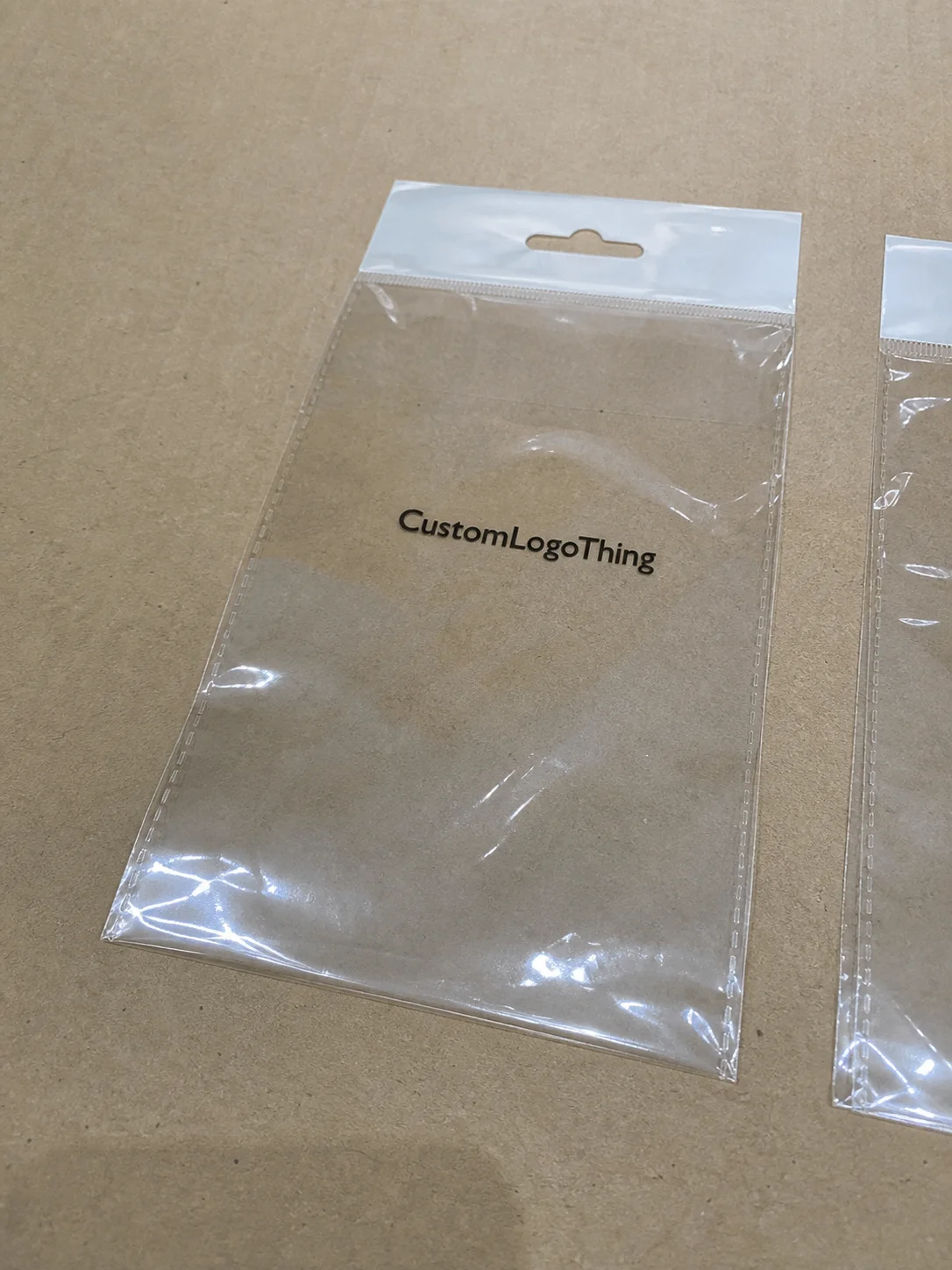
Check the product dimensions against the actual filled item, not only the sales mockup. Ask for tolerance on folds, seals, hang holes, label areas, and retail display edges. If the package carries a logo, QR code, warning copy, or legal claim, reserve that space before decorative graphics fill the panel.
How to compare quotes without losing quality
Compare board or film grade, print process, finish, sampling route, tooling charges, carton quantity, and freight assumptions side by side. A lower quote is only useful if the supplier can repeat the same color, closure quality, and packing count on the next order.
The call came three years ago from a soap maker in Vermont who'd spent months perfecting her lavender and oat soap formula. She'd sourced organic ingredients from local farmers and built a loyal following at her local farmers market. Then a major specialty retailer wanted to carry her products—but they demanded professional retail packaging. "I never realized," she told me, "that my packaging was holding me back from growing." That conversation changed how I think about the relationship between product quality and presentation for small-batch creators. And honestly, she wasn't wrong—that conversation still keeps me up at night thinking about all the talented makers I've met since who are stuck in the same position. Whether you're making handmade candles, artisanal chocolates, or small-batch skincare, branded Packaging for Artisan Brands isn't a luxury—it's a business necessity that can genuinely transform your growth trajectory.
The Surprising Way Packaging Transforms Artisan Brands
Walking through the halls of major trade shows like the Specialty Food Association's Summer Fancy Food Show reveals artisan brands that understand packaging's power within seconds. Their custom printed boxes and wrapping materials communicate craftsmanship before anyone reads a single ingredient or checks a price tag. Meanwhile, some of the most talented food artisans I've encountered remain stuck at the same revenue level year after year because they haven't invested appropriately in their product packaging. I once watched a woman at a trade show spend ten minutes describing her hand-crafted jam—made with heritage tomatoes from her grandmother's seeds, cooked in copper pots, blah blah blah—while her products sat in sad, plain mason jars with handwritten labels. It physically pained me.
What I've witnessed on countless factory floors and in client meetings aligns with the data. Research consistently shows that roughly 72% of consumers report that packaging design actively influences their purchase decisions. For artisan brands competing against mass-produced alternatives on store shelves and e-commerce marketplaces, this statistic should be both sobering and exciting. You have the opportunity to control how customers perceive your products through thoughtful Custom Packaging Solutions that tell your story.
Consider your own purchasing habits for a moment. When browsing a farmers market or scrolling through Etsy, what makes you pick up one candle and pass over three others sitting right next to it? Often, it's not the product itself that catches your attention first—it's the packaging that wraps that product. I'll admit it: I've bought candles I absolutely did not need just because the box was gorgeous. My wife thinks I have a problem. She's probably right. Your custom packaging becomes your silent salesperson, working to differentiate your handcrafted goods in crowded marketplaces where dozens of artisans sell similar items.
The unboxing experience has become increasingly crucial in recent years, particularly as more artisan brands ship directly to consumers through their own websites and platforms like Amazon Handmade. When a customer receives their order, the moment they open that box creates a lasting impression that photos and product descriptions simply cannot replicate. Clients have told me that investing in memorable branded packaging led to immediate increases in their repeat purchase rates and customer referral rates. I've seen it happen with my own eyes—people literally post unboxing videos for artisan products that cost $30. That's the kind of marketing money can't buy, and it all starts with what's inside the box.
Why Does Packaging Matter for Small Artisan Businesses?
Most artisan founders I meet have fallen into a trap that nearly cost them their businesses. They pour every waking hour into perfecting their products—testing recipes, sourcing ingredients, refining their processes—and then treat packaging as an afterthought. They order generic boxes from a wholesale supplier, add a sticker with their logo, and wonder why they're still competing on price with far inferior products. I've wanted to shake some of these people. Gently. But firmly.
Branded packaging for artisan brands creates immediate brand recognition that pays dividends every single time a customer encounters your product. When someone sees your distinctive custom printed boxes on a retail shelf, they should be able to identify your brand instantly without reading the label. That recognition builds over time through visual consistency, and it translates directly into purchasing behavior. Studies in retail psychology demonstrate that products with cohesive, recognizable packaging outsell generically packaged alternatives by significant margins.
Beyond aesthetics, proper packaging protects your handcrafted products during shipping and handling. I've seen heartbreaking situations where artisans lost hundreds of dollars in damaged inventory because they'd chosen flimsy boxes to save a few cents per unit. A broken product doesn't just cost you the damaged item—it creates an unhappy customer who may never reorder and might leave negative reviews. Your packaging investment directly affects your bottom line through damage rates and customer satisfaction. I still remember getting an email from a client whose entire first production run arrived as broken glass because we'd both been too optimistic about how their fragile ceramic vessels would handle shipping. That was a $4,000 lesson I will never forget.
In crowded markets and specialty retail environments, your packaging becomes your primary differentiation tool. When a Whole Foods buyer or specialty boutique owner reviews your line, they'll be making quick judgments about your brand's quality and professionalism based heavily on your packaging presentation. I've helped artisan brands land shelf placement at premium retailers specifically because their packaging conveyed the premium quality of what was inside. Conversely, I've watched talented makers get turned away because their packaging screamed "amateur." One buyer once told me, "If they can't figure out how to present their product, how can I trust them to figure out how to make it?" It stung because he wasn't entirely wrong.
Every artisan brand owner I've consulted who has invested in professional branded packaging has reported the same phenomenon: they started attracting customers who were willing to pay premium prices. When your product arrives in a beautifully designed box that feels special to open, customers psychologically adjust their expectations and their perceived value of what's inside. You can justify and support higher price points when your packaging communicates that this is a special product worth protecting and presenting beautifully. It's almost like magic, except it's actually just good psychology and decent design working together.
What Is Branded Packaging for Artisan Brands?
Let me define terms clearly, because confusion here leads to poor decisions and wasted money. I've seen thousands of dollars evaporate because someone didn't understand the difference between what they were ordering and what they actually needed. Branded packaging for artisan brands refers to custom-designed Packaging Materials That reflect your specific artisan business's visual identity, values, story, and quality positioning. Unlike standard retail packaging that prioritizes function and cost above all else, bespoke artisan packaging solutions are engineered to communicate the handcrafted origin and premium quality of what sits inside.
The distinction matters enormously when deciding where to source your packaging. I visited a contract packaging facility in Shenzhen several years ago where they ran millions of units of identical Amazon-branded mailer boxes each week. Those operations are optimized for volume and speed, not for helping a small-batch chocolate maker communicate that each truffle was hand-dipped in copper pots by trained artisans. The machinery, the setup, the entire production philosophy differs fundamentally from what artisan brands need. Walking through that facility gave me a new appreciation for why artisan packaging requires a completely different supplier relationship than mass-market consumer goods.
Effective artisan packaging includes material selection that conveys quality, design that reflects your brand personality, an intentional unboxing experience that creates emotional connection, and sustainability considerations that matter to your target customers. When working with artisan clients, I typically recommend thinking through four dimensions: protection (will this survive shipping?), presentation (does this look premium on a shelf?), sustainability (can this be recycled or composted?), and story (does the packaging communicate why this product is special?). I have a notepad where I literally write these four words every time I start a new packaging consultation. It sounds ridiculous, but the discipline of evaluating every decision against these four criteria keeps projects on track.
Artisan brands need fundamentally different packaging approaches than mass-produced consumer goods. A multinational corporation launching a new snack product can afford to accept mediocre packaging because their marketing budget can compensate for it. Your small-batch hot sauce company cannot. Trust me, I learned this the hard way with a client who shall remain nameless. They had an incredible product and zero marketing budget, and their packaging looked like it came from a school fundraiser. Your packaging IS your marketing in many retail environments. The kraft paper bag that holds your small-batch granola at the local co-op needs to communicate "crafted with care" just as effectively as your product label and your website copy.
The Production Process: From Concept to Custom Packaging Delivery
Understanding how custom packaging gets made will save you enormous frustration and money. I've walked clients through this process hundreds of times, and the ones who grasp the production pipeline always make better decisions about their designs and timelines. The ones who don't? We spend a lot of time on the phone together. Often at 9 PM. Often while they cry. Not a great time for anyone.
The process typically begins with an initial consultation where you share your product specifications, volume requirements, budget parameters, and brand assets. At this stage, I'd recommend gathering physical samples of packaging you admire—you'd be surprised how much faster these conversations go when everyone can see and touch concrete examples. Bring packaging from products you respect, even if those products are competitors. This gives your packaging partner clear visual direction. I once had a client show up with a Ziploc bag full of competitor packaging they'd cut apart with scissors. It was chaotic, but it worked. We knew exactly what they wanted.
Design development follows, usually involving several rounds of proofs and physical samples. Here is where many artisan brands get impatient, and it costs them later. I always advise clients to invest time in this phase. When we produced custom rigid boxes for a client making artisanal pet treats, we went through four sample iterations before hitting the exact softness of the magnetic closure and the precise color matching for their brand's signature green. That extra week of iteration meant the final production run came out perfect, rather than having to reprint thousands of boxes because the color was slightly off. The client was anxious. I was anxious. The dogs were the only ones who remained calm, because they're dogs and that's their whole thing.
Material selection involves trade-offs between aesthetics, durability, cost, and sustainability. Your packaging partner should provide material samples and technical specifications that help you understand how different substrates will perform for your specific application. A fragile handmade ceramic needs different protection than a sealed food product that must survive temperature fluctuations. I've seen clients select gorgeous recycled materials that looked perfect but crushed during shipping, and others choose over-engineered corrugated solutions that cost three times what was necessary for their sturdy products. Finding the Right balance is an art, not a science, and it takes experience to get it right without over-engineering or under-engineering.
Production runs include multiple quality control checkpoints, though the specifics vary by manufacturer. For our Custom Packaging Products, we maintain QC protocols throughout printing, folding, gluing, and packing stages. Standard orders typically run 12-15 business days from design approval through delivery, though this varies significantly based on complexity and current capacity. Rush production is often available, but expect to pay premiums of 25-50% for expedited timelines. I've had clients ask me to "just make it happen faster" and then get upset when I explained the laws of physics and printing press operations. Those conversations never go well.
Communication with manufacturing partners deserves its own mention. Establish clear protocols for proof approvals, sample sign-offs, and production updates before you commit to an order. I've had clients lose weeks because they approved digital proofs that looked fine on their monitors but didn't translate well to print. Always insist on physical samples for any packaging with complex finishes, custom colors, or structural elements that might render differently than screen displays suggest. Your eyes lie to you. Screens lie to you. Physical samples tell the truth.
Key Factors in Choosing Artisan Product Packaging
Material selection deserves careful analysis because it affects everything from your production costs to your environmental footprint to how customers perceive your brand. Cardboard remains the workhorse of artisan packaging—it's versatile, cost-effective, and can be customized extensively. Corrugated options provide excellent protection for shipping, while chipboard offers a lighter-weight alternative for items that sit primarily in retail environments. I've found that 350gsm C1S artboard handles most small-batch artisan food products beautifully, while heavier 450gsm stock works better for heavier items like ceramic vessels. Yes, I just gave you a grammage recommendation. You're welcome. This is the kind of niche knowledge that took me fifteen years to accumulate, and now I'm just giving it away. That's the gift that keeps on giving.
Rigid boxes represent the premium end of artisan packaging. These are the unassembled boxes you see holding luxury goods, high-end chocolates, and artisan skincare lines. They feel substantial in hand, they communicate quality immediately, and they provide excellent protection. The trade-off is cost—rigid boxes typically run $2-8 per unit depending on size and finishing, compared to $0.30-1.50 for folding carton alternatives. For my clients selling products at price points above $35, rigid boxes often make sense despite the higher per-unit cost. Below that threshold, you might be leaving money on the table by over-investing in packaging relative to your product value.
Sustainability has become increasingly important for many artisan brand positioning statements. Recycled paperboard, plant-based inks, water-based coatings, and compostable materials all represent viable options, though they sometimes require compromises in print quality or structural durability. I worked with a handmade candle company last year that switched to 100% post-consumer recycled materials and found that their target customers responded enthusiastically to the messaging. They actually increased prices slightly and saw sales improve, validating that sustainability can serve as a genuine competitive advantage rather than just a cost center. Their CEO literally danced in our conference room when she saw the sales data. I've never seen anyone so happy about cardboard. It was magnificent.
Print techniques dramatically affect both the cost and the aesthetic impact of your packaging. Digital printing offers cost-effective short runs with vibrant colors and quick turnaround, making it ideal for artisan brands testing new designs or running smaller production volumes. Flexographic printing becomes more economical at higher volumes but requires setup charges and longer lead times. Specialty finishes like foil stamping, embossing, and soft-touch lamination add visual and tactile interest but increase costs significantly and may extend timelines. I always tell clients to think of specialty finishes as the jewelry of their packaging—use them sparingly for maximum impact, or they'll lose their special-ness entirely.
For brands pursuing retail placement, size and dimensions matter for merchandising requirements. Most specialty retailers have specific requirements for how products must fit on shelves, and your packaging must accommodate their planogram systems. I've had clients design gorgeous packaging that looked terrible on crowded shelves because the proportions made the products get lost between neighboring items. Your packaging designer should understand retail display requirements and design accordingly. I once had to explain to a very talented chocolatier why his 6'2" wide box wasn't going to fit on any shelf in any store on planet Earth. The look of devastation on his face still haunts me.
Common Mistakes Artisan Brands Make with Packaging
After two decades working with packaging suppliers and artisan clients, I've compiled a mental catalog of the mistakes I see repeatedly. Learning from others' errors will give you a significant advantage as you develop your own packaging strategy. And trust me, there will be errors. Packaging is full of expensive lessons. The trick is learning from other people's mistakes instead of making all of them yourself like some kind of masochistic perfectionist.
The most common error involves choosing the cheapest options rather than appropriate solutions. I've watched clients save $0.08 per unit on their boxes, only to experience a 15% damage rate during shipping that cost them far more in lost products, reshipments, and customer service time. Packaging is not the place to optimize for the lowest price—it's the place to optimize for value, which includes protection, presentation, and brand communication. If you're optimizing for lowest price, you will get exactly what you pay for: the cheapest thing that technically functions. Which is rarely what you actually want.
Inconsistent branding across different product lines creates confusion and dilutes recognition. This frequently happens when artisan brands expand their offerings without updating their packaging identity to reflect new products cohesively. I once worked with a client making four different product categories, each with completely different box designs, color schemes, and typography. Their brand felt fragmented, almost like four different companies. A unified packaging design system would have strengthened their market position considerably. It took us eight months to untangle that mess. Eight months I'll never get back.
Underestimating shipping stress causes more product damage than almost any other factor. Packages get stacked, dropped, and exposed to moisture during transit. I've had clients test their packaging obsessively for shelf presentation but never subject their designs to actual shipping conditions. I recommend always requesting samples and physically shipping them to yourself—or better yet, conducting ASTM D4169 distribution testing if your products are particularly fragile. I literally throw packages against walls during client presentations sometimes. They're never thrilled, but they're always grateful when their actual shipments arrive intact.
The unboxing experience gets neglected surprisingly often. Your packaging doesn't stop working when the customer receives it. The moment of opening represents a prime opportunity to create emotional connection and reinforce your brand values. I've seen clients include handwritten thank-you notes, tissue paper with printed patterns, and custom tissue wraps that transform simple product boxes into memorable experiences. These elements rarely cost much but create disproportionate impact. I'm particularly proud of one client who includes a small packet of wildflower seeds with every order. It's ridiculous and cheesy and their customers absolutely love it. Sometimes ridiculous and cheesy is exactly right.
Poor communication with manufacturers leads to costly reprints more often than quality issues or equipment failures. When sending clients to production, I emphasize the importance of thorough proof reviews and clear approval communications. Ambiguity in color specifications, size tolerances, or finishing requirements almost always results in delivered products that don't match expectations. Take the time to be explicit, ask questions, and insist on physical samples before committing to full production runs. I've never had a client thank me for rushing through the proof stage. I've had many clients thank me profusely for slowing them down.
Cost and Pricing: What to Budget for Custom Packaging
Let me give you the pricing breakdown that I share with every artisan client during initial consultations, because financial clarity prevents disappointment later. Understanding unit costs versus setup fees requires careful attention, since the true economics of custom packaging often surprise first-time buyers. The sticker shock is real, people. I've seen grown adults audibly gasp when they see their first custom packaging quote. It's okay. Breathe. We'll figure this out together.
Setup fees and tooling charges represent one of the most commonly misunderstood cost components. These charges cover the creation of printing plates, die cuts, and other production infrastructure required for your specific design. For most custom packaging, setup fees range from $250-800 depending on complexity and printing method. These charges apply regardless of order quantity and are typically quoted separately from your per-unit costs. When comparing quotes, always ask whether setup fees are included and what they cover. Hidden setup fees have ended friendships. Not really. But it's felt like it.
Unit costs decrease significantly as quantities increase, but the mathematics require careful analysis. Here is a realistic example from a recent client project: our 4.5" x 4.5" x 2" folding carton with matte lamination and single-color printing cost $1.42 per unit at 500 quantity, $0.78 per unit at 2,500 quantity, and $0.45 per unit at 10,000 quantity. The setup fee was $350 and remained constant regardless of quantity. For this reason, I often recommend that growing artisan brands consider medium-volume runs even when working with limited cash flow, since the per-unit savings compound across your entire production schedule. That said, I'm not suggesting you spend money you don't have. Cash flow is real, and a 10,000 unit order you can't afford is worthless.
| Quantity Range | Typical Unit Cost | Setup Fee Range | Turnaround Estimate |
|---|---|---|---|
| 250-500 units | $1.50 - $4.00 | $250 - $500 | 10-14 business days |
| 1,000-2,500 units | $0.75 - $1.75 | $350 - $600 | 12-18 business days |
| 5,000-10,000 units | $0.40 - $0.90 | $400 - $800 | 15-22 business days |
| 25,000+ units | $0.25 - $0.55 | $500 - $1,200 | 20-30 business days |
Hidden costs that surprise many first-time buyers include shipping charges (especially for samples and initial orders), costs for additional design revisions beyond included rounds, storage fees if you don't coordinate delivery timing properly, and charges for expedited proof reviews or rush production. Ask potential partners to provide comprehensive quotes that include all anticipated charges, and get those commitments in writing before placing orders. I've seen too many clients get hit with "administrative fees" and "fuel surcharges" that somehow materialized after they committed to production. If a supplier's quote looks like it's missing something, it probably is. Trust your instincts.
The return on investment calculation for packaging often surprises people. When a client selling artisan truffles increased their packaging budget by $0.35 per unit, they were able to justify raising prices by $4 per box of six truffles. At their projected annual volume of 8,000 boxes, that packaging investment returned approximately $32,000 in additional gross margin annually. Packaging costs rarely exist in isolation—they either support or undermine your pricing strategy and brand positioning. I run these calculations with clients all the time, and the numbers always tell the same story: packaging is an investment, not an expense.
Payment terms vary considerably across packaging suppliers. Traditional terms might require 50% deposit with order and 50% before shipping, while some suppliers offer net-30 terms for established customers or creditworthy buyers. For new relationships, expect to pay deposit requirements that protect the supplier against custom tooling investments. Production schedules typically run sequentially, so factor in your timeline when negotiating payment and delivery dates. I once had a client get genuinely offended that we required a deposit. We required a deposit because we had been burned before by clients who disappeared mid-production. I'm not sorry. Deposits are standard and reasonable.
Your Action Plan: Getting Started Today
You don't need to overhaul your entire packaging operation this week. Instead, I recommend a systematic approach that builds momentum without overwhelming your operations or budget. The key is making continuous progress rather than attempting perfect solutions that delay meaningful action indefinitely. I have seen so many people get paralyzed by trying to find the "perfect" packaging solution. There is no perfect. There's only better than what you have now. Make a decision and move forward.
Start by auditing your current packaging honestly. Gather your existing boxes, bags, and wrapping materials and evaluate them against the four dimensions I mentioned earlier: protection, presentation, sustainability, and story. How does each element perform? Where are the obvious gaps? I often suggest that clients photograph their current packaging and then photograph competitor products they admire. Seeing the comparison visually clarifies priorities immediately. Pro tip: take photos in natural light. Packaging looks completely different under harsh fluorescent store lighting versus soft morning sun. You'd think this wouldn't matter. It does.
Defining your brand story and key visual elements requires intentional reflection. What makes your products special? What values do you want your packaging to communicate? What emotional response do you want customers to have when they receive their order? These questions sound philosophical, but they have concrete implications for your packaging choices. A brand positioning itself as rustic and farm-to-table should select different materials and design approaches than one positioning itself as modern and scientifically advanced. One of my favorite questions to ask clients is: "If your packaging was a person at a party, who would it be?" The answers are always revealing. And occasionally hilarious.
Gather physical samples of competitor and aspirational brand packaging before starting conversations with suppliers. I keep a reference library of packaging samples from various industries and price points that I share with clients during strategy sessions. When you can show a supplier exactly what you have in mind by pointing to real examples, conversations become dramatically more productive. You're communicating through visual language rather than abstract descriptions. My sample library is a bit out of control. My wife says it looks like a hoarder's office. She doesn't understand the creative process. That's fine. She can keep her organized minimalist desk while I build packaging empires from cardboard chaos.
When you're ready to explore options, reach out to packaging partners with clear product specifications: your product dimensions, weight, fragility factors, shipping requirements, target price point per unit, desired quantity, and timeline. Vague inquiries get vague responses. Detailed specifications get accurate quotes that you can actually compare. Our team at Custom Logo Things always appreciates clients who come prepared with specific requirements, since it allows us to provide more useful guidance immediately. You know that feeling when you bring a detailed list to the grocery store and actually stick to your budget? Same principle. Preparation pays off.
Request samples and quotes before committing to production runs. Most reputable suppliers will provide physical samples for material evaluation, sometimes for nominal costs that apply toward larger orders. Comparing actual samples lets you evaluate print quality, material feel, structural integrity, and finishing effects in ways that digital proofs and photographs cannot replicate. This investment in evaluation prevents expensive mistakes. And expensive mistakes are the worst. They're educational, sure, but they're also expensive. Prevention is better than any lesson you could learn.
The most important thing I can tell you is this: your packaging tells customers who you are before you ever say a word. It's working while you're sleeping, while you're at trade shows, while your products sit on shelves next to competitors who might have better prices or more social media followers. Custom branded packaging for artisan brands is how you level that playing field. It's how you communicate that what you've made deserves attention, deserves trust, and deserves a place in someone's home. Stop treating it like an afterthought. Start treating it like the investment it actually is. The makers who do this—the ones who take their packaging as seriously as they take their craft—those are the ones who break through to the next level. Your move.
How much does custom branded packaging cost for small artisan businesses?
Small-Batch Custom Packaging typically ranges from $0.50-$5.00 per unit depending on materials and complexity. Setup fees and tooling can add $200-$1,000 or more to initial orders, depending on design complexity and printing methods. Working with manufacturers who specialize in artisan brands can significantly reduce minimum order quantities compared to traditional packaging suppliers. Honestly, I've seen first quotes that made clients want to give up entirely. Don't. There's always a path forward that fits your budget—you just might need to be creative about quantities or materials.
What materials work best for handcrafted product packaging?
Corrugated cardboard offers excellent protection for fragile artisan goods that require shipping. Rigid boxes provide premium presentation for luxury artisan items displayed in boutique environments. Sustainable materials like recycled paperboard appeal to eco-conscious customers without sacrificing quality when properly specified. Material choice depends primarily on product weight, fragility level, and brand positioning in your target market. I've made recommendations that worked perfectly for one client and completely failed for another with almost identical products. Context matters enormously.
How long does it take to produce custom packaging for artisan brands?
Standard production timelines range from 2-6 weeks after design approval, depending on order size and complexity. Complex designs with special finishes like foil stamping or soft-touch lamination typically require 8-12 weeks total. Rush orders are often available with premium pricing, sometimes 25-50% above standard rates. Always build in buffer time for sample approval and potential shipping delays when planning your production schedule. Translation: assume everything will take longer than projected. Because it will. It's basically a law of physics at this point.
What print techniques create premium artisan packaging?
Foil stamping adds metallic accents that communicate luxury positioning and brand importance. Embossing and debossing create tactile brand elements that customers notice through touch. Letterpress provides a vintage, handcrafted aesthetic that aligns well with artisan brand positioning. Digital printing offers cost-effective short runs with vibrant colors and quick turnaround, making it ideal for artisan brands with lower volume requirements or evolving designs. My personal favorite? Hot foil stamping with a subtle emboss. It never fails to make me smile. Maybe that's weird. I don't care.
How can artisan brands reduce packaging waste while maintaining brand impact?
Choose recyclable or compostable materials without sacrificing durability requirements for your specific products. Right-size packaging to reduce material usage and shipping costs simultaneously, which benefits both environmental impact and your budget. Design for disassembly to encourage proper recycling by customers who receive your products. Communicating sustainability values through packaging messaging can strengthen brand loyalty among environmentally conscious consumers. This is one area where doing the right thing and doing the smart business thing align perfectly. It's rare, so take advantage of it when you find it.