Buyer Fit Snapshot
| Best fit | finding the right custom mailer boxes manufacturer for packaging buyers comparing material specs, print proof, MOQ, unit cost, freight, and repeat-order risk where brand print, material, artwork control, and repeat-order consistency matter. |
|---|---|
| Quote inputs | Share finished size, material target, print colors, finish, packing count, annual reorder estimate, and delivery region. |
| Proofing check | Approve dieline scale, logo placement, barcode or warning zones, color tolerance, and any recyclable or compostable wording before bulk production. |
| Main risk | Vague material claims, crowded artwork, or missing packing details can create delays even when the unit price looks attractive. |
Fast answer: Finding The Right Custom Mailer Boxes Manufacturer: MOQ, Samples, Lead Time, and Quote Checks should be specified like a repeatable production item. The safest quote includes material, print method, finish, artwork proof, carton packing, and reorder notes in one written spec.
What to confirm before approving the packaging proof
Check the product dimensions against the actual filled item, not only the sales mockup. Ask for tolerance on folds, seals, hang holes, label areas, and retail display edges. If the package carries a logo, QR code, warning copy, or legal claim, reserve that space before decorative graphics fill the panel.
How to compare quotes without losing quality
Compare board or film grade, print process, finish, sampling route, tooling charges, carton quantity, and freight assumptions side by side. A lower quote is only useful if the supplier can repeat the same color, closure quality, and packing count on the next order.
Why Your Custom Mailer Box Manufacturer Matters More Than You Think
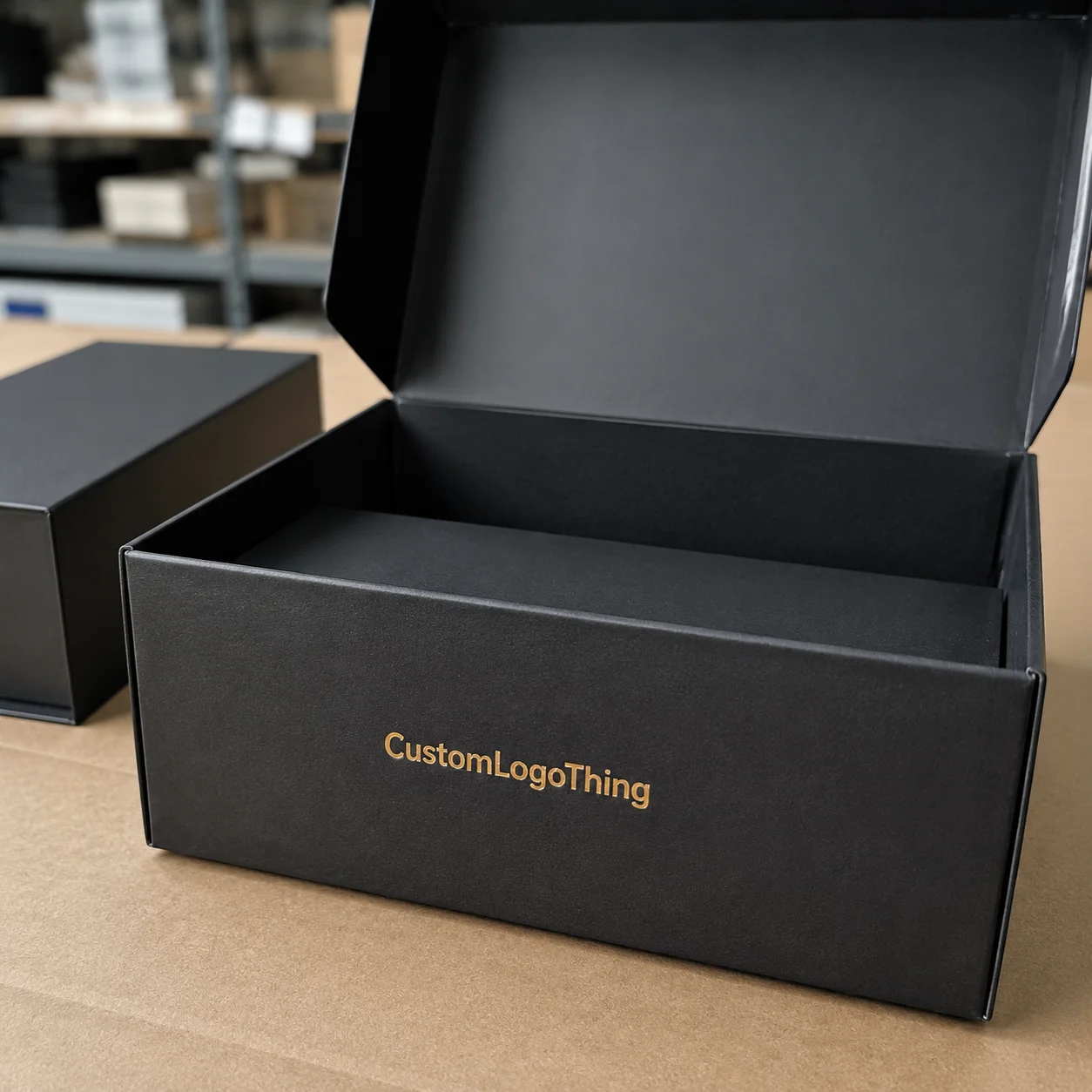
I've visited dozens of manufacturing facilities across the United States—primarily in Los Angeles, Chicago, and the Dallas-Fort Worth corridor—and Asia (Shenzhen, Guangzhou, and Ho Chi Minh City) over my fifteen years in packaging. What I've learned is that the relationship between a business and its custom mailer boxes manufacturer determines far more than unit costs. Think about your customer journey for a moment. That mailer box is the first physical touchpoint after someone clicks "buy now." It travels through warehouses, gets handled by fulfillment workers, rides in delivery trucks, and sits on porches in rain and sun. Then it arrives at your customer's door—and that unboxing moment shapes their entire perception of your brand. Custom mailer boxes serve dual purposes that most businesses underestimate. They're simultaneously a shipping container and a marketing tool. I worked with a cosmetics startup in Portland, Oregon that increased their repeat purchase rate by 23% simply by improving their packaging experience. They weren't changing their formulas or pricing. They were investing in better 350gsm C1S artboard boxes with thoughtful interior printing and tissue paper. The manufacturer they chose could deliver the structural quality needed to survive transit while producing the premium unboxing experience their brand required. Honestly, I think businesses underestimate packaging's marketing power. Every dollar you spend on custom mailer boxes is a dollar that works for you 24/7—it's sitting in someone's home, being photographed, posted, shared. (Meanwhile, that Google Ad you're running stops the moment you hit your daily budget.) The implications extend further than you might expect. Your manufacturer's production capabilities affect your speed-to-market. Their material certifications impact your sustainability claims. And increasingly, the quality of your packaging influences how algorithms evaluate your website—the more unboxing photos customers share online, the more organic visibility your brand receives when people search for products like yours. This transforms packaging from a commodity purchase into a strategic business decision. You're not buying boxes. You're investing in a supply chain partner whose capabilities, reliability, and values will either accelerate or constrain your growth.What Exactly Does a Custom Mailer Boxes Manufacturer Do?
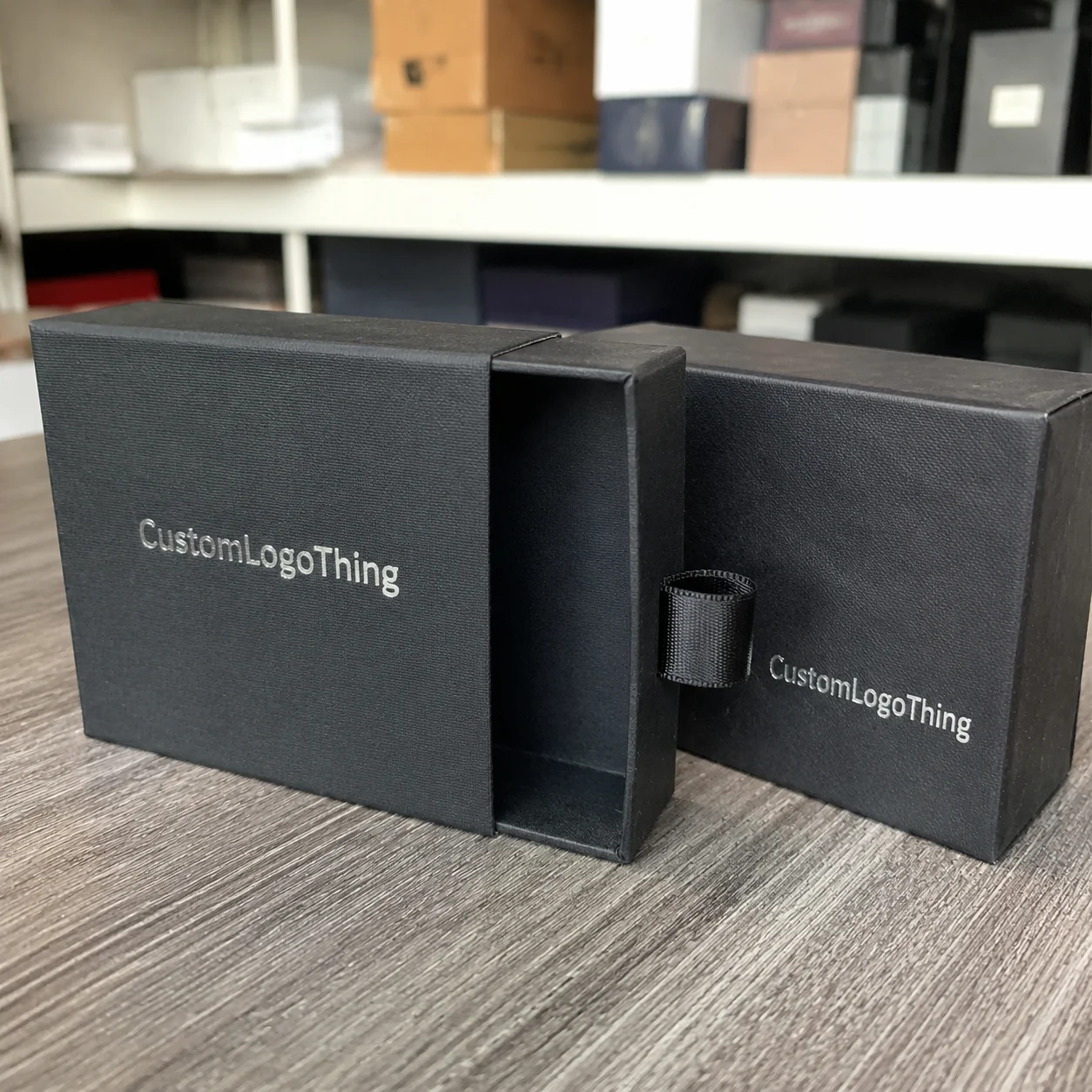
Most people assume manufacturing is straightforward: take a design, print it on cardboard, cut it, ship it. Reality is way more complex than that. Understanding this complexity helps you ask better questions and make smarter choices. A full-service custom mailer boxes manufacturer typically handles five distinct phases. The first is design consultation and dieline creation. The dieline is the blueprint—it's the template showing exactly where your design will be printed and where the box should be cut, folded, and glued. I once had a client who'd been working with a budget manufacturer in Shenzhen who provided generic dielines. The resulting boxes were technically functional but didn't fit their products properly. After switching to a manufacturer in Los Angeles who created custom dielines based on their actual product dimensions (including 0.5-inch foam inserts), they reduced shipping damage by 67% because the boxes finally hugged the products snugly. They also stopped looking like every other supplement brand's boxes, which was a nice bonus. Material sourcing forms the second phase. The options range from standard corrugated cardboard—typically Kraft-colored brown or white—to specialty materials. I've seen manufacturers source everything from recycled content boards with 100% post-consumer waste to innovative materials like mushroom-based packaging that composts in 45 days. Your manufacturer should explain the tradeoffs between cost, structural strength, and environmental impact. For instance, ECT-32 single-wall corrugated handles products up to 40 pounds, while double-wall ECT-44 construction suits heavier items that need reinforced corners. Printing processes represent the third phase, and this is where many buyers feel overwhelmed. Flexography dominates high-volume runs because plates are inexpensive and setup costs are low once you're printing thousands of identical boxes. Digital printing has revolutionized shorter quantities—I recently helped a startup in Austin, Texas launch with just 200 units of custom mailer boxes using digital production. The per-unit cost was $6.50 instead of $1.90, but they avoided the $3,000+ setup fee traditional printing would have required. Offset printing delivers photographic quality with precise color matching, making it ideal for luxury brands where brand-critical colors must be exact. Finishing options constitute the fourth phase. This is where your packaging becomes memorable. Matte lamination creates a sophisticated, non-reflective surface. Gloss lamination makes colors pop and adds water resistance. Spot UV highlights specific design elements—I've seen logos treated with spot UV that practically glow under retail lighting. Embossing and debossing create tactile experiences where customers can feel your brand message. One client told me customers regularly touch their embossed logo boxes before opening them. "They want to confirm it's real," she explained. Die-cutting, gluing, and quality inspection complete the process. Every reputable custom mailer boxes manufacturer I've worked with implements inspection checkpoints throughout production, not just at the end. Catching a printing misalignment during setup prevents an entire run of defective boxes.The Manufacturing Process: From Design Concept to Delivery
Understanding the timeline and workflow demystifies the process and helps you plan realistically. I see clients consistently underestimate how long production takes, leading to rushed orders that cost premium prices and introduce unnecessary stress. The process typically begins with an initial consultation. You submit your artwork—whether that's a completed design or just concept sketches—and the manufacturer assigns a project manager or production specialist to review it. Most quote packages include two to three revision rounds. I've learned to be thorough in my first submission because each revision cycle adds five to seven business days to the timeline. Dieline creation and sample production follow approval. This is the phase I never skip, and I strongly recommend you don't either. Physical prototypes let you test structural integrity, verify dimensions, and experience the unboxing flow yourself. When I worked with a coffee subscription company in Denver, their designer created beautiful custom mailer boxes on screen. The samples revealed that the built-in chipboard dividers prevented the boxes from stacking properly in their refrigerated warehouse. They caught this before committing to a 50,000-unit production run. The designer was a bit embarrassed. I was diplomatic. These are the moments that make consultants look brilliant for the low low price of $275/hour. Kidding. Mostly. Production scheduling depends heavily on the custom mailer boxes manufacturer's current workload and your specifications. Simple designs with standard materials enter the queue faster than complex four-color prints on specialty substrates. Reputable manufacturers often book two to four weeks out during peak seasons like the holiday quarter. Last October, I had a client scrambling because they'd waited until mid-September to order boxes for a November launch. Every manufacturer they contacted was either booked solid or charging 60% rush premiums. I spent three days on the phone negotiating. They got their boxes. They also developed a newfound respect for calendar awareness. Quality control happens at multiple stages. The best manufacturers I've partnered with inspect during printing, after finishing, and during packing. One facility in Ontario, California showed me their defect rate tracking system—they maintained records showing their average defect rate stayed below 0.8%, which they shared with clients upon request. Shipping logistics deserve more attention than they typically receive. Your boxes might ship via less-than-truckload (LTL) freight, which means they share a truck with other shippers and might take longer to arrive. Full truckload shipping gets your order there faster but requires enough volume to fill a trailer—typically 10,000+ units of mailer boxes. I'm also thinking about carbon footprint here. LTL shipping generates more emissions per unit than consolidated loads, so if sustainability is part of your brand story, ask manufacturers about consolidated shipping options.Key Factors That Separate Adequate Manufacturers From Exceptional Ones
After evaluating dozens of custom mailer boxes manufacturers for clients, I've identified specific characteristics that predict whether a partnership will thrive or struggle. Minimum order quantities (MOQs) represent the first filter. They range from 50 units with some digital print providers in Chicago to 5,000-10,000+ units for traditional offset printing. I worked with a DTC apparel brand in Brooklyn last year that was launching a limited capsule collection. They needed only 150 boxes but had budgeted based on 1,000-unit pricing they'd seen online. Finding a manufacturer willing to produce their quantity required connecting with a digital print specialist. The per-unit cost was $6.50 instead of $1.90, but they avoided overbuying inventory they couldn't use. Their CFO sent me a bottle of wine. I'll never turn down wine from grateful CFOs. Material certifications matter more than most buyers realize. FSC-certified board comes from forests managed responsibly according to standards set by the Forest Stewardship Council. If your brand makes environmental claims, this certification validates them. ASTM D6400 certification confirms that materials will compost in commercial facilities—crucial if you're marketing compostable packaging. I've seen companies make bold sustainability claims based on their manufacturer's vague assurances, only to face criticism when journalists or customers investigated. Greenwashing backlash is real, folks. I've seen brands get eviscerated on Twitter over packaging claims that turned out to be, shall we say, aspirational. Communication responsiveness during non-peak hours reveals how a custom mailer boxes manufacturer operates when things are calm—which predicts how they'll handle problems during your busiest season. I test this by sending inquiries at odd hours and noting response times and quality of answers. A manufacturer who takes three days to respond to a simple question before you've signed anything will likely be difficult to reach when a production issue emerges. Blind shipping capabilities protect e-commerce brands that don't want manufacturer branding visible on their packages. This matters more than you might think. One of my clients discovered their boxes had the manufacturer's website printed on the interior—a minor detail they hadn't checked. When customers posted unboxing videos, viewers could clearly read the manufacturer URL. They switched providers and specified blind shipping in their contracts. The manufacturer's sales team was not happy. I was delighted. Not professionally, of course. Okay, maybe a little professionally. Rush production availability can mean the difference between meeting product launch deadlines or missing entire sales quarters. I once had a client whose influencer marketing campaign went viral two weeks earlier than expected. Their custom mailer boxes manufacturer in Dallas bent over backward to accommodate a five-day turnaround—charging a 40% premium, but saving the launch. That manufacturer earned a three-year exclusive contract from that decision.Understanding Custom Mailer Box Costs: What You're Actually Paying For
Unit economics in custom mailer box production follow predictable curves that dramatically favor higher volumes. This table illustrates typical pricing structures I've encountered:| Order Quantity | Estimated Unit Cost (Standard) | Estimated Unit Cost (Premium) | Typical Lead Time |
|---|---|---|---|
| 100-500 units | $4.50 - $8.00 | $7.00 - $12.00 | 10-15 business days |
| 1,000-2,500 units | $1.80 - $3.50 | $3.00 - $5.50 | 12-18 business days |
| 5,000-10,000 units | $0.85 - $1.85 | $1.50 - $2.80 | 15-22 business days |
| 10,000+ units | $0.45 - $0.95 | $0.85 - $1.50 | 20-30 business days |
Step-by-Step: How to Evaluate and Select Your Manufacturer
I've developed a systematic approach for evaluating custom mailer boxes manufacturers that helps clients make confident decisions. The process isn't complicated, but it requires discipline. Start by defining your non-negotiables before contacting anyone. Document exact dimensions based on your product dimensions plus appropriate cushioning space. List material requirements (such as 350gsm C1S artboard or 32 ECT corrugated), print specifications, and realistic delivery deadlines. One client came to me having wasted three months because they'd been asking manufacturers for quotes without knowing their own requirements. When they finally defined what they needed (12 x 8 x 4 inches, ECT-32 single-wall, full-color offset with matte lamination), they received accurate quotes from three manufacturers within 48 hours and selected their partner by the following week. Three months of wasted time because nobody told them to start with requirements. I'm still slightly annoyed about this. Request samples from at least three manufacturers. Compare structural integrity by standing on flat boxes (they should support weight without collapsing), testing corner strength, and evaluating print quality under different lighting conditions. I recommend testing the unboxing experience yourself. How does the box open? Does the interior design enhance the reveal? These details matter for customer perception. Yes, I actually stand on boxes. Yes, my staff thinks I'm ridiculous. No, I don't care. The boxes have survived, the clients have saved money, everyone's winning. Verify production capabilities directly. Ask whether they manufacture your boxes in-house or outsource to another facility. When I ask this question, I typically get one of two reactions: pride that they have everything under one roof in their Atlanta or Houston facilities, or an uncomfortable pause followed by an explanation. Outsourcing isn't necessarily disqualifying, but you deserve transparency about it. Check references specifically for their communication during problems. I ask references: "When something went wrong, how did they handle it?" The answers reveal more than any sample order could. One manufacturer reference told me about a damaged run where the manufacturer covered re-production costs without being asked and prioritized their re-shipment ahead of other orders. That manufacturer earned my recommendation immediately. Negotiate payment terms carefully. Most manufacturers require 30-50% deposits with balances due before shipping. Established relationships often unlock net-15 or net-30 terms. I've seen startups strain cash flow by agreeing to unfavorable payment terms because they didn't ask for alternatives. Start smaller than you think necessary. Even if you need 10,000 boxes annually, consider ordering 500-1,000 first. Pay the higher per-unit cost to validate the relationship before committing your entire annual packaging budget. This approach has saved multiple clients from costly mistakes.Mistakes That Cost Businesses Thousands When Ordering Custom Mailer Boxes
I've compiled a list of errors I see repeatedly—most of them avoidable with proper planning and realistic expectations. Some of these I've made myself. We're all learning. Except the people who keep making the same mistakes—those people baffle me. Dimensional weight pricing surprises businesses regularly. Carriers charge based on package dimensions, not actual weight. I worked with a skincare brand in Miami whose custom mailer boxes were 30% larger than necessary. Their per-unit shipping costs were $4.75. After optimizing dimensions with their manufacturer, they reduced box size by 28% and shipping costs dropped to $3.10 per unit. Over 50,000 annual shipments, that small optimization saved them $82,500 annually. Do the math, people. Box size matters more than you'd think. CMYK color matching fails brand-critical elements consistently. Digital and offset printing approximates colors using CMYK processes, but your logo's exact color might shift during conversion. Always specify Pantone spot colors for logos and critical brand elements. A press proof adds two to three days and $50-150 in cost, but prevents reprints when colors are wrong. I once had a client reject 15,000 boxes because the logo was the wrong shade of blue. The reorder cost them $22,000 and a three-week delay. They never skipped a press proof again. Dieline clearance requirements catch designers unfamiliar with packaging production. Text positioned too close to fold lines becomes unreadable after assembly. I recommend maintaining a 0.25-inch clearance from all fold and cut lines. When a beverage company in Nashville sent their first order to production without checking clearance, the ingredient list on their custom mailer boxes vanished into the fold. They had to recall 8,000 units and reprint at additional cost. The vending machine that carried their product refused to stock them until they fixed the labeling. Lesson learned expensively. Storage requirements surprise businesses transitioning from poly mailers to corrugated boxes. Custom mailer boxes arrive flat-packed and require assembly, but they also need climate-controlled storage to prevent moisture damage or warping. One client's warehouse in Atlanta had humidity fluctuations that caused their boxes to expand slightly, making assembly difficult. They spent $3,200 installing a dehumidifier before their second order arrived. The warehouse manager was convinced their new boxes were defective. It took me five minutes to spot the humidity issue. Five minutes and a hygrometer. The hygrometer was $15. The dehumidifier was $3,200. You do the math. Choosing price over reliability destroys budgets. A manufacturer quoting 30% below market rate is either operating at thin margins (risky) or using inferior materials (dangerous). I've seen boxes with 200-pound test board quoted at prices that would only cover 175-pound board. The savings evaporate when boxes collapse and products arrive damaged. There's a reason they're cheap. Trust me. Not testing with real products kills projects. Empty boxes look perfect. Boxes with lightweight samples look fine too. But the weight of actual products, especially during vibration testing in shipping, reveals structural weaknesses. One client discovered their magnetic closure boxes failed at the seal during simulated shipping tests at 400 vibration cycles per minute. They'd never tested with actual product weight. The fix was a simple redesign (adding 0.75-inch reinforcement strips at the closure point), but they would have shipped thousands of defective boxes if they hadn't caught it first.Your Action Plan: Next Steps to Secure the Right Manufacturer Partnership
Everything I've shared leads to action. Here's your roadmap to finding the right custom mailer boxes manufacturer for your business. First, document your exact specifications immediately. Create a one-page brief including precise dimensions, material preferences, quantity requirements, and budget range. This brief serves as your starting point for every manufacturer conversation. When you send the same clear specifications to multiple manufacturers, comparing quotes becomes straightforward. I know it feels like extra work. It isn't. It's the work. Do the work. Request physical samples this week. Most manufacturers provide three to five samples free; shipping costs are an investment in avoiding costly mistakes. I've never regretted requesting samples. I have regretted proceeding without them. Three times. Never again. Build a comparison matrix scoring each manufacturer objectively. Evaluate sample quality (rate 1-10 on structural integrity, print quality, and finish), communication speed (hours to first response), pricing transparency (were all fees disclosed upfront?), production capacity (can they handle your volume?), and sustainability certifications (FSC, ASTM D6400, etc.). Quantify your scoring. A manufacturer scoring 38/50 should rank above one at 32/50, regardless of gut feeling. Schedule video calls with your top two choices. Manufacturers who invest time understanding your business before quoting are worth prioritizing. During these calls, ask about their production facilities (are they in Los Angeles, Shenzhen, or somewhere else?), quality processes (what's their defect rate?), and how they handle disputes. One manufacturer told me their quality team has standing authority to reject any production run that doesn't meet specifications—no approval needed, no questions asked. That's the kind of confidence I want in a partner. Calculate total landed cost per unit, not just quoted price per box. Factor in shipping expenses (typically $0.15-0.35 per unit for LTL freight), storage requirements ($0.02-0.05 per square foot monthly), and potential damage costs from inadequate protection. I created a spreadsheet for clients that includes all these variables. A box quoted at $1.25 might actually cost $1.68 when transportation and damage rates are included. The spreadsheet is a thing of beauty. It's color-coded. I've never been more proud of a spreadsheet. Begin with smaller test orders before committing your entire packaging budget. Validate the relationship, confirm the quality, and build communication patterns before scaling up. Every manufacturer I've trusted with significant volume started with a smaller order that proved their reliability. Your search for the right custom mailer boxes manufacturer is a strategic investment in your business. The partner you choose affects your brand perception, customer satisfaction, operational efficiency, and ultimately your profitability. Take the time to evaluate options thoroughly, and you'll find a manufacturing relationship that supports your growth for years to come.How Do I Choose the Right Custom Mailer Boxes Manufacturer for My Business?
Choosing the right custom mailer boxes manufacturer requires evaluating several key factors beyond just unit pricing. Start by defining your non-negotiables: required material certifications (FSC, ASTM D6400), minimum order quantities that match your actual needs, and production capabilities that align with your timeline. Request samples from at least three manufacturers and test them rigorously—stand on them, check corner strength, and verify print quality under different lighting conditions. Ask about their defect rates, quality inspection processes, and how they handle disputes when problems arise. The best custom packaging supplier for your business isn't necessarily the cheapest option; it's the one whose capabilities, communication style, and reliability best match your specific requirements and growth trajectory.What is the typical production timeline for custom mailer boxes from a manufacturer?
Standard production typically requires 10-15 business days after artwork approval, with shipping adding 3-7 days depending on distance. Rush production options usually reduce this to 5-7 business days but typically add 25-50% to the production cost. The complete process including design revisions, sample approval, and production typically spans 4-6 weeks from initial inquiry to delivery. During the holiday quarter (October through December), expect lead times to extend by 5-10 business days.
What minimum order quantities do custom mailer box manufacturers usually require?
MOQs range from 50 units with premium digital printers in major metro areas to 5,000-10,000 units for traditional offset printing runs in facilities like those in Shenzhen or Los Angeles. Smaller orders under 500 units typically cost $3-8 per box, while bulk orders of 5,000+ often drop to $0.85-1.50 per unit depending on material grade (ECT-32 vs ECT-44) and finishing options. Some manufacturers offer no-MOQ options using digital printing for startups testing new designs, though unit costs are significantly higher.
How do I ensure color accuracy when working with a custom mailer boxes manufacturer?
Request Pantone (PMS) color specifications for brand-critical elements rather than relying on CMYK approximations. Order a physical press proof before full production—this adds 2-3 days and $50-150 cost but prevents costly reprints when colors are wrong. Ask the manufacturer about their color management process, including calibrated monitors, color-proofing systems (such as ISO 12647-2 compliant workflows), and industry-standard viewing conditions (D50 lighting at 5000K).
What materials do custom mailer box manufacturers typically offer?
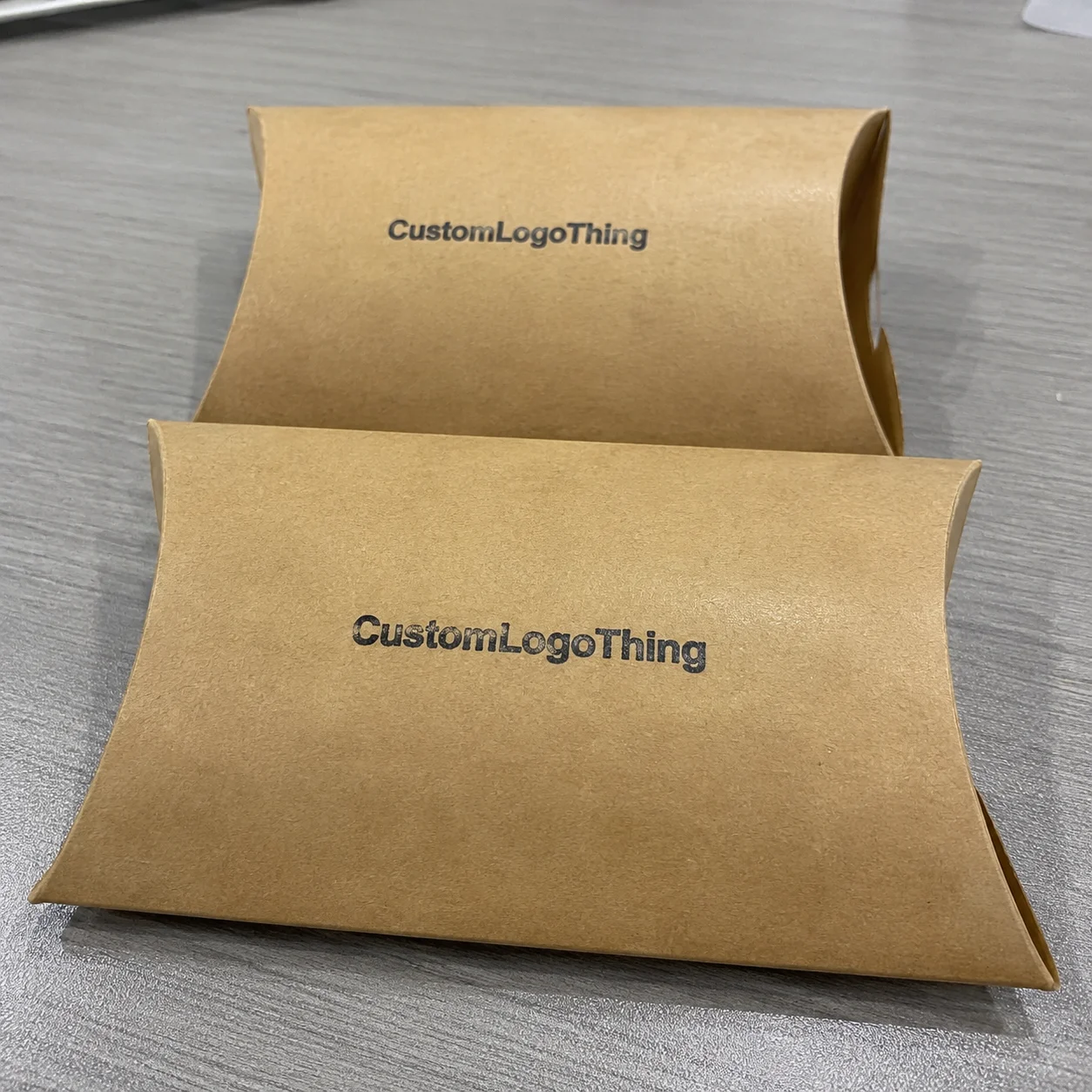
Standard corrugated cardboard ranges from 32 ECT (lightweight at 23-26 lb) to 44 ECT (heavy-duty at 40 lb) with single, double, or triple wall construction. Sustainable options include recycled content (25-100% post-consumer waste), FSC-certified virgin board, and compostable or biodegradable materials certified to ASTM D6400 standards. Premium finishes include 350gsm C1S artboard for luxury products, kraft paper (typically 200-300gsm) for eco-conscious brands, and specialty materials like recycled black kraft.
How can I verify a custom mailer boxes manufacturer's quality standards before ordering?
Request ISO 9001:2015 certification or similar quality management documentation as evidence of systematic quality processes. Ask for references from companies in your industry with similar volume requirements—direct feedback reveals patterns invisible in samples. Inquire about their defect rate and return policy; reputable manufacturers target under 1% defect rates and offer credits or reprints for quality issues. Request a facility tour if possible—manufacturers in Los Angeles, Chicago, and Shenzhen with nothing to hide will accommodate this request.
Related packaging resources
Use these related guides to compare specs, costs, quality checks, and buyer decisions before making the final call.
- Display Boxes Wholesale: Pricing, Specs, and Process
- Custom Rigid Gift Boxes with Logo: A Practical Guide
- Custom Zip Pouches With Logo: Practical Packaging Guide
- Custom Kraft Gift Bags Bulk: Pricing, Specs, and Lead Times