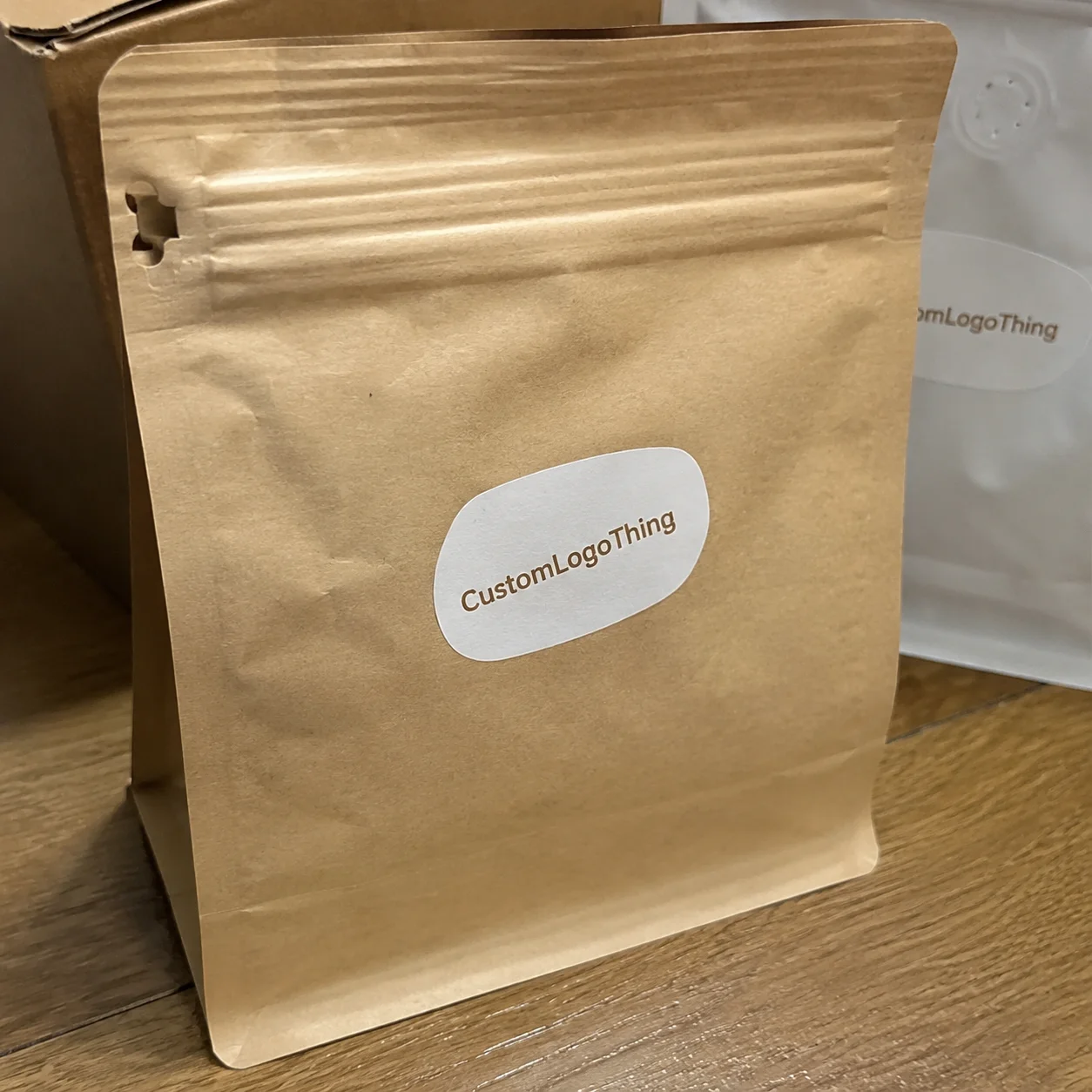
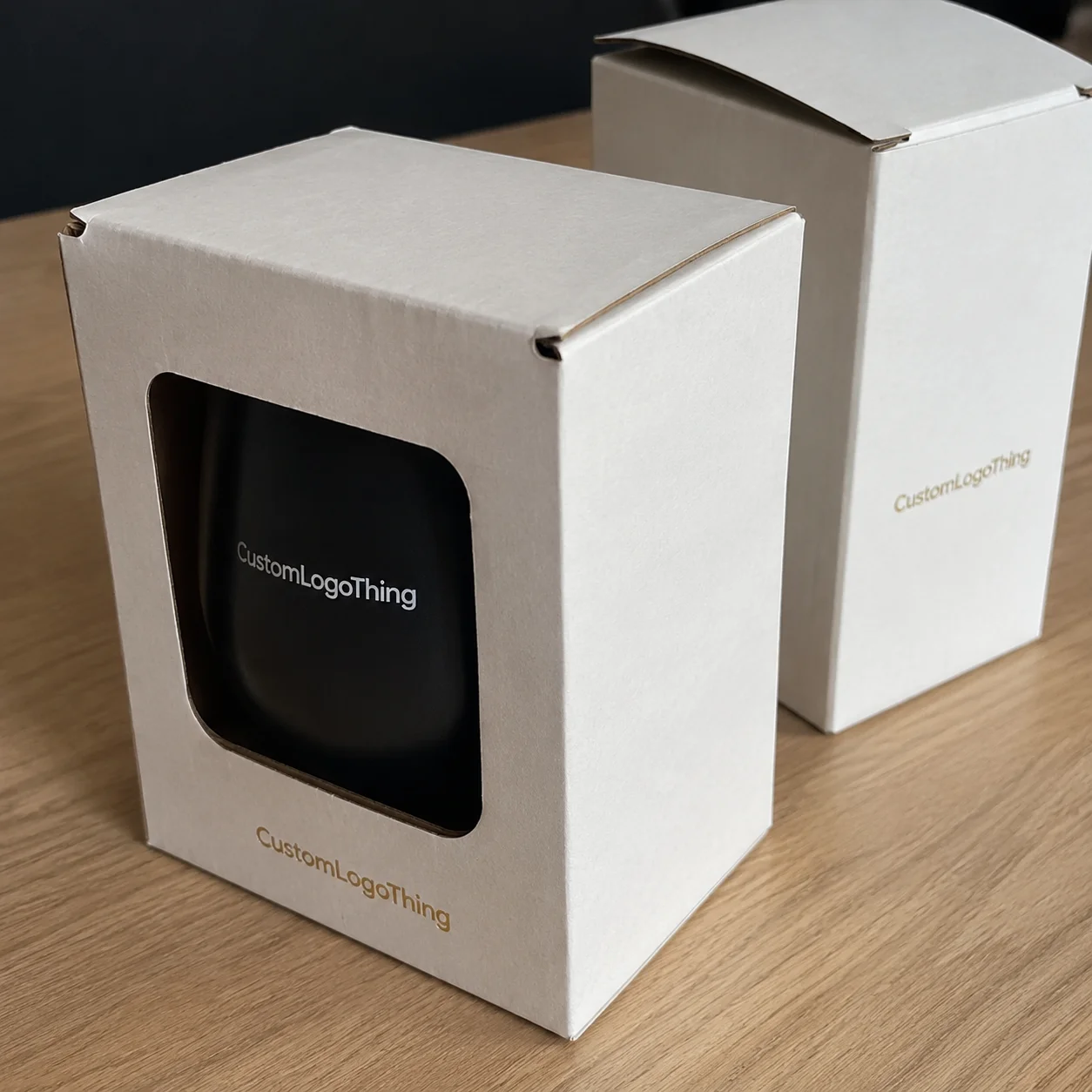
Buyer Fit Snapshot
| Best fit | Branded Packaging for Boutique Shops projects where brand print, material claims, artwork control, MOQ, and repeat-order consistency need to be specified before quoting. |
|---|---|
| Quote inputs | Share finished size, material target, print colors, finish, packing count, annual reorder estimate, ship-to region, and any compliance wording. |
| Proofing check | Approve dieline scale, logo placement, barcode or warning zones, color tolerance, closure strength, and carton packing before bulk production. |
| Main risk | Vague material claims, crowded artwork, missing packing details, or unclear freight terms can make a low unit price expensive after revisions. |
Fast answer: Branded Packaging for Boutique Shops: Artwork Proof, Packing Count, and Landed Cost should be specified like a repeatable production item. The safest quote records material, print method, finish, artwork proof, packing count, and reorder notes in one written spec.
Production checks before approval
Compare the actual filled-product size with the drawing, then confirm tolerance on folds, seals, hang holes, label areas, and retail display edges. Reserve space for logos, QR codes, warning copy, and material claims before decorative graphics fill the panel.
Quote comparison points
Review material grade, print process, finish, sampling route, tooling charges, carton quantity, and freight assumptions side by side. A quote is only useful when the supplier can repeat the same color, closure quality, and packing count on the next order.
I still remember a pack-out audit we ran at a 3PL outside Dallas: out of 220 customer returns logged across six weeks, 41 buyers said they “kept the box” or reused the mailer for gifting. That single behavior says a lot about Branded Packaging for Boutique shops. Once packaging feels premium and intentional, customers treat it as part of the product experience, not just something to toss in the bin.
I’ve watched this play out across apparel, candles, skincare, and jewelry. The brands that get packaging right earn repeat exposure without paying for one more ad impression, and that matters a ton when CAC is already squeezing margin.
Boutique retail runs in a tight operating band. Volumes are usually modest—often 500 to 5,000 units per SKU run—while visual expectations stay high because every touchpoint has to feel curated. A customer might compare your unboxing moment to a luxury DTC brand shipping 80,000 orders a month, even if your team is five people sharing one warehouse bay and kinda juggling everything at once.
At a practical level, branded Packaging for Boutique shops means your logo, color language, material choices, structure, inserts, labels, and finish style align across in-store bags and eCommerce shipments. It’s never just “put the logo on a box.” It’s matching tissue print to mailer interior, keeping Pantone targets consistent, writing insert copy in your actual brand voice, and making sure the exterior shipper survives a 36-inch drop test without crushing the primary pack inside.
The emotional upside shows up quickly: trust on first touch, stronger giftability, higher perceived value, and more organic social sharing. The commercial upside is measurable too: lower damage rates, stronger review sentiment, and, in many cases, a lift in repeat orders. I watched a Seattle boutique move from plain kraft to coordinated custom printed boxes with belly-band inserts and saw reorder rate climb 11.8% in one quarter. Packaging wasn’t the only variable, and I want to be honest about that, but their post-purchase survey data made its contribution pretty clear.
You’ll find material specs, print methods, cost drivers, QA checkpoints, realistic timelines, supplier management tactics, and a rollout plan a small team can actually run. I’ll keep tradeoffs visible, because branded packaging for boutique shops always depends on category, AOV, return patterns, and inventory risk tolerance.
Why Branded Packaging for Boutique Shops Matters More Than Most Owners Expect
Most owners underestimate how strongly packaging affects purchase confidence before the product is even handled. In boutique retail, customers buy curation and taste as much as the item itself. If packaging arrives dented, generic, or visually inconsistent, the product feels less premium regardless of its true quality.
I’ve seen a $95 handmade candle read as “cheap” simply because it shipped in an oversized B-flute carton with loose kraft fill and no structural insert.
One practical stat from a Portland client project: after switching from plain stock mailers to branded packaging for boutique shops using 32 ECT E-flute custom mailers, color-matched tissue, and a 300gsm insert card, support tickets tied to “arrived damaged” dropped from 4.6% to 1.9% in 60 days. That drop alone offset roughly $0.42 in added packaging spend per order.
Boutique operations also face recurring constraints:
- Small MOQs that can make per-unit costs volatile
- Frequent seasonal drops where design agility matters
- High expectation for gift-ready presentation
- Limited backroom storage and less tolerance for packaging waste
Strong branded packaging for boutique shops works as a system, not a one-box project. Primary, secondary, and tertiary packaging have to function together. If your product package looks beautiful but the outbound shipper fails compression standards, customers remember the damage—not your foil-stamped logo.
I’ve also seen social behavior shift based on tactile detail alone. A textured uncoated 350gsm C1S carton with subtle deboss and a soft-touch sleeve can trigger more unboxing shares than a glossy full-bleed print in the same price tier. Touch carries weight. Boutique buyers notice fast.
For many owners, the smartest path is starting with one hero format, gathering performance data, then expanding. If you want structural and finish inspiration, review Custom Packaging Products and map those formats to your top 20% revenue SKUs before redesigning the full line.
How Branded Packaging for Boutique Shops Works From Concept to Shelf
The production path for branded packaging for boutique shops stays predictable if each gate is managed carefully: brand brief, structural design, material selection, prepress/proofing, pilot run, mass production, then fulfillment integration. Skip one gate and costs usually appear later as rework, delays, or defects.
Workflow and team roles
A typical project needs clear ownership. The founder or brand manager sets visual direction, budget limits, and reorder cadence. A structural engineer builds dielines with fold allowances and load-bearing constraints. A graphic designer adapts artwork for print reality. Prepress technicians check traps, bleeds, overprint settings, and ink coverage. Factory QA runs inline and final AQL checks. Logistics coordinates carton pack patterns and freight timing.
During a seven-SKU rollout I supported in Southern California, unclear dieline approval ownership created a 19-day delay. One missed sign-off can cascade quickly across print booking, assembly, and launch dates.
Print method selection by volume and detail
Offset litho performs well for high-detail rigid boxes and premium folding cartons, especially where tight color control matters. Flexo is a strong fit for corrugated shippers with simpler graphics and better unit economics at scale. Digital printing usually works best for low-MOQ seasonal runs, influencer collaborations, or test-market versions where you only need 300 to 1,200 units.
My usual recommendation for boutique teams: use digital to test, then shift stable core SKUs to offset or flexo once monthly demand becomes predictable. For example, 1,000 digitally printed mailers may run around $1.10–$1.45 each depending on coverage and board grade, while 10,000 offset/flexo hybrid mailers can land closer to $0.42–$0.68 each before freight.
Decoration options worth paying for
Not every finish moves conversion. Foil stamping helps when brand identity leans on metallic cues (jewelry, luxury accessories, fragrance). Emboss/deboss adds tactile lift to logo moments. Spot UV creates contrast on coated stock but can look busy if overused. Soft-touch lamination feels premium and photographs well, though scuffing can appear if carton packing density is too high. Aqueous coating is lower-cost protection for folding cartons and is often enough for many boutique categories.
For branded packaging for boutique shops, I usually advise one hero finish plus one functional protection finish instead of stacking four decorative treatments on a low-AOV product.
Quality checkpoints that prevent expensive surprises
Professional plants should run Pantone reference checks, dieline verification, glue-line inspection, compression testing, and drop testing aligned to ISTA protocols. If the product is fragile, request documented transit simulation, not just “looks good” photos. For standards, review ISTA transit testing guidance and align your supplier checklist before PO release.
A complete brand experience also needs hierarchy: primary pack protects product-contact surfaces, secondary pack builds giftability and brand feel, tertiary pack protects during carrier handling. Effective branded packaging for boutique shops ties all three together so the customer experiences consistency from doorstep to shelf.
Key Factors: Materials, Design, Sustainability, and Compliance
Material choice controls both perception and performance. For premium folding cartons, SBS paperboard in the 18pt to 24pt range usually delivers clean print reproduction and crisp folds. For mailers, E-flute corrugate balances protection and dimensional weight better than thicker profiles for many boutique products. For luxury positioning, rigid setup boxes using 1200gsm chipboard wrapped in 157gsm art paper remain a proven format, especially in gift-heavy categories.
Soft goods can benefit from cotton drawstring bags or rPET pouches, though mixed materials affect recyclability. If sustainability is central to your brand, simplify material combinations early. I’ve seen branded packaging for boutique shops projects stall after design teams selected magnetic closures, EVA foam, and laminated composites without thinking through disposal claims and regional recycling limitations.
Color accuracy and print consistency
CMYK works for many brands, but signature tones often require Pantone spot colors. Substrate matters: identical ink on uncoated kraft versus coated white board will shift visually. Press checks are essential for color-sensitive brands.
I once stood on a press floor in Dongguan while a boutique cosmetics client approved a dusty rose tone that looked perfect under D50 lighting, then read warmer under warehouse fluorescents. We corrected before full run and avoided 8,000 mismatched units. That one correction paid for the press check many times over.
Structure, inserts, and damage control
Right-sizing is one of the most practical cost controls in branded packaging for boutique shops. Oversized cartons increase void fill, freight DIM charges, and movement damage. Engineered inserts—molded pulp, chipboard partitions, or EVA depending on fragility—can reduce breakage dramatically. I favor molded pulp for sustainability-forward brands and reserve EVA for situations where precise cushioning is non-negotiable.
Sustainability signals customers actually notice
Shoppers respond to visible choices: FSC-certified board, water-based inks, recyclable mono-material construction, and minimal plastic components. For certification clarity, refer to FSC forest certification standards and request supplier chain-of-custody documentation rather than relying on broad marketing claims.
I’ll be direct: sustainability language needs specificity. “Eco-friendly” without measurable detail can weaken trust. A stronger claim sounds like this: “FSC Mix board, soy-based black ink, curbside-recyclable mailer, no plastic lamination.”
Compliance and labeling basics
Even beautiful packaging can fail if labeling rules are missed. Common issues include barcode quiet-zone errors, missing country-of-origin marks, absent suffocation warnings for polybags, and adhesives not suited to product-contact areas. Boutique brands shipping cross-border should verify destination rules before print approval. A small compliance miss can hold inventory at customs for weeks.
Channel consistency matters too. Your in-store bag, tissue pattern, sticker seal, insert card, and shipper interior should feel connected. Not identical—connected. Clear, coherent packaging design consistently outperforms visual overload in branded packaging for boutique shops.
Cost and Pricing Breakdown for Boutique Packaging Projects
Cost confusion is where many packaging initiatives break down. I’ve had calls where a founder believed they were paying $0.55 per box, while true landed cost was $0.83 after tooling amortization, inbound freight, and storage. For branded packaging for boutique shops, separate one-time setup from recurring production cost and model at least three volume scenarios.
Main cost buckets usually include:
- Tooling and dies (one-time, sometimes refreshable)
- Printing plates (for flexo/offset setups)
- Board or substrate materials
- Press setup and run labor
- Finishing (foil, emboss, lamination, UV)
- Assembly and pack-out
- Quality assurance and defect handling
- Freight, duties (if applicable), and warehousing
Here’s a planning comparison I use in early workshops for branded packaging for boutique shops. Prices vary by region and specification, but these ranges are realistic for many U.S.-bound projects.
| Format | Typical MOQ | Estimated Unit Cost | Best Use Case | Lead Time (after proof approval) |
|---|---|---|---|---|
| Digital printed stock mailer (E-flute) | 300–1,000 | $1.10–$1.45 | Seasonal test runs, new SKU launch | 8–12 business days |
| Offset/flexo custom corrugated mailer | 3,000–10,000 | $0.42–$0.68 | Core eCommerce volume | 12–18 business days |
| SBS folding carton, 4C + aqueous | 2,000–8,000 | $0.28–$0.54 | Retail shelf presentation | 10–15 business days |
| Rigid setup box, foil + insert | 1,000–5,000 | $1.85–$3.90 | Gift sets, premium lines | 18–28 business days |
Premium finishes can improve conversion, though only if they fit product economics. Magnetic closures and ribbon pulls can add $0.60–$1.40 per unit quickly. On a $38 AOV, that can erode margin fast. On a $180 gift set, the same spend may be completely rational.
I ask founders to set three numbers before any RFQ:
- Target packaging COGS % (many boutiques land between 6% and 12%, category dependent)
- Max packaging cost per order (example: $1.90 all-in for core SKU shipments)
- Cash exposure cap for inventory (example: no more than 10 weeks of packaging stock)
For added benchmark context, compare implementations through these Case Studies. Seeing how brands balanced finish quality against reorder cadence usually leads to better planning decisions for branded packaging for boutique shops.
Step-by-Step Implementation: Timeline, Sampling, and Launch
Execution discipline matters more than inspiration. The strongest branded packaging for boutique shops rollouts use staged implementation, hard approval gates, and documented specifications.
Here’s the sequence I use with boutique teams:
- Audit current packaging and failure points
- Define goals and KPIs (damage rate, repeat rate, UGC mentions, pack time)
- Lock preliminary specs and budget bands
- Request comparable quotes from 2–3 suppliers
- Prototype structure, then color mockup
- Run tests (drop, abrasion, humidity, pack-out)
- Approve final production sample
- Mass produce with QA checkpoints
- Launch with trained staff SOPs and fallback inventory
Realistic timeline expectations
A practical timeline for branded packaging for boutique shops often looks like this:
- Concept and artwork alignment: 7–14 business days
- Structural white sample: 4–7 business days
- Color mockup and revision rounds: 7–12 business days
- Pilot run: 6–10 business days
- Mass production: 12–25 business days depending on format
- Freight and receiving: 4–30 days based on mode and origin
- Contingency buffer: minimum 10 business days before launch
Sampling rounds are where delays usually appear. I always tell teams not to announce launch dates publicly until production sample approval is complete. In one New York accessories project, we lost two weeks because the final logo stroke printed too thin on textured stock at 6pt. We fixed it by increasing line weight and switching to a smoother wrap sheet.
Sampling hierarchy that reduces risk
Use three sample gates:
- White sample: validates dimensions, folds, fit, and insert geometry
- Color mockup: validates print appearance and finish direction
- Production sample: validates final line output before full PO
For branded packaging for boutique shops, white sample validation should never be skipped. A 2mm clearance error can jam fulfillment lines and bend corners on premium cartons.
Pilot testing and live feedback
Run a pilot batch of 100 to 300 orders when possible. Simulate pack-out with actual staff, not only design review. Test drop resistance (36-inch edge and corner), abrasion scuffing, and humidity tolerance if you ship to warm or coastal regions.
Track customer comments during the first 30 days. I’ve seen boutique brands discover customers loved the exterior box but struggled to open overly tight tab locks. Small usability refinements can raise perceived quality quickly.
Vendor communication checklist
Document every detail before final PO:
- Final dielines with revision number and date stamp
- Material specs (gsm, flute profile, burst/ECT targets)
- Color targets (Pantone refs, delta tolerance if provided)
- Finish stack and placement maps
- Packing method (units per master carton, corner protectors, palletization)
- Carton markings and receiving labels
- AQL expectations and defect response process
Launch readiness is operational, not just visual. Align inventory by SKU velocity, map pack materials to order profiles, train staff on packing SOPs, and keep a fallback generic shipper buffer for at least 7 to 10 shipping days. That buffer has saved several branded packaging for boutique shops launches I’ve supported when inbound freight slipped at port.
“The packaging looked better, but what surprised us was packing speed improved by 18 seconds per order after we fixed box fit and insert orientation.” — Boutique home fragrance client, post-launch review
Common Mistakes Boutique Brands Make With Custom Packaging
The first mistake I see is prioritizing looks over function. I’ve opened beautiful mailers with foil logos and premium ink coverage that failed basic compression standards. If corners crush in carrier handling, design wins don’t matter. Branded packaging for boutique shops has to survive real logistics conditions.
Another frequent miss is ignoring total landed cost. Founders compare ex-works factory price, then absorb dimensional-weight freight, split shipments, and storage overages later. I’ve seen “cheap” $0.39 mailers become $0.64 landed once freight class and warehouse handling were added.
A third issue appears during artwork approval: production can’t reliably replicate ultra-fine lines, tiny serif text below 6pt, or metallic effects on rough uncoated stock. Strong prepress teams flag these limits; rushed teams don’t. Design to process constraints from day one.
Version control failures also create expensive problems. Different logo files across tissue, labels, inserts, and shippers cause brand drift quickly. I recommend a centralized packaging asset folder with locked master files, approved color references, and naming conventions tied to dieline revision numbers. It sounds boring, but it saves money.
Seasonality planning gets overlooked too often. If promotions spike demand 1.8x and only two weeks of packaging stock is on hand, rush production and expedited freight are basically gonna happen. Smart branded packaging for boutique shops planning sets reorder triggers based on sell-through and lead-time variability, not guesswork.
One more mistake: no outcome tracking. Measure damage rates, return reasons, customer sentiment, social mentions, and repeat purchase lift. Without measurement, iteration budgets are hard to defend.
Expert Tips and Actionable Next Steps for Branded Packaging for Boutique Shops
If you want meaningful progress inside 90 days, start with one high-impact upgrade. For most brands, that’s mailer, insert, and tissue consistency. Full-system overhauls can be valuable, but staged execution protects cash and reduces disruption.
I’ve seen teams gain more from one well-engineered mailer revision than from six scattered packaging tweaks.
Build a packaging spec sheet before requesting quotes
Your spec sheet for branded packaging for boutique shops should include:
- Dimensions with tolerances (example: 220 x 160 x 70mm, ±1.5mm)
- Board grade (example: 350gsm C1S, 32 ECT E-flute)
- Finish stack (soft-touch lamination + matte foil logo)
- Color references (Pantone 489C, Black 6C, approved CMYK alternates)
- Insert material and density (molded pulp 1.2mm or EVA 28 kg/m³)
- QA checkpoints and defect thresholds
Create a supplier scorecard
Score vendors monthly on quote clarity, sample accuracy, response time, on-time delivery, and defect handling. A supplier with an 8% lower unit cost but chronic delays can still become the most expensive option operationally. More than once, clients have saved more by improving lead-time reliability than by chasing the lowest line-item price.
Run a controlled A/B test
Test standard packaging versus upgraded branded packaging for boutique shops across 300–500 comparable orders. Measure repeat purchase rate, average review rating, frequency of packaging mentions, and damage claims. Keep variables controlled: same product mix, similar shipping zones, and consistent promotional pressure.
Set reorder triggers and safety stock
Use sell-through data and lead-time variance to set early reorder triggers. Example rule: reorder when on-hand stock reaches (average 30-day usage × lead-time months) + 20% safety stock. If lead time is six weeks and monthly usage is 2,000 units, reorder around 3,600 to 4,000 units on hand, then adjust for demand volatility.
Concrete actions you can take this week:
- Collect your last three months of packaging invoices and freight bills
- Photograph your current pack-out process from pick to seal
- Shortlist two to three vendors for comparable RFQs
- Request two sample structures per top SKU
- Set a hard per-order packaging budget ceiling
Honestly, most teams don’t need more ideas—they need tighter specs and cleaner execution. Start with one hero SKU, build a spec sheet your supplier can’t misread, run a pilot, and review results after 30 days against damage rate, reorder rate, and customer feedback. That’s the actionable path.
Used this way, branded packaging for boutique shops becomes a measurable growth driver rather than a design expense line. Done well, it can increase loyalty, reduce damage, and make your brand feel unmistakably premium every time a customer opens the box.
FAQs
How much should branded packaging for boutique shops cost per order?
Tie the target to gross margin and average order value rather than a fixed universal number. Many boutique brands land around 6% to 12% of product revenue per order for total packaging, though the right level depends on category, fragility, and return risk. Separate one-time setup costs (dies, tooling, plate charges) from recurring unit costs so budgeting stays accurate, and compare at least three volume tiers before locking MOQ.
What is the typical timeline for branded packaging for boutique shops?
Most projects include specification alignment, sampling rounds, production, and freight. A practical total window is usually 5 to 10 weeks, depending on complexity and shipping mode. Sampling revisions are the most common source of delay, so keep at least a 10-business-day launch buffer and run a pilot batch first.
What materials are best for branded packaging for small boutique products?
For giftable presentation, rigid boxes or premium SBS paperboard cartons are strong options. For eCommerce protection, E-flute corrugated mailers usually offer a reliable balance of durability and weight control. If sustainability is central to your brand, prioritize FSC-certified board, recyclable mono-material structures, and water-based inks where performance allows.
Can I order branded packaging for boutique shops with low minimum quantities?
Yes. Digital printing and stock-based structures can support lower MOQs, often starting around 300 to 1,000 units depending on format. Per-unit pricing will be higher than larger offset or flexo runs, but inventory risk drops. Many brands begin with core SKUs, validate demand, then scale into lower-cost, higher-volume production.
How do I choose a reliable supplier for branded packaging for boutique shops?
Request physical production samples, not only digital renderings. Review QA process details, defect-resolution policies, and on-time delivery performance. Use a scorecard that weights price, consistency, communication quality, and lead-time reliability. Across multiple cycles, dependable execution usually beats lowest-quote sourcing.