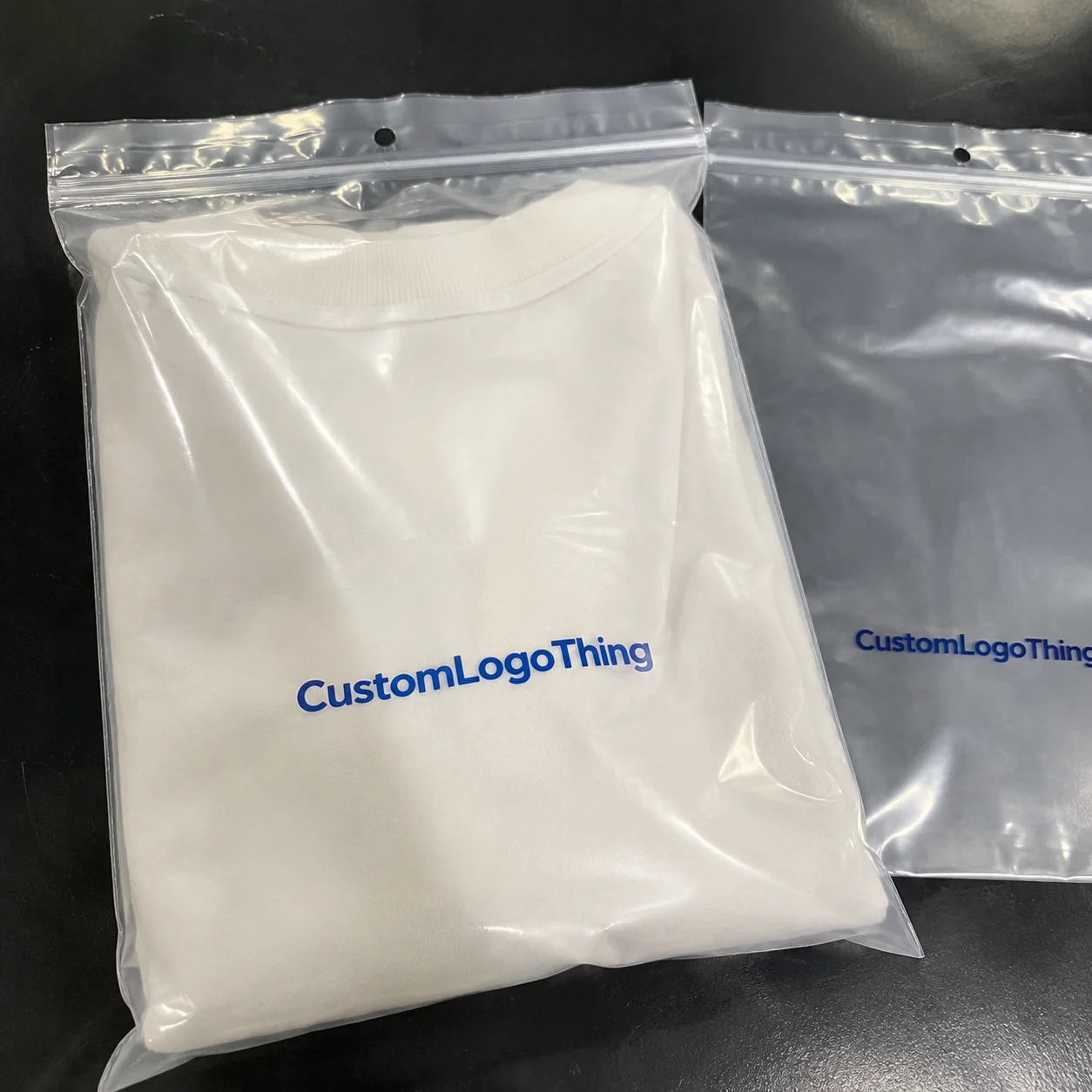
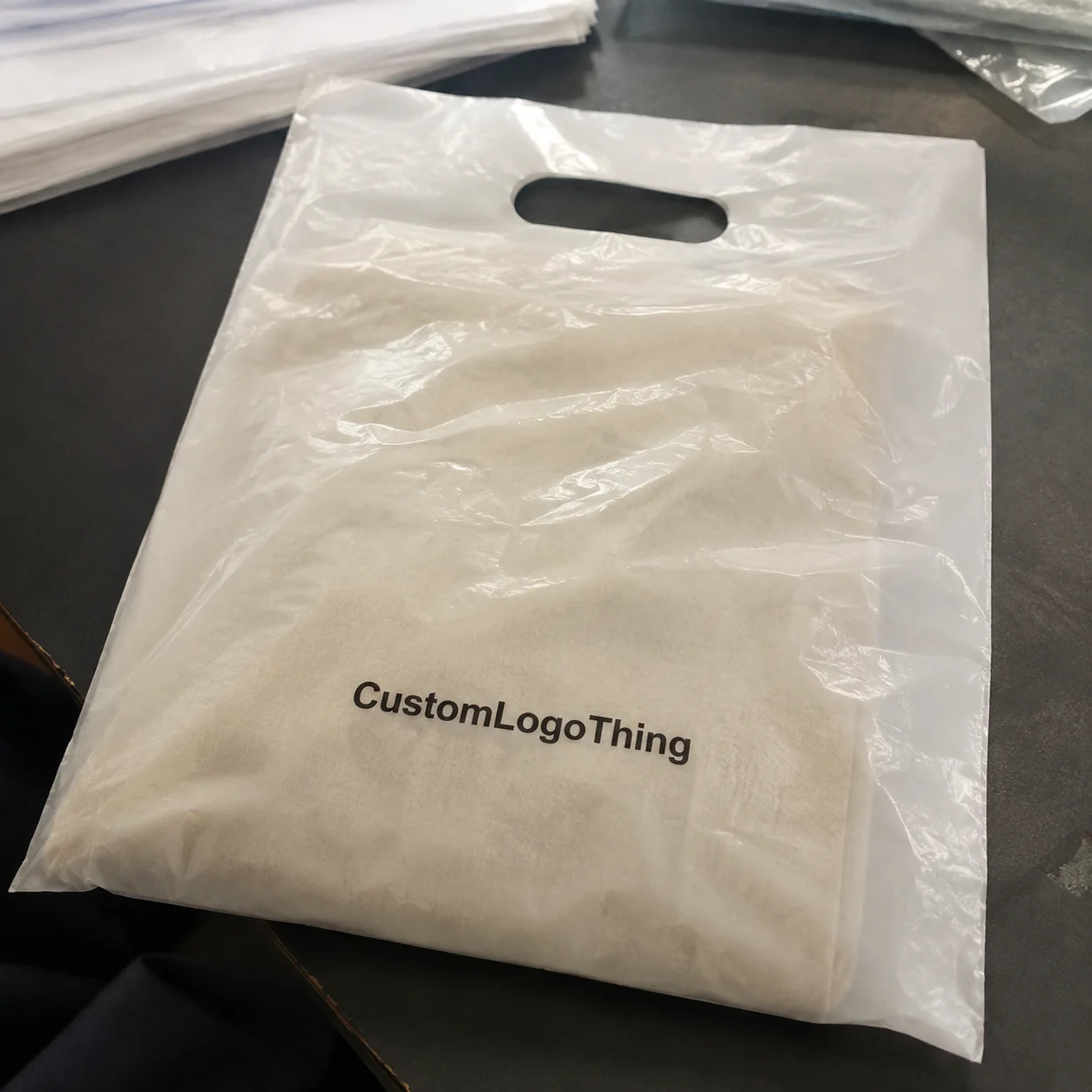
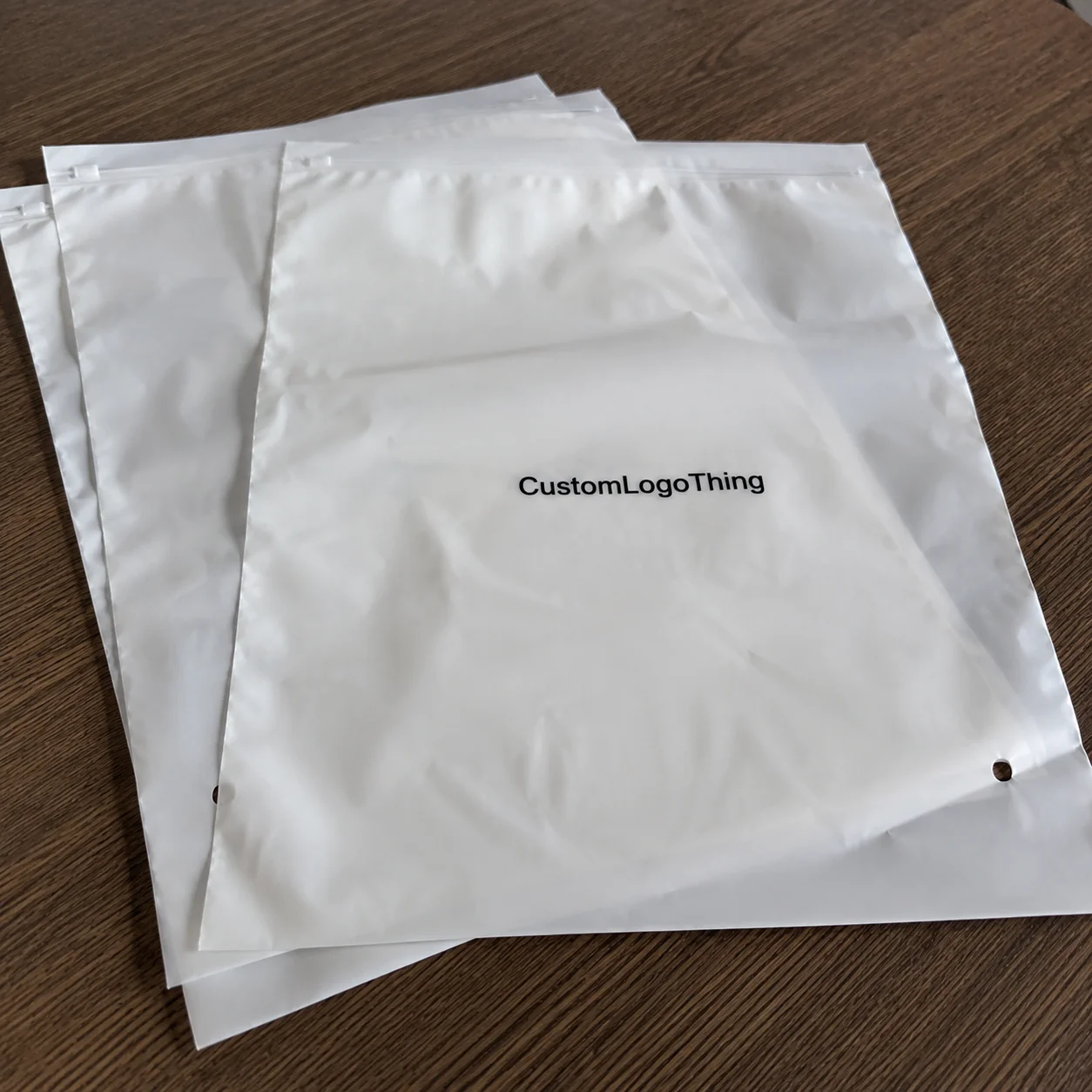
Buyer Fit Snapshot
| Best fit | Personalized Packaging for Boutique Stores projects where brand print, material claims, artwork control, MOQ, and repeat-order consistency need to be specified before quoting. |
|---|---|
| Quote inputs | Share finished size, material target, print colors, finish, packing count, annual reorder estimate, ship-to region, and any compliance wording. |
| Proofing check | Approve dieline scale, logo placement, barcode or warning zones, color tolerance, closure strength, and carton packing before bulk production. |
| Main risk | Vague material claims, crowded artwork, missing packing details, or unclear freight terms can make a low unit price expensive after revisions. |
Fast answer: Personalized Packaging for Boutique Stores: Quote Scope, Sample Proof, MOQ, and Lead Time should be specified like a repeatable production item. The safest quote records material, print method, finish, artwork proof, packing count, and reorder notes in one written spec.
Production checks before approval
Compare the actual filled-product size with the drawing, then confirm tolerance on folds, seals, hang holes, label areas, and retail display edges. Reserve space for logos, QR codes, warning copy, and material claims before decorative graphics fill the panel.
Quote comparison points
Review material grade, print process, finish, sampling route, tooling charges, carton quantity, and freight assumptions side by side. A quote is only useful when the supplier can repeat the same color, closure quality, and packing count on the next order.
If you spend enough time on a boutique sales floor in places like Atlanta, Dallas, or Portland, you start noticing a funny truth: people often remember the box, bag, or wrap before they remember the product name, and that is exactly why Personalized Packaging for Boutique stores matters so much. I’ve watched a $38 candle walk out of a shop in a matte black rigid box with copper foil and a 120gsm uncoated insert, and the customer treated it like a treasure from the moment the associate handed it over; the packaging became the first physical brand touchpoint outside the storefront, and in a boutique setting, that touchpoint can carry real weight. Honestly, that’s not “extra.” That’s retail psychology with prettier paper.
At Custom Logo Things, the conversation usually starts with brand personality, not cartons and tape. That’s the right place to begin. personalized Packaging for Boutique stores can mean custom-printed shopping bags, rigid boxes, tissue paper, labels, inserts, sleeves, hang tags, or wraps that are tuned to a boutique’s style, audience, and price point. It can be quiet and elegant, like a blind-embossed logo on FSC-certified kraft paper from a mill in Guangdong, or more expressive, like full-color custom printed boxes with soft-touch lamination and foil accents made in Shenzhen or Dongguan. Either way, it’s brand-building you can physically hold. And yes, I’m biased, but the tactile part matters more than people admit.
Personalized Packaging for Boutique Stores: Why It Grabs Attention
personalized Packaging for Boutique stores grabs attention because it extends the sale beyond the register. In my experience, the bag doesn’t just carry the item home; it carries the boutique’s voice into a car, an office, a dinner table, or a social post. I remember a women’s apparel client in Atlanta who thought her printed shopping bags were “just an expense” until customers began posting the bags on Instagram because the cream stock, black ink, and gold logo looked more expensive than the dress inside. That kind of package branding does real work, and it keeps working after the customer has left the store, usually for months if the bag gets reused instead of tossed.
Boutiques benefit more than mass retailers for a simple reason: they curate. When a store carries 40 SKUs instead of 4,000, every detail feels intentional. A tidy tissue wrap, a logo sticker, a rigid lid-and-base box, or a neatly folded sleeve can make the entire experience feel designed rather than assembled. That’s why personalized packaging for boutique stores often performs like a silent salesperson. It communicates value, style, and consistency without a single word from the staff. Which is great, because sales associates already have enough to juggle without becoming brand poets during a Saturday rush.
I’ve seen this play out in jewelers’ workrooms, beauty boutiques, and candle shops in Chicago, Nashville, and Scottsdale where the packaging became part of the product story. One owner in a small district outside Dallas told me her clients started asking for “the nice box” by name, not the product name, because the packaging itself had become a memory cue. That is not fluff. It’s retail packaging doing what retail packaging is supposed to do: build recognition, improve perceived value, and make repeat visits feel familiar.
personalized packaging for boutique stores also works because it can be dialed up or down. A boutique does not need a full structural overhaul on day one. Some brands start with simple logo stamping on 250gsm kraft bags, then move into Custom Mailer Boxes or folding cartons once the assortment and margins justify it. Others go straight into premium presentation with 1.5mm rigid chipboard, satin ribbon pulls, and magnetic closures. The right choice depends on audience, budget, and how much of the customer journey you want the packaging to carry. I’ve had clients swear they needed the most expensive option on the table, and then change their minds once they saw the freight bill from Shanghai to Los Angeles. Shocking, I know.
“The product sold the first time. The packaging sold the memory.” That is something a boutique owner said to me after her gift-box upgrade cut complaint calls and boosted repeat gifting orders over a three-month period.
How Personalized Packaging for Boutique Stores Works
personalized packaging for boutique stores usually begins with brand discovery, and that part matters more than people think. A good supplier will ask about the store’s audience, product mix, sales channels, color palette, and price positioning before recommending materials. When I sat in on a packaging planning meeting for a fragrance boutique in Southern California, the owner brought a swatch of linen, a paint chip, and a photo of her storefront trim; that was enough for the factory team in Shenzhen to suggest a 350gsm SBS folding carton with matte aqueous coating, because the brand needed crisp print and a clean shelf presence, not a heavy luxury box.
The production flow is fairly consistent, even if the details change. It usually goes brand discovery, packaging selection, artwork setup, proofing, sampling, manufacturing, finishing, and fulfillment. If you are buying personalized packaging for boutique stores, you should expect to approve a dieline, review a digital proof, and, for many projects, sign off on a physical sample before a run begins. Skipping those steps is how people end up with a carton that looks fine on screen but fails at the counter because the flap interferes with a product insert or the logo sits too low on the front panel. I’ve seen that happen in a 2,000-unit run. More than once. It is the packaging equivalent of ordering a beautiful dress and realizing the zipper is on backwards.
Material choice shapes everything. SBS paperboard is popular because it prints cleanly and handles fine typography well, which is why it shows up so often in beauty and accessory product packaging. Folding carton stock is lighter and better for items that need efficient shelf packing, while rigid chipboard gives you a more substantial unboxing moment for jewelry, candles, or premium skincare. Kraft stocks bring an earthy, natural tone that fits artisan boutiques, especially when paired with black ink, white ink, or a blind deboss. For many personalized packaging for boutique stores programs, the stock is the first signal of brand tone before the customer even sees the logo.
Decoration methods matter just as much. Offset printing is still a strong choice for larger runs and tight color control. Digital printing helps when boutique stores need shorter runs or fast design changes. Foil stamping adds shine, embossing creates texture, and debossing gives a quieter, more refined feel. Soft-touch lamination, spot UV, and hot stamp applications can push the presentation further, but I always tell owners to ask whether the effect supports the brand or simply looks expensive. There’s a difference. Big difference, actually. One says “carefully chosen.” The other says “we had three ideas and no restraint.”
In factories that handle die-cutting, gluing, window patching, and insert fabrication under one roof, the process gets more efficient because fewer handoffs mean fewer mistakes. I’ve walked through plants in Dongguan and Shenzhen where one line ran folding cartons while another produced custom inserts for delicate candles, and the speed difference between a coordinated facility and a scattered supply chain was obvious. For personalized packaging for boutique stores, that coordination often shows up in better fit, cleaner folds, and fewer transit damages.
And yes, boutiques can start small. A run of 1,000 branded shopping bags or 500 folding cartons can be enough to test response before scaling. That’s one reason personalized packaging for boutique stores has become such a practical branding tool: it doesn’t demand that you commit to huge inventory before you know what your customers actually respond to.
For a broader view of packaging types, I often point clients to our Custom Packaging Products page, because it helps them compare bags, boxes, inserts, and labels without guessing.
Key Factors That Shape Cost, Quality, and Brand Fit
personalized packaging for boutique stores can vary widely in cost, and the main drivers are usually easy to identify once you know where to look. Quantity is the biggest one. A run of 5,000 paper shopping bags with one-color printing and twisted handles might land around $0.15 to $0.24 per unit, while a run of 500 rigid Boxes with Foam inserts could run far higher because setup cost is spread across fewer pieces. Material thickness matters too. A 250gsm bag stock behaves very differently from a 400gsm coated board, and the gap shows up both in price and in perceived quality.
Print complexity is another major factor. One-color logo printing is cheaper than a four-color full-coverage design. If you add foil, embossing, spot UV, or custom window patching, the cost climbs because each effect adds labor, tooling, or machine time. That doesn’t mean premium finishes are a bad idea. It just means the finish should earn its place. For personalized packaging for boutique stores, I usually suggest spending on the visible touchpoints first: the outer bag, the main box, or the gift wrap that customers photograph and carry through town. That is where a $0.12 upgrade can make a $38 item look like a $58 item.
| Packaging Option | Typical Use | Approx. Unit Cost Range | Best Brand Benefit |
|---|---|---|---|
| Printed kraft shopping bag | Apparel, accessories, gift shops | $0.15–$0.35 | Affordable visibility and easy carry-out |
| Folding carton | Skincare, candles, small gifts | $0.22–$0.68 | Good shelf presence and clean branding |
| Rigid gift box | Jewelry, premium gifts, luxury sets | $1.10–$3.25 | High perceived value and strong unboxing |
| Mailer box with insert | E-commerce and ship-to-customer orders | $0.85–$2.10 | Shipping protection plus branded presentation |
Tooling can also affect both cost and timeline. If your boutique needs a unique box size or a custom insert with precise cutouts, expect some setup expense for dielines, cutting dies, or molds. I’ve had clients fall in love with a custom tray shape only to realize that shaving 2 mm off the width would have avoided a new tool. Those little dimensional decisions matter. For personalized packaging for boutique stores, the right dimensions can save money on freight, reduce filler, and improve product fit all at once.
Sustainability is another factor that customers notice quickly. FSC-certified paper, recycled content, and soy-based inks are common requests, and they are often a good fit for boutiques that sell natural skincare, handmade candles, or ethically sourced apparel. For reference, the FSC standard is widely recognized in paper supply chains, and the EPA has useful guidance on materials, waste reduction, and packaging impact at epa.gov. Still, I’m honest with clients about this: eco-friendly choices can raise costs a bit, and not every recycled stock performs the same on press. I’ve had one recycled board look gorgeous in a sample and print like it was actively offended by ink. Not ideal.
Brand fit is where many boutique owners win or lose the packaging decision. Color accuracy, tactile feel, structure, product protection, and shelf alignment all need to match the store’s niche. A jewelry boutique might want velvet-feel inserts and a rigid lid box. A candle shop might need a snug carton with a protective insert. A skincare line might prioritize clean typography and tamper awareness. personalized packaging for boutique stores should feel like a natural extension of the shop, not a random box that happened to have a logo on it.
For structural and testing standards, I often point teams toward the International Safe Transit Association at ista.org because shipping-related failures are expensive, and packaging performance testing can save a lot of heartburn later. A pretty box that crushes in transit is not a win.
Step-by-Step Process for Ordering Personalized Packaging for Boutique Stores
Step one is an audit, and it should be specific. Write down every product category, from scarves and belts to candles and facial serums, and decide which packaging format each one needs. personalized packaging for boutique stores works best when the list is organized by function: shopping bags for in-store carryout, mailer boxes for shipped orders, tissue for gift presentation, labels for closure, and hang tags for product detail. If you try to solve everything with one box size, you usually create waste somewhere else. Or a stack of oddly wedged cartons that stare at you from the back room like a bad decision.
Step two is measurement. Measure the product itself, then measure how it is packed, wrapped, and handed to the customer. A candle in a glass jar is never just the jar; it’s the jar plus the dust cover, the insert, the tissue, and the amount of air you allow around it. In one meeting at a boutique home fragrance brand in Nashville, I watched a founder measure a jar at 3.25 inches wide, then forget the ribbed outer cap added another 0.4 inches. That tiny miss would have turned into crushed inventory. Good personalized packaging for boutique stores starts with numbers, not assumptions.
Step three is artwork. Your logo, typography, iconography, and color palette should all be reviewed together so the packaging feels like part of the same language as the store interior, social feed, and signage. I like to tell boutique owners that packaging design is not a separate department; it is branding in physical form. If the boutique uses warm neutrals and brass fixtures, then neon inks on a glossy box may feel off. If the store is playful and trend-driven, a bold print treatment might be exactly right. The point is consistency.
Step four is proofing and sampling. Ask for a dieline, a digital proof, and if the schedule allows, a physical sample. The dieline verifies the structure, the proof checks artwork placement, and the sample shows how the package feels in your hand. I once worked with a specialty sock boutique in Austin that approved a print proof but skipped the sample. The logo looked fine, but the box tab sat under the front flap and blocked the design when closed. That kind of error is avoidable, and personalized packaging for boutique stores should never go into full production without a real fit check.
Step five is timeline and logistics. A straightforward order can move from proof approval to production in 12 to 15 business days, while custom structures, specialty finishes, or a large run can stretch to 20 to 30 business days. Shipping time depends on where the factory is located, whether you’re importing, and how much space the packaging occupies. A folded carton ships far more efficiently than a rigid set-up box, and that freight difference can be meaningful. If your boutique plans seasonal drops, holiday gifting, or a grand opening, work backward from the delivery date and set a reorder point before inventory gets thin.
Here is the process in the simplest possible terms:
- Identify the products and packaging formats.
- Measure everything twice, including inserts and closures.
- Finalize the artwork, colors, and logo placement.
- Approve the proof and sample.
- Confirm production, shipping, and reorder timing.
That process sounds basic, but I’ve seen larger boutiques skip pieces of it and pay for it later in rework, freight delays, or mismatched packaging. personalized packaging for boutique stores rewards discipline.
Common Mistakes Boutique Owners Make With Custom Packaging
The first mistake is choosing packaging that photographs beautifully but cannot survive daily handling. I’ve seen delicate paper handles tear after a handful of uses, and I’ve seen rigid boxes with beautiful lids but no internal support crush at the corners during shipping. personalized packaging for boutique stores has to do more than look good on a sample table; it has to perform at checkout, in transit, and on the customer’s shelf at home.
The second mistake is overcommitting to decoration. Foil, embossing, spot UV, ribbon pulls, and magnetic closures can all be attractive, but not every boutique needs all of them at once. I remember a gift shop owner in Los Angeles who wanted five finish effects on a simple paper box. The quote came back 38% above her target, and the production lead time stretched because three specialty processes had to be scheduled in sequence. Once we trimmed the concept back to one foil logo, one deep matte coating, and a well-sized insert, the packaging still looked premium without blowing the budget. That’s the kind of tradeoff that keeps personalized packaging for boutique stores practical.
The third mistake is size drift. If your box is 5 mm too large in every direction, you can end up using more filler, increasing freight volume, and weakening the presentation. If it’s too tight, customers struggle to repack the item or staff waste time wrestling with the closure. Small dimensional errors can snowball fast in retail packaging, especially when you have multiple SKUs. Precision matters more than most people expect.
The fourth mistake is skipping proofing. Color shifts, misaligned artwork, or an unreadable back panel often get caught only after first production if nobody reviews the sample. I’ve had a buyer point to a black-on-brown print proof and say it looked “close enough,” which is exactly the phrase that usually causes trouble. If the logo has thin strokes, if the color is brand-critical, or if the package includes legal copy, you need to inspect the sample under real lighting. personalized packaging for boutique stores deserves that level of attention.
The fifth mistake is treating packaging as a leftover task. It is not. Packaging affects merchandising, inventory planning, staff training, shipping damage, and customer retention. A boutique can spend weeks curating fixtures and product displays, then undermine the whole experience with generic bags or mismatched boxes. Honestly, I think that is where a lot of boutiques lose easy brand value. The store feels curated, but the take-home experience feels accidental.
One more practical note: if you are shipping fragile goods, use standards and testing logic, not guesswork. ISTA methods exist for a reason, and many carton failures are repeatable once you look at the stress points. A good packaging supplier will talk about edge crush, closure strength, and compression, not just print color.
Expert Tips for Better Personalized Packaging for Boutique Stores
If I had to reduce years of factory-floor experience into one sentence, I’d say this: start with one hero piece and build a system around it. For many boutiques, that hero piece is a signature shopping bag, a folding carton, or a Rigid Gift Box. Once that anchor is right, personalized packaging for boutique stores can expand into tissue, labels, wraps, stickers, and shipping cartons that all feel related without being identical.
Use subtle brand cues when your audience leans elegant or premium. A debossed logo, warm white stock, or soft-touch matte finish can feel far more refined than a loud full-color print. On the other hand, if your boutique identity is bold, youthful, or trend-driven, stronger graphics may serve you better. I’ve seen children’s accessory shops, pop-culture boutiques, and indie beauty brands win with vibrant package branding because it matched the energy of the customer base. The trick is knowing what your shopper expects the package to say.
Balance premium and practical. Reserve the expensive finishes for the pieces customers actually see and keep the hidden components efficient. For instance, you might use a foil-stamped outer box but a simple kraft insert. Or you might choose a branded mailer with uncoated tissue inside. That kind of split approach is common in personalized packaging for boutique stores because it protects margin while still giving you a polished unboxing moment.
Think in systems rather than single items. The outer bag, inner wrap, product label, insert, and shipping carton should all support the same customer story. If your boutique sells handmade bath products, your bag could use a simple logo stamp, your tissue could repeat the brand pattern, and your insert could explain ingredients or care. That creates a consistent flow from counter to home, which is where branded packaging really starts earning its keep.
Ask the manufacturer direct, practical questions. What board grade are you using? Is the print offset or digital? What are the assembly steps? How are cartons packed for shipping? Can you nest the inserts efficiently? In one negotiation with a paperboard supplier in Guangzhou, I saved a boutique client nearly 11% on freight simply by changing how the cartons were packed on the master case pallet. That kind of detail is not glamorous, but it matters. personalized packaging for boutique stores is part design, part manufacturing, and part logistics discipline.
- Use Pantone references for color control whenever brand color matters.
- Ask for a sample under store lighting, not just office lighting.
- Choose finishes based on handling frequency, not only appearance.
- Keep replacement lead times visible on your reorder sheet.
- Review carton pack-out to avoid wasted freight volume.
One more thought from the floor: the boutiques that seem most polished are rarely the ones with the fanciest package on day one. They’re the ones that made a few smart choices, repeated them well, and kept the customer experience consistent over 50, 500, or 5,000 orders. That is what personalized packaging for boutique stores does best when it’s planned properly.
Next Steps for Launching Personalized Packaging for Boutique Stores
If you want to move forward, start with a short packaging brief. Include your product list, dimensions, desired look, budget range, target order quantity, and launch timing. That brief becomes the anchor for every quote and sample request. The more specific it is, the faster a supplier can recommend the right personalized packaging for boutique stores without sending you down the wrong path.
Next, gather your brand assets. Pull together logo files, Pantone numbers, font names, and a few packaging references you like or dislike. A supplier can work far more efficiently when they can see what you consider “clean,” “luxury,” “playful,” or “natural.” I’ve sat in plenty of meetings where the words sounded vague until the owner showed one tissue pattern or one box closure that clarified the whole direction. That kind of reference saves weeks.
Then rank your needs by urgency. If shipping damages are your biggest headache, start with mailer boxes or inserts. If in-store presentation is the issue, start with shopping bags or gift boxes. If seasonal sales drive your traffic, prioritize the packaging pieces tied to the busiest campaigns. personalized packaging for boutique stores works best when it solves a real problem first and a brand dream second.
Request a prototype before a large run. Compare it against shelf presentation, handling, and actual customer behavior. Does the package fit in a shopping bag? Does it stack well in the back room? Can an associate assemble it in under 20 seconds? Those little operational questions matter, because a gorgeous package that slows down your staff will not stay gorgeous for long. I learned that the hard way years ago in a busy gift boutique in Phoenix where one box closure was so fiddly that the team stopped using it during peak hours.
Finally, set a reorder point. Do not wait until the last 200 units are on the shelf before you reorder. Lead time, shipping, and proof approval all take longer than people expect, especially for custom printed boxes, branded tissue, or specialty retail packaging. I usually suggest building in enough buffer to cover at least one promotion cycle, because running out of personalized packaging for boutique stores during a holiday rush can undo weeks of strong sales momentum.
If you build the process with care, the result is more than a package. It is a signature. And for boutique brands, signature matters.
FAQ
What is personalized packaging for boutique stores?
It is Custom Packaging Designed around a boutique’s brand, product mix, and customer experience, including bags, boxes, tissue, labels, and inserts. The goal is to make every purchase feel thoughtful, recognizable, and consistent from checkout to unboxing, with package branding that feels intentional rather than generic.
How much does personalized packaging for boutique stores usually cost?
Pricing depends on quantity, size, material, print complexity, and finishes such as foil or embossing. For example, 5,000 printed shopping bags may cost about $0.15 to $0.24 per unit, while 500 rigid boxes can land around $1.10 to $3.25 per unit depending on 1.5mm board, lining paper, and decoration. Smaller runs usually cost more per unit, while simpler structures and standard materials help keep budgets manageable, especially for retail packaging that needs to stay within a tight margin.
How long does the packaging process take from design to delivery?
The timeline usually includes artwork setup, proofing, sampling, production, and shipping. A straightforward order can move from proof approval to production in 12 to 15 business days, while custom structures, specialty finishes, or large volumes can stretch to 20 to 30 business days before freight time is added. It is smart to plan around launch dates and seasonal demand, especially if your boutique is ordering from factories in Shenzhen, Dongguan, or Guangzhou.
What packaging types work best for boutique stores?
Popular choices include shopping bags, folding cartons, rigid boxes, mailer boxes, tissue paper, labels, and hang tags. The best option depends on product size, fragility, presentation goals, and whether the item is carried home or shipped, since product packaging needs can differ sharply between apparel, candles, and jewelry. A 350gsm C1S artboard carton may work for a candle, while a 1.5mm rigid box is better for a premium set or gift item.
How do I make sure the packaging matches my boutique brand?
Start with your logo, colors, typography, and customer profile, then choose materials and finishes that reflect that identity. Always review proofs and physical samples so you can check color, texture, size, and overall presentation before production, because branded packaging should feel like part of the store experience from the first touch. If your brand is built around warm neutrals, for example, a matte uncoated stock from a factory in Guangdong will usually feel more aligned than a glossy full-coverage box.
personalized packaging for boutique stores is one of the few investments that can improve presentation, support merchandising, and strengthen repeat business all at the same time. Start with the piece customers handle most, choose the material that fits the product instead of the fantasy, and approve a real sample before you place the order. Do that, and the packaging stops being an afterthought. It becomes part of the boutique itself.