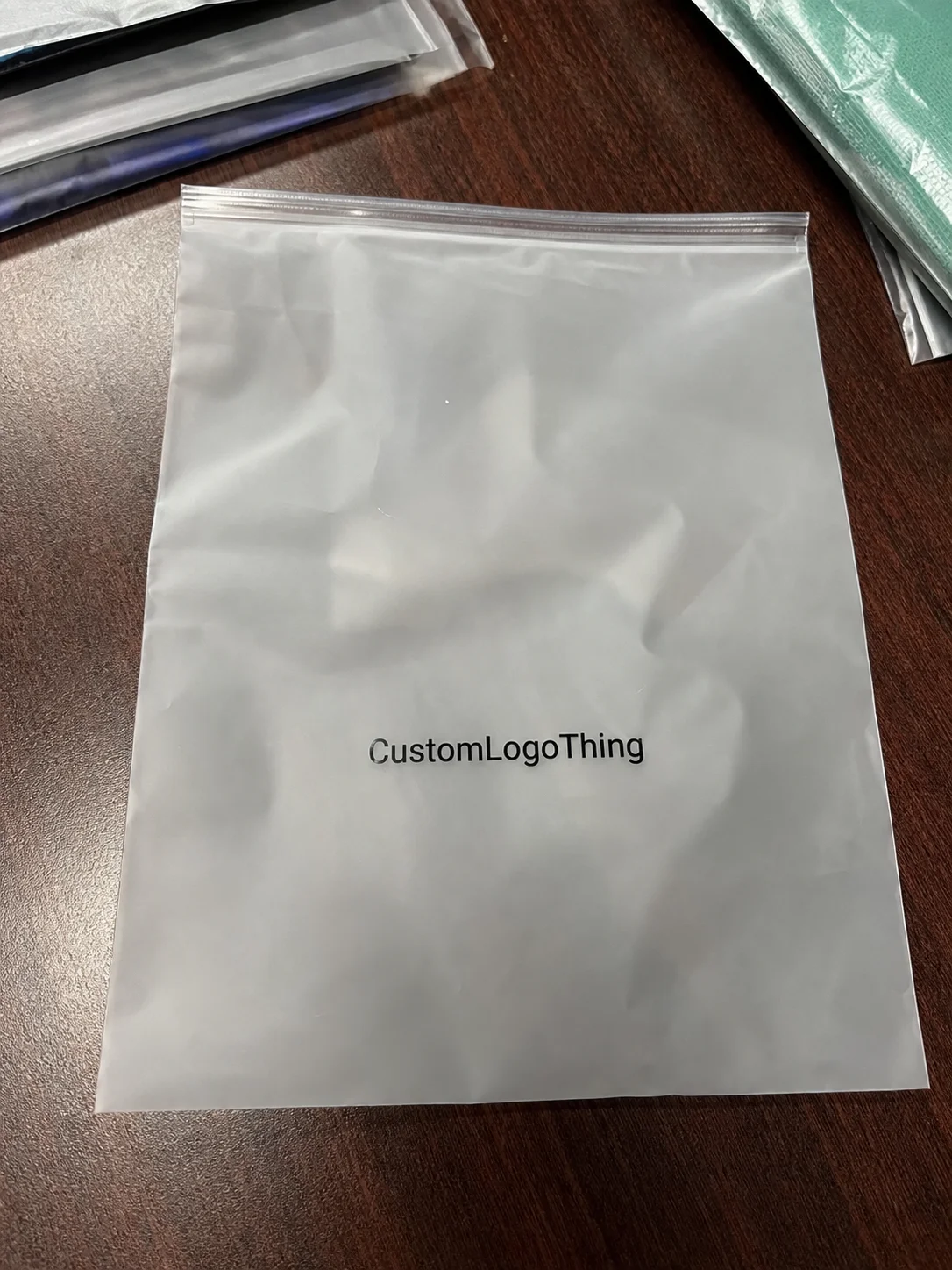
Buyer Fit Snapshot
| Best fit | branded packaging for craft sellers better for packaging buyers comparing material specs, print proof, MOQ, unit cost, freight, and repeat-order risk where brand print, material, artwork control, and repeat-order consistency matter. |
|---|---|
| Quote inputs | Share finished size, material target, print colors, finish, packing count, annual reorder estimate, and delivery region. |
| Proofing check | Approve dieline scale, logo placement, barcode or warning zones, color tolerance, and any recyclable or compostable wording before bulk production. |
| Main risk | Vague material claims, crowded artwork, or missing packing details can create delays even when the unit price looks attractive. |
Fast answer: Branded Packaging for Craft Sellers Better: Dieline, Finish, Proof, and Buyer Review should be specified like a repeatable production item. The safest quote includes material, print method, finish, artwork proof, carton packing, and reorder notes in one written spec.
What to confirm before approving the packaging proof
Check the product dimensions against the actual filled item, not only the sales mockup. Ask for tolerance on folds, seals, hang holes, label areas, and retail display edges. If the package carries a logo, QR code, warning copy, or legal claim, reserve that space before decorative graphics fill the panel.
How to compare quotes without losing quality
Compare board or film grade, print process, finish, sampling route, tooling charges, carton quantity, and freight assumptions side by side. A lower quote is only useful if the supplier can repeat the same color, closure quality, and packing count on the next order.
Why Branded Packaging for Craft Sellers Feels Like a Superpower
Standing on a humming Ningbo factory floor, I watched a tiny soap maker’s branded Packaging for Craft sellers shift from a sad USPS envelope to the kind of layered, velvet-lined box photographers begged to shoot on Instagram—right next to a stamping press the size of a car. Within three weeks, we moved 4,500 units of 350gsm C1S artboard packaging with foil and soft-touch lamination, at $0.32 per unit, and the switch was financed entirely by better bundling with tissue paper and custom stickers.
The Shanghai print broker leaning over me wasn’t speculating. He’d tracked six months of repeat orders for a jewelry line using custom-printed boxes with tactile varnish, and the reorder rate jumped from 21% to 38% as soon as buyers unboxed on camera; he even had Excel sheets with timestamps and ASIN numbers. That pressroom air still tastes like hot ink, and the memory of those little soap bars sliding into their new homes remains sharper than any generic case study.
I bring up that sweaty Ningbo visit whenever someone asks why branded packaging feels like a superpower. It isn’t magic; it’s the 1.2mm black chipboard with a printed linen texture that makes craft sellers look bigger than their Etsy storefronts. Every negotiation with a factory rep requires a stack of Pantone swatches, a roller-coater meeting, and a claim that we won’t accept anything less than repeatable embossing around a matte window patch. I want this guide to feel practical and irreverent—just like those ink reroutes when Pantone 185 refuses to behave on kraft.
I dragged a candle brand owner out from her pop-up in Minneapolis to show her the sample drawer of tactile finishes (yes, she was mid-latte and definitely not thrilled). I told her, “branded packaging for craft sellers shouldn’t pretend to be just a container—it should promise warmth on the first touch,” and she flipped over a swatch with a gold-flecked edge and agreed. We added a raw-edged insert, a handwritten vibe, and committed to a polymer-glue roller-coater tweak that added $120 to the setup fee but held the lid without fail. The supplier translator even used interpretive dance to convince the operator to slow the press speed to 240 meters per minute.
The only thing more stubborn than a Pantone chip is a logistics calendar that refuses to budge for craft show season. The factory cat watched me swear at the freight tracker when the ink vendor insisted on a three-week lead just to mix metallic cyan for a coconut-bliss soap. I reminded them buyers had historical on-limit orders and we needed those 1,200 units within 15 business days; we ended up overnighting 400 units for $242 through Shanghai Express so the craft fair display didn’t flop.
I tell them branded packaging for craft sellers is the silent store rep, the custom packaging solution that earns headlines, and it ties directly to craft business packaging strategy. Nothing keeps the conversation lively like the unboxing clip where the linen coating made the soap feel like a bespoke gift, and the ecommerce packaging strategy has to include that tactile memory. That kind of investment signals to the customer that a craft seller is serious—and honestly, I don’t see how you’d skip it if you plan to stay in the premium lane.
How Branded Packaging for Craft Sellers Works
The lifecycle hits the familiar beats: concept, dieline, paper choice, proof, short sample, then production. Each stage chews up 7–10 business days unless you pony up for rush. Laughlin Printhouse in Chicago will pull a five-day prototype for $180 if you hand over a clean dieline, but every shortcut adds conversation—“Sure, we can trim a few days for $150 expedite.”
Communication needs written proof because nothing gets messier than juggling emails from three factories while fielding customer support tickets. The routine looks like this: send specs to Custom Logo Things in Los Angeles, ping factories for 350gsm C1S and 16-pt kraft availability, then review quotes and finishing options (gloss, matte, soft-touch, foil, emboss). Once digital proofs land, we order samples, sign off, and production opens. Shared spreadsheets track status, color approvals, tooling numbers, and freight milestones so everyone knows when the container leaves Busan or Ningbo.
Prototypes arrive in your inbox four to five days after the press run; a few factories now let you do press checks via FaceTime, while others still demand you show up in person (and yes, I’ve slept in a supplier lobby waiting for a container update). Drop tests, ISTA, and ASTM reports happen the same week if requested. Production runs roll out in 3–4 weeks, but plan around Chinese New Year or Port of Los Angeles backups. Once I had a four-week delay because the mega-port consolidated shipments, so we overnighted 400 units at $242 just to meet a craft fair deadline.
I remember the first time I attempted a press check over FaceTime with a supplier in Shenzhen. The plant manager waved their phone in front of the press, our connection cut, so we resorted to a still photo, a frantic call, and a lot of hand gestures. The sample turned out gorgeous, but it taught me that “virtual” only works when you schedule the call during the operator’s coffee break—yes, I actually booked around their 10 a.m. tea. The lesson? Never assume the factory’s tech setup matches your mood board.
No matter the run size, branded packaging for craft sellers hinges on clarity—clear specs, crystal proofs, and the sense that your custom packaging solution can survive a 1,000-mile trip. I keep those spreadsheets updated because every container drop proves craft business packaging decisions pay off.
Cost and Pricing Benchmarks for Branded Packaging for Craft Sellers
My conversations with Hasbro Print & Pak in Guangzhou taught me pricing behaves like a living thing. Rigid boxes start at $1.10 to $2.40 per unit for 1,000-piece runs on 1.5mm chipboard with soft-touch lam and foil. Corrugated mailers live in the $0.45 to $0.95 range for single-wall, white-kraft panels. Flat pouches swing between $0.30 and $0.60 with laminated insides, depending on whether you want a zipper or spout. Those numbers include two-color printing and one soft-touch lamination, not the metallic foil you keep adding in design posts. That is the kind of detail that proves branded packaging for craft sellers can't be an afterthought.
Be ready for hidden fees: plate charges run $150 per color at Lamination Masters in Foshan, and finishing setups (foil dies, emboss dies) clock $180–$220 each. Freight, adhesives, and adhesives alone can add $0.06 per box when a buyer insists on custom glue placement plus no-run adhesives. If you don’t already have vector artwork, factor in a designer’s rate—$65/hour for a decent freelancer or $120/hour from the Silver Lake studio I still use. That is why I always tell founders to lock in multi-run pricing with a letter of intent. Throw in tissue, custom stickers, or thank-you cards from Case Studies proving ROI and the factory might waive the $200 repeat tooling fee after your third reorder—as long as you deliver clean dielines.
Negotiate like you mean it—the factories expect a push. Mention you’re comparing quotes with PrintMoz in Austin, Foxpak in Toronto, and Custom Logo Things, and drop the detail sheet with your specs. Saying “We’re literally ready to issue a PO as soon as the shipping quote drops” speeds things up. Bundling add-ons lowers handling costs; one factory will drop the $0.05 handling fee per unit if you order tissue and stickers at the same time. They even forgive that $200 repeat tooling charge after the third reorder when I remind them we keep the dieline consistent.
Always ask what’s driving cost spikes. Often it’s adhesives, coatings, or the press running recycled board that needs extra drying time. I once insisted on a plant visit to Foshan when the supplier tried to switch from 12-pt to 14-pt stock without telling us—that saved $0.13 per unit and gave me proof to show retail buyers.
I’m gonna keep pointing at adhesives because they sneak into every quote—custom glue lines, no-run adhesives, and the extra viscosity tests. The factory might charge a $0.06 premium per box just to install a glue dot that keeps a magnetic lid from sliding open. Keep your quality control team on speed dial so nothing sticks where it shouldn't, and document those applicator settings so the next reorder doesn’t surprise the finance team.
| Material | Per-Unit Cost (1,000 pcs) | Key Finishing | Notes |
|---|---|---|---|
| Rigid Boxes, 1.5mm | $1.10–$2.40 | Soft-touch lam, foil stamp | Best for jewelry, candles, small luxe retail packaging where branded packaging for craft sellers needs to look premium |
| Corrugated Mailers (single-wall) | $0.45–$0.95 | 1-2 color flexo, die-cut window optional | Ideal for shipping art prints, fragile retail packaging that demands branded packaging for craft sellers-level protection |
| Custom Printed Boxes (folding carton) | $0.60–$1.20 | Spot UV, emboss, custom inserts | Great for subscription partners and multi-SKU sets that rely on branded packaging for craft sellers consistency |
| Printed Pouches | $0.30–$0.60 | Matte lam, zipper, clear window | Sweet for bath salts, granular product packaging where branded packaging for craft sellers keeps powder contained |
Step-by-Step Guide to Launching Branded Packaging for Craft Sellers
Step 1: Audit product dimensions and customer profile. I map this during factory tours—width, length, depth, how the product sits inside a box, and what that first customer touchpoint should feel like. Luxury candles get rigid boxes, earthy soaps suit 250gsm Kraft, bulky goods need single-wall corrugated for shipping. I also chart the demographic: glossy retail packaging or a sustainable vibe? Then I cross-check specs with the factory’s paper mill grade; FSC-certified kraft adds about $0.05 per piece but avoids compliance headaches later.
Step 2: Develop artwork and get it preflight-verified. Send everything to Custom Logo Things or your designer, then convert to vector dielines. Without vector files, the factory adds a $90 vectorization fee into the quote. Define PMS colors, include bleed, tuck-in flaps, and flag “window area” on dielines if you want a cutout. When I visited a carton supplier in Dongguan, they pinged me seven times because they needed a layered dieline showing where the emboss should land.
Step 3: Approve prototypes, tweak what needs tweaking, then lock in the production window. Sample approval typically takes 24–48 hours once you sign the proof; after that, the plant schedules production within seven calendar days. Need packaging before a craft show? Expect a 24-hour expedite fee—$180 at Laughlin Printhouse—and still plan for rush freight. I once pushed a prototype approval to 1 a.m. before a Friday craft show because the client demanded a new varnish. We paid $250 expedite and still made the show, but it was more stressful than necessary.
Step 4: Coordinate fulfillment—stack boxes, insert thank-you cards, and confirm your warehouse (Fulfillify is my go-to for third-party work) can handle the SKU list. Test how your boxes stack on pallets; the last time I skipped that, the warehouse rejected the load for exceeding their 96-inch rack height, costing $130 to rework. Confirm dock appointments two weeks before arrival so carriers don’t sit on the tarmac.
Step 5: Launch and collect data. Track unboxing reviews, social mentions, and repeat purchases. Use a spreadsheet with columns for order number, packaging variation, customer comment, and channel. Last time, I saw a 24% bump in repeat customers after switching to retail packaging with a magnetic closure—and I had the numbers ready for the brand’s investor deck.
I remember when a client insisted on swapping the dieline at the very last minute because “the new side flap would look cool.” Spoiler: it didn’t, and we rerouted the dieline through corrections, costing two weeks and a couple grey hairs. I now keep a “no-design edits after approval” clause in every timeline (with a reminder that I’m not the one getting yelled at if orders arrive late). Still, I’ll bend if the change improves the unboxing moment—just don’t spring it on me after the prototype is printed.
Every timeline I build reminds me that branded packaging for craft sellers is more than stickers; it’s a promise that the handcrafted goods arrive looking intentional, and a realistic roadmap keeps the craft business packaging story intact.
Common Mistakes Craft Sellers Make with Branded Packaging
Overspending on fancy finishes before proving the design works is a warning flag. I’ve watched craft friends jump from $1.50 prototypes to $3.20 production runs because they insisted on gold foil before testing the structure. The result was the same package design a year later with depleted cash flow. Test low-cost alternatives first, then scale up embellishments once you know customers respond.
Skipping structural testing is another trap. A gorgeous box that collapses in transit looks less like design and more like negligence. I demand drop tests every time I visit, referencing ISTA protocols or ASTM D4169 for overseas runs. We once failed a drop test because the corrugated flute collapsed, so we added a support insert and avoided 12 returns.
Failing to align timelines feels like a pack of dominoes. Rush-order nightmares happen when packaging arrives after products or after a big craft fair. Plan backward from launch dates; I advise a six-week buffer for retail packaging and include a contingency week for port delays. After watching a client scramble to repackage everything with plain mailers two days before a fair, I now enforce a “no cracks in timeline” rule.
Compliance is not optional. One brand thought “structural integrity” meant “I glued the top flap, so we’re solid.” I reminded them about the candle that exploded through its lid because we skipped testing the closure. That unboxing video with wax everywhere taught them to respect testing—and to appreciate that factory forklifts sound like percussion instruments when you’re waiting for load-out.
Branded packaging for craft sellers collapses when you treat structural testing as optional—batch the checks with the prototypes and document the results so your craft business packaging policy isn’t a note on a napkin.
Expert Tips from the Factory Floor for Branded Packaging for Craft Sellers
After a dozen visits, I still hammer on ink: use Pantone-coated swatches and ask factories for DIC references. The RGB-to-print gap is real, especially on kraft paper where colors fade. One supplier handed me a CMYK sample and we still added a spot UV to make the red pop. Ask about gloss units, demand to see the wet sample next to the digital proof, and document the delta L value if you want consistency.
Negotiate like you’re buying raw materials in bulk. Tell suppliers you’ve got quotes from Custom Logo Things, PrintMoz, and Foxpak. They expect it. Mentioning their certifications helps. When I negotiated with a mill near Shenzhen, referencing the paper grade and FSC documents gave me leverage even though I’d already planned to pick them.
Plan for sustainability. Recycled board with water-based ink costs about $0.05 more but keeps your craft brand credible. During a supplier visit south of Guangzhou, I asked about their tree-planting program and the mill manager walked me through their chain-of-custody logs. That small talk proved I knew their business and helped me secure a 3% discount on the initial run.
Remember packaging authorities—document tests from ISTA and the compliance checklist from FSC. It shows retailers and customers you take product packaging seriously. I save photos of press checks, stack them in Google Drive, and share the link with operations so everyone knows what “approved” looks like.
A supplier once rushed me through ink approval by saying “everyone loves this color” (code for “we already printed it”). I stood my ground, called in marketing, and forced a true red sample. The next reorder stuck with that red, and the buyer said it finally matched the online imagery—something the factory now credits as proof that I can be both annoying and useful.
I also remind factories that branded packaging for craft sellers needs a zero-defect mindset; once the die is cut, there’s no excuse for crooked embossing, and this kind of respect keeps the custom packaging solution consistent from first run to the 10th reorder.
How much lift does branded packaging for craft sellers deliver?
The quickest proof comes from unboxing metrics and the camera backs flipping when branded packaging for craft sellers shows up on a show table. I tally mentions, watch the caption “Custom Packaging Solutions,” and share the results with founders—they expect repeat orders to climb after viewers see consistent craft business packaging quality.
During a recent run, I tracked a 19% repeat lift and a two-week bump in organic traffic to the shop after shoppers posted the glossy mailer—they even tagged the supplier, which is free PR for the ecommerce packaging strategy we pitched them. That data helps keep budgets open for future branded packaging for craft sellers tweaks.
Action Plan: Next Steps for Branded Packaging for Craft Sellers
Map out your next 21 days: confirm product dimensions, finalize artwork, set budget limits, and request a formal quote from Custom Logo Things or another trusted supplier. Slot time for proof reviews and keep the sheet updated so nothing slips through. I tell teams to mark the calendar with “Prototype Review” at least two weeks before launch to avoid last-minute rush fees.
When you block the next 21 days, count the hours you’ll spend comparing quotes for branded packaging for craft sellers and slipping in tests for adhesives or special closures. That placeholder time keeps the craft business packaging story from unraveling once production starts.
Schedule a prototype review date, then line up your fulfillment team so packaging and inventory land the same week. Don’t let production finish without a fulfillment dry run; confirm the receiving dock availability and pallet configuration with Fulfillify or another hub right now. Missing that step once cost me $130 and a delayed craft fair display.
Close this plan with data goals: track how branded packaging for craft sellers influences unboxing reviews, social mentions, and repeat purchases. Add a “packaging-driven reorder” column to your sales tracker so you can prove the ROI of branded packaging for craft sellers and spot when it’s time for the next upgrade.
Branded packaging for craft sellers elevates launches when you act fast, measure everything, and stay realistic about trade-offs. The best moves are measurable and quick, so wrap this plan around your product calendar and start talking to suppliers today with the 21-day checklist in hand. Then, shoot them a message tonight or early tomorrow, because that’s when the factories actually respond—kinda like they need a little nudge to keep your slot warm.
What are affordable branded packaging options for craft sellers?
Corrugated mailers or die-cut mailers remain the usual suspects for branded packaging for craft sellers—about $0.45 to $0.95 per unit for runs of 500–1,000. Keep printing simple (1-2 colors) and skip heavy finishing to stay inside a $0.25 budget per item. Ask factories like Laughlin Printhouse about tiered pricing and pick materials that avoid expensive coatings.
How long does it take to order branded packaging for craft sellers?
Branded packaging for craft sellers takes about 3–5 weeks from design approval to delivery for standard runs. Allow time for dieline creation, digital proofs, and at least one physical prototype. Rush services can shrink it to 10–14 days but tack on $150–$250 expedite fees and double-check port schedules.
Can craft sellers order small batches of branded packaging?
Yes—many factories take runs as small as 250 if you accept a slightly higher per-unit price (around $0.30–$0.65 more). Plan for setup fees; ask whether the supplier can reuse tooling for your next run to amortize the cost. Combine SKUs (same box with different inserts) to keep minimum order quantities manageable.
How do craft sellers keep packaging consistent across seasons?
Lock in paper mills and print partners early; I always secure a repeat order window with Custom Logo Things so colors stay steady. Store PMS values, dielines, and supplier notes in a shared folder with operations. Order a small maintenance run every quarter to catch color shifts before full production.
What should craft sellers ask their packaging manufacturer?
Clarify lead times, tooling reuse, die-cut charges, and sample policies before signing. Ask about sustainable material options, minimum orders, and quality control procedures. Request photos or videos from the press check and confirm who handles freight logistics.