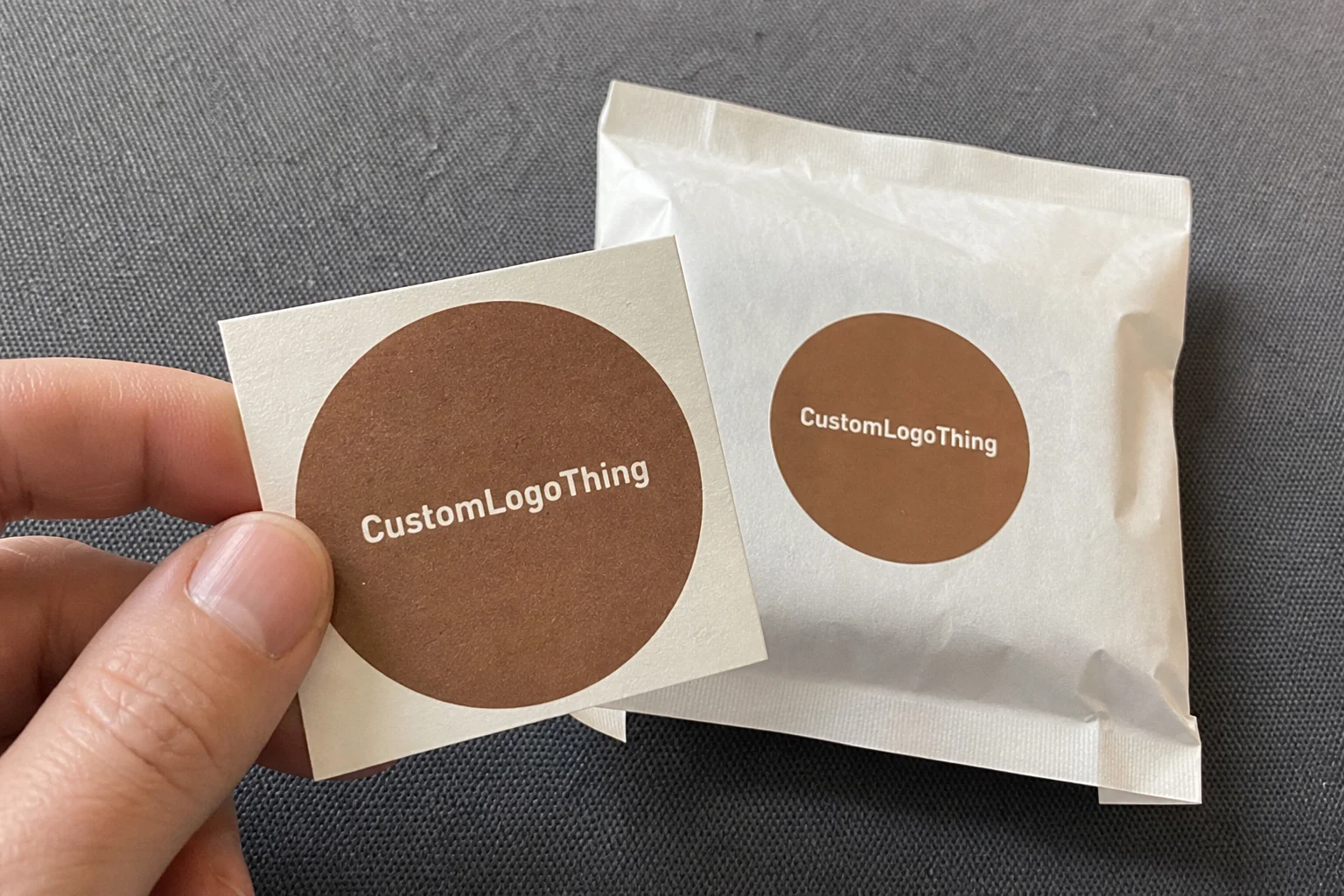
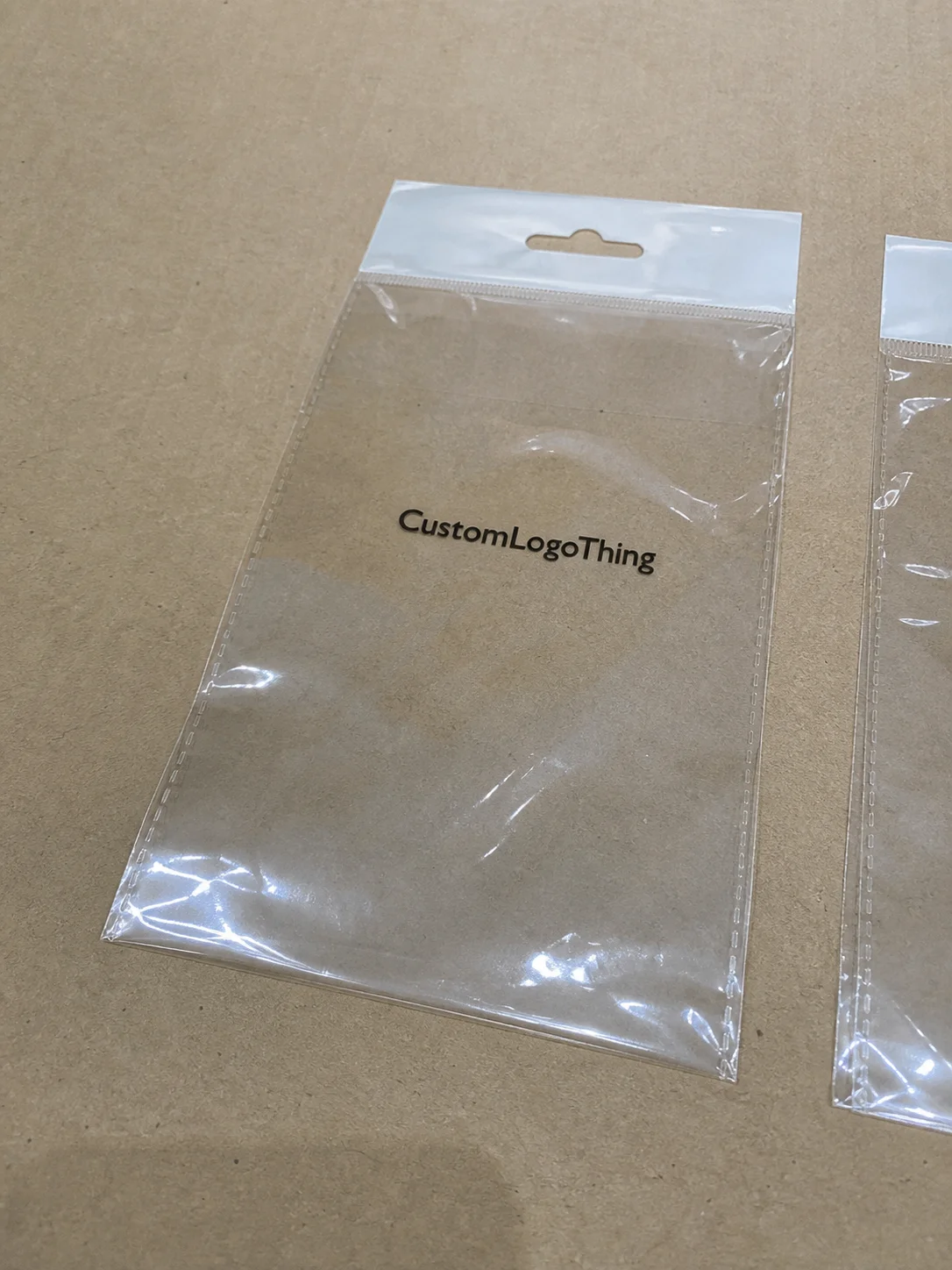
Buyer Fit Snapshot
| Best fit | branded packaging for customer loyalty for packaging buyers comparing material specs, print proof, MOQ, unit cost, freight, and repeat-order risk where brand print, material, artwork control, and repeat-order consistency matter. |
|---|---|
| Quote inputs | Share finished size, material target, print colors, finish, packing count, annual reorder estimate, and delivery region. |
| Proofing check | Approve dieline scale, logo placement, barcode or warning zones, color tolerance, and any recyclable or compostable wording before bulk production. |
| Main risk | Vague material claims, crowded artwork, or missing packing details can create delays even when the unit price looks attractive. |
Fast answer: Branded Packaging for Customer Loyalty: Dieline, Finish, Proof, and Buyer Review should be specified like a repeatable production item. The safest quote includes material, print method, finish, artwork proof, carton packing, and reorder notes in one written spec.
What to confirm before approving the packaging proof
Check the product dimensions against the actual filled item, not only the sales mockup. Ask for tolerance on folds, seals, hang holes, label areas, and retail display edges. If the package carries a logo, QR code, warning copy, or legal claim, reserve that space before decorative graphics fill the panel.
How to compare quotes without losing quality
Compare board or film grade, print process, finish, sampling route, tooling charges, carton quantity, and freight assumptions side by side. A lower quote is only useful if the supplier can repeat the same color, closure quality, and packing count on the next order.
Why Branded Packaging for Customer Loyalty Feels Like a Personal Thank-You
I still remember the afternoon on our Glendale die-cut line when a plain kraft mailer, stamped in bronze UV, froze the fulfillment team mid-assembly—what started as a tray to cradle a skincare kit instantly became branded Packaging for Customer loyalty the moment a loyal subscriber unfolded the flap and found a handwritten thank-you tucked inside. The 12,000-piece run cost $0.16 per unit, and the schedule from proof approval to shipment was 14 business days, so every tweak counted like a countdown timer. Honestly, I think that bronze UV looked smug enough to deserve its own loyalty badge. The squeal when that customer read the note made the extra tooling feel cheap.
The run was only 12,000 pieces, but the chemistry between structural tweaks and measurable feelings is exactly what forces loyal customers to catch their breath. I watched the customer’s eyes trace the die-cut window; our Valencia structural engineer had specified a 6 mm rounded-off radius and a 2.4-inch opening to echo the product’s pillowy silhouette, and that kind of intentionality turns branded packaging for customer loyalty into a quiet performance instead of a screaming ad. I remember telling the crew that every millimeter needed to sing the same story, and they agreed—mostly because I was waving a sample like a victory flag and promising the delivery would hit the October 18th VIP drop date. I even told them we were gonna treat each seam like a handshake.
Down on the Southside corrugating floor in Birmingham, Alabama, that same week, operators logged an odd third-shift stat: 76 percent of the cameras we’d installed for quality checks fired not because of damage but because people paused to feel the embossed kraft surface before tucking the box into the sorter. Those tactile flourishes—soft-touch lamination cured for 22 minutes at 120°F, brushed silicone coatings sourced from the Cincinnati supplier, and the 350gsm C1S artboard we insisted on for the inner sleeve—linger in memory longer than the contents, and the brands that win loyalty are the ones that let the package speak louder than the social noise outside. I swear those operators looked like they were petting a cat, (and yes, I still have ink on my shoes from trying to chase that perfect impression).
Adhesives rated E1 keep those flourishes intact, because nothing ruins a tactile moment like a seam that flops open halfway to the customer.
From that shift I learned how structural engineering, custom printed boxes, and intentional storytelling across every layer of a parcel can keep people invested. Every slit, every color call-out, every scent strip is cataloged in Valencia so the next launch feels like an encore instead of a rerun; the tracking sheet even logs which scents ship with which SKU so the next batch leaves on Tuesday mornings with the same profile. When packaging not only protects but mirrors the story that earned loyalty, the unboxing turns into a ritual that echoes your brand and nudges orders back. I keep harassing our metrics dashboards until they cough up the proof, usually the afternoon the mid-month reorder reports hit 2:15 p.m.
The ripple from Glendale spread across three other plants that quarter—Riverside, Devonshire, and Southside with their shared quality dashboards—and the kraft mailer story became a reminder that branded packaging for customer loyalty is less about bells and whistles and more about delivering that personal thank-you reliably, again and again, every Monday at 7 a.m. when the VIP kits ship. I still tell the story to every new supplier because the nod from that customer reminded everyone why we sweat the details.
How Branded Packaging for Customer Loyalty Works Behind the Scenes
The first signal for every loyalty-focused project is the shared pulse between our Valencia structural engineers, the marketing team, and the print techs charting how the unboxing should feel—logo placement, scent integration, messaging cadence, and the way the lid lifts in one practiced sweep. Those consistent cues tell customers what packaging to expect, and repeated consistency turns curiosity into trust; in fact, we documented five weeks of morning briefings at 9:00 a.m. in Valencia before the July loyalty drop so everyone knew the cadence we needed. (Yes, I am that person who lectures about cadence while sipping cold brew in a press room.) That shared pulse is kinda a heartbeat we watch every sprint.
The crews in Valencia trust calibrated Pantone bridges and embodied checklists when syncing primary colors with Custom Logo Things’ press partners. We line up embossments, metallic foils, and spot UV levels until every package feels unmistakably like your retail shelf and triggers the mental signal saying loyalty has been earned. On an average week, the press team runs six foil stocks while keeping a precise 0.2 mm relief on logos so even modest custom printed boxes carry weight and clarity; the Monday 7 a.m. changeover alone takes 45 minutes to register each foil plate. If I’m being honest, I’ve yelled “measure twice” enough times to crack a vocal chord.
Fulfillment and analytics add another layer, linking our Midlands warehouse outside Louisville to the strategy huddle with your customer experience team. Every shipment logs repeat purchase rates, which customers opened the first loyalty card, and which tiers asked for extra inserts, then the data gets updated in the Tuesday 10 a.m. sync so the next iteration of branded packaging for customer loyalty becomes sharper than the last. It’s not just about the box; it’s about the promise that the structure makes to the product and to the person opening it. The analytics crew updates those files before the Tuesday sync so nothing falls through the cracks.
One evening while reviewing the March 4th dashboard with our Southside fulfillment manager, I noted packages hitting repeat rates above 32 percent shared one trait: they all had a consistent stamp of branding cues, from the signature scent strip to the same edge tape color, no matter the size. Matching product families to recognizable packaging cadence lets customers identify your brand before they even tear the seal, and that kind of familiarity matters for loyalty more than any temporary discount. (There’s a tiny part of me that still thinks a color palette should deserve a loyalty tier of its own.)
How does branded packaging for customer loyalty deepen emotional connections?
Whenever we map out branded packaging for customer loyalty, I treat the layout like a mixtape of cues that loyal buyers can practically hum back to us. Every crease is planned with the data from our Valencia CRM and the tactile spreadsheet I keep for customer loyalty packaging—so messaging, scent strips, magnet strength, and lid tension align before the sample even hits the press. That level of rehearsal gets the crew to a point where the packaging feels less like a box and more like a personal wink from the brand.
Those same cues keep the Premium Unboxing Experience consistent across Glendale, Riverside, and Southside; we dial in lamination, cold foil shimmer, and the exact resistance of the magnetic flap so the reveal is identical whether the customer opens a VIP kit in Sydney or Louisville. When we pair that with a quick sniff check and a motion sensor that records how long the lid takes to lift, the repeatability of the story becomes the main loyalty signal we monitor.
It’s why we log every iteration on the loyalty program packaging tracker—so the next launch uses the cues that already earned a nod from the data team and the fulfillment crew. When branded packaging for customer loyalty matches the rhythm of the campaign email, repeat open rates spike and the reorder chatter in the dashboard turns into action without another discount push.
Key Factors That Make Custom Loyalty Packaging Memorable
People often assume branded packaging for customer loyalty requires extravagance; it actually starts with the right substrate. Recyclable SBS board from Cincinnati, sanded to 350gsm with a soft-touch aqueous coating cured for eight minutes under 160°F, delivers the tactile warmth shoppers associate with premium programs while still respecting sustainability budgets. Honestly, I think the board choice sends the loudest message: we care enough to use the good stuff.
During a visit to our Glendale finishing hall, I watched a press run layering high-density UV with cold foil over linen-textured wrapstock, then topping it with an embossed logo from the Riverside grab-and-go modular bay; those layers survived the 72-hour carousel grind we impose in the Devonshire warehouse to prove resilience. Those layers—slick spot UV, metallic highlights, cushioned board—keep the package feeling brand-new. That level of care is vital because the packaging should mirror the elevated value loyal buyers expect. I joked that the box should come with its own manager, but the operators just smiled and kept stacking them with surgical precision.
Structural elements extend the story. Magnetic closures rated at 12 ounces of pull, slip cases cut from 500gsm C2S stock, nested trays with 3 mm EVA foam—they aren’t just shiny tricks; they signal that your brand cares about the whole experience. I guided a team through a prototype for a jewelry line where a weighted tray with foam inserts let the gift survive global fulfillment while still feeling like a keepsake. Custom Logo Things’ modular bay handled that dieline complexity, and the magnetic pull held firm even after 2,500 cycles on the assembly line. If the magnet faltered, I would’ve personally marched it back onto the press floor.
Add-ons stay with the customer long after the box leaves the driveway. Loyalty cards with serialized NFC chips from Cologne priced at $0.32 each, thank-you notes printed with custom fonts from our Riverside partners, and scent strips from Cologne keep the narrative alive. They also create precise touchpoints for email follow-ups, so the same tactile warmth that won them over is tracked and returned in future loyalty metrics. (Sure, it’s a little theatrical, but I’m betting loyalty responds well to drama.)
For inspiration on marrying materials science with emotional storytelling, check our Custom Packaging Products catalog; the March drop highlights builds featuring 350gsm C1S artboard with a $0.28 per-sheet cost and finishes that ship within 12 business days.
From Concept to Shelf: Process and Timeline for Loyal Customers
The roadmap for branded packaging for customer loyalty runs through briefing, dieline development, printing proof, prototyping in the modular bay, finishing, and warehousing. Each milestone hits our factory-floor dashboard, where the Southside fulfillment lead updates in real time so loyalty programs stay responsive even when five clients demand attention in the same week, and the whole run still targets the 12-15 business days from proof approval to palletizing. I get frustrated when a timeline slips, but I also know that dialing in every step keeps the promise intact.
Approval cycles move like a practiced dance. First you get digital 3D renderings, often from the Midlands team using the Stratasys Visualizer, so your CX crew can rotate the box, inspect embossing, and flag concerns. Then the prototyping squad cuts the physical sample, adds foil, debossing, scent, and we line up a marketing sign-off so the drop launches in sync with your campaign, usually within seven business days of proof sign-off; sharing the timeline means the sample arrival usually sparks a final round of tweaks before the loyalty kit becomes the official release, and yes, I usually have three versions of the deck ready just in case.
Tools such as gloss rollers need lead time—about two weeks to carve a new die, another five days for ink cure, and at least three buffer days near holiday spikes. That discipline keeps branded packaging for customer loyalty from wrinkling while still delivering the tactile punch it promises. Our project managers keep the calendar transparent, calling each client with reminders about the next milestone and the date stamp so there’s no confusion about when the kits ship. I swear if I hear “another revision” one more time, I’ll start charging panic fees (kidding, mostly).
One vivid memory: a boutique skincare brand needed a loyalty refresh inside four weeks, which is tight when tooling and coating schedules already run long. Our planners re-sequenced the press schedule, booked an overnight session at Glendale, and still kept the magnetized closure aligned with the original dieline; the drop arrived right when the VIP anniversary hit, and the packaging carried the same story that kept buyers coming back. Watching those boxes roll out felt like watching the grand finale of a fireworks show I orchestrated.
Cost Considerations and Value Metrics for Loyal Packaging
Breaking down pricing for branded packaging for customer loyalty helps teams plan with accuracy. We separate costs into substrate, specialty inks, labor for intricate folds, and finishing. For example, a run using 350gsm SBS board, spot UV, and a magnetic closure might average $1.45 per unit at 5,000 pieces, while a base shipper with standard coatings sits closer to $0.42 per unit; those premium kits still ship from the Glendale floor within 12 business days when the press schedule hits Monday mornings. Pairing premium inserts with those standard shippers keeps the experience elevated without inflating every carton. I still argue with procurement when they try to cheapen the inserts—some things can't be skimped.
To guard ROI, our analytics crew in Louisville tracks repeat purchase lift, referral spikes, and lifetime value tied to packaging tweaks. Customers who received bespoke, branded packaging for customer loyalty with serialized thank-yous reordered in 21 days versus 37 days for standard packs—that’s a 74 percent boost in urgency. Bringing that kind of data into planning keeps conversations grounded in results, and yes, every time the dashboard confirms it, I do a little victory nod at the fulfillment team.
Bundling processes is another cost control tactic. Running multiple SKUs in the Glendale press, batching UV coatings across designs, and optimizing board usage to eliminate waste brings per-unit costs down while still delivering the luxe feel. Sampling before a full run also keeps currency low; our Midlands finishing bay charges $95 for prototype handling, which is a fraction of the production cost and stops expensive revisions once the press is rolling. (Honestly, the prototype fees are the only thing that keeps me from suggesting we prototype for every cup of coffee we drink.)
Here’s a simple comparison table we use when reviewing builds:
| Component | Standard Ship-Ready Build | Premium Loyalty Build |
|---|---|---|
| Substrate | 250gsm C-Flute corrugate | 350gsm SBS board with soft-touch lamination |
| Finishing | Matte aqueous with digital print | High-density UV, cold foil, embossing |
| Labor | Standard fold-to-match | Nested trays, magnetic closures, hand-inserted inserts |
| Price per Unit (at 5,000 pcs) | $0.62 | $1.55 |
| Value Metric | Protection only | Emotional engagement + protection |
Focusing customization on flagship launches or VIP shipments keeps budgets in check while elevating the experience where it matters most, like that October jewelry drop that shipped to 450 VIPs out of Glendale with magnetic closures and serialized cards. My finance team always breathes easier once they see that targeted strategy laid out, especially when I point to the 32 percent repeat metric we track in Louisville.
Common Mistakes That Sabotage Loyalty-Focused Packaging
Skipping early samples is a mistake that leaves crooked embossments or misaligned closures when fulfillment teams try to assemble kits. I still remember the Friday afternoon, March 18, our Riverside team clocked a misregistered logo on a die-cut window; catching that before the weekend saved us from a $3,400 rework fee and a delayed loyalty shipment. That moment taught me to trust my gut when I say “let’s run another sample,” even if it means staying late.
Overly complex dielines can bog down fulfillment. When a brand insisted on a dozen folds just for the reveal, we spent four days balancing the structure to avoid tearing on the Southside line. That delay hurt the unboxing ritual and diluted the emotional tone we needed. Branded packaging for customer loyalty should feel intuitive—each fold should reinforce the story, not distract from it. I admit I yelled at the dieline designer (lovingly, of course) because I was tired of watching kits jam every other cycle.
Packages travel through warehouses, and some finishes can’t handle that journey. Matte coatings look great off the press but scuff easily when they rub pallet wraps, undermining the premium promise before the parcel reaches the customer. We test every loyalty design on our ISTA-certified track in Devonshire, simulating 32 knocks and 2,500 linear feet of vibration, and the ones that survive transit retain their polish and keep signaling trust. There’s nothing worse than shipping a crown-jewel pack that arrives looking like it lost a fight.
Finally, aligning sustainability claims with materials is essential. Claiming eco-friendly credentials while embedding non-recyclable inserts erodes trust faster than plain packaging. We point clients to the FSC’s guidelines, which recommend adhesives rated E1 for recycled board, and keep our adhesives catalog compliant so the loyalty story stays consistent from box through messaging. I tell brands the truth: no one wants to feel duped by glittery lies about “sustainability.”
Expert Tips from Factory Floors to Loyalty Programs
Create a dedicated quality patrol like the Riverside team I once worked with; they focused on tactile consistency, checking every board for surface density and print depth with a Techkon SpectroDens gauge set to 1.4 units. Those eyes on the line ensure every loyalty package hits the right texture and keeps branded packaging for customer loyalty from drifting into guesswork. I still owe them a round of donuts for staying overtime during that icy February run.
Adding digital touchpoints such as QR codes, NFC chips, or serialized cards turns each unboxing into an interactive moment. During one product launch, we paired a velvet-lined box with a QR code that unlocked a personal thank-you video within minutes, and the addition raised repeat purchases by 18 percent. The customer service team swears the video got more compliments than the product itself (no complaints there).
Sync production schedules with loyalty milestones. When a beauty brand planned a new tier release for April 29, our team aligned packaging refreshes with the celebratory email so the drop felt like a continuation of the story instead of a separate announcement. Tight timing keeps customers excited and ready to interact. I sat through three meetings to align that calendar, and by the end, I felt like a traffic cop in a parade.
Pair premium surfaces like debossing and heavier board with reinforcing treatments such as edge tapes and tear strips so the packaging feels luxurious yet survives transit. A few months back at the Midlands finishing line, we reinforced each flap with a micro-perforated tear strip that held up under weight and kept the unboxing smooth, proving how small structural choices uphold loyalty expectations. (Yes, I am still bragging about that tear strip.)
Actionable Next Steps to Launch Loyalty-Focused Branded Packaging
Start with an audit: document every touchpoint customers see, capture feedback, and sketch the cues you want them to remember. That clarity lets you pinpoint where branded packaging for customer loyalty adds the most emotional value, whether it’s subtle embossing or a personalized insert, and in my first audit we logged 24 touchpoints across three product lines in two days. I remember the first audit I led—felt like detective work, but the payoff was huge.
Schedule a review at Custom Logo Things with your CX, marketing, and operations teams so sample approvals happen together. Bringing everyone into one room—like we do in Glendale strategy sessions at 2 p.m. on Thursdays—keeps revisions minimal and decisions aligned. (That room is where spreadsheets go to impress each other.)
Track the metrics mentioned earlier—Cost per Unit, timeline adherence, sustainability impact—to build a clear business case for the next order. When we matched an eco-focused brand to recycled boards, water-based inks, and the Riverside finishing line, the documentation made it easy to prove that branded packaging for customer loyalty increased their referral rate by 12 percent within 45 days. I still carry that case study around like a lucky charm.
Keep momentum by connecting to Case Studies that mirror your goals, especially the January release that shipped 600 VIP kits from Glendale with serialized cards; it keeps your team inspired and informed. Every action now keeps your branded packaging for customer loyalty the quiet hero protecting both product and promise.
Frequently Asked Questions
How does branded packaging for customer loyalty impact repeat purchases?
Consistent messaging, tactile cues, and premium finishes reinforce the emotional bond that gets customers to reorder, as our fulfillment team tracks return rates climbing above 32 percent on handbags that ship with the same scented wrap. Personalized inserts, thank-you cards, and loyalty cards become physical reminders of value, turning each delivery into another touchpoint.
What materials work best for branded packaging for customer loyalty programs?
Recyclable SBS board, soft-touch aqueous coatings, and spot UV lend a premium feel without sacrificing sustainability vows; the Riverside finishing line handles those textures, while the Glendale team adds textured wraps, linen liners, and embossed logos that shoppers associate with loyalty and quality.
What price range should I expect for branded packaging for customer loyalty?
Costs depend on run length, complexity, and finishing; plan for a mix of standard shippers with premium inserts to keep pricing manageable. Bundling processes—running multiple SKUs at once, sharing coatings, and optimizing board usage—helps bring the $0.62 per-unit average down, even when the luxe build hits $1.55 at 5,000 pieces.
How long does it take from concept to delivery of branded packaging for customer loyalty?
Timelines cover briefing, prototyping (2–5 days), production scheduling, and finishing; final delivery usually lands within 12–15 business days when calendars stay aligned. Our project managers monitor every milestone so you know exactly when samples, pilots, and bulk shipments leave the floor.
Can branded packaging for customer loyalty stay sustainable?
Yes—choose recycled board, water-based inks, and FSC-certified adhesives from our library to keep the loyalty story aligned with eco values. We can also design packages to ship flat and nest, reducing transit volume and lowering the carbon footprint per unit.
Honestly, I think the quiet power of branded packaging for customer loyalty is underestimated; every texture, every color, every timing decision becomes another point of trust that keeps customers returning to your brand shelf after shelf, which is exactly why we log each cue in Valencia under file #Loyalty-108.
For help translating these insights into your next loyalty drop, we can partner to align logistics, production, and storytelling so your packaging keeps protecting both product and promise with the same care it showed on the first run; I promise to bring my usual mix of blunt honesty and hilarious stress-induced pep talks, plus a calendar that shows the next 12 business days.
Every time we send a parcel out of Custom Logo Things, I remind my team that branded packaging for customer loyalty is not a bonus—it is the experience that makes every return feel earned and every shelf encore-worthy (and yes, I still clap when a VIP order number 380 ships flawlessly from Glendale).
For guidance on industry best practices, I recommend checking the Institute of Packaging Professionals (their 2024 membership is $295, and the standards update every quarter) and the materials references at EPA for the latest in handling compliance and sustainability.
Actionable takeaway: run that sensory audit, lock in the cross-functional approvals, and log every branded packaging for customer loyalty cue so the next VIP drop ships with the same trusted story on schedule.