Buyer Fit Snapshot
| Best fit | branded packaging for direct to consumer for packaging buyers comparing material specs, print proof, MOQ, unit cost, freight, and repeat-order risk where brand print, material, artwork control, and repeat-order consistency matter. |
|---|---|
| Quote inputs | Share finished size, material target, print colors, finish, packing count, annual reorder estimate, and delivery region. |
| Proofing check | Approve dieline scale, logo placement, barcode or warning zones, color tolerance, and any recyclable or compostable wording before bulk production. |
| Main risk | Vague material claims, crowded artwork, or missing packing details can create delays even when the unit price looks attractive. |
Fast answer: Branded Packaging for Direct To Consumer: Dieline, Finish, Proof, and Buyer Review should be specified like a repeatable production item. The safest quote includes material, print method, finish, artwork proof, carton packing, and reorder notes in one written spec.
What to confirm before approving the packaging proof
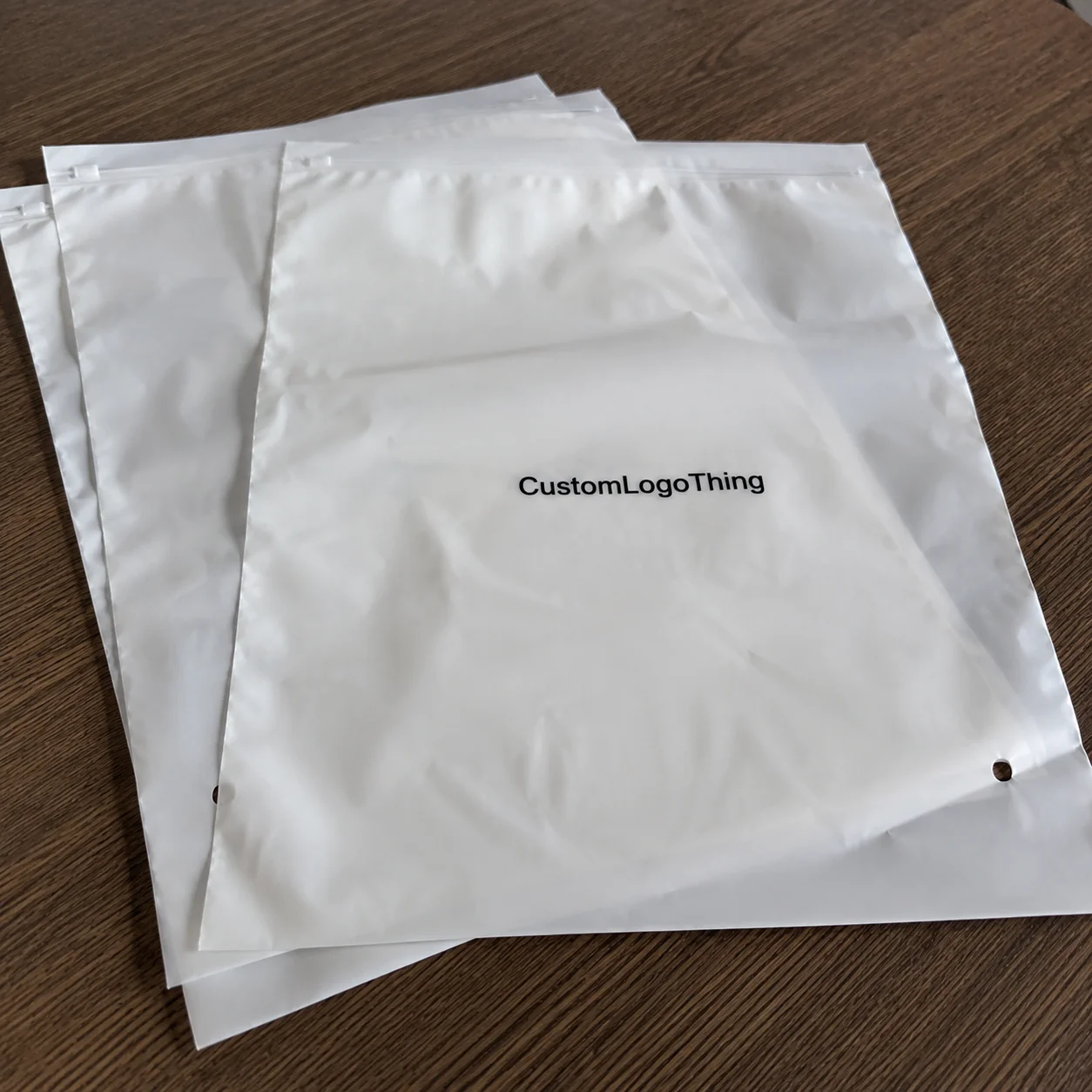
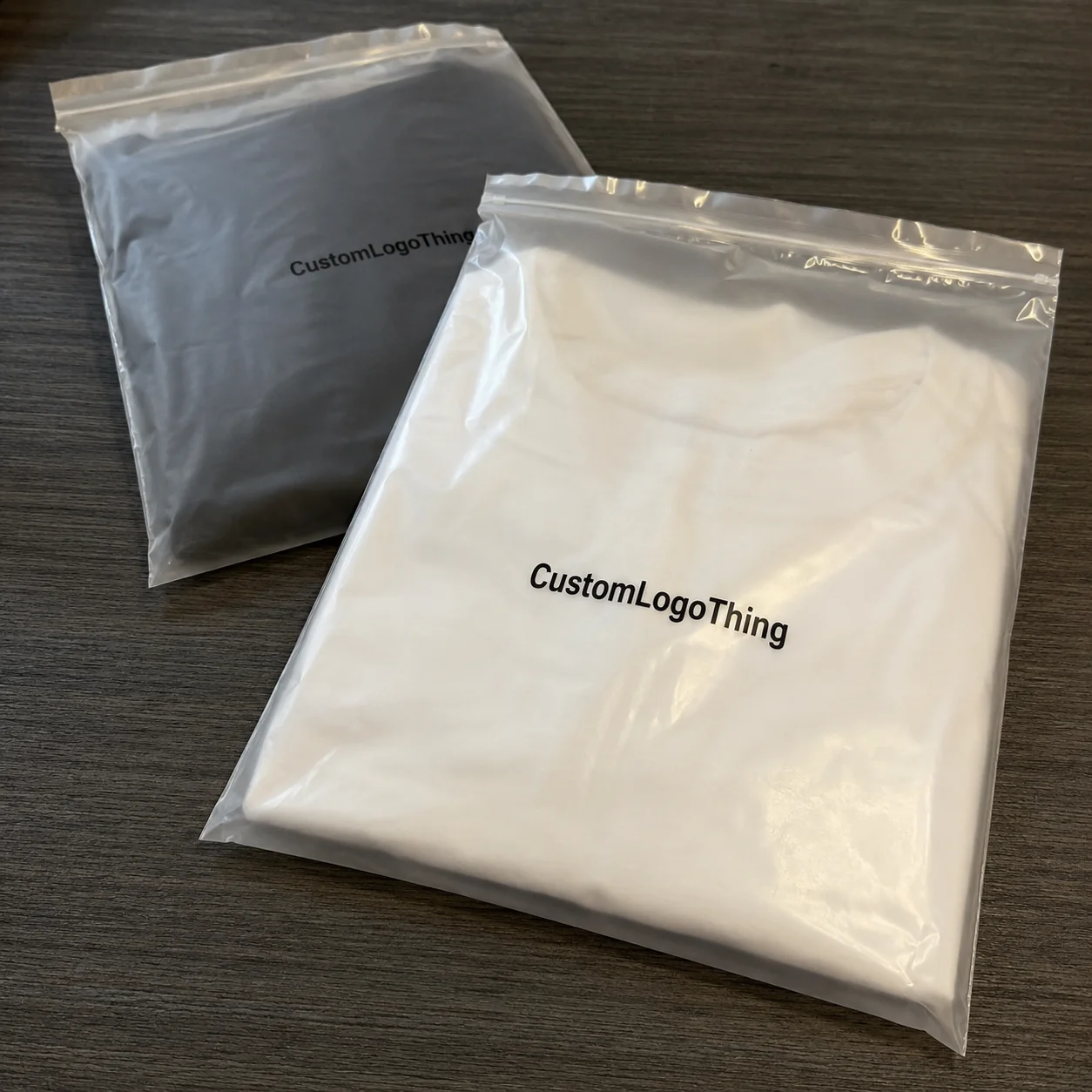
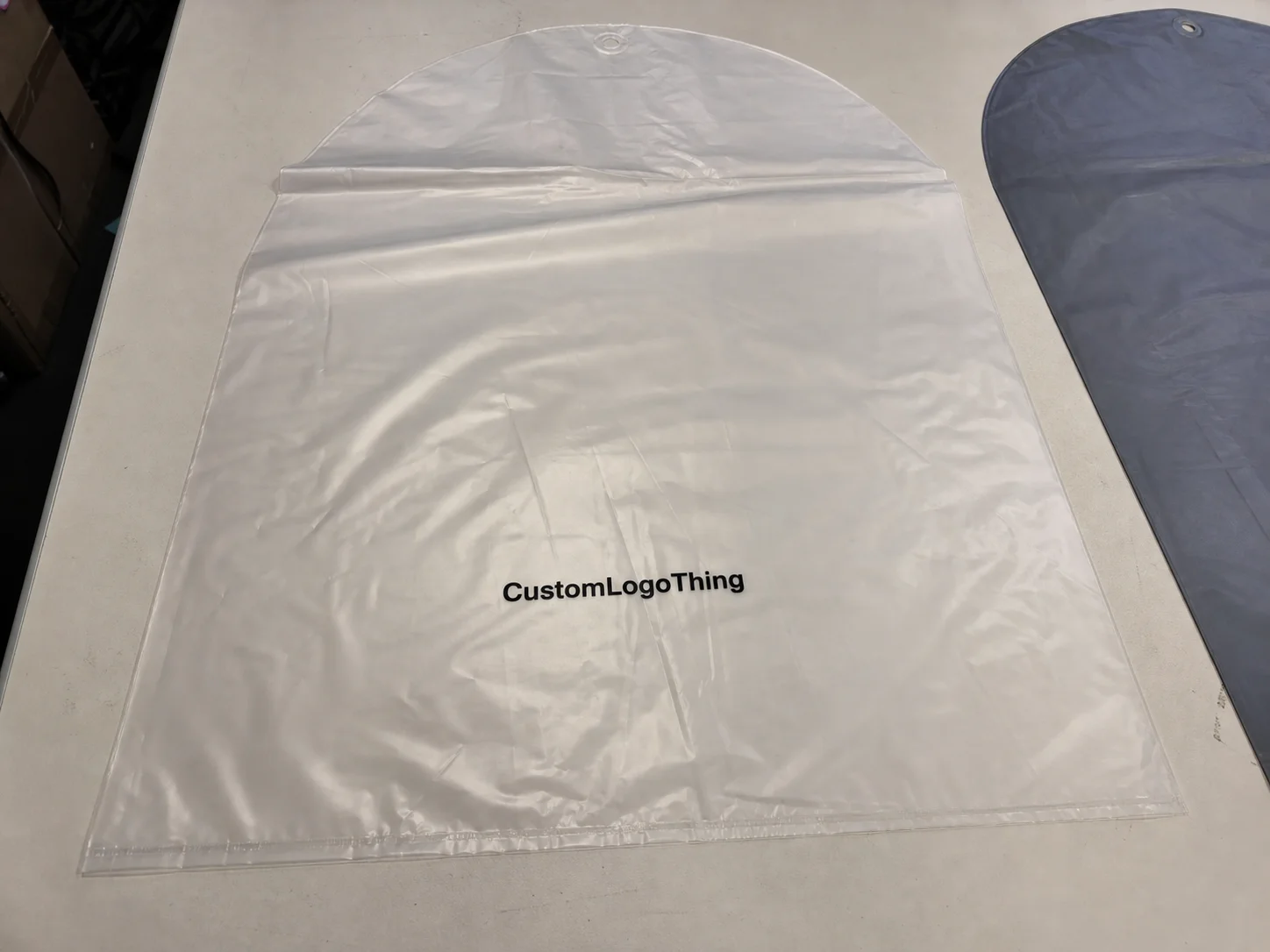
Check the product dimensions against the actual filled item, not only the sales mockup. Ask for tolerance on folds, seals, hang holes, label areas, and retail display edges. If the package carries a logo, QR code, warning copy, or legal claim, reserve that space before decorative graphics fill the panel.
How to compare quotes without losing quality
Compare board or film grade, print process, finish, sampling route, tooling charges, carton quantity, and freight assumptions side by side. A lower quote is only useful if the supplier can repeat the same color, closure quality, and packing count on the next order.
The first time I watched a customer film herself opening one of my client's packages, I understood why 40% of consumers now share unboxing videos on social media. She didn't just open a box—she performed a ritual. The tissue paper, the branded tape, the carefully nested insert that revealed the product in stages—she was essentially unboxing a commercial for the brand. In that moment, I realized that Branded Packaging for Direct to consumer businesses isn't about making boxes pretty. It's about engineering an experience that turns first-time buyers into lifetime advocates.
If you're running a DTC brand, your packaging is doing more work than your homepage. It arrives when excitement is highest. It exists in the customer's home, on their desk, in their hands. Every unboxing is a performance—and unlike a social media ad, this performance has no skip button. (I've sat through some truly painful unboxings in my consulting work. One involved so much styrofoam I felt like I was unwrapping an appliance from 1987.)
Why Your Unboxing Experience Determines Customer Loyalty
DTC packaging suffers from a fundamental misunderstanding. Most founders treat it as a logistical problem: get the product there in one piece, don't spend too much, check the box. Done. Yet brands with identical products, identical prices, and wildly different customer retention rates share one distinguishing variable—the unboxing experience.
That brown box on the doorstep represents the physical manifestation of a customer's decision to trust you. When someone buys from a DTC brand, they're taking a leap of faith. They can't touch the product, can't see it in context, can't ask a sales associate for their opinion. What does it say about your brand when that box looks like every other cardboard container flowing through the postal system?
Research from the Journal of Brand Strategy shows that 72% of consumers say their perception of product quality is influenced by packaging design. For DTC brands, this matters acutely because the product arrives divorced from any retail environment that might signal value. Your packaging has to do that signaling alone.
When I consult with brands on their packaging strategy, I ask one question: "If someone filmed your unboxing and posted it to social media without your brand name visible, would anyone know it was your product?" Most clients look uncomfortable after that question. They should. The honest answer for many brands is no—which means they're missing a massive opportunity for organic, authentic marketing.
The brands that get this right have a serious competitive advantage that most founders underestimate. Your Instagram might be gorgeous, your ads might convert beautifully, but if the physical experience after purchase feels like an afterthought, you're creating cognitive dissonance that erodes trust. The promise made in your marketing has to be delivered in your package.
First impressions don't happen when a customer touches your product. They happen when they pick up the box, when they feel its weight, when they notice the texture of the cardboard. Every second before the tissue paper comes out sets the emotional tone for everything that follows. Your packaging is the opening scene of your brand story—and unlike a movie, customers can't walk out if they don't like it.
What Is Branded Packaging for Direct to Consumer?
Terms need clear definition because I've watched brands waste significant money confusing these concepts. Branded Packaging for Direct to consumer refers to every touchpoint from the external shipping container down to the tissue paper inside—not just the pretty outer box. This includes structural design elements, color palette consistency, typography choices, and tactile materials that collectively communicate your brand identity.
Purpose separates shipping boxes from brand experience containers. A shipping box exists to protect products during transit and minimize cost. A brand experience container exists to create an emotional connection, tell a story, and reinforce why this purchase was worth making. Many brands confuse these purposes and end up with packaging that's neither affordable shipping nor memorable experience.
True branded packaging encompasses multiple layers and elements:
- Primary container: The vessel holding your actual product
- Protective packaging: Materials preventing damage during shipping (foam, paper, air pillows)
- Brand touchpoints: Tissue paper, stickers, tape, cards, and inserts that reinforce identity
- Structural design: How the package opens, reveals, and presents the product
- Tactile elements: Texture, finish, weight, and material quality
DTC skincare brands often invest heavily in beautiful outer boxes but throw protective packaging materials in as an afterthought. The result? Customers posting videos of themselves digging through styrofoam peanuts to find a $90 serum. The experience breaks because someone didn't think through the full sequence. (I once spent fifteen minutes hunting for a birthday gift in a sea of packing popcorn. Fifteen minutes. My enthusiasm for the product had basically evaporated by the time I found it.)
DTC requires fundamentally different thinking than retail packaging. When products sit on store shelves, they're competing for attention visually. Bold colors, aggressive graphics, shelf-ready displays—retail packaging has to stop a wandering eye. DTC packaging has to create intimacy. It arrives in a quiet home environment, often at the end of a long day, and it's speaking directly to one person. That changes everything about design philosophy.
Retail packaging needs to shout. Product packaging for DTC needs to whisper and make that whisper unforgettable.
How Branded Packaging Works for DTC Businesses
The customer journey for a DTC brand has distinct phases, and Branded Packaging for Direct to consumer businesses must serve multiple functions across this journey. It begins the moment the package arrives at the doorstep—and for many customers, that moment is shared digitally before the product is ever used.
The typical sequence plays out like this: delivery notification, the walk to the mailbox or door, picking up the package, feeling its weight, bringing it inside, finding scissors, cutting the tape, lifting the lid, removing tissue paper, and finally touching the product for the first time. Each of these moments is an opportunity. Most brands treat them as obstacles to get past. Successful DTC brands treat them as stages in a performance.
Online shopping creates anxiety—did I make the right choice? Is this product really what I expected? The unboxing experience either amplifies or reduces that anxiety. Premium-feeling packaging builds confidence. Generic packaging amplifies doubt.
Successful DTC unboxings share common characteristics: anticipation building (something to discover), reward moment (the product reveal), brand reinforcement (who made this feel special), and practical satisfaction (easy to open, easy to store). Miss any of these and you create a flat experience.
Sustainability expectations shape modern DTC packaging requirements. This isn't optional anymore—it's table stakes for certain demographics. Yet sustainability and premium feel aren't mutually exclusive. I've helped brands transition to mono-material designs that are easier to recycle while actually improving the tactile experience. The key is making sustainability a design constraint that drives creativity rather than a compromise that sacrifices quality.
The unboxing moment has become a legitimate marketing channel. When a customer shares their unboxing, they're broadcasting to their network that they made a smart purchase decision. Your packaging is the supporting actor in that social performance—and supporting actors who upstage the star generate negative results.
Key Factors That Make DTC Packaging Successful
After auditing packaging for dozens of DTC brands, five factors consistently separate memorable packaging from forgettable containers. Ignore any of these and you'll create problems that no amount of beautiful graphic design can fix.
Material selection involves balancing durability against sustainability against budget. Brands that cut corners on corrugated strength pay for it in damage claims. Others over-engineer packages that cost $4 per unit when the product inside is $35. The right material choice depends on your specific product's fragility, your shipping methods, and your target customer's expectations. A subscription beauty box and a custom furniture piece require completely different material strategies. (I once saw a brand ship a $200 set of wine glasses in a box so flimsy I could bend it with one hand. The CEO couldn't understand why their damage rate was 40%.)
Structural design does double duty: protecting products during shipping while creating drama in the reveal. This is where most DTC brands underinvest. They hire talented graphic designers but use generic box structures from supplier catalogs. The structural design determines how the package opens, how quickly the product is revealed, whether there's an element of surprise, and how easily the customer can access contents. I always recommend working with a structural packaging designer for at least one round of custom development, even on a limited budget.
Color psychology and brand consistency across packaging elements matters more than most founders realize. Every element visible during unboxing—from the tissue paper to the tape to the box interior—is a color decision. These decisions either reinforce brand recognition or create visual noise that dilutes your message. I suggest creating a strict palette for packaging that may actually be more limited than your marketing materials, because Consistency in Packaging creates a more premium perception.
Tactile experience encompasses texture, weight, and Finish Options That customers feel before they see. Soft-touch lamination, spot UV coatings, embossing, debossing, foil stamping—these elements add cost but create memorable physical impressions. Research consistently shows that haptic perception influences quality perception. A heavier stock communicates higher value. A smooth matte finish feels sophisticated. A subtle texture adds interest without overwhelming. Think about what you want your customer to feel at each stage of unboxing.
Practical considerations often get sacrificed on the altar of aesthetics, but they shouldn't. Ease of opening is critical—I've received packages that required scissors, knife, and significant physical effort to access. Resealability matters for products customers want to store or travel with. Storage efficiency impacts your fulfillment costs and customer satisfaction when they need to put your package in a closet. These practical elements don't need to be ugly. They just need to be thoughtful.
Step-by-Step Process to Create Your DTC Packaging
Creating effective branded packaging for direct to consumer businesses requires a systematic process. I've watched brands jump straight to design without proper preparation and end up with beautiful boxes that don't fit their products, exceed their budget, or create operational nightmares at their fulfillment centers. Here's the process I've refined over years of packaging consultations.
Step 1: Audit your current packaging and identify gaps. I usually start by having clients unbox their own products on video while noting pain points. Where did they struggle? What felt cheap? What surprised them favorably? What would they change? This self-audit surfaces issues that might otherwise go unnoticed. Collect feedback from real customers too—send a short survey with your next shipment and ask specific questions about the packaging experience.
Step 2: Define your packaging budget and per-unit cost targets before looking at any designs. Calculate what you can afford to spend per order while maintaining healthy margins. Generally, packaging should represent 5-15% of product cost depending on category. A $25 skincare product might justify $2-3 in packaging. A $150 jacket probably needs higher investment. Know your number before designers start proposing options.
Step 3: Choose your approach—custom design, semi-custom, or template modifications. Full Custom Packaging Design offers maximum differentiation but highest cost and longest timeline. Semi-custom uses existing structural designs with custom graphics. Template modifications adjust standard sizes or add minor branding elements. Each approach has its place depending on your stage and goals. Early-stage brands often benefit from starting with template modifications while building toward custom designs as they scale.
Step 4: Select materials and printing methods aligned with brand values and practical requirements. Material decisions include paperweight (measured in GSM—grams per square meter), corrugated flute size for boxes, and finishing options like aqueous coating versus soft-touch lamination. Printing methods range from flexography (cost-effective for high volumes) to offset lithography (better color consistency) to digital printing (ideal for smaller quantities with variable data). Each choice affects cost, quality, and sustainability profile differently.
Step 5: Test prototypes with real customers before committing to full production runs. Send sample packages to five to ten customers and ask them to film their unboxing. Watch the videos without commentary. Where do they hesitate? What surprises them? Does the experience match your intentions? This feedback is invaluable and far cheaper than printing 10,000 units of the wrong packaging.
Step 6: Establish supplier relationships and backup production options. Your packaging supplier will become a critical partner. Build relationships with at least two suppliers capable of producing your packaging to spec. Single points of failure are dangerous—you don't want to launch a product and discover your box supplier is booked for eight weeks. Negotiate lead times, storage terms, and quality guarantees in writing before you need them.
Understanding Branded Packaging Costs and Pricing
DTC founders consistently ask me: "How much should I expect to pay for branded packaging?" The honest answer is: it depends. But I can give you ranges that will help you budget intelligently and avoid both overspending and damaging underinvestment.
Understanding branded packaging costs requires breaking down where money actually goes. Per-unit costs typically include:
| Cost Component | Typical Range | Notes |
|---|---|---|
| Materials (box, inserts, paper) | $0.35 – $2.50 per unit | Varies by size, weight, and material grade |
| Printing (setup + per-unit) | $0.15 – $1.50 per unit | Setup fees can range $200 – $1,500 |
| Tooling (printing plates, dies) | $500 – $3,000 one-time | Required for custom designs |
| Finishing (lamination, foil, emboss) | $0.10 – $0.75 per unit | Adds perceived value and tactile quality |
| Assembly labor | $0.20 – $0.60 per unit | If not done in-house |
Order quantity dramatically affects pricing tiers. When I show clients the pricing curve, they're often surprised by how much volume matters. At 100 units, you might pay $4-6 per box for custom-printed packaging. At 1,000 units, that same box might cost $1.50-2.50. At 10,000 units, you're looking at $0.75-1.50 per unit. This is why many successful DTC brands launch with a Limited Edition Packaging design and plan a redesign for when they hit volume thresholds.
Hidden costs often derail packaging budgets: shipping fees from supplier to your warehouse, warehousing costs for storing finished packaging, and fulfillment integration expenses if your warehouse team needs to learn new processes. Budget 15% above your calculated per-unit cost to account for these variables. (And trust me, there are always variables. Every. Single. Time.)
Calculating ROI for packaging investment requires looking beyond immediate margins. How much is a repeat customer worth to your business? If a customer purchases three times over two years with an average order value of $75, their lifetime value might be $225. Premium packaging that increases repeat purchase rate by just 10% compounds significantly. Packaging investments have paid for themselves within six months through improved retention alone.
Budget ranges differ significantly by quality tier and business size. Entry-level branded packaging (template modifications, standard materials) typically runs $1-3 per unit for quantities over 500. Mid-tier packaging (custom graphics, better materials, basic finishing) usually lands $3-6 per unit. Premium packaging (custom structural design, high-end materials, multiple finishing techniques) often exceeds $8-12 per unit. Choose based on your product margin and target customer expectations, not on what looks impressive to other founders.
Realistic Production Timelines and Lead Times
Beautiful product launches have derailed by packaging delays. A brand will have everything ready—product manufactured, marketing assets created, social media scheduled—and then discover their packaging won't arrive for six weeks instead of the assumed two. Suddenly they're either shipping in generic boxes or pushing the entire launch back. Understanding timelines prevents these crises.
The typical timeline from packaging design approval to first shipment runs four to eight weeks for new custom packaging. This assumes you've already completed the design phase and are approved for production. The breakdown usually looks like: production scheduling (1 week), printing (1-2 weeks), finishing/assembly (1 week), quality control and shipping (1-2 weeks). Every step has some variability, and delays compound.
Several factors extend timelines beyond initial estimates. Custom tooling requirements for structural designs can add two to three weeks to initial production. Specialty materials not kept in stock might require six to eight weeks of procurement time. Revision rounds during proofing can multiply timeline exponentially—each revision round adds a week minimum when you factor in supplier response time, your review period, and reprinting if needed. Peak seasons (October through December for most DTC brands) create production bottlenecks that extend timelines by 30-50%.
Buffer planning is essential for launches. When I help brands plan packaging projects, I build in a minimum two-week buffer after the "should be done" date. This isn't pessimism—it's operational reality. Custom packaging projects rarely complete without at least one delay or revision. If your launch depends on packaging being ready by a specific date, your timeline should include buffer time, not just the optimistic path.
Rush production options exist but come with premium costs. Most suppliers will expedite production for 25-50% markup if capacity exists. Some offer digital printing options that eliminate long setup times, reducing production to one to two weeks for smaller quantities. However, these options are limited and not guaranteed—building rush premiums into your budget doesn't guarantee you'll find available capacity.
Seasonal planning deserves attention for brands with holiday-heavy revenue. If your product sells particularly well in Q4, plan your packaging refresh or new launch for early summer. This gives you August-September production slots that are typically available, before the October pre-holiday crunch. Many brands learn this the hard way after one holiday season ruined by packaging delays. (I'm looking at you, three brands who reached out to me in November, panicked, asking if there's any way to get custom packaging in two weeks. There usually isn't.)
Common Branded Packaging Mistakes DTC Brands Make
After auditing dozens of DTC packaging programs, patterns emerge in the mistakes brands make. Most are preventable with awareness and planning. Here's what I see repeatedly, along with why these mistakes matter.
Mistake 1: Underestimating shipping damage while investing too little in protection. Gorgeous packaging designs have arrived at customers' doors with crushed corners and torn tissue paper. The visual design was excellent; the structural engineering was insufficient. Damage claims eat into margins, generate negative reviews, and create customer service burden. The fix isn't padding your box with more protective material—it's designing protective features into the structural design from the start. Work with your supplier on drop tests and vibration simulations to establish minimum protection standards.
Mistake 2: Focusing only on the external box while neglecting inside materials. The outer box matters for brand recognition at delivery, but what customers remember is what they touch during unboxing. Tissue paper with your brand color, protective wraps that feel intentional, thank-you cards that don't look like afterthoughts—these interior elements create the lasting impression. Allocate at least 30% of your packaging budget to interior elements, not just the box itself.
Mistake 3: Ignoring fulfillment center requirements and operational constraints. Your packaging design might be beautiful, but if it doesn't fit your fulfillment workflow, you've created expensive problems. Boxes that don't collapse flat waste warehouse space. Tissue paper that needs to be folded differently by each packer creates inconsistency and slows operations. Always walk your packaging design through your fulfillment team's workflow before finalizing production. They see things that designers miss.
Mistake 4: Choosing aesthetics over functionality for customer experience. Packaging that won design awards has frustrated customers. Boxes with magnetic closures that require excessive force to open. Tissue paper that shreds when unfolded. Stickers that leave residue. These functional failures overshadow visual success. Balance beauty with usability by testing prototypes with actual customers who don't know the design intent.
Mistake 5: Not testing with actual shipping conditions before full rollout. Your packaging might look perfect in a photoshoot setting and fall apart in real postal conditions. I recommend commissioning ISTA-certified testing (International Safe Transit Association standards) for any significant packaging investment. This involves simulated shipping hazards—drops, vibrations, compression—that reveal weaknesses before you've produced thousands of units. The testing cost (typically $500-2,000 depending on complexity) is cheap insurance against widespread damage claims.
Expert Tips for Packaging That Converts
Beyond avoiding mistakes, techniques exist that transform packaging from functional container into conversion tool. These are the strategies I share with clients who want their packaging to work as hard as their advertising.
Use packaging dimensions to create unexpected delight. The space inside your box is stage space. Consider the drama of reveal—products nested in tissue paper build anticipation. Products visible immediately through a window create instant gratification. Products revealed in stages create narrative. I've helped brands redesign their product arrangement inside boxes to create "aha moments" that customers mention in reviews. The goal is to engineer a moment where the customer thinks, "They really thought about this."
Include QR codes linking to unboxing video content or brand stories. When I first suggested this to a client, they worried it would feel gimmicky. Their concern evaporated when they saw the results—a QR code on their thank-you card linking to a short video of their founder explaining the product's origin increased repeat purchase rate by 15% over six months. The connection created emotional investment that translated to loyalty. Make sure your linked content is worth watching; the packaging gets them to the content, but the content must deliver.
Design for sustainability without sacrificing premium feel. Mono-material designs (boxes, tissue, and inserts all in one recyclable stream) simplify recycling for customers and often cost less than mixed-material designs. Water-based inks and soy-based adhesives perform comparably to conventional options at similar costs while improving your environmental profile. Right-sizing packaging (using the smallest box that safely accommodates your product) reduces material costs and shipping costs simultaneously. These aren't trade-offs—they're improvements.
Create packaging tiers: essential, premium, and limited edition options. Not every customer needs or wants the same experience. Some customers are buying on a trial basis; others are loyal repeat purchasers who deserve celebration. I've helped brands develop an entry-level packaging tier for new customer acquisition, a premium tier for loyalty program members, and a limited edition tier for holiday releases or special drops. This approach increases average order value while giving customers options that match their engagement level.
Build supplier relationships for better pricing and priority access. Suppliers prioritize customers they know well and trust. Brands have received 15-20% discounts simply because they'd built two years of reliable ordering history with a supplier. Beyond pricing, relationship-based suppliers offer better flexibility during crises—a supplier who knows your business might accommodate a rush order when a brand-new customer would be scheduled for the next available slot. Treat your packaging supplier as a partner, not just a vendor.
Your Next Steps: From Strategy to Shelf-Ready Packaging
You now have a framework for understanding and implementing effective branded packaging for direct to consumer businesses. But knowing isn't doing. Here's your action plan for the next 30 days—specific steps you can take this week, next week, and the week after that.
This week: Audit your current packaging against competitor benchmarks. Order three to five products from DTC brands you admire—or brands in adjacent categories—and study their packaging in detail. How does their unboxing experience compare to yours? What elements do they include that you don't? Take notes and photos. Then unbox your own product on video and watch it with fresh eyes. Where do you feel embarrassed? Where do you feel proud? This honest assessment creates your baseline.
Next week: Request samples from at least three potential suppliers before deciding. If you're happy with your current supplier, still get samples from competitors—you want comparison points. Request unprinted samples of boxes in your target size range, then custom-printed samples if you have design directions. Evaluate print quality, material feel, and structural integrity yourself before showing anyone else. Share promising options with your team and gather feedback. Check supplier certifications through organizations like the Forest Stewardship Council or Institute of Packaging Professionals if sustainability is core to your brand.
Week three: Build your packaging project timeline with two-week buffer for revisions. Work backward from your target ship date and map every milestone. Include time for design revisions, production scheduling, quality testing, and shipping to your warehouse. Identify your critical path and flag any timeline that doesn't have buffer time built in. This timeline becomes your project management spine—share it with suppliers and internal stakeholders.
Allocate 15% of your packaging budget for unanticipated customization requests. Every packaging project I've overseen has had scope creep—design changes mid-production, requests for additional samples, last-minute additions to inserts. Budgeting 15% above your calculated minimum ensures these normal variations don't derail your project or compromise quality. It's much better to have budget left over than to run out and have to compromise.
Document your packaging guidelines for future team handoffs and scaling. Create a single document that captures your approved specifications: box dimensions, material grades, printing colors (with Pantone or CMYK references), finishing requirements, and approved supplier contacts. This documentation prevents knowledge loss when team members change, enables consistent onboarding, and makes future packaging refreshes faster. Store it somewhere accessible—not just on one person's desktop. (Seriously, one person's desktop is not a system.)
Branded packaging for direct to consumer businesses is an investment in customer experience, brand perception, and operational efficiency. When done well, it creates the kind of memorable moments that generate word-of-mouth marketing no ad spend can buy. When done poorly, it creates expense, frustration, and missed opportunities. The difference lies in treating packaging as a strategic initiative rather than a tactical purchase.
You've got the framework. Now it's time to build packaging that works as hard as your marketing.
What Is the Best Branded Packaging Strategy for Direct to Consumer Brands?
The most effective branded packaging strategy for DTC brands treats every physical touchpoint as an opportunity to reinforce your identity and create emotional connection. This means designing from the outside in—starting with the shipping box that arrives at the doorstep and working through every interior element a customer touches during unboxing. The best strategies balance visual appeal with functional considerations like ease of opening, product protection, and sustainability. They also account for the fact that many customers share their unboxing experiences on social media, making the physical moment a powerful marketing channel worth intentional design.
Frequently Asked Questions
How much does branded packaging typically cost for small DTC brands?
Entry point for quality branded packaging typically starts around $2-5 per unit when ordering quantities under 500 pieces. Costs drop significantly at 1,000+ units, often reaching $1-3 per unit depending on specifications. At 5,000+ units, you might achieve $0.75-1.50 per unit for mid-tier packaging. The key insight: investing in durable, memorable packaging typically yields positive ROI through repeat purchases and referrals. One damaged shipment or disappointed customer can cost more than months of packaging investment.
Can I design branded packaging without hiring an agency?
Many DTC brands successfully create packaging using in-house design tools and template services. Platforms like the Custom Packaging Products available through suppliers offer starting points that can be customized with your brand colors and logo. However, I recommend investing in structural packaging design through a consultant for at least one project—structural elements are harder to fix post-production than graphic design. Some suppliers offer design services that provide middle-ground between DIY and full agency engagement at reasonable rates.
What is a realistic timeline for branded packaging production?
Plan for 6-10 weeks from initial concept to first shipment when creating new custom Packaging From Scratch. This includes design development (2-3 weeks), revision cycles (1-2 weeks), production scheduling (1 week), actual production (1-2 weeks), and shipping (1 week). Template modifications can move faster, typically 3-4 weeks total. Always add two weeks of buffer for revisions and unexpected delays—the packaging industry is notorious for timeline slippage. Working with suppliers who have ISTA-certified testing capabilities (like those listed through International Safe Transit Association) can actually speed up timelines by reducing back-and-forth on quality specifications.
What minimum order quantities should I expect for custom DTC packaging?
Most suppliers require minimum order quantities between 250-1,000 units depending on structural complexity and printing method. Corrugated shipping boxes often have lower MOQs (around 250-500 units) compared to Rigid Setup Boxes or custom-molded inserts (which might require 1,000+ units). Digital printing options from some suppliers allow MOQs as low as 50-100 units for certain products, though unit costs are higher. Consider pooled production runs with other DTC brands to share setup costs if your volume doesn't justify production runs alone. MOQs often decrease significantly when you're willing to accept longer lead times or standard material choices rather than custom specifications.
How do I know if my packaging is creating negative customer experiences?
Monitor three key indicators: damage rates (should be under 2% for most products), customer service contacts related to packaging issues, and social media sentiment. Beyond quantitative metrics, send a post-purchase survey asking specific questions about packaging—don't just ask "were you satisfied" but probe into specific moments. "Was the package easy to open?" and "Did the packaging feel representative of the product quality?" surface issues that general satisfaction surveys miss. If you're seeing patterns, film unboxings yourself and look for hesitation points, frustration, or confusion.
Should sustainability goals compromise my premium packaging perception?
Not at all—and I'd actually push back on this assumption. Some of the most premium DTC brands have adopted highly sustainable packaging precisely because their customers (especially in beauty, apparel, and home goods) increasingly view sustainability as a premium feature. The brands getting this right treat sustainability as a design challenge, not a constraint. A box made from 100% recycled materials with water-based inks and no mixed plastics can feel more premium than a glossy box with PVC windows and styrofoam packing peanuts. The former tells a story; the latter creates guilt. That story resonates with your best customers.