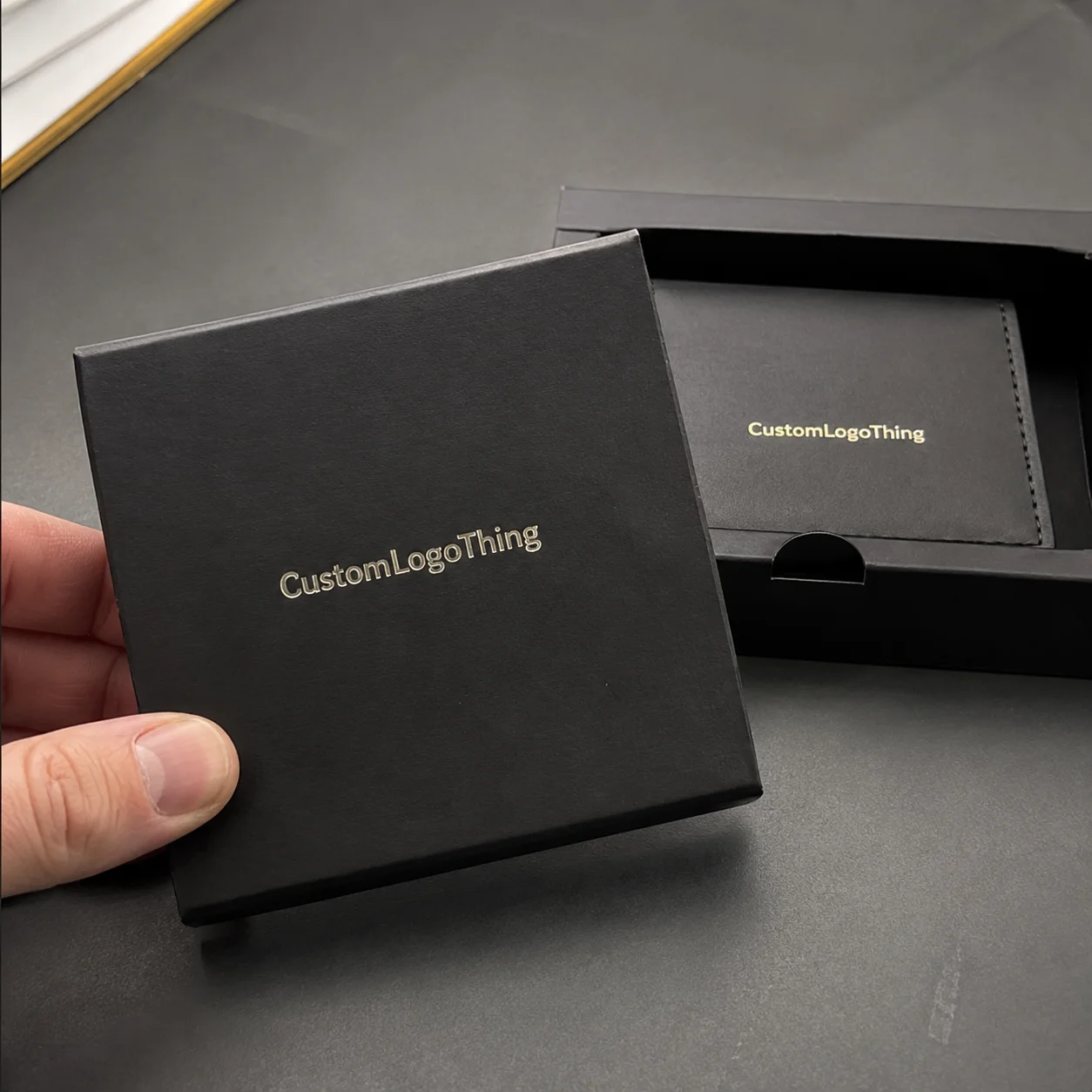
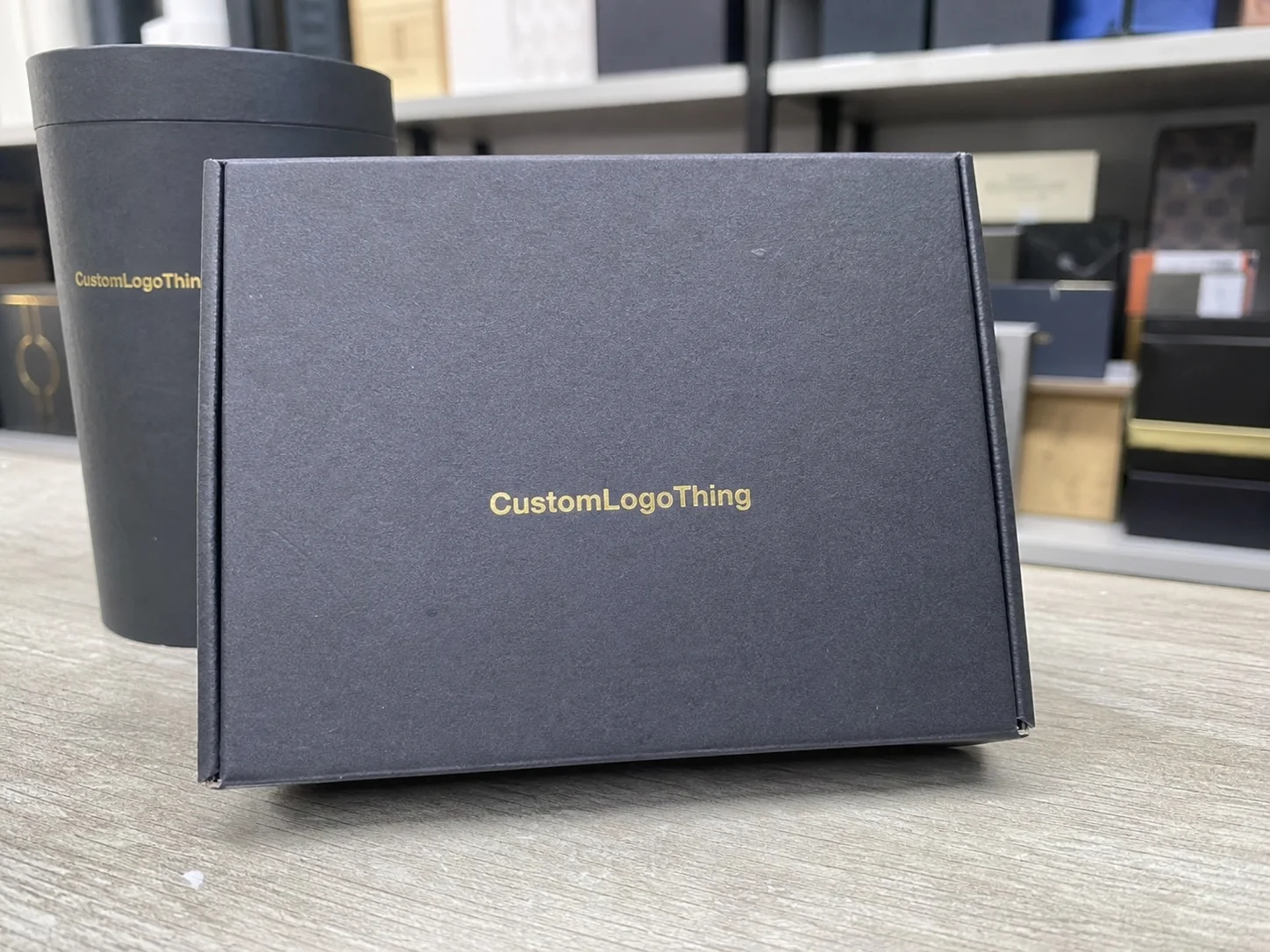
Buyer Fit Snapshot
| Best fit | Create Product Packaging from Scratch projects where brand print, material claims, artwork control, MOQ, and repeat-order consistency need to be specified before quoting. |
|---|---|
| Quote inputs | Share finished size, material target, print colors, finish, packing count, annual reorder estimate, ship-to region, and any compliance wording. |
| Proofing check | Approve dieline scale, logo placement, barcode or warning zones, color tolerance, closure strength, and carton packing before bulk production. |
| Main risk | Vague material claims, crowded artwork, missing packing details, or unclear freight terms can make a low unit price expensive after revisions. |
Fast answer: Create Product Packaging from Scratch: Quote Scope, Sample Proof, MOQ, and Lead Time should be specified like a repeatable production item. The safest quote records material, print method, finish, artwork proof, packing count, and reorder notes in one written spec.
Production checks before approval
Compare the actual filled-product size with the drawing, then confirm tolerance on folds, seals, hang holes, label areas, and retail display edges. Reserve space for logos, QR codes, warning copy, and material claims before decorative graphics fill the panel.
Quote comparison points
Review material grade, print process, finish, sampling route, tooling charges, carton quantity, and freight assumptions side by side. A quote is only useful when the supplier can repeat the same color, closure quality, and packing count on the next order.
“How to create product packaging from scratch” sounds straightforward until a factory in Shenzhen sends the first sample and the box won’t close because someone chose the wrong flute and the dieline tolerance was off by 2 mm. I’ve watched founders blame the artwork, the printer, and the moon phase, when the real problem was basic structure. If you’re figuring out how to create product packaging from scratch, I’d start with the boring stuff first: exact dimensions, board weight, closure style, and transit testing. That’s where the money gets saved, and honestly, that’s where the headaches get spared too.
I’ve spent 12 years in custom printing, and packaging is never just a pretty box. It has to fit the product, survive transit, meet retail requirements, and still make the brand look sharp. If one part fails, the whole order gets expensive fast. That’s why how to create product packaging from scratch is really about building a system, not decorating cardboard and hoping the shipping gods are in a good mood. A 5,000-piece carton run can shift from $0.22 per unit to $0.51 per unit just by changing stock, finish, or insert style, and that difference shows up fast on a launch budget.
There’s also a human side to it that people outside the print room rarely see. I still remember standing beside a stack of wet-ink cartons in Dongguan, watching a brand owner hold two nearly identical samples under fluorescent light and ask why one looked warmer than the other. The answer was in the paper surface, not the artwork. A coated sheet and an uncoated one can change the whole mood of a package, and that’s the kind of detail that can either support the brand or quietly sabotage it.
How to Create Product Packaging From Scratch: What It Really Means
People usually mean, “How do I go from a product sitting on my desk to a finished box, pouch, mailer, or rigid setup I can actually sell?” Fair question. The full answer is bigger than design. You’re dealing with fit, structure, materials, branding, print prep, compliance, and production planning. Skip one of those pieces and you’ll pay for it later, usually right when you think you’re finally done. A skincare carton in Dongguan, for example, may need a 350gsm C1S artboard outer with a 1.5 mm greyboard insert, while a supplement shipper in Hangzhou might need E-flute corrugate plus a kraft overprint for stacking strength and barcode visibility.
The first sample often fails for a boring reason. I remember visiting a carton plant near Dongguan where a skincare founder had paid for beautiful custom printed boxes with soft-touch lamination, silver foil, and a matte black interior. The sample looked expensive. It also popped open during vibration testing because the insert was undersized by a few millimeters. The design was fine. The structure was not. That’s packaging for you, stubborn little thing that it is. The fix cost about $120 in new tooling and added 4 business days, which was a lot cheaper than scrapping 8,000 printed shells.
Good product packaging has two jobs. One is protection. The other is selling. Protection means the item arrives undamaged after 600 miles in a truck, or after being dropped from 36 inches, depending on how serious you are about testing. Selling means the packaging gives a clear first impression on a shelf or in an unboxing video. If your box looks gorgeous but your jar rattles inside, you’ve built a liability, not a brand asset. A rigid box with a magnetic closure from a Suzhou factory may look premium, but if the lid gap is 1.5 mm too large, the whole presentation feels loose and unfinished.
So, how to create product packaging from scratch starts with a mindset shift. You are not ordering a box. You are designing a system that includes the outer container, inner protection, printed graphics, finishing, shipping configuration, and sometimes retail compliance details like barcodes, ingredients, and warning copy. It’s a stack of decisions. Every decision changes cost, which is why I get a little twitchy when someone says, “Can we just add one more finish?” Adding hot foil, embossing, and soft-touch lamination to a 10,000-piece run can raise the unit cost from $0.68 to $1.14 before freight leaves the port in Shenzhen.
Here’s the path I usually follow with clients, whether they’re launching in Austin, London, or Singapore:
- Discovery — product size, weight, fragility, shipping method, and brand goals.
- Prototyping — dieline, mockup, insert testing, and sample approval.
- Costing — setup fees, unit price, MOQ, freight, and storage.
- Artwork — print-ready files, color management, and finishing layers.
- Production — press setup, quality checks, packing, and delivery.
That sequence matters. Skip discovery and you’ll design the wrong format. Skip prototyping and you’ll discover the mistake after plates are made, which is the expensive way to learn. Ask me how I know. I once had a client in California insist on a rigid box with a hidden magnetic flap for a 90 g serum bottle. Cute idea. Terrible freight cost. We reworked it into a folding carton with an insert and saved about $0.41 per unit on a 10,000-piece run. That sounds small until you do the math, and then it sounds like someone quietly stealing your margin in the night.
“The box looked amazing on screen. Then we held the sample and realized the product was sliding around like a loose tooth.” — one of my favorite client complaints, right before we fixed the insert and everyone calmed down.
How to Create Product Packaging From Scratch: The Full Process
To understand how to create product packaging from scratch without getting lost, break it into phases. I prefer the simple route: product dimensions, packaging type selection, structural engineering, branding, sample approval, then mass production. That order saves time because each step builds on the last. Reverse it, and you’ll spend your week revising artwork that was never going to fit in the first place, which is a spectacularly annoying kind of busywork. A factory in Ningbo can usually quote a folding carton prototype in 2 to 3 business days, but only if the dieline is already clear and the measurements are locked down.
Start with exact measurements. Not “about the size of my hand.” I mean length, width, height, weight, and any weird protrusions. A 2 mm mistake can create rattling, crushed corners, or inserts that don’t hold. I’ve seen a folding carton fail because the product cap sat 3 mm higher than expected. The factory had to rebuild the insert die. That added eight days and about $180 in tooling adjustments. Small error. Real money. If your bottle is 48 mm wide, 48 mm deep, and 132 mm tall, say that on the spec sheet, because “medium-sized” means nothing to a press operator in Dongguan.
Then choose the packaging type. Your choice depends on what the product needs to do.
- Folding cartons — good for cosmetics, supplements, candles, and light retail packaging.
- Rigid boxes — better for premium gifts, electronics, and luxury branded packaging.
- Corrugated mailers — ideal for ecommerce and shipping-heavy use.
- Pouches — common for food, powders, and lightweight items.
- Sleeves — useful when you want a lower-cost branding layer over an existing pack.
- Inserts — foam, pulp, molded paper, PET, or paperboard, depending on fragility.
How to create product packaging from scratch also means learning the factory side. A good supplier will ask for a dieline, bleed, safe zones, artwork in vector format, and clear finishing instructions. If they don’t ask, I get suspicious. Once, during a negotiation with a carton vendor in Shenzhen, I asked why they hadn’t flagged a missing glue flap dimension. The sales rep said, “We assumed your designer knew.” Cute answer. Wrong answer. The best manufacturers catch issues before print, not after you’ve already paid for plates and shipping. A proper carton factory in Guangdong will usually request a 3 mm bleed, Pantone references, and line art for foil or embossing separated on named layers.
For print prep, factories usually want editable AI, PDF, or EPS files with outlined fonts, correct Pantone references, and image resolution around 300 DPI for raster elements. If you’re doing spot UV, foil, or embossing, those need separate layers or at least clearly labeled spot colors. You’d be amazed how many teams send one flat file and call it “final-final-v7.” That’s not a file system. That’s a cry for help. A production manager in Xiamen can usually spot missing spot-color layers in under 30 seconds, which is faster than most brand teams notice a typo.
It helps to compare common packaging choices before you commit. Here’s a simple side-by-side view I use with clients deciding how to create product packaging from scratch.
| Packaging Type | Typical Use | Approx. Unit Cost at 5,000 pcs | Strengths | Watch Outs |
|---|---|---|---|---|
| Folding Carton | Cosmetics, supplements, small retail items | $0.18–$0.55 | Affordable, lightweight, easy to print | Needs inserts for fragile products |
| Rigid Box | Luxury gifts, premium sets | $1.20–$3.80 | High perceived value, premium feel | Higher freight and storage costs |
| Corrugated Mailer | Ecommerce shipping | $0.65–$1.40 | Good protection, strong branding surface | Can feel bulky for shelf retail |
| Pouch | Food, powders, samples | $0.12–$0.48 | Lightweight, flexible, space-saving | Barrier requirements matter a lot |
Once the packaging type is chosen, I always ask for a physical sample before final artwork. Digital mockups lie. They lie politely, with good lighting and a shadow underneath. A sample tells the truth. In one factory visit, I watched a supplement client approve a mockup with a matte finish and then hate the real sample because the black looked too brown under warehouse lights. That didn’t show up on a monitor. It showed up on a table under fluorescent tubes in Guangzhou. Real life is rude like that, especially when the stock is 350gsm C1S artboard and the lighting shifts from cool white to daylight.
Key Factors That Shape Packaging Design, Cost, and Performance
If you’re serious about how to create product packaging from scratch, you need to understand the forces that shape cost and performance. Material choice comes first. A 350gsm C1S artboard behaves very differently from 600gsm greyboard. Corrugated E-flute gives a different crush strength than B-flute. And yes, the wrong flute choice can wreck a beautiful design before the ink dries, which is the sort of thing that makes a packaging person stare into the middle distance for a minute. On a mailer run out of Qingdao, changing from E-flute to B-flute can increase board thickness from about 1.5 mm to 3 mm, which alters the dieline, the inner fit, and sometimes the pallet count.
For paper-based packaging design, I usually talk through these material options:
- C1S artboard — good for folding cartons with one printable side.
- Greyboard with wrap — standard for rigid boxes.
- Corrugated board — best for shipping and protection.
- Kraft paper — solid for natural branding and lower-ink looks.
- Specialty stocks — textured, metallic, or coated papers for premium presentation.
Then there’s print method. Offset printing is usually the better choice at scale because it handles color consistency well and spreads setup cost across more units. Digital printing works better for shorter runs or multiple SKUs. I’ve quoted digital runs at around $0.60/unit for 500 pieces where offset would have made no sense. Offset can bring the per-unit cost down dramatically at 5,000 or 10,000 pieces, especially for custom printed boxes with multiple color passes. For a 4-color carton printed in Shenzhen, offset pricing may drop from $0.42 at 1,000 pieces to $0.19 at 10,000 pieces, assuming the artwork stays flat and the finish stays simple.
Finishing is where budget gets dangerous. Foil stamping, embossing, debossing, spot UV, matte lamination, gloss lamination, soft-touch lamination, and window patches all sound nice. They are nice. They also add cost. A simple spot UV upgrade can add $0.08–$0.20 per unit depending on area and run size. Soft-touch lamination may add another $0.06–$0.14. A foil stamp with a custom die? That’s not just a finish. That’s a line item with attitude, and it rarely arrives alone. A small gold foil logo in a factory outside Dongguan may require a steel rule die and a one-time setup charge of $45 to $120 before the first sheet is even printed.
Here’s the practical pricing stack I give founders learning how to create product packaging from scratch:
- Tooling / dieline setup — often $80 to $350 for standard carton structures, more for custom inserts.
- Sampling — $30 to $150 per prototype, depending on complexity and shipping.
- Printing — unit cost based on color count, stock, and quantity.
- Finishing — foil, embossing, lamination, coating, or specialty textures.
- Inserts — paperboard, foam, pulp, or molded trays.
- Freight — often the hidden villain, especially for rigid boxes.
- Storage — because boxes do not magically occupy no space.
MOQ matters too. A supplier might quote 1,000 pieces at $1.25 each, while 5,000 pieces drop to $0.52 each. That’s not greed. That’s fixed setup costs spreading across volume. If you’re a small brand, the challenge is cash flow. I’ve seen founders order 500 premium boxes because they “wanted to test the market,” then spend more on unit cost than they made in first-month sales. Pretty packaging is great. Margin is better, and margin does not clap politely when you blow it. In many factories around Foshan, the jump from 500 to 3,000 units is where the quote starts behaving like a real production order instead of a sample hobby.
Compliance is another piece people underestimate when learning how to create product packaging from scratch. If you’re selling food, supplements, skincare, or anything regulated, you may need ingredients, warnings, tamper evidence, lot numbers, barcodes, recycling marks, or country-of-origin labeling. If you’re doing retail packaging, some stores have shelf-ready requirements and carton labeling standards. For sustainability claims, check actual certification. FSC matters if you’re using certified paper. You can read more from the Forest Stewardship Council and the EPA’s packaging and waste resources at epa.gov. Don’t guess on claims. Regulators love receipts, and they especially love them when someone tried to be “green” in a vague, hand-wavy way.
How to Create Product Packaging From Scratch: Step-by-Step Guide
Here’s the part most founders want immediately. The actual process for how to create product packaging from scratch. I’ll keep it practical, because theory without action just fills notebooks and makes people feel busy in a way that accomplishes very little. A clean workflow from a supplier in Shenzhen or Ningbo can move from brief to first prototype in about 7 to 14 business days if you already know the dimensions, quantity, and finish requirements.
Step 1: Audit the product
Measure the product in three dimensions, weigh it, and note anything fragile, oily, sharp, or temperature-sensitive. If the item ships in a mailer, test how it behaves with 1 foot of void space, 2 feet of drop distance, and a little jostling. I usually ask clients for the heaviest version of the product, not the sample on their desk. Production units are rarely lighter in the real world. Sadly, products do not become more elegant simply because we wish they would. If the bottle cap sits 4 mm proud of the neck, say so now, not after the insert has been die-cut in Dongguan.
Step 2: Choose the packaging format
Pick the format based on use case, budget, and brand positioning. A candle may do fine in a folding carton with a molded pulp insert. A luxury serum set may need a rigid setup box. An ecommerce subscription item may be better in a corrugated mailer. This is where package branding and function have to agree, not fight like siblings in the back seat. For a 250 g candle jar sold online in Los Angeles, a 300gsm carton with a 1.2 mm pulp tray can be enough; for a 6-piece gift set sold in London, a 2 mm greyboard rigid with wrapped paper and magnetic closure may make more sense.
Step 3: Build or request the dieline
The dieline is the map. It shows folds, cuts, glue areas, and safe zones. If the dieline is wrong, the whole job is wrong. I once reviewed a dieline for a soap brand where the front panel was 4 mm too narrow for the logo lockup. The designer had to shrink the mark, which made the brand name unreadable from shelf distance. A tiny structural error turned into a branding issue. That’s why I keep saying how to create product packaging from scratch is a structural process first. A factory in Guangzhou can usually generate a basic carton dieline within 1 to 2 days, but custom inserts or display structures often take 4 to 6 business days.
Step 4: Design for print
Set bleed at the printer’s spec, usually 3 mm or 0.125 inch. Keep important type inside safe zones. Use vector logos. Check color profiles, especially if you’re using Pantone to control brand color. Choose a type size that still reads at arm’s length; 6 pt might work in a legal footer, but not for a product claim you need shoppers to actually see. If you’re adding finishing layers for foil or spot UV, label them clearly. Factories are not mind readers. Sad, but true. A print file for a Hangzhou carton plant should include named layers for cut, crease, foil, varnish, and white ink if the stock is dark or uncoated.
Step 5: Approve prototypes and proof carefully
This is where many teams get lazy. They approve a pretty PDF and assume the sample will “basically” match. No. Proof the real thing. Check folding lines, glue strength, color shift, insert tension, and closure. If the package is meant for retail packaging, put it on a shelf and look at it from 6 feet away. If it’s ecommerce, shake the box. If it rattles, it will rattle in transit too. The sample exists so you can catch mistakes before the order hits the press. I wish that sentence were less necessary, but here we are. A proof approval in Shenzhen typically kicks off production within 1 to 2 business days, and the mass run usually takes 12 to 15 business days for standard cartons.
Step 6: Plan production and fulfillment
Ask how many cartons fit into a master case, how many cases per pallet, and what the outer carton weight will be. A packaging plan that ignores warehouse handling is half a plan. I’ve seen beautifully designed branded packaging arrive in perfect condition, then get crushed in storage because the warehouse stacked it too high. That’s not a print problem. That’s a logistics problem, and logistics has a weird talent for ruining good ideas. If a case pack is 50 units and a pallet holds 48 cases, that detail affects freight, warehouse labor, and how quickly the team can receive inventory in New Jersey or Manchester.
For brands exploring Custom Packaging Products, I always recommend starting with one focused use case and one final packaging spec sheet. If you don’t define the spec, every vendor will quote something slightly different and call it apples-to-apples. It isn’t. It’s chaos with invoices. A clean spec sheet with stock, print method, finish, insert type, and quantity can shrink quote variance by hundreds of dollars on a single order.
One more factory-floor story. I was on a press room visit in a facility near Guangzhou when a client insisted on adding three extra finishes after the sample stage: foil, embossing, and soft-touch. The operator stared at the spec sheet and said, very calmly, “Possible, but not cheap.” That line stayed with me. The order went from $0.78 per unit to $1.14 per unit. The product didn’t change. The margin got smaller because nobody did the unit math early enough. That’s the whole lesson in one sentence, and it applies just as much to a 2,000-piece launch in Melbourne as it does to a 20,000-piece run in Shenzhen.
Cost and Timeline: What Packaging Actually Takes to Make
People usually underestimate both cost and time when figuring out how to create product packaging from scratch. A basic custom carton can move fairly quickly, but once you add structural changes, special finishes, or multi-round sampling, the calendar starts stretching. I tell clients to plan for iterations. Rarely does the first sample end the story, and if someone promises otherwise, I start looking for the trapdoor. For a standard paperboard box coming out of a Shenzhen or Dongguan factory, the total path from brief to shipment often lands in the 3 to 5 week range, excluding sea freight.
Here’s a practical timeline I use as a baseline:
- Concept and brief — 2 to 5 business days.
- Dieline or structure development — 3 to 7 business days.
- Sample production — 5 to 10 business days.
- Revisions and approval — 2 to 7 business days.
- Mass production — 10 to 20 business days after proof approval.
- Freight — varies widely; air is faster, sea is cheaper, and neither is free.
Cost breaks down into simple buckets. Sample cost might be $35 to $120. Setup might be $100 to $400. Printing depends on quantity and finish. A plain folding carton at 5,000 pieces may land around $0.18 to $0.35 per unit. A rigid box with insert, foil, and lamination can sit between $1.80 and $3.50 per unit or more. Freight from Asia to the U.S. can swing from a few hundred dollars for a small shipment to several thousand for a palletized order, depending on mode and season. Packaging math is never just one number, which is frustrating in the exact way spreadsheets were invented to make tolerable. A 40-foot container from Shenzhen to Los Angeles in peak season can cost dramatically more than the same load in a quieter month, so timing matters as much as design.
Here’s what slows things down most often:
- Changing the structure after sample approval.
- Sending artwork with missing bleed or low-resolution images.
- Requesting color tweaks after plates or print setup starts.
- Waiting on legal text, barcode numbers, or ingredient copy.
- Factory congestion around holiday periods, especially before major shipping windows.
I’ve had clients ask why a “simple box” took three weeks. Usually because the “simple box” became a box plus insert plus foil plus revised copy plus a new barcode position. Simple is a wonderful concept. It rarely survives contact with a launch plan. That’s why how to create product packaging from scratch should include buffer time, not fantasy time. If you need inventory in Chicago by June 1, the packaging order in Guangzhou should probably be approved by mid-April, not the last week of May.
If you want better forecasting, ask for a quote that separates each piece: structure, print, finish, insert, packing, and freight. A supplier who gives one flat number without details is making your job harder. I prefer quotes that read like a grocery receipt. Clear lines. No mystery. No “miscellaneous” fee that mysteriously grows teeth. A detailed quote from a factory in Ningbo might show $0.22 for structure, $0.07 for print, $0.05 for lamination, and $0.03 for packing, which gives you a far clearer view than a single lump sum.
Common Mistakes When Creating Product Packaging From Scratch
The biggest mistake in how to create product packaging from scratch is designing before the product and shipping requirements are finalized. That sounds obvious, but I’ve watched smart founders do it anyway because the design looked exciting. Then the bottle changed, the closure changed, or the shipper decided the item needed extra protection. Suddenly the box is wrong, and the “final” artwork becomes expensive wallpaper. A 100 ml serum bottle that grows 3 mm taller after filling validation can wreck a 2,500-piece carton order if the inner height was never checked.
Overdesign is another killer. Too many finishes, too-thick materials, oversized inserts, and decorative features that don’t improve the customer experience will destroy margins. I once reviewed a premium tea brand’s structure that used a foil-stamped rigid box with a custom tray and a magnetic closure. Beautiful. Also $2.90 per unit before freight. Their target margin could not survive that. We simplified the box, kept one foil accent, and dropped the unit cost by $0.74. The brand still looked premium. It just stopped bleeding cash, which felt like a minor miracle. In a Shenzhen quote, reducing the foil area from 45% coverage to a small logo mark can cut finishing costs by nearly half.
Branding mistakes are sneakier. Weak contrast. Tiny type. Bad hierarchy. Black text on a dark background because someone said it looked “luxurious.” Great, until no one can read the ingredients or the product name at shelf distance. Strong packaging design needs visual clarity first, decoration second. If the shopper cannot understand what the product is in two seconds, the package is failing its job. Retail buyers in places like Toronto or Berlin often reject packaging that looks pretty but hides key information below 8 pt type or places it too close to a fold line.
Operational mistakes hurt too. People forget assembly time. They forget that a rigid box might need manual setup. They forget warehouse space and case pack counts. I’ve seen teams order 20,000 units of a bulky box and then panic because it filled half their storage area. Packaging doesn’t just exist on a screen. It has to be packed, palletized, stored, and moved, and warehouses have zero patience for vague optimism. A 20,000-piece rigid order can take roughly 12 standard pallets, which is a very different reality than “just some boxes.”
Skipping sample testing is still one of the dumbest things you can do. A mockup PDF is not proof. A photo is not proof. A real sample is proof. If the first physical sample feels off, fix it before the order goes live. That one decision can save hundreds or thousands of dollars. I’m not being dramatic. I’m being paid by experience. If the closure needs 4 extra grams of magnet strength or the insert needs 1 mm more depth, you want to know that in prototype stage, not after 15,000 units are already printed.
Expert Tips to Make Your Packaging Better the First Time
After enough factory visits, supplier negotiations, and late-night artwork reviews, I’ve learned a few things about how to create product packaging from scratch without making the same expensive mistakes twice.
First, ask for material swatches and side-by-side samples. Do not trust one glossy mockup photo. I always request at least two comparisons: one with the exact stock and one with a close alternative. In one negotiation, a supplier tried to swap 350gsm stock for a lighter sheet and said “no one will notice.” I noticed. The difference was 18% less rigidity and a visibly softer corner. Packaging people notice those things because customers notice them later, usually right after they’ve already formed an opinion. A paper mill in Zhejiang may call the lighter sheet “equivalent,” but a box that sags at the top panel is not equivalent in the hand.
Second, give the packaging one clear job. If the box must protect, sell, ship, display, and tell a brand story all at once, something usually suffers. Good branded packaging picks a primary job and supports it. For ecommerce, protection comes first. For luxury retail, presentation leads. For subscription products, unboxing flow matters a lot. Don’t make the box do acrobatics. A mailer for a candle brand in Portland should prioritize crush strength and insert fit, while a gift box for a fragrance launch in Paris can spend more budget on tactile paper and opening sequence.
Third, build a one-page spec sheet. I cannot say this enough. Put the product dimensions, order quantity, material, printing method, finishes, insert type, closure style, and delivery target in one place. The more specific the sheet, the less room for supplier interpretation. Interpretation is where quote surprises are born. A solid spec sheet is your insurance policy against “we assumed.” If your supplier in Shanghai can quote from that sheet without asking eight follow-up questions, you’ve done the hard work correctly.
Fourth, think in unit economics. A $0.38 increase per box sounds tiny until you multiply it by 25,000 units. That is $9,500. Not pocket change. I’ve seen founders approve extra foiling or a thicker insert because it “only” added a few cents. Then they missed launch margin targets by a mile. Better packaging is good. Better packaging that breaks the business model is just expensive decoration, and that’s a very irritating way to learn arithmetic. A clean 5,000-unit carton order at $0.28 can be far healthier than a shiny 1,000-unit premium box at $1.65.
Fifth, choose upgrades with real impact. Sharp typography. Cleaner insert layout. Better product fit. A more thoughtful opening sequence. Those improvements usually beat gimmicks. If you want the customer to remember the experience, make it easy to open, easy to understand, and hard to damage. That’s how I’d approach how to create product packaging from scratch every time. A well-aligned tuck flap and a properly sized insert in a Guangzhou carton can do more for perceived quality than a pile of decorative finishes.
For standards and testing, I often point clients to ISTA for transit testing guidance, especially if the product ships direct-to-consumer. You can review their resources at ista.org. If your product is going retail or dealing with claims, check the relevant compliance rules early. Packaging is a lot less romantic when legal gets involved, but that’s life. I’d rather have a boring compliant box than a fancy recall.
One more practical note: if sustainability matters to your brand, ask what the board, inks, coatings, and adhesives actually are. “Recyclable” can mean different things depending on structure and local recycling streams. FSC-certified paper is a good start, not a magic wand. Ask real questions. Suppliers respect that more than they respect vague green slogans. In many factories across Guangdong, the difference between FSC-certified board and standard stock can be only a few cents per unit, but it changes how you can describe the packaging honestly.
And if you’re tempted to chase every possible upgrade at once, slow down a touch. I’ve seen that move turn a workable launch into a budget bonfire more than once, and nobody needs that kind of excitement. Pick the upgrades that help the product ship better or sell better, and let the rest sit out.
Next Steps: Turn Your Packaging Plan Into a Real Sample
If you’re serious about how to create product packaging from scratch, stop planning in the abstract. Measure the product. Choose one packaging format. Gather your logo files, colors, and copy. Then write a one-page spec sheet with dimensions, quantity, finish choices, and the one thing the packaging absolutely must do. If you can, include the expected shipping lane too, whether that’s Shenzhen to Los Angeles, Ningbo to New York, or local production in Ohio.
Next, request a prototype quote and a sample run. Compare the structure, cost, and presentation Before You Order volume. That’s the part most people skip because they’re eager to launch. I get it. But a sample is cheaper than a full mistake. Every time. A $75 prototype that reveals a 2 mm fit issue is a bargain compared with a $4,800 reprint or a warehouse full of boxes that do not close properly.
Use a simple checklist before you approve production:
- Fit — product sits correctly with no rattling.
- Protection — survives handling and shipping.
- Brand consistency — colors, fonts, and logo placement match your brand.
- Cost — unit economics still make sense at your order quantity.
- Warehouse practicality — packs, stacks, and stores cleanly.
That checklist sounds basic because basic is what works. I’ve seen too many packaging projects fail because people wanted “more creative” instead of more correct. Creativity is great. Correctness keeps products alive. If you want to learn how to create product packaging from scratch the smart way, build one real sample, test it, refine it, and only then scale it. That’s how you get product packaging that protects the item, supports the brand, and doesn’t eat your margin for breakfast. A well-tested carton from a Guangdong factory can save you from a $12,000 mistake later, and that is a very good trade.
If I had to reduce the whole process to one practical move, it would be this: make the prototype early, then let the sample tell you what the spreadsheet cannot. Measure, test, revise, and approve only after the packaging survives real handling. That’s the cleanest path from an idea on a desk to a package that actually holds up in the real world.
FAQ
How do you create product packaging from scratch for a small business?
Start with exact product measurements, weight, fragility, and shipping needs. Then choose the simplest packaging type that protects the product and supports your brand, whether that’s a folding carton, mailer, or pouch. Request a sample before ordering in bulk so you can catch fit or print issues early and avoid paying for a bad run. For a small batch of 500 to 1,000 units, even a $0.12 difference per unit can affect whether the launch stays in budget.
What do I need before I start designing custom packaging?
You need product dimensions, weight, and fragility details first. After that, gather brand assets like logo files, colors, typography rules, and any legal copy. A target budget and expected order quantity matter too, because packaging should be designed around real numbers, not wishful thinking. If your factory is quoting in Shenzhen or Dongguan, give them the exact material spec, like 350gsm C1S artboard or 2 mm greyboard, so the pricing is based on a real structure.
How much does it cost to create product packaging from scratch?
Costs depend on packaging type, material, print method, finishes, quantity, and shipping. Simple cartons are usually cheaper than rigid boxes with inserts and premium finishes. Sampling and setup fees add upfront cost, but they can prevent expensive mistakes later, which is where the real savings happen. A 5,000-piece folding carton might cost $0.18 to $0.35 per unit, while a rigid gift box with foil and a custom insert can land between $1.80 and $3.50 per unit.
How long does the packaging process usually take?
Basic packaging can move faster, but custom structural work and revisions add time. Expect time for dieline creation, samples, proofing, production, and freight. Delays usually come from changes after sampling or missing artwork files, not from the factory magically being slow for fun. For many standard carton projects, production typically takes 12 to 15 business days from proof approval, while sampling and revisions can add another 7 to 14 business days.
What is the biggest mistake when learning how to create product packaging from scratch?
The biggest mistake is designing before the product and shipping requirements are finalized. The second biggest is ignoring sample testing and assuming the first mockup will work perfectly. Adding too many expensive finishes before proving the packaging fits the product and budget is another classic way to burn money. A 1 mm clearance issue, a 3 mm height change, or a bad insert angle can turn a good-looking package into a costly reprint very quickly.