Buyer Fit Snapshot
| Best fit | Branded Packaging for Direct to Consumer projects where brand print, material claims, artwork control, MOQ, and repeat-order consistency need to be specified before quoting. |
|---|---|
| Quote inputs | Share finished size, material target, print colors, finish, packing count, annual reorder estimate, ship-to region, and any compliance wording. |
| Proofing check | Approve dieline scale, logo placement, barcode or warning zones, color tolerance, closure strength, and carton packing before bulk production. |
| Main risk | Vague material claims, crowded artwork, missing packing details, or unclear freight terms can make a low unit price expensive after revisions. |
Fast answer: Branded Packaging for Direct to Consumer: Production Spec, Color Control, and Delivery Risk should be specified like a repeatable production item. The safest quote records material, print method, finish, artwork proof, packing count, and reorder notes in one written spec.
Production checks before approval
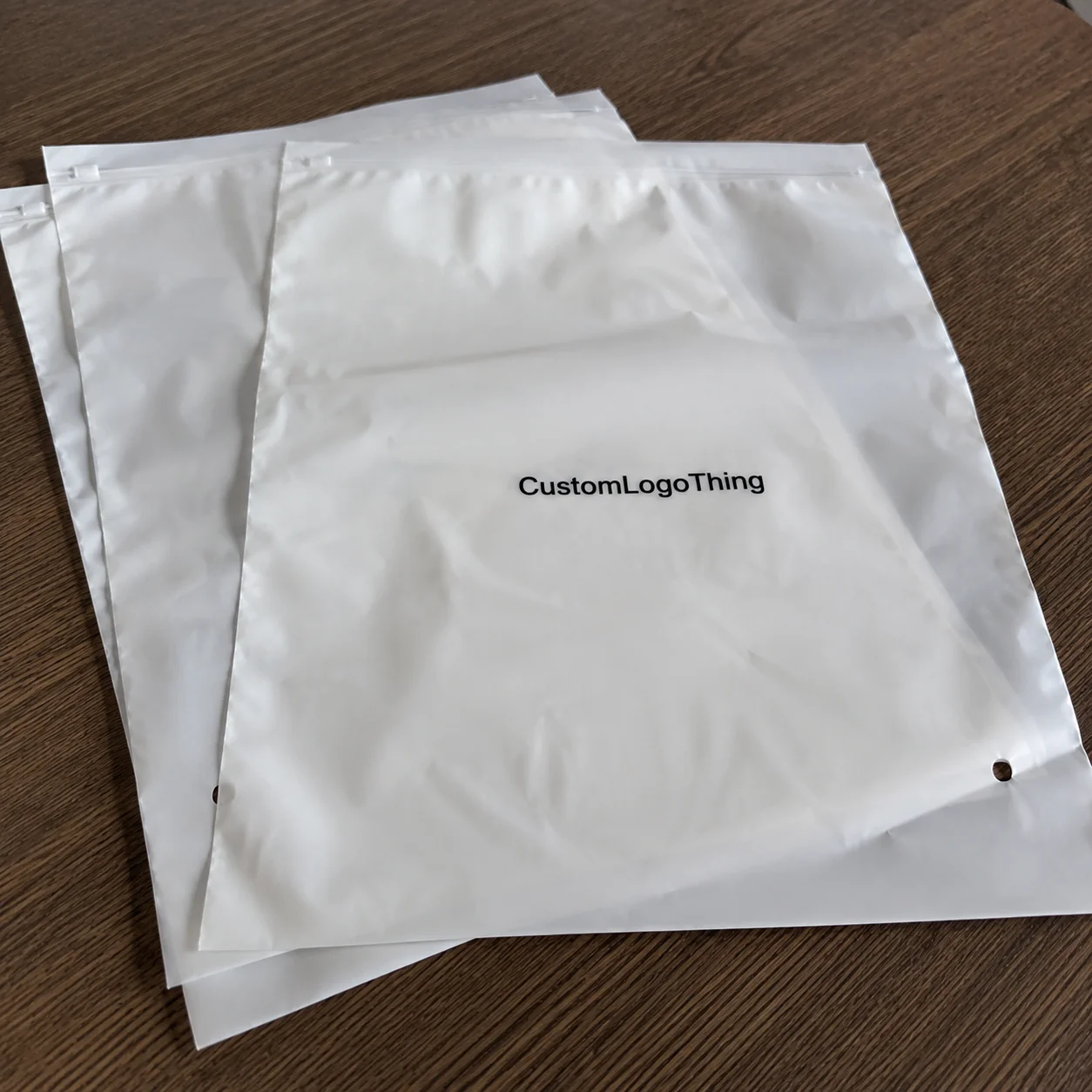
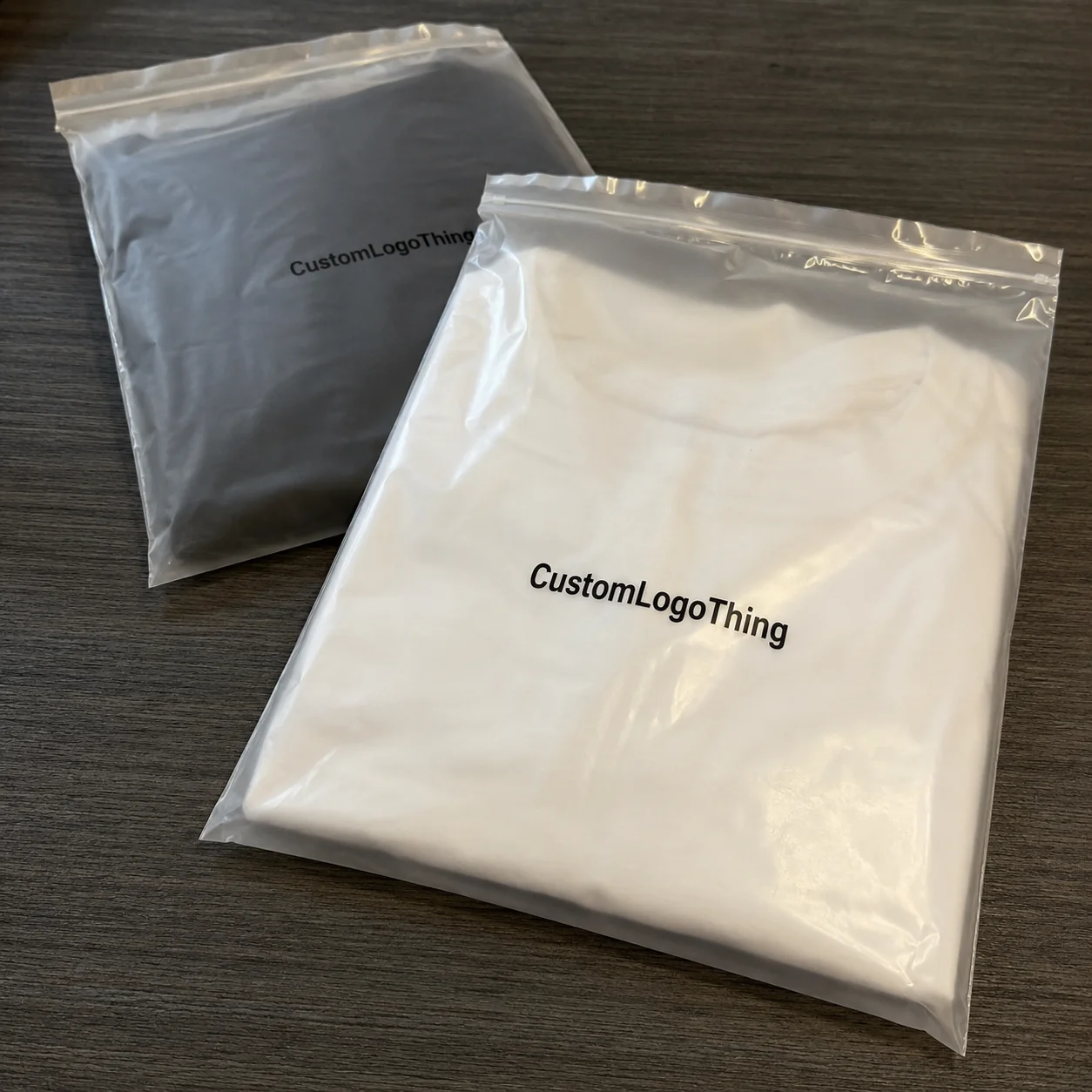
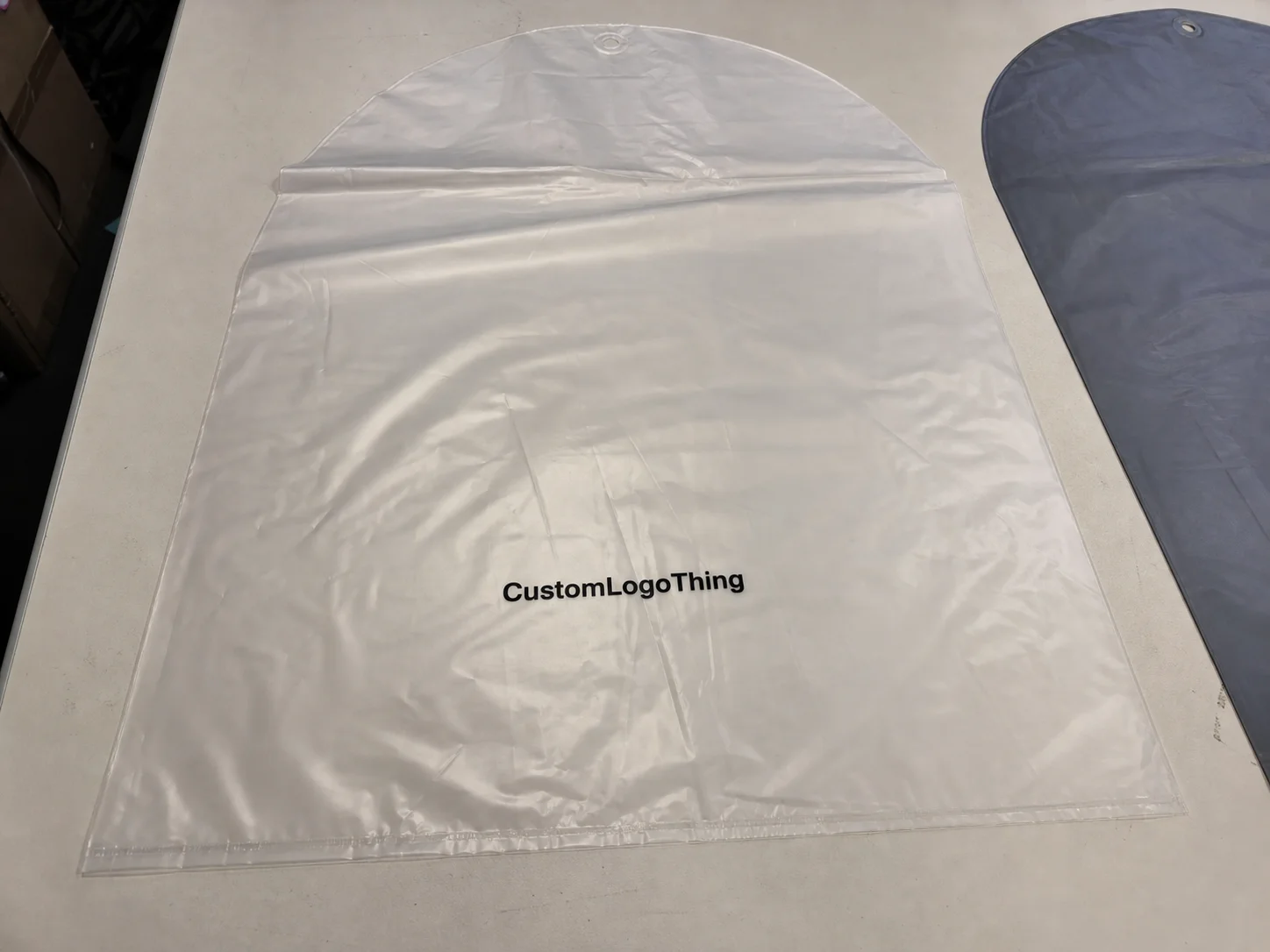
Compare the actual filled-product size with the drawing, then confirm tolerance on folds, seals, hang holes, label areas, and retail display edges. Reserve space for logos, QR codes, warning copy, and material claims before decorative graphics fill the panel.
Quote comparison points
Review material grade, print process, finish, sampling route, tooling charges, carton quantity, and freight assumptions side by side. A quote is only useful when the supplier can repeat the same color, closure quality, and packing count on the next order.
On a factory visit in Shenzhen, in a plant that runs high-speed carton converting lines and UV print presses, I watched a brand reject a plain mailer and switch to a simple printed box with one inside message and a paper insert. Same product. Same shipping lane. The branded Packaging for Direct to consumer version got kept by customers, while the plain mailer landed in the recycling bin by the loading dock before lunch. That’s the part people miss: branded packaging for direct to consumer is not just decoration. It changes how a customer feels the second the parcel hits the porch, whether that parcel ships from Guangdong, Los Angeles, or a 3PL in New Jersey.
I’ve spent 12 years around custom printed boxes, corrugated board, folding cartons, and more supplier excuses than I care to remember, from Dongguan to Xiamen to a packaging mill outside Ho Chi Minh City. The fastest way to waste money is to confuse “looks premium” with “drives repeat purchases.” Those are not the same thing. A box with foil and embossing can look expensive and still be a terrible branded Packaging for Direct to consumer system if it tears, crushes, or costs $1.40 per unit when your margin only supports $8 of gross profit on a $32 order.
At Custom Logo Things, I’ve seen brands go from random pack-out chaos to a clean, repeatable package branding system with a shipper, insert, tissue, sticker, and tape that all work together. That’s the real job of branded packaging for direct to consumer: make the product arrive safely, make the customer feel like they made a smart purchase, and make the whole thing cheap enough to scale without crying into the P&L. On a 5,000-piece run, the difference between $0.15 per unit and $0.42 per unit can decide whether a campaign stays profitable.
Branded Packaging for Direct to Consumer: What It Really Means
Branded packaging for direct to consumer is the full packaging experience, not one cute logo slapped on a box and called strategy. It includes the outer shipper, the printed surface, any inserts or message cards, tissue, stickers, tape, void fill, and the way those pieces work during unboxing. If one piece is off, the whole thing feels off. Customers may not use packaging vocabulary, but they absolutely notice when a box arrives dented, flimsy, or weirdly oversized, especially after a four-day transit from a fulfillment center in Dallas or Chicago.
I remember a client selling skincare at a $42 average order value. Their first packaging concept was a rigid box with magnetic closure, soft-touch lamination, foil stamp, and a two-piece insert system. Nice on a mood board. Terrible on a margin sheet. It pushed their landed packaging cost to $4.87 per order before freight. We replaced it with a corrugated mailer, one-color print, a well-cut insert, and a printed tissue wrap. Cost dropped to $1.26 per order, and the customer feedback actually improved because the branded packaging for direct to consumer felt cleaner and less like a gift box trying too hard.
That’s why I always tell founders: packaging should match the product price point, shipping method, and audience expectations. A $14 candle does not need the same package branding as a $220 hair tool. A subscription brand shipping monthly from a warehouse in Ohio should optimize for repeatable branded packaging for direct to consumer, while a luxury DTC brand may need heavier materials and better print finishes because the unboxing itself is part of the product story. A folding carton made from 350gsm C1S artboard with aqueous coating can be perfect for one brand, while another may need a 32ECT corrugated mailer with a 1.6 mm E-flute liner to survive parcel abuse.
“We thought the foil would sell the brand. Turns out the right box size and a better insert saved more money and got fewer complaints.” — a founder I worked with after their third packaging revision in a Chicago sample room
People still make the same mistake here: they treat branded packaging for direct to consumer as only about aesthetics. It plays into retention, referrals, and perceived product value. If a customer posts your unboxing on Instagram or TikTok, that’s free media. If they repurchase because the box felt thoughtful and the product arrived intact, that’s even better. A nice-looking package that damages the item is just expensive disappointment, and a reprint of 10,000 boxes can cost $6,000 to $18,000 depending on board, finish, and freight.
From a practical side, branded packaging for direct to consumer usually lives somewhere between three goals:
- Protection during parcel shipping and carrier handling
- Presentation for unboxing, gifting, and perceived value
- Efficiency for fulfillment speed, storage, and unit cost
Brands that win usually balance all three. Brands that fail pick one and ignore the others. That’s how you end up with beautiful packaging that costs too much, or safe packaging that looks like it was borrowed from a warehouse surplus sale in Cleveland. A branded packaging for direct to consumer program should feel deliberate at $28 AOV and still hold up at 300 orders a day.
How Branded Packaging for Direct to Consumer Works
Branded packaging for direct to consumer starts long before a customer sees the box. It begins at checkout, because the customer already has expectations based on your website, price, reviews, and shipping promise. Then the package moves through the warehouse, the carrier network, the doorstep, and finally the unboxing. Each step gives branded packaging for direct to consumer a chance to either build trust or annoy people, whether the box originates in Guangdong, Mexico, or a domestic converting plant in Pennsylvania.
The structure matters. So does the print. So does the message card. I’ve seen brands spend $8,000 on graphic design and then use a carton that had 12 mm too much void on every side. That means extra dunnage, higher dimensional weight, and more crushed corners. In real terms, that’s money leaking out of the business one parcel at a time. On a 2,500-order month, even $0.22 of wasted freight or filler is $550 gone before you notice it.
The best branded packaging for direct to consumer systems usually include five working layers:
- Structural packaging — mailer box, shipper, folding carton, or rigid box
- Printed graphics — logo, brand message, product info, graphics, or pattern
- Protective materials — insert, tray, paper fill, molded pulp, or air cushion
- Branding details — tissue, label, tape, wrap, and message card
- Fulfillment logic — how fast it packs, how it stacks, and how it ships
That fifth layer gets ignored all the time, which is funny because it’s the one that makes or breaks scale. A box might look great in a studio shoot and still be a disaster in a 3,000-order-per-week pack station in Atlanta. If your branded packaging for direct to consumer takes two extra minutes to assemble, you’ll feel it in labor costs fast. Two minutes sounds harmless. Multiply that by 10,000 units and suddenly your “nice touch” costs real money, often $400 to $700 in added labor at a modest $18 to $21 hourly rate.
For in-house fulfillment, you have more control over branded packaging for direct to consumer, but you also own the mess if your system is confusing. For a 3PL or fulfillment partner, you need standardized specs before production. That means box dimensions, pack-out sequence, label placement, component counts, and whether the packaging can survive automated or semi-automated packing. A 9 x 6 x 3 inch mailer may pack beautifully on paper, but if it needs a four-step fold and manual tape reinforcement, it will slow a busy picker in Indianapolis.
When I visited a warehouse outside Los Angeles, the operations manager told me, “We can pack fast if the box is stupid-simple.” He wasn’t being rude. He was being honest. Their branded packaging for direct to consumer worked because they standardized the inner insert and reduced assembly steps from six to two. The packaging looked better too, which is usually what happens when the system stops fighting itself. Their pack rate went from 42 orders per hour to 61 orders per hour after the redesign.
Here’s the workflow I recommend for branded packaging for direct to consumer:
- Concept
- Dieline
- Sampling
- Approval
- Production
- Packing
- Shipping
Simple, right? Not exactly. Each step can bounce back if the product dimensions are wrong or the print spec is vague. Still, this sequence saves people from ordering 15,000 units of a box that fits nothing and looks like it was designed by committee after too much coffee. A good sample cycle usually takes 3 to 5 rounds, and a full prepress review in Shenzhen or Dongguan can save you from a costly reprint later.
Branded packaging for direct to consumer also shows up across channels. Shopify orders, subscription boxes, influencer drops, and marketplace-supported DTC orders all use slightly different pack-out rules. The packaging system should flex without turning into chaos. A good system can support a premium hero product, a refill SKU, and a promo bundle without forcing three separate factory runs. On one launch, a brand used a shared 10 x 8 x 4 mailer across three SKUs and cut packaging SKUs from nine to four.
If you want to see how structured packaging choices translate into real-world execution, our Case Studies page has examples of brands that cleaned up shipping damage and pack-out speed with better branded packaging for direct to consumer.
Key Factors That Shape DTC Packaging Decisions
Every branded packaging for direct to consumer decision starts with positioning. Are you luxury, mass-market, eco-conscious, playful, or minimalist? The box should match that story. A wellness brand using kraft board and soy-based ink sends a different signal than a fragrance brand using rigid board with foil and a deep emboss. Neither is “better.” They just answer different business problems, and they usually come from different factories in places like Shenzhen, Yiwu, or southern California.
In my experience, the smartest brands start with product margin, not mood boards. If your product sells for $28, the branded packaging for direct to consumer can’t behave like it belongs on a $180 gifting item. You need enough visual polish to feel intentional, but not so much finish work that the box becomes a tiny financial crime. A $28 SKU can often carry $0.85 to $1.35 of total packaging cost, while a $180 item may justify $3.50 or more if the retail experience supports it.
Material choice is a big part of that balance. Corrugated board works well for shipping strength. SBS or CCNB folding cartons are common for presentation. Rigid board makes sense for premium, heavier, or giftable products. Kraft has a natural, lower-ink look that reads as earthy and practical. Each one has a job. Each one has a cost. Each one changes how branded packaging for direct to consumer feels in the hand, whether you choose 24pt SBS, 350gsm C1S artboard, or a 1.8 mm greyboard wrapped in printed paper.
Common finish options include:
- Aqueous coating for protection and cleaner print handling
- Soft-touch lamination for a velvety premium feel
- Foil stamping for metallic brand accents
- Embossing/debossing for texture and depth
- Spot UV for selective shine
Do all of those belong in every branded packaging for direct to consumer program? No. More finishes usually mean more setup, more risk, and more lead time. I’ve seen a brand order five different finishes on one carton, then wonder why the packaging vendor quoted them $2.90 per unit and a six-week production window. The factory is not a miracle machine. It’s a business with a flexo line, a lamination station, and labor that has to be scheduled before the first sheet is printed.
Sustainability matters too, but let’s stay practical. Recyclable corrugated, paper-based inserts, and water-based inks are usually easier to defend than mixed-material assemblies with plastic windows, metalized films, and laminated coatings that nobody can process cleanly. The U.S. EPA has good general guidance on reducing packaging waste and right-sizing shipments here: EPA recycling and waste reduction resources. That’s not a branding trend. It’s a cost and compliance conversation, especially for retailers in California and the Northeast asking for lower-waste formats.
For brands caring about responsible sourcing, FSC-certified paper can help. You can learn more through FSC. I’ve had buyers ask for FSC on tissue, carton board, and inserts because their retail partners required it. That’s not always needed, but when it is, it needs to be specified early. Otherwise your “green” packaging becomes a paperwork headache with a prettier font and a delayed purchase order out of Minneapolis.
Cost drivers show up everywhere in branded packaging for direct to consumer: MOQ, print method, size, shipping weight, and whether you use stock components or custom tooling. Then there are hidden costs—warehouse labor, assembly time, freight dimensional weight, and the mistake tax. If a box is one inch too large, you may pay for it three times: in material, in shipping, and in wasted fill. A shift from a 12 x 10 x 6 inch carton to an 11 x 8 x 4 inch carton can save $0.18 to $0.35 per shipment depending on carrier zone and service level.
Operationally, I always ask four questions:
- Can this packaging survive carrier handling?
- How long does it take to pack one order?
- Does it fit warehouse storage limits?
- Can the customer reuse or easily open it?
If you can answer those cleanly, your branded packaging for direct to consumer is probably on the right track.
Cost, Pricing, and Timeline for Branded Packaging for Direct to Consumer
Let’s talk money, because that’s where the fantasy usually dies. Branded packaging for direct to consumer pricing depends on the format, print method, quantity, and finish level. A plain corrugated mailer might land around $0.48 to $0.92 per unit at scale, while a custom printed rigid box can run $2.10 to $5.50 per unit depending on board thickness, wrap material, and finishing. Add inserts, tissue, labels, and custom tape, and the package system can move quickly from “manageable” to “why is this so expensive?” A 5,000-piece mailer run out of Shenzhen may price very differently from a 25,000-piece run from a converter in Ohio, even before freight.
Here’s a useful comparison I’ve used in supplier meetings when brands want a clear view of tradeoffs:
| Packaging Component | Typical Cost Range | Best For | Common Tradeoff |
|---|---|---|---|
| Mailer box | $0.45–$1.20/unit | Shipped DTC orders, subscription boxes | Can feel less premium than rigid packaging |
| Folding carton | $0.18–$0.65/unit | Cosmetics, supplements, smaller products | Needs outer shipper for transit protection |
| Rigid box | $2.10–$5.50/unit | Premium gifting, luxury product packaging | Higher labor, freight, and storage costs |
| Printed tissue | $0.03–$0.14/unit | Presentation layer, gentle wrapping | Not protective by itself |
| Insert card | $0.05–$0.30/unit | Instructions, welcome note, upsell | Easy to overdesign and overprint |
| Custom tape or labels | $0.04–$0.22/unit | Brand reinforcement, simple package branding | Small detail, but costs add up fast |
Setup costs matter more than people think, especially on smaller runs. Plate charges, die-cut tooling, and print setup can easily add $250 to $1,500 per SKU, depending on complexity. I’ve negotiated jobs where the per-unit price looked low, but the setup cost made the total spend ugly. That’s why the “cheap” quote wasn’t actually cheap. It was just hiding the pain in another line item, like a $350 die charge or a $175 color proof fee tucked into the back end.
Low-MOQ options are great for testing, product launches, or seasonal campaigns, but the per-unit cost is usually higher. Once volume rises, branded packaging for direct to consumer becomes more efficient. For example, a mailer box at 500 units might cost $1.08 each, while 10,000 units could drop that to $0.61. Same design. Different scale. That’s normal. The factory isn’t being difficult; it’s doing math, and the press room in Dongguan or Ningbo will always reward volume.
Timeline is the other thing brands underestimate. A realistic branded packaging for direct to consumer schedule often looks like this:
- Design and dieline review: 3–7 business days
- Sampling and corrections: 5–12 business days
- Approval and pre-production prep: 2–5 business days
- Production: 10–25 business days depending on material and finish
- Freight: 5–30 days depending on origin and method
If you want branded packaging for direct to consumer to arrive on time for a launch date, build a buffer. I’ve watched a “simple” packaging run slip because of one Pantone adjustment and one delayed freight booking. It happens. Not always, but often enough that I plan for it. In practice, a typical custom mailer is often 12–15 business days from proof approval, while a rigid box with specialty wrap can run 18–25 business days before ocean or air freight even starts.
Brands usually overspend in the same places. First, oversized cartons. Second, overprinting. Third, too many finish effects. Fourth, rush fees because someone approved art at 4:47 p.m. on a Friday and wanted product in market by the following Tuesday. That’s not strategy. That’s panic with a purchase order attached. A rush fee in a Pearl River Delta factory can add 10 to 20 percent in a hurry, especially if a job needs overtime or line rescheduling.
Here’s my blunt rule: if a finishing effect doesn’t increase conversion, reduce damage, or improve retention, it probably doesn’t deserve budget. Branded packaging for direct to consumer should earn its keep. Pretty is fine. Pretty and profitable is better. A kraft mailer with a crisp one-color print and a well-sized insert often outperforms a flashy, overbuilt box that costs $2.15 before freight.
If you need to browse formats or compare pack styles, our Custom Packaging Products page is a practical place to start before you commit to tooling.
Step-by-Step: Build a DTC Packaging System That Works
Start with the product, not the artwork. I can’t say that loudly enough. Pretty branded packaging for direct to consumer that crushes in transit is just expensive trash with a logo on it. Before graphics, get your dimensions, weight, fragility, and shipping method straight. If the item is glass, liquid, brittle, or oddly shaped, your packaging structure has to be built around that reality. A 14 oz bottle shipping from Los Angeles to Miami needs different protection than a soft goods bundle shipping from Denver to Phoenix.
First, audit the current unboxing flow. I did this with a wellness brand that thought their packaging was “fine.” We timed the full sequence at the fulfillment table. First look, 2 seconds. Tape cut, 6 seconds. Product reveal, 4 seconds. Insert handling, 11 seconds. Repackability, terrible. Their branded packaging for direct to consumer looked decent in photos, but it was awkward in the hand. We changed the insert geometry and cut the pack time by nearly 30 percent, which translated to roughly 9 fewer labor hours per 1,000 orders.
That kind of audit tells you where the experience actually lives. Usually, it’s in four moments:
- First look at the parcel
- Product reveal inside the box
- Message or insert encounter
- Ability to store, reuse, or gift the package
Then build a packaging brief. I like briefs that include these specifics:
- Exact product dimensions and weight
- Target budget per order, such as $1.25 or $2.00 landed
- Brand colors and Pantone references
- Sustainability requirements, like recyclable board or FSC paper
- Monthly and annual order volume
- Warehouse or 3PL pack-out constraints
Next, request samples and press proofs. Don’t skip this. I’ve seen brand owners approve art on a screen and then hate the printed result because the red was muddy or the box structure bowed at the corners. A sample tells you how branded packaging for direct to consumer behaves in real life, which is where your customers actually live. A proper white sample and a printed sample from a factory in Shenzhen or Taipei can reveal scoring issues, glue line problems, and ink density shifts that a PDF will never show.
If the product is fragile, test drop strength against standards like ISTA 3A or similar parcel testing methods. ISTA publishes useful testing guidance here: ISTA packaging test standards. That doesn’t mean every startup needs a laboratory. It does mean your packaging should be tested, not just admired. I once watched a supplier in Dongguan stack test a carton to 35 kg because the client insisted the box would “never” get that load. The box collapsed in the first minute. Good thing we tested it before the customer did.
Launch in phases if you can. I prefer a core shipper first, then inserts, then premium add-ons like tissue or custom tape. That keeps branded packaging for direct to consumer manageable. You learn what customers react to, what fulfillment can handle, and where your money actually matters. A phased rollout also helps if you need to compare a new printed box against an older generic mailer without changing too many variables at once. On a 90-day trial, a brand can often isolate whether one printed insert is worth $0.11 or whether it just adds clutter.
One more thing: document the pack-out. Take photos. Record the fold sequence. Note the tape length and insert orientation. That may sound obsessive, but it saves you from “tribal knowledge” problems where one warehouse lead knows how it works and everyone else improvises. That kind of chaos is why some brands say their packaging “mysteriously” gets worse over time, especially after staff turnover at a 3PL in Ohio or Nevada.
Common Mistakes Brands Make With DTC Packaging
The first mistake is choosing packaging that looks good on a mood board but fails in real fulfillment. That’s a classic. The second is picking materials that are too heavy, too fragile, or too expensive for the product margin. If your item is lightweight, a giant rigid box can be a vanity purchase. If your item is fragile, a thin carton is a lawsuit with nice typography, especially if the carton uses only 18pt paperboard and no internal support.
Another common issue in branded packaging for direct to consumer is ignoring labor. Brands love to price the box and forget the hands that fold, stuff, tape, seal, label, and scan it. A beautiful component that adds 12 seconds per order can become a labor problem at 20,000 units per month. That extra time is real money, and warehouse teams do not care that the dieline is elegant. At $19 per hour, 12 seconds on 20,000 orders is about $1,267 in labor every month.
Overcomplicating the design is another favorite mistake. Too many finishes, too many ink colors, too many parts, too many special requests. The result is usually longer lead times and higher defect rates. I had a client request matte lamination, foil, emboss, and a custom insert print for a mid-tier consumer product. The samples looked stunning. The production quote looked like a medical bill. We cut two finishes, kept the inside print, and the final branded packaging for direct to consumer felt better because it was cleaner, not busier. The line item dropped from $2.48 to $1.73 per unit on a 10,000-piece order.
Then there’s the test problem. Brands fail to test with actual carriers, actual warehouse teams, and actual customer behavior. This is not a theoretical exercise. Shipping lanes are rough. Customers open boxes with keys, fingernails, kitchen scissors, and whatever nearby object is available. If your branded packaging for direct to consumer only works in a controlled studio, it’s not ready. A box that survives a 24-inch drop onto corrugate in a warehouse test has a far better chance in the UPS network than a beautiful mockup sitting on a table in Brooklyn.
“The sample looked perfect. The first thousand units told a different story.” — a fulfillment manager who had to rework a box fold because the adhesive line kept catching in Phoenix
The most expensive mistake is not testing the full system before launch. Not a render. Not a mockup. A real sample with real pack-out and real transit conditions. That’s where brands learn whether the packaging protects the product or just decorates the problem. One bad run of 8,000 damaged shipments can erase months of margin, especially if replacement cost and re-ship freight land on the same card.
Expert Tips to Improve Branded Packaging for Direct to Consumer
If you want better branded packaging for direct to consumer without throwing money into a hole, use one high-impact branded moment instead of five mediocre ones. A great box structure plus one strong insert often beats a mediocre structure with a pile of unnecessary extras. Subtle can be stronger than loud when the material quality, print clarity, and box fit are right. On a 350gsm C1S artboard insert with one clean brand message, the result can feel more premium than a busy box covered in five spot colors.
Build modular packaging. That means shared box sizes, reusable inserts, and common components across SKUs. It lowers tooling, reduces inventory complexity, and makes branded packaging for direct to consumer easier to scale. I’ve seen brands save 18 to 22 percent on packaging spend just by consolidating box families and standardizing insert sizes. One beauty brand in Orange County cut its packaging SKUs from 14 to 6 and reduced warehouse confusion almost immediately.
Negotiate like a grown-up. Supplier quotes are not sacred. They’re starting points. Ask about repeat order discounts, print change fees, freight terms, and whether the factory can combine runs by board type or material finish. I’ve sat in meetings where a supplier dropped a quote by 9 percent after we changed the packing configuration and shifted freight terms from ex-works to a different lane. You don’t get those savings by staring at the quote and hoping it feels generous.
Small design changes can improve perceived value fast. Try inside print, a stronger welcome note, better box proportions, or a structured insert that holds the product more neatly. Those upgrades are often cheaper than gold foil and do more for branded packaging for direct to consumer than people expect. A $0.08 message card printed on 16pt C2S stock can add more warmth than an extra finish that costs $0.26.
Track performance with actual numbers. Not vibes. I mean return rates, damage claims, reorder rates, unboxing feedback, and customer support tags. If a certain carton size cuts damage by 14 percent and reduces void fill by one-third, that’s useful. If a fancy finish doesn’t move retention or reviews, it may be a vanity cost. Packaging design should be measured like any other part of the business, whether your fulfillment center is in Austin, Rotterdam, or a bonded warehouse in Southern California.
Here’s my final practical checklist for branded packaging for direct to consumer:
- Match packaging strength to product fragility
- Keep the pack-out sequence simple
- Right-size every shipper
- Choose finishes with a reason, not ego
- Test samples under real conditions
- Price for labor, not just materials
That’s the stuff that actually moves the needle. Not twenty design mockups. Not a pile of trend words. Just disciplined package branding that respects the product, the customer, and the math. A box that costs $0.63 and packs in 14 seconds is usually more valuable than a box that costs $1.94 and slows the line down.
What makes branded packaging for direct to consumer effective?
Effective branded packaging for direct to consumer does three things well: it protects the product in transit, it presents the brand clearly during unboxing, and it stays efficient enough for fulfillment teams to pack without slowing down. If those three pieces are in balance, the package supports both customer experience and unit economics. A corrugated mailer with a clean insert, correct dimensions, and a clear brand message often performs better than a flashy box that is expensive to assemble or prone to damage.
FAQs
What is branded packaging for direct to consumer brands?
It’s the full packaging experience shipped directly to the customer, not just a logo on a box. Branded packaging for direct to consumer usually includes the mailer or shipper, inserts, protective materials, and branded details that shape unboxing and perceived value. In practical terms, that can mean a 9 x 6 x 3 inch corrugated mailer, a printed tissue wrap, and a 4 x 6 inch insert card all working together in one order.
How much does branded packaging for direct to consumer usually cost?
Costs depend on size, material, print method, quantity, and finishing, but setup and freight can change the total fast. Brands usually save money by simplifying structures, reducing finishes, and ordering in larger runs instead of chasing tiny per-unit savings that vanish in labor. A 5,000-piece mailer run might land at $0.58 per unit, while the same box at 20,000 pieces might fall closer to $0.39 per unit, before freight and inserts.
How long does branded packaging production take for DTC orders?
Timing usually includes design, sampling, approval, production, and shipping, so plan for multiple steps. Rush jobs cost more and often create quality issues, so I always tell clients to build in buffer time before launch if they want branded packaging for direct to consumer done properly. A typical schedule is 12–15 business days from proof approval for a simple printed mailer, while specialty rigid packaging can take 18–25 business days before freight.
What packaging materials work best for direct to consumer shipping?
Corrugated board works well for shipping strength, while folding cartons and inserts often suit presentation and protection. The best choice depends on product weight, fragility, and the experience you want the customer to have, which is why one size never fits every brand. For example, 32ECT corrugated with E-flute is common for mailers, while 350gsm C1S artboard is often used for lightweight retail-style cartons.
How can I make branded packaging for direct to consumer more sustainable?
Use recyclable materials, reduce mixed components, and avoid unnecessary laminations or oversized boxes. Design for right-sizing so you ship less air and use fewer fillers and materials overall, which helps both the planet and your freight bill. FSC-certified paper, water-based inks, and paper-based inserts are a practical starting point for many DTC brands shipping from North America or Asia.
Branded packaging for direct to consumer works best when it’s treated like a system, not a decoration project. I’ve seen brands win with smart, simple choices: a better box size, a cleaner insert, one strong printed moment, and a fulfillment process that doesn’t waste labor. If you want branded packaging for direct to consumer that supports retention, protects product, and keeps your margins alive, start with the structure, then layer in the brand. That’s how you get Packaging That Actually earns its place in the cart and on the porch, whether it ships from Shenzhen, Chicago, or a 3PL in the Inland Empire.