Buyer Fit Snapshot
| Best fit | Personalized Packaging for Direct Mail Campaigns projects where brand print, material claims, artwork control, MOQ, and repeat-order consistency need to be specified before quoting. |
|---|---|
| Quote inputs | Share finished size, material target, print colors, finish, packing count, annual reorder estimate, ship-to region, and any compliance wording. |
| Proofing check | Approve dieline scale, logo placement, barcode or warning zones, color tolerance, closure strength, and carton packing before bulk production. |
| Main risk | Vague material claims, crowded artwork, missing packing details, or unclear freight terms can make a low unit price expensive after revisions. |
Fast answer: Personalized Packaging for Direct Mail Campaigns: Material, Print, Proofing, and Reorder Risk should be specified like a repeatable production item. The safest quote records material, print method, finish, artwork proof, packing count, and reorder notes in one written spec.
Production checks before approval
Compare the actual filled-product size with the drawing, then confirm tolerance on folds, seals, hang holes, label areas, and retail display edges. Reserve space for logos, QR codes, warning copy, and material claims before decorative graphics fill the panel.
Quote comparison points
Review material grade, print process, finish, sampling route, tooling charges, carton quantity, and freight assumptions side by side. A quote is only useful when the supplier can repeat the same color, closure quality, and packing count on the next order.
I’ve watched a plain #10 envelope lose to a small custom tuck-top mailer more times than I can count. I remember standing in a client war room, staring at two piles of results—one from a generic letter package, one from a dimensional mailer—and thinking, “Well, that argument is over.” In one B2B test with 18,000 contacts, the dimensional piece generated a 6.4% response rate versus 1.9% for the flat control. That gap explains why personalized Packaging for Direct mail campaigns keeps coming up in growth meetings: people notice it, remember it, and act. Crowded inboxes and crowded mailboxes reward tactile format plus relevance.
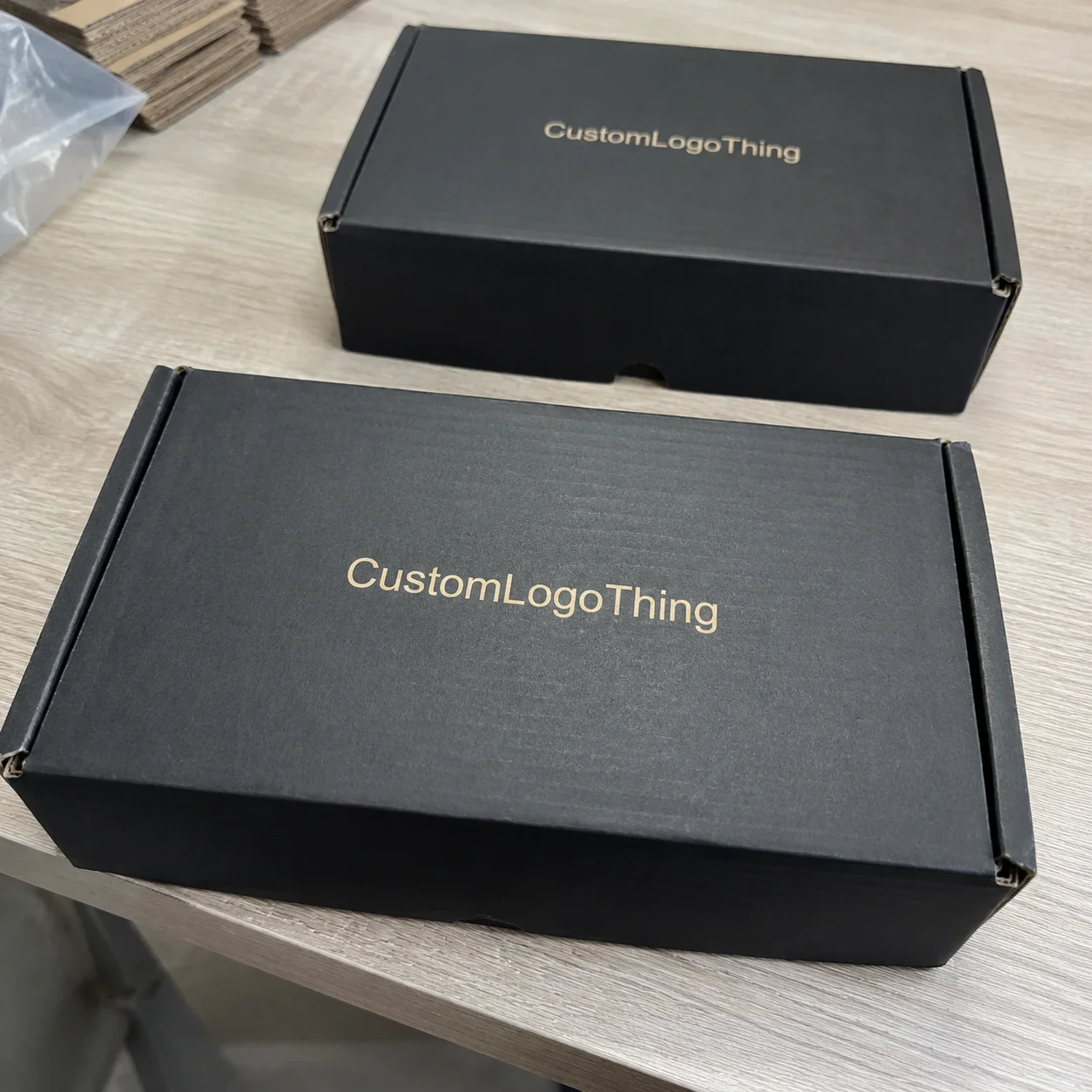
For Custom Logo Things clients, I define personalized packaging for direct mail campaigns in plain language: the box, print, inserts, and message change by segment—or by individual—using approved customer data. A startup founder at a company with fewer than 25 employees gets one insert. A lapsed buyer inactive for 120+ days gets another offer. Northeast ZIP clusters see different creative than Southwest clusters. This straightforward definition saves weeks of confusion because everyone—from sales to procurement—can see what “personalized” actually means.
Most teams still miss the point. Personalization is not a first-name merge field. Personalized packaging for direct mail campaigns works when the physical experience matches likely intent. If you sell replenishable wellness products, a “welcome back” package should never mirror a “first trial” package. Different psychology. Different friction. Different conversion path. (And yes, I’ve seen brands spend five figures to mail the same insert to every segment and then wonder why results flattened.)
Why Personalized Packaging for Direct Mail Campaigns Is Outperforming Generic Mail
Direct mail didn’t fail. Lazy execution failed. The old spray-and-pray model pushed one generic creative to everyone, then blamed channel fatigue when performance slipped. High-performing teams use CRM signals, purchase behavior, and lifecycle triggers to build personalized packaging for direct mail campaigns that feel intentional, not random.
Real numbers make the case better than hype. In a DTC skincare program I advised in Austin, the brand split 40,000 households into three recency bands: 0–60 days active, 61–180 days cooling, and 181+ days lapsed. Same product family, three message tracks, two structural formats. The reactivation segment received a “routine restart” insert with a single-use sample and beat the generic control by 2.1x in conversion over 28 days. No magic trick—just better targeting and better packaging design.
Personalized packaging for direct mail campaigns also sharpens attribution. A generic postcard tied to one broad promo code muddies results fast. A dimensional kit with segment-specific QR paths, unique promo strings, and dedicated call extensions gives sales and marketing clearer signal trails. On one SaaS account with a 90-day sales cycle, that clarity separated curiosity scans from booked demos and pipeline-qualified meetings. Budget decisions changed the following quarter because the data finally held up. I can’t overstate how different those budget meetings feel once attribution is clean: fewer opinions, more evidence.
Another upside appears internally before it appears on a dashboard: alignment. Sales teams trust campaigns more when they can see recipient-level logic. Conversation shifts from “Who did we mail?” to “When does wave two hit high-intent accounts?” That’s a healthier rhythm.
What follows: how personalized packaging for direct mail campaigns runs end to end, what it costs in practical ranges, where overspending creeps in, and how to launch a controlled pilot in 30 days. Postal rules, QA checkpoints, and data hygiene usually decide whether a smart concept arrives perfectly—or turns into expensive waste (a polite way of saying “boxes of regret”).
How Personalized Packaging for Direct Mail Campaigns Works End to End
Think of personalized packaging for direct mail campaigns like a playlist engine. Broadcast radio plays one track for everyone. A smart playlist adapts to listener behavior, timing, and mood. Mail behaves the same way: one format for all audiences is radio; segment-aware mail is the playlist.
Workflow from segment to mailbox
- Audience segmentation: Start with CRM/ESP fields: recency, frequency, AOV bands, geography, and lifecycle stage.
- Creative concepting: Write offer and message variants tied to each segment objective.
- Structural packaging design: Choose format (booklet mailer, corrugated mailer, rigid envelope) based on cost and expected impact.
- Variable data printing: Use digital print for names, region lines, unique QR/URL strings, and segment-specific headlines.
- Kitting and fulfillment: Assemble inserts by rules engine (Segment A gets Insert 1+2, Segment B gets Insert 3).
- Postal optimization: Run presort, CASS/NCOA hygiene, and weight/dimension checks to avoid surcharge surprises.
- Measurement: Match scans, site sessions, calls, orders, and revenue to each mailed variant.
In most programs, design isn’t the bottleneck. Data mapping is. One fintech client had 14 available CRM fields but only 5 were dependable enough for print. We reduced scope, set fallback logic (“if job title is missing, use company persona line”), and avoided 6,000 awkward mailers with blank tokens. The ops lead told me, “You just saved me from a public apology tour,” and he was kinda right.
Personalized packaging for direct mail campaigns also needs hard compliance boundaries. Keep sensitive details off the outer pack. No health-condition references, no account-balance hints, no language that exposes private status to anyone handling mail. Put specific personalization inside and keep outside copy broad. Safer, still effective.
Production mechanics that scale
For runs under 10,000 units with heavy variation, digital print usually wins. For 50,000+ units with lighter variation, hybrid production can reduce cost: offset shells paired with digitally personalized inserts. A common spec we deploy is 350gsm C1S artboard with matte aqueous coating for premium booklet mailers, or E-flute corrugated with 200# test for lightweight sample kits.
Modularity keeps SKU counts under control. One master mailer structure, four insert variants, and two outer graphics create 8 valid combinations—not 60. I once walked a New Jersey fulfillment floor where a client had 27 insert permutations; pick/pack error hit 4.8%. After simplifying to 6 combinations and introducing color-coded bins, errors dropped to 0.9% in the next wave. Rare day where process work felt heroic.
Personalized packaging for direct mail campaigns can run as one-time drops, but sequence logic usually performs better: Day 0 intro mailer, Day 14 proof-point follow-up, Day 35 urgency offer. Triggered sends work especially well for abandoned carts, milestone anniversaries, and win-back windows.
Measurement is mandatory. Build a taxonomy that survives pressure: campaign code + segment code + creative code + wave number. Skip that structure and ROI turns into guesswork. Seed 50–100 internal addresses across ZIP zones to monitor in-home timing and damage rates.
For material and sustainability standards, I often point teams to FSC certification guidance and transit-testing references from ISTA. Certifications won’t rescue a weak offer, but they do improve trust and procurement alignment.
Key Factors That Decide Performance: Audience, Format, Message, and Cost
If you remember one line, make it this: audience quality beats visual flair. I’ve seen modest branded packaging mailed to a tight, high-intent list beat expensive creative sent to broad, low-fit contacts. Personalized packaging for direct mail campaigns performs best when segmentation is specific and honest.
Audience precision
Use at least three segmentation dimensions: behavior, value, and timing. Example:
- Behavior: purchased category X in last 90 days
- Value: lifetime spend above $250
- Timing: no purchase in last 45 days
That single ruleset often outperforms demographic-only targeting. In B2B, layer firmographic filters like company size (50–200 employees) and recent intent signals (pricing-page visits in the last 30 days). I’m opinionated here: if segment logic can’t be explained on one slide, it’s probably too messy to execute cleanly.
Format selection with trade-offs
| Format | Typical Unit Cost (5,000 qty) | Postage Impact | Perceived Value | Best Use Case |
|---|---|---|---|---|
| Rigid envelope | $0.72–$1.05 | Lower dimensional risk | Medium | Premium letter + insert sequences |
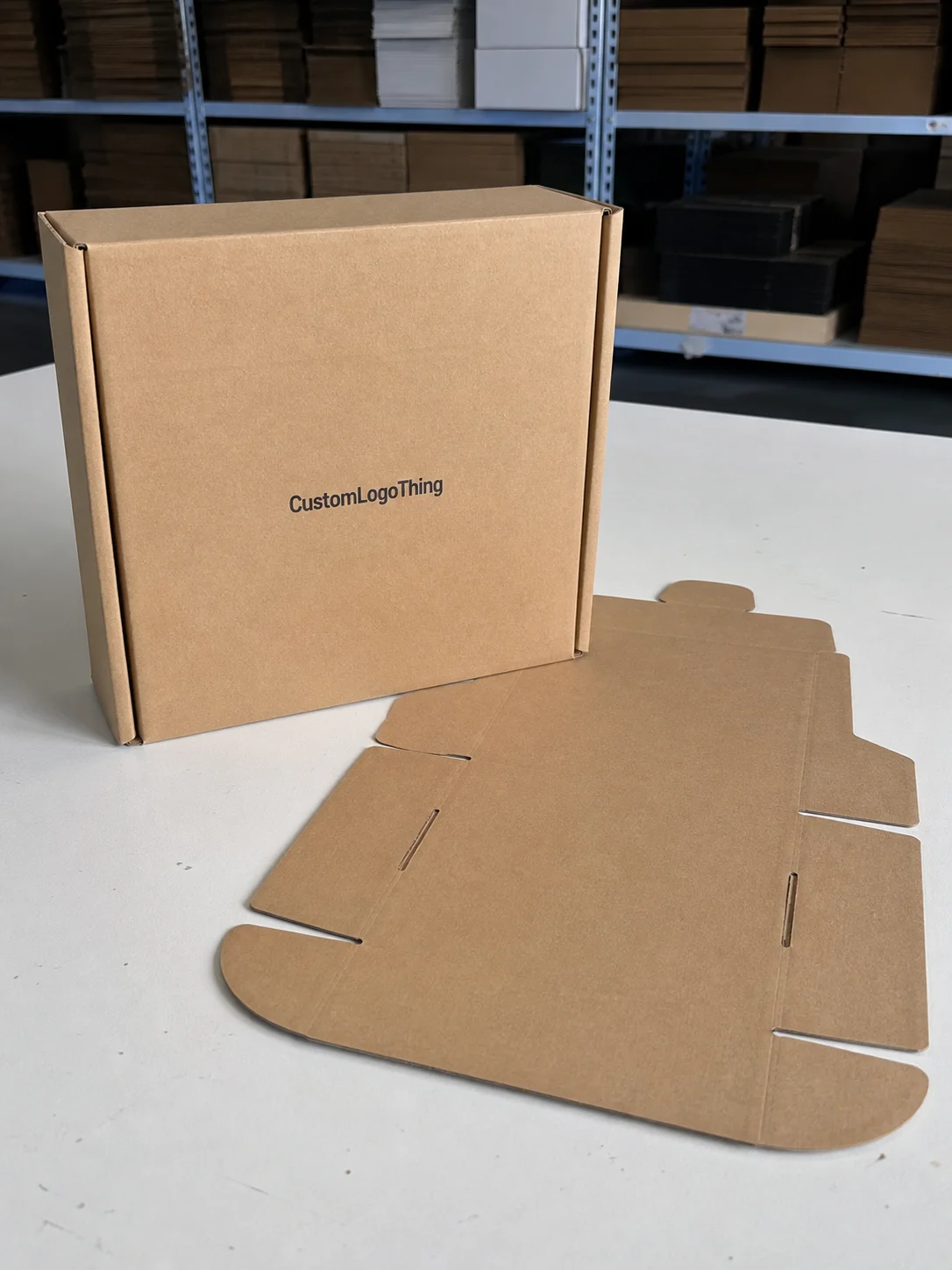
| Tuck-top mailer box (E-flute) | $1.10–$1.85 | Can trigger higher bands if oversized | High | Sample kits, onboarding packs |
| Foldable carton mailer | $0.58–$0.98 | Often postage-efficient if under thresholds | Medium-High | DTC trial and replenishment prompts |
| Tube | $1.40–$2.30 | Special handling likely | Very High | Creative launches, limited audiences |
Those ranges are realistic starting points for personalized packaging for direct mail campaigns, excluding inserts and data fees. Add roughly $0.08–$0.22 for variable print layers, $0.12–$0.35 for kitting labor based on complexity, then add postage by final weight and dimensions. Prices vary by region, paper markets, and postal class, so treat these as planning numbers—not fixed quotes.
Message-to-format fit
The reveal sequence should serve the objective. If demo booking is the goal, put the low-friction CTA first: QR on the inside flap, calendar link above fold, supporting proof points below. If reorder is the goal, lead with urgency and benefit reminder. Strong package branding is choreography, not decoration.
I’ve sat in reviews where a beautiful unboxing took 90 seconds before the offer appeared. Great on camera, weak in market. Most recipients decide in under 10 seconds whether to keep engaging. Harsh? Yes. True? Also yes.
Cost and ROI lens
Evaluate personalized packaging for direct mail campaigns by contribution margin, not piece cost. I use this stack:
- Response rate by segment and format
- Conversion rate to desired action
- Average order value or pipeline value
- 60- or 90-day repeat behavior
- Payback window (days to breakeven)
One subscription brand resisted a $1.62 all-in unit cost for a personalized mailer while their control postcard sat at $0.64. The personalized format lifted reactivation by 3.3 percentage points and paid back in 19 days. Lower unit cost, weaker economics. Common pattern.
If you need support building testable formats, map options from Custom Packaging Products into two tiers: “high-touch” and “template-based.” That framework keeps budget and expectations aligned.
Step-by-Step Build Plan: From Brief to Mailbox Without Bottlenecks
Execution quality beats flashy strategy decks. Here’s the six-step process I use for personalized packaging for direct mail campaigns while reducing bottlenecks.
Step 1: Set goal hierarchy before design
Choose one primary KPI and two secondary metrics. Example: Primary = booked demos; Secondary = scan rate and sales-qualified opportunity rate. Skip this step and creative debates eat the timeline. Typical duration: 2–3 business days.
Step 2: Select segments and personalization fields
Lock fields early: first name, company, last product purchased, renewal window, region. Define fallback rules for missing data at the same time. I recommend at least 95% completeness on critical fields before print approval. Duration: 3–5 business days, including compliance review.
Step 3: Build prototypes and test physically
Print 20–50 prototypes. Run drop tests from 30 inches, rub tests for scuffing, barcode readability checks, and unboxing timing. For Custom Printed Boxes, confirm color consistency with a delta E target under 3 where feasible. Duration: 5–7 business days. This part feels tedious, but prototype pain is cheaper than production panic.
Step 4: Run a pilot batch
Pilot 500–2,000 units across at least two segments and one control. Validate print-merge integrity, kitting speed per labor hour, and delivery spread by ZIP. One client caught a QR redirect issue during pilot that would have broken 22,000 links in the full run. Pilot testing saved roughly $18,000 in rework and wasted postage.
Step 5: Finalize production and SOPs
Create a preflight checklist: dielines, bleed, variable data map, insert matrix, carton labels, postal docs, suppression-file confirmation. For personalized packaging for direct mail campaigns, fulfillment SOPs should include photo checkpoints every 250 pieces and hourly reconciliation logs.
Step 6: Launch in phases and optimize wave two
Release in test cells. Example: 10% holdout, 45% Variant A, 45% Variant B. Watch the first 10 days for scan anomalies, delivery lag, and response patterns. Adjust one major variable for wave two. Change offer + format + timing all at once and learning value collapses. I’ve watched teams do that anyway, then spend a month arguing over what worked. Don’t do that to yourself.
Typical timeline from kickoff to in-home delivery for personalized packaging for direct mail campaigns is 4 to 8 weeks:
- Planning/data: 1 week
- Design/prototyping: 1–2 weeks
- Pilot + revisions: 1–2 weeks
- Production/kitting: 1–2 weeks
- Postal transit: 3–10 days depending on class and geography
Need format references during planning? Review Custom Packaging Products and shortlist two options per segment before creative starts.
Common Mistakes in Personalized Packaging for Direct Mail Campaigns
Most mistakes in personalized packaging for direct mail campaigns are operational, not artistic. These are the repeat offenders.
Overpersonalization that feels invasive
Private or sensitive context on exterior packaging can feel creepy and create risk. I once reviewed draft copy that referenced a recent medical purchase on the outside of the mailer. Immediate rejection. Keep personalization helpful, never exposing.
Ignoring machinability and postal rules
A gorgeous design can still fail if it jams sorting equipment or crosses thickness thresholds. One campaign used wax seals on rigid envelopes; 7% arrived damaged, and surcharges added $0.14 per piece. Test machinability before final art lock. (Wax seals look amazing until they become a budget line item called “why.”)
Too many SKUs and insert combinations
Complexity drives error rates. If your insert matrix needs a 40-row spreadsheet with nested exceptions, simplify. In personalized packaging for direct mail campaigns, fewer validated combinations almost always improve net ROI.
Skipping address hygiene
Run NCOA, CASS, and suppression checks every time. I’ve seen lists with 9–12% undeliverables. That’s direct waste across print, labor, and postage. Clean data first, then print.
Tracking blind spots
Reused promo codes and broken redirects destroy attribution. Use unique IDs by segment and wave. Test every destination on mobile and desktop. Assign one owner to monitor link health daily for the first 14 days. I say this with love and mild frustration: “we thought someone else tested it” is not a tracking strategy.
No control group
Without controls, packaging impact gets conflated with offer and timing. Even a 10% holdout gives decision-grade evidence. Without it, teams default to opinions and budgets drift.
Expert Tips to Increase Response Without Exploding Budget
You don’t need luxury materials across every segment. You need disciplined allocation. For personalized packaging for direct mail campaigns, tiered personalization works.
- Tier A (top LTV 20%): premium structure, personalized insert, sample or gift element
- Tier B (mid 50%): standard structure, variable print message, single CTA
- Tier C (lower 30%): lightweight format, templated copy, promotional hook
Postal efficiency matters more than most teams expect. Shaving 18 grams can shift you into a better postage band. Switching from B-flute to E-flute and trimming one side by 0.25 inch saved a retail client $0.11 per piece across 60,000 units—$6,600 recovered without response loss.
Timing often beats theatrics. A simple product packaging mailer triggered 7 days after cart abandonment can outperform a beautiful but delayed send at day 21. Relevance windows close quickly.
Pair physical mail with digital follow-up. Example flow: scan triggers matched-audience ads for 10 days, then an email sequence with proof points, then an SMS reminder on day 4 where consent exists. One education client improved appointment conversion by 28% with this approach.
Testing discipline still matters: one variable at a time. Format, offer, message, or timing—pick one. It feels slower in the moment, but it prevents muddy outcomes and protects long-term budget.
Vendor coordination can make or break launch windows. Use shared calendars, daily standups during production week, and SLA language that defines reprint liability for merge errors or late dispatch. If you’re comparing structures for retail packaging crossover and better mail efficiency, review candidates under Custom Packaging Products.
Your 30-Day Action Plan for Personalized Packaging for Direct Mail Campaigns
Need momentum fast? Run this 30-day plan for personalized packaging for direct mail campaigns. I’ve used versions of this with teams that had zero direct-mail maturity and with teams shipping six-figure monthly volumes; it holds up in both cases.
Week 1: Audit and prioritize
- Pull last 2–3 campaigns: response, conversion, CAC, and undeliverable rates
- Identify one high-potential segment (example: lapsed buyers 90–180 days, LTV > $200)
- Document current packaging constraints: max dimensions, budget ceiling, and lead-time limits
Week 2: Build brief and lock logic
- Write a one-page brief with objective, KPI hierarchy, and offer
- Select format and material specs (example: 350gsm board, matte aqueous, 4/4 digital variable insert)
- Confirm personalization fields and compliance boundaries with legal
Week 3: Prototype and micro-test
- Produce 20–50 units for internal and seeded checks
- Validate all QR URLs, promo mapping, call extensions, and landing page tags
- Finalize cost model with conservative/base/aggressive response scenarios
Week 4: Launch pilot and decide scale
- Deploy pilot (500–2,000 units) with a control cell
- Track first 10-day indicators: in-home timing, scan rate, conversion starts
- Run go/no-go meeting with explicit thresholds (example: scan rate > 3.5%, CPA under $95)
Practical checklist before approval
- Data readiness: field completeness, suppression list, NCOA/CASS complete
- Creative assets: print-ready files, bleed/dieline checks, fallback copy rules
- Print specs: substrate, finish, color targets, variable data proof signed off
- Fulfillment SOP: insert matrix, QA cadence, reconciliation logs
- Measurement dashboard: unique IDs, attribution window, revenue match-back view
Bottom line: personalized packaging for direct mail campaigns is rarely won by flashy design alone. Clean data, disciplined testing, and operational rigor win repeatedly. Start with one segment, one objective, one controlled pilot—then scale what the evidence supports.
Actionable takeaway: before your next drop, freeze exactly three things in writing—your control group, your success threshold, and your fallback data rules. If those three are clear, your team is gonna move faster and argue less. If they’re fuzzy, pause and fix them first.
FAQs
How much does personalized packaging for direct mail campaigns typically cost per piece?
Expect a broad range based on format, volume, and complexity. A lightweight personalized flat mailer may land around $0.85–$1.40 all-in at 5,000 units, while a dimensional kit can run $1.80–$3.20. Break cost into six buckets: packaging, variable print, inserts, assembly labor, postage, and data/tooling fees. For personalized packaging for direct mail campaigns, model conservative, base, and aggressive response scenarios so breakeven is judged by contribution margin, not unit price alone.
What timeline should I expect for personalized direct mail packaging from concept to delivery?
Most projects run 4–8 weeks from kickoff to in-home delivery. Planning and data mapping usually take 5–7 business days; design/prototyping 7–12 days; production and kitting 7–15 days; postal transit 3–10 days. A pilot adds time, but often prevents expensive reprints and missed launch windows. Teams always ask for “next week” timelines, but printing, procurement, and postal operations still get a vote.
Which industries get the best results from personalized packaging in direct mail campaigns?
Strong returns often appear in subscription commerce, health and wellness, education, financial services, and B2B SaaS—especially where trust-building and explanation matter. Industry alone doesn’t decide performance. Execution quality, list quality, and offer relevance carry more weight than vertical category.
How do I measure ROI for personalized packaging for direct mail campaigns accurately?
Use unique response paths by segment: QR URLs, promo codes, call extensions, or personalized landing pages. Keep a control group and holdout to isolate packaging impact from offer timing. Then track downstream value: repeat purchase, retention, pipeline progression, and payback period. That produces a reliable ROI view for personalized packaging for direct mail campaigns.
What are the biggest compliance and privacy risks in personalized direct mail packaging?
The biggest risk is exposing sensitive information on outer packaging. Keep private context inside, minimize data fields to necessary use, and transfer print files through secure protocols. Restrict fulfillment floor access to approved data slices, and run a pre-launch compliance checklist covering consent, suppressions, and regulated claim language. I treat this as non-negotiable: one careless exterior line can undo months of good work.