Buyer Fit Snapshot
| Best fit | Personalized Packaging for Direct Mail Campaigns projects where brand print, material claims, artwork control, MOQ, and repeat-order consistency need to be specified before quoting. |
|---|---|
| Quote inputs | Share finished size, material target, print colors, finish, packing count, annual reorder estimate, ship-to region, and any compliance wording. |
| Proofing check | Approve dieline scale, logo placement, barcode or warning zones, color tolerance, closure strength, and carton packing before bulk production. |
| Main risk | Vague material claims, crowded artwork, missing packing details, or unclear freight terms can make a low unit price expensive after revisions. |
Fast answer: Personalized Packaging for Direct Mail Campaigns should be specified like a repeatable production item. The safest quote records material, print method, finish, artwork proof, packing count, and reorder notes in one written spec.
Production checks before approval
Compare the actual filled-product size with the drawing, then confirm tolerance on folds, seals, hang holes, label areas, and retail display edges. Reserve space for logos, QR codes, warning copy, and material claims before decorative graphics fill the panel.
Quote comparison points
Review material grade, print process, finish, sampling route, tooling charges, carton quantity, and freight assumptions side by side. A quote is only useful when the supplier can repeat the same color, closure quality, and packing count on the next order.
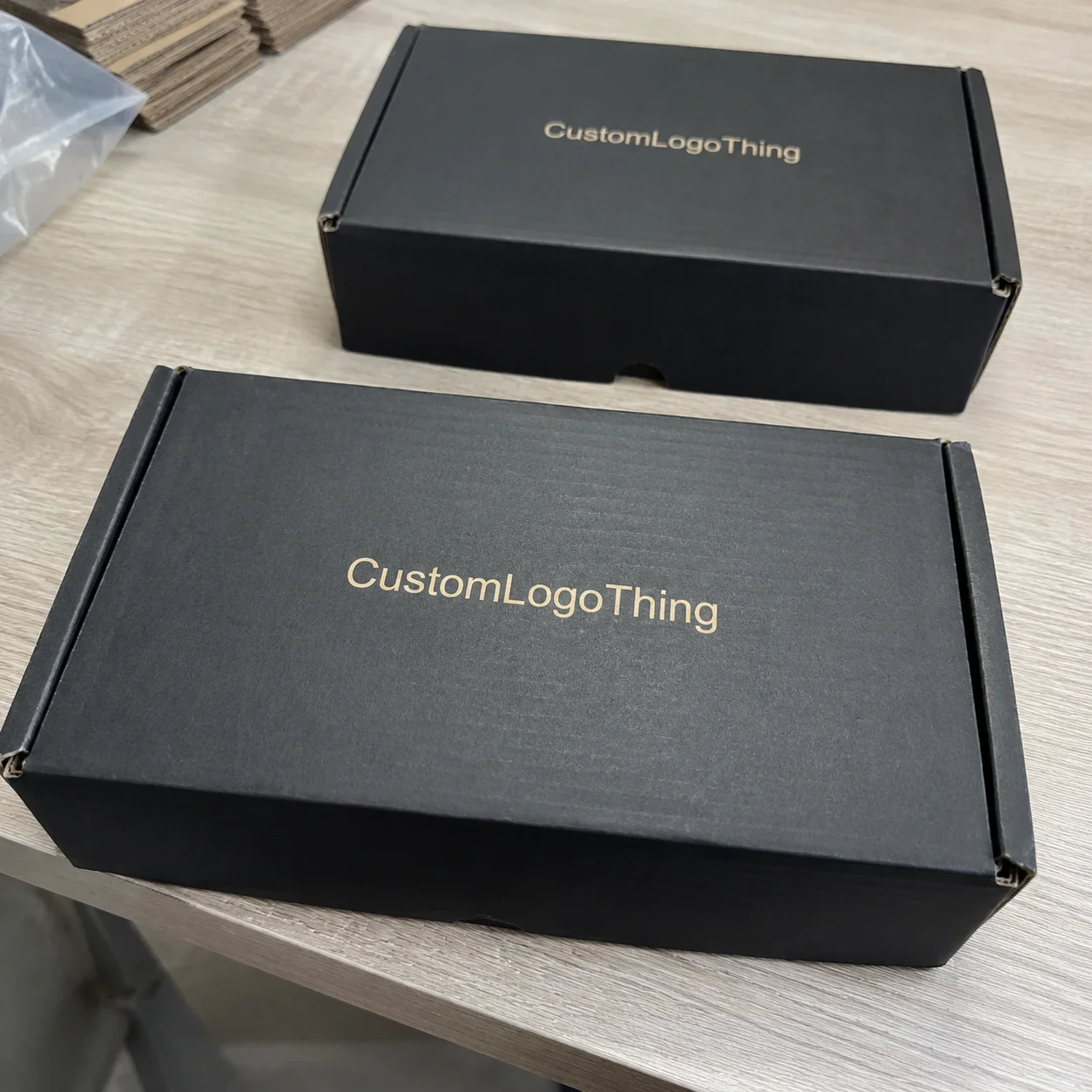
Plain mailers die quietly. I watched one get tossed in under three seconds at a front desk in Chicago, while a small custom-labeled box got opened before the recipient even sat down. That’s the real difference personalized Packaging for Direct mail campaigns can make: it doesn’t just arrive, it gets noticed, especially when the outer pack is a 350gsm C1S artboard sleeve with a matte aqueous finish and a variable-data label in the upper right corner.
I’ve spent 12 years in custom printing and packaging, and I can tell you this without fluff: personalized Packaging for Direct mail campaigns works because people react to anything that feels specific, intentional, and a little more valuable than the usual “spray and pray” envelope. If you’re sending the same generic mailer to everyone, you’re asking for indifferent results. Build Personalized Packaging for Direct Mail campaigns around the recipient, segment, and offer, and the package itself starts doing part of the selling. On a 5,000-piece run, that can mean a unit cost near $0.92 for a printed sleeve plus insert, or closer to $3.10 if you move into rigid-board construction and hand assembly.
Honestly, I think the biggest mistake brands make is assuming mail has to be boring to be efficient. It doesn’t. It just has to be clear, relevant, and worth the postage, which for USPS marketing mail often starts around $0.31 per piece for flats before you add kitting, inserts, and variable printing.
Why Personalized Packaging for Direct Mail Campaigns Gets Opened
People open what feels relevant. They also open what feels like it took effort. Personalized Packaging for Direct mail campaigns hits both triggers at once. A name on a box helps. A company logo helps. A targeted message that speaks to the recipient’s role, such as “for heads of revenue operations” or “for regional clinic managers,” helps even more.
I once sat in a lobby with a SaaS client while their prospecting packages went out. The first batch was a standard white mailer with a generic card inside. The second batch used personalized packaging for direct mail campaigns with the recipient’s company name on the sleeve, plus a segmented insert based on industry. Same budget range, about $2.40 per unit on a 1,000-piece pilot. Different reaction. The personalized version got a noticeably better callback rate, and the sales team stopped pretending the packaging was “just branding.”
That’s the mistake people make. They think personalized packaging for direct mail campaigns is just slapping a first name on a box. Nope. That’s weak sauce. Real personalization means the outer mailer, insert, message, and offer all feel aligned with the person receiving it. The package should say, “We know who you are,” not “We merged a spreadsheet badly.”
Direct mail still works because it’s tactile. It has weight. A rigid mailer with a soft-touch lamination or a corrugated mailer with a sharp flexo print feels different from email, ads, or another LinkedIn message nobody asked for. When I visited a Shenzhen factory in 2019, the production manager showed me two identical mailers except for the finish: one with dull uncoated stock and one with a 12pt C1S wrap and aqueous coating. The second one felt like a gift. That perception matters in personalized packaging for direct mail campaigns because perceived value changes behavior.
Curiosity is another big factor. If the package looks like it was made for that one person, they want to know what’s inside. That curiosity creates opens. Opens create attention. Attention creates the chance for a response. Personalized packaging for direct mail campaigns often outperforms generic branded packaging even when the offer itself is similar, particularly when the package uses a 4-inch-by-6-inch insert card with a single QR code and one clear call to action.
Brand recall matters too. A receiver may forget a standard envelope five minutes later. But Custom Printed Boxes, tailored inserts, and clear package branding stick longer. If the mailer feels thoughtful, the brand feels thoughtful. That sounds obvious, but a lot of brands still send junk that looks cheap and then act shocked when response rates look cheap too. A 300-piece follow-up sequence I reviewed in Austin used plain kraft envelopes, while a 300-piece test with a colored sleeve and variable name line got 11 more replies in the first week.
Cost still sits in the room. Personalized packaging for direct mail campaigns can improve response rates and reduce cost per acquisition, but only if the packaging strategy fits the audience value. If you’re mailing a $9 offer to a cold list, stop. If you’re targeting a $5,000 B2B deal or a high-retention customer segment, personalized packaging for direct mail campaigns can absolutely justify a bigger per-unit spend. In fact, I’ve seen a 2.8% response lift on a campaign with a $1.48 package cost, which looked expensive until the average deal size hit $4,200.
How Personalized Packaging for Direct Mail Campaigns Works
Personalized packaging for direct mail campaigns works best when it starts with data, not decoration. First comes the audience list. Then the campaign goal. Then the creative system. The packaging is one piece of that system, not the whole show. A good launch usually begins with a clean CSV, a matching file map, and a proof round that takes 2 to 4 business days.
In practice, I break it into six parts: audience data, concept, format, print method, fulfillment, and mailing. If one of those gets sloppy, the whole campaign starts wobbling. I’ve seen a beautiful box collapse at mail house intake because somebody ignored size tolerances by 1/8 inch. That tiny mistake cost the client three days and a rework charge that made everyone stare at the ceiling. I remember the room going very, very quiet right after that call. Not a fun silence. The reprint alone ran $680 on a 2,500-piece job.
Several personalization methods show up again and again in personalized packaging for direct mail campaigns:
- Names and company names on sleeves, cards, or labels
- Segmented copy for industry, role, or lifecycle stage
- Variable imaging so different audiences see different visuals
- QR codes tied to specific landing pages or offers
- Custom message cards printed with recipient-specific details
- Personalized inserts matched to buyer persona or campaign stage
What belongs on the packaging itself? Usually the highest-visibility items: recipient name, logo, campaign headline, and maybe a short message. What belongs in the insert? The longer explanation, offer details, social proof, and action steps. I’m blunt about this because too many brands cram every word onto the outer box. That turns personalized packaging for direct mail campaigns into a cluttered billboard, and a cluttered board is hard to read when the carrier is holding it at an angle in a mailroom in Dallas or Rotterdam.
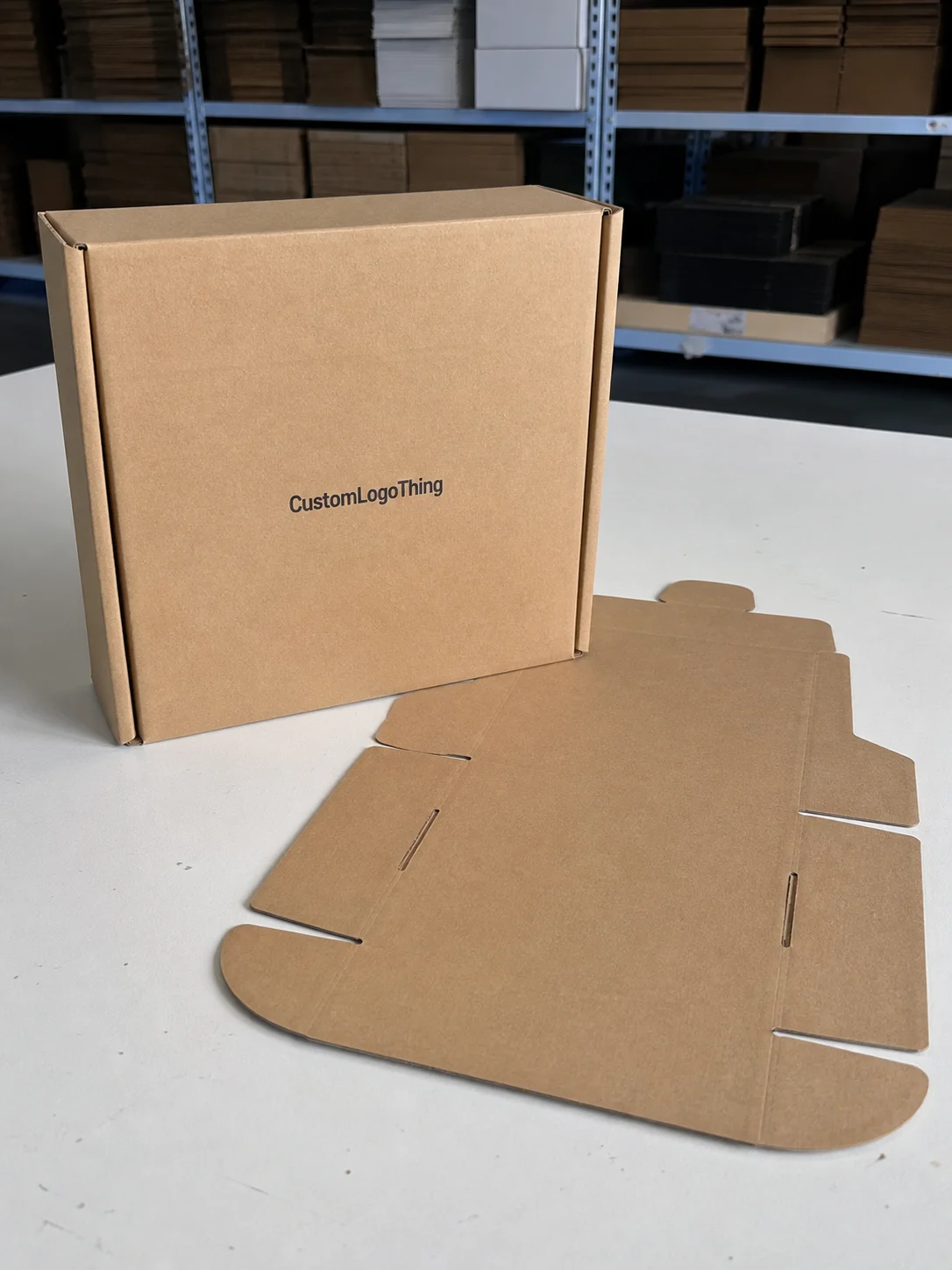
Format matters too. Mailer boxes work well for onboarding kits and premium offers. Rigid boxes are better when you need a high-end feel and the budget supports it. Envelopes are cheaper and still useful if the design is sharp. Sleeves can personalize an otherwise standard package without blowing up costs. Poly mailers are practical for lightweight programs. Folded cartons are common for product packaging and can be adapted for direct mail when structure and postal rules are checked early. A 350gsm C1S sleeve on a 9"x6" mailer, for example, is usually a cleaner path than a full rigid box when you need to stay near a $1.20 unit target.
Here’s the sweet spot: B2B prospecting, event invitations, retention mailers, reactivation campaigns, and high-value offers. Those are the places where personalized packaging for direct mail campaigns can outperform standard branded packaging because the sender has enough margin to justify the extra care. A regional law firm in Atlanta, a SaaS team in Toronto, and a hospital network in Minneapolis are all far more likely to justify a custom insert than a low-ticket retail promo.
I’ve also learned the hard way that personalization is not a solo act. Printers, kitting teams, and mail houses all need the same file logic and the same version control. If the printer outputs version A and the fulfillment team kitts version B, congratulations, you’ve created expensive confusion. I’ve seen that happen with a 2,500-piece campaign that looked fine in prepress and went sideways during assembly because the spreadsheet had one wrong SKU column. The fix took 7 extra hours and a rerun of 420 inserts.
Key Factors That Affect Cost and Performance
Money gets attention because personalized packaging for direct mail campaigns can get expensive fast if nobody watches the inputs. The biggest cost drivers are material, print complexity, quantity, finishing, and assembly labor. Postage can wreck a nice plan too, especially once dimensional weight enters the picture. A 6-ounce package mailed as a flat from Cleveland can cost materially more than a 2.5-ounce envelope, and the difference compounds fast over 10,000 units.
For smaller runs, digital personalization usually makes the most sense. You might pay more per unit, but you avoid big setup costs. For example, I’ve seen personalized packaging for direct mail campaigns run around $1.85 to $3.40 per unit for short runs with variable print, custom inserts, and basic assembly, depending on size and finish. At 5,000 pieces, offset or flexo may drop the unit cost to roughly $0.78 to $1.35 for a simpler structure, but only if the artwork is stable and the segmentation rules are locked. In one Phoenix project, moving from 500 units to 5,000 units cut the box cost by 41% and the insert cost by 28%.
Material choice changes everything. Corrugated mailers are durable and usually cheap enough for shipping-heavy campaigns. Paperboard works well for lighter mailers and product packaging concepts. Kraft gives a natural look, though it doesn’t always signal premium. Rigid stock is the showpiece option. Specialty stock can be beautiful, but if you choose a 24pt board with heavy foil and soft-touch lamination, expect your unit cost to climb and your lead time to stretch. A 24pt SBS rigid shell with a 157gsm art paper wrap can add 3 to 5 business days over a standard folding carton.
Shipping weight is where the “pretty package” dream gets punched in the mouth. A package that weighs just 3 ounces more can push postage up faster than people expect, especially in bulk mailing. I’ve had clients fall in love with a heavier structure, then call me later asking why the postage estimate jumped by thousands. The answer was simple: the package looked great and cost too much to mail. One 8,000-piece campaign out of Indianapolis added $1,120 in postage by switching from a 2.9-ounce build to a 5.1-ounce build.
Segmentation affects cost too. The more versions you create, the more targeted personalized packaging for direct mail campaigns becomes, but you’ll also pay for more setup, proofing, and quality assurance. If you’re running 12 audience segments with 12 different inserts, you’d better have someone who likes spreadsheets and doesn’t panic when a carton count changes. Otherwise, mistakes multiply. A campaign with 8 versions in Seattle needed 16 unique proofs, 8 address merges, and 2 rounds of hand checks before it was safe to run.
Turnaround time matters as well. Vendors can sound cheerful on the phone and still miss a deadline if they’re juggling too many jobs. When I’ve sourced components from Packlane, PakFactory, and Uline for prototypes or partial builds, the fastest path usually came from simplifying the structure and limiting custom finishing. Fancy is fine. Late is not. A standard digitally printed mailer with no foil and no emboss usually lands in 8 to 10 business days from proof approval, while a rigid box with custom inserts typically lands in 12 to 15 business days from proof approval.
Here’s a simple comparison of common options for personalized packaging for direct mail campaigns:
| Option | Best For | Typical Unit Cost | Strengths | Tradeoffs |
|---|---|---|---|---|
| Digital printed mailer box | Short runs, segmented outreach | $1.85-$3.40 | Fast setup, variable data, easy testing | Higher per-unit cost at scale |
| Offset printed carton | Large campaigns with fixed designs | $0.72-$1.55 | Lower cost at volume, sharp print | More setup, less flexible personalization |
| Rigid box with insert | Premium offers, executive outreach | $3.50-$7.25 | High perceived value, strong unboxing | Heavier, more postage, longer lead time |
| Personalized envelope system | Simple campaigns, lower budgets | $0.55-$1.20 | Economical, mail-friendly | Less shelf impact, lower perceived value |
If you want more structure ideas or component options, our Custom Packaging Products page is a good place to start. I’m not pretending every job needs a fancy box. Sometimes a smart envelope with a targeted insert is the right move. Sometimes it isn’t. That depends on the offer, the audience, and how much you can spend without wrecking the math. A 1,500-piece program in Austin can work at $0.88 per unit if you keep it to a printed mailer and one flat card.
Testing matters more than ego. I’ve seen clients insist on a premium finish because it “felt right,” then discover that a simpler package outperformed it by 18% in response rate. Pretty is not the same as effective. Personalized packaging for direct mail campaigns should earn its keep. In one case, a no-foil package with a clean black logo beat a gold-foil version by 23 responses on a 900-piece send.
Step-by-Step Process for Personalized Packaging for Direct Mail Campaigns
Personalized packaging for direct mail campaigns works best when the process is organized before anyone starts approving colors in a panic at 6:40 p.m. I’ve watched good campaigns die because the structure, data, and creative team were all working from different assumptions. Here’s the process I use, whether the run is 250 pieces in Nashville or 25,000 pieces in New Jersey.
Step 1: Define the campaign goal
Pick one goal. Awareness, lead gen, upsell, reactivation, or event attendance. Just one. If your personalized packaging for direct mail campaigns tries to do all five, the offer gets muddy and the result usually sucks. A box is not a strategy. It’s a carrier for the strategy. If the goal is a demo booking, the package should point to one landing page and one CTA, not three competing asks.
Step 2: Choose audience segments and data fields
Decide what makes one recipient different from another. Name, company, role, industry, deal stage, product usage, or geography all work. The data fields you choose determine what personalization you can actually execute. If the data is dirty, the campaign will be dirty. I’ve seen that firsthand in a client meeting where 14% of the list had missing titles. We cleaned it, merged the fields, and suddenly personalized packaging for direct mail campaigns made sense again. For a healthcare send, that might mean hospital system, specialty, and region; for SaaS, it might mean ARR band and seat count.
Step 3: Select the packaging format
Choose a format that fits the offer and mailing method. Mailer boxes, rigid boxes, envelopes, sleeves, poly mailers, and folded cartons all have different strengths. Personalized packaging for direct mail campaigns doesn’t need the fanciest format. It needs the right one. If the recipient is getting a premium sample set, a rigid box might earn the moment. If the recipient is getting a simple invite, a smart envelope system may be enough. A 9"x6" sleeve in 350gsm C1S artboard often gives enough structure without pushing postage into a higher band.
Step 4: Build the creative system
This is where packaging design meets variable data logic. Set up copy blocks, art files, personalization rules, QR code mapping, and proof approval. I recommend a master template with locked regions and changeable areas. That keeps the design clean and keeps the printer from guessing. A good file system saves real money. I’ve seen one bad file save nobody and cost everybody. In one case, a missing font package delayed a proof by 2 business days and moved the launch from Wednesday to the following Monday.
For personalized packaging for direct mail campaigns, the creative system should answer a few questions:
- What changes by segment?
- What stays fixed for brand consistency?
- Where does the offer live?
- Where does the response code live?
- What gets reviewed by legal or compliance?
Step 5: Prototype and test
Do not skip prototyping. I repeat: do not skip prototyping. A sample might reveal that your insert slides around, your box crushes at the corners, or your mailer is too thick for the postal spec you assumed was fine. I’ve had a prototype catch a 3/16 inch insert problem that would have turned into a full production headache. That sample paid for itself instantly. A $300 prototype can save a $3,000 reprint and a week of lost momentum.
Test for fit, mailability, readability, and the emotional reaction. Open it on a desk. Hand it to someone unfamiliar with the campaign. Ask what they think the offer is. That feedback is gold. Personalized packaging for direct mail campaigns should make sense in under ten seconds. If the package needs a 90-second explanation, it’s already losing.
Step 6: Produce, kit, and fulfill
Production is where process discipline matters. Count each version. Label each insert. Verify addresses. Keep a sample board at the line. If you’re using custom printed boxes with variable data, quality checks need to happen before kitting and again before mail drop. I’ve stood on a factory floor in Guangdong watching a 4,000-piece run where the first 200 pieces were perfect and the next 50 had the wrong insert stack because one pallet got mislabeled. That’s the kind of problem good process prevents.
Fulfillment teams should know exactly how personalized packaging for direct mail campaigns is supposed to be assembled. A tiny mismatch in sequence can ruin the whole package. Use checkpoints. Use photos. Use one person who owns the final signoff. On a job in Richmond, a simple 4-step photo sheet cut assembly errors from 6% to under 1% in the first batch.
Step 7: Track performance
Use response codes, QR analytics, unique landing pages, or offer codes. If you can’t measure it, you’re guessing. And guessing is expensive. Personalized packaging for direct mail campaigns should be tested like any other channel. Track opens if possible, but more importantly track qualified responses, meetings booked, purchases, or donations. A unique URL like /offer-nyc-02 or /invite-b2b-04 is easier to manage than a generic homepage link.
I like to keep tracking simple: one campaign, one primary metric, and one backup metric. If you pile on too many KPIs, you’ll end up with a spreadsheet that looks impressive and tells you nothing. One metric for response, one for conversion, and one for cost per acquisition is usually enough.
Common Mistakes Brands Make With Personalized Packaging
The first mistake is printing too many versions. People get excited, segment everything, and end up with a nightmare of SKUs and files. Personalized packaging for direct mail campaigns can absolutely be targeted, but too much variation creates inventory headaches, data errors, and delayed mail drops. I’ve seen a team order nine box versions for a 1,200-piece program. The result was a mess of leftovers and one very annoyed operations manager. The total overage sat in a storage room in Charlotte for six months.
The second mistake is fake personalization. If the outer box says “made for you” but the insert is a generic pitch deck printed in bulk, recipients notice. They may not articulate it, but they feel it. Personalized packaging for direct mail campaigns has to be consistent. The message, design, and offer should all support the same idea. If the sleeve mentions healthcare but the card talks like a fintech ad, the disconnect is immediate.
Another common issue is ignoring mailing rules. Address placement, size limits, weight thresholds, and postal requirements matter. A beautiful package that misses mailing standards is just a costly desk ornament. If a campaign needs USPS compatibility, build for that from the beginning. Don’t “figure it out later.” Later is usually expensive. For example, a 0.4-inch thickness mistake can push a piece from machinable to non-machinable and change the budget by hundreds of dollars on a medium run.
Brands also overspend on finishes that don’t move results. Foil stamping, spot UV, embossing, soft-touch, and specialty coatings can be great. I use them. I like them. But if you’re spending an extra $0.90 per unit on a finish nobody notices, that money might be better used on a stronger offer or a better list. Personalized packaging for direct mail campaigns should support response, not decorate the budget. In one Denver test, a spot UV logo added $1,080 to the job and did not improve the response rate at all.
Proofing errors are brutal. Wrong names. Wrong company. Wrong segment. One typo can turn a smart campaign into a complaint. I’ve had a buyer call me after spotting a mismerged title on 300 pieces. We caught it before mail-out, but only because someone checked the physical proof against the CSV. That’s not glamorous. It’s just good work. A proof signed in Portland without a line-by-line name check almost always becomes a problem later.
A weak structure kills the effect too. A flimsy closure, crushed corner, or insert that rattles around makes the whole thing feel cheap. Product packaging principles matter even in direct mail. If the package doesn’t open well, the brand feels careless. Nobody wants to send careless mail. A 24pt carton with a 1/8 inch tuck flap that springs open can undo an otherwise strong concept.
Honestly, I think a lot of brands blame the channel when the real problem is the execution. Personalized packaging for direct mail campaigns can work very well. But if the files are messy, the timing is late, and the creative is generic, the package can’t rescue the campaign on its own. In plain numbers: a bad list plus a $2.00 package still produces a bad result.
Expert Tips to Improve Response Rates and Keep Budgets Under Control
Use personalization where it matters most. Recipient name, company name, role, and offer relevance tend to carry the most weight. You don’t need to personalize every square inch. In fact, over-personalizing can make a package look noisy and desperate. Personalized packaging for direct mail campaigns should feel thoughtful, not frantic. A clean outer sleeve with a single segment line and a personalized insert often outperforms a wall of variable text.
Keep the outer mailer clean and premium. Put the more detailed personalization in the insert. That split usually gives the best balance of cost and impact. I’ve used this approach on campaigns where the outside had one sharp message and the inside changed by segment. It kept production simpler and made the reveal more interesting. A 2-piece system in Chicago with one fixed sleeve and one variable card came in at $1.14 per unit, which beat the client’s original $1.87 target.
Limit the number of SKUs in the first test. Three versions is usually enough to learn something useful. Twelve versions is a logistics exercise disguised as marketing. If you want to test personalized packaging for direct mail campaigns, test one variable at a time: format, headline, offer, or insert. Change too many things and you won’t know what worked. A/B/C testing with three segments in one mail house run is far cleaner than a 14-version matrix across three vendors.
Negotiate on tooling, plates, freight, and assembly. Seriously. I’ve shaved thousands off jobs just by splitting runs smarter or timing freight around less expensive lanes. One client saved $4,800 on a 10,000-piece program because we moved the insert print from a rushed local vendor to a better-priced supplier and consolidated freight. Nobody noticed the drama. They just liked the result. Another job shipped from Los Angeles to Atlanta in two pallets instead of four, cutting line-haul cost by $620.
Plan for reorders before launch. Save your dielines, artwork, and segmentation logic in a clean folder structure. Label everything by version. If your campaign performs well and you need another run, you don’t want to rebuild the entire system from scratch. Reuse is boring. Boring saves money. Store the final PDF, the CSV map, and the approval notes in one folder named by campaign date, like 2025-09-b2b-reactivation.
For better response rates, watch the following:
- Offer clarity — the recipient should understand the value in one glance
- Audience relevance — the message should match the segment
- Unboxing flow — the package should reveal value in a logical sequence
- Brand consistency — package branding should match the landing page and follow-up email
- Production discipline — every file and insert count should be checked twice
Use the direct mail version as a controlled experiment if you’re also building broader branded packaging. Compare response by segment, offer, and structure. That gives you data you can reuse in future packaging design decisions, custom printed boxes, and even retail packaging concepts if your brand sells both online and in-store. A campaign in San Diego tested two structures and found the simpler mailer won by 14% while costing $0.63 less per unit.
I’ll say it plainly. Personalized packaging for direct mail campaigns works best when it’s used with intent, not vanity. It’s not about making something “cute.” It’s about making something worth opening, worth reading, and worth responding to. If the package is a 350gsm artboard sleeve with a clear CTA and a single QR code, that’s often enough.
What to Do Next Before Launching Your Campaign
Before you launch personalized packaging for direct mail campaigns, clean your audience list. Remove duplicates, fix missing titles, standardize company names, and check addresses against your mail provider’s requirements. Bad data ruins good packaging. That’s not theory. That’s me watching a clean-looking campaign get delayed because 7% of the list had apartment formatting issues. The delay added 4 business days and one angry follow-up call.
Choose one campaign goal and one primary metric. If you’re trying to drive demo bookings, track demo bookings. If you’re trying to drive event attendance, track attendance. Simple. Personalized packaging for direct mail campaigns should be evaluated against a clear outcome, not vibes. If the campaign is meant to generate 50 meetings, measure meetings, not page views.
Request prototypes from at least two vendors. Compare structure, print quality, assembly, and shipping implications. I always want to see how a vendor handles the proof stage, because that tells me more than a slick sales deck ever will. If a supplier can’t explain file setup, tolerance ranges, and turnaround in plain English, I get suspicious fast. A good vendor should be able to quote a 1,000-piece sample with a 3 to 5 business day proof window and a 12 to 15 business day production timeline after approval.
Build your timeline with buffer time. Proofing, production, kitting, mailing, and fixes all take time. If your campaign date is fixed, work backward and protect at least a few days for surprises. There’s always a surprise. Usually the surprise is a missing dieline or a freight delay. Rarely is it something fun. For a launch in New York, I’d give myself 18 business days from initial files to mailbox, even if the supplier says 12 is possible.
Set up response tracking before the first box ships. QR codes, dedicated landing pages, and unique promo codes should already be live. A package without tracking is just expensive mail. Personalized packaging for direct mail campaigns deserves actual measurement, not hopeful guessing. If you’re sending 2,000 pieces, use 2,000 unique or segmented tracking paths, not one generic URL buried on the homepage.
Review the final package against brand standards and mailing requirements. Check the logo, colors, copy, fold lines, weight, closure, and insert sequence. If the campaign has legal or compliance review, get that approved before production, not after 2,000 units are on a truck. A final signoff in Minneapolis should include a physical sample, a print PDF, and the mailing spec sheet.
If you want a straightforward way to think about it: personalized packaging for direct mail campaigns is a tool. Not magic. Not decoration. A tool. Used well, it can raise response rates, strengthen brand recall, and make your mail worth opening. Used badly, it becomes a fancy way to burn budget. I’ve seen both, sometimes in the same quarter.
From a packaging standpoint, the best results usually come from clean packaging design, sensible material choices, and smart segmentation. From a marketing standpoint, the best results come from a relevant offer and a strong follow-up sequence. Put those together and personalized packaging for direct mail campaigns becomes a very respectable channel instead of a dusty side project. In practice, that often means a 350gsm C1S mailer, one personalized insert, and one clear response path.
FAQ
What is personalized packaging for direct mail campaigns?
It’s packaging customized for a specific recipient, segment, or offer instead of using one generic mailer for everyone. It can include names, company details, targeted messaging, custom inserts, and tailored formats. The goal is to increase opens, engagement, and response rates. A common setup uses a digitally printed sleeve, a 4"x6" insert card, and a QR code tied to one landing page.
How much does personalized packaging for direct mail campaigns usually cost?
Pricing depends on material, print method, size, finishing, and quantity. Smaller runs with digital personalization often cost more per unit but less upfront than offset setups. For a 5,000-piece run, you might see about $0.15 per unit for a simple printed insert component, while a fully assembled package can land between $0.78 and $3.40 per unit depending on structure. Shipping, kitting, and labor can add a surprising amount, so budget those in early.
How long does it take to produce personalized direct mail packaging?
Simple runs can move quickly if artwork is ready and no structural changes are needed. Custom boxes, variable printing, and kitting usually add proofing and production time. A straightforward mailer may take 8 to 10 business days from proof approval, while more complex personalized packaging for direct mail campaigns often takes 12 to 15 business days from proof approval. Build in extra time for data cleanup, sample approval, and mailing prep.
What types of businesses benefit most from personalized packaging for direct mail campaigns?
B2B companies, SaaS brands, agencies, nonprofits, event marketers, and premium consumer brands often see strong results. It works especially well when the audience is targeted and the offer has clear value. Higher-ticket or relationship-driven campaigns usually get the best return. A 50-seat software demo offer in San Francisco will usually justify more customization than a $25 consumer coupon.
What should I personalize first: the box, the insert, or the message?
Start with the message, because relevance drives the response. Then choose whether the outer packaging or insert should carry the personalization based on budget and mailing needs. If you’re testing, personalize one high-impact element first so you can measure what worked. In many campaigns, a fixed outer sleeve plus a variable insert is the cleanest and most cost-effective starting point.
If you’re building your next campaign, start small, test hard, and keep the system clean. Personalized packaging for direct mail campaigns only works when the message, structure, and audience all line up. Get that right, and personalized packaging for direct mail campaigns can do a lot more than look good in a mockup. It can actually move people to act, whether the run is 250 units in Denver or 15,000 units in Toronto.
Before you approve production, run one physical prototype through the full path: open it, read it, weigh it, and confirm the mailing spec. If that sample feels muddled, the campaign will feel muddled too. If it feels clear, personal, and worth keeping, you’re probably on the right track.
For stronger packaging options and product ideas, explore our Custom Packaging Products. And if you’re comparing materials or planning a new direct mail run, I’d rather you spend $300 on a proper prototype than $3,000 fixing a bad assumption later. That’s just smart buying, especially when a 350gsm C1S sample in hand can tell you more than three meetings in a conference room.