Buyer Fit Snapshot
| Best fit | Branded Packaging for Handmade Sellers Matters projects where brand print, material claims, artwork control, MOQ, and repeat-order consistency need to be specified before quoting. |
|---|---|
| Quote inputs | Share finished size, material target, print colors, finish, packing count, annual reorder estimate, ship-to region, and any compliance wording. |
| Proofing check | Approve dieline scale, logo placement, barcode or warning zones, color tolerance, closure strength, and carton packing before bulk production. |
| Main risk | Vague material claims, crowded artwork, missing packing details, or unclear freight terms can make a low unit price expensive after revisions. |
Fast answer: Branded Packaging for Handmade Sellers Matters: Material, Print, Proofing, and Reorder Risk should be specified like a repeatable production item. The safest quote records material, print method, finish, artwork proof, packing count, and reorder notes in one written spec.
Production checks before approval
Compare the actual filled-product size with the drawing, then confirm tolerance on folds, seals, hang holes, label areas, and retail display edges. Reserve space for logos, QR codes, warning copy, and material claims before decorative graphics fill the panel.
Quote comparison points
Review material grade, print process, finish, sampling route, tooling charges, carton quantity, and freight assumptions side by side. A quote is only useful when the supplier can repeat the same color, closure quality, and packing count on the next order.
Why Branded Packaging for Handmade Sellers Matters on the Factory Floor
I still remember how hushed the third shift felt on the Garden Plain Press floor between 11 p.m. and 7 a.m., when the mason jar candle line got a redo; pallets of scentless cylinders stacked 48 high waited for orders that hardly felt confident until the day we wrapped them in the same tactile story that adorns our high-end subscription boxes. The quiet before we pressed the first foil made the whole crew lean in like we were about to reveal a surprise, and honestly, I think we all held our breath until that tactile panel made the glass feel like it finally belonged to the story.
The word that carried weight in that moment wasn’t simply "logo"; it was the decision to dial in consistent typography across every face, select tactile finishes that invited fingers to linger, and suspend narrative hang tags printed on Heidelberg Speedmaster CX 102 sheets already thrilling our Kansas City retail partners. We kept Grotesk Bold at 32 points for headlines and 12-point Grotesk Book for body copy to maintain legibility across every dieline, and I remember staying late to stack font samples on the table (I had my heart set on that Grotesk because it felt like the right handshake for our scent narrative). Those hours made every choice feel personal.
The adhesive detail mattered just as much—Cedar Ridge Converting’s water-based SolaGrip, priced at $0.18 per meter roll for the candle liners, kept chipped edges from flaking while staying compatible with the artisan’s compostable liners for candle wax residue. Every die cut ribbon, foil stamp, and QR-enabled storytelling panel became a thread in the broader package branding that tied the milky glass to an identity that felt curated. I still joke that the Cedar Ridge chemists in Fort Scott know more about warm hugs than anyone else I know.
I still share that anecdote at client meetings, especially the one in March 2019 with a boutique buyer from Vienna, Virginia, because after that code swap, boutiques that had been ordering quarterly returned as locked-in partners. The boost in demand taught me that a well-executed branded Packaging for Handmade sellers doesn’t merely protect; it promises a sensory narrative before the customer can even lift the lid. I remember the boutique owner confessing she was gonna drop the candle line, but once the packaging sang the same story as her shelves, she cried at the first shipment (not crying is overrated, honestly).
Across that same floor, commodity mailers from Shenzhen distributors had delivered damaged candles since they couldn’t absorb impacts the way our soft-touch sleeves, blind emboss, and foil-stamped labels did. Every factory-stamped dieline can become a handmade seller’s public face when we treat branded Packaging for Handmade sellers as storytelling rather than merely a container. When I talk to new clients, I remind them the factory floor—complete with a 10-station finishing line and Fort Scott’s drop table—is the best storyteller we have, even if it sometimes requires a coffee shortage to prove it.
During those slow stretches, I explain how the custom packaging solutions we test on the finishing line keep each tactile cue constant from sample to shipment, letting branded Packaging for Handmade sellers feel rehearsed, not improvisational, so boutique partners always see the same curated gesture when the boxes arrive. Being able to point to that consistency keeps everyone calm—those low-volume orders are kinda like rehearsals, but the audience is still expecting a standing ovation.
How Branded Packaging for Handmade Sellers Comes Together
The first phone call usually starts in our Kansas City design loft, where I sit across from makers with hand-drawn sketches of each SKU and we spend 90 minutes during the consultation on an asset review before guiding the talk toward structural needs. Branded packaging for handmade sellers becomes the north star that keeps dielines, finishes, and messaging aligned, and I sometimes tell them the consultation is part therapy after their tenth draft. I never forget what it felt like to start with nothing but a glitter smudge and a dream.
After that, the conversation shifts to the Cedar Ridge Converting studio near Fort Scott, Kansas, where dieline development takes place with structural engineers and pre-press artists who have produced custom printed boxes for beauty giants. I insist they run every dieline through our Fort Scott finishing line for a dry fit while the Heidelberg Speedmaster PM 52 desk proofs color, ensuring every choice stays true before adhesives enter the mix. I can’t tell you how many times the Fort Scott kiosk has saved me from sending a blind sample into the world, and I always remind the engineers that their patience is the reason those beauty giants keep coming back.
The standard 3- to 4-week window we work within includes a digital press check scheduled on Wednesday afternoons after consultation, a prototype from the Fort Scott kiosk delivered within seven days, and a final QA walk through the Garden Plain Press inspection lane. Sharing that timeline with makers keeps structural engineers, prototyping teams, and finishing crews focused on the same story, not just the same production schedule. It also keeps me from refreshing my inbox like a nervous toddler.
Stage gates—art approval, sample run, pilot order, and final production—serve as safeguards: art approval locks in color, finish, and package branding; the sample run, typically 100 units on 350gsm C1S artboard, confirms adhesives like Solvent-Free SolaGrip bond without warping thin kraft board; the pilot run proves inserts and cushioning hold up before full production heads to the finishing line. Yes, I know stage gates sound a little corporate, but they keep me from having a meltdown when a press check reveals a stray line.
Because branded packaging for handmade sellers frequently relies on layered finishes, we build in extra time for adhesive trials on the SolaGrip bench—usually a three-hour session per SKU—and structural checks that keep even low-volume runs ISTA-compliant. Designers and engineers collaborate so every handmade seller’s story stays intact while the supply chain hums along a predictable rhythm. I schedule those extra trials like little weekends (yes, weekends at the finishing line), because nothing derails me faster than finding out a coating refused to behave once the glue dried.
Those custom packaging solutions also give us the flexibility to highlight Sustainable Packaging Materials, so branded packaging for handmade sellers mirrors the maker’s environmental pledge while keeping protections for fragile masterpieces. We test compostable liners, low-VOC coatings, and recyclable inks alongside structural reinforcements so nothing feels like a compromise.
Key Factors That Shape Branded Packaging for Handmade Sellers
When I guide makers through materials, I always start with specific substrates: 16-point SBS or 14-point kraft board from Cedar Grove Mills in Omaha cover most opportunities because they strike the balance between rigidity and printability. Rigid setups with closed-corner hinges call for thicker board and precise scoring so the packaging keeps its silhouette even after rough shipping transit through the Kansas City hub. I remember a soap maker who swore 16-pt would collapse, so we staged a board “arm wrestling” match with the drop table to prove it wouldn’t.
Each substrate choice shapes tactile qualities, edge scoring, and resilience for the fragile soaps or glass diffusers we protect, and when we layer matte lamination, cold foil, or blind emboss with a 400-line screen, we aren’t just decorating—we’re reinforcing the perception that the brand is meticulous and reliable. I tell makers it’s like layering clothes for a chilly market: the finishes are the cozy sweater, not the flashy neon sign. The delicate contrast between a soft-touch exterior and a crisp foil accent keeps shoppers lingering on the shelf.
Finishes affect functionality as well; inserts, liners, and adhesives such as the SolaGrip system keep fragile goods immobile without adding bulk, so buyers experience a premium unboxing while the package stays light enough for standard shipping. We test everything on the Fort Scott drop table and a 6-foot ramp that simulates regional UPS bumps, and if the package survives that choreography, I sleep better. The drop table has become my truth serum—if it bends, we rebuild.
Sustainability and compliance feed the narrative too: we align Pantone values through Heidelberg profiles (Pantone 186 C for that warm red, Pantone 4625 C for the cocoa accent), choose recyclable inks, and document FSC claims for sellers who need traceability, all without sacrificing structural integrity. The Kansas City sustainability desk tracks compostable linings and low-VOC coatings every Friday, so I still call to thank them for juggling receipt codes (yes, I am that person). We source sustainable packaging from FSC-certified mills so every branded packaging for handmade sellers delivery carries a conscious heartbeat. Those decks prove a commitment beyond aesthetics.
When the package leaves the floor, it isn’t simply a box but the sensory handshake, the retail packaging declaration, and the guarantee that the handmade brand keeps its voice. I always remind clients that the factory is the first customer, so we treat every sheet like it’s a VIP guest—but maybe quieter, because the presses don’t like shouting.
Budgeting and Pricing for Branded Packaging for Handmade Sellers
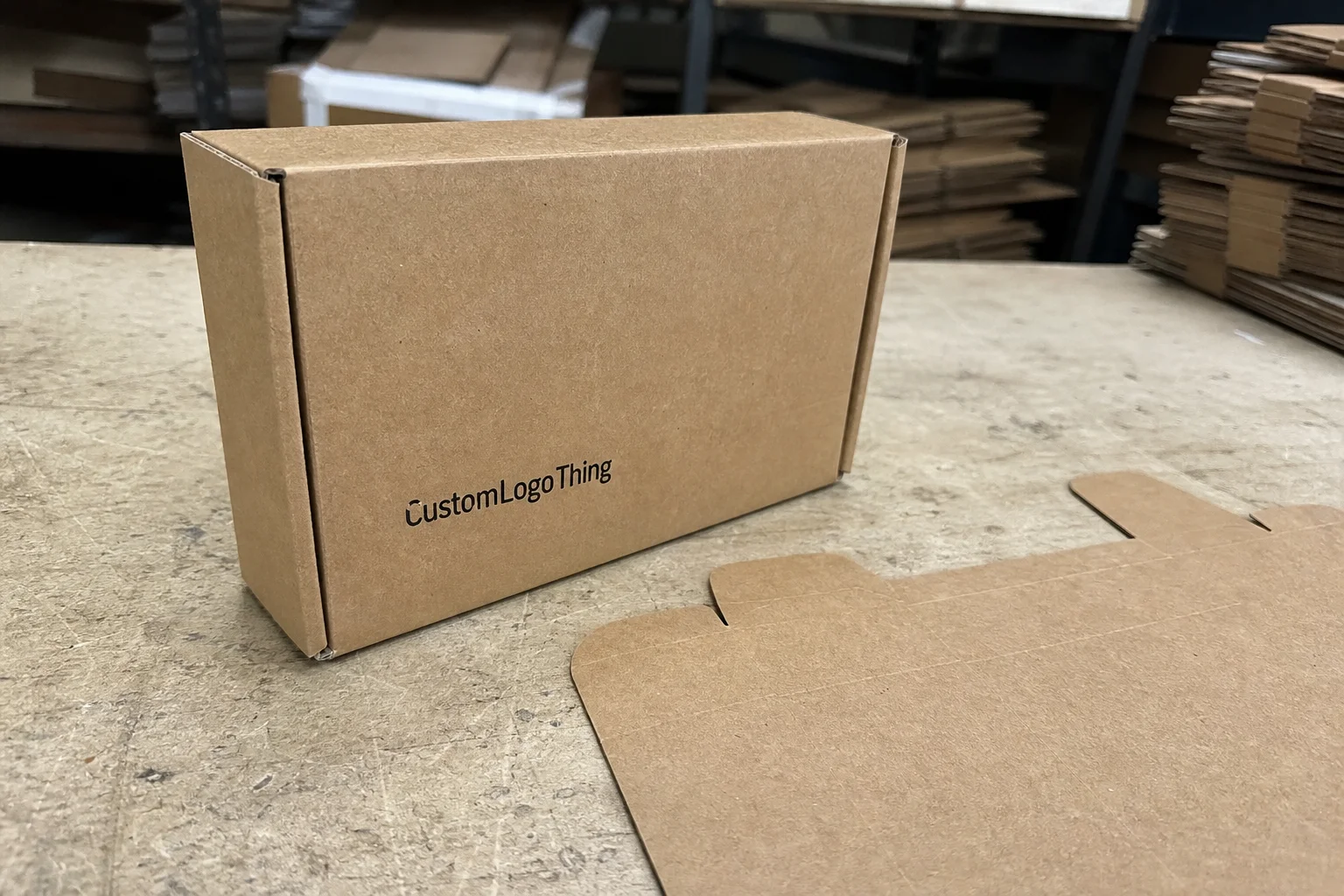
Cost drivers tend to cluster around board weight, print runs, foiling, varnishes, and tooling amortization, which is why we break every quote down so sellers can trace each dollar back to branded packaging for handmade sellers. A standard 1,000-piece run of kraft mailer boxes with matte lamination hovers around $0.85 per unit, while a 5,000-piece rigid setup with cold foil, inserts, and SolaGrip adhesives lands closer to $2.40 per unit. Transparent quotes that include the 50% deposit, mid-run payment, and final balance help clients see growing savings as volumes climb.
We break pricing into run tiers—short run, production run, and replenishment—so sellers know that a 250-unit pilot order for custom printed boxes may fall into the short-run schedule at $1.20 per unit, yet once tooling exists, a 2,500-piece production run with the same dieline drops to $0.92 per unit thanks to amortized setup. Adhesives and inserts appear alongside those totals, with cushioning inserts adding around $0.18 per box and SolaGrip adhesives included in the standard finishing figure. I call those tiers my budget friends, because having them side by side keeps panic out of the reorder conversation.
Switching to standard dieline templates from the designer library trims setup costs because custom tooling becomes unnecessary, so I recommend bundling complementary SKUs within the same structure—soap bars, bath bombs, and small candles can share a divisible box, diluting tooling fees while keeping branded packaging for handmade sellers cohesive across lines. I once convinced a maker to let their lotion and candle share a dieline, and they came back with a thank-you note after seeing both SKUs fit in their studio shelves much better. That kind of planning makes every tool change feel less like a gamble.
| Packaging Type | MOQ | Starting Price | Best For | Finishes Included |
|---|---|---|---|---|
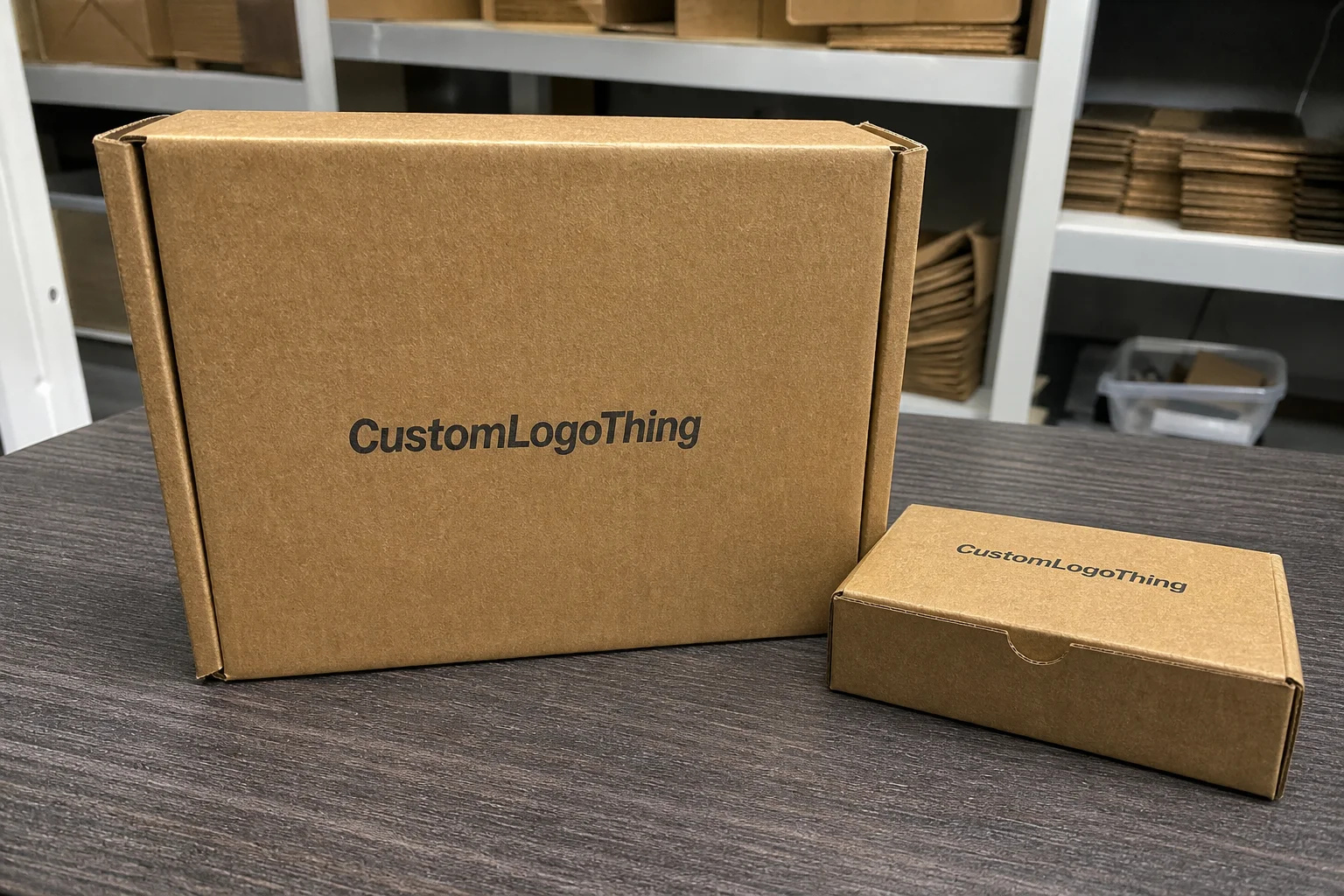
| Mailer Sleeve (16-pt SBS) | 250 units | $0.58 | Single bars, cards | Matte lamination, spot UV |
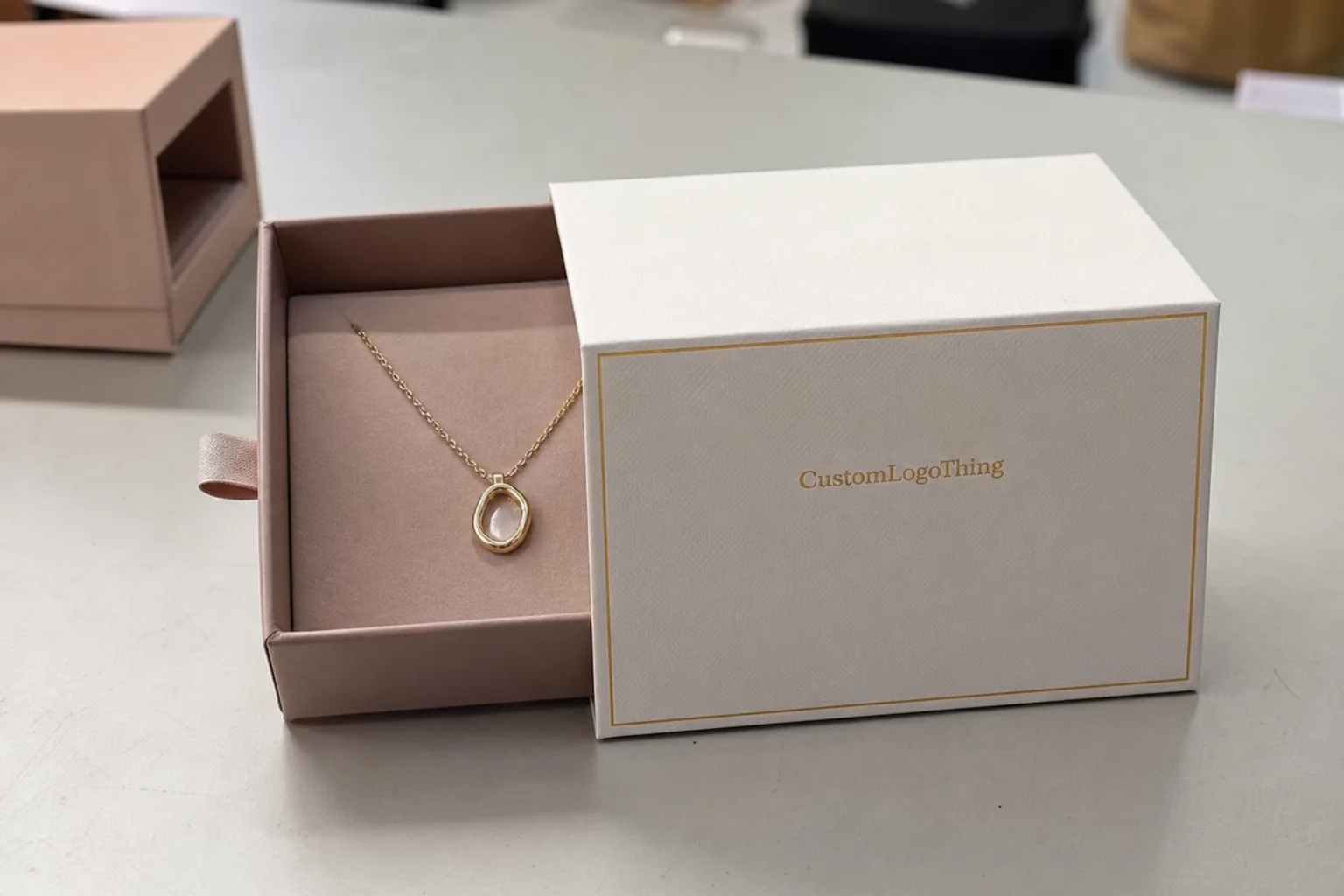
| Rigid Set-up (18-pt SBS) | 500 units | $1.75 | Artisanal candles, beauty kits | Soft-touch, foil stamping, SolaGrip adhesives |
| Custom Printed Boxes (kraft) | 1,000 units | $0.95 | Bulk soap bundles | Recyclable inks, blind emboss |
The table reflects typical numbers from the Cedar Ridge logistics team after we synchronize with suppliers, and it helps sellers plan cash flow when adhesives, inserts, and sample approvals are part of the rollout since every dollar ties back to the product packaging story. I still send this chart to anyone trying to guess their costs, because numbers never lie even when my coffee breath does.
For someone juggling a tight budget, I recommend prioritizing core SKUs, bundling extras into the same dieline, and scheduling replenishment runs ahead of major craft fairs—especially the Easter Fair in April or the Indie Craft Bazaar in November—so these steps keep new branded packaging for handmade sellers aligned with seasonal demand without inflating costs. One of my favorite success stories involved a soap maker who scheduled every refill six weeks early (yes, she has a spreadsheet thicker than my grandmother’s cookbook), and she never had to tell a boutique “we’re out.” That kind of foresight keeps boutiques stocked and relations warm.
Step-by-Step Guide to Ordering Branded Packaging for Handmade Sellers
The first step is an asset audit: gather logos, color palettes, messaging, and a 12-digit UPC if you have one, then measure each SKU so we can match dimensions to a dieline template from the Custom Logo Things designer library. After measurements align with the selected template, share the files for pre-press review, typically within 48 hours. I always tell the makers to bring a snack and a copy of their story, because the audit feels easier when we’re both fueled.
During proofing, we send digital mock-ups showing how the package appears in 3D and print structural samples from the Fort Scott kiosk, inviting you to feel the board, lamination, and adhesive bonds. I insist clients test adhesives with actual product weight to ensure protection without overbuilding, which keeps the handcrafted feel while remaining cost-effective. I still cringe when someone forgets that step—once a set of diffusers arrived with adhesives that couldn’t handle the oil, and the reprint felt like a soap opera.
Finalizing the order means locking in production slots, confirming shipping expectations with the Cedar Ridge logistics team, and timing delivery so boxes arrive ahead of craft fairs or seasonal launches; launch plans derail when sellers misjudge freight. We build in a two-day buffer for regional UPS or LTL delays and coordinate with the Kansas City fulfillment cave for staging. I once had to reschedule a field trip to the finishing line because a student group insisted on touring during a pilot run, so I now keep a small “no surprise tours” note on the calendar.
As branded packaging for handmade sellers hits the floor, the sample approval should document everything from exact Pantone values registered on the Speedmaster to the adhesives chosen from the SolaGrip range. That level of detail keeps the final production run faithful to the approved prototype without surprises. I treat that sample as a final handshake, and if anything looks off, I’d rather delay a day than ship a disappointment.
One client story began when a handmade seller arrived with sample bars, insisting the packaging reflect the same warmth as their soaps; by final production we had combined custom printed boxes, soft-touch lamination, and a little farm story, all organized around the keyword—branded packaging for handmade sellers—so their retail partners saw a coherent presence on every shelf. The same seller later said the new look made her feel like she was finally being taken seriously, and that thank-you card still hangs above my desk. Having that kind of confirmation kinda makes every late night worth it.
How Can Branded Packaging for Handmade Sellers Reinforce Artisanal Quality?
When we answer that question, we explain that branded packaging for handmade sellers must mirror the same thoughtful pauses as the craft itself, so every board, foil, and SolaGrip bond whispers the right story before the lid opens and the scents hit the room. The materials need to pause the buyer long enough to appreciate the artisanal texture, the way a pressed-in herb leaf runs over matte stock or how a foil line catches light during a first touch. Then the package hands the story back to the artisan with confidence.
Supporting that narrative is the handcrafted brand identity we sketch across mood boards, from warm sepia accents to herbs illustrated with micron pens, ensuring the package continues the artisan’s signature without rewriting it. I often work with my in-house illustrator to turn those sketches into structural cues that inform both dielines and finishes. When the board, the copy, and the tooling move together, retailers sense a confidence they can’t fake.
Custom packaging solutions let makers pair those visuals with structural reinforcements, inserts, and finishes tested on the Fort Scott drop table so the tactile handshake feels just as curated as the scent trail; it proves that a package can carry the same patience as the studio that created the goods. The drop table exercise keeps fragile goods from turning into a shattered story during transit, and the results always make me proud. Every reinforced insert or foam cradle starts as a whispered idea in the studio and ends as a protector that still feels handmade.
Common Mistakes Handmade Sellers Make with Branded Packaging
Skipping prototypes and rushing into a full run often causes misaligned artwork or structural failures after the sheets hit press at 9,200 impressions per hour, and I’ve stood on the floor more than once listening to crews explain why messed-up artwork means another delay. A little patience prevents costly mistakes; it feels like watching someone try to bake without measuring cups—of course it tastes wrong—so we keep the prototypes coming.
Many makers overlook how packaging must absorb shocks—adhering to adhesives and cushioning is critical, so even premium finishes can’t save a crushed edge once a mail truck rolls. I swear that heat-damaged lamination that came back from one truck still gives me nightmares, so I double-check shipping tests now.
Neglecting the unboxing narrative kills the story: inconsistent fonts, mismatched colors, or flimsy messaging erode the brand voice before the customer opens the box, which is fatal for packages meant to feel handmade and intimate. Retailers expect consistent product packaging, so we stage inspection walk-throughs that include checking for 3-millimeter registration shifts to catch those issues early.
Treating branded packaging for handmade sellers as a last-minute add-on is another misstep; it needs to be part of the brand plan from the first sketch so the unboxing becomes a natural extension of the craft you sell. I once watched a seller rush the order because she forgot about a holiday flip, and the panic in her voice taught me to propose packaging plans before we even talk color. Proactive planning keeps stress off the studio floor.
Expert Tips and Actionable Next Steps for Branded Packaging for Handmade Sellers
Pair tactile finishes with thoughtful messaging—don’t add foil just for show; layer in copy about the artisan journey and test it on the Garden Plain Press proof station running at 120 impressions per minute before committing, because the right words make tactile finishes feel intentional rather than trendy. I tell everyone that finishes without messaging is like a tuxedo without a smile—stiff and a little scary. Build a quick messaging harvest on the same call as the finish selection so nothing feels like an afterthought.
Actionable next steps include auditing current packaging, measuring every SKU for proper fit, scheduling a design review with Custom Logo Things, and requesting a prototype that mirrors preferred materials and adhesives; while you do that, reference the Custom Packaging Products catalog to find sustainably sourced options and the Case Studies that show how other artisans used branded packaging for handmade sellers to elevate perceived value. Honestly, I think those case studies are the closest thing I have to a crystal ball for what resonates with boutiques. Keep a shared workbook for notes so nothing gets lost.
Lock in a production timeline with the Cedar Ridge logistics team, approve a sample, and plan the first shipment so the new packaging lands on shelves or in fulfillment centers without drama. Preparation like this separates a polished retail packaging rollout from a last-minute scramble.
Support from organizations such as PACKAGING.org and FSC supply partners helps validate sustainability claims, while ISTA protocols prove your product packaging can withstand transit rigors—those certifications build trust that matches the sincerity of handmade work. I call the PACKAGING.org team my emergency lifeline when a compliance question starts creeping up at midnight. Those credentials reassure buyers that their handmade purchase arrived intentionally protected.
Moving forward with branded packaging for handmade sellers means locking in the production timeline, approving the sample, and planning that first shipment; when those steps align, your product not only arrives safely but keeps telling the story that started in your studio. I tell artisans that the moment the boxes leave the loading dock is when the real storytelling party begins (bring snacks). Keep notes from that closing meeting so every future reorder starts from the same playbook.
How can branded packaging for handmade sellers improve customer perception?
It elevates the story by showcasing consistent colors, textures, and messaging, making the product feel premium from the very first touchpoint; the package sets the expectation before the lid even lifts.
Quality substrates and finishes signal care and support the handmade ethos, encouraging repeat purchases; a mix of 16-pt SBS, matte lamination, and blind emboss feels like a high-five for customers when they slide the lid off.
Working with a custom packaging partner ensures the unboxing experience matches the seller’s brand values, which is why I love handing them a mood board with the keyword scribbled across it to keep things grounded.
What materials work best for branded packaging for handmade sellers?
Choose 16-pt SBS or rigid board for structural strength, or kraft board for an organic feel paired with compostable liners; I always ask them to lay their product on the board and give it a feel before we commit.
Consider eco-friendly coatings and adhesives like SolaGrip to keep the package recyclable while remaining durable, which lets you mention SolaGrip right in your brand story.
Match materials to product weight and shipping needs—lighter products can use mailer packs while fragile goods benefit from inserts tested on the Fort Scott drop table.
How long does it take to produce branded packaging for handmade sellers at Custom Logo Things?
Plan for a 3- to 4-week timeline for standard runs, complete with dieline approval, sample production, and press work, so you can leave room for the Thursday press check in Kansas City.
Shorter timelines may come through for repeat orders where tooling already exists, reducing lead time to as little as two weeks, which is a relief when a holiday order sneaks in.
Adding foils, embossing, or special coatings can add a few days, so build that into the schedule and note whether the foil run needs the Speedmaster XL 106 rather than the CX 102.
What is the minimum order quantity for branded packaging for handmade sellers?
Minimums vary by product—Custom Logo Things often starts around 250 units for mailer boxes and 500 for rigid setups, plus 100 units for proofing samples.
Some flexible programs allow smaller prototypes to test before scaling, staying affordable and letting you feel the materials before committing to a 500-unit run.
Work with your account manager to find the best balance between sample runs and inventory needs, since most makers need forecasting for the next four craft fairs.
Can branded packaging for handmade sellers stay eco-friendly?
Yes—choose recyclable substrates, water-based inks, and adhesives like SolaGrip to maintain compostable credentials, and keep the certificates on file for retail partners.
Design for reuse by adding multi-functional inserts or giftable boxes, extending the packaging’s life for at least three reuses in a household.
Ask for certificates on materials from Custom Logo Things’ supply partners like Cedar Grove Mills to support sustainability claims, and keep the paperwork organized in a shared Google Drive.
The story told through branded packaging for handmade sellers becomes the signal every buyer, boutique, and fulfillment center reads long before the tissue paper comes off—and that polished signal makes all the difference when the boxes finally land in a UPS verdant hub or a Chicago boutique. Takeaway: map each SKU to the right dieline, document your finishes, lock in the Cedar Ridge timeline, and approve samples so the packaging journey mirrors the care that started in your studio. I still pinch myself when a customer texts a photo because of that packaging handshake.