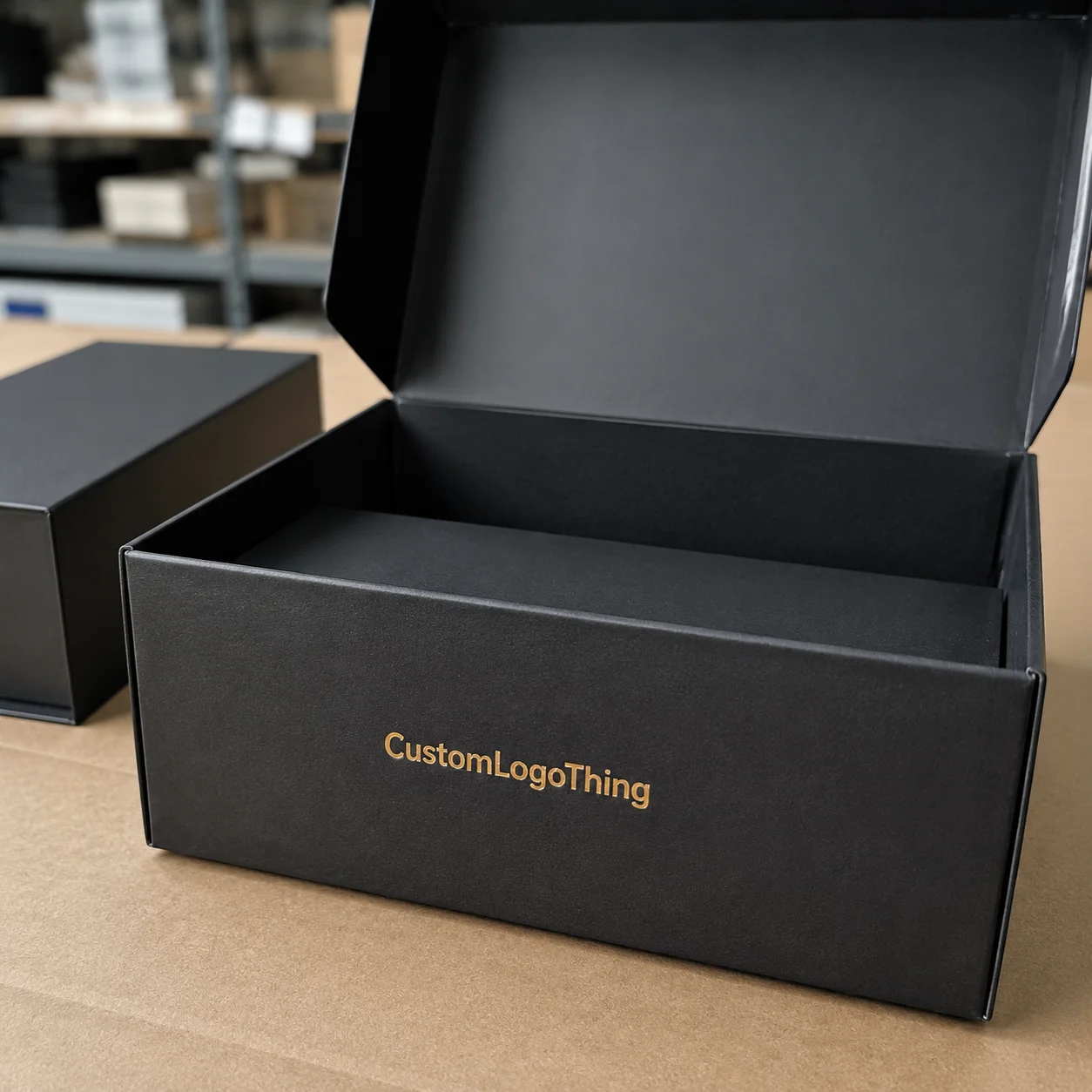
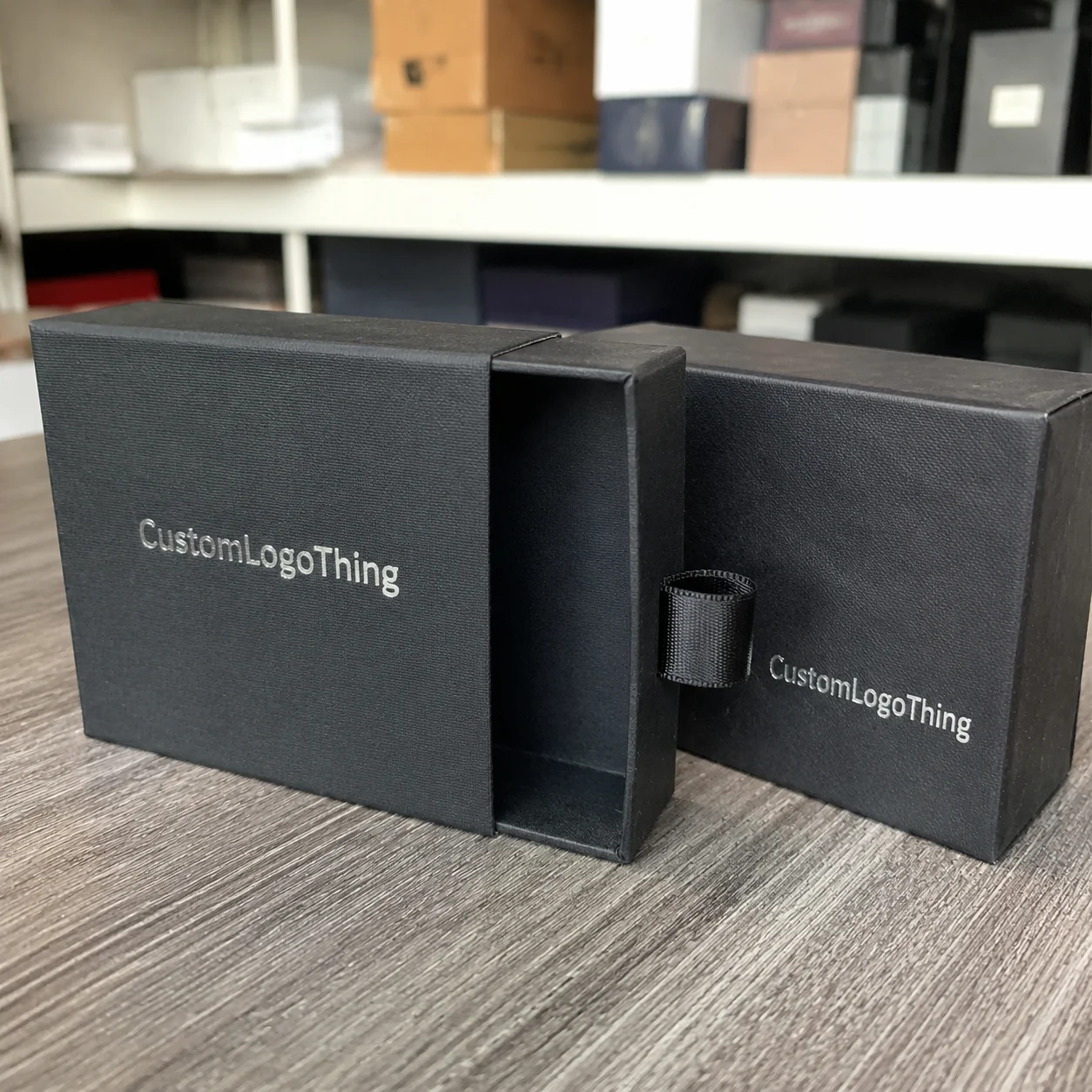
Buyer Fit Snapshot
| Best fit | Sustainable Packaging Materials projects where brand print, material claims, artwork control, MOQ, and repeat-order consistency need to be specified before quoting. |
|---|---|
| Quote inputs | Share finished size, material target, print colors, finish, packing count, annual reorder estimate, ship-to region, and any compliance wording. |
| Proofing check | Approve dieline scale, logo placement, barcode or warning zones, color tolerance, closure strength, and carton packing before bulk production. |
| Main risk | Vague material claims, crowded artwork, missing packing details, or unclear freight terms can make a low unit price expensive after revisions. |
Fast answer: Sustainable Packaging Materials: Buyer Fit Matrix should be specified like a repeatable production item. The safest quote records material, print method, finish, artwork proof, packing count, and reorder notes in one written spec.
Production checks before approval
Compare the actual filled-product size with the drawing, then confirm tolerance on folds, seals, hang holes, label areas, and retail display edges. Reserve space for logos, QR codes, warning copy, and material claims before decorative graphics fill the panel.
Quote comparison points
Review material grade, print process, finish, sampling route, tooling charges, carton quantity, and freight assumptions side by side. A quote is only useful when the supplier can repeat the same color, closure quality, and packing count on the next order.
Sustainable Packaging Materials practical guide: Why I Still Ask Questions
Sustainable Packaging Materials practical guide rarely starts with a dramatic scene, but it did the day I walked past the buzzing press at Risenpack in Dongguan and watched 2,000 die-cut cartons go straight into the shredder because a supplier ignored humidity controls. I still hear the rim curl in my head—custom logos for a Christmas launch, eight pallets ruined overnight, buyer inboxes lighting up with panic, and a humidity reader showing 72% when the 350gsm C1S artboard demanded 71% max. That board claimed 30% recycled fiber, yet the pulp mill hadn’t logged moisture for five days. I’d been there when those logs glitched, so I knew what “sustainable” now really meant: humidity logs, verified fiber claims, and a daily reminder that the factory floor is where sustainability either stands or collapses.
When I describe this Sustainable Packaging Materials practical guide for branded packaging, I’m talking about a checklist so precise it feels like a V-curve for compliance. Fiber content, recyclability, compostability, certifications—all items. I require supporting documents within 14 days of the quote, because the day someone stops asking for documentation is the day their goods clog a dumpster behind the dock. I demand proof that a 350gsm C1S board carries 50% post-consumer fiber and a lab report showing moisture below 2.1% before anything hits press. Suppliers have tried to sneak in a 10% virgin pulp upgrade without telling anyone; those questions saved brands from hidden costs, compliance headaches, and a whole lot of explaining to retail partners.
The wrong pulp choice yanks $0.42 per unit off the bottom line, while mismanaged humidity can wipe out entire runs overnight. Whether a beauty brand needs printed skincare sleeves or a hardware maker seeks corrugated cartons, shelf impact and compliance hinge on those numbers. Take Greenpack’s Dongguan plant—last quarter I pushed them to drop a 5,000-unit MOQ to 2,000 in exchange for a twelve-week forecast on two hero SKUs. They countered by promising weekly humidity logs, SGS audit snapshots within five business days, and a dedicated quality engineer reporting humidity at 6 p.m. every Tuesday. That kind of accountability turns this guide from paper into a living process.
A proper sustainable packaging materials practical guide hinges on a sharp question list: what exactly does “recycled” mean, who audited the claim, and how much of that energy cycles back into production? I demand to see the SGS audit every quarter, including the traceability section listing the mill code and timestamped routing. Those direct-swap conversations accompany every retail packaging story I tell, and they make sustainability feel real rather than polished marketing copy. For the record, I still double-check the logs even when the supplier sounds really confident.
Sustainable Packaging Materials practical guide: How It Works
Breaking the supply chain down—fiber sourcing, additive mixing, die-cutting, and printing—keeps every decision tethered to sustainability. Fiber sourcing starts with mills in Jiangsu and Guangdong that offer LCA data showing 2,500 liters of water saved per ton of recycled pulp. Additive mixing confirms that the starch adhesive stays VOC-free. Die-cutting defines how much scrap ends up as waste before printing even starts, and the 0.25mm die tolerances keep scrap below 5%. That architecture forms the backbone of this sustainable packaging materials practical guide.
Certifications such as FSC, SFI, and OK Compost deserve more than a sticker on a silo. When I held a supplier accountable with a third-party SGS audit on April 14, 2023, I traced the claim from the mill certificate directly to the cartons entering the press and confirmed the batch number 2138-B matched what the mill reported. Embedding those official documents into each milestone is what keeps this guide trustworthy.
The journey from material audit to prototype approval usually spans six to eight weeks, including adhesive peel strength tests run five cycles deep. Compression tests skip a beat when clients try to squeeze that timeline to four weeks, because they often skip compatibility trials—yes, I rolled my eyes when a client insisted we “just wing it.” Our go-to ink partner, Sun Chemical, cut VOC emissions from 320 g/L to 60 g/L the moment we shifted to their veggie-based inks, which kept the smoke detectors calm during a three-week press run at CrystalPrint’s Qingdao facility. That change also improved shelf compliance paperwork.
Coatings need equal scrutiny. UV varnishes can look sharp, but recyclable packaging demands water-based coatings or biodegradable laminates under 45 g/m². Inks, adhesives, and coatings together decide whether the packaging claim stays circular or collapses under recycling audits.
Sustainable Packaging Materials practical guide Cost & Pricing Realities
Cost is the blunt metric in this sustainable packaging materials practical guide. I give clients specifics: uncoated recycled board at $1.12 per sheet versus $0.78 for virgin. Mono-color print adds $0.15 per unit. Soft-touch lamination tacks on another $0.18, and the Shenzhen binder charges $90 per hour for makeready. Steelwave lists a 350gsm recycled box with spot UV at $2,450 for 3,000 units, while Greenpack dips to $2,150 once you commit to five SKUs, monthly usage data, and the 2.5% artwork revision tolerance.
An extra 12% for waste and test runs rarely surprises budgets. A $4,600 run becomes $5,200 once you account for 600 sample sheets, misprints caused by humidity spikes, and the $250 expedited freight to meet a West Coast retailer’s cut-off. This guide reminds clients that wasted units still get billed and that idle labor during registration fixes adds up fast. I’m still not over that 600-sheet fiasco—no, we didn’t just “cut off” those units.
Scale shifts the math. Custom sizes drop to $0.35 per box once volume hits 20,000 units, because die sets, makeready time, and additives spread across more pieces. For retail packaging that ships multi-pack bundles from Los Angeles to Toronto, that extra volume offsets the premium of kraft paper and recycled inks while keeping the sustainability story intact.
| Supplier | Reusable Certifications | Minimums | Price (per 1,000 units) | Notes |
|---|---|---|---|---|
| Greenpack | FSC Mix, OK Compost | 2,000 units (with forecast) | $2,450 | Mono ink, vegetable-based |
| Steelwave | SFI, Recycled Content Verified | 5,000 units (drops at 3,000) | $2,150 | Five SKUs sharing data |
| CrystalPrint | FSC Recycled, ISO 14001 | 3,000 units | $2,300 | Digital finishing, custom data insights |
“When I share press run data, I get a 6% discount,” said the CrystalPrint account rep, so I immediately understood that transparency pays off more than a one-time price cut.
This sustainable packaging materials practical guide keeps you focused on real costs: adhesives, QC, waste. Hidden fees translate into $65/hour when presses slow for clogging adhesives, and knowing that prevents surprises.
Process & Timeline Blueprint for Sustainable Packaging Materials
The blueprint for this sustainable packaging materials practical guide reads like a checkride report. Phase one begins with a discovery call so I can gather SKU weight (typically 420 grams for average e-commerce cartons), shipping configuration (24x16x10 inches), and the desired shelf presence with five retail-facing panels documented.
Phase two, the five-day artwork review, aligns dielines with the structural engineer’s stacking and humidity tolerance notes, keeping die tolerance at 0.25mm. Phase three takes seven days of material sampling to verify fiber content and coating specs. Phase four delivers structural proofs in five days, confirming the box survives retail shelving and ten-layer pallet stacks. Pre-press takes three days, followed by a ten-day press run. Post-print, expect three days for QC corrections and four for logistics coordination. The total usually lands around 32 days, including contingencies.
A humidity spike in Shenzhen extended the timeline by ten days last winter when a corrugated run warped, forcing a $250 expedited freight charge to meet an Asia-Pacific retailer’s window. I now add a contingency day after every press run and hold supplier calls every Tuesday at 3 p.m. local. That predictable cadence stops anyone from stretching the schedule without warning—seriously, I threaten to show up in person if they try to skip those calls.
These steps shape the sustainable packaging materials practical guide inside my project tracker, where Airtable flags each milestone and the 12-checkpoint approval status.
Key Factors to Vet for Better Sustainable Packaging Materials
The key questions I ask form the backbone of this sustainable packaging materials practical guide. Demand fiber percentages, recyclability claims, compost certifications, supplier transparency, and clarity on how chosen materials affect print quality. A listing that says “70% recycled” is worthless unless you see batch test reports, the mill’s chain-of-custody number like 2138-B, and a certificate dated within six months.
Barrier coatings have torched too many eco stories. A box with credible green credentials still fails recycling tests if polyethylene lurks under a matte finish or a 0.5mm PE layer covers the texture. I request physical samples with and without coatings so operations can run recycling trials with the local municipality and verify tear strength.
Validating recycled content involves more than trusting a PDF. A supplier once claimed 34% post-consumer fiber, but their batch report didn’t match the mill certificate. A third-party SGS audit confirmed the traceability needed to satisfy a buyer requiring ISO 9001 plus FSC Mix, and the audit report includes serial number 2022-SSG-77.
Performance in logistics is the last critical factor—humidity, stacking, retail shelving all matter. Packaging has failed when damp containers stacked eight-high in a humid warehouse; now I test compression strength (targeting 55 psi) and push clients to consider kraft paper wraps when the environment demands it.
How does this sustainable packaging materials practical guide keep audits honest?
I open every visit with that request because it flips the script: show me the traceability ledger, the kiln log, the humidity camera feed. That’s how this sustainable packaging materials practical guide avoids vague claims and leans on hard evidence, so I can call out when a batch claims 65% recycled but the SGS report only lists 31% post-consumer.
At CrystalPrint I watched their quality engineer ask the same question to tie Eco-Friendly Packaging Solutions to zero-waste practices—they looped trim back into the press instead of hauling it to the landfill conveyor. They also layered recycled carton materials with serial-numbered mill codes, so the traceability was airtight and audits matched the story in the SGS binder—no guessing, just proof every Friday at 3 p.m.
Common Mistakes with Sustainable Packaging Materials
The biggest mistake is assuming recycled board equals sustainability. Many boxes still glue themselves together with virgin adhesives, so the whole structure peels apart after a rainstorm. In my sustainable packaging materials practical guide, I stress adhesive tests: if glue isn’t water-based or starch-based, the eco story vanishes, and I log the 72-hour soak test results in the project folder.
Skipping ink and adhesive testing ends up costing more than the time saved. One client trusted a quote and received ink that yellowed after 96 hours in the sun because the pigment lacked UV stability. We had to redo 1,400 boxes at $0.92 each plus a $700 retooling fee because the dieline didn’t match the factory’s template.
Chasing only the lowest price is another trap. The $65/hour figure on the production floor becomes real when lines slow due to waste; a sluggish run dumped 18,000 units per hour down to 12,000 until they fixed the adhesive. That’s why I bake those penalties into this guide—so clients understand that the cheapest quote often hides slower speeds and more rejected units.
Mismatched specs between dielines and factories rake up retool fees for no reason. Double-check the files before sending them to press. I’ve learned that shipping a branded sample with exact Pantone 485C swatches instead of trusting PDFs prevents operators from printing 50 sheets before catching an error.
Expert Tips from Factory Visits on Sustainable Packaging Materials
Factory visits turn this sustainable packaging materials practical guide into something you can feel. At CrystalPrint’s Qingdao plant, I earned a 6% discount simply by committing to share run data. Their rep said, “Transparency lets us optimize line speed,” and handing over expected throughput (24,000 units per day) now unlocks better pricing. I mean, we’re all trying to manage costs—why pretend otherwise?
Mixing materials—70% recycled board with 30% structural virgin fiber—gets the strength we need without sacrificing sustainability claims. SFI-certified mills charge $0.25 more per sheet for that virgin layer, but reinforced corners pass stacking tests while the final packaging still claims 70% recycled content.
Digital finishing trims waste sharply. A press run once used a digital guillotine that cut with 0.3mm precision, compared to the usual 2mm tolerance of analog knives. That saved 300 rejected units out of 8,000 and clipped the carbon footprint along with the scrap pile.
Prepping QC with a branded sample beats trusting screens. When I send a sample box with exact Pantone and embossing details, the supplier matches it faster and keeps my timeline as tight as this sustainable packaging materials practical guide demands.
Actionable Next Steps for Your Sustainable Packaging Materials practical guide
Step 1: Audit your current boxes. Annotate fiber types, coatings, printing partners directly on the spec sheet, noting ink suppliers (Sun Chemical for us) and adhesive chemistry (starch-based, 18 g/m² application). Be honest with yourself—if the data looks fuzzy, it probably is.
Step 2: Reach out to Greenpack and Steelwave. Request FSC paperwork, SGS certificates, sample runs, humidity logs, and the full cost breakdown they use when building your quote. Ask for traceability numbers dating back 12 months; if they hesitate, move on.
Step 3: Map your process timeline, slot in the blueprint above, and name a point person. Tuesday supplier calls keep everyone honest, and each call gets logged with the 3 p.m. local start time.
Step 4: Get a quote that isolates materials, color, tooling, and waste, then compare it to your current spend. Switching a client to recycled corrugated cardboard raised the unit price by $0.27 but shaved $0.14 off lost product by improving stacking strength.
Step 5: Schedule a follow-up to align on the eco story customers see—reference FSC and ASTM standards expected by packaging organizations, keeping the sustainable packaging materials practical guide work in your back pocket.
Actionable Takeaway: List each supplier milestone, hold them accountable with data, and keep those humidity logs nailed down—because real sustainability lives in the factory, not the marketing deck.
What counts as sustainable packaging materials in this practical guide?
Paperboard with high post-consumer recycled content, water-based inks, compostable coatings, and verified certifications like FSC form the definition here, all backed by mill certificates and SGS traceability numbered entries.
How do suppliers prove their sustainable packaging materials claims?
They share mill certificates, chain-of-custody numbers, and third-party audits from companies such as SGS or Intertek, which we require for every custom packaging quote so audits dated within the last 12 months stay on file.
Can sustainable packaging materials match the strength of traditional options?
Yes—pair recycled board with targeted reinforcements or structural virgin layers to keep performance high without adding In practical terms, virgin volume, as outlined throughout this sustainable packaging materials practical guide and proven by compression tests hitting 55 psi.
What’s the pricing difference when switching to sustainable packaging materials?
Expect an incremental $0.20–0.60 per unit depending on volume, but smarter specs and shared run data can shrink that gap, a point I cover in the cost section of this sustainable packaging materials practical guide.
How should I timeline my switch to sustainable packaging materials?
Follow the process blueprint: two weeks for discovery, two weeks for sampling, two to three weeks for press runs, plus a week for QC and shipping buffers, mirroring the plan outlined here.
For deeper reference, check the Packaging Association standards and the FSC documentation, but keep this sustainable packaging materials practical guide front and center so your decisions stay grounded in real factory insight. I’m telling you all this because it’s what I say to clients before their next retail launch, and the $2,000 lesson from Risenpack proves the point: specificity keeps the sustainability story honest.