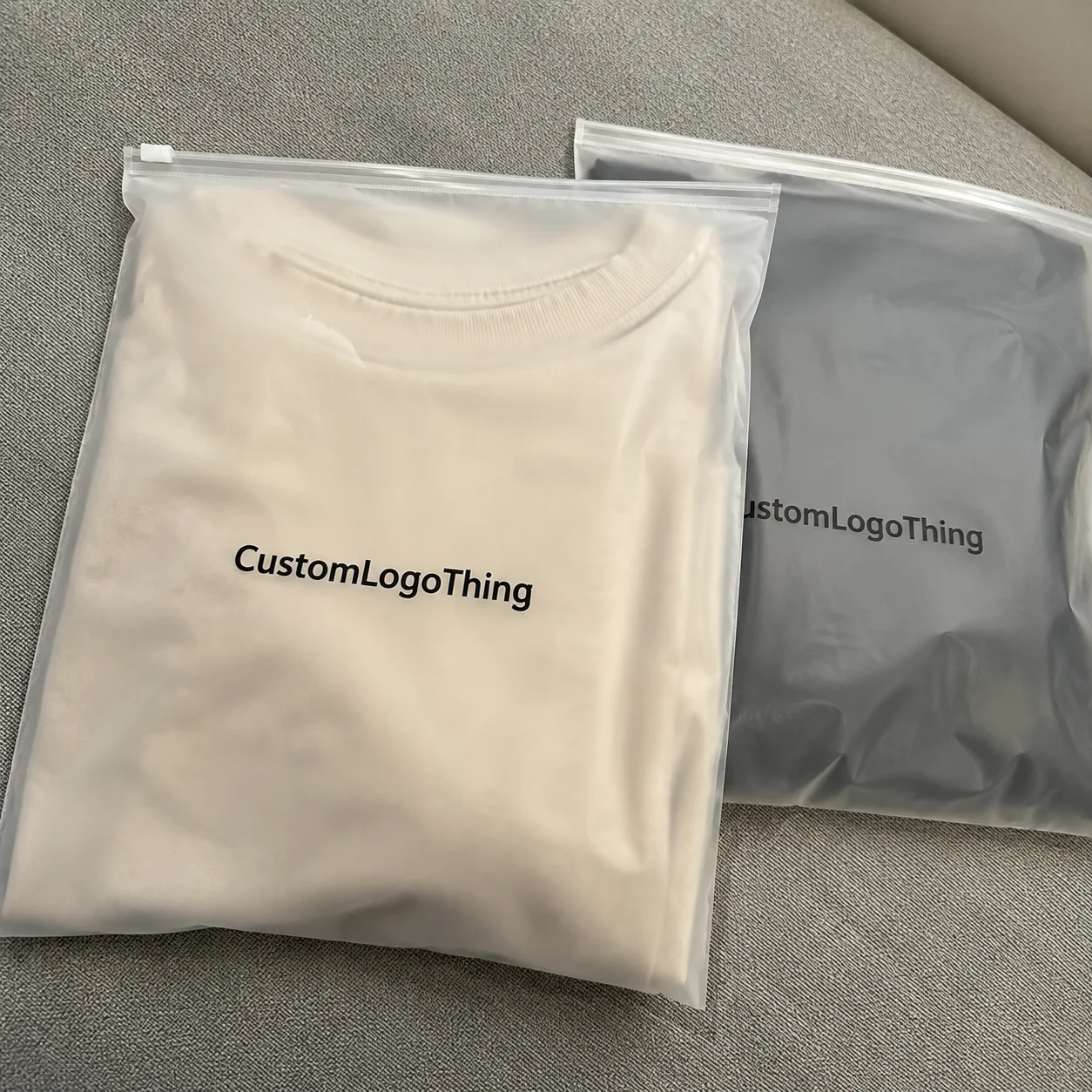
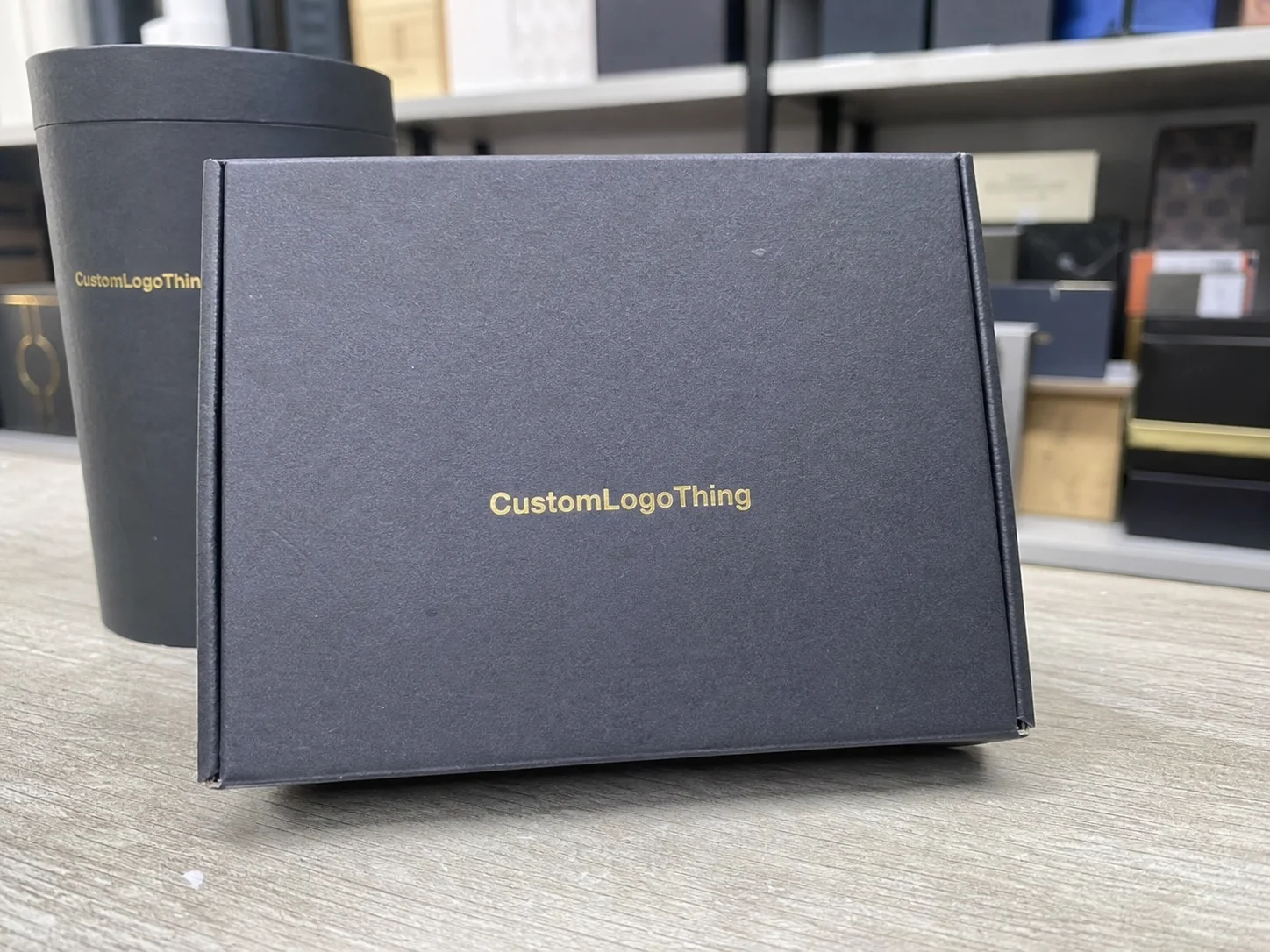
Buyer Fit Snapshot
| Best fit | branded packaging for product launches what for packaging buyers comparing material specs, print proof, MOQ, unit cost, freight, and repeat-order risk where brand print, material, artwork control, and repeat-order consistency matter. |
|---|---|
| Quote inputs | Share finished size, material target, print colors, finish, packing count, annual reorder estimate, and delivery region. |
| Proofing check | Approve dieline scale, logo placement, barcode or warning zones, color tolerance, and any recyclable or compostable wording before bulk production. |
| Main risk | Vague material claims, crowded artwork, or missing packing details can create delays even when the unit price looks attractive. |
Fast answer: Branded Packaging for Product Launches What: Dieline, Finish, Proof, and Buyer Review should be specified like a repeatable production item. The safest quote includes material, print method, finish, artwork proof, carton packing, and reorder notes in one written spec.
What to confirm before approving the packaging proof
Check the product dimensions against the actual filled item, not only the sales mockup. Ask for tolerance on folds, seals, hang holes, label areas, and retail display edges. If the package carries a logo, QR code, warning copy, or legal claim, reserve that space before decorative graphics fill the panel.
How to compare quotes without losing quality
Compare board or film grade, print process, finish, sampling route, tooling charges, carton quantity, and freight assumptions side by side. A lower quote is only useful if the supplier can repeat the same color, closure quality, and packing count on the next order.
Branded Packaging for Product launches can tilt a release before a customer ever uses the product. I remember one 250-piece skincare drop that sold through faster than the team expected because the box felt expensive, intentional, and, frankly, very photogenic. It used a 1200gsm greyboard rigid setup with a matte soft-touch wrap and gold foil on the lid, and the sample landed in 11 business days from dieline approval. I’ve also seen a well-funded launch stumble because the packaging looked fine on a screen but arrived with crushed corners after a 14-hour transit lane and an insert fit that was just a little too optimistic. Same product category. Same price point. Very different reaction.
That split-second judgment matters more than most teams admit. In packaging meetings, I’ve heard buyers say “it feels premium” within three seconds of lifting a lid, and I’ve heard the opposite just as fast when the print registration looked off by 1.5 mm. Branded packaging for product launches is not decoration. It is the first proof point of your positioning, your quality standard, and your campaign discipline. If the box feels careless, people assume the product inside is careless too, even when the formula cost $8.40 to make and the carton only added $0.27 per unit.
At Custom Logo Things, I’d frame the whole subject this way: launch packaging is a sales tool, a shipping tool, and a branding tool all at once. That triple duty is exactly why branded Packaging for Product launches deserves more planning than everyday replenishment packaging. The stakes are higher, the audience is watching, and the launch window is usually unforgiving, especially if your fulfillment center is in Los Angeles, Chicago, or Rotterdam and the print run is happening elsewhere.
Branded Packaging for Product Launches: What It Means and Why It Matters
Plainly put, branded packaging for product launches is the physical packaging system that communicates identity, positioning, and product promise before the item is even opened. That can mean custom printed boxes, a rigid gift-style carton, a corrugated shipper with a printed exterior, or a complete kit with inserts, tissue, labels, and a message card. A common spec might use 350gsm C1S artboard for a folding carton, 157gsm art paper for an insert card, or E-flute corrugated for a shipper. The format changes. The job does not.
The best launch packaging does three things at once. First, it gets noticed. Second, it confirms the price point. Third, it makes the product feel worth sharing. That matters in e-commerce, retail displays, and influencer seeding kits, where the box often gets seen on camera before it gets seen on a shelf. I’ve watched a creator unbox a fragrance sample set on a folding table in a warehouse parking lot in Dallas and still rack up thousands of views because the package branding was clean, bold, and easy to photograph under a $20 clip light.
Packaging rarely fails because the product is weak. It fails because the package says something different from the brand. A luxury serum in a flimsy carton does not read as luxury. A mass-market launch dressed up like a collector’s edition can feel inflated. Branded packaging for product launches works when the form, the finish, and the message all point in the same direction. Customers do not need a brand manifesto to notice the mismatch. They can feel it in the hands, especially when one carton weighs 42g and the competing premium box weighs 118g.
Here’s what most people get wrong: they think packaging only matters at the point of sale. It matters just as much at the point of delivery. A DTC customer may never visit a store, so the package becomes the storefront. A retailer may never hear your pitch deck, so the shelf carton becomes the proof. In both cases, branded packaging for product launches acts like a silent sales rep, repeating the same message your ad campaign is already saying from New York, Toronto, or Singapore.
When the packaging is aligned, trust rises. Perceived quality rises too. And shareability goes up because people post things that look intentional. A neat 2-piece box with a soft-touch laminate and a foil logo photographs better than a generic mailer, even if the product itself is identical. That is one reason branded packaging for product launches can create more launch buzz than a larger media spend with weak physical execution. I’ve seen brands spend $18,000 on paid social and $3,400 on packaging, then wonder why the packaging delivered the stronger recall.
“I always tell clients this: if the first 10 seconds of opening feel like an afterthought, they’ve already lost part of the launch.”
That quote came from a merchandising manager I worked with on a wellness launch in Shenzhen. She was right. The package sets expectations before the customer has a chance to inspect the formula, the fit, or the performance. In other words, branded packaging for product launches is not the last step. It is one of the earliest moments of persuasion, and in some categories it is the cheapest one to get right at roughly $0.15 per unit for 5,000 pieces on a simple mailer spec.
How Branded Packaging for Product Launches Works
Think of branded packaging for product launches as a sequence, not a single object. The packaging supports the launch funnel in layers: awareness, curiosity, purchase, delivery, and post-purchase sharing. Each stage asks for something slightly different. Awareness needs visual punch. Curiosity needs clarity. Purchase needs confidence. Delivery needs protection. Sharing needs camera-friendly details. A 6-color printed sleeve might help awareness, while a die-cut insert helps delivery and reveal timing.
The outer shipper matters because it survives the courier network. The retail box matters because it carries the brand story. Inserts matter because they stop movement and guide the reveal. Protective materials matter because they keep the product intact. Labels matter because they reduce confusion. Finishing touches like coatings, embossing, debossing, foil, or spot UV matter because they turn a functional container into a memorable object. That is the craft behind branded packaging for product launches, whether the order is running through Guangdong, Ho Chi Minh City, or Foshan.
Visual hierarchy is where many projects succeed or fail. Logo placement should be obvious, but not loud for the sake of noise. Color contrast should support immediate recognition. Copy should be short enough to read in a warehouse photo, a retail aisle, or a 6-inch Instagram crop. The unboxing sequence should feel ordered: outer shell, first reveal, product presentation, final message. When that rhythm is right, the package feels premium even at moderate cost, like a $0.32 folding carton that photographs like a $2.00 rigid box.
In one supplier negotiation I sat through, a brand wanted six different messages printed on the lid, the side panel, the insert, and the base. The design looked impressive in Figma. On press, it became cluttered. We cut it to one headline, one supporting line, and one QR code. The result was cleaner, cheaper, and faster to approve. That’s a common lesson with branded packaging for product launches: restraint often sells better than decoration, and it usually shortens proof cycles by 2 to 4 business days.
The customer journey also shapes the structure. A luxury direct-to-consumer launch may justify a 1200gsm rigid setup with a wrapped board finish. A mass-market retail launch may need a folding carton that stacks efficiently and displays clearly at 24 inches away. A PR kit may need a multi-compartment insert so the opening experience tells a story in stages. The same product can need three different packaging design decisions depending on channel. That is normal, and a 500-unit influencer kit in London will not need the same engineering as a 20,000-unit retail run in Ohio.
Most importantly, branded packaging for product launches works best when it repeats the same story as the ad campaign, the product page, and the social content. If the hero message online is “lightweight luxury,” the box should feel light in the hand but rich in finish. If the campaign is built around “lab-grade performance,” the package should look precise, structured, and technically honest. Mismatch creates friction. Alignment creates belief. A package that says “minimal and clean” while using neon inks and five taglines is sending two invoices to the brain.
The Key Factors That Shape Successful Launch Packaging
Brand fit comes first. The packaging should sound like the brand, visually and physically. A minimalist wellness label using matte white cartons and black typography can look sophisticated. Put the same structure on a playful snack brand, though, and it may feel cold. A loud, glossy package can swamp a premium skincare line. The sweet spot is consistency with enough contrast to stand out from category norms. That balance is at the heart of branded packaging for product launches, and it is easier to see in a sample room than in a slide deck.
Material choice is the next major decision. Rigid boxes send a stronger premium signal, especially for gift sets, beauty, electronics accessories, and limited editions. Corrugated mailers are better for shipping durability and can still look good with high-quality print. Folding cartons are efficient for lighter products and retail display. Inserts may be paperboard, molded pulp, foam, or die-cut corrugate depending on weight and fragility. In my experience, a 350gsm C1S artboard carton with a custom insert can work beautifully for lightweight cosmetic items, but it will not protect a glass bottle the same way a double-wall mailer will. A 240gsm SBS liner on a tray is still not a substitute for 32 ECT corrugated if the product is traveling 800 miles by ground.
Cost is shaped by a few predictable variables: print complexity, material thickness, finish selection, and order quantity. A single-color tuck box may run far lower per unit than a four-color rigid box with foil stamping and soft-touch lamination. Specialty finishing can add visible value, but it also adds setup and yield risk. As a rough example, I’ve seen a simple 5,000-unit folding carton quote at about $0.18 per unit on commodity specs, while a premium rigid configuration with custom inserts can move far above that depending on structure and decoration. A foil-and-emboss premium set in Southeast Asia might come in around $1.10 to $1.85 per unit at 3,000 units. That spread is why branded packaging for product launches needs a budget discussion early, not after artwork is finished.
Sustainability matters, but it has to be practical. Recycled content, FSC-certified paper, right-sizing, and fewer mixed materials can support both the brand story and logistics efficiency. The Forest Stewardship Council is a useful reference point if your sourcing policy includes certified fiber. I’ve seen teams overstate sustainability by specifying “eco” materials that were still oversized and overprinted. That is not a win. Better to reduce cube size by 12% and cut void fill by a third than to add a green icon and keep waste in the system. A 20mm reduction in box height can lower freight dimensional weight by a meaningful margin on cross-country shipments.
Production constraints often decide what is realistic. Dielines need to match the product dimensions, not guess them. Print methods matter: offset, flexo, digital, and screen each have different economics. Lead times can stretch if the project needs multiple SKUs, nested inserts, foil, or unusual board calipers. Minimum order quantities can be a hurdle for launch testing. A brand may want 1,200 units for a pilot, but a converter may price much more efficiently at 3,000 or 5,000. This is where branded packaging for product launches becomes a negotiation between ambition and manufacturability, especially when the factory is in Dongguan and the ship-to address is in Amsterdam.
Customer expectations vary by category. Premium launches often need a dramatic first reveal. Mass-market launches may need speed, clarity, and cost control more than theatricality. Honestly, I think this is where many marketing teams misread the customer. They spend on visual drama when the buyer actually wants reassurance: clean label, obvious product name, simple opening, and no shipping damage. The right package is the one the customer understands in seconds, and that usually means a lid lift under 15 pounds of hand pressure and copy that can be read at arm’s length.
If you need examples of packaging formats and finishes, Custom Packaging Products is a useful starting point for comparing structures before you commit to a spec sheet. And if you want to see how other brands handled the same problem, the Case Studies page can be more revealing than any mood board. One case study with a $0.21 mailer and one with a $1.48 rigid kit can teach you more than a week of generic inspiration boards.
Step-by-Step Process for Creating Branded Launch Packaging
Step 1: Define the launch objective. Before anyone talks about foil or insert style, decide what the package has to accomplish. Is this a premium reveal? A retail shelf statement? An influencer seeding kit? A subscription debut? A DTC conversion tool? Each of those goals leads to a different packaging design. I’ve sat in launch meetings where the team said “make it pop,” but nobody defined whether “pop” meant shelf attention, social sharing, or safe shipment. The result was three rounds of rework. Fun for nobody, and not cheap when each art revision adds 48 hours.
Step 2: Build a packaging brief. Include product dimensions, gross weight, fragility, channel requirements, budget range, target launch date, and brand assets. Add unboxing goals too. If you want a customer to open the top and see a product card first, say so. If you need a QR code linked to a tutorial or landing page, specify it. Good branded packaging for product launches starts with a brief that removes guesswork. A solid brief also names the factory location, whether that is Xiamen, Shenzhen, or Hanoi, so sampling and freight timing are easier to predict.
Step 3: Choose the format and structure. Rigid box, corrugated mailer, folding carton, sleeve, tray, clamshell, or multi-piece kit—each one carries different freight, protection, and presentation consequences. If the product weighs 480g and has one fragile component, the insert geometry matters as much as the outer box. In one factory visit, I watched a team fix a recurring breakage issue simply by adding a 2 mm board lip on one side of the tray. Small change. Big effect. The change cost less than $0.03 per unit, which is easier to justify than a full structural redesign.
Step 4: Develop artwork and copy. Keep the launch message clear. Use product benefits, brand cues, regulatory copy, barcode details, and QR codes only where they improve clarity. Too much copy makes the package feel crowded. Too little and the product feels generic. For branded packaging for product launches, I usually recommend one headline, one support line, and one unmistakable brand marker. That combination tends to outperform dense copy blocks. If the box is only 90 mm wide, three stacked messages is already too much.
Step 5: Prototype, test, and revise. Never approve based on renders alone. You need physical samples for fit, shelf impact, opening behavior, and photo readiness. If the product is going into e-commerce, test it under shipping conditions. ISTA testing standards are worth discussing with your supplier because they help validate drop, vibration, and compression risks. The ISTA site is a solid reference if your team wants to understand why transit testing matters. I’ve seen a beautiful box fail after a 30-inch drop because the insert left a 4 mm gap at the base, and I’ve seen that same gap fixed with one dieline revision in Suzhou.
Step 6: Schedule production around the launch calendar. Packaging should not be the bottleneck. Build in time for proof approval, sample revisions, production, freight, and warehousing. If your product fill starts on the 12th and the campaign goes live on the 20th, the boxes need to land well before the fill date. In practice, I like to see a minimum 2- to 3-week buffer between packaging arrival and launch activation. That buffer is cheap compared with a missed campaign window. For a standard carton run, a typical timeline is 12-15 business days from proof approval to dispatch; custom rigid kits often take 18-25 business days depending on finish.
One more point from the factory floor: always ask who owns final sign-off. I’ve watched projects stall because design approved the artwork, operations approved the fit, legal approved the copy, and nobody was empowered to say yes to production. Branded packaging for product launches only works when the approval path is clear and short enough to keep momentum. A single approval owner can save three days, sometimes five, and those five days Matter More Than another round of prettified mockups.
Process, Timeline, and Budget: What to Expect Before You Order
A typical packaging timeline has six stages: concepting, structural design, artwork approval, sampling, production, and fulfillment coordination. The exact duration depends on how custom the project is. A straightforward printed mailer can move quickly. A multi-component kit with inserts, coatings, and custom outer cartons can take far longer. I’ve seen simple launch packaging move from brief to ship-ready in 18 business days. I’ve also seen a premium kit take 7 weeks because the brand changed the insert layout twice and revised legal copy late. If the converter is in Shenzhen and the product is being filled in Nashville, freight alone can add 4 to 8 days.
Delays usually come from the same places. Late artwork changes are the classic culprit. Missing dieline measurements are another. Material substitutions happen when a paper grade is unavailable or a finish specification creates yield problems. Last-minute quantity increases can be painful too, because a run planned for 3,000 units may not absorb an extra 1,500 without a new schedule. If you want branded packaging for product launches to stay on track, freeze the specs before the artwork lock date. In practical terms, that means final dimensions, substrate, coating, and finish need to be locked before proof #2.
Budget follows a few familiar levers. Order size matters most. A 1,000-unit run will almost always carry a higher unit cost than a 10,000-unit run because setup is spread over fewer boxes. Complexity matters next: die-cuts, windows, foil, embossing, and multi-part assemblies all increase labor and tooling. Stock components usually cost less than fully custom tooling. If the launch is experimental, that can be a smart trade. If the launch is flagship-level, custom structure may be worth the added spend. A 10,000-piece run in a simple sleeve format might come in around $0.12 to $0.20 per unit, while a Custom Rigid Box can start closer to $0.85 per unit and climb from there.
To put numbers around it, a plain corrugated mailer for a small accessory line might land in a lower-cost tier, while a rigid presentation box with specialty finish could move into the premium tier quickly. Sampling also adds cost. So do rush fees, split shipments, and extra units for press, influencer mailers, and replacement stock. I advise brands to reserve at least 8% to 12% of the packaging budget for contingencies. That sounds conservative until a courier damages 40 cartons two days before a reveal, or a last-minute insert revision costs $180 in new cutting dies.
There is also a hidden budget issue that does not show up in the quote: the cost of rework. A wrong dieline can force a replate or a reprint. A poorly sized insert can ruin the product fit. A weak visual hierarchy can force a redesign. Those mistakes are expensive because they compound scheduling, freight, and marketing. The cheapest quote is not always the cheapest project. That is especially true with branded packaging for product launches, where timing is part of the value and a delayed launch can mean thousands in missed media spend.
The Environmental Protection Agency has useful guidance around waste reduction and packaging efficiency if your team wants to understand broader material impacts. The EPA recycling and materials management resources can help frame sourcing conversations beyond aesthetics. I’ve found that when procurement and marketing look at packaging through the same waste-reduction lens, the design decisions get smarter, especially for U.S. brands shipping from Ohio, Texas, or California.
One client meeting still stands out. The brand wanted a black soft-touch rigid box with silver foil, a heavy paper insert, and a magnetic closure. Lovely on paper. Then freight quotes came back, and the box weight pushed outbound costs up by 19% on their selected lane. We kept the premium feel, but switched to a lighter board spec and simplified the insert. The launch still looked high-end. It just didn’t punish the logistics budget. That is the real skill behind branded packaging for product launches: knowing where perception ends and operational reality begins, down to the last 80 grams.
Common Mistakes Brands Make With Launch Packaging
Overdesign is the first trap. A mockup can look gorgeous when the screen background is clean and the lighting is perfect. Real life is messier. Too many icons, too many claims, and too many finish effects can confuse buyers. I’ve seen packaging with three foil colors, four text hierarchies, and a busy pattern that made the logo nearly invisible at arm’s length. The result was expensive confusion. Branded packaging for product launches should clarify the offer, not compete with it, especially if the carton face is only 110 mm by 160 mm.
Shipping stress is the second trap. Packages get stacked, dropped, compressed, and scuffed. That is not a theory. It is a daily fact of fulfillment. If the corners crush easily or the insert does not lock the product tightly, the launch will arrive with damaged units and unhappy customers. Use test shipments, tape real boxes, and check how the product behaves under vibration. Small shipping details are often the difference between a polished launch and a returns headache. A 600g product in a single-wall mailer is asking for trouble if the route includes two parcel hubs.
Premium materials can also blow up the budget. A fancy coating or an embossed texture may look perfect in a sample, but if it pushes the unit cost 40% above target, the entire launch model changes. Sometimes the right answer is a simpler board with stronger design discipline. Other times it is a higher-end finish on only one hero SKU. The point is to spend where customers notice. That is particularly true in branded packaging for product launches, where the launch budget has to support marketing, inventory, and logistics all at once, not just the photo shoot.
Channel blindness causes avoidable failure. A box that works on a retail shelf may be too large for parcel shipping. A DTC mailer may feel underwhelming in-store. Influencer kits may need dramatic reveal elements that would be too costly for mass distribution. You cannot assume one packaging design fits all channels. I’ve seen brands try to force one structure across retail, PR, and e-commerce, and they ended up compromising each use case. A PR kit for New York media might be delightfully elaborate, while the retail SKU needs a plain tuck and a $0.08 hang tag.
Skipping prototype testing is another expensive habit. A single sample can reveal an insert problem, a print issue, or a closure issue before thousands of units are produced. Yet some teams still approve from PDFs. That is risky. The sample is where the truth shows up. If your packaging partner cannot provide a physical proof, ask why. For branded packaging for product launches, the sample is not an optional extra. It is insurance. Even a one-off white sample can catch a 3 mm lid overhang before 8,000 units are printed.
Finally, clutter ruins hierarchy. Add too many messages and the eye has nowhere to land. Good packaging design needs a focal point, then supporting details, then secondary information. In a launch context, that order matters even more because the package is competing with phones, social feeds, and short attention spans. One strong visual beats six competing ideas almost every time. If the customer can’t identify the product in 2 seconds, the package is already working too hard.
Expert Tips to Make Branded Packaging for Product Launches Stand Out
Use one strong focal point. It can be the logo, the product name, or the launch message, but it should be unmistakable. If everything shouts, nothing gets heard. I prefer a design that gives the eye a single place to land within two seconds. That simple rule has saved more projects than any trend forecast ever did. It is one of the fastest ways to improve branded packaging for product launches, whether the print is a one-color screen on kraft or a foil stamp on a lacquered sleeve.
Treat the unboxing sequence like a reveal with beats. Outer shell. First impression. Product reveal. Final message. That pacing turns packaging into an experience rather than a container. It also helps social content. People film what unfolds well. If the first layer tells them nothing and the second layer looks generic, the clip ends early. If the package delivers a crisp reveal, they keep recording. A 12-second unboxing that shows the logo at second 3 and the hero product at second 8 is far more useful than a slow, confusing reveal.
Match tone to category. A luxury skincare launch should feel composed, not loud. A tech accessory launch can be more precise and functional. A snack brand can be warmer, more energetic, and more tactile. In practice, that means the packaging design should echo the product promise. I once advised a premium tea brand to move from bright neon accents to deep green with matte gold. The change made the box feel more credible without making it dull. That is the kind of adjustment that turns decent branded packaging for product launches into memorable package branding.
Add one shareable detail. It might be a message card, a QR code, a short launch note, or a photo-friendly insert that frames the product nicely. Keep it intentional. A social cue should not feel like a gimmick. It should feel like an invitation. If your audience likes to post the experience, the package should make that easy. A QR code linking to a 90-second tutorial can also reduce customer support tickets in the first 30 days.
Test the package under real conditions. Put it in shipping cartons. Open it in poor light. Photograph it on a phone. Stack it on a shelf. Hold it with one hand. These low-tech tests often reveal more than a design review. A box can look elegant on a render and still be hard to open in a warehouse or awkward to photograph under store lighting. The real world is the final judge, whether the warehouse is in Indianapolis or the camera roll is on an iPhone 15.
Plan for future SKUs. A modular structure lets you add colors, sizes, or seasonal editions without redesigning everything. That can save weeks later. I like systems where the outer shell, insert, and label architecture can adapt with minimal change. It keeps the brand language consistent, which is exactly what growing product families need. Strong branded packaging for product launches should help the next launch, not just the current one. A structure designed for one 30ml bottle should be able to scale to 50ml without a full tooling reset.
And if you want to compare structures before you commit, it often helps to study actual production examples rather than mood boards. That is why I point teams toward Case Studies and real factory samples whenever possible. On press, theory gets humbled quickly. A board that looks rich in a PDF can appear dull under a real 5000K light booth if the coating choice is wrong.
One last anecdote from a supplier negotiation in Guangdong: a brand wanted a premium finish but was nervous about cost. The converter proposed a full foil treatment, which looked good, but the sample showed slight visual noise on the dark board. We switched to a single blind emboss and raised the logo height by 0.3 mm. The box became more elegant, the tooling was simpler, and the brand saved money. Small moves like that are often the hidden power of branded packaging for product launches, and they can shave 6% to 9% off the decoration budget without flattening the brand.
What makes branded packaging for product launches effective?
Effective branded packaging for product launches aligns the message, the material, and the moment of opening. It needs to protect the product, match the price point, and look intentional on camera or on shelf. If it does those three things, it tends to improve perceived value and reduce friction during the launch window.
What separates a good result from a forgettable one is usually restraint. A package with one clear focal point, a clean structure, and a finish that fits the category will usually outperform a box stuffed with claims and visual noise. That is why the smartest launches often look simpler, not busier.
Final Thoughts
If I had to reduce the whole topic to one sentence, it would be this: branded packaging for product launches works best when it tells the right story, protects the product, and respects the channel. Not every launch needs a dramatic reveal. Some need clarity. Some need speed. Some need a premium feel that justifies a higher price. The challenge is Choosing the Right combination of structure, materials, finish, and timing for your actual customer, not an imagined one. A launch in Berlin may call for a restrained matte carton, while a U.S. influencer seeding kit may need a more theatrical reveal.
In my experience, the strongest launches happen when packaging is treated as part of the product, not an afterthought. That means setting the brief early, testing physical samples, staying honest about budget, and aligning the box with the campaign message. Do that, and branded packaging for product launches can do more than look good. It can build trust, create shareable moments, and help the launch land the way it was supposed to. Even a $0.24 carton can do real work if the structure, print, and timing are right.
If you are building a new release, start with the essentials: the right format, the right insert, the right message, and a realistic production timeline. Then lock the dieline before artwork goes too far, sample the package physically, and test it the way customers will actually receive it. That is how branded packaging for product launches earns its keep, without making the launch team scramble at the last minute. For a typical custom run, expect 12-15 business days from proof approval for simple cartons and up to 25 business days for more complex presentation kits.
Branded Packaging for Product Launches: decision table
| Decision area | Best fit | What to verify | Risk if skipped |
|---|---|---|---|
| Product fit | Protection, display, and unboxing consistency | Measurement, tolerance, material, and sample approval | A nice design fails because the product fit was guessed |
| Brand presentation | Logo visibility, finish, and customer perception | Print method, color target, texture, and proof review | Packaging protects the item but does not sell the brand |
| Operations | Packing speed, storage, shipping, and reorder control | Carton count, warehouse label, and repeat spec | The package is attractive but hard to pack or reorder |
Frequently Asked Questions
How does branded packaging for product launches improve first impressions?
It signals quality before the product is used. It also makes the launch feel intentional and memorable, which matters when customers are judging in under 10 seconds. Finally, it helps align the physical product with the marketing message, so the campaign feels consistent from ad to unboxing. A matte rigid box with a foil logo can change the perceived value of a $24 item in a way a plain mailer usually cannot.
What is the best packaging type for a branded product launch?
The best format depends on channel, product weight, and presentation goals. Rigid boxes often suit premium launches because they feel substantial, while corrugated mailers work well for e-commerce shipping and lower breakage risk. The ideal choice balances protection, cost, and visual impact. For example, a 350gsm C1S folding carton can work for lightweight cosmetics in Los Angeles, while a double-wall mailer is safer for a glass product shipping from Chicago to Miami.
How much does branded packaging for product launches usually cost?
Pricing varies by size, material, print method, finishes, and order quantity. Custom structural changes and specialty coatings raise costs, while larger runs usually lower the per-unit price. Sampling, setup, and rush fees can still affect the budget, so it helps to plan a contingency of 8% to 12%. A simple 5,000-piece run may start around $0.15 to $0.25 per unit, while a premium rigid kit can reach $1.10 or more depending on finish and insert complexity.
How long does it take to produce launch packaging?
The timeline depends on design complexity, sample rounds, and production volume. Artwork approval and dieline revisions are common schedule drivers, and multi-part kits usually take longer than simple cartons. Build in extra time for testing, shipping, and contingency planning so packaging does not delay the launch. For many suppliers in Shenzhen, Dongguan, or Ningbo, simple printed packaging is typically 12-15 business days from proof approval, while more custom sets can take 18-25 business days.
What should I send to a packaging manufacturer for a product launch?
Send product dimensions, weight, and fragility details, along with brand assets, target budget, launch date, and channel requirements. Include any must-have features such as inserts, windows, QR codes, or sustainability goals. The clearer the brief, the faster the packaging team can quote and prototype accurately. If you already know the board spec, such as 350gsm C1S artboard or 1200gsm greyboard, include that too so the first sample matches the launch plan.