The Custom Event Hats production timeline is usually delayed by approvals, not by machine time. A logo can sit in revision for days while the actual embroidery run takes only a short production window. If the art is not locked, nothing else moves.
That matters for launches, trade shows, golf outings, festivals, company offsites, and any event where the hats need to arrive on time and look deliberate. Hats are simple only at a glance. Curved surfaces, crown structure, mesh backs, sweatbands, and decoration placement all affect how fast the order can move and how it will look in the end.
Packaging can add another layer. If the hats travel with branded boxes, inserts, or event kits, the schedule is no longer just a decoration issue. It becomes a coordination issue across approvals, packing, and freight.
Treat proof approval like a production lock. Every day spent debating placement is a day you do not get back from freight.
Why Custom Event Hats Often Take Longer Than Expected
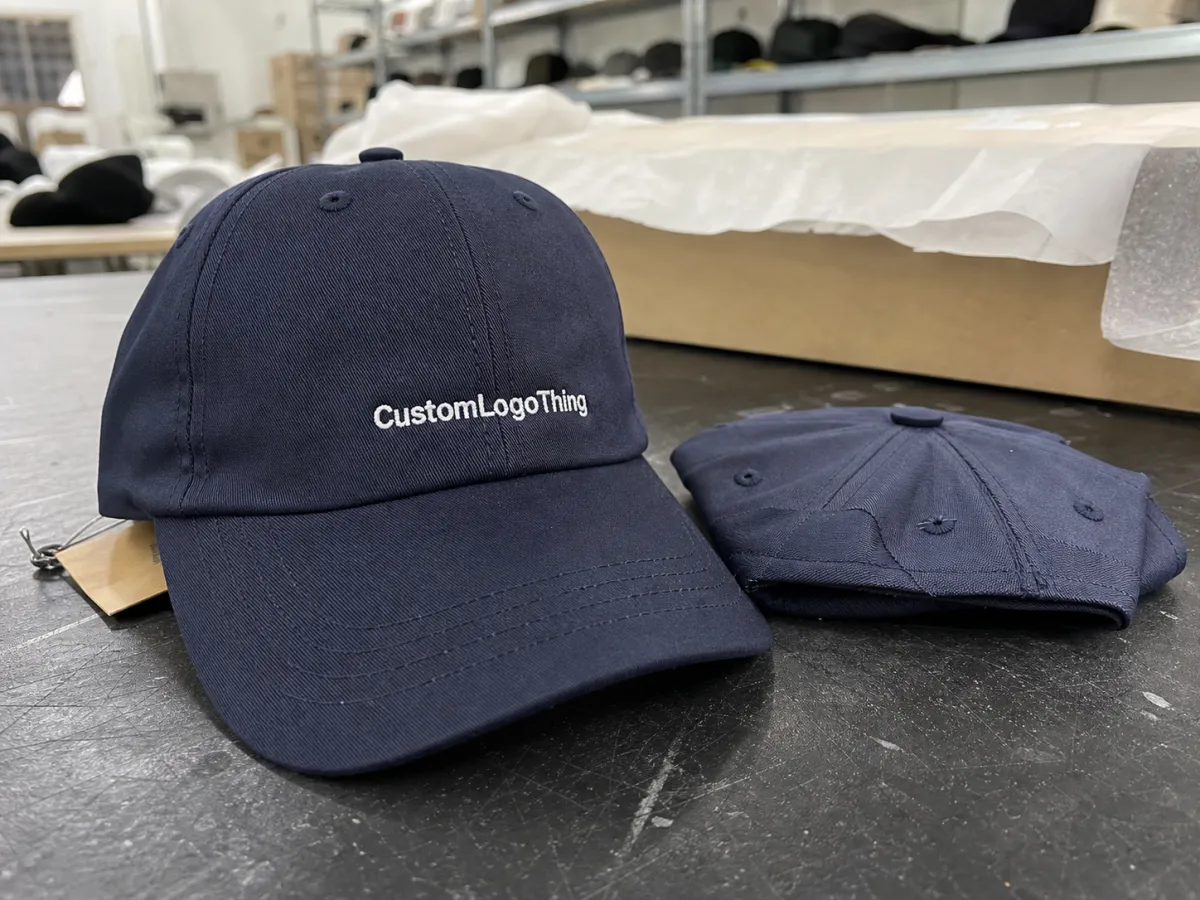
Most delays happen before production starts. The usual flow is blank sourcing, style confirmation, decoration planning, proofing, production, packing, and shipping. If one step is unclear, the order pauses until the missing detail is resolved.
Hats are more sensitive to structure than flat products. A front panel on a structured trucker cap is not the same canvas as a tee shirt. A patch that looks good in a mockup may need to be resized to fit the crown. Low-profile, rope, and mesh-back styles can all shift the safe decoration area enough to require a new proof.
For buyers, the practical move is to plan backward from the event date. If the hats are for a live launch or trade show floor, the Custom Event Hats production timeline should be treated like a fixed procurement schedule. A five-day delay can collide with freight cutoffs, venue receiving hours, or a reveal date that cannot move.
It also helps to separate stock blanks from fully sourced custom pieces. Sometimes only the decoration is custom and the cap itself is ready to go. Other times the style, color, or finish must be sourced specifically for the order. Those are very different schedules, even if they share the same final look.
How the Production Timeline Really Works
Most standard orders move through seven steps: quote and spec review, blank availability check, digital proofing, sample or mockup approval, decoration, packing, and freight booking. Some steps overlap, but production usually cannot be released until quantity, color, logo placement, and shipping details are locked.
Time is usually lost in a few predictable places:
- Artwork files arrive in the wrong format and need cleanup.
- Color questions stay open because no Pantone reference was provided.
- Shipping details change after the proof is approved.
- Quantity changes move the order into a different price tier.
- Decoration scope expands from one logo to multiple placements.
For a stock blank with standard embroidery, a realistic production window is often 10-15 business days after final approval, depending on quantity and line load. Custom patches or specialty decoration can push that to 12-18 business days. Custom-sourced blanks can add another week or two. Rush orders are possible when the blank is in stock and the artwork is already clean.
When hats are part of a larger kit, the timeline widens again. Pairing caps with branded boxes or custom inserts means the box proof, insert dimensions, and packing method all need sign-off. That is manageable if it is planned early and becomes messy if the hats are approved while packaging is still being revised.
What Drives Cost, Pricing, and MOQ for Event Hats
Price usually comes down to five things: decoration method, number of colors, stitch count or patch complexity, blank hat style, and total quantity. A one-color embroidered front panel on a stock trucker cap is straightforward. A woven patch on a five-panel cap with rope detail and a custom inside label is not. Those differences affect both unit cost and lead time, so pricing and schedule should be reviewed together.
MOQ is mostly about fixed setup cost. Digitizing, machine setup, patch construction, and finishing do not shrink just because the run is small. A 50-piece order often carries a much higher per-hat price than a 500-piece order because the setup is spread across fewer units.
Ballpark pricing helps set expectations. Simple embroidery on a stock hat often adds about $2.00-$6.00 per piece, depending on stitch count and thread count. Woven patches often add about $2.50-$5.50. Rubber patches usually sit around $3.00-$6.50 because tooling and sampling take more effort. Screen print can be cheaper, often around $1.00-$2.50, but only when the hat style gives enough flat space.
| Decoration option | Typical setup burden | Ballpark unit impact | Best for | Timeline effect |
|---|---|---|---|---|
| Embroidery | Low to moderate digitizing | $2.00-$6.00 added to a hat | Clean logos, team hats, repeat orders | Usually the quickest once approved |
| Woven patch | Moderate art prep and patch sampling | $2.50-$5.50 added to a hat | Fine detail, sharp type, premium feel | Adds patch build and proof time |
| Rubber patch | Higher tooling and sampling | $3.00-$6.50 added to a hat | Bold branding, outdoor events, tactile look | Usually adds several business days |
| Screen print | Lower setup on flat areas | $1.00-$2.50 added to a hat | Simple graphics on suitable panels | Fast when the hat shape supports it |
Hidden costs matter too. Premium blanks can add a meaningful bump, especially on rope hats, washed cotton caps, or performance fabrics. Split shipments also cost more, as do PMS matches, specialty packaging, and rush freight. If the order needs multiple ship-to locations, ask for the full landed cost, not just the factory price.
Materials, Decoration, and Proofing Choices That Change Lead Time
Material choice is a bigger schedule lever than many buyers expect. A structured six-panel cap in a common color may be easy to source. A mesh-back trucker in a specific shade with a rope accent can move from available to backordered quickly. Performance fabrics, garment-washed finishes, and specialty silhouettes often have narrower stock windows.
Fabric construction matters too. Cotton twill gives a softer, classic look but can shrink or wrinkle differently than polyester blends. Performance polyester is often better for heat and sweat, yet it can limit some decoration methods. Foam-front truckers hold large graphics well, but they are not a fit for every logo. Low-profile unstructured caps are comfortable, though they can be less forgiving for oversized stitch counts.
Decoration choice also affects schedule. Embroidery is often the fastest repeat method because the setup can be reused across a run, but it still needs digitizing, stitch approval, and thread color confirmation. Woven or rubber patches add another layer because the patch itself must be built and approved before it is applied to the hat. That means one extra proof cycle, sometimes two.
Proofing is not admin work. It is the gate that protects the order. One slow round of revisions can cost several business days, especially if multiple stakeholders weigh in. Clean orders usually arrive with a vector logo, final Pantone references, confirmed placement dimensions, and one decision-maker who can say yes or no quickly.
What speeds up artwork approval
Send the logo in vector format, specify the exact hat color, and mark the decoration area in inches instead of vague language like "centered on the front." If you want a patch, include the final word count and the smallest readable type size. If you want embroidery, keep the thread count and detail level realistic.
Why standards still matter
For orders that travel in cartons or go into event kits, it helps to think like a packaging buyer too. The ISTA test framework is useful when you want confidence that cartons can handle vibration and distribution stress. If the hats are paired with inserts or paperboard sleeves, FSC-certified materials may fit procurement goals better than an unverified sustainability claim.
Step-by-Step Production Steps From Quote to Delivery
A clean order follows a predictable path. First comes the quote, where the supplier confirms hat style, quantity, decoration method, and expected ship date. Then comes the spec sheet, which should list blank color, logo version, and freight destination. After that, the mockup is issued and reviewed. Once the proof is approved and payment is released, production can start. After inspection and packing, the cartons move to freight booking.
- Request quote: share quantity, logo files, hat style, and delivery deadline.
- Confirm spec: lock decoration, color, and packaging instructions.
- Approve proof: verify placement, spelling, and PMS references.
- Release production: pay deposit or full balance, depending on terms.
- Run inspection: check samples or first pieces for consistency.
- Pack and ship: book freight early enough to protect the event date.
If you want standard embroidery on an in-stock cap, the schedule is mostly about approval speed and freight. If you want a custom patch, plan for patch build time plus approval. If you need multiple colorways, ask whether the supplier will batch them or run them as separate lots. Each lot can add handling time and another carton count.
Assign ownership internally. Design should own logo sign-off. Procurement should own quantity and terms. Event or marketing should own the deadline. If those duties are blurred, the supplier becomes the referee, and referees do not shorten lead times.
Common Mistakes That Blow Up the Schedule
The most expensive mistake is treating artwork approval like a rough draft. People often say "approve it and we can tweak later," but later usually means a new proof, a new queue slot, and a new ship date. The second mistake is assuming every blank color is in stock. It is not, especially on popular truckers, rope hats, and washed cotton styles.
Late quantity changes create another problem. A jump from 250 units to 300 can move the order into a different pricing tier, alter carton counts, and require a new freight estimate. That is true even before the hats are decorated. If MOQ tiers are involved, the supplier may need to recalculate the whole order.
Shipping errors are just as damaging. Missing contact names, vague dock hours, and holiday freight windows create problems that have nothing to do with the hats. A normal order can turn into a scramble because the truck cannot access the delivery point or no one is available to sign. If the hats are headed to a venue, verify the receiving instructions carefully.
Another common miss is over-designing the hat. Too many colors, too many placements, and too much fine detail all slow the job down. A logo that looks busy on screen can become a production headache on a curved cap. Sometimes the best move is to simplify the artwork so the final piece still reads clearly at arm's length.
Expert Tips for Faster Turnaround Without Sacrificing Quality
The best way to compress lead time is to work backward from the event date. Start with delivery, subtract freight time, then set an internal proof deadline, then set an internal approval cutoff. That leaves you with a real production window instead of a hopeful one.
Bundle decisions early. Choose the hat style, logo version, decoration method, quantity spread, and packaging method in one pass. If the hats are going into event kits, make sure the packaging team knows the final box dimensions and insert count. One clean decision tree is faster than five partial decisions that all have to be reopened.
A good buyer also knows when not to sample endlessly. A proof is not a test lab. If the design is still changing, hold off on complex sampling until the logo, placement, and color are close to final. Otherwise, you spend time on objects that will be replaced.
One tactic that works well for events is to launch with a single hero colorway, then add a second run later if demand is stronger than expected. That keeps the first production wave manageable and helps the event team get inventory in hand sooner.
If you need speed, keep the decoration area modest. A centered front mark, a side hit, or a clean patch is usually easier to execute than a complicated wraparound design. Small choices like that can shave time without making the hat look cheap.
Next Steps to Lock Your Order and Avoid Rush Fees
Before you request a quote, gather three things: final quantity, logo files, and delivery date. Those are the anchors. Without them, the quote will be fuzzy, and fuzzy quotes make schedule mistakes more likely. If the event date is already fixed, set an internal approval calendar first so everyone knows when the proof must be signed off.
Ask for pricing that separates the blank hat cost, decoration cost, freight, and any rush premium. That makes comparison much easier, especially if you are weighing embroidery against patches. If the order includes custom printed boxes or other packaging add-ons, request those as separate line items too.
The smartest buyers use the Custom Event Hats production timeline as a backward-planning tool. They do not wait for a vague estimate and hope the date stays flexible. They lock the proof early, confirm the blank early, and leave freight room at the end.
FAQ
How long is the custom event hats production timeline for a standard order?
Standard orders usually move fastest when the artwork is ready and the hat style is in stock. A common range is 10-15 business days after final approval, although custom patches, specialty blanks, or multiple colorways can add several more days.
What slows down custom event hats turnaround the most?
Late artwork approvals and missing production details are the most common bottlenecks. Backordered blanks, complex patches, and shipping changes can also add several days, especially if the order needs a new proof or freight rebook.
How can I lower custom event hats pricing without hurting quality?
Simplify the decoration method, reduce color changes, and keep the design placement consistent across the order. Ordering a larger quantity often lowers unit cost because setup expenses are spread across more pieces.
What MOQ should I expect for custom event hats?
MOQ depends on the supplier, decoration method, and hat style, so it is best to confirm before designing around a number. Lower MOQs usually carry higher per-unit pricing because setup and handling costs are harder to absorb.
When should I approve artwork to stay on schedule?
Approve artwork as soon as the mockup matches the final logo, color, and placement details. Waiting to make small changes after approval can push the entire order and shorten the delivery window, which is why the approval step matters so much in the Custom Event Hats production timeline.


