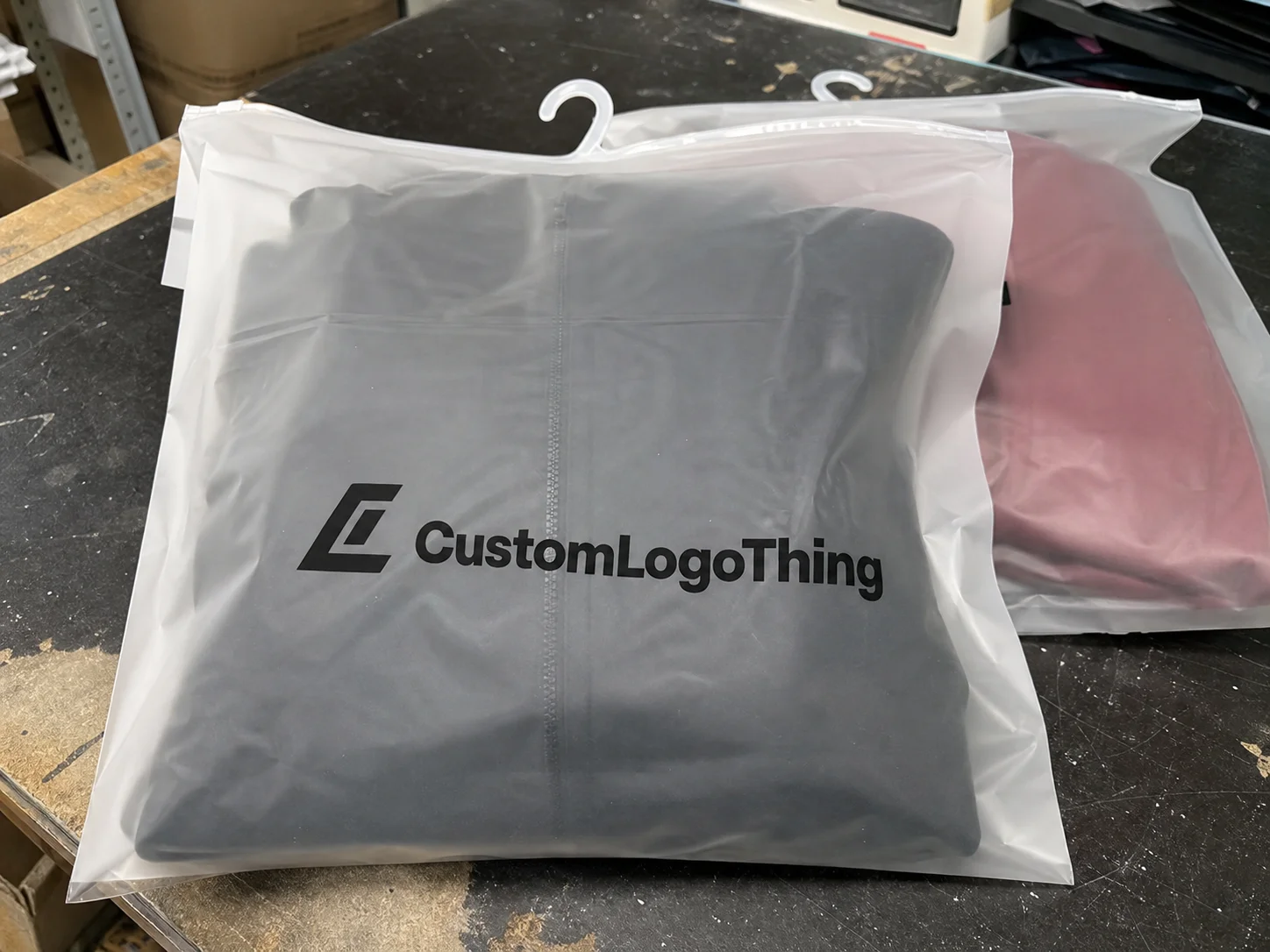
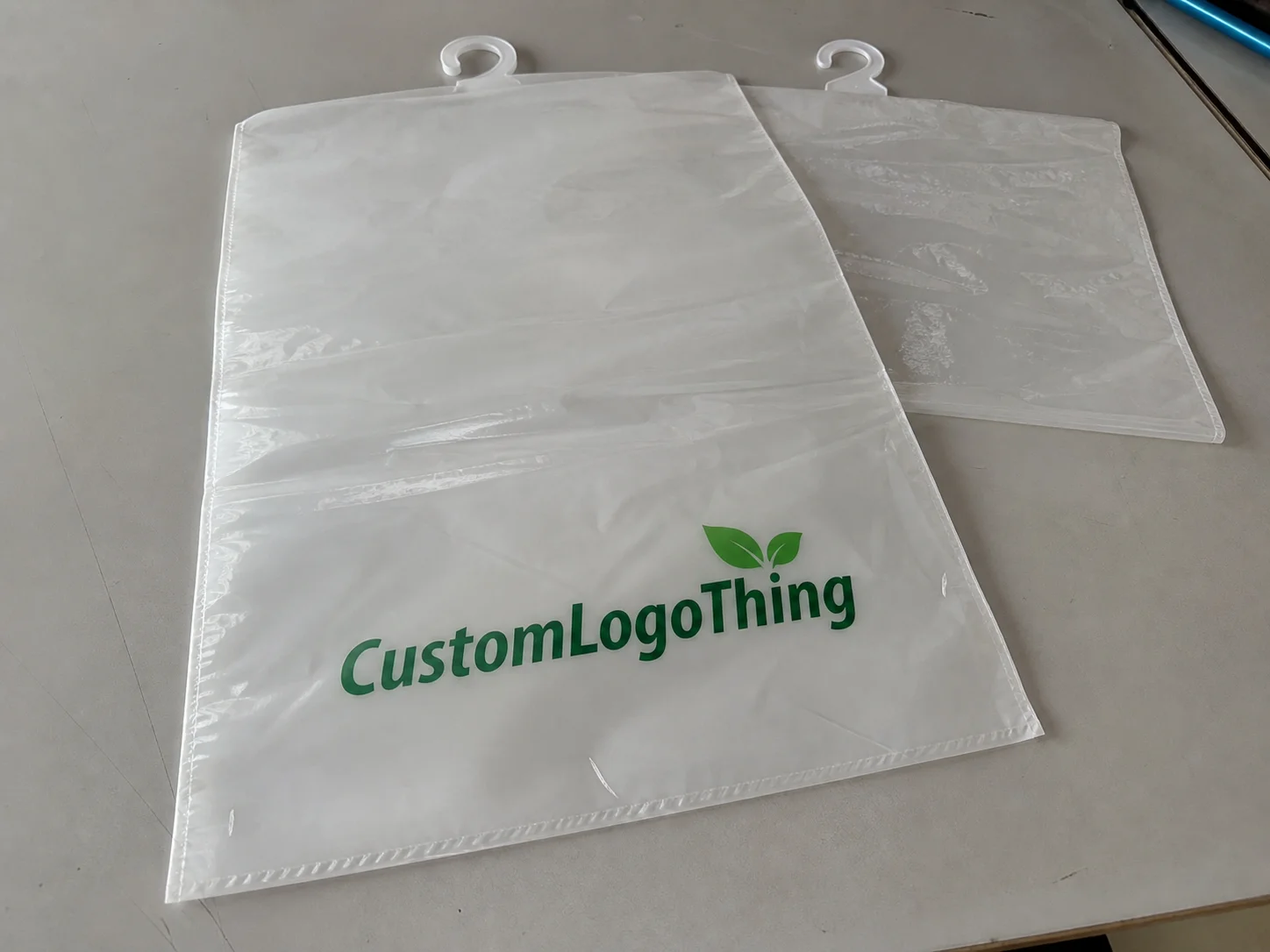
Buyer Fit Snapshot
| Best fit | branded packaging for product marketing for packaging buyers comparing material specs, print proof, MOQ, unit cost, freight, and repeat-order risk where brand print, material, artwork control, and repeat-order consistency matter. |
|---|---|
| Quote inputs | Share finished size, material target, print colors, finish, packing count, annual reorder estimate, and delivery region. |
| Proofing check | Approve dieline scale, logo placement, barcode or warning zones, color tolerance, and any recyclable or compostable wording before bulk production. |
| Main risk | Vague material claims, crowded artwork, or missing packing details can create delays even when the unit price looks attractive. |
Fast answer: Branded Packaging for Product Marketing: Dieline, Finish, Proof, and Buyer Review should be specified like a repeatable production item. The safest quote includes material, print method, finish, artwork proof, carton packing, and reorder notes in one written spec.
What to confirm before approving the packaging proof
Check the product dimensions against the actual filled item, not only the sales mockup. Ask for tolerance on folds, seals, hang holes, label areas, and retail display edges. If the package carries a logo, QR code, warning copy, or legal claim, reserve that space before decorative graphics fill the panel.
How to compare quotes without losing quality
Compare board or film grade, print process, finish, sampling route, tooling charges, carton quantity, and freight assumptions side by side. A lower quote is only useful if the supplier can repeat the same color, closure quality, and packing count on the next order.
Branded Packaging for Product Marketing: Why the Box Can Outsell the Ad
A founder I worked with burned $3,200 in Meta ads over five weeks and limped to a 1.7x ROAS. Same product. Same audience. We changed one variable: branded Packaging for Product marketing. Within 42 days, repeat purchase rate moved from 18% to 29% without increasing ad spend by a dollar. That’s why I keep saying the box isn’t “just ops.” It’s a sales asset.
In plain English, branded packaging for product marketing means packaging designed to attract attention, build trust, and trigger reorders—not merely keep items from getting crushed in transit. Good packaging protects. Great packaging sells while sitting on a shelf, showing up in unboxing clips, or lingering on a kitchen counter for two weeks.
I’ve watched this play out on factory floors in Dongguan and in conference rooms in Austin. One skincare brand stayed with plain white tuck-end cartons at $0.21/unit (10,000 pcs). Cheap? Yes. Memorable? Not really. We switched to 350gsm SBS, matte AQ, one-color inside print, and a branded insert card. Unit cost rose to $0.34. Their average order value increased by $4.80 within two reorder cycles because gift sets started moving faster. An extra 13 cents can be excellent math.
Where does packaging sit in the funnel? Everywhere, kinda.
- Top of funnel: first visual impression in retail and social shares.
- Mid funnel: conversion support through perceived quality and trust cues.
- Post-purchase: retention and referral triggers through unboxing satisfaction.
- Loyalty: repeat signal through consistent package branding.
People form quality judgments quickly. In moderated focus groups I sat in on in Los Angeles, participants ranked identical serums differently because one arrived in a rigid setup box with soft-touch and another came in a generic mailer. Same formula. Different perceived value. Early reactions often happen in under 7 seconds—that benchmark shows up repeatedly in consumer attention research, even if exact timing varies by category and context.
Most teams miss one core distinction: “Custom Printed Boxes” are not automatically strategy. A logo on kraft stock doesn’t equal branded packaging for product marketing. Real strategy covers message hierarchy, tactile choices, insert flow, QR path, and the emotional pacing of the opening sequence. If your thank-you card blocks legal copy or obscures usage instructions, that’s decoration, not marketing architecture.
Below, you’ll see what actually moves results, where costs hide, what timelines are realistic, and which mistakes quietly drain margin. I’ll also show you how to compare suppliers without getting trapped by a beautiful quote attached to ugly terms.
How Branded Packaging for Product Marketing Actually Works
Branded packaging for product marketing runs on four stacked effects: visual recognition, emotional response, usability, and shareability. Miss one layer and performance drops. Nail all four and packaging becomes a durable growth channel.
1) Visual recognition creates memory
Your logo lockup, color system (CMYK and PMS references), and typography should stay consistent across every format: shipper, product carton, insert, sticker, and refill pouch. I’ve seen brands print PMS 2955 C on cartons and a nearly-there CMYK blue on mailers. Customers spot that mismatch faster than most brand teams expect.
2) Emotional response drives perceived value
Texture matters. Sound matters. Even tuck-flap resistance matters. One electronics client moved from a loose tuck tab to a friction-lock structure with a 1.8mm greyboard insert. “Arrived damaged” returns fell 22% in one quarter because the product looked protected before anyone turned it on.
3) Usability reduces buyer anxiety
Confusing packaging creates friction. Clear opening direction, readable usage steps at 8pt minimum font (larger for older-skewing demographics), and visible support contact info reduce post-purchase panic. The cheapest conversion win I keep seeing: a well-placed “Start Here” panel plus a QR code to a 45-second setup video.
4) Shareability amplifies without extra ad spend
If unboxing has structure and payoff, people share it. Not everyone, obviously. Enough people do to create compounding social proof. Influencer seeding boxes with layered reveals and one strong insert routinely outperform plain corrugated shippers in mention rates.
Core assets behind branded packaging for product marketing are straightforward:
- Logo lockups and spacing rules
- Primary/secondary color specs (CMYK + PMS)
- Type hierarchy (headline, body, legal, CTA)
- Dielines with bleed/safe zones
- Message blocks by panel priority
- Insert strategy (welcome, upsell, referral)
- QR prompts for UGC or onboarding
Best-fit channels include DTC mailers, shelf-ready retail packaging, trade show kits, influencer mailers, and subscription shipments. Not every brand needs a rigid box with premium finish stacking. Every brand does need intentional packaging design tied to conversion goals.
Attribution reality check: branded packaging for product marketing rarely gets full credit in last-click reporting. Use proxy metrics:
- Repeat purchase rate (30/60/90-day)
- AOV lift after packaging refresh
- Direct traffic lift
- Branded search growth
- Unboxing mention rate in reviews/social
The measurement framework I use is simple: capture a six-week baseline, roll out refreshed packaging, then compare results after two reorder cycles. One cycle is noisy. Two cycles reveal trend.
Need examples from real campaigns? Review these Case Studies and compare how inserts, finishes, and structure changed outcomes.
Key Factors That Make or Break Results
First truth: fuzzy positioning kills performance long before finish choices do. I’ve watched teams debate gold foil at +$0.11/unit while the front-panel headline still said nothing useful. Message clarity comes first.
Brand clarity beats decorative complexity
Effective branded packaging for product marketing needs one promise, one product identifier, and one confidence cue on the front panel. Not eight badges and a mini essay. Keep hierarchy ruthless.
Audience-context fit is non-negotiable
Luxury skincare usually wants 350–400gsm SBS, subtle matte, controlled foil, maybe soft-touch. Rugged hardware usually needs E-flute corrugated, high crush strength, and direct utility messaging. Budget snacks generally perform better with flexo-friendly structures, high shelf visibility, and low unit cost. Applying one “pretty box” formula across categories is how brands erode margin.
Structure choice changes experience and P&L
- Mailer box: strong for DTC unboxing, easy brand canvas.
- Tuck-end carton: efficient for retail and better unit economics.
- Rigid box: high perceived value, high freight and storage cost.
- Corrugated shipper: best for protection; can still look premium with smart print.
- Pouch + label: lean for consumables, limited branding area.
For branded packaging for product marketing, structure should follow fragility, shipping zones, and the unboxing moment you actually need—not the one your competitor posted on Instagram.
Material and sustainability decisions need precision
Kraft can signal eco values, but many kraft workflows limit fine-detail print quality. SBS delivers cleaner color pop. FSC-certified paperboard can strengthen sustainability credibility if claims are accurate. If you plan certification language, read standards directly at FSC.org so legal doesn’t have to clean up copy later.
I prefer wording like “box made from FSC-certified paperboard, where available by lot” over vague eco slogans. Customers are good at spotting soft claims, and regulators are getting stricter.
Print + finish stack should follow ROI
Digital print works well for short runs and fast updates. Offset wins on color consistency at scale. Flexo makes sense for corrugated volume. Finishes should have a job:
- Matte/gloss AQ: affordable protection
- Soft-touch lamination: premium feel, watch scuffing
- Spot UV: draws attention to logo/CTA
- Emboss/deboss: tactile differentiation
- Foil: selective luxury cue, use with restraint
A Shenzhen supplier once pitched a triple-finish stack to a startup producing 3,000 units. Gorgeous result. Unit cost jumped from $0.62 to $1.19. Their margin couldn’t absorb it. We cut to matte AQ + blind emboss and saved $1,710 on that run.
Operations fit determines scalability
I time pack-out on active lines. If your box adds 12 seconds per order and you ship 1,000 orders a day, you’re burning more than 3 labor hours daily. Check pallet footprint, MOQ risk, and damage rates by zone too. Strong branded packaging for product marketing should increase sell-through and speed operations, not choke the warehouse.
Cost and Pricing: What Branded Packaging Really Costs
Let’s talk money with real numbers.
The cost of branded packaging for product marketing depends on structure, volume, print method, finish stack, and freight lane. MOQ changes the entire equation. A startup buying 1,000 units lives in a different pricing universe than a brand ordering 50,000.
| Packaging Type | Volume Tier | Typical Unit Cost | Notes |
|---|---|---|---|
| Tuck-end carton (350gsm SBS, 4/0, matte AQ) | 3,000 pcs | $0.42–$0.58 | Digital/short-run friendly |
| Tuck-end carton (offset, PMS match) | 20,000 pcs | $0.21–$0.34 | Plate/setup amortized better |
| Corrugated mailer (E-flute, inside print) | 5,000 pcs | $0.78–$1.35 | Great for DTC unboxing |
| Rigid setup box (2mm board + wrap) | 2,000 pcs | $1.90–$4.20 | Premium giftable format |
| Pouch + custom label combo | 10,000 pcs | $0.19–$0.49 | Lean for consumables |
For branded packaging for product marketing, quotes should always break out:
- Structural design and dieline fee (often $150–$600)
- Prepress setup and proofs ($40–$250)
- Plates (offset/flexo can add $200–$900)
- Material grade (SBS, C1S, CCNB, kraft, corrugated flute)
- Ink coverage and color count
- Finishes and coatings
- Freight, duties, and local delivery
Hidden costs founders miss constantly:
- Rush fee: +15% to +35%
- Split shipments to multiple 3PLs
- Warehousing at $12–$28/pallet/month
- Dimensional-weight penalties from oversized boxes
- Overbuilt inserts that increase assembly labor
Quick decision math. Say your old packaging lands at $0.46 and refreshed packaging lands at $0.63. Delta: $0.17. At 8,000 orders monthly, added cost is $1,360. If better unboxing produces 170 extra repeat orders at a $12 contribution margin, you clear breakeven (170 x $12 = $2,040). That’s how to evaluate branded packaging for product marketing: contribution margin math, not aesthetics alone.
Domestic versus overseas sourcing depends on stage.
- Domestic quick-turn: ideal for testing. Faster proof loops. Higher unit cost, lower timeline risk.
- Overseas volume: stronger economics once specs stabilize. Longer lead times, freight volatility.
For testing one or two concepts, I usually start with domestic converters. After demand is validated and artwork is locked, overseas production can reduce cost 18%–35% at scale, depending on board and finish complexity. Not always—if your SKU count is high and runs are fragmented, domestic can still win on total landed cost.
Negotiation lessons from factory visits:
- Lock board spec in writing (example: 350gsm C1S ±5%).
- Define color tolerance (request acceptable Delta E range).
- Confirm overrun/underrun terms (often ±5%) before PO.
- Set defect policy and photo-evidence protocol.
- Get carton pack quantity and palletization details up front.
I once caught a supplier swapping 350gsm for 320gsm “to help cost.” Translation: protect their margin. Incoming QC micrometer checks caught it. Put specs in the PO. Every single time.
If you’re comparing formats, review Custom Packaging Products first, then request quotes with identical specs so you’re not comparing apples to random pineapples.
Process and Timeline: From Idea to Delivered Boxes
Strong branded packaging for product marketing is a full project, not a logo drop. Typical flow:
- Brief
- Concept direction
- Dieline engineering
- 3D mockup
- Physical prototype
- Prepress checks
- Production
- QA inspection
- Freight + customs
- Receiving + line trial
Typical timeline ranges:
- Simple folding carton (domestic): 12–18 business days from proof approval
- Custom corrugated mailer (domestic): 15–25 business days
- Overseas offset run: 25–40 business days production + 18–35 days ocean freight
- Air freight option: 5–10 days transit, much higher cost per kg
Build in buffers. I usually add at least 7 calendar days for revision loops and another 5–10 days for logistics surprises. Anyone promising miracle speed on a complex package branding project is skipping checks or rolling dice with your launch.
Approval gates that prevent expensive mistakes
- Artwork sign-off: legal copy, claims, barcode placement, language versions.
- Color proof approval: physical or calibrated contract proof, never screenshots.
- Transit testing: ISTA-style drop/compression checks for ecommerce. Reference protocols at ISTA.org.
- Barcode scannability: test on actual retail scanner hardware before mass print.
Roles should be explicit:
- Brand/marketing: message hierarchy and visual system
- Operations: pack speed, storage, ship durability
- Procurement: supplier terms and cost controls
- Fulfillment team: assembly feasibility and SOP updates
- Supplier PM: timeline, proofing, and risk flags
Pilot-batch rule I use: before full rollout, run 10%–20% of expected monthly volume as a controlled batch. Track defects, assembly time, damage claims, and customer feedback for 2–3 weeks. Then scale. That step has saved clients from five-figure reprints more times than I can count.
Deadline checklist for calmer launches:
- Day 1: brief approved, KPI target set
- Day 4: dieline lock + structure choice
- Day 7: artwork v1 ready
- Day 10: prototype ordered
- Day 15: prototype test complete
- Day 18: final artwork sign-off
- Day 20: production starts
- Day 32+: receiving + first pack-out validation
Delays happen. Customs inspections happen. Paper shortages happen. Buffer planning isn’t pessimism; it’s competent operations.
Common Mistakes in Branded Packaging for Product Marketing
I’ll be direct: most packaging failures are self-inflicted.
Mistake #1: designing for social media only. Pretty renders don’t survive fulfillment if structure is weak. I’ve seen crush rates above 9% after teams chose thin board to save cost while shipping 1.2 kg glass products to Zone 7.
Mistake #2: overcrowded artwork. If every panel shouts, nothing is clear. For branded packaging for product marketing, prioritize one core promise and support it with secondary information. Keep legal and compliance copy readable. Tiny 5pt disclaimers invite trouble.
Mistake #3: premium finishes without durability testing. Soft-touch scuffs. Foil scratches. Humid environments warp unprotected stock. Run rub tests and environmental checks before committing to 20,000 units.
Mistake #4: ignoring shipping economics. Oversized boxes kill margin through dimensional weight. One client added 1.5 inches of carton height for “more drama.” Shipping cost jumped $0.84/order. At 12,000 monthly orders, that’s $10,080/month gone for aesthetics.
Mistake #5: approving only digital mockups. Screens lie. Physical proofs expose color shifts, fit failures, glue-line issues, and barcode contrast problems.
Mistake #6: ordering too much too early. Brands lock into 50,000 units, then update claims or ingredients and end up with obsolete inventory. Start tighter. Validate demand. Reorder with intent.
“We thought branded packaging was a design task. It turned out to be a profit system once we tracked repeat rate and returns.” — DTC founder, 8-figure wellness brand
The best branded packaging for product marketing balances aesthetics, operations, compliance, and margin. Ignore one leg and the table tips.
Action Plan: Launch Branded Packaging for Product Marketing in 30 Days
If you want momentum, use this practical 30-day rollout for branded packaging for product marketing.
Week 1: Define goals and audit reality
- Set KPI targets: repeat rate, AOV, damage rate, UGC mentions.
- Audit current packaging: specs, defects, assembly time, shipping cost.
- Set a landed unit-cost ceiling (example: $0.68 max).
Week 2: Source and compare suppliers
- Shortlist at least 3 suppliers.
- Request quotes with identical specs and Incoterms.
- Ask for physical samples with similar print/finish stacks.
Week 3: Prototype and scorecard
Use a simple scorecard (1–5):
- Cost competitiveness
- Lead time reliability
- Print quality consistency
- Communication speed (reply SLA)
- MOQ flexibility
- Defect resolution policy
Run assembly tests with your fulfillment team. Time each unit. Anything above threshold needs redesign.
Week 4: Pilot and decision
- Launch a pilot batch at conservative volume.
- A/B test two insert messages or one finish variant.
- Track repeat purchase and unboxing mention rate for 2–4 weeks.
- Set reorder trigger (example: reorder at 35% stock remaining).
- Set a safety-stock rule (typically 3–5 weeks based on lead-time volatility).
Exact actions you can take today:
- Gather product dimensions and weight to the millimeter and gram.
- List non-negotiable compliance text and barcode requirements.
- Prepare logo files (AI/PDF), color codes, and font licenses.
- Write a one-page packaging brief with cost ceiling and timeline.
- Email three suppliers with the same RFQ for clean comparisons.
Final takeaway: run branded packaging for product marketing like a measured channel. Set a baseline, pilot one meaningful change, and decide with contribution-margin math after two reorder cycles. If you do only that in the next month, you’re gonna make better packaging decisions than most teams make all year.
What is branded packaging for product marketing and why does it matter?
Branded packaging for product marketing is packaging engineered to influence buying behavior, not only to protect products. It combines visual identity, structural design, messaging, and unboxing flow to improve conversion, perceived value, and repeat purchase rates. It matters because customers form quality judgments quickly, and packaging is often the first physical brand interaction in ecommerce. Done well, it lifts retention, supports word-of-mouth, and improves ROI across the customer journey.
Frequently Asked Questions
How much should I budget for branded packaging for product marketing?
Use tiered budgeting by volume and structure. Small runs may land around $0.50–$1.20 per unit, while larger runs can drop significantly. For branded packaging for product marketing, calculate landed cost (print + freight + duties + assembly labor), then protect margin with a hard unit-cost cap. Upgrade finishes only where testing shows stronger conversion or repeat behavior.
What is the typical timeline for branded packaging for product marketing projects?
Simpler projects can move in roughly 2–4 weeks after proof approval. Custom structures and specialty finishes often need 4–8+ weeks, especially with overseas production. Build in time for physical proofs, transit testing, and final approvals. Add a freight/customs buffer for imports.
Does branded packaging for product marketing really increase sales?
It can, if audience expectations and measurement are handled correctly. Strong branded packaging for product marketing often improves perceived value, trust, and repeat purchase intent. Track repeat rate, AOV, direct traffic, and customer feedback, then validate with controlled tests before full rollout.
What packaging type is best for ecommerce branded product marketing?
Start with durability. Corrugated mailers or strong folding cartons are usually the right first move, depending on fragility. Add inserts and interior print with intention so unboxing feels deliberate without inflating dimensional weight. Validate choices with drop tests and real fulfillment-line timing.
How do I choose a supplier for branded packaging for product marketing?
Compare at least three suppliers on print quality, communication speed, MOQ flexibility, and defect-resolution terms. Request physical samples using similar board and finish specs. Confirm tolerances, color expectations, overrun limits, and QC terms in writing to prevent expensive surprises.