Buyer Fit Snapshot
| Best fit | Custom Packaging for Product Photography Wholesale projects where brand print, material claims, artwork control, MOQ, and repeat-order consistency need to be specified before quoting. |
|---|---|
| Quote inputs | Share finished size, material target, print colors, finish, packing count, annual reorder estimate, ship-to region, and any compliance wording. |
| Proofing check | Approve dieline scale, logo placement, barcode or warning zones, color tolerance, closure strength, and carton packing before bulk production. |
| Main risk | Vague material claims, crowded artwork, missing packing details, or unclear freight terms can make a low unit price expensive after revisions. |
Fast answer: Custom Packaging for Product Photography Wholesale: Material, Print, Proofing, and Reorder Risk should be specified like a repeatable production item. The safest quote records material, print method, finish, artwork proof, packing count, and reorder notes in one written spec.
Production checks before approval
Compare the actual filled-product size with the drawing, then confirm tolerance on folds, seals, hang holes, label areas, and retail display edges. Reserve space for logos, QR codes, warning copy, and material claims before decorative graphics fill the panel.
Quote comparison points
Review material grade, print process, finish, sampling route, tooling charges, carton quantity, and freight assumptions side by side. A quote is only useful when the supplier can repeat the same color, closure quality, and packing count on the next order.
When a buyer sees Custom Packaging for Product photography wholesale, they usually think about presentation. Fair enough. But that is only half the story. The real payoff is operational: fewer retakes, less color correction, better shelf appeal, and packaging that does not fight the camera under a 5000K LED light panel. I have stood on studio floors in Dongguan and Brooklyn where a $0.22 carton saved an hour of retouching, and I have also watched a glossy carton create eight extra reflections that nobody budgeted for. Which, honestly, is a special kind of annoying.
That gap is why custom Packaging for Product photography wholesale is not just a design exercise. It is a buying decision with line-item consequences. If your packaging holds its shape, keeps the product centered, and uses a finish that plays nicely with light, the photographer works faster. If it warps, flashes glare, or misses your color standard by even 1.5 Delta E, your listing team pays for it later. On a 5,000-unit run, that mistake can cost more than the packaging upgrade itself.
For Custom Logo Things, the question is simple: how do you get packaging that performs in shoots, looks credible in listings, and scales at wholesale volume without turning into a cost trap? I have negotiated with converters in Shenzhen, checked proofs with skincare brands in Chicago, and watched buyers overpay for finishes that looked great in a sample room but behaved badly in a light tent. The better path is more disciplined. Less “pretty at all costs,” more “please do not make the studio team groan.”
Here is the practical route. Start with the photography use case, then build the box around the product, then price the run at wholesale. That order matters. It usually separates strong product packaging from decorative packaging that photographs poorly and ships awkwardly. If you need a starting point for formats, our Custom Packaging Products page shows the range of structures we can build, while our Wholesale Programs outline volume-based options for larger runs from 1,000 to 50,000 pieces.
Why custom packaging matters in product photography
Here is the surprising part: packaging often changes perceived product value before the product is even visible. I have watched a plain candle in a poorly structured sleeve look like a $12 item, then the same candle in a rigid box with a matte finish looked like a $28 gift set under identical lighting. That is not marketing fluff. It is visual psychology backed by production reality. Custom Packaging for Product photography wholesale influences how the eye reads quality, structure, and brand consistency within the first second, especially on Amazon-style grid layouts and Shopify hero images.
For photography teams, the value is immediate. Clean edges reduce cropping headaches. Accurate sizing reduces the need for digital fixes. Consistent print alignment means the brand mark lands in the same position across 12 SKUs, which matters when a retailer wants a uniform grid on a product page. With custom Packaging for Product photography wholesale, you are not just buying boxes; you are buying fewer problems in the studio and fewer revisions in post. And fewer revisions usually means fewer people looking at each other in silence while the art director taps a pen on the table.
I remember a client meeting in Shenzhen with a skincare startup that had 18 SKUs and one very obvious issue: the cartons were all slightly different heights because the supplier had loose tolerances. On paper, the difference was only 1.5 mm. On camera, it created uneven top lines, awkward shadows, and a grid that looked amateur. They switched to tighter specifications, and the retouching team cut correction time by roughly 30% across the first 600 listing images. That is the kind of savings people miss when they focus only on unit price.
Generic packaging works against that goal. Gloss-heavy stock reflects softboxes. Off-white substrates can read pink or gray on screen. Weak board stock bows under the product’s weight, which changes how the package sits on the table and how shadows fall across the face. With custom Packaging for Product photography wholesale, you control those variables. You can choose matte coatings, stable board calipers, and inserts that hold the item where the art director wants it. In plain English: you stop fighting your own packaging.
The business case is not abstract. Better packaging can reduce retouching time, improve consistency across SKUs, and make product listings look more premium without increasing the number of props or shooting hours. In retail packaging terms, that means your box is doing part of the merchandising job. In package branding terms, it means the camera sees a clear, repeatable identity instead of a one-off prototype. A 3,000-piece cosmetic carton printed in Qingdao with a 350gsm C1S artboard can do more for a launch than a pile of generic sleeves and a $2,000 prop budget.
Buyers who come to this with a pure inspiration mindset usually underestimate how much time the studio spends moving, straightening, cleaning, and relighting. Buyers who come with a commercial mindset ask a better question: what will custom Packaging for Product photography wholesale do for shoot speed, listing quality, and wholesale economics? That second question gets better results every time.
Custom packaging for product photography wholesale: product options
The best format depends on the category, the camera angle, and the amount of handling the package will see before it reaches the studio. I usually narrow it to six structures: folding cartons, rigid boxes, mailer boxes, sleeve boxes, inserts, and display-style packaging. Each one has a different relationship with light, structure, and assembly time, which is why custom packaging for product photography wholesale should never be ordered on looks alone. I have seen too many buyers fall in love with a pretty mockup and then act shocked when the real thing behaves like a stubborn cardboard raccoon.
Folding cartons are the workhorse for cosmetics, supplements, candles, and small consumer goods. They are cost-efficient, stack well, and take print beautifully on SBS paperboard or 350gsm C1S artboard. If the design calls for a matte finish with spot UV on the logo, folding cartons can photograph extremely well. The downside is structure: if the board is too thin or the tuck flaps are loose, the box can shift under a product or sag during overhead shots. On runs of 5,000 pieces, I have seen the difference between 300gsm and 350gsm show up clearly in how the top panel sits under a 1.5 kg product load.
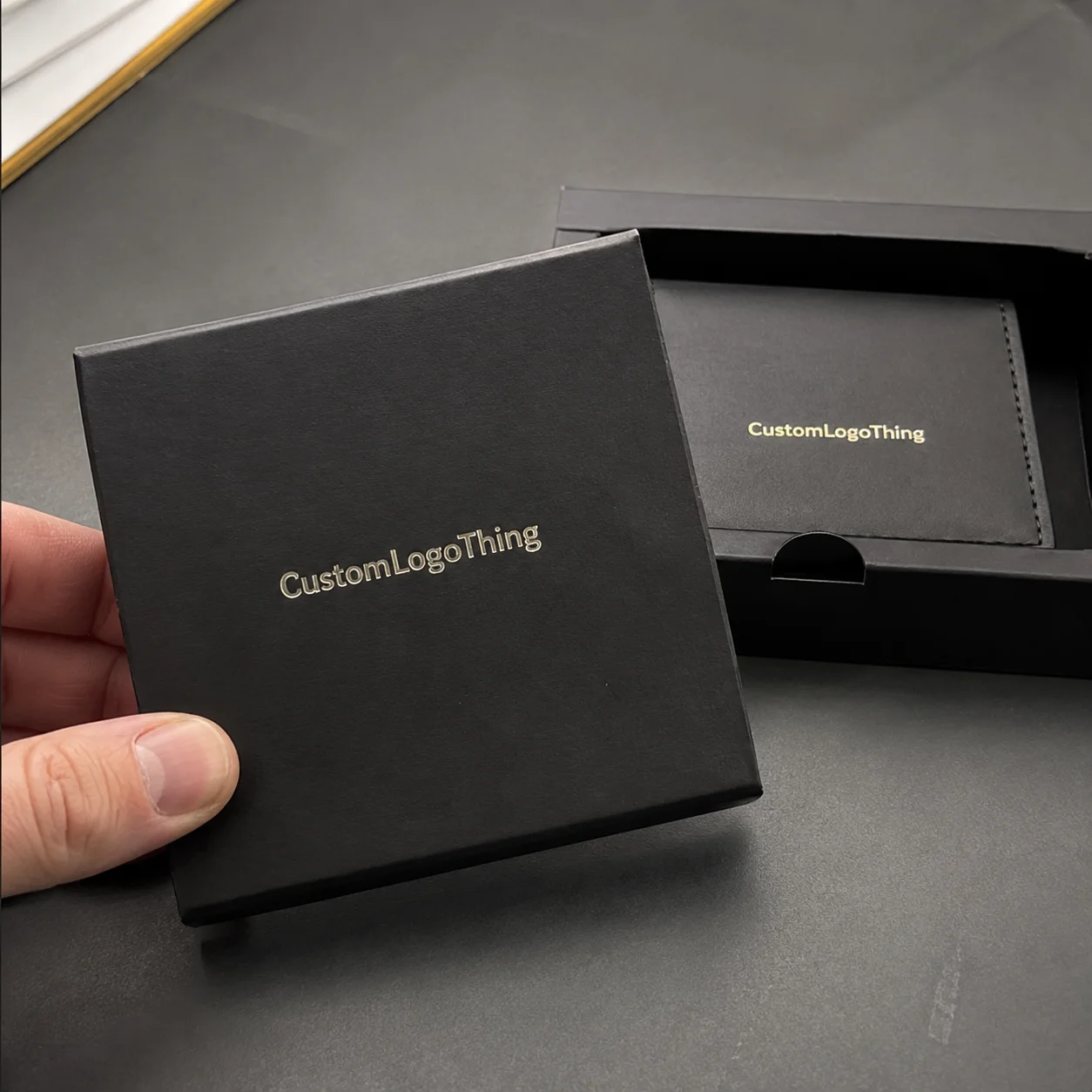
Rigid boxes are the premium choice for gift sets, electronics, premium fragrance, and presentation kits. They give excellent wall stability, which helps maintain sharp edges in close-up shots. I have seen rigid boxes rescue a launch because the brand wanted a high-end look without over-styling the scene. The price is higher, but for custom packaging for product photography wholesale, the image payoff can justify it if the item needs to signal luxury or collectibility. A standard two-piece rigid box in Shenzhen often starts around $1.25 to $2.40 per unit at 1,000 pieces, depending on wrapped paper, magnet closure, and insert style.
Mailer boxes are useful when the packaging itself appears in unboxing content. Subscription boxes, apparel accessories, and DTC kits often use them because they combine shipping utility with a branded exterior. A kraft mailer with one-color print can look honest and modern, while a fully printed mailer with internal graphics can create a strong reveal sequence. The tradeoff is weight and board thickness; if the flute is too coarse, the box can look utilitarian on camera. For photo shoots, E-flute around 1.5 mm is usually cleaner than thicker corrugated options because the edges read tighter under soft light.
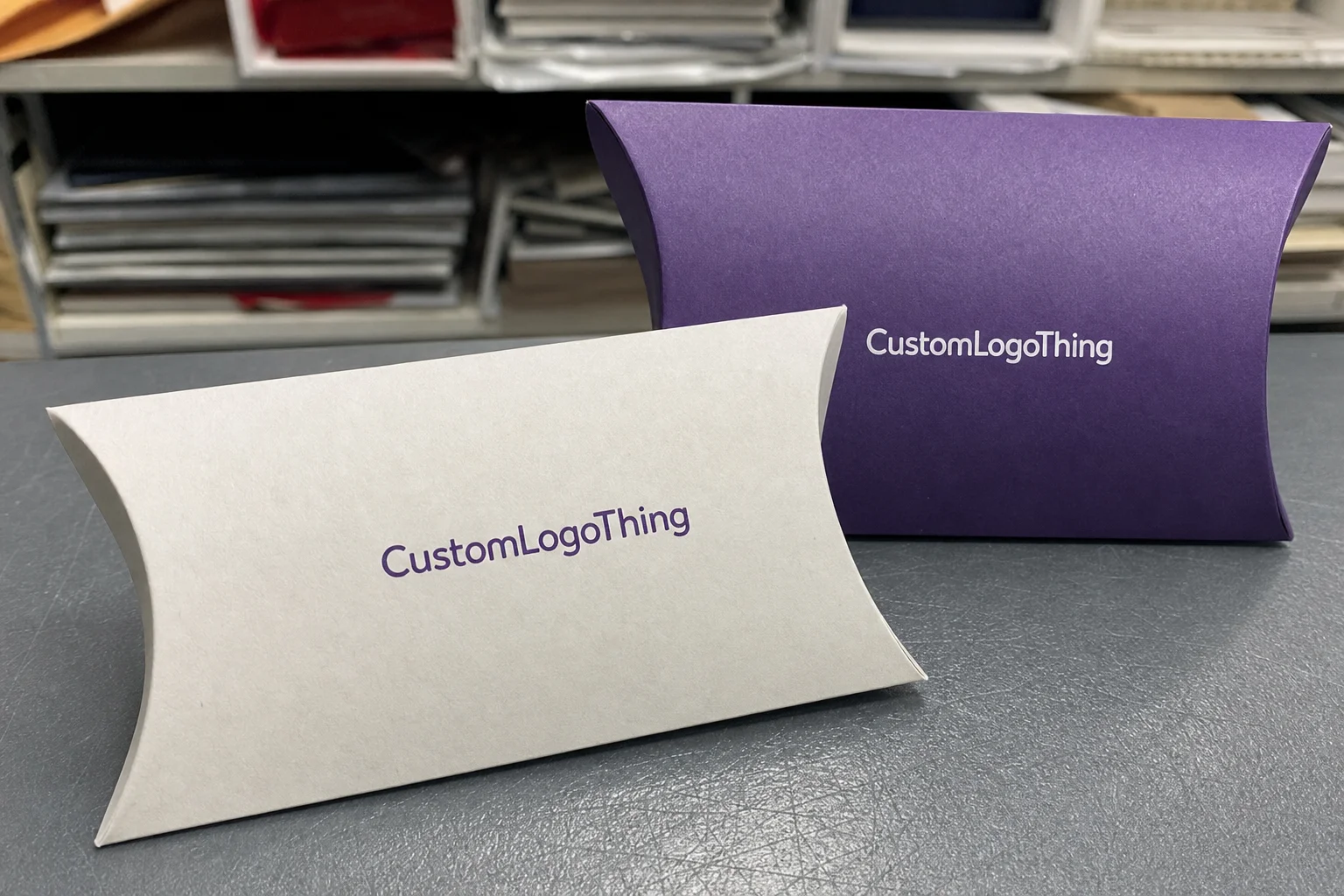
Sleeve boxes work well when the goal is to add a visual layer without fully reengineering the structure. They are common for soap, candles, and bundled sets. A sleeve can hide a basic inner tray while adding color, brand marks, or product claims. For photography, sleeve boxes are efficient because they let you separate branding from the protective inner structure. That flexibility is one reason they show up often in custom packaging for product photography wholesale. On a 3,000-piece order in Guangzhou, a printed sleeve over a plain tray can keep costs down while still giving the shot more visual depth.
Inserts are not optional in a lot of photo jobs. They are the difference between a product that sits centered and one that tilts three degrees to the left every time you rotate it. Foam, paperboard, molded pulp, and die-cut chipboard inserts all serve a purpose. If the item has a charger, vial, jar, or accessory, the insert matters as much as the outer box. In photography, stable placement reduces shadow inconsistencies and helps keep the composition identical across angles. A simple die-cut paperboard insert can run as low as $0.06 per unit at 10,000 pieces, while molded pulp usually costs more but gives better protection for fragile items.
Display-style packaging is often underestimated. Counter displays, window boxes, and retail-ready cartons can perform well in product listings because they show the product in a more open frame. But they are only worth it if the visual structure supports the brand story. I have seen window cutouts create a strong product reveal for snack packaging and beauty tools, but I have also seen them backfire when the cutout exposed a low-grade inner bag. With custom packaging for product photography wholesale, transparency has to be managed carefully, or it turns into a very expensive reveal of something you wished stayed hidden.
Below is the quick comparison I use with buyers who need to balance visual impact against cost.
| Format | Best for | Photo advantage | Typical wholesale cost note |
|---|---|---|---|
| Folding carton | Cosmetics, candles, supplements | Lightweight, clean print, easy stacking | Often $0.15 to $0.42 per unit at 5,000 pieces, depending on board and finish |
| Rigid box | Gift sets, premium electronics | Strong edges, upscale appearance | Usually $1.25 to $3.80 per unit at 1,000 pieces |
| Mailer box | Subscription kits, apparel accessories | Good for unboxing visuals | About $0.55 to $1.20 per unit at 3,000 pieces |
| Sleeve box | Bundled sets, soaps, candles | Brand layer with flexible interior | Often efficient at $0.12 to $0.28 per sleeve in medium runs |
| Insert-heavy pack | Fragile or multi-part products | Keeps items centered and consistent | Cost rises with complexity, usually $0.08 to $0.65 per insert |
| Display packaging | Retail-ready photography, counter units | Strong shelf story and visibility | Depends heavily on finishing and structure, often $0.40 to $1.50 per unit |
Photo-specific finishes matter too. Matte lamination cuts glare. Soft-touch creates a velvety visual impression, though it can show fingerprints if handled too much in studio. Spot UV draws attention to logos or patterns, but use it sparingly because too much shine can create distraction. Foil stamping, embossing, and window cutouts can all work in custom packaging for product photography wholesale if they support the story instead of competing with the product. Otherwise, they just become shiny noise. A clean matte carton printed in Dongguan with 1-color black ink often photographs better than a heavily finished box that screams for attention.
One factory-floor lesson I keep repeating: packaging that is easy to assemble in production is often easier to style in the studio. That is especially true for custom packaging for product photography wholesale, where assembly speed and visual consistency are linked. If a mailer box takes two extra folds to stand up square, that extra labor tends to show up later in the photography budget. And if it takes someone three tries to get the insert in correctly, your “efficient” box just became everyone’s problem. On a 10,000-piece run, those extra seconds add up fast.
Specifications that improve image quality and consistency
Material choice is where a lot of buyers make expensive assumptions. SBS paperboard gives a smooth, bright print surface and works well for cosmetics and retail packaging that needs crisp color reproduction. Kraft board signals natural, earthy branding, but the fibers can read differently under camera lighting. Corrugated board adds strength for shipping and larger items, though the flute pattern can affect edge clarity if the box is too small. Rigid chipboard brings the most premium feel, especially in custom packaging for product photography wholesale, but it also raises unit cost and requires tighter production discipline. For premium cartons, 350gsm C1S artboard is a strong baseline because it prints cleanly and holds its shape better than 300gsm stock.
Color control is not a nice-to-have. It is one of the main reasons photo-ready packaging succeeds or fails. CMYK is fine for many jobs, but PMS matching is often necessary if your brand has one specific red, teal, or black that must stay consistent across SKUs. I have been in supplier negotiations in Shenzhen where a buyer approved a color that looked right under fluorescent office light, then rejected it when the sample arrived under daylight LED panels. The packaging had not changed. The light had. That is why proofing matters. If the brand blue needs to stay within a Delta E of 2.0, put that in writing before production starts.
For brands using custom packaging for product photography wholesale, I usually recommend physical proofs when the color or finish carries a lot of commercial weight. Digital proofs are useful for layout, but they do not show sheen, texture, or how a matte coating diffuses light. If the product will be photographed on white, the packaging needs to hold its contrast without clipping into the background. If it will be photographed on dark surfaces, the edges must remain readable. Tiny changes in surface finish can change all of that. A soft-touch carton from Wenzhou can look elegant on camera, while the same art on a high-gloss substrate can look expensive in the wrong way.
Size tolerances also matter more than people expect. A variation of 1-2 mm can affect shadows, reveal gaps in inserts, and create awkward crop issues in top-down or three-quarter shots. Tight dimensional control is especially important for custom packaging for product photography wholesale because repeatability is part of the value. If one box is slightly taller than the next, the photographer has to re-square the composition or spend more time in post aligning a catalog set. On a 24-image product grid, that tiny mismatch becomes a full afternoon.
Here is what I ask for before approving a run:
- Dielines with exact fold lines, glue zones, and bleed margins of 3 mm.
- Prototype samples showing the actual substrate and finish, not just a render.
- Material thickness in gsm, pt, or board caliper, such as 350gsm C1S or 28pt chipboard.
- Coating samples for matte, gloss, soft-touch, or spot finishes.
- Production proofs with final artwork placement and a checked barcode if the box will be sold at retail.
Those five items prevent most of the avoidable mistakes. They also support better product photography, because the same structural details that improve manufacturing consistency usually improve visual consistency. Stronger edges, cleaner folds, and more accurate print registration all show up on camera. That is the point of custom packaging for product photography wholesale: it should look intentional under lights, not just on a spec sheet.
Two standards I trust when evaluating packaged goods are ISTA for transit testing and EPA packaging sustainability guidance when a buyer wants to reduce waste without compromising performance. If a package looks good but fails compression or drop tests, that beauty is short-lived. I have seen too many brands discover the problem after they print 10,000 units. Nothing ruins a nice sales forecast like a forklift and bad assumptions.
Pricing and MOQ for wholesale buyers
Wholesale pricing always comes down to a few core drivers: material type, print complexity, finishing, box structure, insert design, and order volume. If you ask five suppliers for a quote on custom packaging for product photography wholesale, you may get five very different numbers because one supplier priced the box in bulk board, another included a printed insert, and a third assumed a simpler coating. Comparing only the headline unit price is how buyers get misled. A box quoted at $0.18 in Ho Chi Minh City may become $0.31 once you add matte lamination, die-cut windows, and a custom insert.
MOQ works the same way. Simpler folding cartons may allow lower minimums than rigid boxes or highly finished packaging, especially if tooling is straightforward. But lower MOQ usually carries a higher per-unit cost. That is not a flaw; it is arithmetic. For a launch run of 3,000 units, a buyer may accept a higher unit price to avoid overcommitting inventory. For 20,000 units, the economics shift quickly. With custom packaging for product photography wholesale, the right MOQ depends on how certain you are about the product-market fit and how often the packaging will be reused in future shoots.
I once worked with a brand that wanted a lavish foil-and-emboss package for a pilot order of 2,000 units. The problem was not the design. The problem was cash flow. Once we priced sampling, plates, freight, and warehouse handling, the package became too expensive for the first run. They moved to a cleaner matte carton with one PMS color and a simple insert. Their product photos looked stronger than expected, and the retail launch cost dropped by almost 18%. That is a good example of disciplined custom packaging for product photography wholesale. Pretty does not pay the invoice.
When you compare quotes, use a framework instead of a hunch. Ask for each line item separately. The best buyers request:
- Unit price at 1,000, 3,000, 5,000, and 10,000 pieces.
- Tooling or plate fees, if any, such as $60 to $180 for print plates or $120 to $450 for custom dies.
- Sampling costs and how many revisions are included.
- Freight terms, including whether delivery is EXW, FOB, or DDP.
- Storage or fulfillment costs if you are not taking the full run immediately.
- Revision costs for artwork changes after proof approval.
That list usually reveals the real supplier difference. A quote that looks cheaper by $0.04 per unit can become more expensive once you add sampling or freight. I have seen that happen with custom packaging for product photography wholesale more than once. The buyer thought they had saved money; they had simply moved it into another line item. That kind of “savings” is basically theater.
The best wholesale strategy is often tiered pricing. Ask what changes at 2,500, 5,000, and 10,000 pieces. Sometimes the jump from 3,000 to 5,000 lowers the unit cost enough to justify the extra inventory. Sometimes it does not. You need the numbers in front of you. That is also why our team encourages buyers to compare custom printed boxes by exact specification, not by vendor marketing language. A $0.15-per-unit carton at 5,000 pieces is not the same as a $0.15 carton with no coating, no insert, and a 6-week lead time.
For brands that are still testing the market, a lower MOQ may be the smarter launch move. For established sellers, wholesale savings may matter more than flexibility. There is no universal answer. The right custom packaging for product photography wholesale decision depends on shelf life, forecast confidence, and how often the packaging design will be refreshed. A seasonal product in Los Angeles may need 2,000 units now and another 2,000 in 90 days, while a stable SKU in Dallas may justify 10,000 pieces at once.
Process and timeline from concept to delivery
A clean project usually follows the same path: brief, dieline selection, structural review, artwork prep, sample production, approval, and mass production. That sounds simple. It rarely is. The delays usually happen in two places: artwork revisions and proof approval. In my experience, those two steps absorb more calendar time than cutting or printing. With custom packaging for product photography wholesale, the fastest projects are the ones where the buyer arrives with dimensions, brand files, and finish preferences already organized.
Typical timing depends on the structure, but a practical schedule looks like this: 2-4 business days for brief review and dieline setup, 5-10 business days for sample development, 2-5 business days for approval changes, and 12-15 business days from proof approval for production on a straightforward run. If the box uses special foil, embossing, or custom inserts, add 3-7 business days. If the artwork is not finalized, add even more. Rush work is possible in some cases, but it tends to cost extra and leaves less room for correction. That tradeoff is especially important in custom packaging for product photography wholesale because a bad sample can delay both the shoot and the launch.
When I visited a packaging line in Shenzhen last year, a buyer had sent the final artwork two days before the planned press window. They wanted a rigid set box, a sleeve, and a custom insert. The die was ready. The printer was ready. The art team was not. That one delay pushed the entire schedule by nine business days. It was not the plant’s fault. It was a process fault. Efficient communication shortens lead times far more than last-minute design changes. Factory floors are not psychic. I wish they were, but no.
What speeds things up? Specific product measurements, exact photography goals, a defined budget range, and clear finish preferences. If the box needs to sit in a styled flat lay, say so. If the product will be shot against white seamless paper, say that too. If the listing will use zoomed-in detail shots, the print registration and edge quality become more important. These details help the manufacturer shape custom packaging for product photography wholesale around the actual use case instead of a guess. A brief that includes “matte black, 350gsm C1S artboard, 250 ml bottle, white background, 5,000 units” gets a much better quote than “make it look premium.”
Buyers with shoot deadlines should build in a buffer of at least one full review cycle. If the catalog date is fixed, I would never assume a sample will approve on the first pass. That may happen. It often does not. The smart move is to plan backward from the photo session and set the packaging deadline a week earlier than you think you need. That way, the team has room to adjust the box without forcing the photographer to work around an imperfect pack. In practice, that usually means signing off by day 18 for a shoot on day 30.
For high-volume programs, production control matters just as much as design. Ask for in-line QC, carton count verification, and color checks against an approved physical sample. Reliable production is one of the quiet advantages of strong custom packaging for product photography wholesale; it ensures that the box on day one and the box on day 10,000 still match closely enough for a consistent image library. A warehouse in Ningbo, a studio in Austin, and a customer in Miami all deserve the same box, not three cousins of the same idea.
Why choose us for custom packaging for product photography wholesale
Custom Logo Things is built for buyers who need packaging that works in the studio and in the warehouse. That combination is rarer than it should be. Many suppliers understand decoration, but fewer understand what photographers, merchandisers, and wholesale buyers actually need from the same structure. We look at custom packaging for product photography wholesale as an operational asset, not just a print job. A box that saves 20 minutes per shoot and ships in a 40-foot container without crushing is doing real work.
Our team helps buyers Choose the Right substrate, structure, and finish for the product category. That may mean an SBS folding carton for cosmetics, a rigid presentation box for a premium kit, or a mailer with a clean internal reveal for an unboxing sequence. We also pay attention to the things that save time later: insert fit, dimensional tolerances, glue consistency, and print repeatability. Those details sound small until they hit a light table and ruin a shoot. A 2 mm gap is not “close enough” when the camera is sitting 18 inches away.
In a recent client meeting, a fragrance brand asked for gold foil on a dark matte box. It looked elegant on screen, but the foil needed to sit slightly lower because the top edge was catching glare in overhead product shots. We adjusted the print layout by 3 mm, changed the board finish, and the final package photographed better without changing the core design. That is the kind of adjustment a packaging partner should be willing to make. I think that is where value shows up in custom packaging for product photography wholesale: not just making boxes, but making better decisions early.
We also take wholesale economics seriously. A beautiful package that blows up freight costs is not a smart package. A low-cost carton that adds two hours of retouching is not a smart package either. The right answer sits in the middle. That is why we ask about storage space, shipping method, and expected reorders before we recommend materials. A good packaging design should be easy to store, simple to assemble, and steady enough for repeat photography across future campaigns. If your team reorders in batches of 8,000 pieces every quarter, the carton should be built for that rhythm, not just the first launch.
“The sample looked good in hand, but it only became the right box after we saw it under our studio lights.” That is the kind of feedback I hear most often. It confirms what experienced buyers already know: packaging must work in real conditions, not just in a render.
If you need support across the full buying cycle, we can help with design adjustments, sample development, and production scaling. We also keep an eye on sustainability choices where they make sense, including recyclable board options and reduced-material structures. For brands balancing image and responsibility, that matters. The goal is not to make packaging louder. The goal is to make it smarter. That is especially true for custom packaging for product photography wholesale, where the best result is often the one that disappears into the brand story and lets the product do the selling.
For reference on material stewardship and sustainable packaging choices, the FSC program is a useful benchmark when sourcing responsibly managed fiber. It does not solve every packaging decision, but it gives buyers a credible standard to ask for when sustainability is part of the brief. If your carton board comes from a certified mill in Guangdong or Zhejiang, that is a concrete story you can use in procurement and on the product page.
How to order and optimize your next packaging run
The best way to buy custom packaging for product photography wholesale is to prepare the job like a production manager, not a shopper. Start with the product dimensions in millimeters, the target quantity, the photography use case, and the finish you want to test. If the package will appear in a hero image, a social feed, and an unboxing video, say that upfront. The more specific your brief, the more accurate the quote. A request with 85 x 85 x 120 mm dimensions, matte black lamination, and a centered logo will get a cleaner answer than “make it elegant.”
Before requesting a manufacturing estimate, gather these items:
- Exact product measurements and weight.
- Brand files in vector format, ideally AI or PDF.
- Color references for PMS or CMYK matching.
- Preferred finish, such as matte, gloss, soft-touch, foil, or embossing.
- Target order volume and a second volume tier for comparison.
- Photography requirements, including lighting style and background color.
I also recommend testing one or two formats in a real photo shoot before committing to a full wholesale order. A carton that looks perfect in a render may show more glare under studio lights. A rigid box may assemble beautifully but take too long on the production line. A sleeve may photograph well but fail to protect the inner product. You only see those tradeoffs when custom packaging for product photography wholesale is judged in context. The render never tells the whole story. It never does.
Evaluate the final packaging on four simple measures: image consistency, assembly speed, product fit, and retouching burden. If the box looks the same from one unit to the next, the photo team can work faster. If assembly takes less than a minute per unit, production stays efficient. If the product fits without movement, the composition stays stable. If retouching drops, the packaging has done its job. That is the standard I use for any product packaging intended for image-heavy commerce. A box that saves 15 minutes per SKU on a 20-SKU catalog is not a small improvement. It is a line item.
One final operational tip: keep your first order flexible enough to learn from. If your brand is still deciding between matte and soft-touch, or between folding cartons and rigid boxes, use the first run to validate the market response. Then scale the winner. Wholesale packaging is not only about buying large; it is about buying intelligently. The same is true for custom packaging for product photography wholesale. The best run is the one that makes the next run easier.
Start the next quote with exact specs, not mood words: product dimensions, quantity, finish, lighting setup, and the image use case. That is the fastest path to packaging that photographs cleanly, stays consistent in production, and keeps wholesale costs under control. On a 5,000-piece order, that kind of clarity can save real money before the first box even gets to the studio.
FAQs
What is the best custom packaging for product photography wholesale?
The best option depends on product shape, brand style, and shoot goals. Rigid boxes and matte folding cartons usually photograph well because they hold shape and reduce glare. If the product needs to stay centered, custom inserts are often the most important feature in custom packaging for product photography wholesale. For a 250 ml serum bottle, a 350gsm C1S carton with a die-cut insert usually performs better than a thin sleeve with no support.
How does custom packaging for product photography wholesale affect image quality?
It can reduce reflections, uneven shadows, and color mismatch. A well-built box also keeps the product stable, which improves consistency across multiple shots. That usually means less editing and faster final asset delivery, especially for catalog work and retail packaging images. If the finish is matte with a Delta E under 2.0, the camera team usually spends less time correcting brand colors in post.
What is the typical MOQ for wholesale custom packaging?
MOQ varies by structure, print method, and material. Simpler packaging often allows lower minimums than rigid or highly finished boxes. Buyers should ask for tiered pricing so they can compare launch quantities with larger production runs and see where custom packaging for product photography wholesale becomes more cost-efficient. Folding cartons may start at 1,000 pieces, while rigid boxes often make more sense at 3,000 pieces or above.
How long does production usually take for custom packaging for product photography wholesale?
Timelines depend on sampling, artwork approval, and production volume. A smooth project moves faster when dielines, final artwork, and product measurements are ready early. Rush schedules usually cost more and leave less room for revisions, so buffer time matters when a photo shoot is on the calendar. In many cases, production is typically 12-15 business days from proof approval for a standard carton run in a factory near Shenzhen or Dongguan.
Can I order samples before placing a wholesale order?
Yes, and for photo-focused packaging, samples are highly recommended. A sample shows how the box looks under real lighting and whether the product fits correctly. It also helps catch issues before mass production, which is especially useful when you are buying custom packaging for product photography wholesale for the first time. Most sample programs take 5-10 business days, depending on whether the job needs a printed prototype or a simple structural mockup.