Buyer Fit Snapshot
| Best fit | Branded Packaging for Product Marketing projects where brand print, material claims, artwork control, MOQ, and repeat-order consistency need to be specified before quoting. |
|---|---|
| Quote inputs | Share finished size, material target, print colors, finish, packing count, annual reorder estimate, ship-to region, and any compliance wording. |
| Proofing check | Approve dieline scale, logo placement, barcode or warning zones, color tolerance, closure strength, and carton packing before bulk production. |
| Main risk | Vague material claims, crowded artwork, missing packing details, or unclear freight terms can make a low unit price expensive after revisions. |
Fast answer: Branded Packaging for Product Marketing: What Actually Works should be specified like a repeatable production item. The safest quote records material, print method, finish, artwork proof, packing count, and reorder notes in one written spec.
Production checks before approval
Compare the actual filled-product size with the drawing, then confirm tolerance on folds, seals, hang holes, label areas, and retail display edges. Reserve space for logos, QR codes, warning copy, and material claims before decorative graphics fill the panel.
Quote comparison points
Review material grade, print process, finish, sampling route, tooling charges, carton quantity, and freight assumptions side by side. A quote is only useful when the supplier can repeat the same color, closure quality, and packing count on the next order.
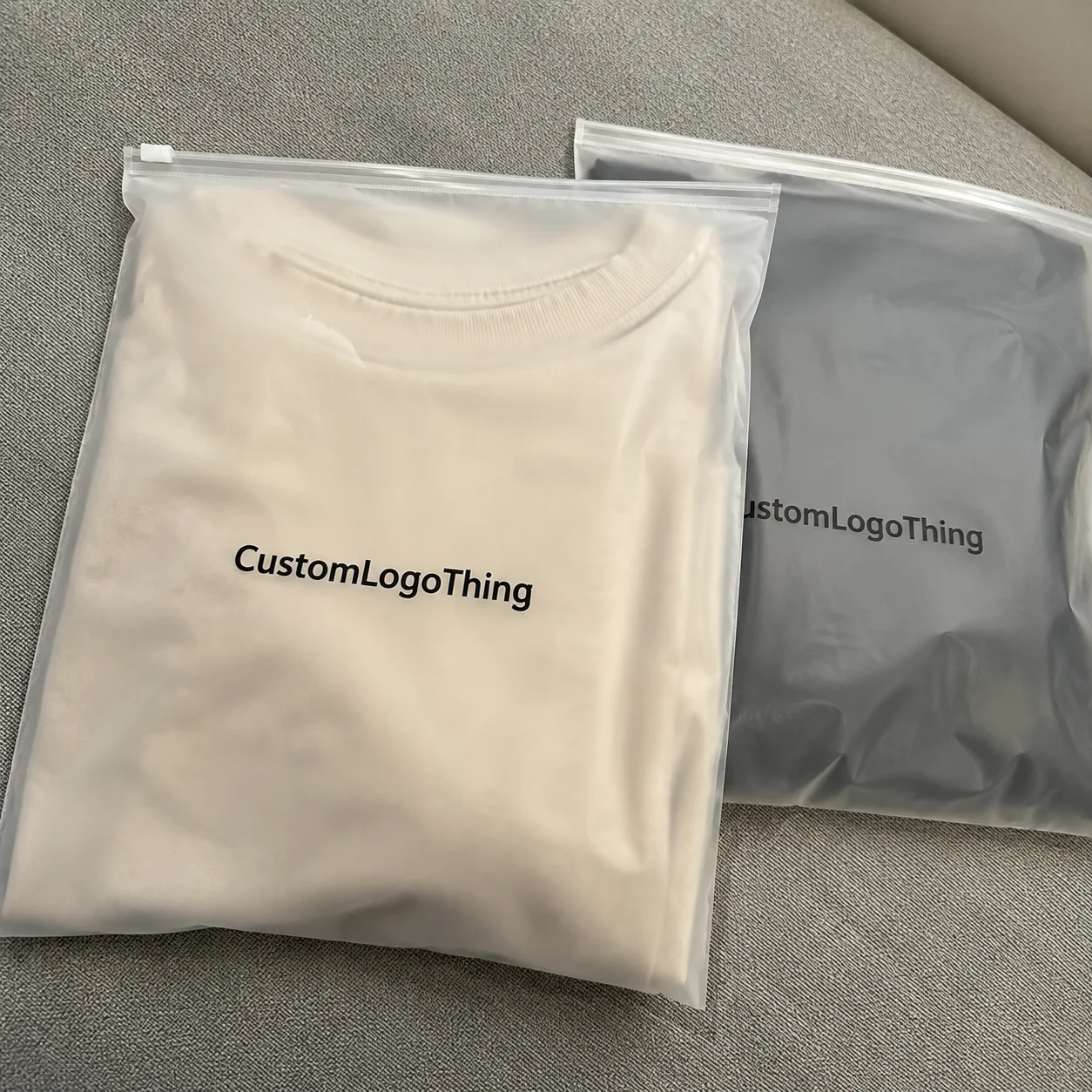
I still remember a factory visit in Dongguan, Guangdong, where a plain white mailer and a printed one sat side by side on the same table. Same product. Same inserts. Same shipping weight. The branded Packaging for Product marketing version made the client’s item look like it cost $38 instead of $18, and that happened before anyone even touched the zipper pouch inside. I was standing there thinking, well, that escalated quickly.
That’s the part people miss. Branded Packaging for Product marketing is not decoration for the sake of decoration. It’s packaging designed to communicate identity, promise, and value before the buyer reads a single spec sheet. In practical terms, that can mean a 350gsm C1S artboard folding carton, a 157gsm art paper mailer, or a 2.5mm greyboard rigid box wrapped in specialty paper. In my experience, the box, mailer, carton, or sleeve often does the first selling job for you. If it looks cheap, customers assume the product is cheap. Harsh? Yes. True? Also yes.
I’ve spent 12 years negotiating print quotes in Shenzhen, arguing over dielines in Hong Kong, and watching brands lose margin because they treated packaging as an afterthought. Honestly, I think packaging gets treated like the awkward cousin at the family reunion: everyone knows it matters, but nobody wants to give it a chair. The good news is that once you understand how branded packaging for product marketing works, you can make it pull more weight without blowing up your unit economics.
Branded Packaging for Product Marketing: Why It Matters
Branded packaging for product marketing matters because people judge fast. Usually faster than they admit. I’ve watched buyers at a trade show in Las Vegas pick up two nearly identical supplements, then choose the one in a rigid box with clean typography and a matte finish even though the ingredient list was almost the same. Packaging did the trust-building before the pitch even started.
Here’s the plain-English version: branded packaging is packaging that tells the customer who you are, what the product is worth, and why it deserves shelf space or a spot in their cart. That can show up as custom printed boxes, retail packaging, mailers, folded cartons, or a subscription kit with thoughtful inserts. A well-made carton might use 350gsm C1S board with 1-color black plus Pantone 186 C, while a premium DTC mailer might use E-flute corrugate with matte lamination. The format changes. The job stays the same.
For product marketing, the value shows up in five places: attention, differentiation, trust, unboxing, and repeat purchase behavior. If your package is the only one on the shelf with strong color blocking and a clean logo lockup, it gets noticed. If your DTC box opens with a well-placed message panel and a structured insert, it gets shared. And if the whole experience feels consistent across channels, customers remember you the next time they need to reorder. Even a small print upgrade from a plain kraft mailer to a custom two-color mailer can change perceived value by several dollars on a $24 accessory or $32 skincare item.
Branded packaging for product marketing also shows up in places most people overlook. I’ve seen it in retail shelves in Austin, DTC shipping boxes in Los Angeles, influencer PR packs in Miami, wholesale shipments in Nashville, and subscription kits that had no business looking that good at $2.40 per unit, but here we are. The psychological effect is real. A person sees packaging first, forms a price expectation, and then decides whether the product fits that expectation. Human brains are weird like that. Efficient, yes. Rational? Not always.
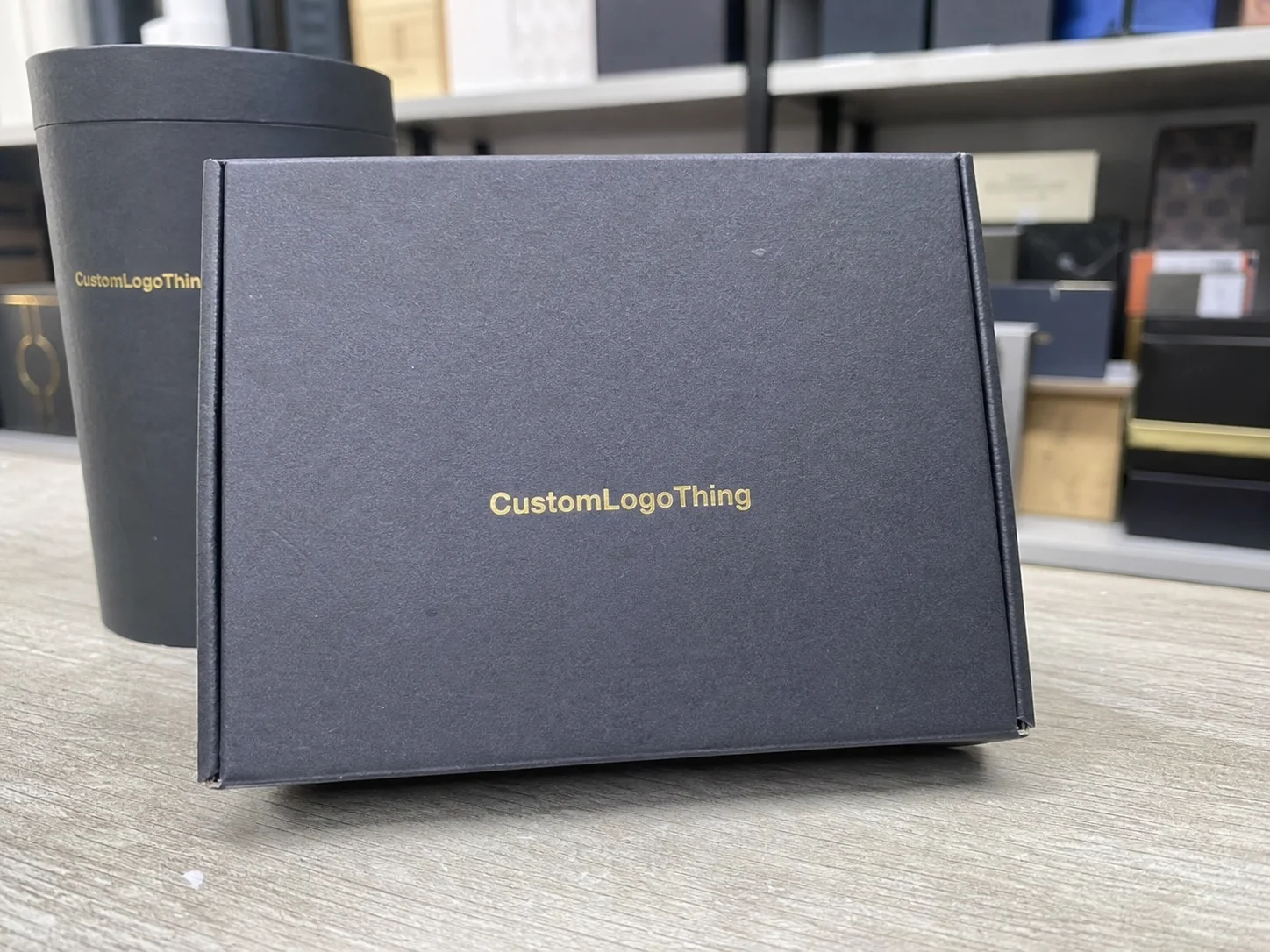
“We changed nothing except the box, and buyers started talking about the product like it had upgraded ingredients.” That was a client in Chicago talking about a $24 skincare line after switching from a plain mailer to printed rigid mailer boxes with a soft-touch finish and gold foil logo.
If you want a broader industry reference, check the packaging and retail standards work published by the Packaging School and PMMI ecosystem. Good packaging supports the sale, protects the item, and carries the brand message. That’s not magic. That’s commercial packaging doing its job.
I think a lot of brands overspend on ads and underspend on product packaging. Then they wonder why conversion is flat. If your packaging looks like an afterthought, the marketing feels incomplete. That’s why branded packaging for product marketing keeps showing up in strong brands that care about perceived value. It’s not glamorous work, but it is measurable, especially when a landing page test shows a 6% to 12% lift after a packaging refresh.
How Branded Packaging for Product Marketing Works
Branded packaging for product marketing works as a sequence, not a single moment. The customer sees it, touches it, opens it, uses the product, maybe shares it, and then remembers it. That journey matters because every stage can reinforce the brand or weaken it. A well-designed package for a $19 candle in Portland may create a completely different memory from a $120 serum in Seoul, even if the box footprint is nearly identical.
The first glance is about visual consistency. Logo placement, color palette, typography, and finish all need to feel like they belong to the same family. I’ve seen brands use a gorgeous logo on the box, then slap on a generic shipping label that kills the whole effect. That’s not branding. That’s a mood swing. If your outer carton uses a deep navy Pantone 2965 C and your inner tray uses a warm white board with 90% ink coverage, the transition should feel intentional, not accidental.
Pickup is the second test. Does the mailer feel flimsy? Does the folding carton collapse at the corner? Does the rigid box have enough structure to suggest value? In branded packaging for product marketing, physical cues matter. A 17pt SBS carton with aqueous coating signals one thing; a 2.5mm greyboard box with wrapped specialty paper signals something else entirely. Neither is automatically better. It depends on the product positioning and the target price point, whether that’s $12.99 body lotion or a $79 gift set.
Then comes the open experience. A good unboxing sequence uses the structure of the package to guide attention. I like to think of it as a small stage. The lid opens. A message appears. The product sits in a snug insert. Maybe there’s a short care card. Maybe there’s a QR code tied to a reorder page or a product tutorial hosted in San Diego. That’s branded packaging for product marketing doing actual work instead of just sitting there looking pretty.
After use, the packaging still has a job. Customers remember tactile details. They remember whether the print looked crisp or muddy. They remember if the insert rattled. They remember whether the whole thing felt cheap or considered. That memory affects repeat purchase behavior, especially in categories like beauty, wellness, candles, specialty food, and portable electronics. A box that feels good at first touch can influence a reorder decision 30 or 60 days later.
Visual consistency matters across structure too. A brand that wants to look premium should not use three different box types with three different visual systems unless there’s a clear reason. I’ve walked through facilities in Suzhou where the same brand used kraft mailers for one SKU, glossy folding cartons for another, and a random sticker slapped onto the third. The brand looked like three companies trying to share rent. Not ideal. Not even close.
Packaging also supports positioning. A playful brand can use bright colors, bold icons, and cheeky copy. A clinical brand needs restraint, legibility, and clean white space. A luxury brand usually needs fewer words, better materials, and tighter print control. Eco-friendly positioning often works best with recycled paperboard, visible fiber texture, and restrained ink coverage. For example, a recycled kraft mailer with 100% soy-based ink and an FSC claim is a very different signal from a gloss-laminated box with foil on every panel. Branded packaging for product marketing should match the promise, not fight it.
The unboxing loop is where the marketing payoff gets interesting. People photograph packaging that feels distinctive. They post it. They tag the brand. That creates word-of-mouth without paying another ad platform a penny. I’ve had clients tell me their influencer PR kits got more organic mentions than their paid social campaign, and the only variable was the package design. One beauty brand I worked with in Brooklyn shipped 1,200 PR kits and saw 146 tagged stories in nine days after moving from a plain mailer to a printed sleeve with an interior message panel. I’m not saying packaging replaces ads, because it doesn’t. I am saying it can make ads look smarter.
Supplier execution matters too. In one negotiation with a Guangzhou converter, the client wanted a foil stamp, a special die-cut window, and a magnetic closure on a small run of 2,000 units. The quote came back $5.10 per box. We simplified the structure, changed the board grade, and landed at $2.85 with a better margin story. That’s the reality of branded packaging for product marketing: print method, die-line changes, and minimum order quantities all affect whether the concept survives contact with production.
Key Factors That Shape Effective Branded Packaging for Product Marketing
Brand fit is the first filter. If your product is a clinical supplement, a neon box with comic lettering is probably not the move. If you sell candy or gift items, a sterile white carton may feel cold. Branded packaging for product marketing works best when the package matches the product category and audience expectations without becoming boring. A $15 energy bar for athletes in Denver needs a different tone than a $60 tea set sold to hotel gift shops in Tokyo.
Material choice shapes perception immediately. Corrugate says durable and shipping-friendly. Rigid box says premium. Folding carton says efficient and scalable. Paper mailer says lightweight and DTC-friendly. Inserts say protection and structure. Protective components like molded pulp, paperboard trays, or corrugated dividers send a message too: we thought this through. A 32 ECT corrugated shipper with print on the outside can protect better than a thinner decorative carton and still carry the brand in transit.
Print and finish options change perceived value faster than most founders expect. Spot UV can make a logo pop. Foil stamping can elevate a logo mark, although I’ve seen too many brands overuse gold foil until the box looked like a wedding invitation. Embossing adds dimension. Soft-touch lamination feels expensive, but it also fingerprints if the coatings are poorly selected. Matte lamination looks cleaner on many retail packaging projects, especially where glare is a problem under store lights in Phoenix or Miami. On smaller runs, a simple four-color print on 350gsm artboard may deliver a better return than a stacked finish list that pushes cost to $4.75 per unit.
Sustainability claims need discipline. Do not write “eco-friendly” on a box just because the board is recyclable in theory. If you’re using FSC-certified paper, say that accurately. If your mailer uses recycled content, specify the percentage. If your packaging is designed to reduce plastic, explain how. The FSC and EPA recycling guidance exist for a reason. Claims that can’t be backed up backfire fast, and I’ve seen legal teams in London and Toronto pull entire packaging runs because a sustainability line was too broad.
Compliance and practicality are where pretty concepts go to get humbled. Barcodes have to scan. Legal copy has to fit. Shipping boxes need the right burst strength. Product packaging has to survive warehouse stacking, vibration, and drop testing. If you sell through retail, your carton might need shelf-ready features. If you ship direct-to-consumer, it may need mailer strength and better edge crush resistance. Branded packaging for product marketing only works if the box survives the trip, whether it’s moving 400 miles by ground freight or 8,000 miles by ocean container.
Here’s a simple comparison I use when clients ask where to spend the money.
| Packaging Option | Typical Unit Cost | Brand Signal | Best Use Case |
|---|---|---|---|
| Printed paper mailer | $0.55–$1.20 at 5,000 units | Clean, efficient, DTC-friendly | Lightweight ecommerce products |
| Folding carton with 4-color print | $0.28–$0.75 at 10,000 units | Retail-ready, flexible, scalable | Beauty, food, wellness, electronics accessories |
| Rigid box with foil and insert | $2.20–$6.50 at 3,000 units | Premium, giftable, high perceived value | Luxury, PR kits, limited editions |
| Corrugated shipping box with print | $0.95–$2.40 at 5,000 units | Durable, practical, brand-visible in transit | Subscription boxes, fragile goods, DTC orders |
One more thing most people get wrong: they treat packaging design like a graphic design problem only. It’s not. It’s also structural engineering, shipping logic, and a tiny bit of psychology. That’s why branded packaging for product marketing needs both a design brain and a factory brain. I’ve seen gorgeous concepts collapse because nobody asked how the carton folds. Literally. A dieline that looks elegant at 100% zoom can fail when a 120g pouch is added inside.
Branded Packaging for Product Marketing: Cost, Pricing, and ROI
Cost starts with quantity. Low volume is expensive, because setup, plates, die cutting, and labor get spread across fewer units. That’s not a conspiracy. That’s manufacturing math. A simple printed mailer might land around $0.72 per unit at 5,000 pieces, while the same concept at 500 pieces can jump well above $2.00 depending on print method and board type. Branded packaging for product marketing gets cheaper per unit as volume rises, but your upfront spend rises too. Fun little tradeoff. The factory never forgets this, even if the brand team does.
Materials matter next. A 350gsm SBS folding carton costs less than a premium rigid setup with wrapped greyboard, inserts, and foil. Add soft-touch lamination and spot UV, and the price moves again. Add custom inserts cut to exact product dimensions, and now you’re paying for tooling and assembly time. I’ve seen a $1.10 concept become a $3.80 concept just because the team wanted a magnetic closure and two-color foil. Gorgeous? Sure. Efficient? Not even close. In Dongguan and Ningbo, I’ve been quoted $0.15 per unit for 5,000 plain mailer sleeves and $0.42 per unit for the same base structure with full-color outside print and one inside message panel.
Print complexity adds cost in predictable ways. One-color kraft print is usually friendlier than full-bleed CMYK with white ink underprint. Pantone matching can be worth it for brand consistency, but it can also add setup costs. Tight registration on small text is another trap. If your artwork is packed with microcopy and thin lines, your packaging quote may look fine until prepress flags the production risk. I’ve seen a simple black-and-white carton get delayed four business days because the legal text sat under a spot varnish area and failed legibility checks.
MOQ realities matter because manufacturers are not interested in producing 147 units just because your investor liked the idea. Small runs cost more per unit. Larger runs reduce unit cost but demand more capital and storage space. On the factory side, I’ve negotiated with suppliers in Shenzhen and Foshan who would rather quote 3,000 units at $1.95 each than 1,000 units at $2.70 each, because the line setup barely changes. That’s why branded packaging for product marketing should be planned around inventory as much as aesthetics.
ROI is where the conversation should really go. Packaging can improve conversion, increase average perceived value, reduce damage claims, and lift repeat orders. If a better box helps you sell a $34 product at a $4 higher price point, the math is very different from a box that merely looks nice in a mockup. I had one beauty client move from a plain tuck carton to a more polished retail packaging system and saw fewer abandoned carts on a landing page test. Not because of some magic box fairy. Because people trusted the product more. Another client in Manchester cut return damage on glass jars from 3.8% to 1.1% after switching to a molded pulp insert and a slightly heavier outer carton.
Here’s how I think about budget tiers for branded packaging for product marketing:
- Entry-level: printed mailers, basic folding cartons, one-color branding, minimal inserts. Good when margin is tight and the main goal is consistency.
- Mid-range: stronger stock, full-color print, selective finish like matte lamination or spot UV, custom insert, better unboxing flow. Good for brands trying to look established without paying rigid-box money.
- Premium: rigid boxes, foil, embossing, specialty closures, layered inserts, custom messaging. Good for giftable products, influencer kits, or high-margin SKUs.
I like to tell clients that branded packaging for product marketing should earn its place. If the packaging costs $1.80 more and adds no sales lift, no retention lift, and no damage reduction, it’s vanity. If it helps you raise price, reduce churn, or get featured by creators, it may pay for itself quickly. That’s the kind of tradeoff I wish more teams would put on a spreadsheet before falling in love with a mockup. A 2,000-unit run that costs $2,900 extra can be a bargain if it unlocks even 90 additional sales at a $32 average order value.
Ask for multiple quotes. Same artwork. Same dimensions. Different materials or finishes. I’ve seen a switch from coated art paper to uncoated kraft save 18% on one line, while a change in insert style saved another 11%. That is real money, not marketing fluff. In one case, moving from a laminated paperboard insert to die-cut corrugated inserts in Xiamen saved $680 on a 4,000-unit order and shaved two packing minutes off each 24-box case.
Step-by-Step Process and Timeline for Branded Packaging for Product Marketing
The process starts with goals. Not design. Goals. What does the packaging need to do? Increase shelf visibility? Improve unboxing? Protect a glass jar? Support a premium launch? If you can’t answer that in one sentence, the packaging brief is not ready. Branded packaging for product marketing gets much easier when the objectives are specific, such as “reduce transit breakage from 2% to under 0.5%” or “make the package feel giftable for a $49 price point.”
Step one is defining the channel. Retail packaging behaves differently from DTC packaging. Wholesale shipments need durability. Subscription kits need repeatable assembly. PR packs need presentation. A box designed for shelf display may fail in fulfillment if the structure is too slow to pack. A mailer designed for shipping may look too plain for retail. You need to choose the lane first, whether that’s Amazon, boutique retail in New York, or direct-to-consumer fulfillment from a warehouse in Dallas.
Step two is collecting dimensions and product specs. I can’t tell you how many quote requests I’ve seen with “standard size” written in the notes. Standard for who? Standard is not a measurement. Give the product height, width, depth, weight, and any accessory components. Include closures, bottles, jars, chargers, sachets, or tissue paper if they matter. If the product moves inside the package, the packout must account for that. For example, a 180ml glass bottle may need a 3mm insert clearance and a 1.5mm tolerance on the carton depth to avoid rattling.
Step three is selecting structure, materials, and finishes. This is where packaging design meets budget reality. A sample mailed to me once looked elegant on screen, but the client hadn’t allowed room for a tamper seal and shipping label placement. We had to adjust the dieline twice. That added six business days and annoyed everyone, which is exactly why I tell brands to solve those details early. If you need a folding carton, specify the board grade, such as 350gsm C1S artboard, and confirm whether the finish will be aqueous coating, matte lamination, or no coating at all.
Step four is dielines, proofs, and samples. Expect revisions. That’s normal. A dieline may need adjustment for tuck depth, flute direction, insert fit, or print bleed. Digital proofs catch art issues. Physical samples catch structural issues. I always push for at least one physical sample for branded packaging for product marketing, because paper stock, ink density, and finish do not behave exactly like a PDF on a monitor. Miracles are not included. A realistic schedule is 2–3 business days for dieline prep, 2–4 business days for proofing, and 5–7 business days for a pre-production sample if the factory is in Shenzhen or Dongguan.
Step five is production and QC. Typical timelines vary, but a simple carton can move in 12–18 business days after proof approval, while a custom rigid box with inserts and special finishes can run 20–35 business days, not counting transit. Add freight time, customs if applicable, and warehouse intake. If you’re shipping from a facility in Shenzhen, Guangdong, or from an overseas partner in Ho Chi Minh City, build in enough buffer for inspection and rework. Rushing packaging is how mistakes get embalmed into 10,000 units.
One supplier negotiation stands out. A client insisted on switching from a glued insert to a folded paperboard cradle two days before production. The supplier wanted a retool fee of $420 and three extra days. We approved it because the product was fragile and the math made sense. That’s the kind of decision branded packaging for product marketing forces you to make: spend a little now or spend a lot later on replacements and complaints.
If you want a cleaner reference path, check out our Custom Packaging Products and see how different structures map to different products. I also recommend reviewing Case Studies before choosing a direction, because seeing a box in context beats staring at a render all day.
Common Mistakes in Branded Packaging for Product Marketing
The biggest mistake is overdesigning. Too many colors. Too many finishes. Too many claims. Too many things fighting for attention. I’ve seen branded packaging for product marketing turn into a cluttered billboard that looked expensive on a screen and cheap in person because the print carried too much visual noise. A six-color exterior, foil border, emboss, spot UV, and two slogans on a box that sells for $16 can be a very expensive way to say too much.
The second mistake is designing for mockups instead of production. What looks sharp in Figma or Illustrator may look muddy after ink spread, especially on uncoated stock. Thin type can vanish. Metallic foil can shift tone. A deep black can dry differently depending on paper and press. If the packaging only works in a render, it doesn’t work. I’ve seen a 7-point legal footer disappear on a kraft carton in Suzhou because the line weight was too delicate for the chosen board.
The third mistake is ignoring operational reality. Stackability matters. Warehouse efficiency matters. Label placement matters. If the box takes 18 seconds to pack and your team has 3,000 orders waiting, the beautiful structure becomes an operational headache. Branded packaging for product marketing has to support fulfillment, not sabotage it. A box that requires three hand motions and a ribbon tie might be charming for 100 units, then painful at 5,000.
The fourth mistake is choosing finishes that clash with the brand promise. A brand built around low-waste values shouldn’t drown a box in extra coatings and plastic-heavy embellishments. A minimalist skincare line doesn’t need glitter foil everywhere. I’ve had clients ask for five finishes, then wonder why the sustainability team started squinting at them like they’d broken into the office and stolen common sense. I wish I were joking. If the brand promise is simple, the package should not act like a parade float.
The fifth mistake is skipping prototyping. A proper sample tells you more than a thousand emails. Does the flap close correctly? Does the bottle rattle? Does the sleeve slide too easily? Is the barcode in the right place? If you skip sampling and discover the error after thousands of units are printed, you don’t have a packaging problem anymore. You have a money problem. And usually a warehouse problem too, because rework on 8,000 units can eat five figures fast.
Expert Tips to Improve Branded Packaging for Product Marketing
First tip: pick one memorable brand moment. Not six. One. Maybe it’s a bold exterior color. Maybe it’s a premium inside print. Maybe it’s a smart insert message that makes customers smile. Branded packaging for product marketing gets stronger when the design has a single clear hook instead of an overcrowded wish list. A single striking detail on a $2.10 box in Atlanta can do more work than five forgettable details on a $4.90 box.
Second tip: use the inside of the package better. Inside printing, message panels, and inserts can add delight without blowing up the exterior cost. A $0.03 printed message on the inside flap can create more emotional lift than a $0.40 finish you barely notice. I’ve tested that with a cosmetics client in Los Angeles, and the inside message got more social mentions than the foil logo. Small detail. Big reaction. The simplest line of copy sometimes beats the most expensive surface treatment.
Third tip: test actual shipping conditions. Don’t assume the box is fine because it looks fine on the desk. Run drop tests, compression checks, and vibration checks if the product is fragile or high-value. If you want a formal benchmark, ISTA test protocols exist for a reason. You can review them at ISTA. Packaging is supposed to protect the product, not stage a dramatic failure in transit. A 24-inch drop onto corner and edge points can expose flaws in minutes.
Fourth tip: ask for alternate quotes. Same design intent. Different board grades. Different print methods. Different finish combinations. I once got a client from $4.10 per unit to $3.02 by changing the insert from custom foam to shaped paperboard and moving one finish from foil to high-opacity ink. The box still looked premium. It just stopped acting like a luxury tax. Another supplier in Dongguan cut the lead time from 24 business days to 15 by moving from a fully wrapped rigid structure to a paper-wrapped chipboard shell.
Fifth tip: build a packaging system, not a one-off. If you launch five products over the next eighteen months, your branded packaging for product marketing should scale across the line. Use consistent typography, logo placement, icon rules, and material logic. That way, each new SKU feels like part of the same family instead of a cousin nobody admits at Thanksgiving. A system also makes it easier to reorder 3,000 units in March and 7,500 units in June without redoing the whole design brief.
Sixth tip: keep one eye on operations. I know design teams love perfect mockups. Fulfillment teams love boxes that assemble in under 10 seconds. Both matter. If you can reduce pack time by 4 seconds across 20,000 orders, that’s real labor savings. Packaging only looks cheap when it is cheap; it also looks smart when it saves money. A 4-second reduction can save more than 22 labor hours across a 20,000-unit run.
And yes, ask for samples from actual manufacturers, not just digital renders. Card, ink, and finish are physical things. They age differently in daylight. They scuff differently in shipping. They behave differently once the machine starts running. That’s why branded packaging for product marketing should be evaluated with your hands, not just your eyes. I’ve learned that the hard way, and I’d prefer you skip that particular lesson.
What to Do Next to Launch Branded Packaging for Product Marketing
Start with a quick audit. Put your current package on a table and ask what it says in five seconds or less. Is it premium? Is it trustworthy? Is it forgettable? Is it even clear what the product is? That answer tells you more than a dozen internal meetings. If the current box is a plain 12pt tuck carton with no finish and a weak logo, you already know where the starting line is.
Then list your top three goals. More shelf attention. Better unboxing. Higher perceived value. Stronger protection. Lower shipping damage. Pick three, not ten. Branded packaging for product marketing works best when the brief is focused. A clear objective like “increase reorder rate by 8% within two quarters” is much easier to design against than “make it nicer.”
Next, request 2–3 sample structures from a supplier and compare them on cost, protection, and brand fit. A mailer, a folding carton, and a rigid option will usually show you the tradeoffs fast. Ask for material specs, finishing options, and MOQ details in writing. If the supplier won’t give you specifics, keep looking. You want exact board grades, such as 400gsm CCNB or 350gsm C1S, plus a timeline like 12–15 business days from proof approval for simple runs.
Build a checklist before requesting quotes: exact dimensions, product weight, artwork files, logo versions, color targets, finish preferences, assembly requirements, and required timeline. That one sheet can save you days of back-and-forth. I’ve seen quote cycles shrink from 11 emails to 2 when the brief was actually complete. Amazing what happens when people stop guessing and write the basics down. If the project ships from Shenzhen, Dongguan, or Ningbo, add destination port and freight method to the checklist too.
Finally, launch a test run. Use a limited batch, gather customer feedback, and watch how it performs in the real world. Track damage rate, social shares, reorder behavior, and any comments about the packaging itself. Then refine. Branded packaging for product marketing should evolve based on data, not ego. If the package isn’t helping sell, protect, and position the product, it needs work. A 500-unit pilot can reveal a lot before you commit to 10,000 units and a warehouse full of regret.
At Custom Logo Things, I’d rather help a brand choose a smart $1.20 solution than talk them into a $6.00 box that destroys margin. That’s not me being difficult. That’s me trying to keep your packaging from eating your profit. Branded packaging for product marketing can absolutely lift the brand, but only if it’s planned with the product, the channel, and the numbers in mind. The best version usually starts with a clear brief, a realistic factory quote, and a manufacturing timeline that the operations team can actually live with.
FAQ
How does branded packaging for product marketing help sales?
It improves first impressions, which can raise conversion and perceived product value. It also makes the brand more memorable when customers unbox, photograph, or share the product. If the structure protects the item properly, it can also reduce returns and damage complaints. In a 1,000-order test, even a modest shift from plain packaging to printed packaging can create measurable lift in conversion or repeat purchases.
What is the best packaging type for branded packaging for product marketing?
The best option depends on the product, channel, and budget. Retail products often do well with folding cartons or shelf-ready packaging. DTC brands usually benefit from mailers or shipping boxes with a strong unboxing design and durable construction. For example, a 350gsm C1S carton may work well for cosmetics, while a 32 ECT corrugated mailer is often better for subscription goods shipped from a warehouse in Los Angeles or Dallas.
How much does branded packaging for product marketing usually cost?
Cost depends on quantity, material, print complexity, finishes, and inserts. Simple printed packaging can start relatively low at scale, while premium rigid boxes cost much more. A printed mailer might run $0.15 per unit for 5,000 pieces in a basic spec, while a premium rigid box with foil and insert can exceed $3.00 per unit. The smartest move is to quote multiple structures so you can compare unit cost against brand impact.
How long does the packaging process usually take?
Timeline depends on sampling, artwork approval, production volume, and shipping method. Simple projects can move faster, while custom structures and premium finishes take longer. A typical schedule is 2–4 business days for proofing, 12–15 business days from proof approval for a simple carton, and 20–35 business days for a rigid box with special finishes. Build in extra time for revisions, especially if the dieline or dimensions are changing.
What mistakes should I avoid with branded packaging for product marketing?
Don’t overinvest in fancy finishes before you know your margin can support them. Don’t ignore practical issues like shipping durability and barcode placement. Don’t skip sampling, because paper and print almost never look exactly like the mockup. And don’t approve a design without checking whether the factory in Shenzhen, Dongguan, or Ningbo can actually produce it within your launch window.
Branded packaging for product marketing works when it is specific, practical, and aligned with your actual sales channel. That’s the whole trick. Not fancy for the sake of fancy. Not cheap for the sake of cheap. Just packaging that helps the product do its job, the brand feel credible, and the customer remember you the next time they’re ready to buy. A box that costs $1.20 and supports a $34 sale is a far better investment than a box that costs $4.80 and only looks impressive on a mood board.