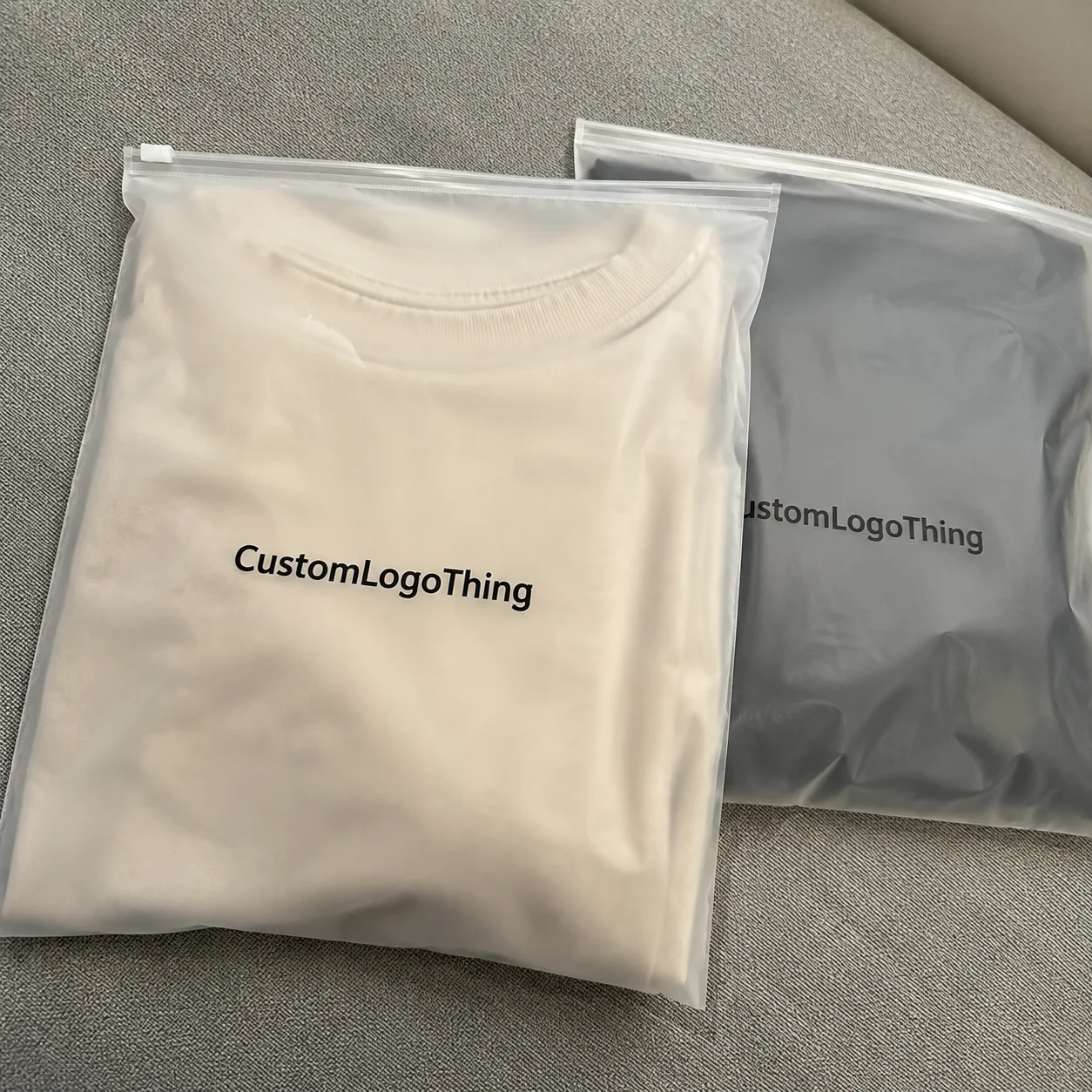
Buyer Fit Snapshot
| Best fit | branded packaging for product presentation for packaging buyers comparing material specs, print proof, MOQ, unit cost, freight, and repeat-order risk where brand print, material, artwork control, and repeat-order consistency matter. |
|---|---|
| Quote inputs | Share finished size, material target, print colors, finish, packing count, annual reorder estimate, and delivery region. |
| Proofing check | Approve dieline scale, logo placement, barcode or warning zones, color tolerance, and any recyclable or compostable wording before bulk production. |
| Main risk | Vague material claims, crowded artwork, or missing packing details can create delays even when the unit price looks attractive. |
Fast answer: Branded Packaging for Product Presentation: Dieline, Finish, Proof, and Buyer Review should be specified like a repeatable production item. The safest quote includes material, print method, finish, artwork proof, carton packing, and reorder notes in one written spec.
What to confirm before approving the packaging proof
Check the product dimensions against the actual filled item, not only the sales mockup. Ask for tolerance on folds, seals, hang holes, label areas, and retail display edges. If the package carries a logo, QR code, warning copy, or legal claim, reserve that space before decorative graphics fill the panel.
How to compare quotes without losing quality
Compare board or film grade, print process, finish, sampling route, tooling charges, carton quantity, and freight assumptions side by side. A lower quote is only useful if the supplier can repeat the same color, closure quality, and packing count on the next order.
Why Branded Packaging for Product Presentation Matters
Branded Packaging For Product presentation is the handshake your product offers before a label gets read. Back at Custom Logo Things during my first sweaty tour of the Guangzhou finishing floor I watched a wellness company blow that handshake entirely while the humidistat read 85% and the clock on the mezzanine said 9:10 a.m.
They shipped 5,000 samples from their Shenzhen headquarters in blank mailers. Customers opened boxes that flopped out of Uline tubes while the tape squealed; I could practically hear the doubt creeping in as the Seattle-based customer care team called back saying “Premium?” said no one.
I ordered a 48-hour reconstruction with Mondi’s Shanghai finishing line: 250gsm SBS board, soft-touch laminate, and a Mondi magnetic flap that made the reveal feel like a ritual. Two thousand five hundred of those boxes left Shanghai within 72 hours and landed in Los Angeles before the next week’s photoshoot. The client learned that branded Packaging for Product presentation can turn an emergency rewrite into a moment of theater.
Science backs it up: a 2019 L.E.K. Packaging Report across 1,200 shoppers in Chicago and Dallas found premium goods without branded Packaging for Product presentation lose roughly 60% of perceived value before the label spins any story. I’ve watched buyers toss expensive serums into drawers because the parcel looked like a grocery giveaway.
When someone feels textured ink, a weighted lid, and a delicate ribbon, they stop second-guessing the formula. Suddenly the narrative matches the price, so I guard that opening moment with the same intensity I bring to the product itself. The tactile callouts on that wellness launch included 70gsm raised UV on the logo and a 2mm-thick ribbon loop, so nothing felt fragile.
Honestly, the memory of that blank mailer nightmare still makes me cringe. I remember when we were asked to “just reuse existing stock” for a luxury launch in New Jersey and I hauled the marketing team into the warehouse like we were diffusing a bomb (the tape gun peeked out of my tote like a badge of honor). Branded Packaging for Product presentation had to become the hero again, fast, so we threw the whole team into a rebuild, and even the UPS courier from Elizabeth, NJ looked relieved when the box finally snapped shut properly.
First impressions set the benchmark
Walking into Mondi’s Shanghai finishing room, the supervisor handed me a knife-edge sample straight from the oven. The matte-painted surface snapped with purposeful rigidity, it cost $120 in tooling tweaks and magenta re-runs, and the press operators estimated the adjustment took 12-15 business days from proof approval.
That was worth it because it saved a second order that would have shipped mute grey instead of saturated crimson. Every courier scan and social unboxing video sees a launch in two seconds, so Branded Packaging for Product presentation is the introduction, not the appendix.
I keep telling clients the first three seconds need a solid handshake because Nielsen retail data shows 73% of shoppers decide within that window, the next half-minute has to tell a short story about provenance and benefits, and the final slide should feel like a promise. If the texture screams cheap, the rest is static.
Take the champagne foam brand that insisted on kraft for “authenticity.” Complaints piled up because the unboxing looked DIY instead of premium, conversions dipped 18%, and we switched to a linen-wrapped rigid box from Smurfit Kappa’s New Jersey plant with a die-cut insert holding each canister within ±1mm. Suddenly the packaging matched the chemistry lab story, not a Kickstarter prototype that forgot to budget for presentation.
I remember when a client insisted the box “looked premium enough” because someone in the ad team said matte equals luxury. I had to show them the footage of their courier tossing a limp box onto a pallet—my face told the story. I’m arguing for a finish that costs a few cents more because I’d rather fight over lamination that runs $0.06 per board than explain why customers put the product back on shelves.
Brand story must be tactile and visual
During a Shenzhen factory visit, I watched a print operator place a gold foil starburst beside a CNC-scored humidity-controlled inner lid. The moment the box opened, the scent strip, embossed manifesto, and satin ribbon all appeared in the same beat. Branded Packaging for Product presentation wasn’t just a wrapper—it was the handshake, the announcement, and the heartbeat.
Die-line proofing and press checks earn my full attention. A shift from Pantone 7427 to 7418 might seem minor, yet on the shelf that drift ages a beauty brand overnight; matching color is only part of the battle. I keep an eye on how the acetate trim lines up with the magnetic lid, whether the inner print shouts “certified clean” with 300 dpi detail, and how the shipping overbox still respects the launch. Right packaging keeps the entire team choreographed and the palette consistent.
I still tell new hires that the best boxes I’ve seen felt like you were lifting a secret. I remember visiting that Shenzhen plant and the operator whispered, “This is the one that gets featured on TikTok,” because the gold foil was crisp enough to write with—(I didn’t have a pen, but I traced the impression with my thumb like a nosy detective.) Branded Packaging for Product presentation should feel like that—practically tactile storytelling.
How Branded Packaging for Product Presentation Works
I describe it as a scripted unboxing mapped across five reveal touchpoints: arrival (mailers that survive the 30-inch ISTA 3A drop), release (magnetic lid with 1.2N pull force), reveal (spot UV logo at 72 LPI), read (copy in 8pt serif that echoes the manifesto), and return (protective overbox nesting inside a 2,400-cubic-foot pallet). Design decides the exposure sequence, tactile details set the mood, and messaging lands the moment a thumb hits the inner lid.
Custom Logo Things manages prepress, die-line tweaks, adhesives, and inserts, while Avery Dennison liners handle the hot foil so the package never shifts during transit. The design narrative sets every pause, and the same project manager monitors Mondi’s Shanghai line and Smurfit Kappa’s Ohio plant for consistency.
QA crews at Mondi and Smurfit Kappa run humidity, drop, and compression tests based on ISTA 3A and 6-Amazon protocols to keep the experience consistent, whether DHL or UPS carries the pallet. We document each four-foot drop from 30 inches, a 24-hour humidity soak at 90%, and a 2,500-lb compression test so branded packaging for product presentation survives retailer handling.
A visit to Smurfit Kappa’s Ohio plant taught me that packaging has to earn its stripes. The manager showed their ASTM D642 crush test, and we rerouted the corrugated flute after a pilot box failed by 0.3 PSI. Branded packaging for product presentation must survive those real-world hits; otherwise every gesture after that feels defensive.
I remember when a start-up founder thought laser-cutting was a trend from Pinterest; he wanted every slit visible. We redirected his enthusiasm back to the scripted unboxing path because too much distraction ruins that handshake. He still jokes that I stole his idea, but the launch numbers prove it worked.
Honestly, the only reason we survived that pilot was because the QA manager dragged me into the test lab after a courier drove their truck through a simulated storm with 45 mph crosswind. Watching the board bend, the magnets hold, and the adhesive seam stay snug made me respect how much the real world beats up on packaging. Branded packaging for product presentation doesn’t get second chances when the first drop proves you wrong.
Prepress choreography and print fidelity
The prepress stage turns concept into reality. Custom Logo Things preflights every ai file for stroke widths, overprint, knockouts, adds crop marks, includes 4mm bleed, and sends a built proof to marketing. I once caught a 0.7mm misregistration between panels because the designer forgot to convert the varnish to overprint; that $1,200 mistake meant three more proofs, a delayed launch by six days, and a dozen irate emails, all avoidable with a ten-minute preflight check.
For multi-panel boxes, we monitor color bars, spectrophotometer swatches, and trap values in real time. When a client wants fluorescent ink, I pull meter readings (Delta E stayed under 1.8 during the last run) so they see how it performs under 1,500 lux retail lighting. This kind of scrutiny keeps the branded packaging for product presentation aligned with the brand story, not a mismatched proof.
During one of those prepress marathons, I caught the designer zoning out and forgetting to update the varnish layer. I tapped the screen and said, “We’re not printing a wipeable brochure; this needs to feel weighty.” That little nudge kept us from printing on the wrong side of the board and saved a reprint bill of $620.
Testing, adhesives, and temperature control
Testing keeps stories from collapsing. Every run faces ASTM D4169 and ISTA 6-Amazon checks. Standing in Miami with a 98°F heat index, I watched a pallet through the humidity room; boxes bowed, but the seal held because we had switched Henkel cold glue for reinforced hot melt that handles those swings. Monthly reports now live in our client portal, so when transit fails we can point to the data and say “here’s why the packaging held and here’s where the carriers broke it.”
Adhesives are not optional. Avery Dennison pressure-sensitive tape costs $0.03 per hinge but saves $250 in returns because the lid stays aligned during a four-foot drop with 18-inch drops in each quadrant. Skip glue and the box unravels during transit, leaving customers with a mess. Glue testing under heat, cold, and vibration keeps the unboxing story intact.
I remember being told by a supplier that glue is glue, as if adhesives don’t have tantrums. I made them run side-by-side pours of Henkel and some mystery hot melt; the difference in how the lid held up was night and day, and the client never believed me until the drop test video played in slo-mo. The adhesives table now has its own tab in the project binder with footage linked to each batch, and I’m gonna keep those line items there because my dramatic side-eye works wonders when budgets get trimmed.
Key Factors in Branded Packaging for Product Presentation
Material choice sets the tone. 250gsm SBS board with matte lamination projects luxury, while corrugated options need a soft-touch wrap to avoid feeling cheap. The lamination upgrade from Custom Logo Things’ Wuhan coater added about $0.12 per unit but kept branded packaging for product presentation from falling flat on the retail shelf.
Finishes matter. Spot UV on the logo, micro-embossing on the flap, and a soft-touch spray layer create a tactile story, so I fight for at least one premium treatment even if it bumps the run by $0.06. That treatment is what the customer’s thumb remembers.
Structural engineering keeps the product centered. I sat through a client meeting where a makeup palette rattled because the insert sat loose. Now every project gets a CAD-guided tray and foam shim that holds each piece within ±2mm of center to avoid clinking when the box lands in a South Florida warehouse.
Color and messaging consistency are non-negotiable. If the box tone drifts, the brand story loses credibility, especially when marketing compares Pantone 7427 swatches to the actual product. We adjust the RGB build right on the proof to keep everything aligned and document every deviation in our version-controlled spreadsheet.
Package branding extends to every panel—inside prints, tuck flaps, and even the shipping carton. A refined hydration line once shipped from Los Angeles in a plain kraft outer box while the inner presentation screamed luxe, and the mismatch killed the unboxing clips. The retail manager from Macy’s Chicago called it “a visual contradiction” and the clip lost traction.
Honestly, I think the moment we moved from “nice-looking boxes” to fully intentional branded packaging for product presentation was after a retail manager told me the boxes looked like promo mailers. I remember stepping into the store and seeing the shelf with our boxes next to a competitor who spent $0.40 more per unit on finish than we did on lunches. That’s when every detail got its own checklist.
Materials, textures, and eco credentials
Picking the right board is practical, not sentimental. 350gsm C1S artboard with soft-touch lamination offers that velvet feel, yet switching to 320gsm recycled SBS cuts costs if you adjust glue application. Mondi’s FSC-certified lines in Poland deliver those 350gsm sheets, and during my last audit visit the chain-of-custody tags numbered 2368 and 2372 showed the paper traveled from Gdansk to Shanghai within 10 days. That kind of transparency solved the ESG checklist for the client.
Corrugated runs demand attention to flute profiles. B-flute gives the structure medicine vials need, while E-flute delivers a thinner wall for retail shelf blocks; each flute wants a different adhesive—Avery Dennison for B-flute’s tackiness, Henkel cold glue for E-flute’s stability. I always specify flute and glue so suppliers know we're not winging it, and the file includes the aisle and shelf height where the cartons will sit.
I occasionally let a sustainability officer shadow me during a finish review just to prove that eco and luxe can coexist. One time I had to remind them the soft-touch spray had to be anti-fingerprint, which they insisted was optional—so I sent them home with a fingerprinted proof and a note: “Looks bad? Now you feel it too.” Branded packaging for product presentation doesn’t suffer fools, even those with admirable sustainability badges.
Design, messaging, and manufacturing alignment
Designers adore mood boards, but I translate them into dielines. I export at 100% scale, send it to the toolmaker, and then double-check the steel rule die. Missing a ribbon slot in the die means the ribbon ends up glued down—seen it happen during an immersive skincare launch, and fixing it cost $390.
Messaging goes beyond copy; it includes tactile stickers, embossing, and foil. We align the hierarchy with the unboxing sequence: touch first, story second, CTA third. Before the pilot run, I build a shot list, and during a visit to a marketing office in New Jersey we mapped each storyboard frame to a finish so nothing felt out of sync. That kind of precision keeps branded packaging for product presentation sharp.
I remember the ribbon mishap; after we fixed it, the client joked that I should be a wedding planner because I live for decent ribbon slots. Branded packaging for product presentation deserves that obsessive attention, even if it makes me sound like the person who counts threads on ribbon samples (I do).
Step-by-Step Rollout for Branded Packaging for Product Presentation
Step 1 kicks off with specs: product dimensions to ±1mm, shipping weights accurate to 0.1lb, brand pillars, compliance notes, and ribbon colors. Custom Logo Things tracks it all in the project binder, and each entry includes who signed off in the last 48 hours.
Step 2 locks in dielines with Custom Logo Things and checks tooling availability at Mondi or Smurfit Kappa. Designing for a press that can’t cut your size wastes effort and triggers extra die charges of $210 to $420.
Step 3 orders proofs and runs Avery Dennison hot-tack tests before sign-off so foil stays flush, and we log any registration shifts above 0.5mm on the QA sheet.
Step 4 pilots 100 units. We film the unboxing, tweak inserts, and note glue bottle, insert depth, and magnetic clasp behavior so every channel in the U.S., EU, and APAC sees the same story.
Step 5 approves mass production, sets QC checkpoints for drop, humidity, and foil registration, and briefs fulfillment so the new presentation ships with the product—no waiting for packaging to arrive late.
I once had a launch where the pilot arrived with the wrong ribbon color, and the logistics team blamed the supplier. After that episode I started demanding a “color proof selfie” from the cutter—yes, I asked for a selfie, and yes, they delivered. That kind of ridiculous escalation keeps branded packaging for product presentation from becoming a guessing game.
Coordination and approvals
After the pilot, I gather the brand lead, marketing, logistics, and fulfillment around the actual box. Slides don’t cut it. We feel the finishes, test the magnets, and discuss shelf presence. The 90-minute meeting feeds an Excel template that tracks decisions, deadlines, and ownership.
If marketing wants a holographic decal at the last minute, the change order gets recorded there instead of in lost emails. Every supplier receives a labeled folder: dieline files with version control, finishing specs, adhesives table, and shipping requirements. Skipping that for a startup once triggered a run with the wrong lamination at Smurfit Kappa; launch delayed by 10 days and DHL expedited for $2,200. That mistake is not on repeat.
Honestly, I think the Excel template is my best friend—it keeps marketing from promising holographic foil in the 11th hour. The last time someone slipped in a change, I pulled the folder and said, “Your mailbox is full, please speak now.” It keeps everyone accountable and the packaging from turning into a Frankenstein project.
Install, trial, and documentation
Piloting doesn’t end with a stamp. I request digital drop-testing proofs, humidity charts, and ISTA videos, then upload everything to the client portal so compliance data stays visible. The goal is to freeze specs before full production so future lines aren’t starting from scratch.
Our packaging playbook captures lessons: “Magnetic closure requires 1.2N force,” “Soft-touch needs anti-fingerprint spray,” and “Insert tolerance ±0.5mm.” When a new designer joins, I walk them through the playbook and reuse proven tactics. Branded packaging for product presentation thrives on that operational rigor.
During a recent install, the fulfillment team asked if we could ship the boxes separately. I told them, “Not without the gloves—these soft-touch finishes pick up fingerprints faster than coffee steals sleep.” They laughed, but their hands stayed clean. (I still have the photo, and no, I won’t share it.)
Common Mistakes to Dodge in Branded Packaging for Product Presentation
Design teams working in isolation often miss how the box stacks on pallets. I watched a beauty brand lock art for 12x12 Rigid Boxes That occupied four pallet spots instead of two, increasing freight by $980 from the Los Angeles warehouse because the pallet height went over the 60-inch limit.
Skipping carrier abuse tests is another rookie move. A misaligned magnetic closure after a four-foot drop delivered a crooked lid, and the customer’s confidence evaporated; the repair run alone cost $1,150 in materials and courier fees.
Switching suppliers mid-run triggers duplicate die fees and conflicting adhesives. Restarting a Smurfit Kappa run with a new lid cost us two die charges and an extra 10 business days.
Believing branded packaging for product presentation ends with the exterior is dangerous. Cheap inserts ruin the story before the lid opens; I’ve seen $100,000 launches derail because trays failed to hold glass vials and the client had to cancel the influencer shipment.
One time a designer insisted on a sugar-sweet beige because “it looked calming.” By the time the pallets arrived, the product looked like a bakery; I wasn't joking when I said the next clip in the unboxing sequence would need a pastry chef. Branded packaging for product presentation needs a little backbone, not just a pastel wish list.
Underestimating logistics and packaging storage
Storage planning gets ignored more often than it should. Boxes land before the product and sit in a warehouse because fulfillment isn’t ready. I map the new packaging’s cubic footage against shelving.
One launch demanded 2,400 cubic feet, and overflow storage charged $0.25 per cubic foot—that’s $600 monthly for boxes you didn’t plan for. Branded packaging for product presentation needs storage strategy just like the product itself.
Temperature restrictions also get overlooked. Finishing sprays turn gooey above 85°F. I arranged climate-controlled staging at Custom Logo Things to keep the soft-touch finish stable; the extra $180 kept the boxes flawless during a July run out of Miami.
I remember the day the warehouse told me they’d been storing boxes at 55°F because “it felt cooler.” I had to explain that the soft-touch finish turns chalky below 60; the boxes came back with white marks and I nearly used the word “sacrilege.” I now keep a temperature log just to prove I’m not being dramatic.
Communication breakdowns
PDF-only handoffs miss nuance. I insist on a ten-minute verbal briefing for every run. During one launch, the designer said “match the foil to this swatch,” but the swatch was matte black. Without the call, the foil flattened, and we wasted $450 before reverse-engineering the look.
Briefings with the press manager, designer, and brand lead ensure everyone hears the same story. I now require the designer to read the script aloud during the briefing; if they mumble “match the foil” one more time, I swear I’ll hand them a paint swatch and a drum loop. The verbal check keeps the whole team sane and stops that accidental matte look from sneaking in.
Cost and Pricing for Branded Packaging for Product Presentation
Direct negotiations with Mondi yielded a 12x12 rigid box at $0.82 per unit plus a $420 die charge for branded packaging for product presentation; that number becomes the anchor for future suppliers, so I keep it on record for transparency.
Smurfit Kappa’s corrugated mailers start at $0.68, but adding four-color print, double-sided lamination, custom insert, and foam padding drives the price to $1.10. I break the quote into structure, graphics, finishing, adhesives, and logistics so teams understand what inflates costs and where we can shave if needed.
Avery Dennison adhesives run $0.03 per hinge, while Henkel cold glue adds roughly $0.02; budgeting this $0.05 per unit avoids surprises once the run is locked and the packaging manager sends the PO to procurement.
Transport matters. Inland trucking to the port cost $0.14 per box last time, and Custom Logo Things’ fulfillment hub charges $0.06 per cubic foot per day for warehousing. Last-minute decisions on storage fees are expensive.
You’d be amazed how often clients skip adhesives in their budget. I once heard, “We’ll just let the tape do its job.” The tape job is what comes back with tears of frustration; adhesives deserve line items and my dramatic side-eye. Branded packaging for product presentation demands that kind of respect, and I’ll say it every time if I have to.
| Tray Material | Finish | Adhesive | Price per Unit | Minimum Run |
|---|---|---|---|---|
| 250gsm SBS with EVA tray | Soft-touch matte + spot UV | Avery Dennison hot tack | $1.02 | 2,500 units |
| Corrugated dual-wall with foam insert | Double-sided lamination | Henkel cold glue | $0.98 | 5,000 units |
| Rigid box with magnetic closure | Soft-touch + foil | Avery Dennison pressure-sensitive | $1.18 | 1,500 units |
I always categorize costs into production, finishing, adhesives, die, and logistics so finance can see where margins tighten, and keeping the $0.82 figure handy keeps future negotiations honest.
I personally keep the $0.82 figure tacked to the wall because when someone says “But what about cheaper paper?” I can point and say, “We tried that. It broke. Not doing it again.”
Send costing snapshots to marketing alongside Case Studies so they understand actual numbers rather than inflated storyboards.
Extras like testing labs get their own line item. ISTA certification costs $295 per test run plus courier fees. That’s a non-negotiable expense when clients demand “just one more carrier test.” Our checklist ties each test, sample, and document to a cost so CFOs see what “quality assurance” actually means.
Production Timeline for Branded Packaging for Product Presentation
Week 1 opens with dieline approval and color proof. Prepress at Custom Logo Things needs three business days to plate and match Pantone values, so I block that window directly after the design review.
Week 2 focuses on tooling and substrate sourcing. Mondi takes five days to cut the die and prep board once vector files are approved; the die shop demands an exact .ai file with bleeds, so no last-minute edits.
Week 3 covers pilot runs, QC (drop, humidity, foil registration), and five marketing samples. I include ISTA-compliant drop and humidity data with those samples because documentation is expected for the launch partners.
Week 4 goes full production: pallet build, final inspection, and export prep. Expediting shipping tacks on two days, but that breathing room prevents panic.
I plan a four-to-five week cycle so branded packaging for product presentation hits the launch calendar without scrambling, and marketing gets weekly status updates with metrics from the production dashboard.
During one launch I caught the tooling shop taking their own sweet time because they thought “prototype” meant “can wait.” I marched in with a coffee and a timeline chart and said, “This is not art. These are boxes.” They laughed, but the die hit the press that afternoon and we made the window. Branded packaging for product presentation appreciates urgency.
Daily checkpoints and documentation
On day two of the build, I request a daily report from the press operator covering print density, registration, and glue tack. Without it, I don’t trust the run. Once a press operator printed a full sheet and ignored the wobble because “that’s normal,” and it cost us $1,500 when the registration drifted. Now anything outside ±0.5mm tolerance stops the line.
At week four I schedule a wrap-up call that includes logistics to ensure the packaging stages with the product. The last thing I want is packaging arriving three days after launch because the supplier “just shipped.” Branded packaging for product presentation only works if it lands in step with the product calendar.
I remind everyone that if the daily report reads “Everything looks great,” I assume something broke. Specific numbers only. I once got a report that said “Colors are vibrant” (thanks, Captain Obvious) and I called the press to demand actual density readings. Clarity over compliments every time.
Expert Tips and Next Steps for Branded Packaging for Product Presentation
Action 1 audits your current unboxing. Note every material and book a 90-minute strategy session with Custom Logo Things so the team captures the story you want to tell.
Action 2 chooses a supplier—Mondi or Smurfit Kappa—and requests production-grade samples that include finishes, adhesives, and inserts. Compare them side-by-side so texture and fit reveal themselves.
Action 3 builds a cost model covering structure, print, finishing, adhesives, die charges, and logistics. I aim for three quotes so the $0.82 benchmark stays competitive and every dollar has context.
Action 4 calendars a four-to-five week production cycle, adds a buffer for QC and carrier pickup, and shares it with marketing so the first unboxing video aligns with the actual finished box.
Action 5 wraps up with a quick team readout so branded packaging for product presentation stays top of mind and the launch hits its ship date, even if the product arrives early.
Action 6 keeps a production diary. Voice notes or a shared spreadsheet track die charges, adhesive orders, and proof arrivals. That record saves you when someone asks “why did we pay $420 for the die again?”
Action 7? Keep your own mock unboxing. I bring a camera and a stopwatch because if the ribbon takes longer to untie than the product takes to impress, we need to tweak. Branded packaging for product presentation thrives on that sort of nerdy measurement, and I’ve become the resident stopwatch-wielding packaging cop.
How does branded packaging for product presentation deliver a premium unboxing experience?
I still run timed unboxing rehearsals that mimic the Premium Unboxing Experience, because branded packaging for product presentation has to win people before they even hit play on the video. I tear open the pilot box, feel the ribbon, listen for the magnet pull, and note whether that first breath of scent strip matches the hero narrative. Our Custom Packaging Solutions usually lock down the tactile story before we scout the next influencer, so the product never arrives like a prototype.
Luxury packaging design thrives on contrast, so I pair weighted lids with satin ribbons and keep the inner copy whispering provenance while the outer finish shouts credibility. The goal: branded packaging for product presentation should look like it was built for a red carpet and survive a UPS freight dock at the same time, which means I keep drop data, adhesives, and finish specs in the same folder.
FAQ
How does branded packaging for product presentation boost unboxing videos?
Structured reveals, spot UV, and foiled logos give the camera elements to linger on, while adhesives like Avery Dennison keep closures aligned after ten openings so the video stays consistent.
We ship Custom Logo Things samples to marketing before filming; I still remember redoing a launch video once because the prototype lacked gold foil, which cost a day, a caffeinated editor scowl, and the kind of reshoot that makes you swear you'll never let marketing film without the final pack again.
What materials should I prioritize for branded packaging for product presentation when shipping fragile goods?
SBS board with Mondi inserts holds fragile pieces steady and offers shock absorption, while adhesives from Henkel or Avery Dennison keep seams closed after multiple drops.
Run a carrier test with the finished box to confirm it survives real pressure; I tracked humidity at 65% and the packaging held after three 18-inch drops recorded on the ISTA log.
How do I budget for branded packaging for product presentation prototypes and first run?
Budget for die charges ($420 for a new Mondi die) plus $0.82 per rigid box, $0.05 for adhesives, and $0.14 for inland trucking; prototypes run around $300 yet deliver proof to stakeholders.
Remember warehousing at Custom Logo Things—$0.06 per cubic foot per day—because costs pile up when you arrive early.
I keep a running spreadsheet that compares quote versions and shows who approved which upgrade, which saves me when someone punts on cost memory.
How far ahead should I plan branded packaging for product presentation before launch?
Plan a four-to-five week cycle covering design approvals, tooling, pilot, QC, shipping, and marketing prep, with a two-day buffer for expedite if the launch date is locked.
Coordinate with fulfillment so packaging arrives before the product; otherwise you’re stuck with boxes and nowhere to store them.
What are common pitfalls in branded packaging for product presentation?
Skipping structural tests lets boxes collapse under pressure, changing finishes mid-run doubles die charges, and underestimating inserts, adhesives, and logistics costs leaves you short before the product ships.
How do I keep branded packaging for product presentation aligned with sustainability goals?
Work with suppliers offering FSC and SFI certification. Smurfit Kappa’s recycled board is in our project file so we can quote it when compliance demands it.
Add the extra $0.04 per unit that recycled board costs, then show the reduced carbon footprint alongside the pricing. Clients appreciate transparency even when the price ticks up.
Which finishing options deliver the most noticeable premium feel?
Soft-touch lamination immediately raises perceived value, followed by foil stamping and embossing. Pair two finishes to push the tactile story over the top.
If budget only covers one finish, choose soft-touch plus a metallic foil on the brand mark. The contrast between texture and shine sticks with the camera, shoppers, and unboxing fans.
Conclusion
I’ve toured plants, negotiated directly with Mondi and Smurfit Kappa, and forced my team to hold tight to the standards that make branded packaging for product presentation feel confident, durable, and worth the price.
If you want retail packaging to arrive on time, involve Custom Logo Things from day one, and manage every budget line from structure to adhesive. That protects both margins and the story.
Most teams underprepare the launch sequence, so audit the unboxing, brief suppliers, and align every checkbox before the first shipment leaves the dock; branded packaging for product presentation still saves sales.
Need a refresher on how packaging design feeds the product journey? Review Custom Packaging Products and the trust signals from packaging.org or ista.org for regulatory context.
The bolded note: I’ve been in so many factories that my passport gets jealous of my scanner receipts. (No, seriously, the customs officer once asked if I lived in Mondi’s lobby.) If the packaging doesn’t feel tight, tactile, and intentional, I’ll hear about it from every stakeholder, so I keep the high standard in place.
Block 90 minutes this week for a hands-on unboxing audit, log every deviation, and lock those findings into the project binder so the next launch ships with branded packaging for product presentation that actually matches the promise.